Harry Potter Book vs Movie Changes Explained
As an Amazon Associate we earn from qualifying purchases.
Few franchises have been picked apart, scene by scene, as thoroughly as Harry Potter. With seven books and eight films, the gap between page and screen grew wider with every installment, and fans have spent two decades debating what got cut, what got compressed, and what got quietly rewritten to fit a two-and-a-half-hour runtime. If you grew up rereading the books between movie releases, you probably noticed the moment the films stopped being faithful translations and started becoming their own condensed interpretation of J.K. Rowling's world. That shift is really the whole story of why "the ending" — and a lot of what leads up to it — looks different depending on which version you experienced first.
The most consistent pattern across the Harry Potter adaptations is compression rather than invention. The films rarely made up new plot points wholesale; instead, they merged subplots, trimmed secondary characters' arcs, and cut the slower, more introspective passages that work on the page but stall momentum on screen. Peeves the Poltergeist essentially vanishes from the movies despite being a recurring nuisance in the books. Percy Weasley's estrangement from his family, a slow-burn emotional thread in the books, gets barely a mention in the films. Even major structural choices — like how the house-elf subplot involving S.P.E.W. disappears almost entirely — reflect a broader decision to prioritize the central Harry-Voldemort conflict over the social commentary woven through the books.
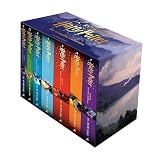
The deeper you go into the series, the more noticeable these changes become, simply because the books get longer while the films stay roughly the same length. This is exactly why so many readers say the books "explain" things the movies leave murky — motivations, backstory, and side-character relationships that got quietly trimmed for time. If you want to see the full, unabridged version of these arcs, the Harry Potter Box Set: The Complete Collection is the most direct way to compare what actually happened on the page against what made it to the screen.
Harry Potter Scenes Left Out of Movies
Some of the most-missed material never made it to film at all. The backstory on how the Marauders' Map was created, much of the history behind the founding of Hogwarts and its houses, and several quieter character moments — like extended scenes with Neville Longbottom's development or Ron's insecurities about living in Harry's shadow — were trimmed or removed entirely. Christmas at Hogwarts, a recurring set piece in the books that deepens the sense of found family among Harry, Ron, and Hermione, is often reduced to a quick montage on screen. These aren't errors; they're the natural casualties of adapting doorstop-sized novels into blockbuster runtimes, but they're also exactly the kind of detail that makes rereading the original novels rewarding even after you've seen the films dozens of times. For readers starting fresh or revisiting the series from the beginning, the Sorcerer's Stone paperback is a good, low-commitment way to notice just how much texture the first book has that the first film simply couldn't include.
Book Adaptations That Changed the Protagonist
Harry Potter is a somewhat unusual case among adapted franchises because Harry's core character stays largely intact from page to screen — but the emphasis around him shifts. In the books, Harry is often more introspective, more prone to stewing in frustration or self-doubt, particularly in the later volumes where his anger and isolation are major emotional threads. The films, constrained by runtime and needing visual momentum, tend to externalize that inner conflict into action and dialogue, making movie-Harry feel slightly more reactive and less brooding than his literary counterpart. It's a subtler shift than franchises that outright change a protagonist's motivations or backstory, but it's part of why readers often describe book-Harry as more relatable in his flaws, while movie-Harry reads as more straightforwardly heroic.