We pick a winner every time — and explain why the other falls short.
Browse All Comparisons
Book Wins
Book Wins
Book Wins
Tie
Book Wins
Book Wins
Maggie O'Farrell's Hamnet imagines the life of Agnes Hathaway — the woman who married William Shakespeare — and the death of their eleven-year-old son Hamnet from bubonic plague in 1596. O'Farrell never names her protagonist "Shakespeare," keeping focus relentlessly on Agnes, her strange intuitive gifts, and the devastation of losing a child. The novel won the Women's Prize for Fiction and the National Book Critics Circle Award, establishing O'Farrell as one of the most accomplished historical novelists working today.
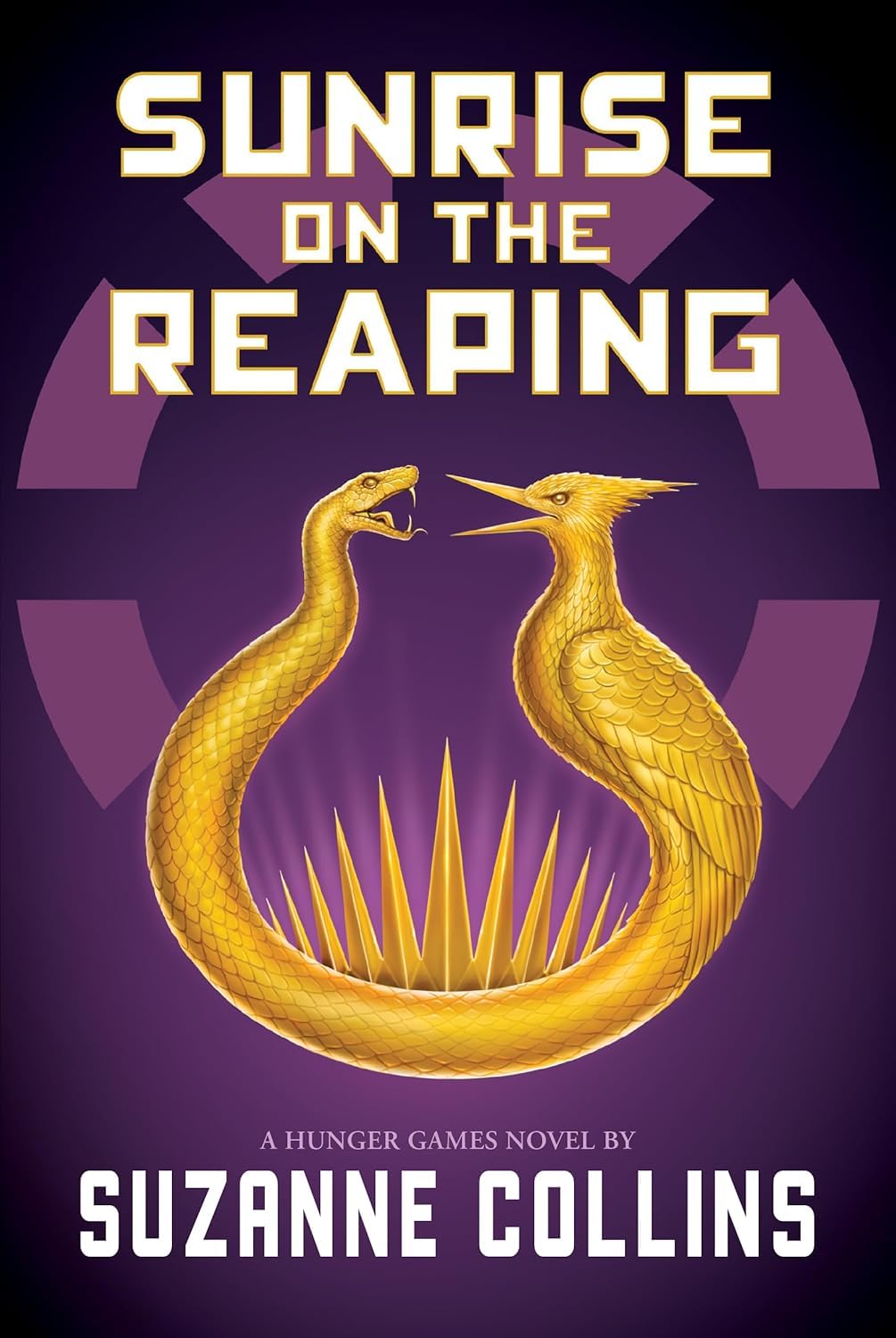
Suzanne Collins returns to Panem for a second prequel, following a young Haymitch Abernathy — the District 12 tribute who will one day become Katniss Everdeen's dissolute but brilliant mentor. Set during the 50th Hunger Games, known as the Second Quarter Quell, Sunrise on the Reaping is Collins's most overtly political work: an interrogation of how authoritarian systems manufacture consent, erase memory, and punish resistance. Knowing where Haymitch ends up gives everything he does here an extra weight.
Marissa Stapley's Lucky follows a woman raised by con artists who attempts to escape her criminal upbringing and build a legitimate life. The novel is a propulsive thriller that refuses easy moral judgments, constantly shifting the reader's sympathies between characters who are simultaneously victims and perpetrators of elaborate schemes. This 2026 film adaptation arrives at a moment when audiences have grown sophisticated about antiheroes and morally ambiguous protagonists — the question is whether cinema can capture the novel's relentless moral uncertainty or whether it will simplify Stapley's deliberately knotty psychology into a more conventional redemption arc.
Margo Millet is twenty years old, a recent college dropout, and pregnant by her married English professor when Rufi Thorpe's novel opens. She's the daughter of Shyanne, a former Hooters waitress who raised her alone in a Texas college town, and Jinx, an ex-professional wrestler she hasn't seen since childhood. Facing mounting bills and no clear income, Margo starts an OnlyFans account—a decision that horrifies her mother and eventually brings her estranged father back into her life.
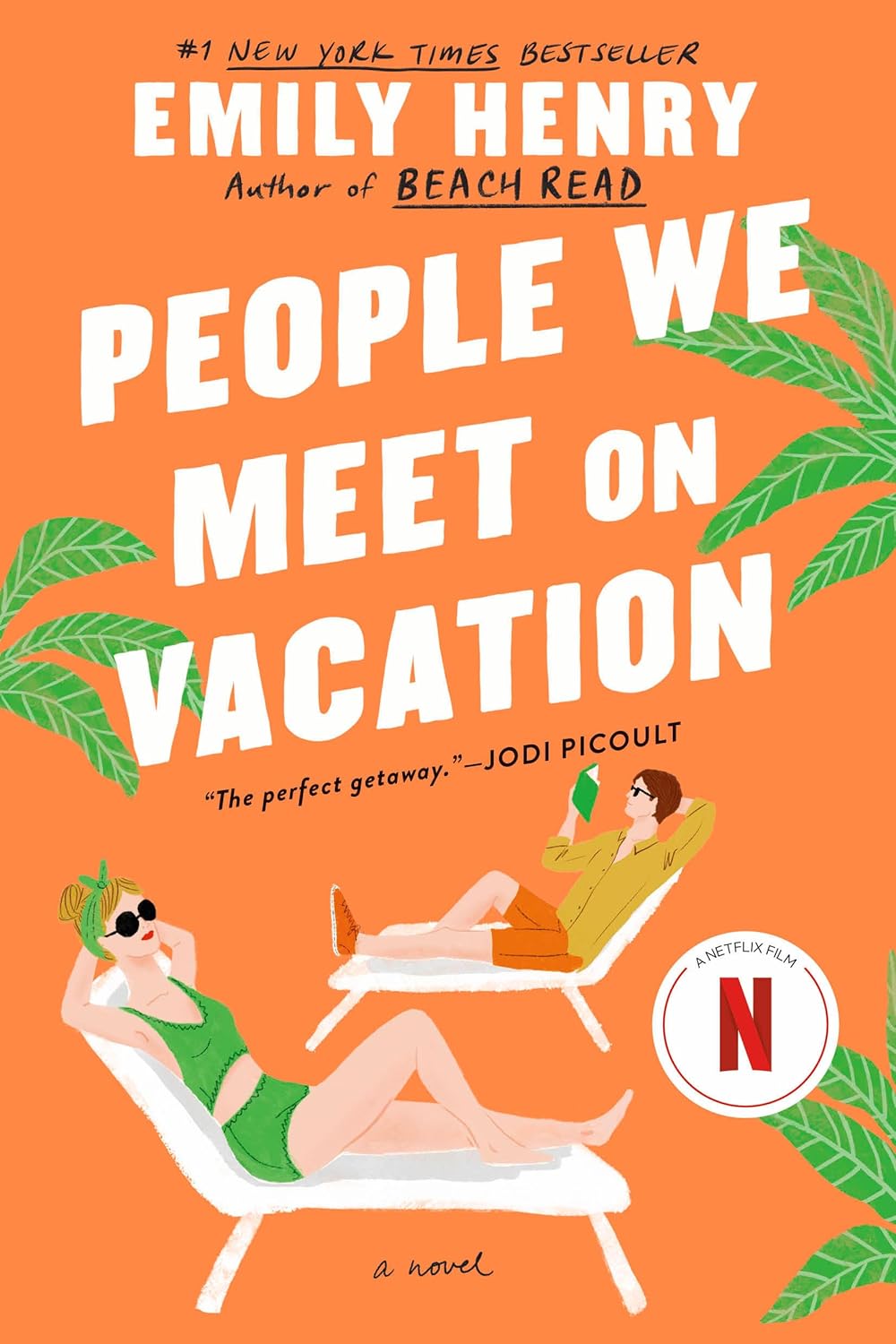
Poppy Wright is a travel writer who has spent ten years taking one summer vacation a year with her best friend Alex Nilsen — a high school English teacher who is her opposite in almost every way. She's spontaneous and restless; he's cautious and content. Two years ago, something happened on their Croatia trip that ended the friendship. The novel moves between their annual vacations and the present, as Poppy tries to repair what broke by planning one last trip to Palm Springs.
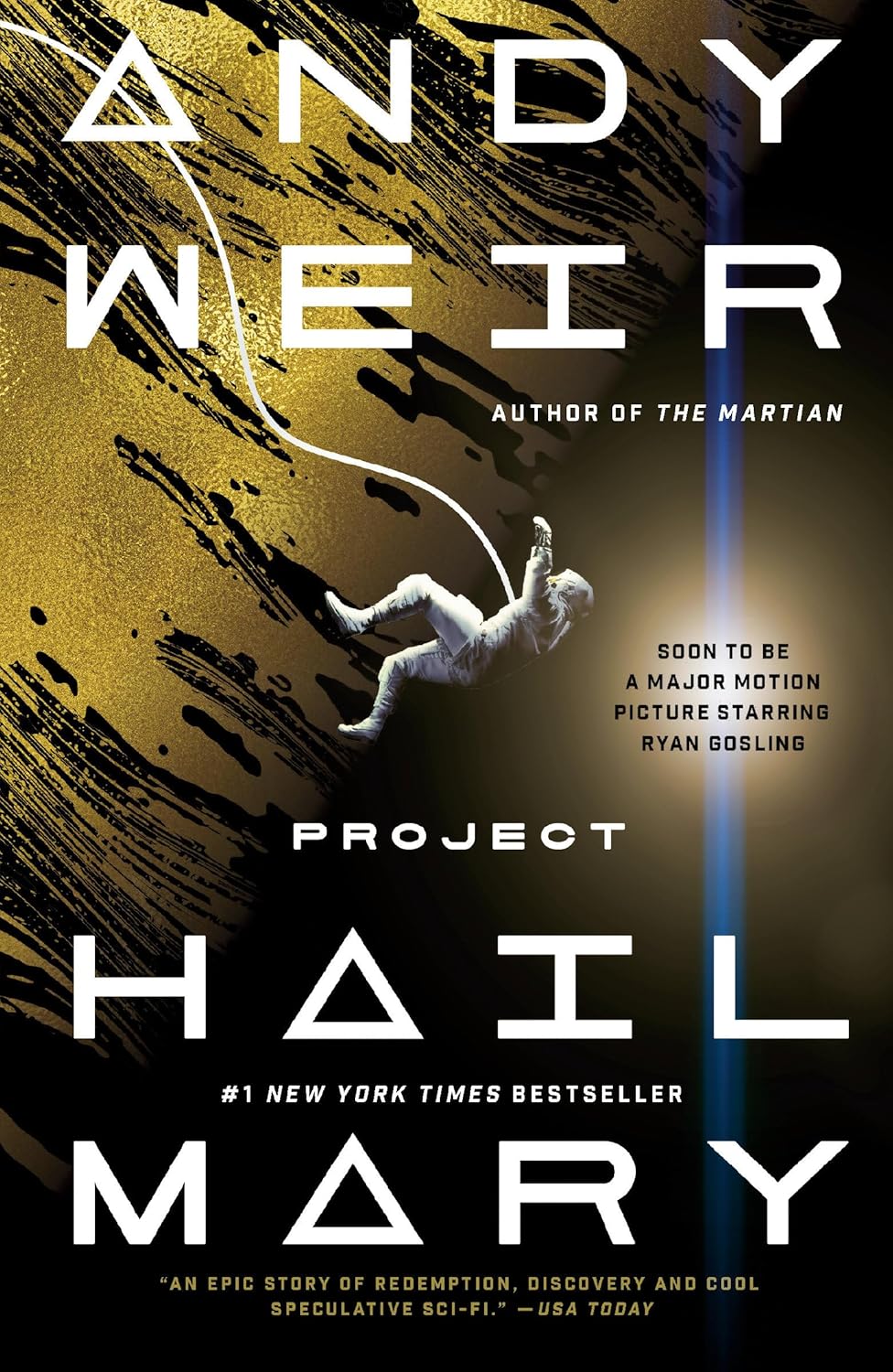
Ryland Grace wakes up alone on a spaceship with no memory of who he is or why he's there. As recollections return in fragments, he pieces together the truth: he's the sole surviving crew member of a last-ditch mission to a distant star, tasked with finding a way to save Earth from an extinction-level threat called Astrophage — a microorganism that's dimming the sun and will cause mass extinction within decades. Grace, a former middle school science teacher who became a microbiologist, was chosen for the mission by Eva Stratt, the ruthless project director who assembled the Hail Mary crew through methods that skirted international law.
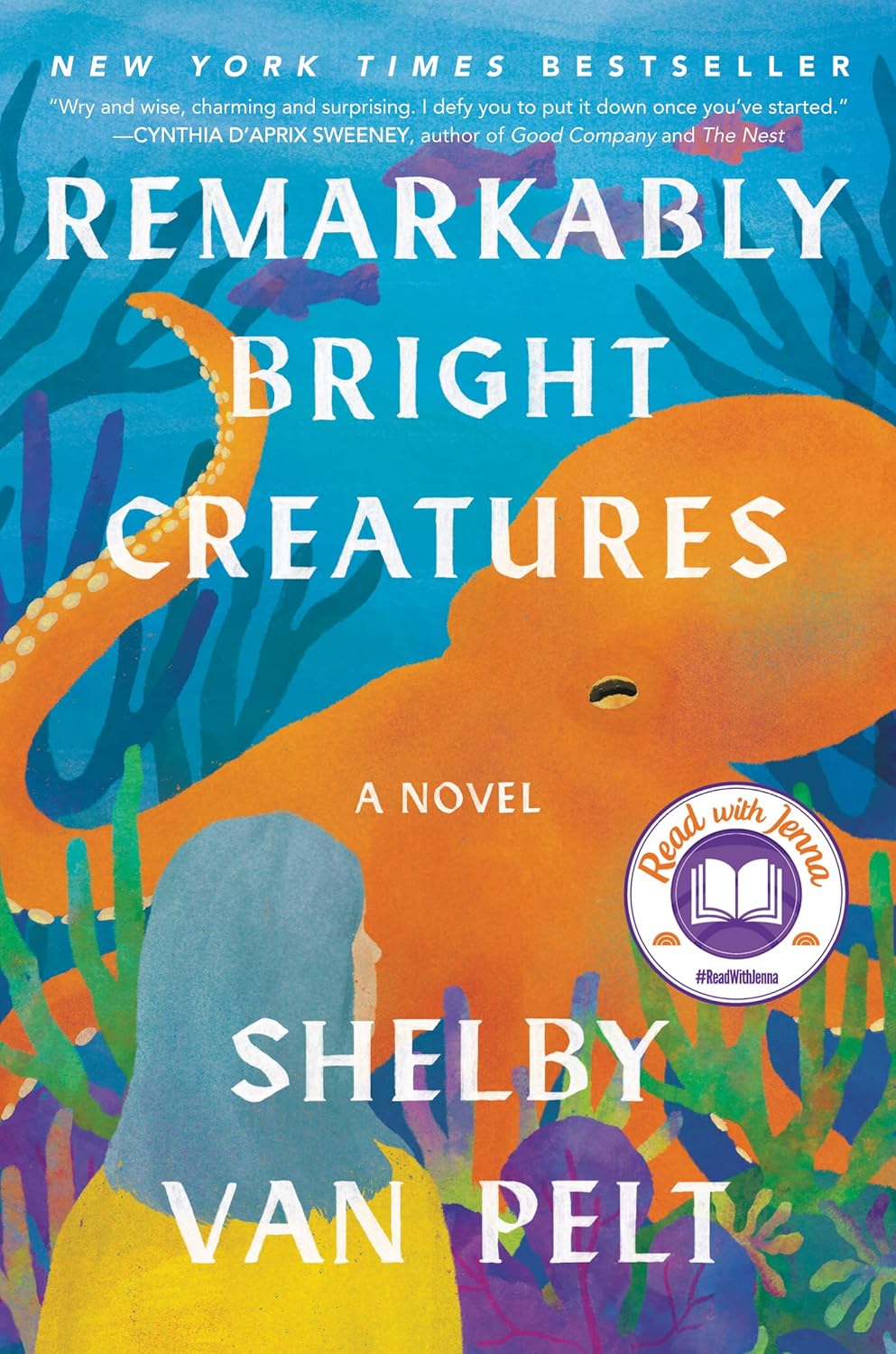
Tova Sullivan is a seventy-year-old widow who cleans the Sowell Bay Aquarium on the night shift in a small Washington coastal town. Her son Erik drowned thirty years ago under mysterious circumstances, and she has quietly stopped expecting much from the world. Marcellus is a giant Pacific octopus who lives in the aquarium, observes everything through the glass of his tank, and understands considerably more than the humans around him realize — including the truth about what happened to Erik.
Kenna Rowan walks out of prison after five years for vehicular manslaughter — the car accident that killed her boyfriend Scotty. She returns to the small town where her four-year-old daughter Diem lives with Scotty's parents, Grace and Patrick, who have refused all contact and won't let Kenna near the child she's never been allowed to know.
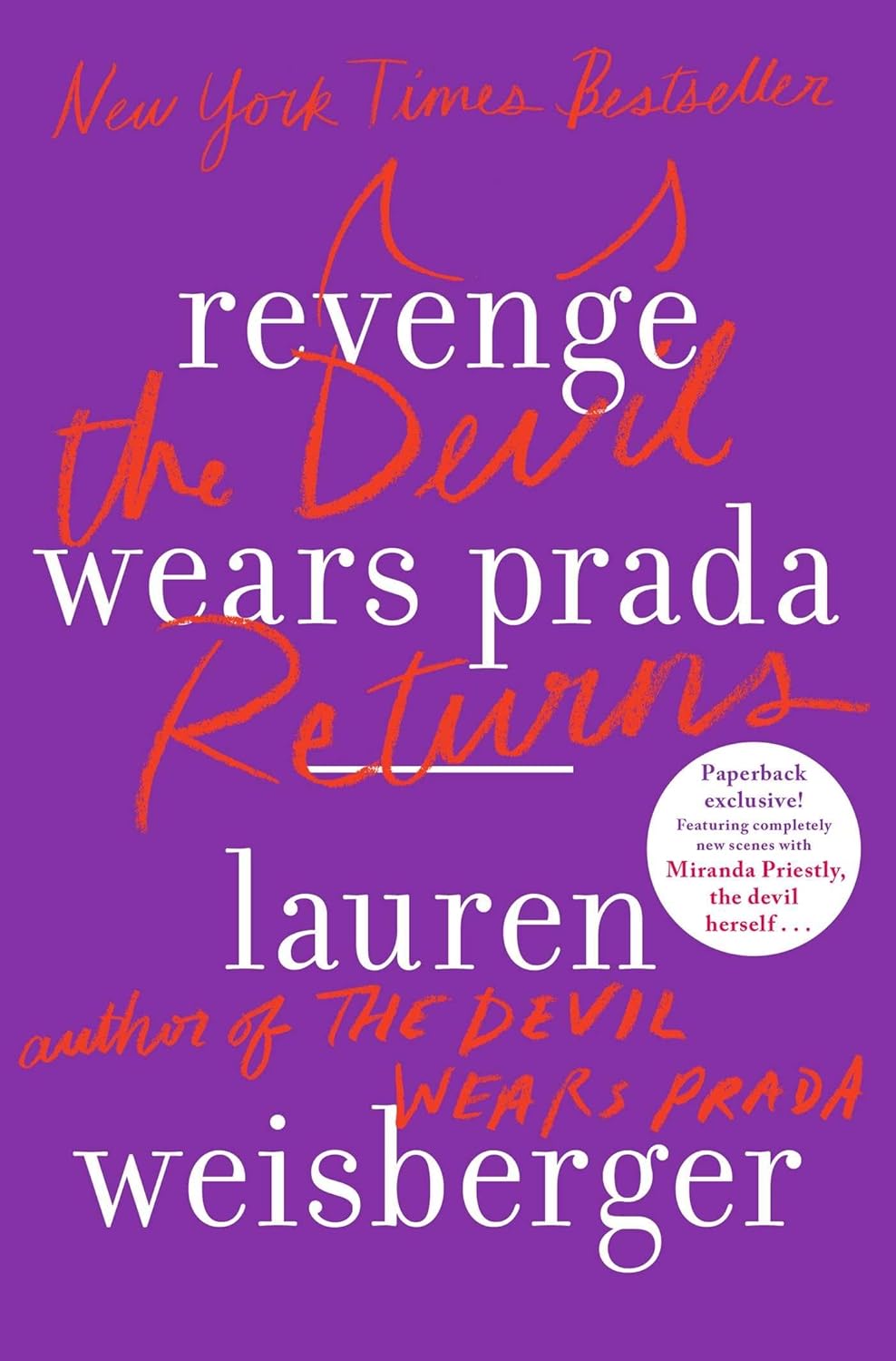
A decade after her escape from Runway magazine, Andy Sachs has built a respectable career as a journalist and a life away from the fashion world's tyranny. But when a scandal threatens her professional reputation and personal relationships, she's forced back into contact with Miranda Priestly — the woman who nearly destroyed her. Weisberger's 2013 sequel interrogates whether Andy ever truly left Runway behind, or whether its toxicity has simply metastasized into her adult life.
Elle Kennedy's The Deal follows Hannah Wells, a music major at fictional Briar University who needs tutoring help from Garrett Graham, the campus hockey star. Their arrangement is transactional: he'll help her pass ethics if she'll pretend to be his girlfriend to make his ex jealous. What starts as a fake relationship becomes real as both characters navigate trauma, ambition, and the vulnerability required for actual intimacy.
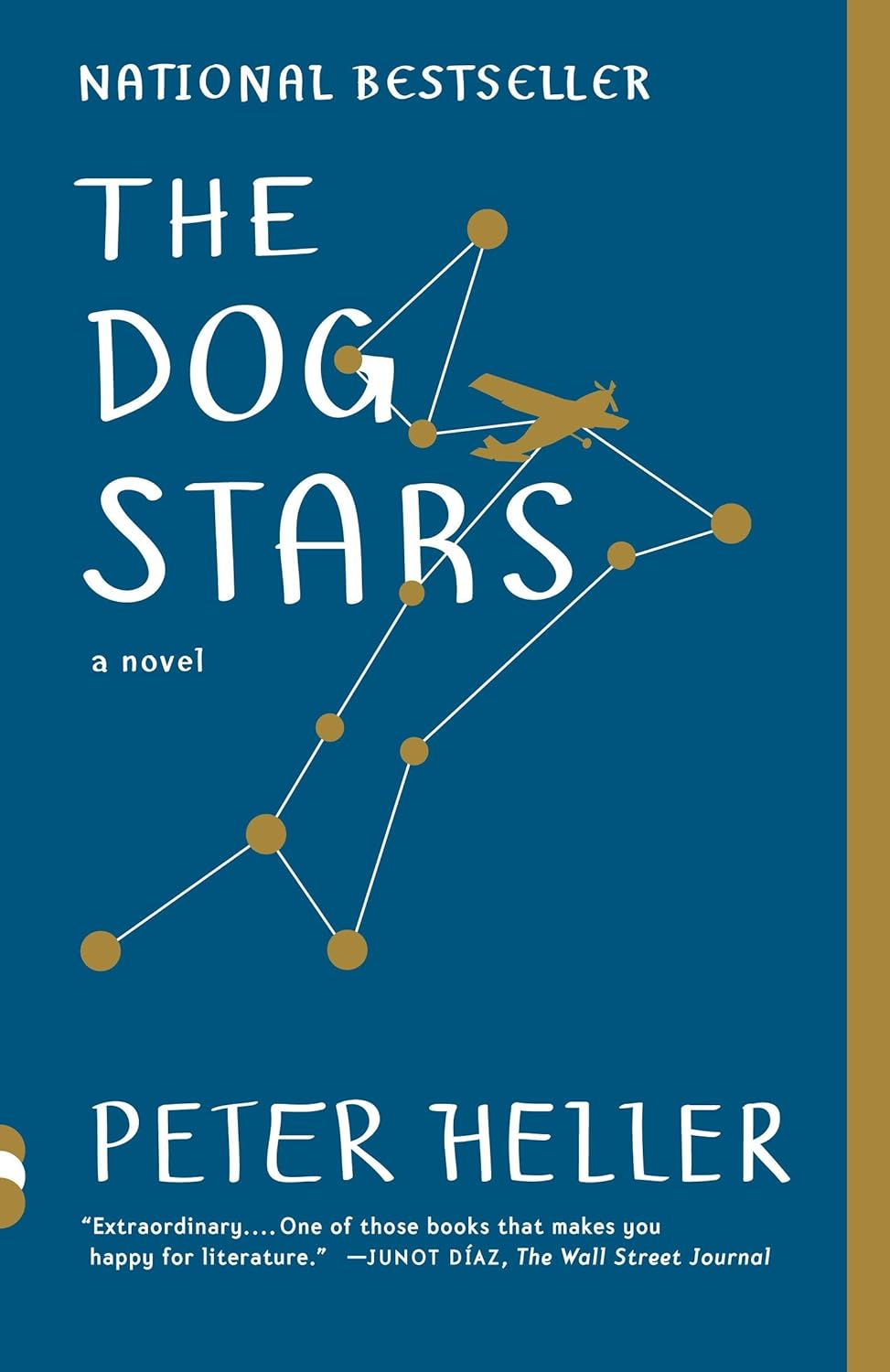
Nine years after a plague has decimated humanity, Jax—a former fighter pilot—lives in the Arizona desert with his aging dog Jasper and his reclusive partner Ty, flying salvage missions in a homemade aircraft. When Jax encounters a stranger from beyond the toxic zone, he's drawn into a dangerous journey that forces him to confront his isolation and the possibility of connection in a dead world. Heller's 2012 novel is a meditation on grief, solitude, and the fragile bonds that sustain us—less a conventional survival narrative than a philosophical reckoning with what remains when civilization collapses.
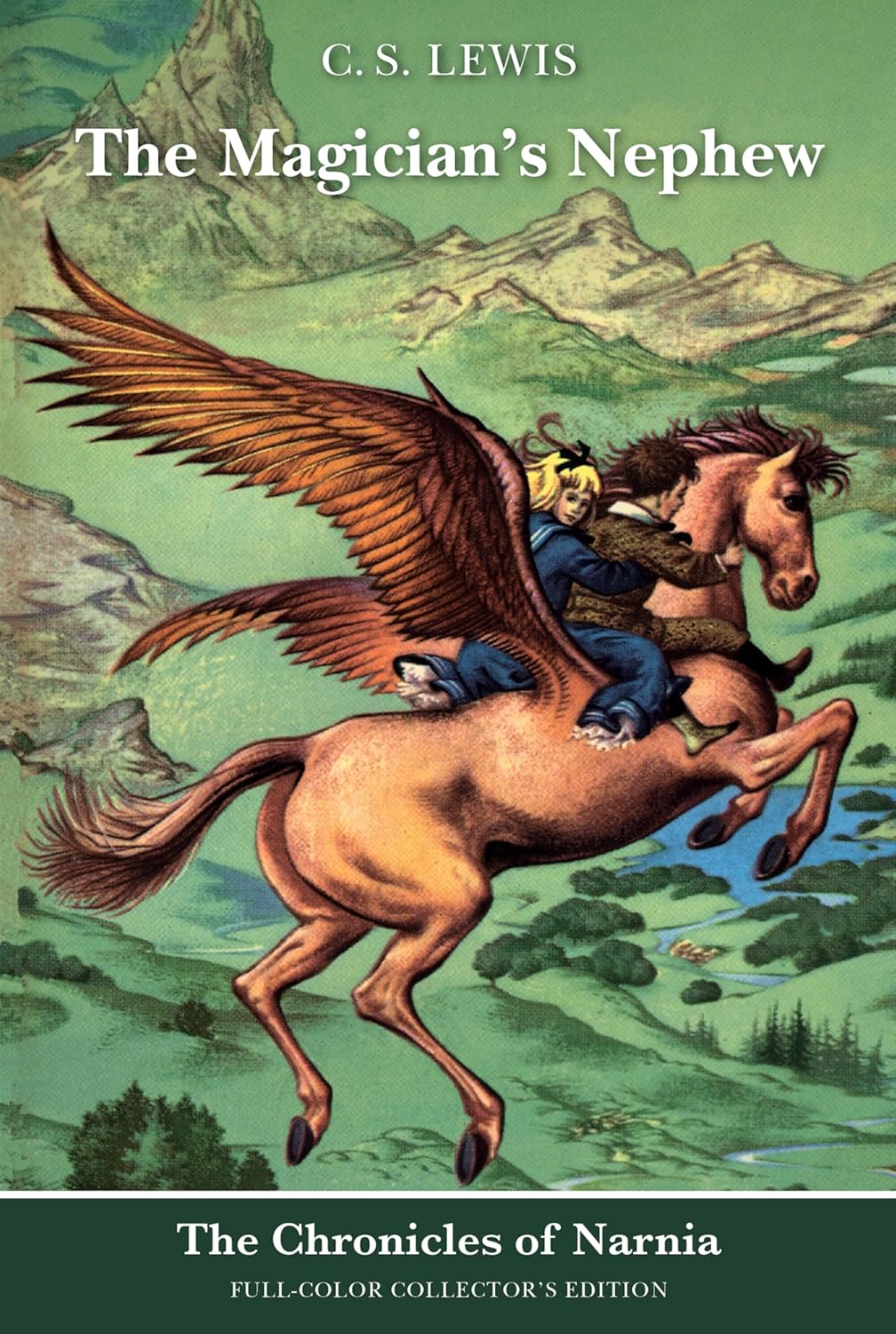
Digory Kirke and Polly Plummer are London neighbors in 1900 who explore the connecting attics between their row houses and stumble into the study of Digory's Uncle Andrew, a vain amateur magician who tricks Polly into touching a yellow ring that transports her to another world. Digory follows with a green ring to bring her back, and they discover the Wood Between the Worlds — a quiet forest of pools where each pool leads to a different universe. They accidentally awaken Jadis, the last queen of the dying world of Charn, who follows them back to London and causes chaos before they all end up in an empty darkness where Aslan the lion sings Narnia into existence.
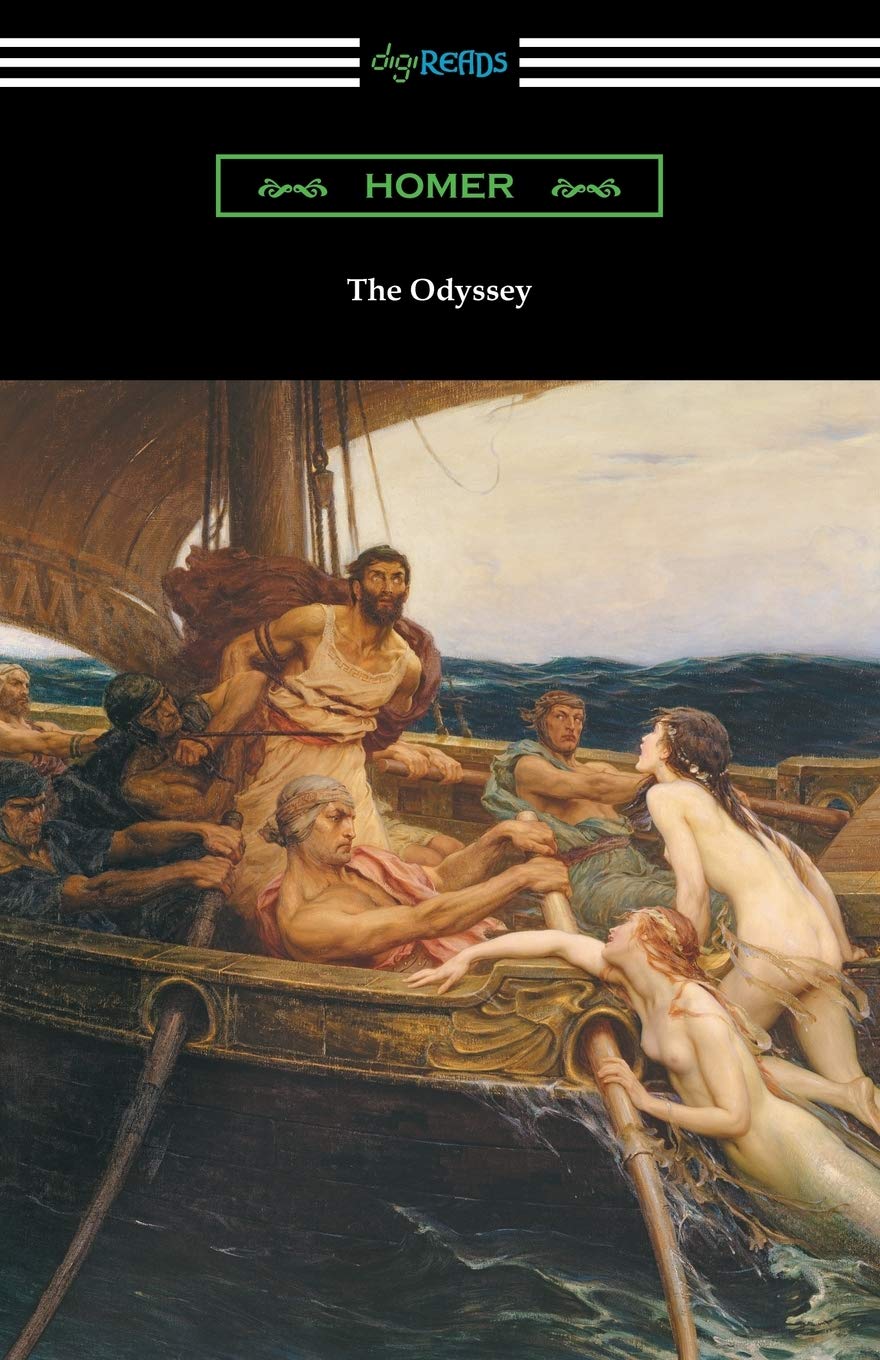
Odysseus, king of Ithaca and hero of the Trojan War, has been trying to get home for ten years. Gods obstruct him, monsters devour his crew, enchantresses delay him, and the sea keeps finding new ways to say no. Meanwhile, his wife Penelope holds off a houseful of suitors who have assumed he's dead and are competing to replace him, and his son Telemachus sets out to find news of a father he barely remembers.
Four retirees at Coopers Chase, a luxury retirement village in the English countryside, meet every Thursday to investigate cold cases over tea and biscuits. Elizabeth Best, a former MI5 operative with secrets she'll never fully reveal, leads the group. Joyce Meadowcroft chronicles their adventures in her diary with cheerful observations about murderers and custard creams. Ibrahim Arif, a retired psychiatrist, brings methodical analysis and an encyclopedic memory. Ron Ritchie, an ex-union organizer, provides working-class skepticism and a network of dodgy contacts.
Struggling writer Lowen Ashby accepts a lucrative commission to complete the remaining books in a bestselling thriller series after its author, Verity Crawford, is incapacitated in a mysterious accident. Working from the Crawford family's Vermont estate, Lowen discovers an unpublished autobiography hidden in Verity's office — a manuscript so disturbing and detailed it reads like a confession to unspeakable acts involving her twin daughters, one of whom died years earlier.
Mr. Lockwood, a tenant at Thrushcross Grange, is snowed in at Wuthering Heights with his unsociable landlord Heathcliff and asks the housekeeper Nelly Dean to explain the house's grim history. What follows is one of English literature's most volatile love stories — less romance than obsession, less tragedy than punishment.
Ser Duncan the Tall — a hedge knight of uncertain origin and dubious credentials — travels the roads of Westeros with his young squire Egg, who is secretly Prince Aegon Targaryen, fourth son of King Maekar I. The collected novellas follow their adventures ninety years before Robert's Rebellion: The Hedge Knight sees Dunk defend a puppeteer's honour at the tourney of Ashford Meadow, The Sworn Sword finds them caught in a drought-driven border dispute between Lady Rohanne Webber and Ser Eustace Osgrey, and The Mystery Knight places them at a wedding tourney that masks a treasonous conspiracy.
The animals of Manor Farm overthrow their drunken owner, Mr. Jones, and establish a republic governed by seven commandments — the most important being "All animals are equal." The pigs, led by the visionary Snowball and the ruthless Napoleon, assume leadership. After Napoleon drives Snowball into exile with his pack of trained dogs, he consolidates power, rewrites history through his propagandist Squealer, and transforms the farm into a dictatorship indistinguishable from the human tyranny the animals escaped.
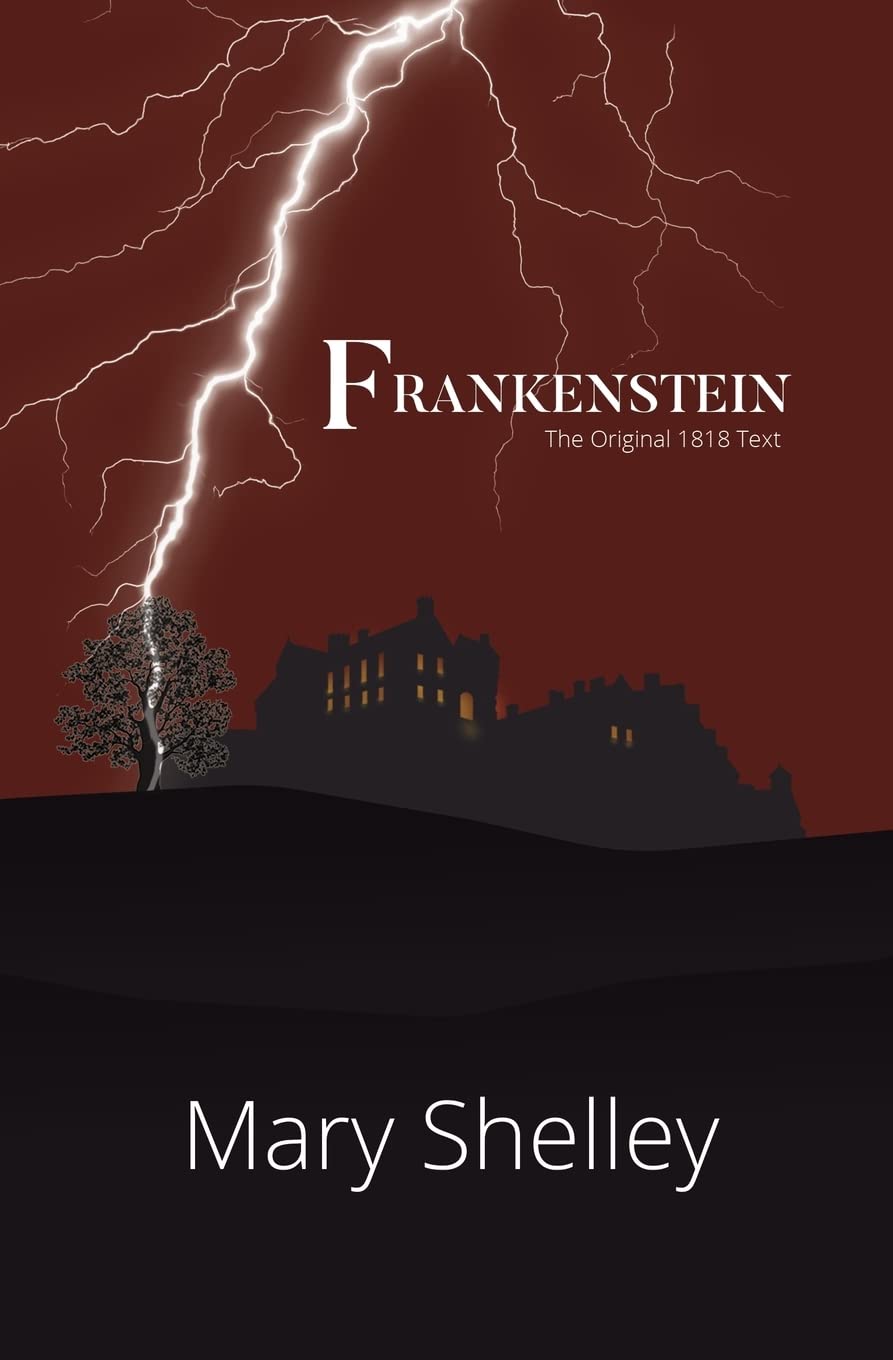
Victor Frankenstein, a young Genevan scientist obsessed with conquering death, assembles a living being from corpses and animates it through galvanism. The moment his creation opens its eyes, Victor flees in horror, abandoning the creature to fend for itself. The creature — eloquent, sensitive, desperate for connection — educates himself by observing the De Lacey family and reading Paradise Lost, Plutarch, and Goethe. When the De Laceys reject him and Victor refuses to create a female companion, the creature murders Victor's younger brother William, his friend Henry Clerval, and his bride Elizabeth on their wedding night.
Shane Hollander and Ilya Rozanov are two of the best hockey players in the world — and bitter rivals on opposing teams who have been drawn to each other for years. What starts as a secret arrangement between two men who refuse to acknowledge what they feel becomes a years-long story of love, denial, ambition, and the cost of living in a sport that wasn't built for people like them.
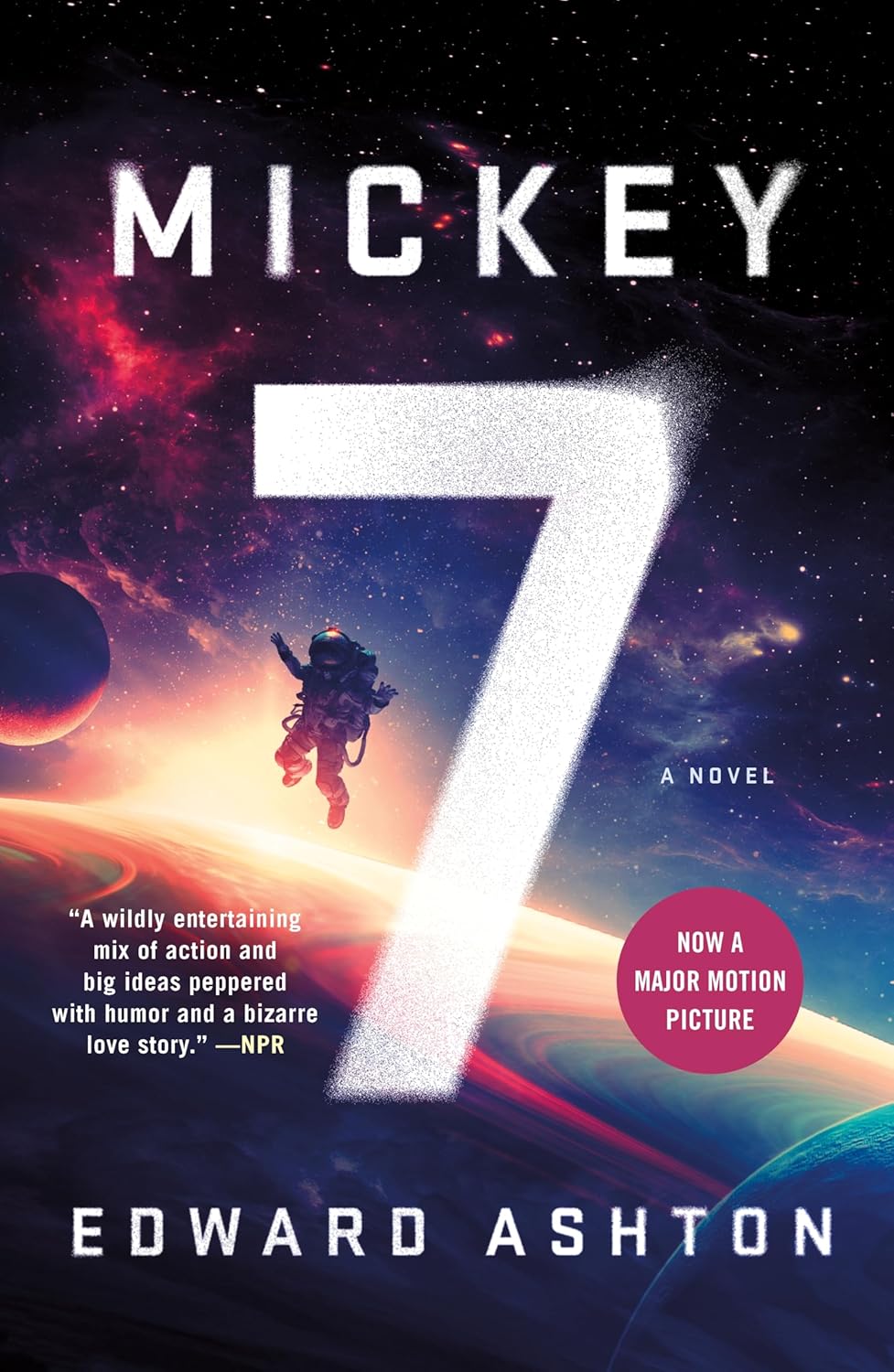
Mickey Barnes is an Expendable — the polite corporate term is "Disposable" — on humanity's colonization mission to Niflheim, an ice planet hostile to human life. When Mickey dies on a dangerous assignment, the colony's printer spits out a new version of him from a stored consciousness backup. By the time the novel opens, Mickey has died and been reprinted seventeen times.
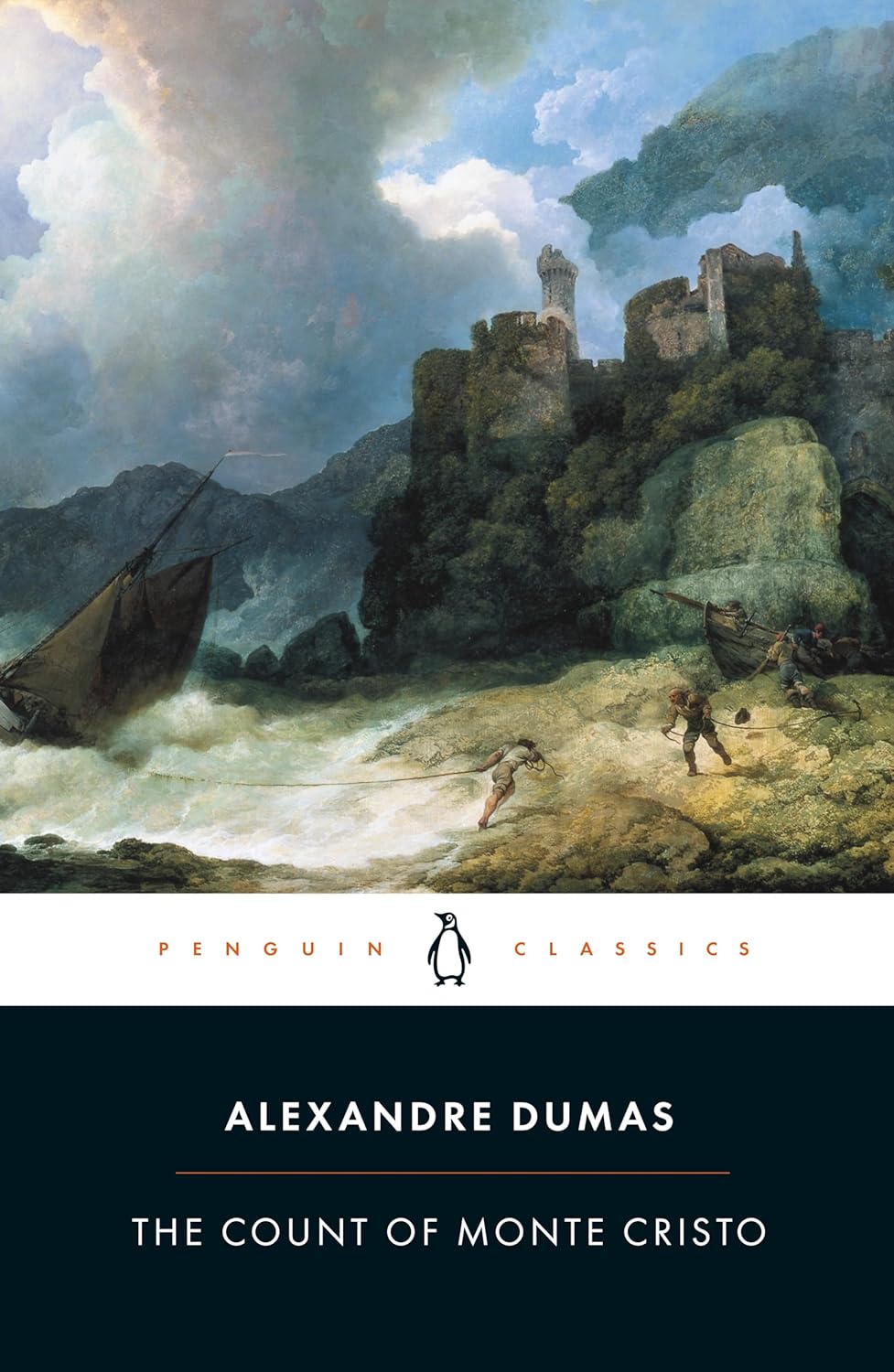
Edmond Dantès, a nineteen-year-old sailor about to become captain of the Pharaon and marry his beloved Mercédès, is betrayed on his wedding day by three men: Fernand Mondego, who covets Mercédès; Danglars, who wants Dantès' captaincy; and Caderousse, a jealous neighbor. They falsely accuse him of Bonapartist conspiracy, and the ambitious prosecutor Villefort—protecting his own father's political ties—condemns Dantès to the island prison Château d'If without trial.
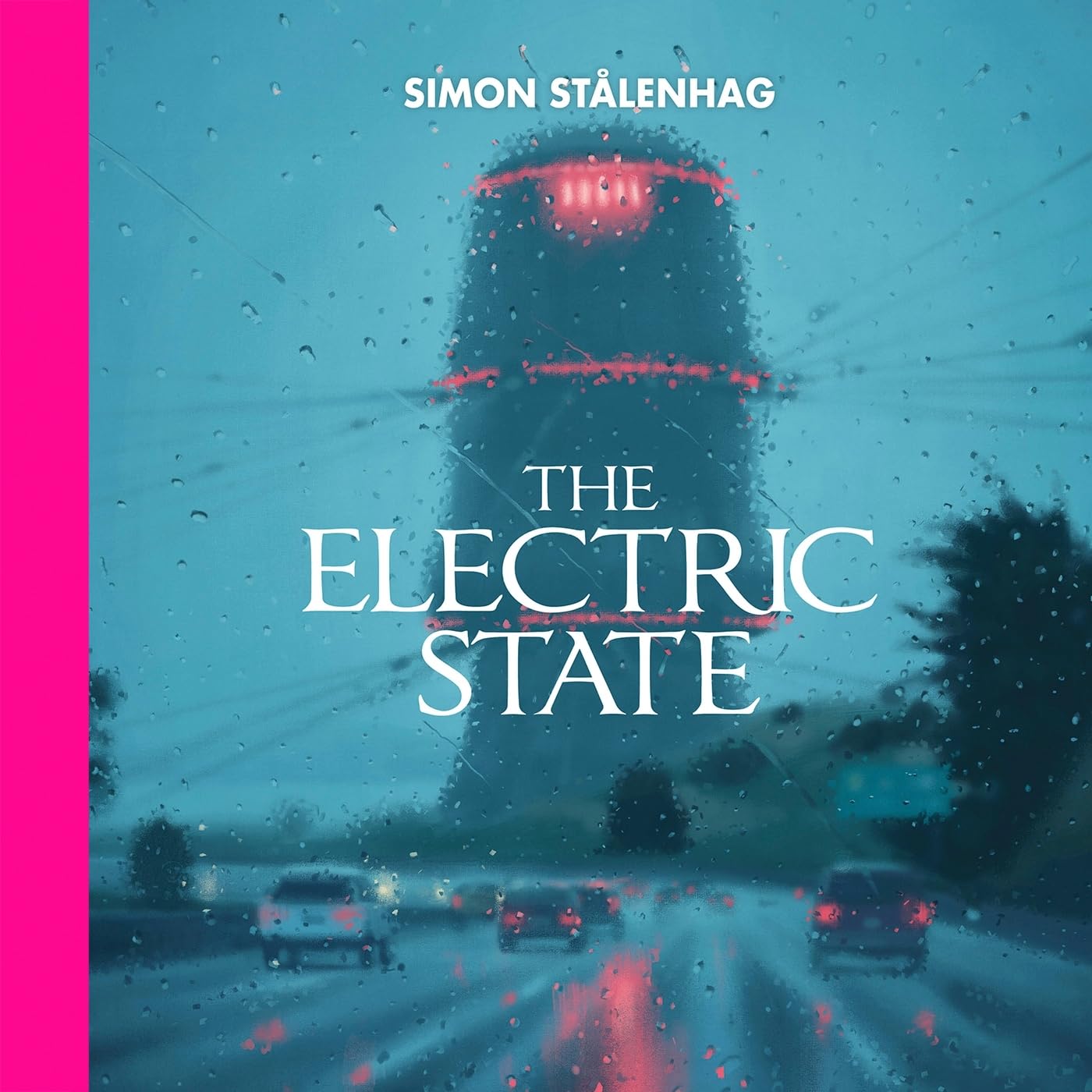
In an alternate 1997, teenage Michelle drives west across a ruined America in a stolen car, accompanied by a damaged robot named Skip. She's searching for her younger brother Christopher, who vanished after their parents died. The landscape is littered with abandoned drones, derelict theme parks, and the skeletal remains of giant robots — monuments to a failed technological utopia built on virtual reality headsets that promised escape but delivered mass addiction and societal collapse.
Millie Calloway, recently released from prison for a crime she claims was self-defense, takes a job as live-in housemaid for the wealthy Winchester family in Great Neck, Long Island. Her employers are Nina Winchester — brittle, demanding, prone to sudden rages — and Andrew, Nina's handsome and seemingly sympathetic husband. Their young daughter Cece is quiet and watchful. The pay is extraordinary, the house is beautiful, and Millie's quarters are a locked attic bedroom with a bolt on the outside.
Margaret Atwood's The Testaments picks up fifteen years after The Handmaid's Tale ends, revealing the fates of Offred, Janine, and the world they inhabited through three interconnected testimonies. The novel expands the scope of Gilead's collapse from personal survival to systemic unraveling, introducing new characters while interrogating the ideology that sustained the regime. The 2025 series adaptation inherits this ambition, translating Atwood's fragmented narrative structure into television's visual language while deepening the political reckoning at the story's core.
Jason Dessen is a physics professor at Lakemont College in Chicago, living a quiet life with his wife Daniela — a former artist who gave up her career — and their teenage son Charlie. One night, walking home from a bar, Jason is abducted at gunpoint, drugged, and wakes up in a laboratory surrounded by people congratulating him on an achievement he doesn't remember making. He has somehow entered a parallel universe where he never married Daniela, never had Charlie, and instead became a brilliant scientist who invented the Box — a device that allows travel between alternate realities.
Sally Hepworth's 2021 domestic thriller follows Fred and Sheila Merton, a seemingly perfect suburban couple whose marriage conceals a murder—but whose murder, and who committed it, remains deliberately ambiguous. The novel opens with a corpse and works backward through dual timelines, forcing readers to question everything they believe about loyalty, deception, and the gap between public persona and private truth. It's the kind of page-turner that dominated book club discussions in 2021-2022, built on the premise that the person you sleep beside might be a stranger.
Lily Bloom moves to Boston after her father's funeral, opens a flower shop called Lily Bloom's, and meets Ryle Kincaid — a neurosurgeon who doesn't do relationships. They fall in love anyway. Ryle is charming, successful, and eventually violent. The first incident happens after he burns his hand on a casserole dish. The second follows a fight about her friendship with Atlas Corrigan, her homeless first love from high school who has reappeared as a successful restaurant owner.
Klara and the Sun follows an Artificial Friend—a sentient robot designed to provide companionship to a lonely teenage girl named Josie. Through Klara's observant eyes, we witness a near-future world where artificial intelligence has become intimate to human life, where genetic enhancement divides society, and where the line between genuine emotion and programmed behavior blurs dangerously. Ishiguro's 2021 novel is a quiet meditation on love, mortality, and what it means to be truly alive in an age of technological substitution.
Rusty Sabich is a senior prosecutor in a mid-sized American city who is assigned to investigate the murder of Carolyn Polhemus — a colleague, and a woman with whom he had an affair. When the investigation turns toward him, Rusty finds himself on the other side of the legal system he has spent his career operating, charged with a murder he may or may not have committed.
In 1600, an English navigator named John Blackthorne is the sole survivor of a Dutch expedition that has reached Japan — the first Englishman to do so. He is captured, bewildered, and eventually taken into the service of Lord Toranaga, a powerful daimyo maneuvering for dominance in the political chaos that preceded the Battle of Sekigahara.
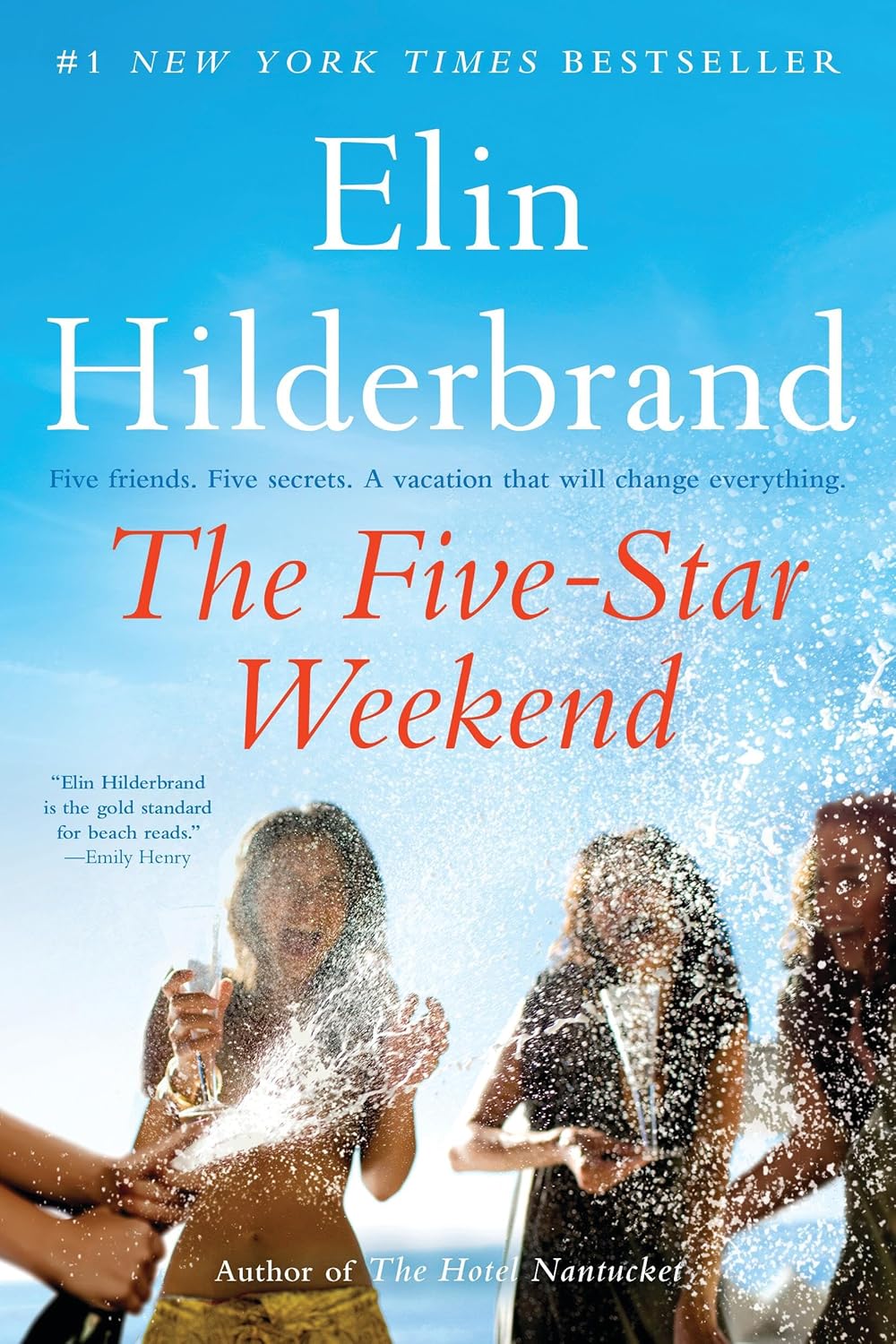
Elin Hilderbrand's 2022 novel follows Lorraine, a wealthy Nantucket woman who invites four friends—each harboring secrets—for an exclusive weekend getaway. What begins as a luxurious retreat unravels into a mystery when one guest dies under suspicious circumstances, forcing the remaining women to confront decades of buried resentments, affairs, and lies. The story is quintessential Hilderbrand: sun-soaked settings masking dark interpersonal drama, the kind of beach read that doubles as a locked-room mystery.
Liu Cixin's The Three-Body Problem opens during China's Cultural Revolution, where astrophysicist Ye Wenjie witnesses her father's brutal execution by Red Guards. Decades later, disillusioned with humanity, she responds to an alien signal from the Trisolaran civilization—a species whose planet orbits three suns in chaotic, unpredictable patterns. Ye's transmission invites the Trisolarans to Earth, setting in motion a four-hundred-year countdown to invasion. Nanomaterials scientist Wang Miao stumbles into the conspiracy through a mysterious VR game that simulates Trisolaran history, eventually uncovering the Earth-Trisolaris Organization—a group of human collaborators preparing for alien arrival.
Marie-Laure LeBlanc is a blind French girl whose father, Daniel, carries her and a legendary diamond — the Sea of Flames — out of Paris as the Germans advance in 1940. They flee to Saint-Malo, where Marie-Laure's great-uncle Étienne lives in a tall house by the sea. Werner Pfennig is a German orphan whose talent with radios brings him into the Hitler Youth and eventually toward the front lines of the war's end in Saint-Malo. Their lives converge over the course of the novel in a single city during the Allied bombardment in August 1944.
Daisy Jones is a wild, gifted singer-songwriter finding her voice in 1970s Los Angeles. The Six are a Pittsburgh band who have made it to the second tier of rock and are hungry for more. Their collision produces one of the greatest albums never recorded — Aurora — and then, at the peak of their fame, at a concert in Chicago in 1979, Daisy Jones & The Six walk offstage and never perform together again.
The Last Straw follows Greg Heffley as his family's patience with his laziness and schemes reaches a breaking point, culminating in a threat of military school that forces him to confront actual consequences. Kinney's third book in the Wimpy Kid series deepens the franchise's exploration of middle-school social hierarchy and parental frustration, moving beyond simple pranks into genuine family conflict. The 2023 film adaptation arrives at a cultural moment when the books remain a generational touchstone for kids navigating the minefield of adolescence, making this comparison essential for understanding how visual comedy either amplifies or dilutes Kinney's carefully calibrated cringe humor.
Olive Smith is a PhD candidate in Stanford's biology program drowning in academic pressure and romantic humiliation. When she lies to her mother about having a boyfriend, she's forced to recruit Adam Carlsen, a brilliant postdoc in her lab, to pose as her partner at a family wedding. What begins as a transactional fake-dating arrangement spirals into genuine feelings, workplace complications, and the messy reality of blurring professional and personal boundaries.
Hanya Yanagihara's 720-page novel tracks four college friends—Jude St. Francis, Willem Ragnarsson, Malcolm Irvine, and JB Marion—across three decades in New York City. What begins as a portrait of millennial ambition narrows into Jude's story: a brilliant litigator whose childhood of sexual abuse and physical torture leaves him incapable of accepting love, even from Willem, the actor who becomes his partner, or Harold, the law professor who adopts him in middle age.
Paul Bäumer is nineteen years old when he enlists with his classmates in the German army at the outbreak of World War I, swept up by a wave of patriotic rhetoric delivered by his schoolmaster Kantorek that dissolves on contact with the Western Front. The novel follows Paul and his comrades — Stanislaus Katczinsky (Kat), Albert Kropp, Tjaden, Müller, and Franz Kemmerich — through two years of industrialised slaughter, watching them stripped of everything that defined them before the war: youth, hope, the ability to imagine a future beyond the trenches.
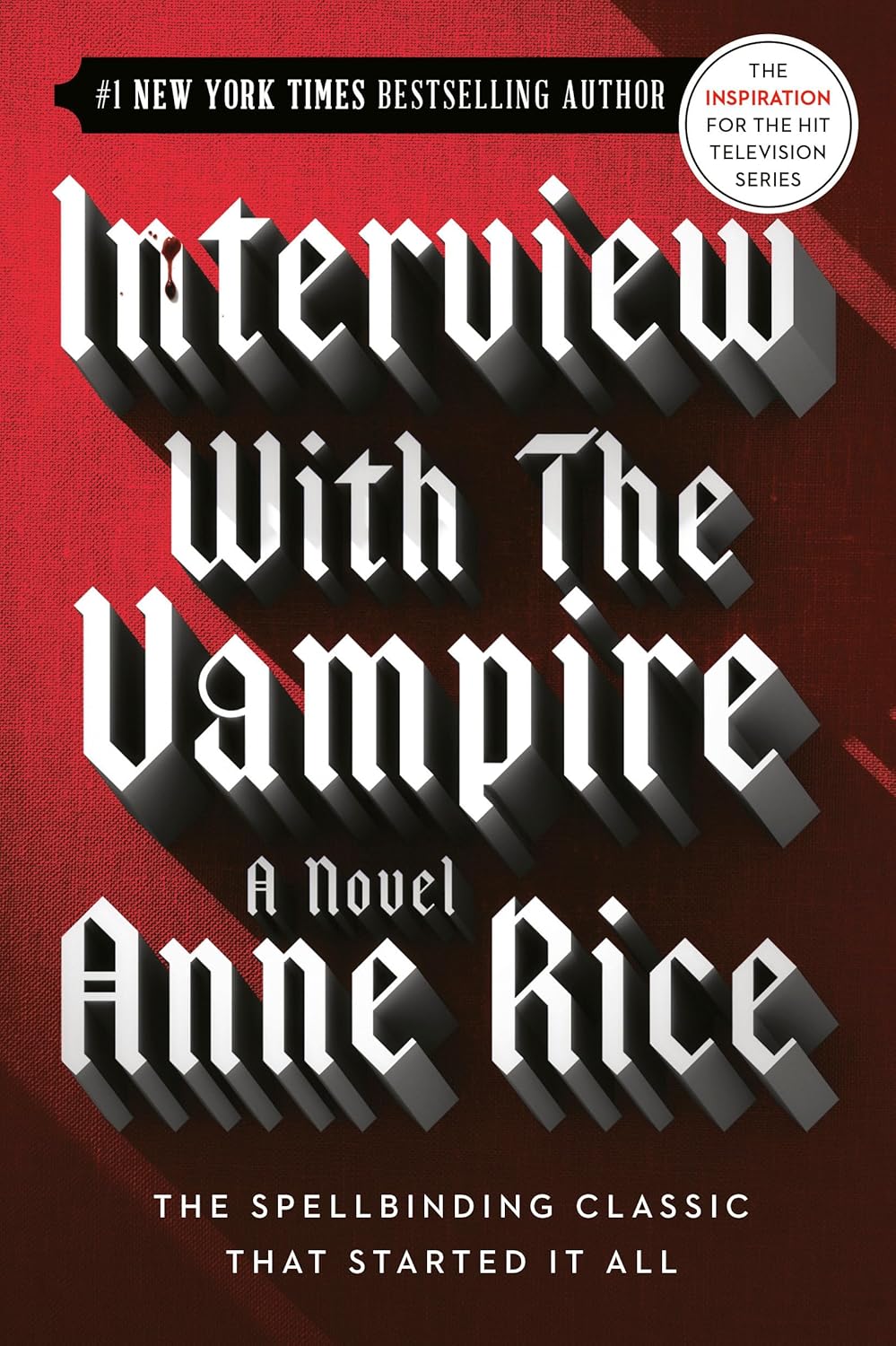
A vampire named Louis de Pointe du Lac sits down with a journalist in San Francisco and recounts his two-century existence — how he was turned by the charismatic, monstrous Lestat de Lioncourt in 1791 Louisiana, how they created Claudia, a child vampire whose mind grew while her body never aged, and how their story ended in Paris with the Theatre des Vampires in ways that destroyed more than one of them. Anne Rice's 1976 novel invented the sympathetic vampire as a literary figure and remains the standard against which all successors are measured — a gothic meditation on grief, guilt, faith, and the unbearable weight of eternal life.
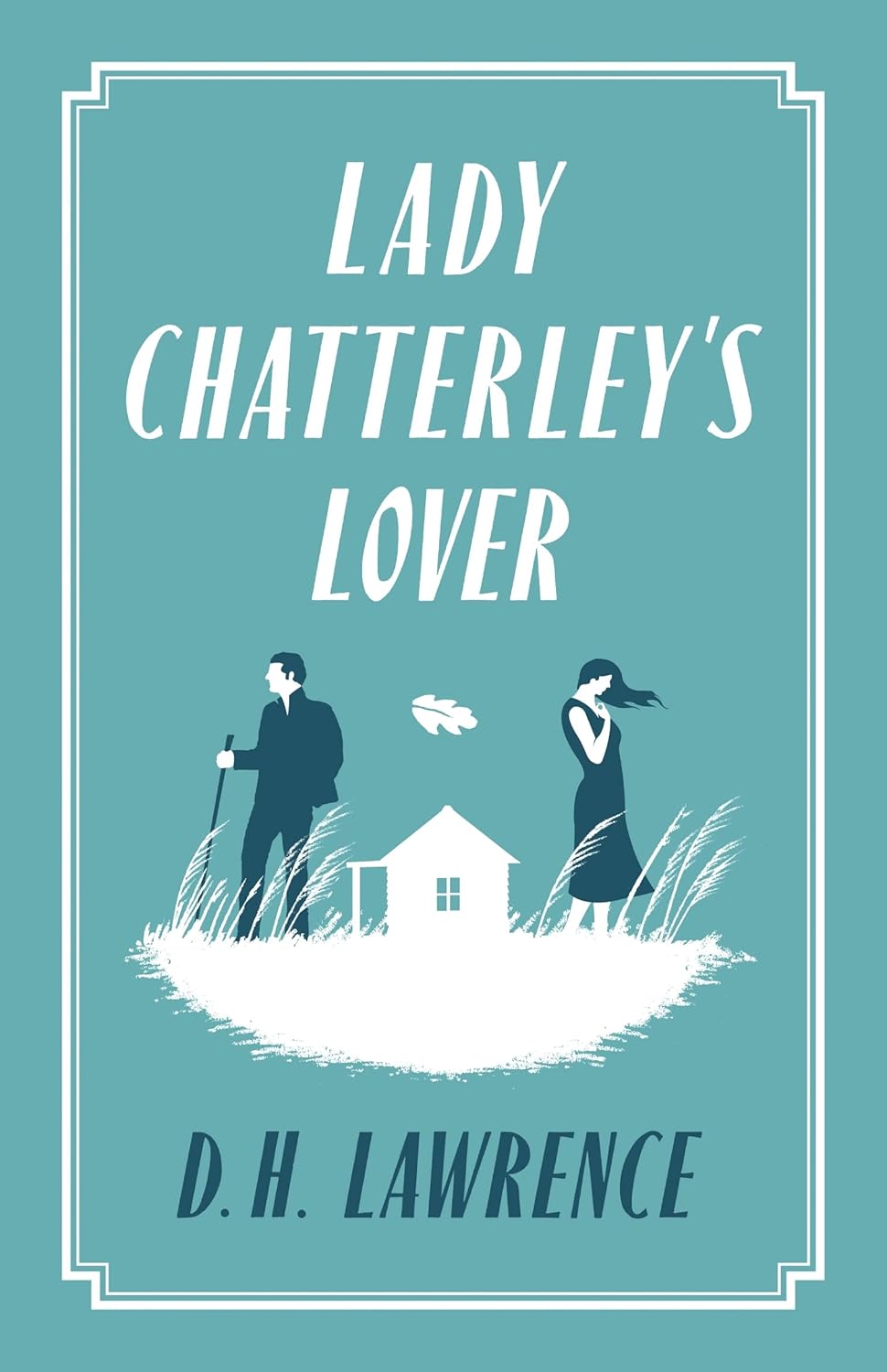
D.H. Lawrence's 1928 novel follows Constance Chatterley, a woman trapped in a loveless marriage to a paralyzed aristocrat, who finds sexual and emotional awakening with Oliver Mellors, the gamekeeper on her husband's estate. The book was banned for obscenity for decades, its explicit sexual passages and working-class protagonist shocking polite society. Lawrence's real subject, however, was the dehumanizing effect of industrial capitalism and the redemptive power of authentic physical connection—themes that have only grown more urgent.
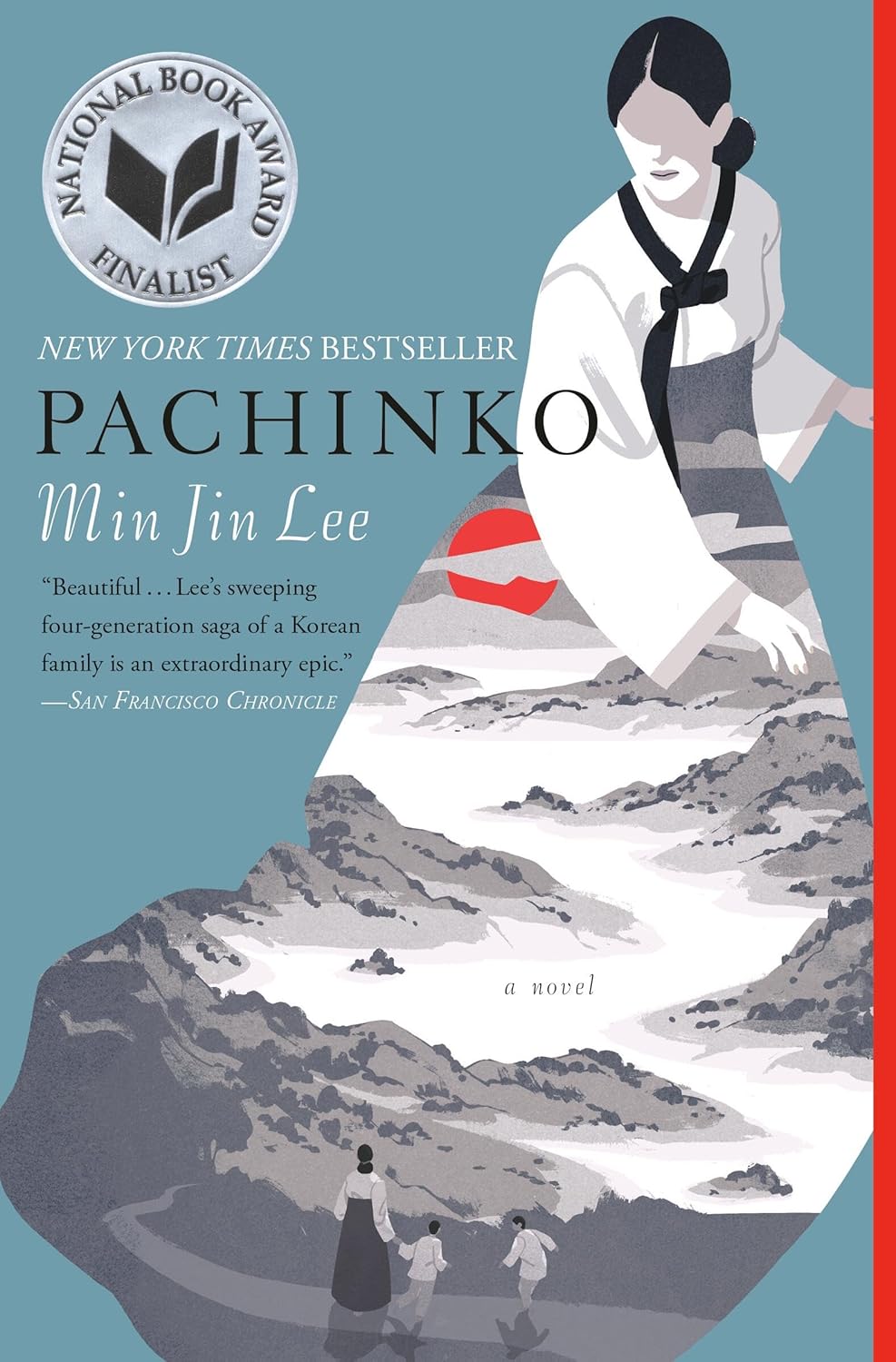
Beginning in 1910s Korea under Japanese occupation, Pachinko follows Sunja, a young woman impregnated by Hansu, a wealthy married Korean fish broker. To save her from shame, Isak, a tubercular Christian minister, marries her and takes her to Osaka, Japan, where she raises two sons — Noa and Mozasu — amid brutal discrimination against Koreans. Min Jin Lee spent nearly thirty years researching and writing the novel, which traces four generations through World War II, the Korean War, and Japan's economic boom.
Kya Clark grows up alone in the marshes of North Carolina after her family abandons her one by one. Her mother leaves first, fleeing her abusive husband. Her siblings follow. Her father eventually disappears into alcoholic oblivion. Kya raises herself from age ten, learning to read with help from Tate Walker, a local boy who teaches her and then leaves for college. Years later, she falls in love with Chase Andrews, the town's golden boy, who is later found dead at the base of a fire tower. The murder investigation and Kya's coming-of-age story run in parallel timelines.
Jack Gladney teaches Hitler studies at a Midwestern liberal arts college, lives with his fourth wife Babette and their blended family of four children, and spends his days navigating supermarket aisles and academic conferences with equal measures of dread and detachment. When a chemical tanker collides with a train, releasing a toxic cloud dubbed "the airborne toxic event," Jack is briefly exposed—triggering an obsession with his own mortality that consumes the novel's second half.
Paul Atreides is the son of Duke Leto, sent to govern Arrakis — a desert planet that produces melange, the spice that enables interstellar travel and extends human life. When House Harkonnen betrays and destroys the Atreides with the Emperor's tacit approval, Paul and his mother Jessica escape into the deep desert. They fall in with the Fremen, Arrakis's indigenous people, who have been waiting for a prophesied messiah.
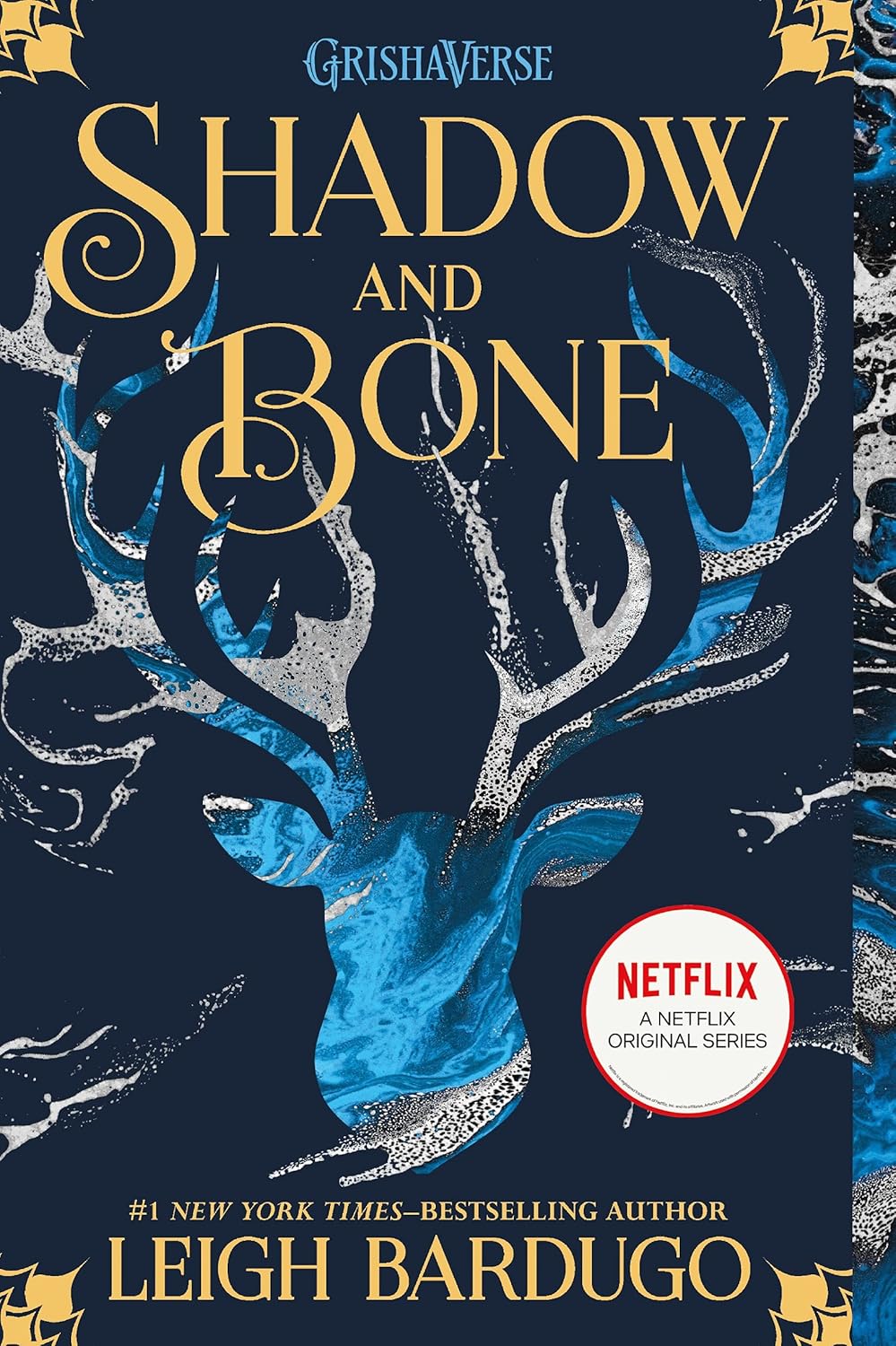
Alina Starkov is an orphan and junior cartographer in the First Army of Ravka, a fictional nation inspired by Tsarist Russia, divided by a region of perpetual darkness called the Shadow Fold. When her convoy crosses the Fold and is attacked by volcra — winged monsters that hunt in the dark — Alina discovers she is a Grisha with a rare power over light. She is taken to the Little Palace to train under General Kirigan, the Darkling, Ravka's most powerful Grisha, whose interest in her proves complicated and ultimately dangerous.

The Georgia Flu kills ninety-nine percent of the world's population in a matter of weeks. Twenty years later, Kirsten Raymonde travels with the Travelling Symphony — a theatre troupe and orchestra that performs Shakespeare and Beethoven for scattered settlements around the Great Lakes. The company's motto, painted on the lead caravan: survival is insufficient.
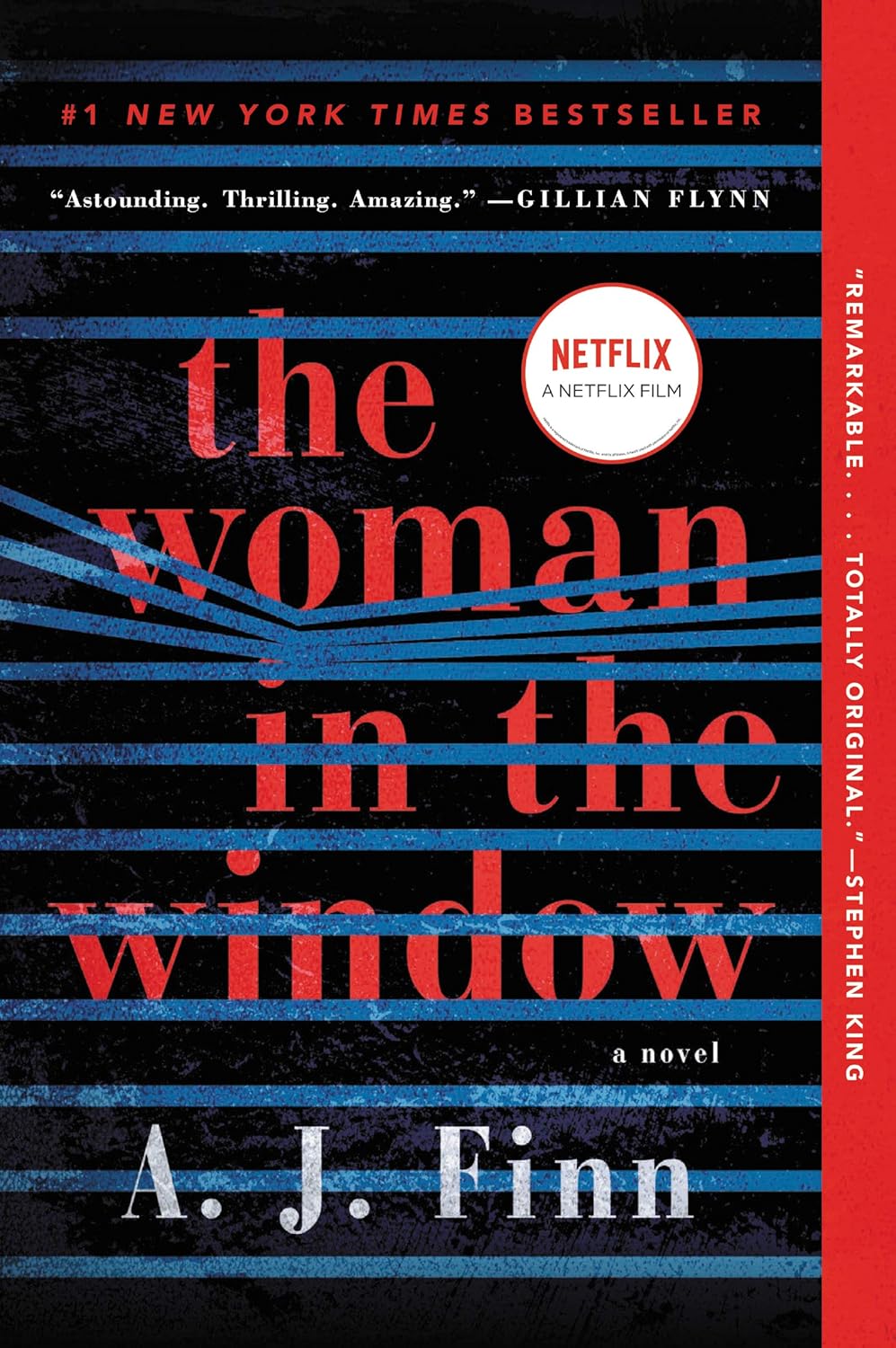
Anna Fox is an agoraphobic child psychologist who has not left her Manhattan townhouse in ten months. She spends her days drinking wine, watching old films, and observing her neighbours through her camera. When the Russell family moves in across the park — Alistair, Jane, and their teenage son Ethan — Anna befriends Jane during a chance visit. Days later, Anna believes she witnesses Jane being stabbed through her window. But when she reports the crime, a different woman appears claiming to be Jane Russell, and no one believes Anna saw anything at all.
J.D. Vance's memoir traces his journey from a chaotic childhood in Middletown, Ohio, and Jackson, Kentucky, to Yale Law School, shaped primarily by his volatile mother Beverly and his fierce grandmother Bonnie "Mamaw" Vance. The book alternates between Vance's present-day law school experience and memories of growing up amid addiction, domestic violence, and economic decline in Appalachia's Rust Belt diaspora. Ron Howard's 2020 Netflix adaptation condenses this into a dual-timeline structure, intercutting young J.D.'s turbulent adolescence with adult J.D. (Gabriel Basso) rushing home from Yale to manage his mother's latest overdose crisis.
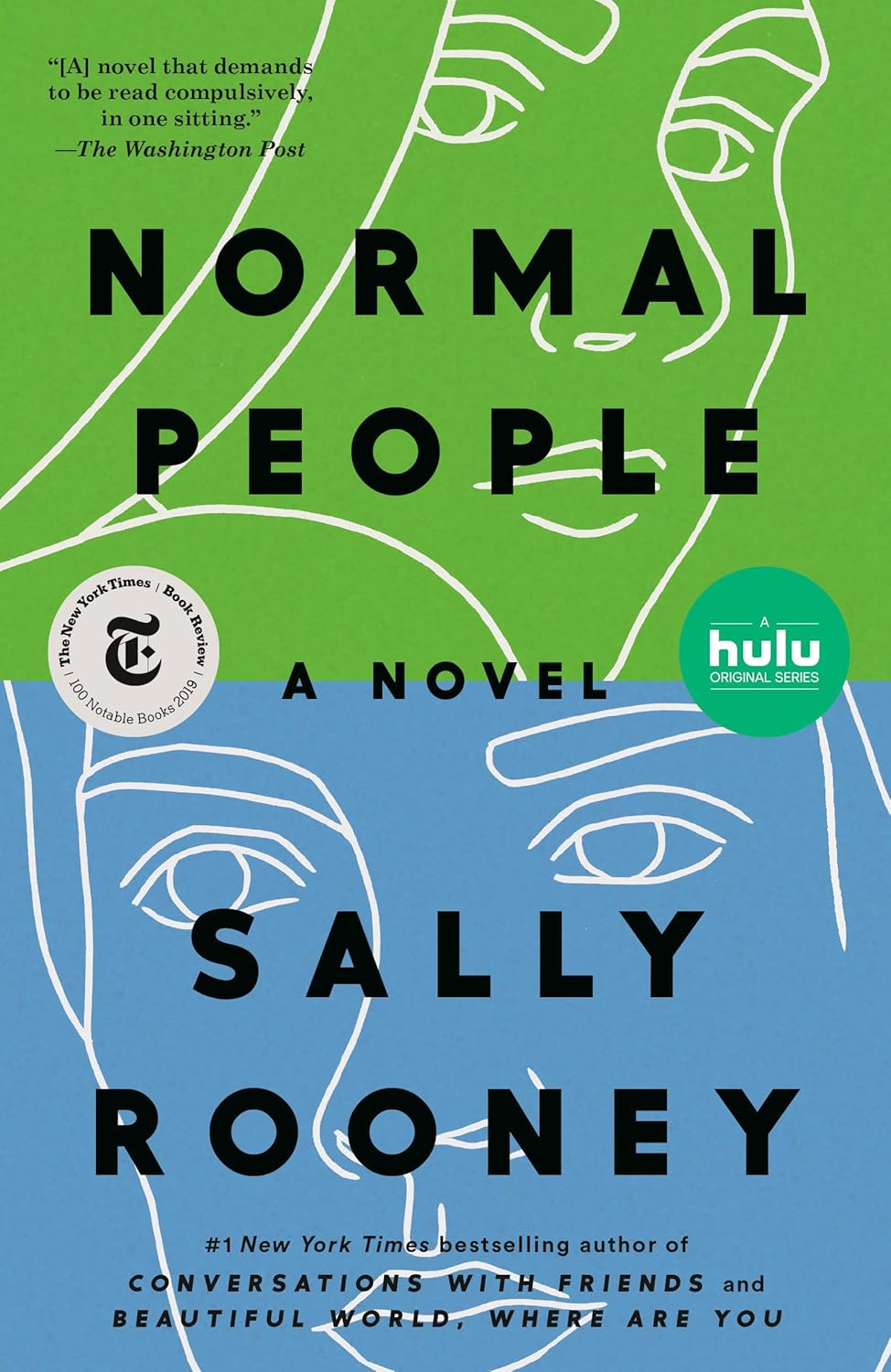
Connell Waldron and Marianne Sheridan grow up in the same small town in County Sligo, Ireland — he's popular and plays football, she's wealthy and isolated — and begin a secret sexual relationship in their final year of secondary school. Connell can't bring himself to acknowledge Marianne publicly, which ends the relationship just as they both leave for Trinity College Dublin.
Daphne Bridgerton, the eldest daughter of the prominent Bridgerton family and the season's most eligible debutante, enters a fake courtship with Simon Bassett, the Duke of Hastings — a man who has sworn never to marry or produce an heir as revenge against his abusive father. Their arrangement is mutually beneficial: Daphne gains suitors jealous of the Duke's attention, and Simon deflects marriage-minded mothers. The pretense becomes genuine attraction, complicated by Simon's secret vow and Daphne's determination to have children.
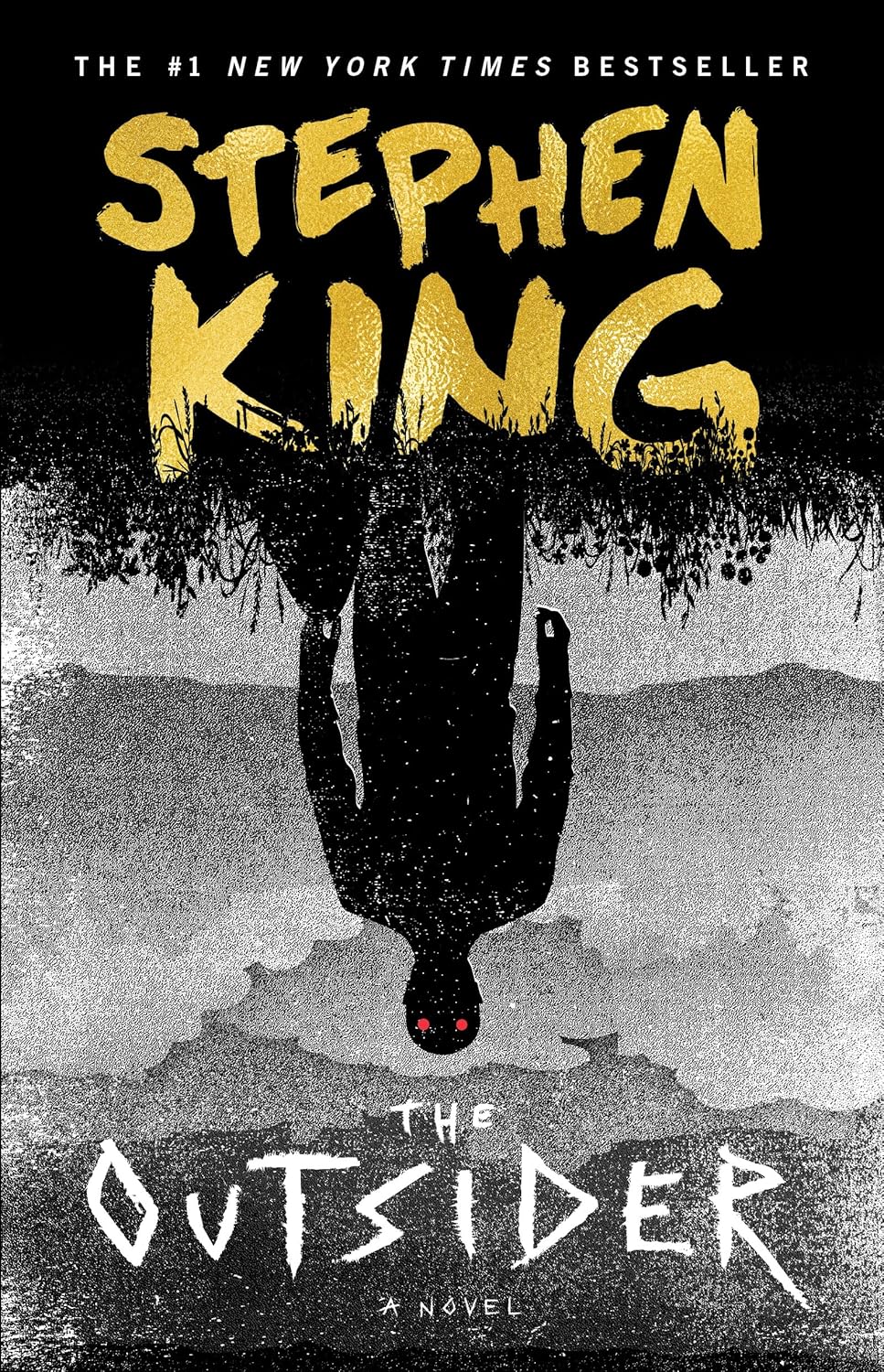
A young boy is brutally murdered in a small Georgia town, and all the evidence points to Terry Maitland — a beloved local baseball coach and teacher with an ironclad alibi. The evidence is overwhelming and impossible simultaneously: DNA, fingerprints, and eyewitnesses place Maitland at the crime scene, while equally credible evidence places him sixty miles away at a conference at the exact same time.
Mary Lennox is a spoiled, unloved child orphaned by a cholera epidemic in India and sent to live with her reclusive uncle Archibald Craven at Misselthwaite Manor on the Yorkshire moors. She is disagreeable, lonely, and entirely unaccustomed to being ignored. In the grounds of the estate she discovers a locked garden that has been sealed for ten years — and in restoring it she restores herself, her sickly cousin Colin, and eventually her uncle.
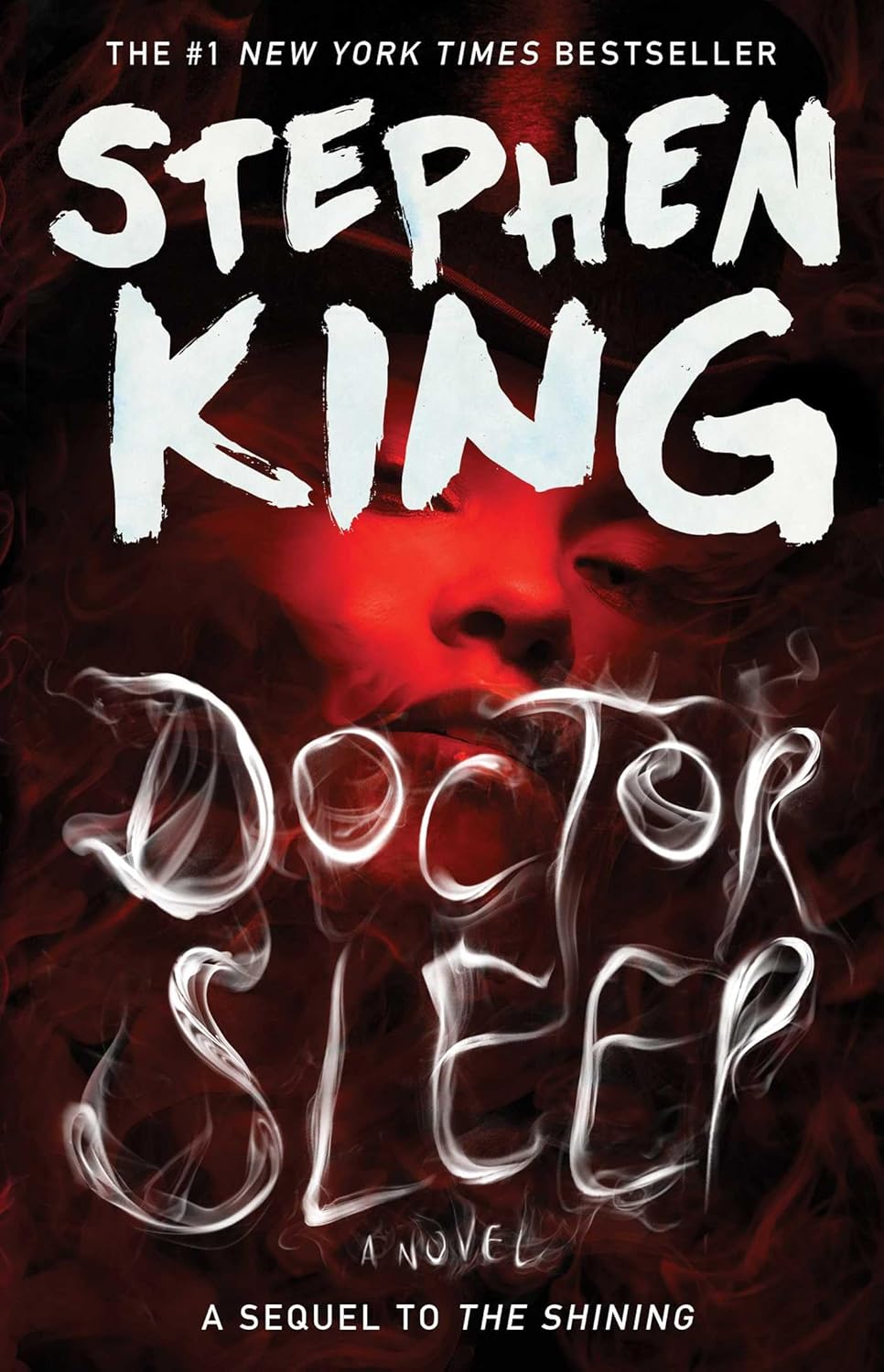
Danny Torrance survived the Overlook Hotel. He is now in his forties, an alcoholic drifting across America, using his shine to numb what he still sees. When he finds sobriety in a small New Hampshire town, he begins working at a hospice — using his gift to comfort the dying, earning the nickname Doctor Sleep — and connects psychically with Abra Stone, a teenage girl with an extraordinary shine.
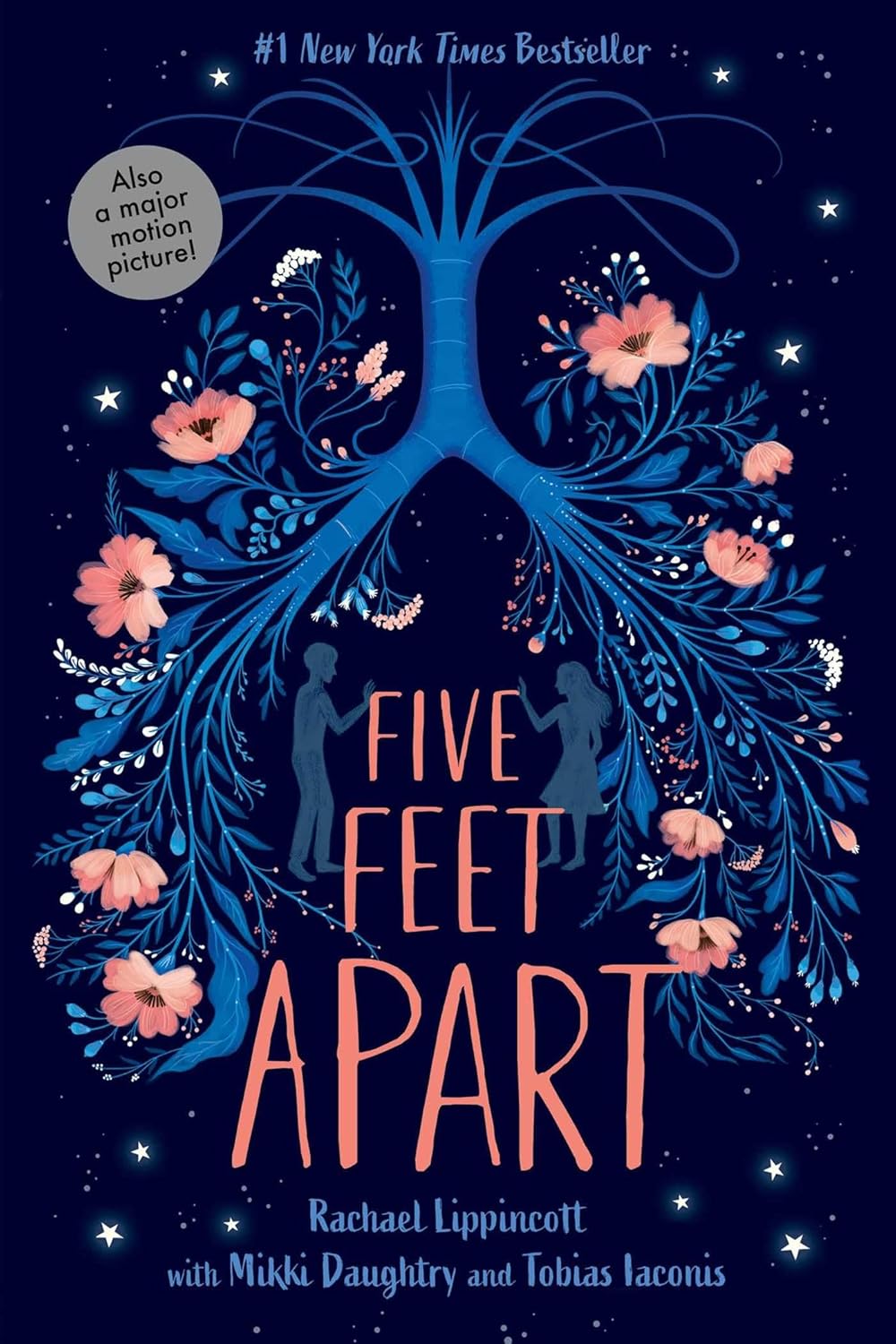
Stella Grant is a seventeen-year-old cystic fibrosis patient who lives by strict routines and color-coded medication schedules at Saint Grace's Hospital. Her world shifts when Will Newman arrives for a drug trial—a charming, rebellious CF patient who's also infected with B. cepacia, a bacteria that makes him dangerous to other CF patients. Hospital protocol demands they stay six feet apart to prevent cross-infection, but Stella negotiates it down to five feet, and they fall in love across that impossible distance.
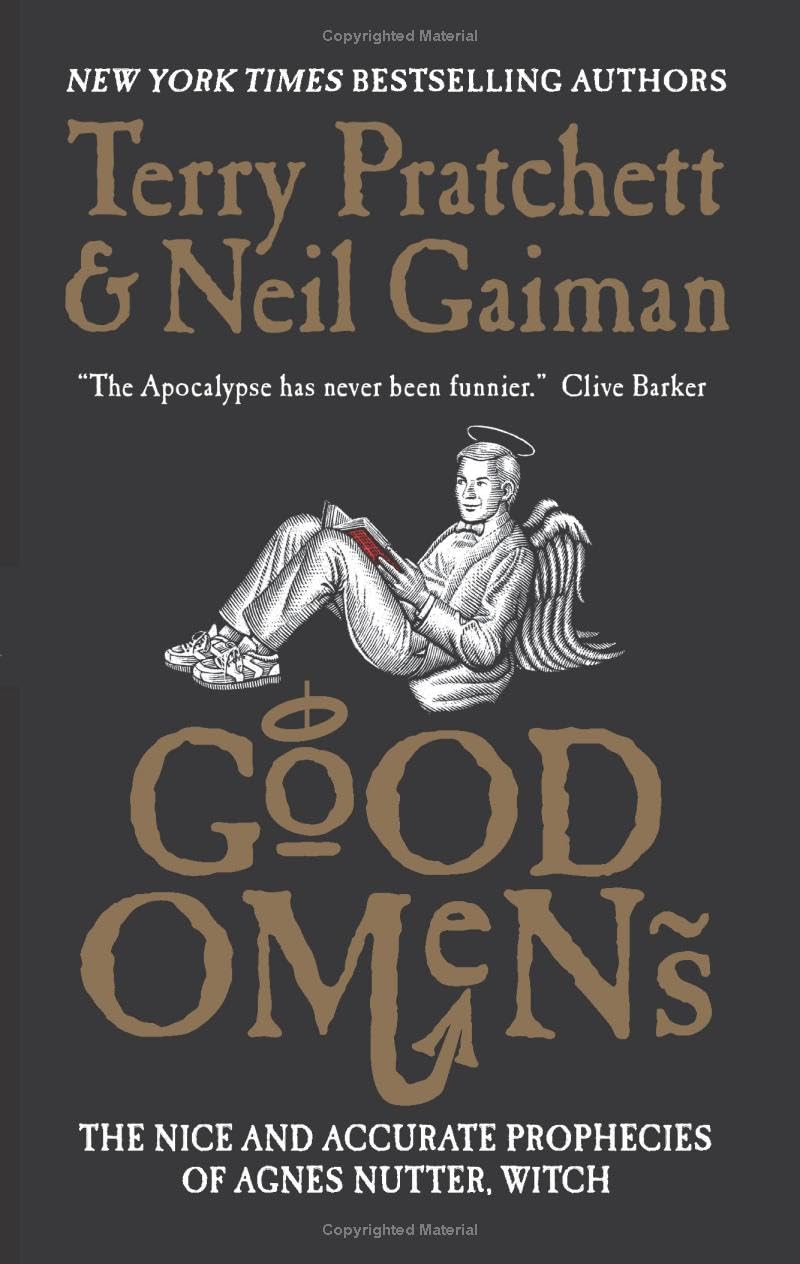
The Antichrist has been born and misplaced — swapped at birth with an ordinary English boy named Adam Young who has grown up in the village of Tadfield, happily unaware of his destiny to end the world. An angel named Aziraphale and a demon named Crowley, who have been on Earth since the Garden of Eden and have grown rather fond of humanity, would prefer that Armageddon not happen. The Four Horsemen of the Apocalypse are assembling. Anathema Device, a witch and descendant of Agnes Nutter, possesses a book of prophecies. Newton Pulsifer, a hapless computer engineer, joins the Witchfinder Army. Various other parties — including the angel Gabriel and the demon Beelzebub — have opinions about how the end times should proceed.
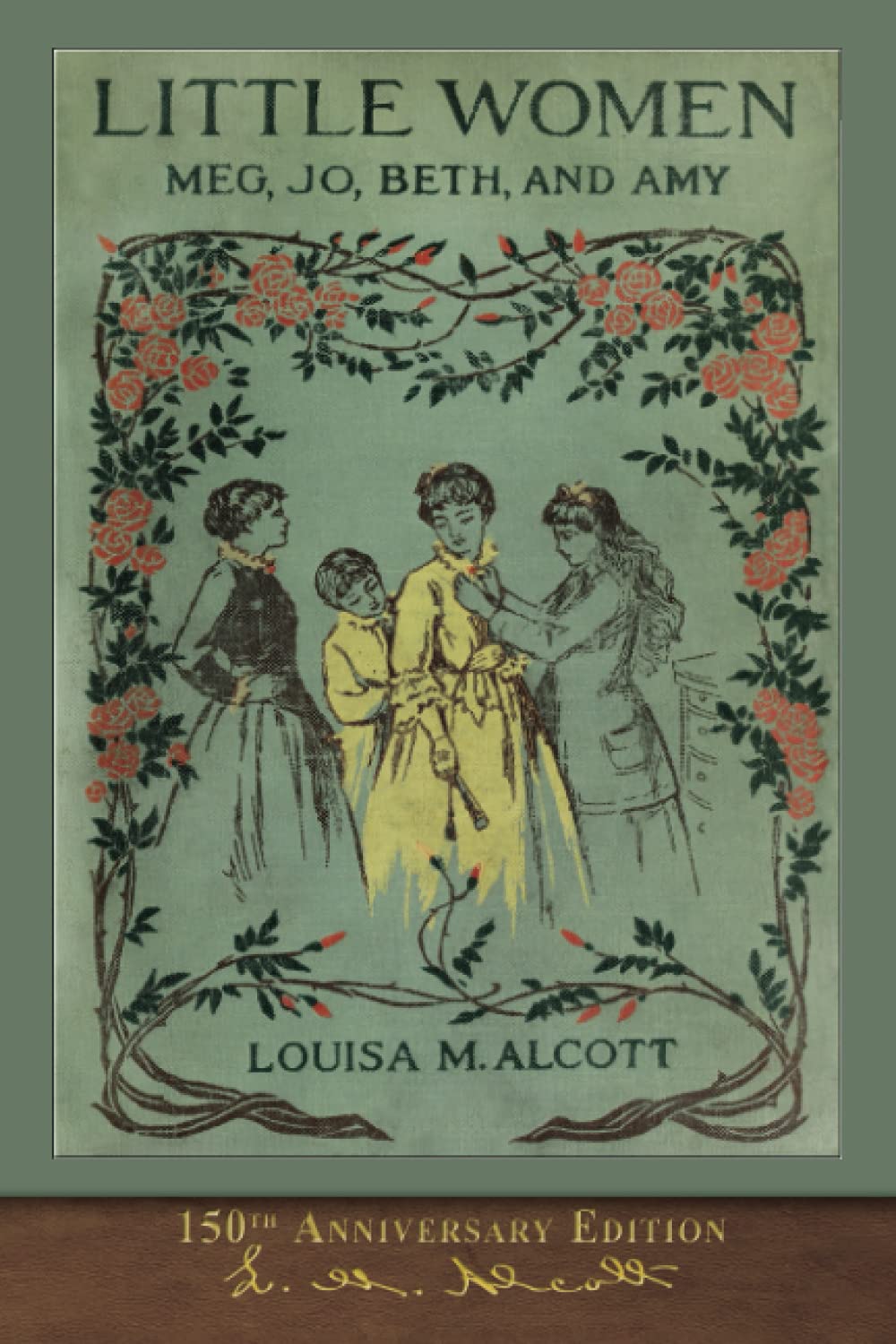
The March sisters — Meg, Jo, Beth, and Amy — come of age in Concord, Massachusetts during and after the Civil War, with their mother Marmee and their absent father, while navigating poverty, ambition, illness, love, and the particular constraints placed on women's lives in the 1860s. Jo March, the second eldest and the novel's protagonist, wants to be a writer in a world that expects her to marry. Her neighbour Laurie loves her, but she rejects him. Amy, the youngest, eventually marries Laurie after they reconnect in Europe. Beth, the gentlest sister, dies young of complications from scarlet fever. Meg marries a poor tutor and chooses domestic life over wealth.
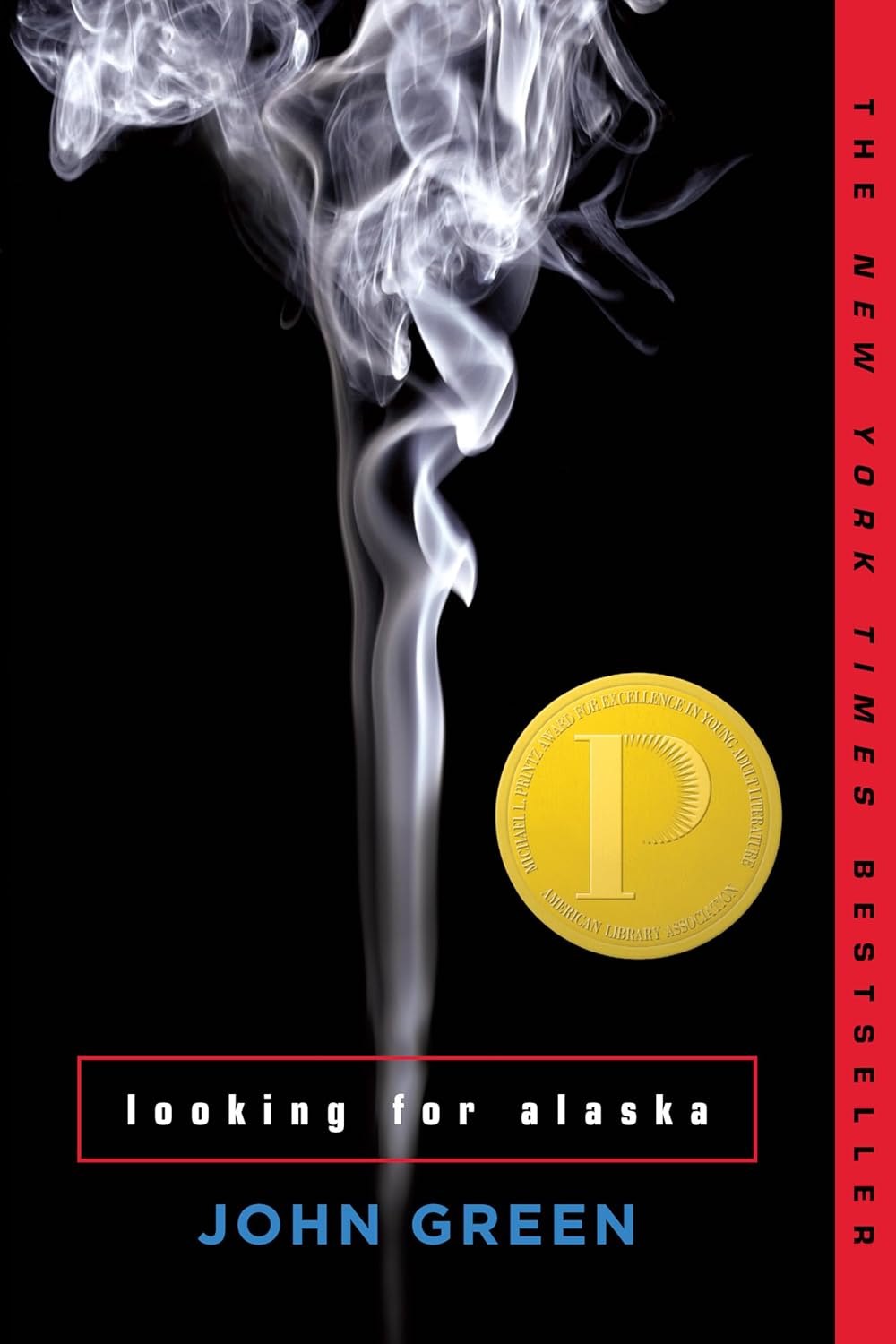
Miles "Pudge" Halter leaves Florida for Culver Creek boarding school in Alabama, seeking what poet François Rabelais called the "Great Perhaps." There he meets his roommate Chip "The Colonel" Martin, who introduces him to Alaska Young—a beautiful, self-destructive girl obsessed with her mother's death and Simón Bolívar's last words. Pudge falls for Alaska while navigating pranks against the school's wealthy "Weekday Warriors," smoking in the woods with friends Takumi Hikohito and Lara Buterskaya, and studying world religions with Dr. Hyde.
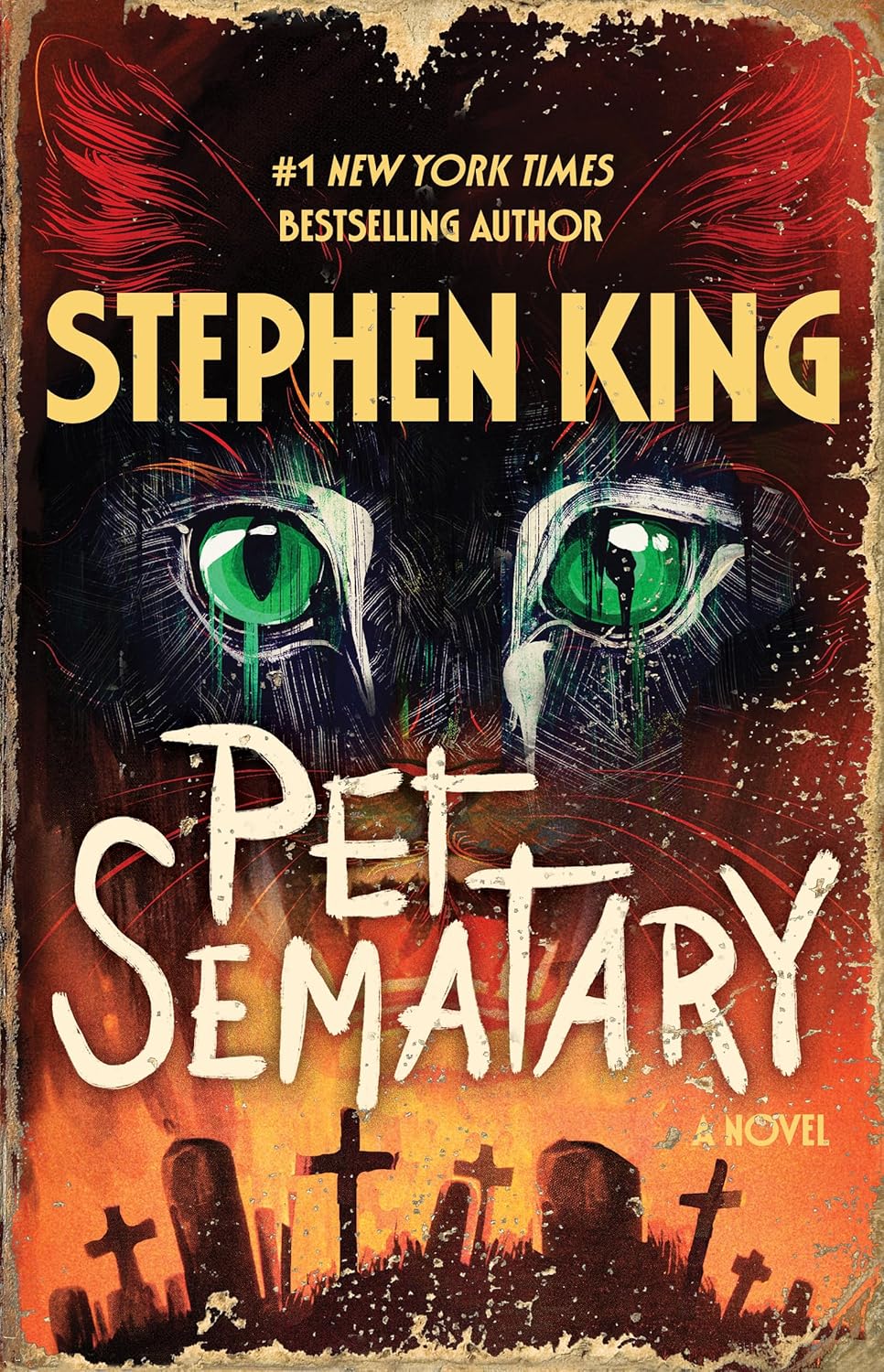
Louis Creed, a doctor from Chicago, moves his family to rural Ludlow, Maine — wife Rachel, eight-year-old daughter Ellie, toddler son Gage, and Church the cat. Their new house sits on a dangerous road where tanker trucks barrel past at lethal speeds. Their neighbour, elderly Jud Crandall, befriends the family and shows them the pet cemetery in the woods behind their property, where generations of local children have buried their animals. When Church is killed on the road, Jud takes Louis beyond the pet cemetery to older ground — Micmac burial ground — and shows him what happens when you bury something there. Church comes back. But he doesn't come back right.
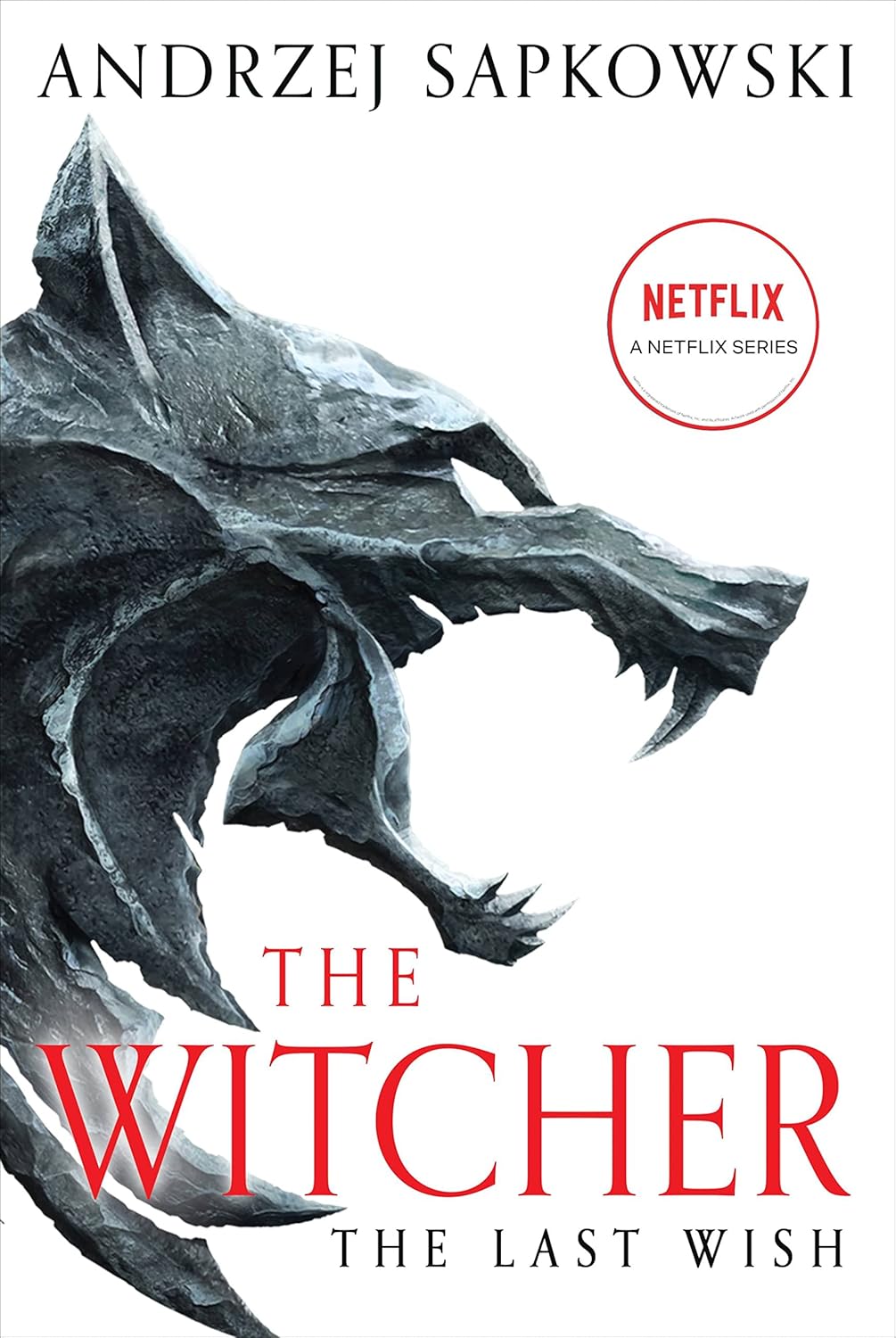
Geralt of Rivia is a Witcher — a mutant monster hunter for hire, enhanced by alchemy and training, who navigates a morally grey world where the monsters are often more sympathetic than the humans who fear them. Andrzej Sapkowski introduced Geralt in Polish short stories beginning in 1986, collected in The Last Wish (1993) and Sword of Destiny (1992), before expanding the story into a five-novel saga that follows Geralt's search for his adopted daughter Ciri, a child of destiny with powers that make her the target of empires and sorcerers alike.
A nameless biologist joins the twelfth expedition into Area X — a zone of coastline that has been sealed off from the outside world after something happened there that no one fully understands. She is accompanied by a psychologist who leads the team, an anthropologist, and a surveyor. Previous expeditions have ended in death, suicide, cancer, or the return of people who are no longer quite the people who left.
Elena Greco, called Lenù, narrates the story of her six-decade friendship with Raffaella Cerullo, known as Lila, beginning in their violent 1950s Naples neighborhood. The girls meet in elementary school where Lila's brilliance intimidates even their teacher, Maestra Oliviero, who recognizes both girls' potential but can only secure continued education for Elena—Lila's shoemaker father refuses to pay for middle school. As teenagers, their paths diverge: Elena pursues academics while Lila marries the grocer Stefano Carracci at sixteen, hoping to escape poverty but finding herself trapped in an abusive marriage.
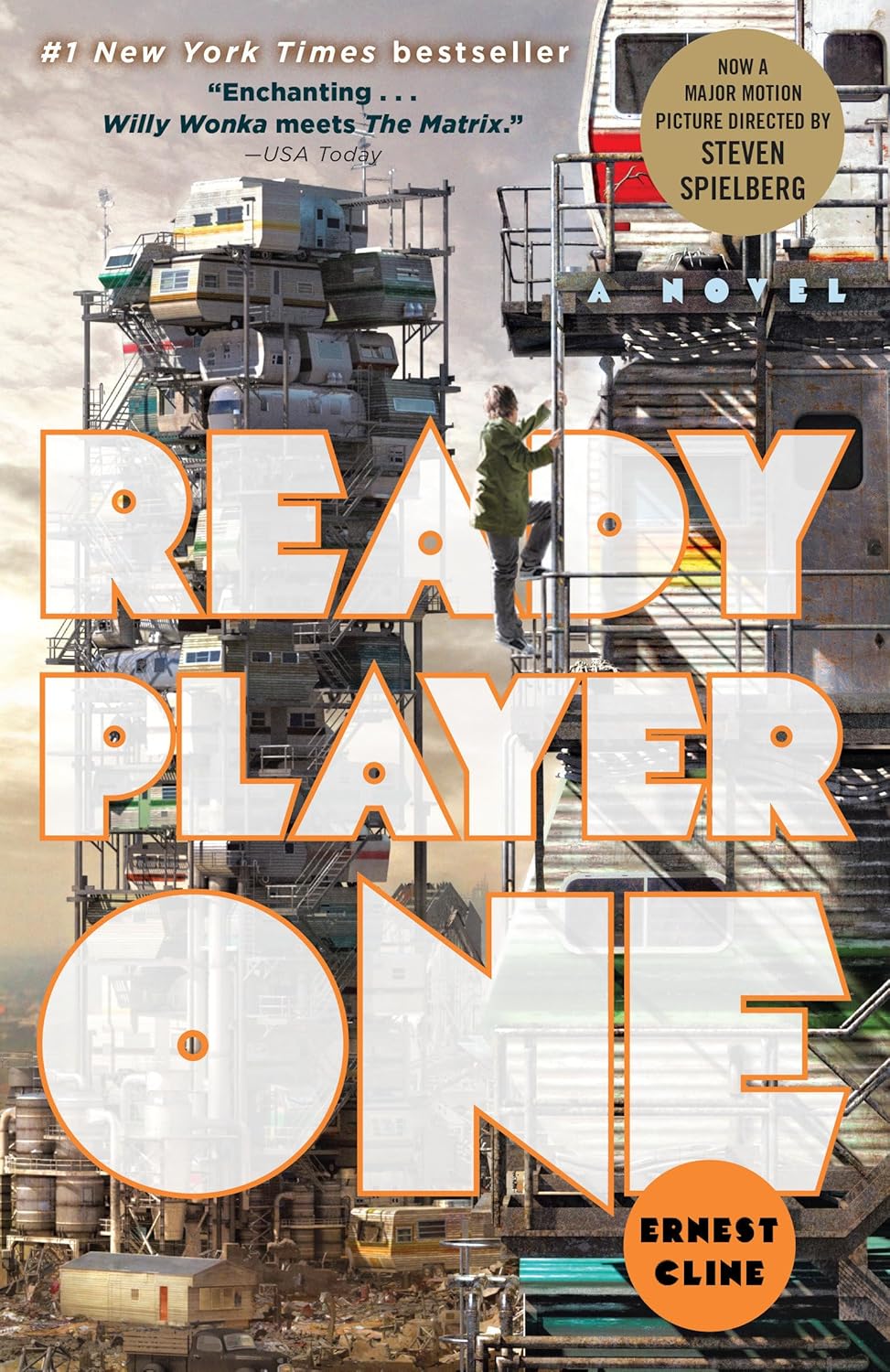
In 2045, most of humanity escapes a degraded real world into the OASIS — a vast virtual reality universe created by the eccentric James Halliday. When Halliday dies, he leaves behind an elaborate treasure hunt inside the OASIS, with his entire fortune and control of the platform as the prize. Wade Watts, a poor teenager from the stacks of Oklahoma City, becomes the first person to find the Copper Key, launching him into a competition against millions of "gunters" (egg hunters) and the sinister corporation IOI, led by Nolan Sorrento.
Camille Preaker is a Chicago journalist sent back to her small Missouri hometown of Wind Gap to cover the murders of two young girls. Wind Gap is a place Camille escaped and never fully left — her overbearing, beautiful mother Adora, her unsettling teenage half-sister Amma, and the words Camille has carved into her own skin over years of self-harm are all waiting for her.
Simon Spier is a closeted sixteen-year-old at Creekwood High School in suburban Georgia, conducting a secret email correspondence with another closeted student who goes by the pseudonym Blue. When classmate Martin Addison discovers printouts of Simon's emails, he blackmails Simon into helping him pursue Abby Suso, one of Simon's close friends. Simon's attempts to manipulate his friend group—pushing Abby toward Martin and his friend Nick Eisner toward Leah Burke—backfire spectacularly, leading to public humiliation when Martin posts Simon's emails on the school gossip site.
Hill House has stood for eighty years and might stand for eighty more — no live organism can continue for long to exist sanely under conditions of absolute reality, and Hill House, not sane, stands by itself against its hills, holding darkness within. Eleanor Vance, a shy, repressed woman who has spent her adult life caring for her invalid mother, joins a paranormal investigation led by Dr. John Montague at Hill House and slowly, irreversibly, begins to belong to it. Theodora, a bohemian psychic, and Luke Sanderson, the heir to Hill House, complete the quartet. Shirley Jackson's 1959 novel is one of the defining works of literary horror — precise, ambiguous, conducted entirely through Eleanor's unreliable consciousness in prose of extraordinary control.
Shadow Moon is released from prison three days early when his wife Laura dies in a car accident. On the plane home he meets Mr. Wednesday — a one-eyed con man of uncertain age who seems to know too much — and is hired as his bodyguard and driver. What follows is a road trip across the heart of America, in which Wednesday turns out to be the Norse god Odin, the gods brought to America by immigrants are fading for lack of belief, and a war between the old gods and the new gods of technology and media is being prepared.
Someone is dead at the Otter Bay Elementary School trivia night. We don't know who. We learn through police interview transcripts, parent gossip, and the alternating perspectives of three women: Madeline Martha Mackenzie, furiously competent and permanently aggrieved by her ex-husband's remarriage to the younger, yoga-teaching Bonnie; Celeste Wright, beautiful and harboring bruises her marriage requires her to keep hidden; and Jane Chapman, new to town, young, and carrying the trauma of a sexual assault that produced her son Ziggy.
Madeline Whittier is eighteen and has never left her house. Diagnosed with severe combined immunodeficiency (SCID), she lives in a hermetically sealed Los Angeles home with her physician mother, Pauline, and her nurse, Carla. Her world consists of white furniture, air filtration systems, and online architecture courses—until Olly Bright moves in next door.
Jessie Burlingame is handcuffed to a bed in a remote lake house when her husband Gerald drops dead of a heart attack mid-fantasy. There is no one for miles. The dog is in the room. Night is coming. And Jessie — who has spent her life managing other people's needs at the cost of her own — is about to spend the next twenty-four hours alone with her thoughts in a way she has never been before.
In Derry, Maine, something ancient and malevolent surfaces every twenty-seven years to feed on children, preferring to take the form of Pennywise the Dancing Clown. In 1958, seven outcasts — Bill Denbrough, Beverly Marsh, Ben Hanscom, Richie Tozier, Eddie Kaspbrak, Stan Uris, and Mike Hanlon, collectively known as the Losers Club — encounter It and drive It underground through the power of their friendship and belief. In 1985, It resurfaces, and the Losers must return to Derry to finish what they started as children.
Jeannette Walls' 2005 memoir chronicles her chaotic childhood with Rex and Rose Mary Walls, parents whose bohemian ideals masked profound neglect. Rex, a brilliant alcoholic, promises his four children a solar-powered dream home—the Glass Castle—while moving them from desert towns to Appalachian poverty. Rose Mary, an artist who refuses to work despite owning property, prioritizes her painting over feeding her kids. Jeannette and her siblings—Lori, Brian, and Maureen—scavenge for food, endure freezing winters in a house without plumbing, and protect each other from their father's drunken rages and their mother's willful oblivion.
Clay Jensen arrives home from school to find a shoebox of cassette tapes on his porch. They're from Hannah Baker, a classmate who died by suicide two weeks earlier. Over seven tapes, Hannah narrates thirteen reasons why she ended her life—each side dedicated to a person who contributed to her decision. Clay is on the tapes, though he doesn't know why yet.
Auggie Pullman is a ten-year-old boy with a rare craniofacial condition who enters mainstream school for the first time after years of homeschooling. R.J. Palacio's 2012 novel became a cultural phenomenon by centering disability not as tragedy but as one facet of a full, complicated life. The story unfolds through multiple perspectives—Auggie's, his sister Via's, his friend Jack's—creating a kaleidoscopic portrait of how one person's difference ripples through an entire community.
Louisa Clark, a twenty-six-year-old woman from a working-class English town, loses her job at a café and takes a position as carer for Will Traynor, a wealthy former banker left quadriplegic after a motorcycle accident two years earlier. Will is witty, acerbic, and determined to end his life at Dignitas in Switzerland in six months. Louisa's job, though she doesn't know it at first, is to change his mind.
Roots traces seven generations of Alex Haley's family, beginning with Kunta Kinte, a Mandinka warrior captured in 1767 Gambia and enslaved in Virginia. The novel follows Kunta's daughter Kizzy, sold away after helping a slave escape; her son Chicken George, a cockfighter who earns his freedom; and George's son Tom, a blacksmith who lives to see emancipation. Haley's 688-page narrative ends with the author's own genealogical quest to trace his ancestry back to Kunta Kinte's village of Juffure.
Ted Chiang's "Story of Your Life" is a 1998 novella about Dr. Louise Banks, a linguist tasked with deciphering an alien language to prevent global conflict. The story's central conceit—that learning the aliens' non-linear language fundamentally rewires human cognition and perception of time—serves as both hard science fiction premise and meditation on free will, sacrifice, and the price of knowledge.
Every day Rachel Watson rides the commuter train past the house where she used to live with her ex-husband Tom, now remarried to Anna and with a baby. She fixates on a couple she can see from the window — Megan and Scott Hipwell — projecting a perfect life onto them. Then Megan goes missing, Rachel thinks she saw something the morning it happened, and she inserts herself into the investigation despite being an unreliable witness to everything, including her own memory.
Fredrik Backman's 2012 debut novel introduces Ove, a 59-year-old widower whose rigid routines and neighborhood patrols mask profound grief over losing his wife Sonja six months earlier. When pregnant Iranian immigrant Parvaneh and her family move in next door—backing their trailer into Ove's mailbox on day one—his suicide plans are repeatedly interrupted by their needs: driving lessons for Parvaneh, confrontations with predatory real estate agents trying to institutionalize his old friend Rune, and rescuing a cat no one else wants.
Eilis Lacey leaves her small town of Enniscorthy, Ireland, for Brooklyn in the early 1950s. Sponsored by Father Flood, an Irish-American priest, she works at Bartocci's department store and lives in a boarding house run by the formidable Mrs. Kehoe. Homesick and adrift, Eilis eventually finds her footing through night classes in bookkeeping and a romance with Tony Fiorello, an Italian-American plumber who takes her to Coney Island and introduces her to his warm, chaotic family.
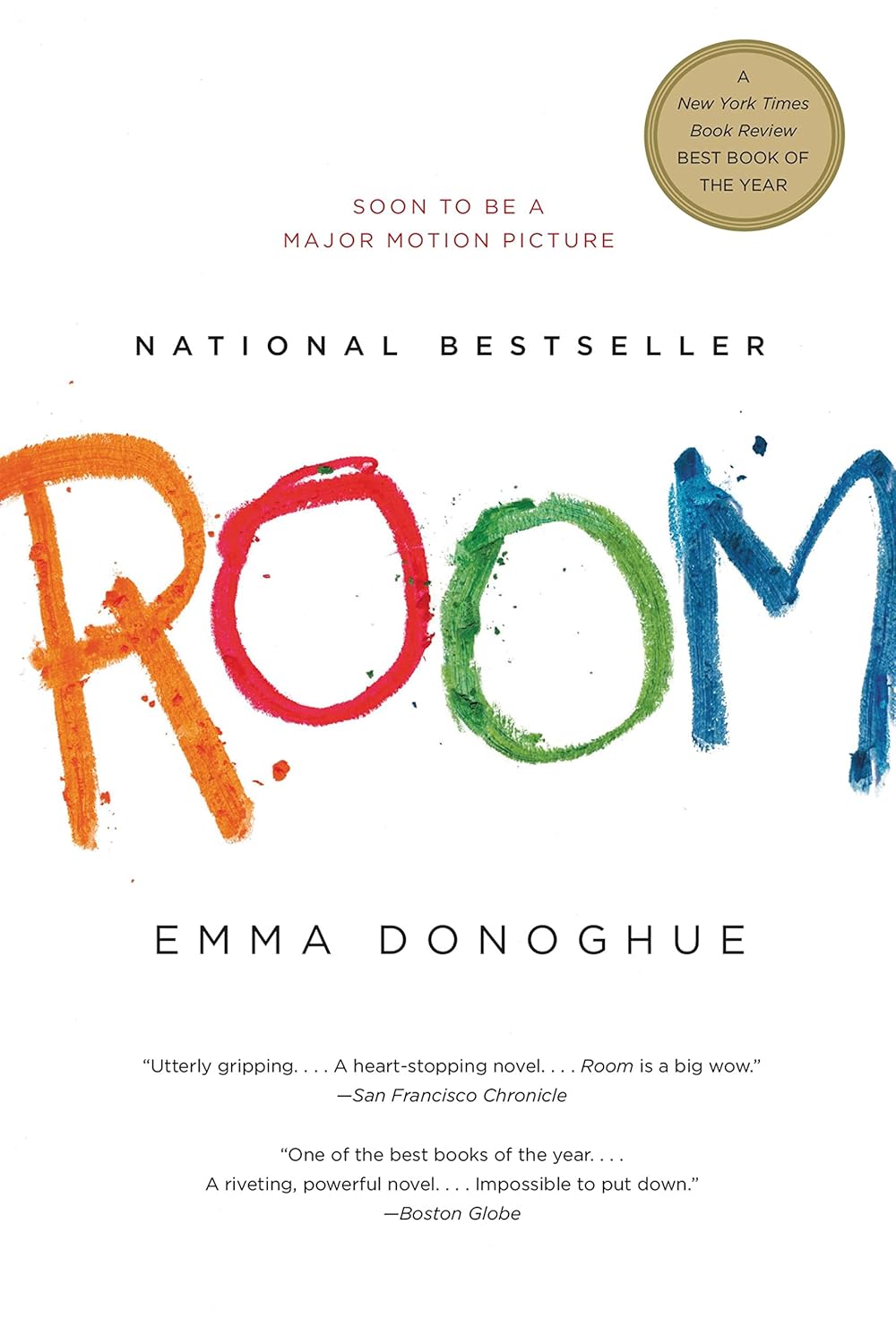
Jack is five years old and has never left Room — an eleven-by-eleven-foot garden shed where he was born and where his mother, held captive by a man he knows only as Old Nick, has raised him with fierce love and radical ingenuity. To Jack, Room is the entire world; everything on television is make-believe. To his mother, Joy (called Ma by Jack), it is a prison she has survived for seven years since her abduction at nineteen.
The Longest Ride runs two love stories in parallel across two timelines. In the present, Sophia Danko — an art-loving college senior from New Jersey — falls for Luke Collins, a North Carolina bull rider trying to return to the circuit despite a serious head injury that could kill him if he's thrown again. In the past, Ira Levinson, a ninety-one-year-old Jewish man now trapped in his wrecked car after an accident, relives his decades-long marriage to Ruth through letters and memory. The two stories are linked when Sophia and Luke rescue Ira from the crash and Sophia begins reading Ruth's letters aloud to him in the hospital.
Botanist and astronaut Mark Watney is accidentally left behind on Mars after a dust storm forces his crew to abort their mission. Presumed dead, with no way to communicate with Earth and not enough food to survive until a rescue is possible, Watney must science his way through survival — growing potatoes in Martian soil using his own waste as fertilizer, improvising communication with a decades-old Pathfinder probe, and crossing hundreds of miles of hostile terrain in a rover held together by optimism and duct tape.
Thomas Cromwell is the son of a Putney blacksmith who has made himself, through intelligence, patience, and an extraordinary talent for understanding what powerful people want and need, into one of the most influential men in England under Henry VIII. Wolf Hall covers the years 1527 to 1535 — the king's break with Rome, the fall of Cardinal Wolsey whom Cromwell served, the rise and fall of Anne Boleyn — from inside Cromwell's calculating, compassionate, and deeply private mind.
In a future Chicago divided into five factions based on personality — Dauntless (the brave), Erudite (the intelligent), Abnegation (the selfless), Amity (the peaceful), and Candor (the honest) — sixteen-year-old Beatrice "Tris" Prior discovers she is Divergent: she belongs to no single faction and cannot be controlled. She leaves her Abnegation family to join Dauntless, where she trains under the watchful eye of Four (Tobias Eaton), falls in love, and uncovers a conspiracy led by Erudite leader Jeanine Matthews to overthrow Abnegation and eliminate all Divergents.
On the morning of their fifth wedding anniversary, Nick Dunne's wife Amy disappears from their McMansion in North Carthage, Missouri. The investigation that follows slowly dismantles Nick's account of their marriage — and then Amy's diary begins to tell a different story altogether.
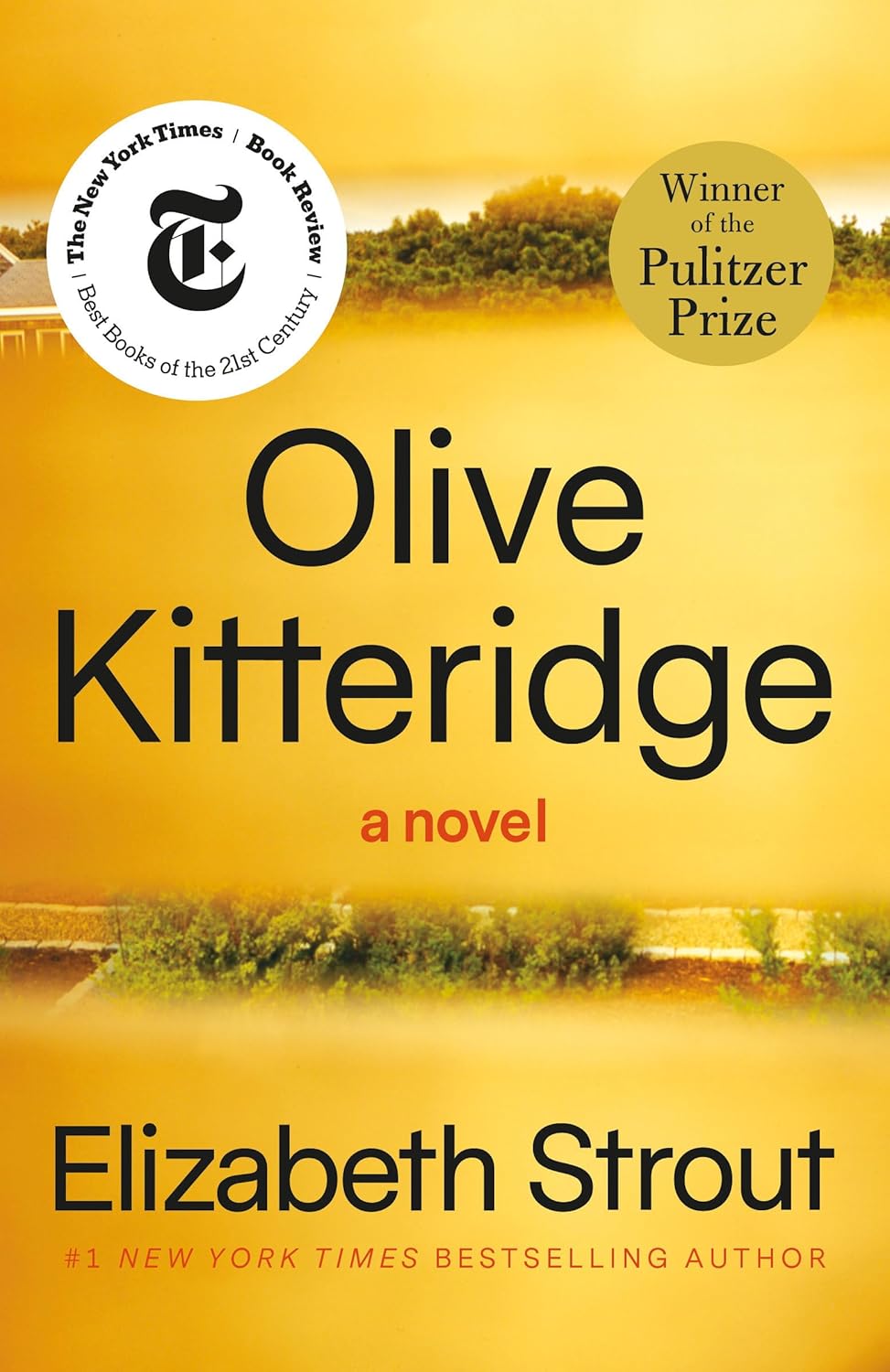
Elizabeth Strout's Olive Kitteridge is a collection of thirteen interconnected stories set in the fictional coastal town of Crosby, Maine, spanning twenty-five years. At the center is Olive, a retired seventh-grade math teacher whose blunt manner and emotional opacity alienate nearly everyone around her — including her gentle pharmacist husband Henry and their son Christopher, who flees to California partly to escape her.
Claire Randall, a former British combat nurse, is visiting the Scottish Highlands with her husband Frank in 1945 when she touches a standing stone at Craigh na Dun and is hurled back to 1743. She encounters Black Jack Randall, Frank's sadistic ancestor and a captain in the British army, then is rescued by members of Clan MacKenzie. To protect her from Randall, she marries Jamie Fraser, a young Scottish warrior with a price on his head.
Hazel Grace Lancaster is sixteen, has terminal thyroid cancer with metastases in her lungs, and has been dragged by her mother to a support group she finds pointless. There she meets Augustus Waters — charming, philosophical, an osteosarcoma survivor with one prosthetic leg — and what follows is a love story that is also an argument about mortality, meaning, and what it means to leave a mark on the world when you won't be around to see it.
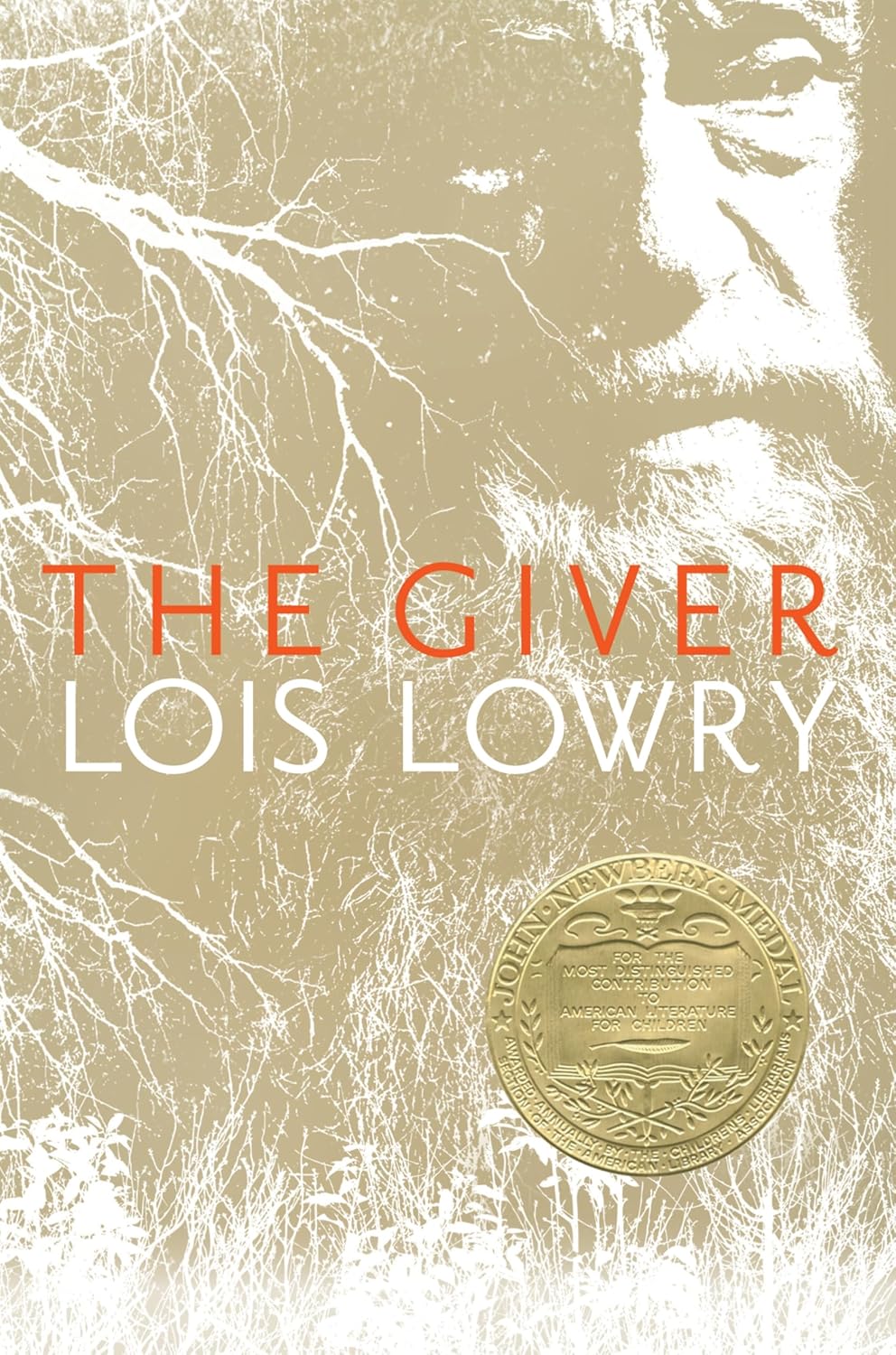
Jonas lives in a Community where everything is controlled — weather, family units, job assignments, emotion — and where Sameness has eliminated pain, conflict, and colour. At the Ceremony of Twelve, Jonas is selected for a unique role: Receiver of Memory, the single person in the Community who holds all of humanity's history before Sameness. His training with the elderly Giver reveals what has been taken from everyone, and what is still being done to maintain the Community's peace.
Thomas wakes up in a metal box with no memory of who he is, rising into a clearing called the Glade — a self-sustaining community of boys who arrived the same way, surrounded by a massive, ever-shifting maze that closes its doors every night and is patrolled by mechanical creatures called Grievers. The Gladers have established their own society under the leadership of Alby, with Newt as second-in-command and Minho as Keeper of the Runners — the boys who map the maze each day before the walls close. Thomas immediately wants to be a Runner, which breaks protocol. Then Teresa arrives, the first girl ever, with a message: everything is about to change.
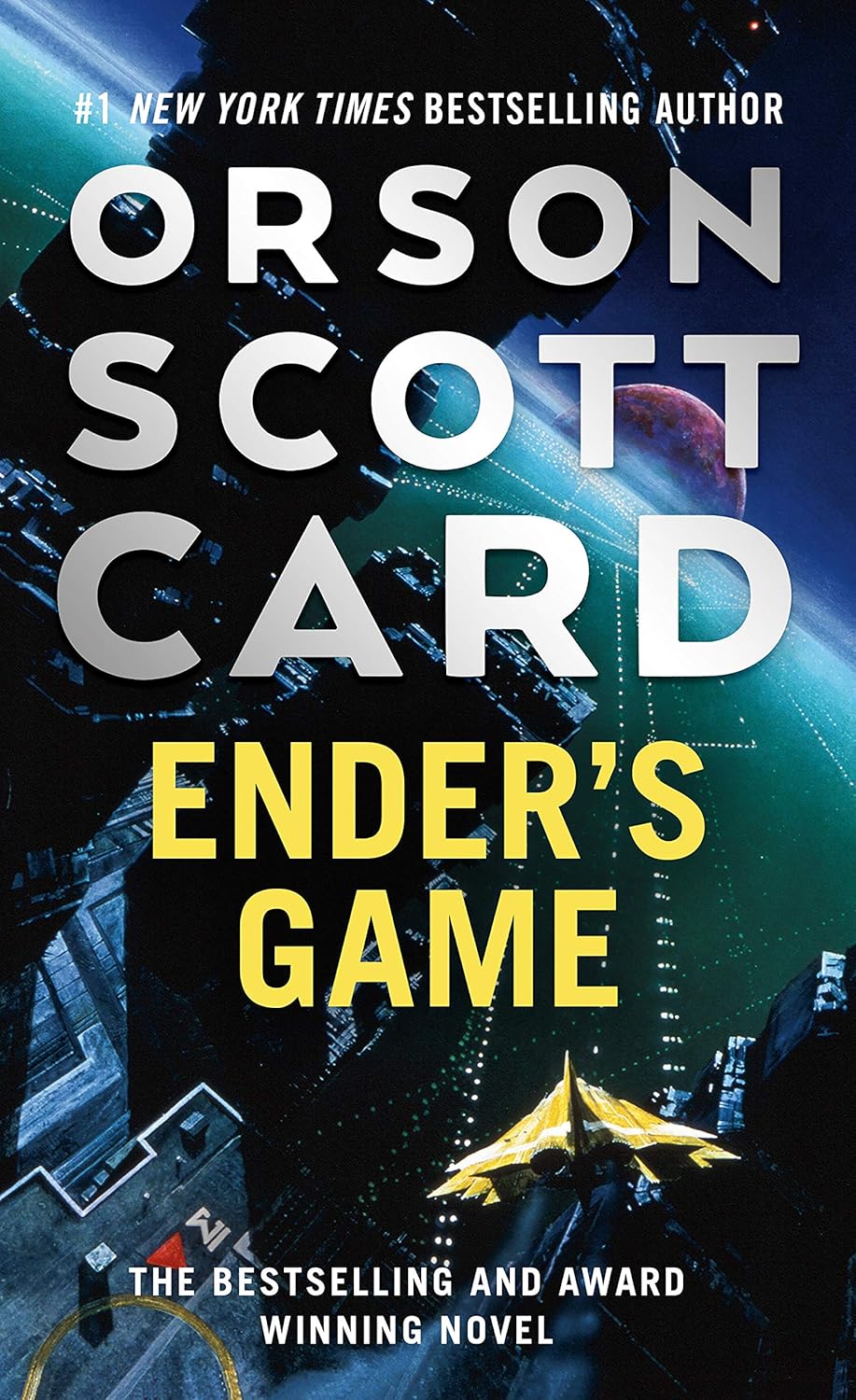
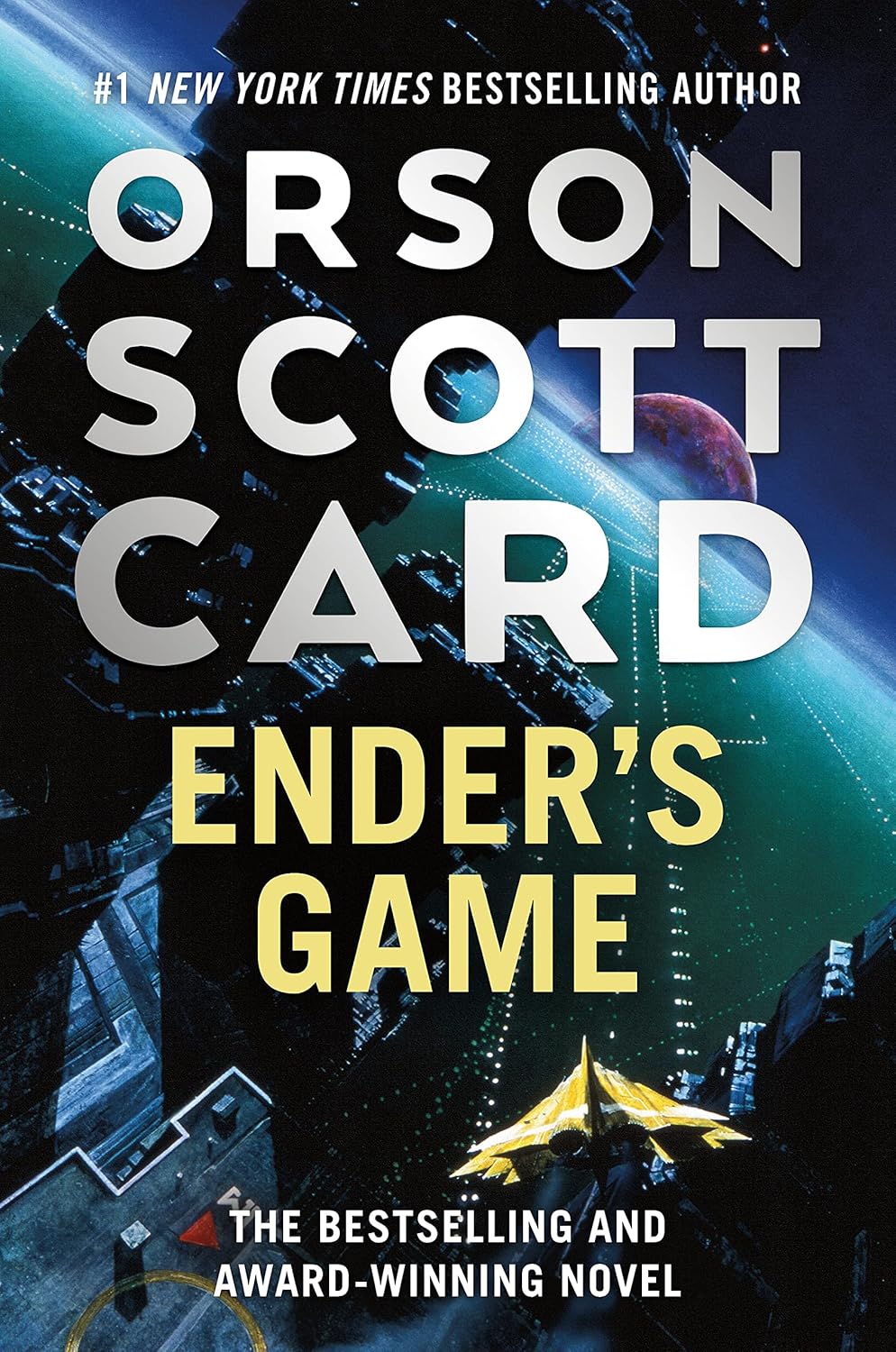
Andrew "Ender" Wiggin is six years old when Colonel Hyrum Graff of the International Fleet identifies him as humanity's best hope against the Formics — an insectoid alien species that nearly destroyed Earth in two previous invasions. Ender is taken from his family to Battle School, a space station where gifted children train through increasingly brutal zero-gravity combat simulations to become military commanders. His older brother Peter is too violent, his sister Valentine too compassionate — Ender is the balance the Fleet needs, and Graff systematically isolates him, manipulates him, and pushes him toward psychological breaking points to forge him into the weapon Earth requires.
Andrew "Ender" Wiggin is a six-year-old genius recruited by Colonel Hyrum Graff to Battle School — an orbital military academy training humanity's future commanders for a war against an insectoid alien species called the Formics (or "Buggers"). Ender is the third child in a family that was granted a rare exception to Earth's two-child policy, bred specifically because his older siblings Peter and Valentine showed promise but fatal flaws. Peter is too violent, Valentine too compassionate. Ender, the military hopes, is the balance.
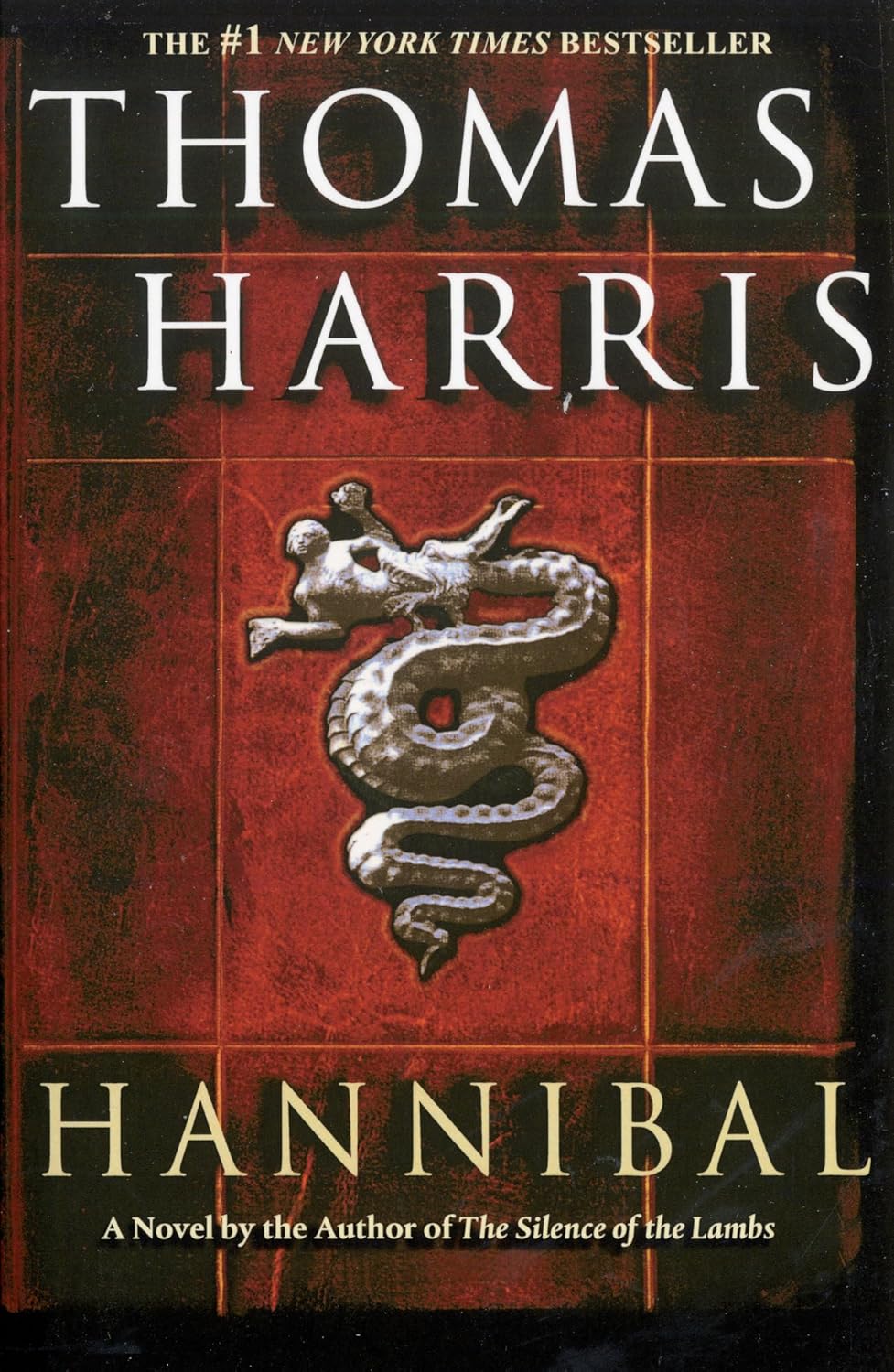
Thomas Harris introduced Hannibal Lecter in Red Dragon (1981), a supporting character in a serial killer investigation — brilliant, caged, useful to the FBI as a consultant while being the most dangerous person in any room. Will Graham, a retired profiler with an uncanny ability to reconstruct crimes from the killer's perspective, reluctantly seeks Hannibal's help to catch Francis Dolarhyde, the "Tooth Fairy" killer. The Silence of the Lambs (1988) made Hannibal a cultural phenomenon, pairing him with FBI trainee Clarice Starling in a cat-and-mouse game that helped her catch Buffalo Bill. The novels that followed — Hannibal (1999) and Hannibal Rising (2006) — expanded his backstory and freed him from incarceration.
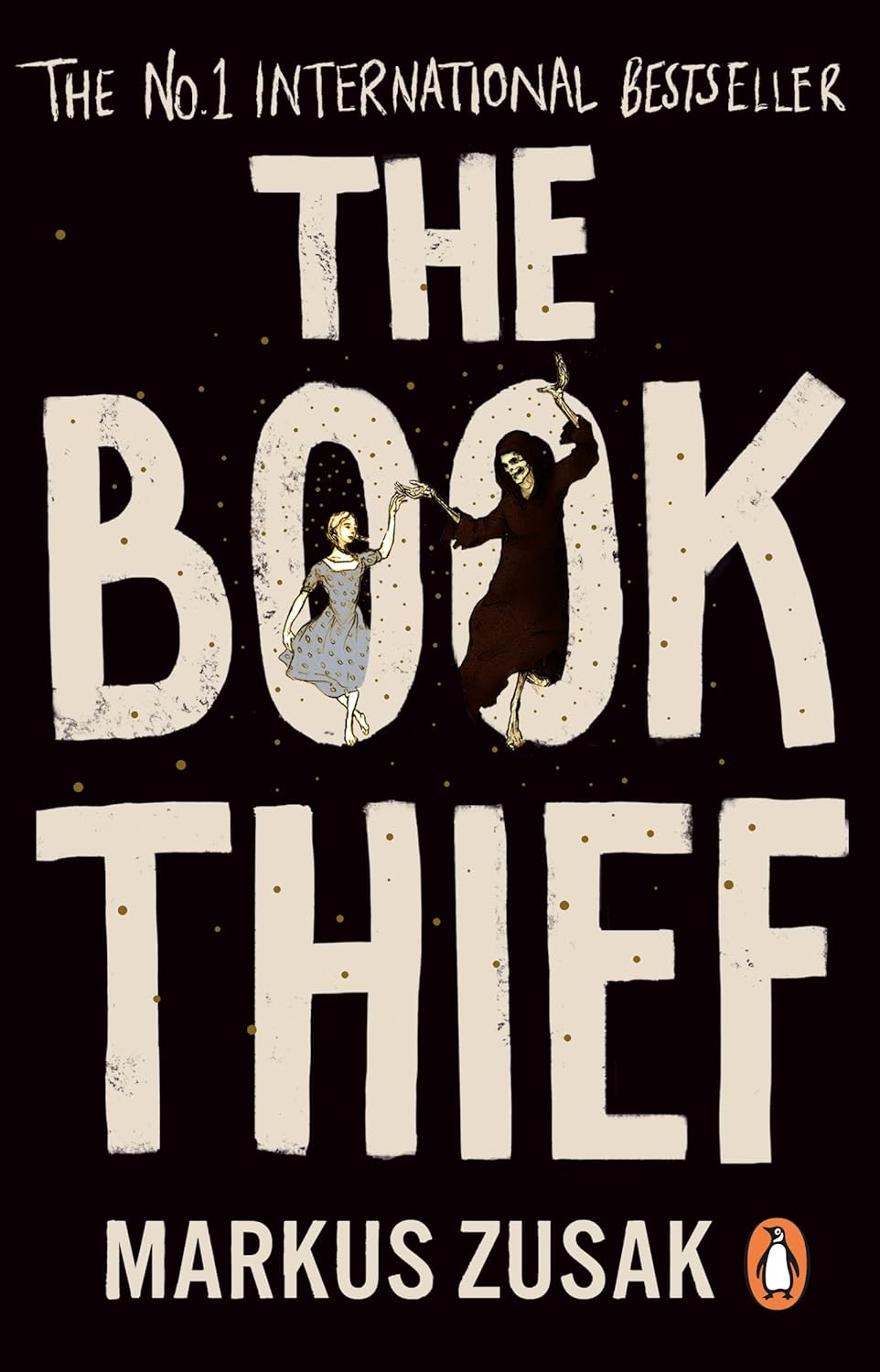
Liesel Meminger is nine years old when she arrives at her foster family's house in Molching, Germany, in 1939 — unable to read, carrying a stolen gravedigger's handbook, and about to be introduced to the power of words by her foster father Hans Hubermann. Over the next six years, as Germany tears itself apart under Nazism and war, Liesel steals books from Nazi book burnings and the mayor's wife's library, shelters a Jewish fist fighter named Max Vandenburg in the basement, falls in love with her neighbour Rudy Steiner, and survives things that would break most adults.
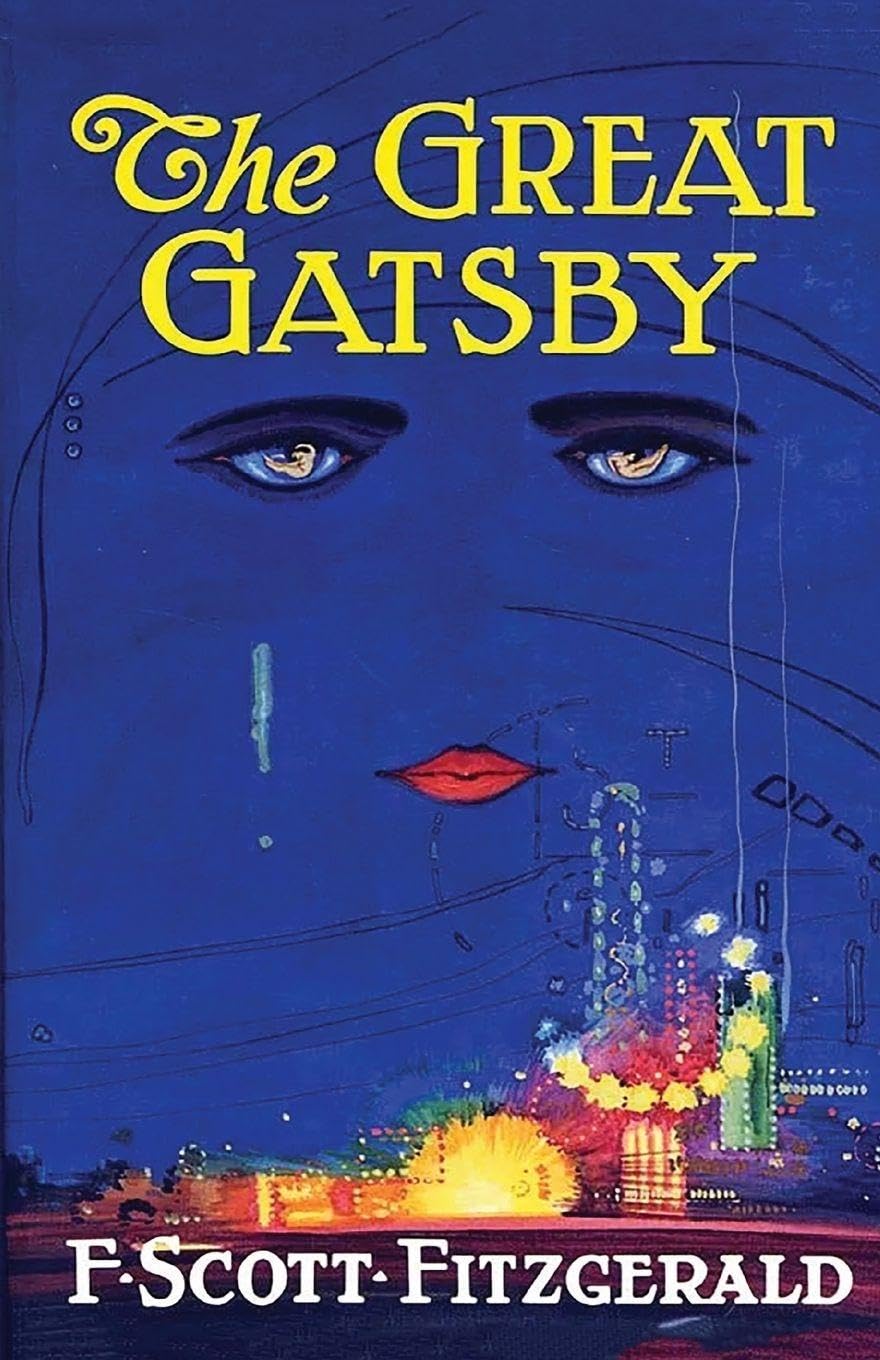
Nick Carraway, a Yale man newly arrived in West Egg, Long Island, becomes neighbour and eventual confidant to Jay Gatsby — a mysterious millionaire who throws lavish parties in pursuit of a dream that, at its core, is entirely about one woman across the water. Daisy Buchanan, Nick's cousin, lives in East Egg with her brutish husband Tom, a polo-playing old-money heir. Gatsby's entire fortune, his mansion, his parties — all of it exists to recapture five years he spent with Daisy before the war, before she married Tom.
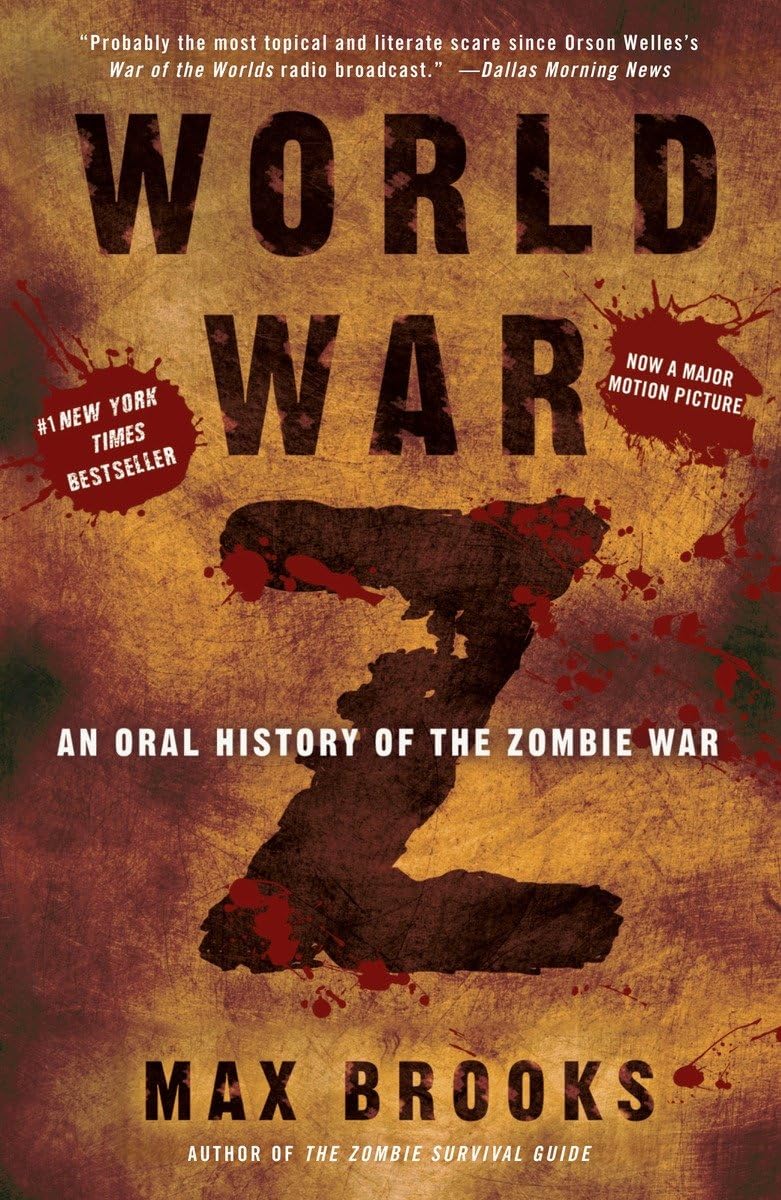
Max Brooks's World War Z is structured as an oral history compiled by a United Nations investigator ten years after humanity's near-extinction at the hands of a zombie pandemic. The novel contains no single protagonist — instead, it presents dozens of first-person testimonies from survivors across the globe: a Chinese doctor who witnessed the outbreak's origin, a South African military planner who devised the Redeker Plan, a Japanese otaku who survived through meticulous preparation, an American soldier who fought in the Battle of Yonkers, a Russian priest who endured the decimation of his country. Each interview reveals not just personal survival but the collapse of institutions, governments, and social orders under pandemic pressure.
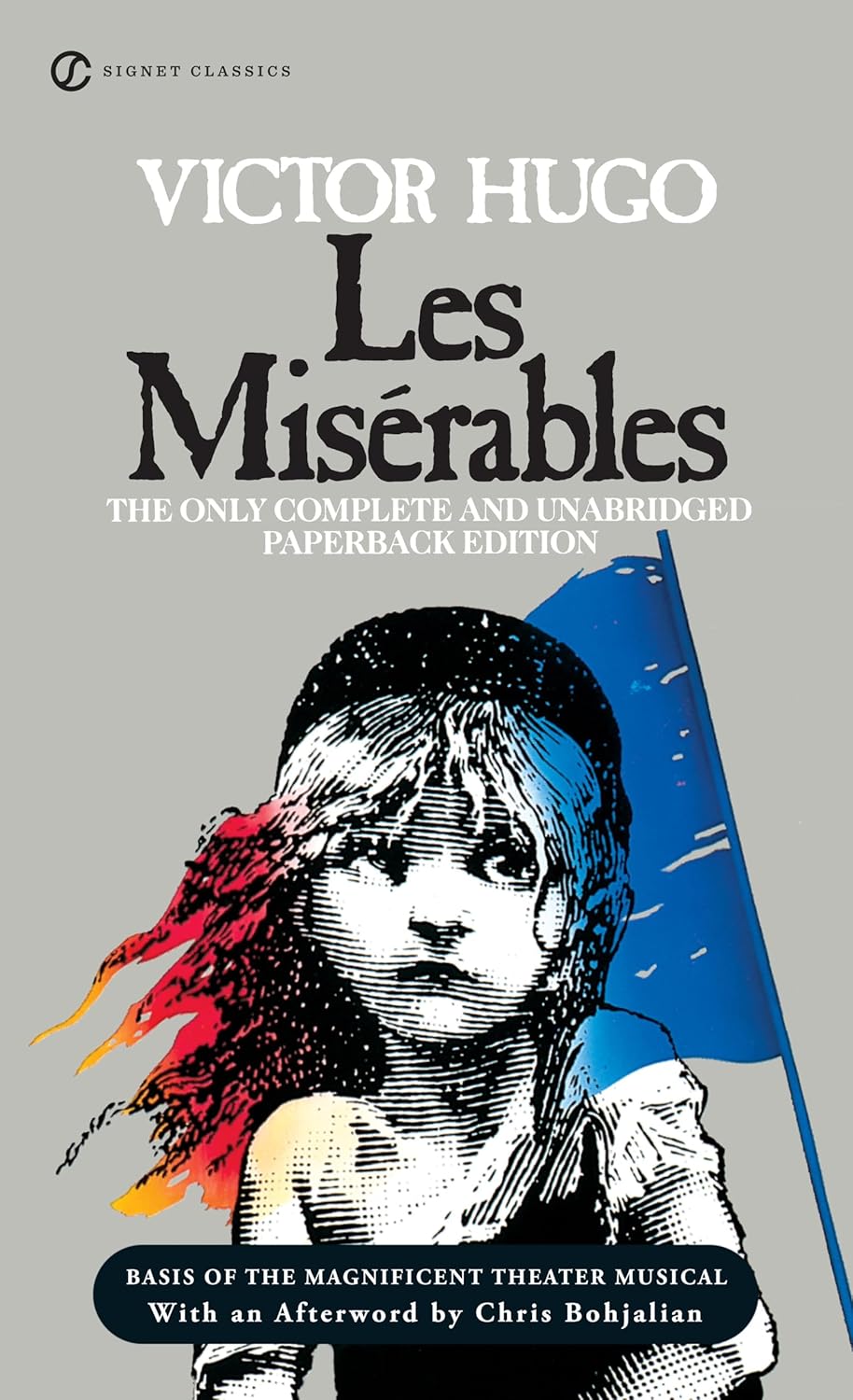
Victor Hugo's 1862 novel follows Jean Valjean, prisoner 24601, who serves nineteen years for stealing a loaf of bread and subsequent escape attempts. After his release, Bishop Myriel's act of mercy—giving Valjean silver candlesticks and urging him toward righteousness—sparks his transformation. Valjean reinvents himself as Monsieur Madeleine, a factory owner and mayor, but Inspector Javert, who believes in absolute law, pursues him relentlessly. The story expands to include Fantine, a desperate factory worker who sells her hair and teeth to support her daughter Cosette; the exploitative innkeepers the Thénardiers; and the idealistic student Marius Pontmercy, who falls for the grown Cosette during the 1832 June Rebellion.
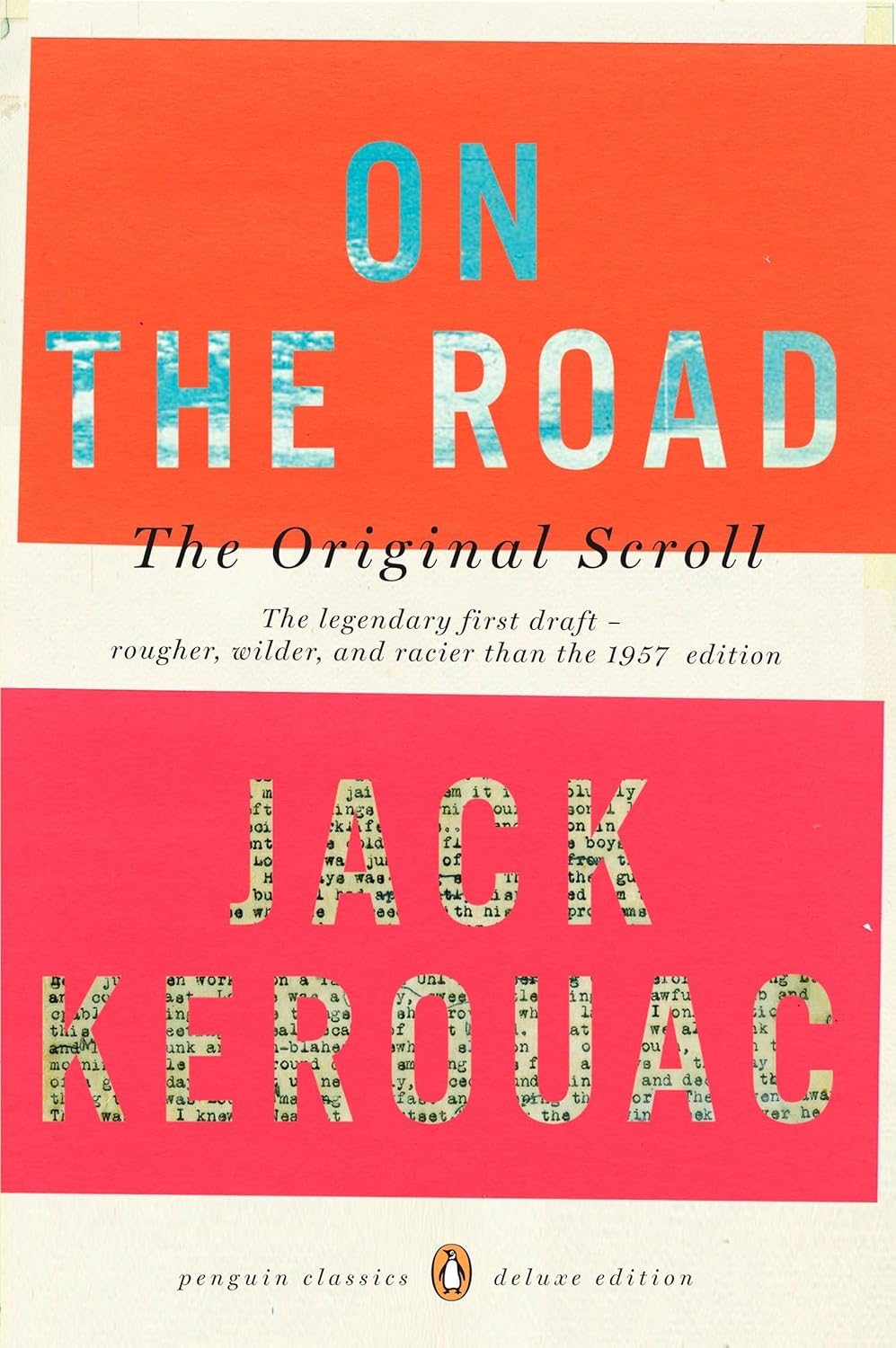
Sal Paradise — Kerouac's alter ego — narrates a series of cross-country journeys in the late 1940s with Dean Moriarty, a charismatic, restless, unreliable ex-con based on Neal Cassady. They hitchhike and drive from New York to San Francisco, down to Mexico, back again, chasing jazz, women, drugs, and the promise of something transcendent just over the next horizon. Carlo Marx (Allen Ginsberg), Old Bull Lee (William S. Burroughs), and a rotating cast of wives, girlfriends, and fellow travellers appear and disappear as Dean burns through relationships with the same manic energy he applies to everything else.
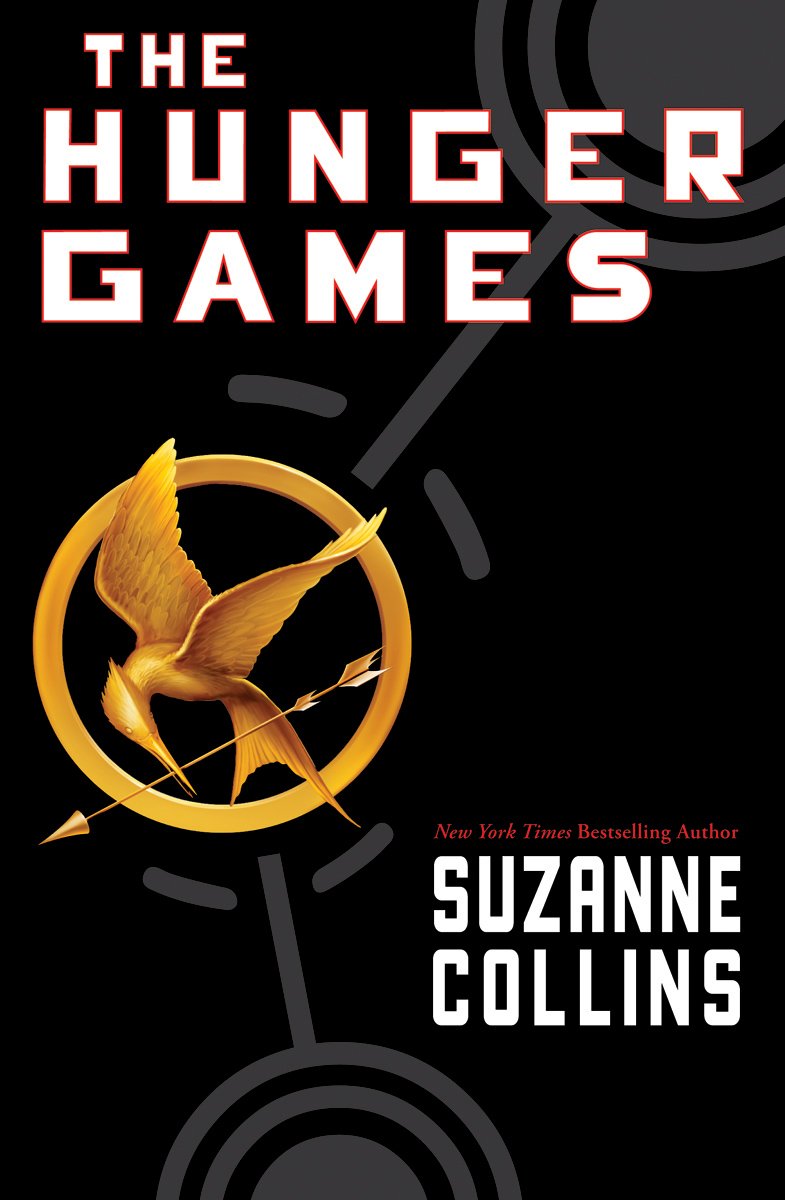
Suzanne Collins's The Hunger Games introduced readers to Panem, a dystopian nation where the totalitarian Capitol forces children from its twelve districts into an annual televised death match. Katniss Everdeen, a sixteen-year-old from District 12, volunteers to compete in place of her sister, igniting a narrative that functions simultaneously as survival thriller, political allegory, and coming-of-age story. The 2012 film adaptation, directed by Gary Ross, arrived at a cultural moment when YA dystopias dominated publishing and Hollywood was desperate to replicate Twilight's box-office alchemy.
Charlie is a deeply introverted fifteen-year-old starting high school in Pittsburgh, writing letters to an unnamed recipient about his experiences — the friends he finds, the trauma he is slowly remembering, the books he reads, the music he loves. He befriends two charismatic seniors: Sam, a girl he falls for immediately, and her stepbrother Patrick, who is secretly dating the school's quarterback. Through them, Charlie discovers Rocky Horror Picture Show midnight screenings, mixtapes, and the feeling of being infinite in the Fort Pitt Tunnel.
Jane Eyre is an orphan who survives a brutal charity school to become governess at Thornfield Hall, where she falls in love with the brooding, morally complicated Edward Rochester. Charlotte Brontë's 1847 novel is narrated in Jane's first person — direct, passionate, and morally certain in a way that was radical for its time. The novel follows Jane from her abused childhood at Gateshead under her aunt Mrs. Reed, through her years at Lowood Institution where her friend Helen Burns dies of typhus, to her position as governess to Rochester's ward Adèle Varens.
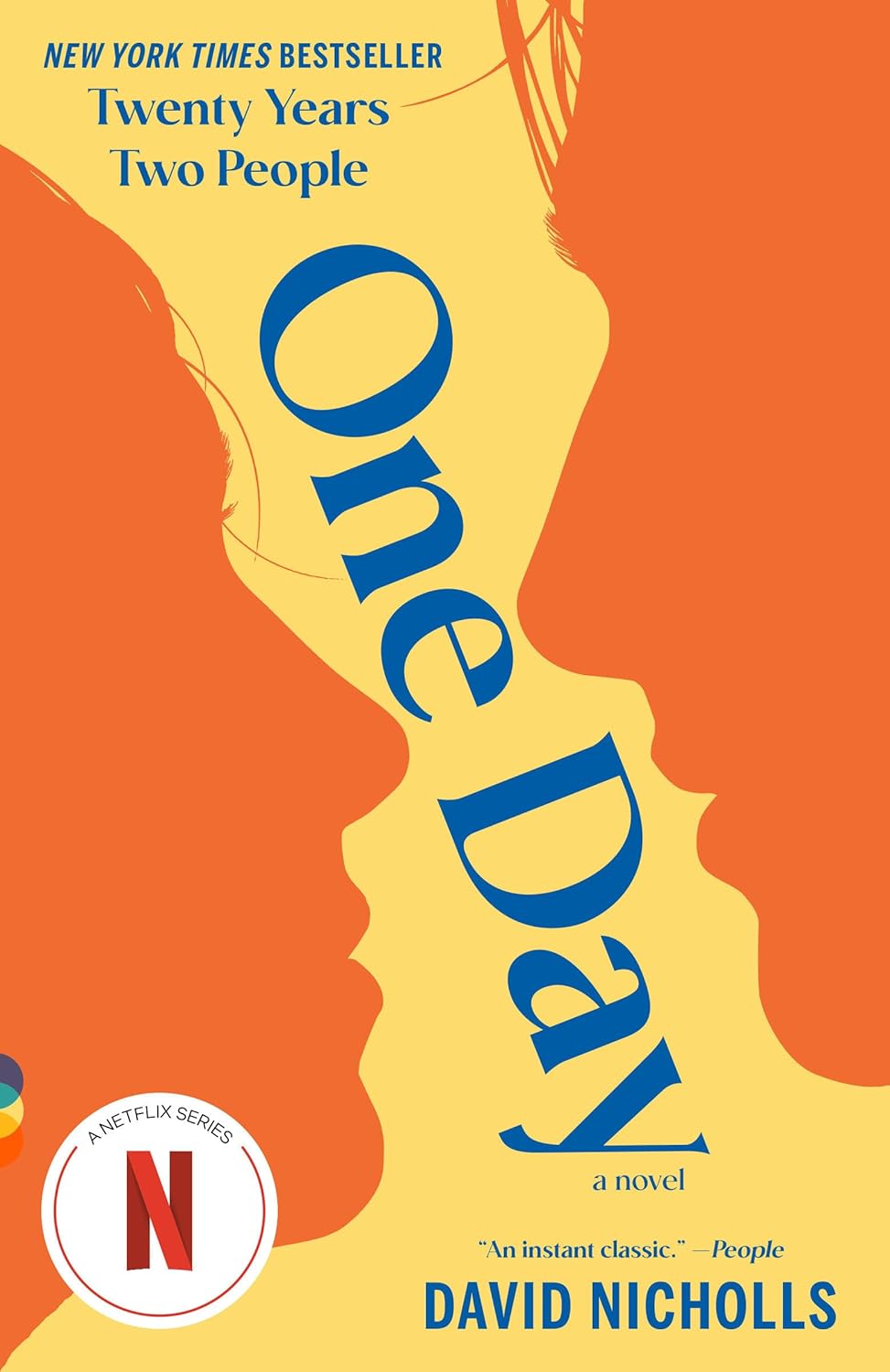
Emma Morley and Dexter Mayhew spend the night together after their Edinburgh graduation ceremony on July 15th, 1988 — and almost but not quite become a couple. David Nicholls's novel then checks in on them every year on that same date for the next two decades, watching them drift apart and toward each other as their lives diverge radically: Emma struggling through unglamorous jobs toward a life she actually wants, Dexter burning brightly and then burning out through television fame, drink, and a series of bad choices.
Disgraced journalist Mikael Blomkvist accepts a commission from Henrik Vanger, an aging industrialist, to investigate the 1966 disappearance of his sixteen-year-old niece Harriet from the family's island compound. Blomkvist is joined by Lisbeth Salander — a twenty-four-year-old hacker, ward of the state, and investigator for Milton Security — who has already compiled a background report on him. Together they uncover a serial killer operating within the Vanger family for decades.
Disgraced journalist Mikael Blomkvist is hired by Henrik Vanger, an elderly Swedish industrialist, to solve a forty-year-old family mystery — the disappearance of Harriet Vanger from the family's island estate during a reunion in 1966. He's soon joined by Lisbeth Salander, a brilliant, damaged, and fiercely independent hacker who becomes the novel's true centre of gravity.
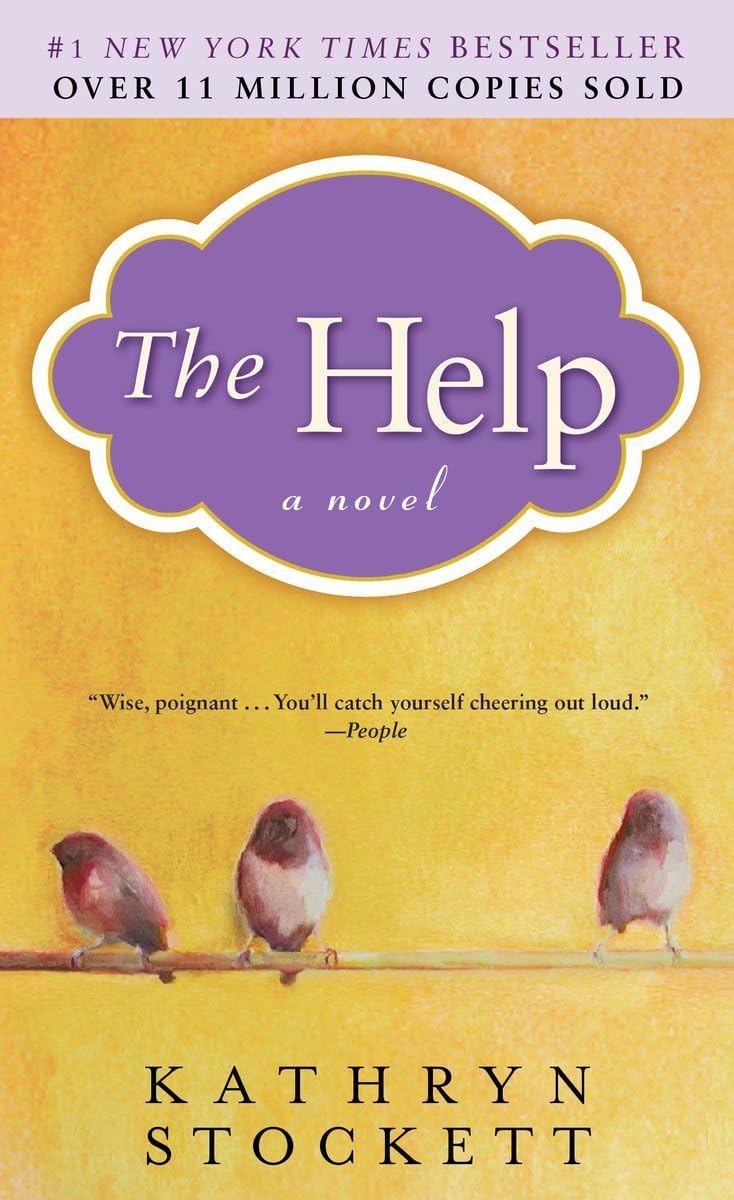
Jackson, Mississippi, 1962. Eugenia "Skeeter" Phelan has returned from college with ambitions to write, and begins interviewing the Black domestic workers of her white social circle — Aibileen Clark, a dignified and quietly furious maid who has raised seventeen white children, and Minny Jackson, her sharp-tongued friend who cannot keep a job because she refuses to stay silent — to document their experience of working in white households in the Jim Crow South. The project is illegal, dangerous, and eventually world-changing for everyone involved.
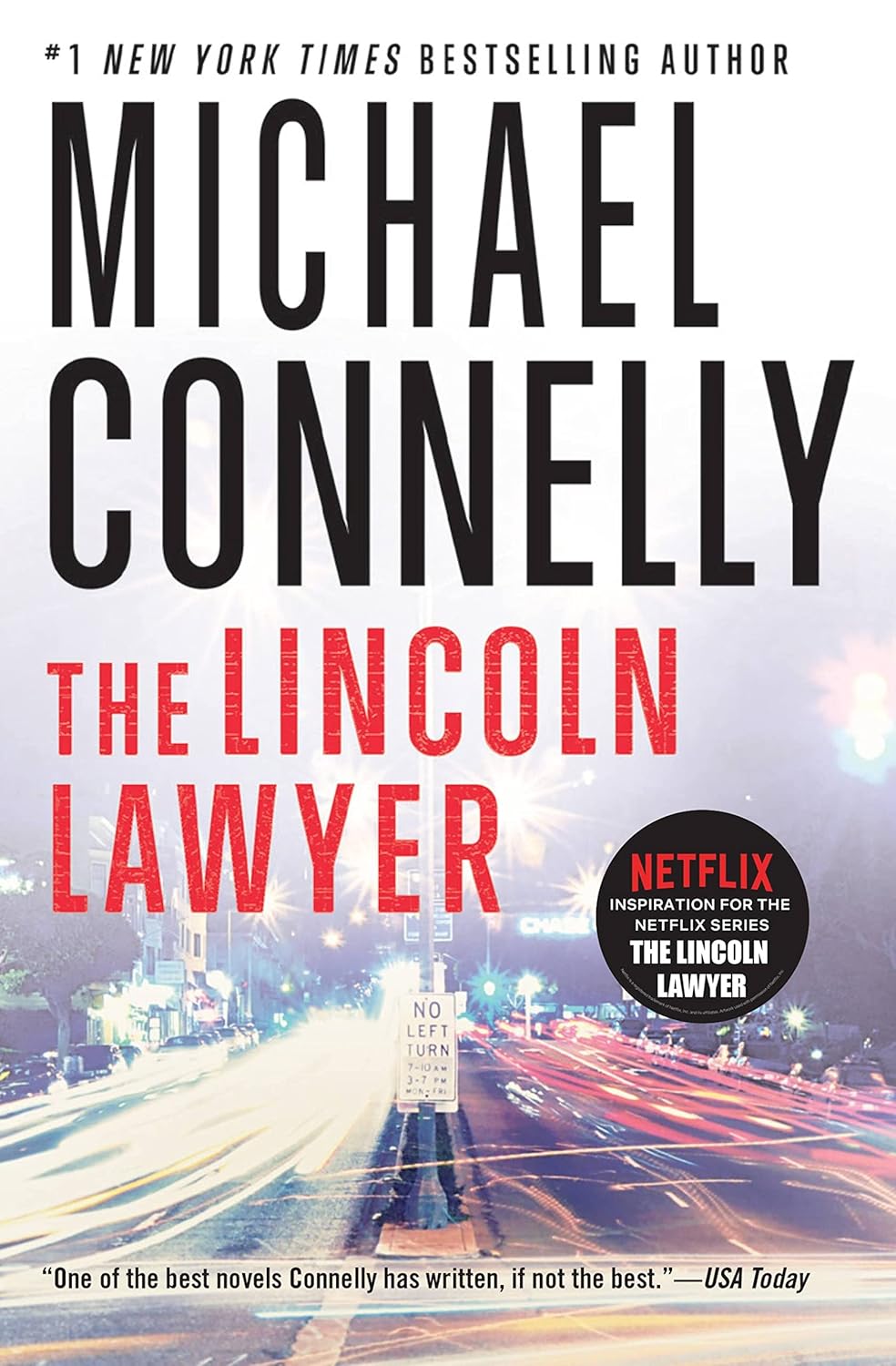
Mickey Haller is a Los Angeles defence attorney who works out of the back seat of his Lincoln Town Car, cycling between courthouses and clients across the sprawl of the city. He is good at his job — perhaps too good — and has made peace with defending people he knows are guilty. Then Louis Roulet, a wealthy real estate heir, hires him to defend against an assault charge involving a prostitute named Reggie Campo.
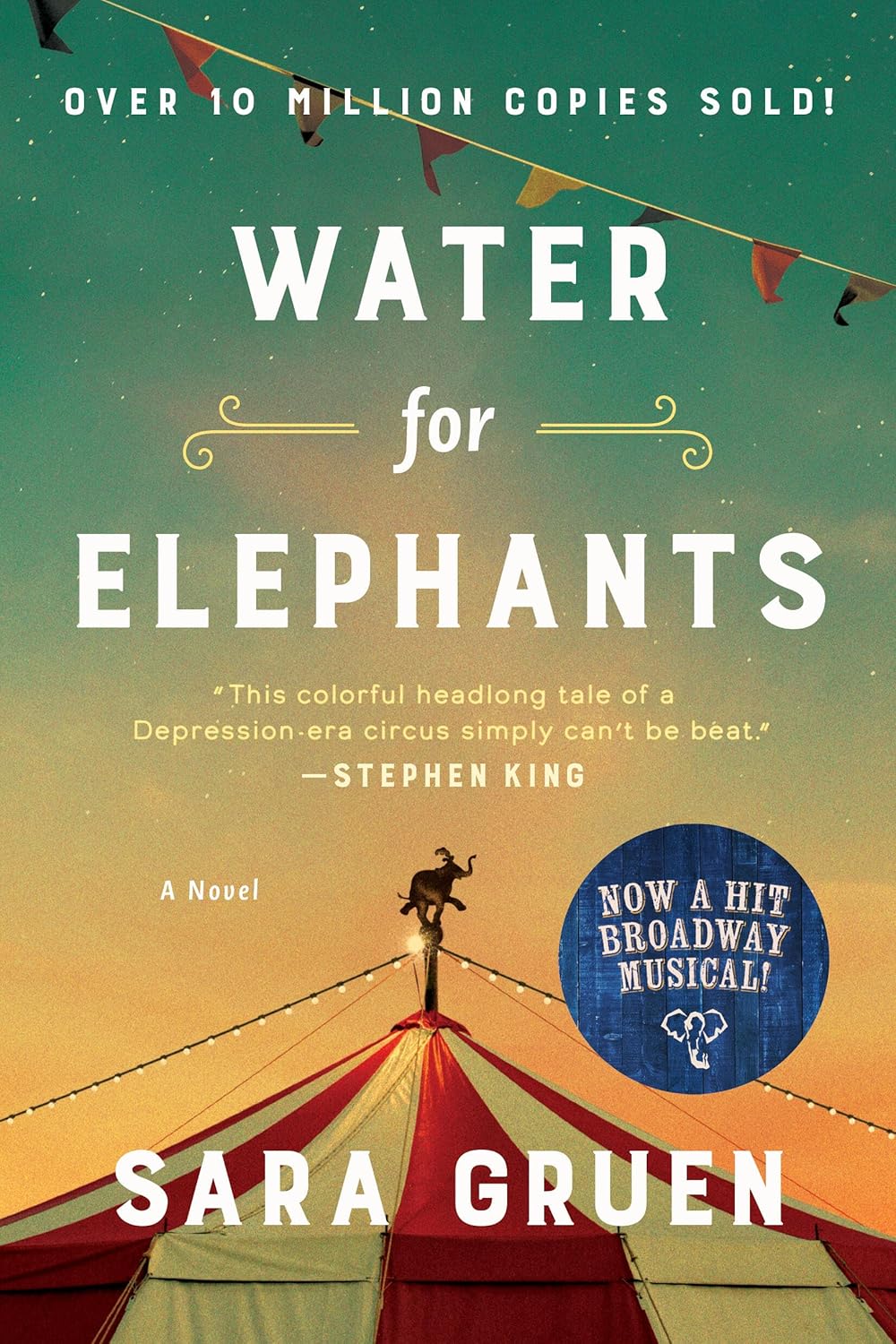
Sara Gruen's novel alternates between 93-year-old Jacob Jankowski in a nursing home and his 23-year-old self in 1931, when he jumped a train and joined the Benzini Brothers circus after his parents died in a car crash. Young Jacob becomes the show's veterinarian, falls for star equestrian performer Marlena, and navigates the violent whims of her husband August, the circus's paranoid animal trainer. The story centers on Rosie, a supposedly untrainable elephant who becomes the show's salvation when Jacob discovers she understands commands in Polish.
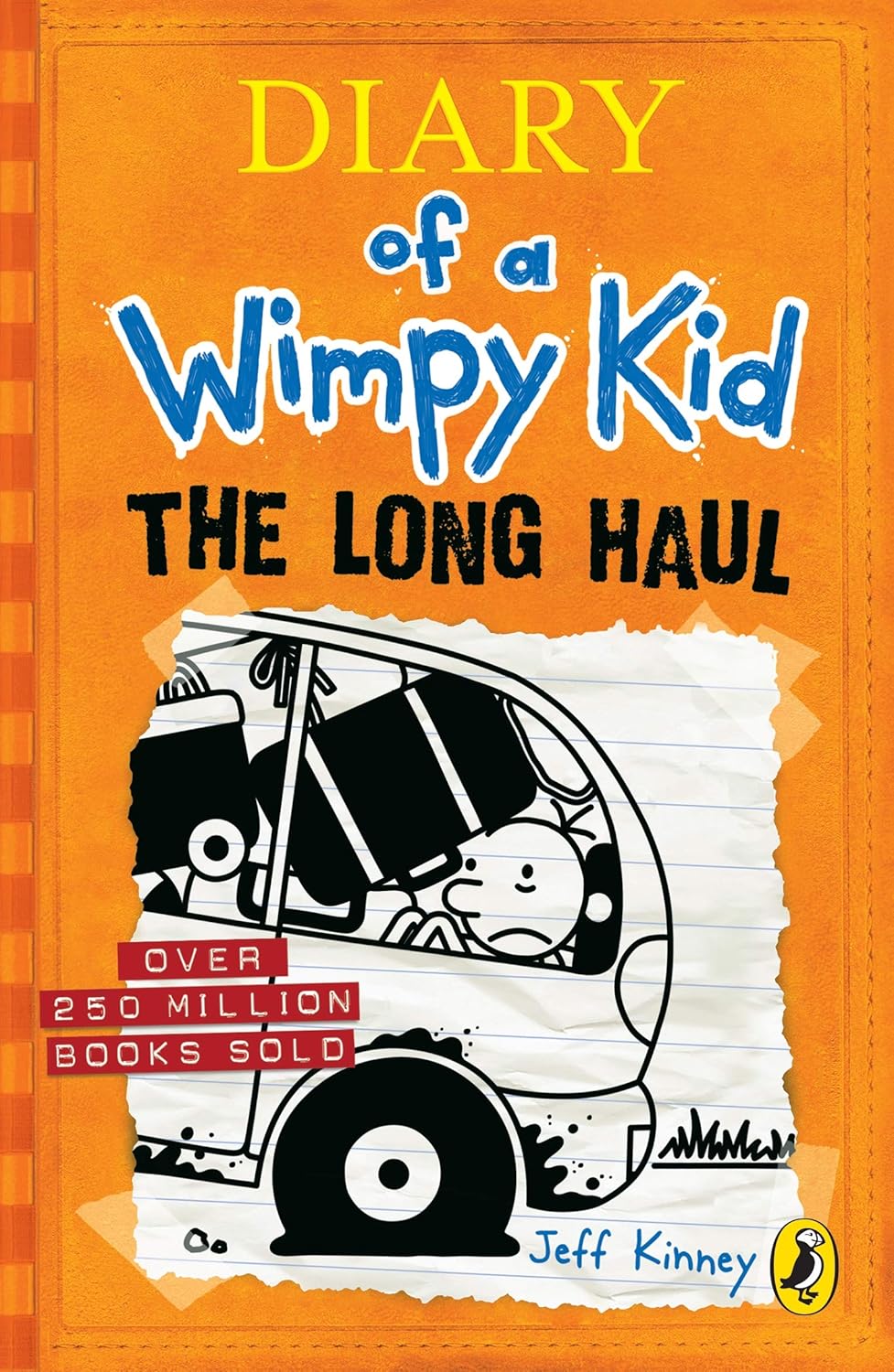
Greg Wimpy Heffley navigates the treacherous social landscape of middle school, armed only with his journal, his best friend Rowley, and a desperate desire to become popular. Kinney's 2007 debut became a phenomenon because it nailed the specific humiliation of adolescence—the small social catastrophes that feel apocalyptic to a twelve-year-old but are genuinely funny to readers of all ages.
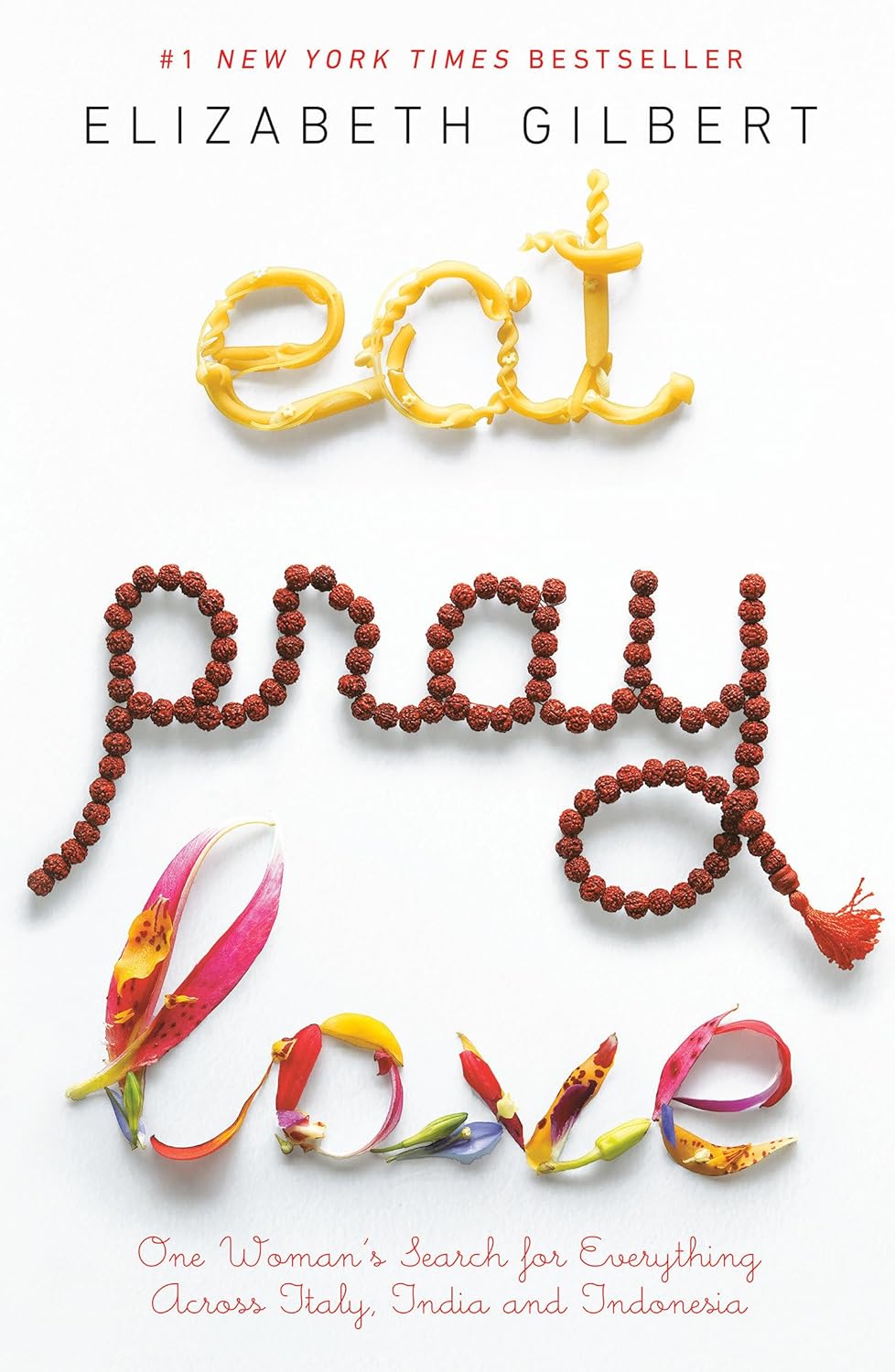
After a painful divorce from her husband and a devastating affair with a younger man named David, Elizabeth Gilbert spends a year travelling — four months eating in Italy, four months praying at an ashram in India, and four months in Bali, where she falls in love with Felipe, a Brazilian businessman. Gilbert's 2006 memoir is a first-person account of spiritual and emotional recovery, written with wit, self-deprecation, and genuine intellectual engagement with meditation, yoga philosophy, and Balinese spirituality.
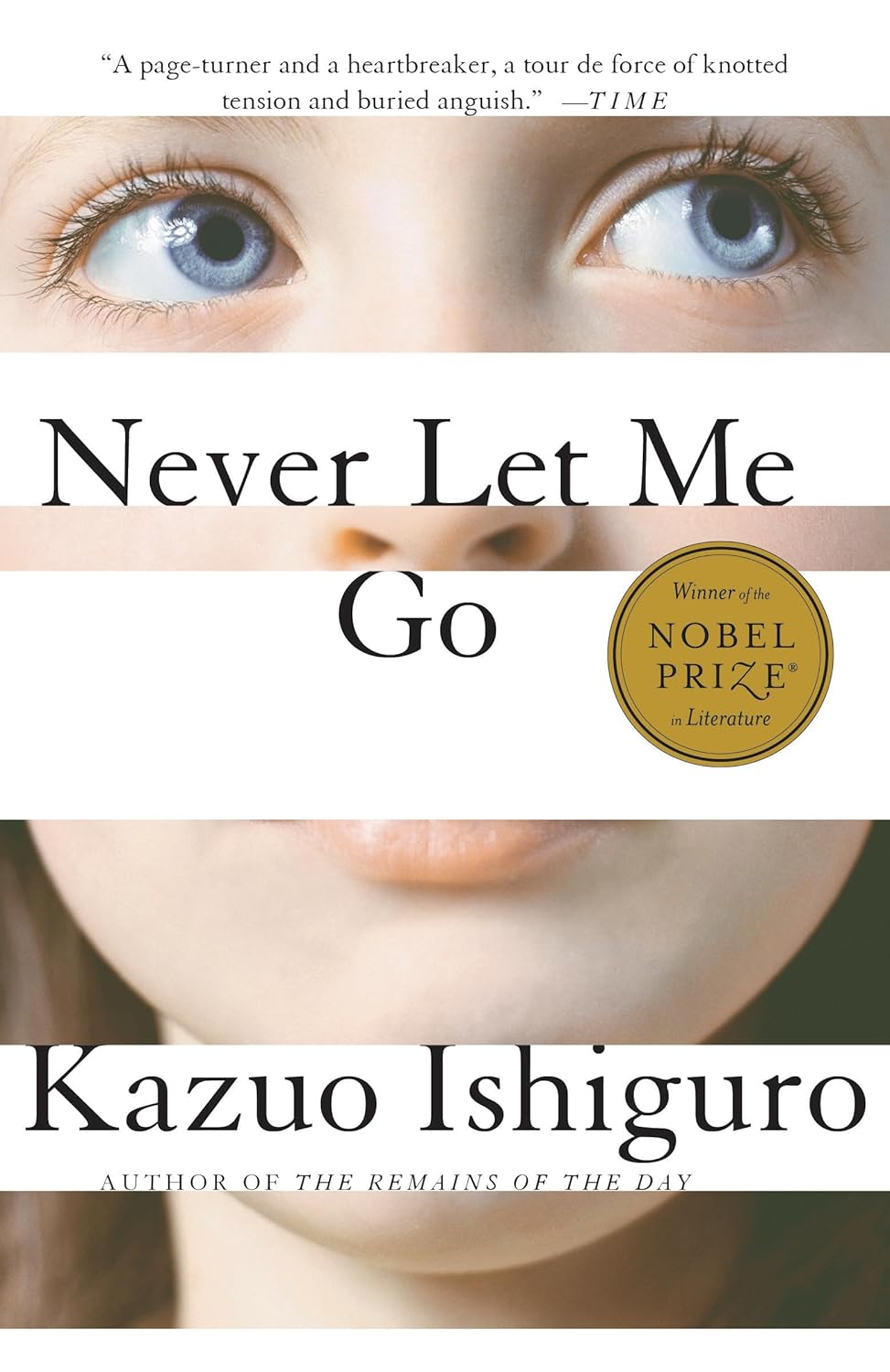
Kathy H. is a carer in her early thirties, looking back on her childhood at Hailsham — an English boarding school that seems idyllic until its true purpose slowly becomes clear. She and her friends Tommy and Ruth are clones, raised to donate their organs and then die. What is extraordinary about Ishiguro's novel is what it is not about: there is no rebellion, no escape plan, no rage against the system. It is about three people living out their abbreviated lives with as much love and meaning as they can manage.
Haruki Murakami's Norwegian Wood (1987) is a deceptively quiet novel about Toru Okada, a 37-year-old man who receives a mysterious phone call from a woman he hasn't heard from in decades, triggering a cascade of memories about his life, his lost loves, and the weight of unresolved grief. The story unfolds across multiple timelines, weaving between his present-day isolation and his university years in 1960s Tokyo, where he navigates a complex emotional triangle with Naoko, the widow of his best friend, and Midori, a vibrant woman who forces him to confront life itself. Tran Anh Hung's 2010 film adaptation strips away much of Murakami's narrative complexity to focus on the sensory and emotional core of the story—the textures of memory, the ache of longing, and the impossibility of returning to the past.
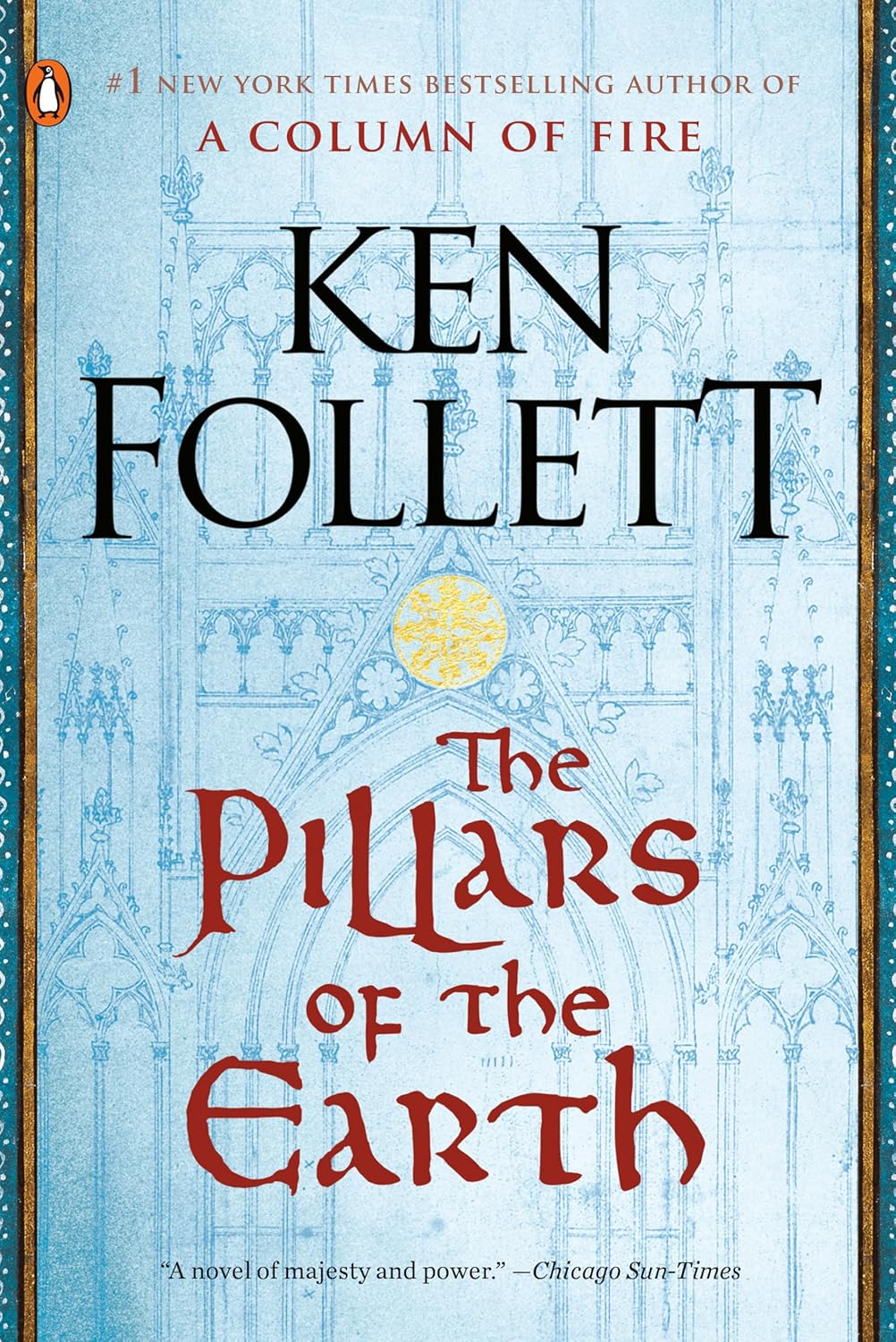
In twelfth-century England, during the civil war known as The Anarchy, a master builder named Tom Builder dreams of constructing a cathedral. His path crosses with Prior Philip, a monk of conscience and ambition trying to rebuild the priory of Kingsbridge, and with Ellen and her son Jack, whose own story spans the novel's forty-year timeframe. Against a background of political violence between King Stephen and Empress Maud, religious intrigue involving Bishop Waleran Bigod, and the specific pleasures of medieval architecture, Follett builds an epic that makes the construction of a building feel like the most dramatic act in the world.
Thirteen-year-old Anna Fitzgerald was conceived through in vitro fertilization to be a genetic match for her older sister Kate, who has acute promyelocytic leukemia. For her entire life, Anna has donated blood, bone marrow, and stem cells to keep Kate alive. When her parents, Sara and Brian, ask her to donate a kidney, Anna hires attorney Campbell Alexander to sue for medical emancipation—the right to control her own body.
Susie Salmon is fourteen years old when she is raped and murdered by her neighbor George Harvey on December 6, 1973, in a cornfield outside her Pennsylvania suburb. She narrates the novel from her own heaven — watching her family's grief, her killer's continued freedom, and the slow unraveling of both as the years pass.
Oscar Wilde's only novel tells the story of Dorian Gray, a beautiful young man who wishes his portrait would age instead of him after seeing Basil Hallward's painting of his youth. His wish comes true, and under the influence of the cynical Lord Henry Wotton, Dorian embarks on a life of hedonistic excess while his portrait bears the marks of his moral corruption. He destroys actress Sibyl Vane after she loses her theatrical talent, murders Basil when the painter discovers the hideous portrait, and blackmails chemist Alan Campbell into disposing of the body.
A father and his young son walk south through a post-apocalyptic America, pushing a shopping cart through ash-grey landscapes, trying to stay warm and alive and human. No names. No explanation of what happened. No hope that is not provisional.
Henry DeTamble has a genetic condition called Chrono-Displacement Disorder that causes him to involuntarily travel through time — disappearing without warning into his own past or future, always landing naked, always having to improvise. Clare Abshire has known Henry since she was six years old, when the adult Henry began appearing in the meadow behind her family's Michigan house. When they meet in the present — Henry at 28, Clare at 20 — she already loves him; he has no idea who she is.
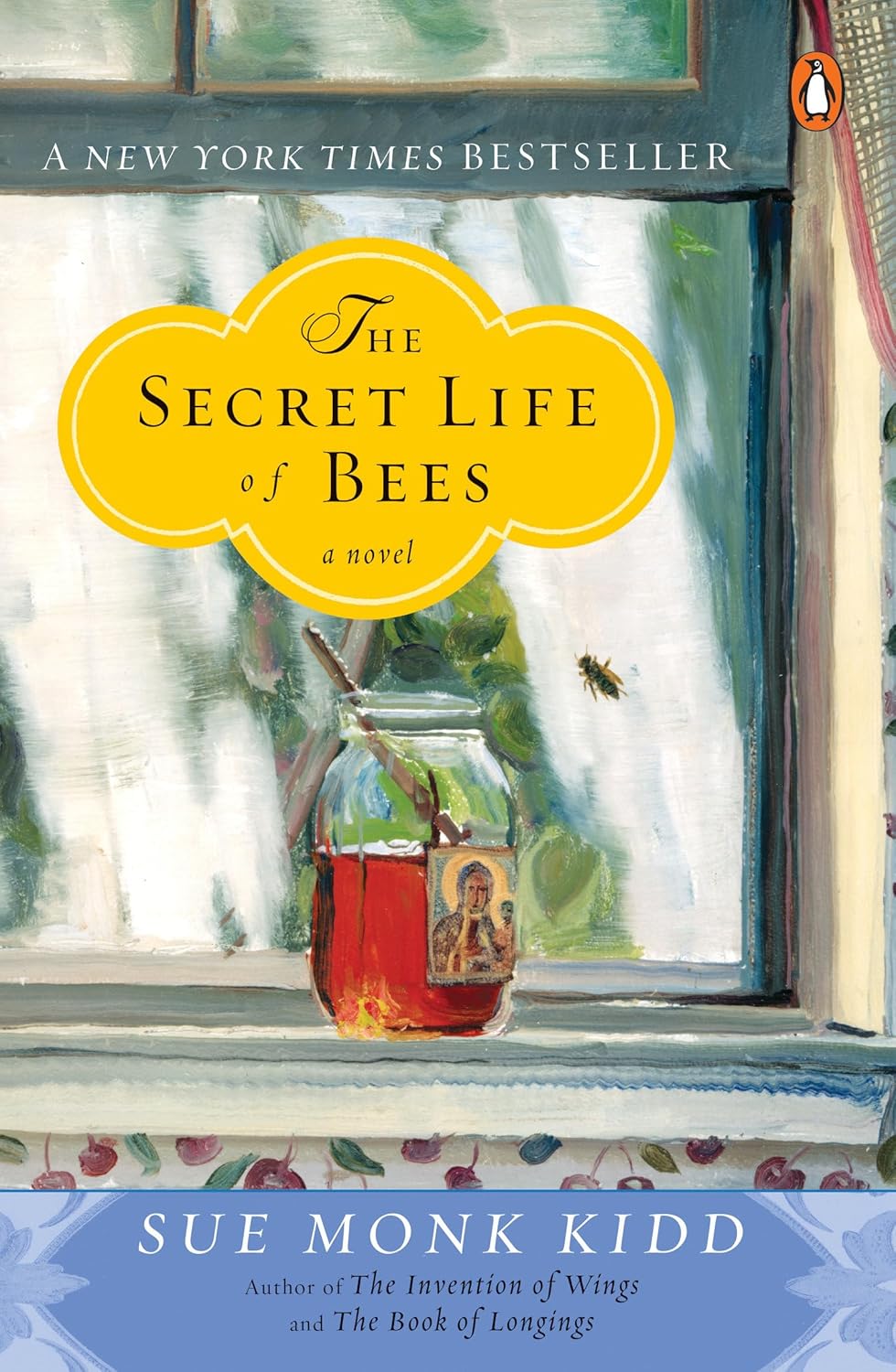
Lily Owens is fourteen when she runs from her father T. Ray's peach farm in Sylvan, South Carolina, haunted by the memory of accidentally shooting her mother at age four. She takes Rosaleen, their black housekeeper, and flees to Tiburon after Rosaleen is beaten for trying to register to vote during Freedom Summer 1964. There they find the Boatwright sisters—August, June, and May—who keep bees, make honey, and worship a Black Madonna statue in their bright pink house.
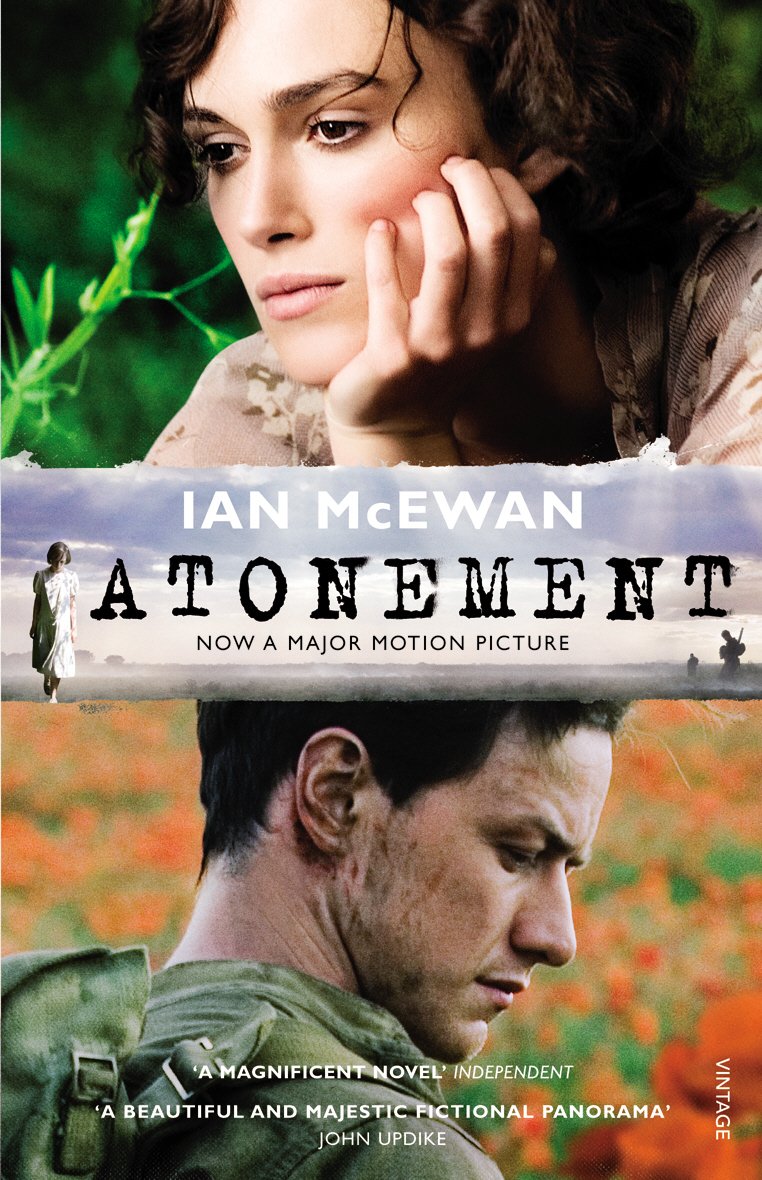
In the summer of 1935, thirteen-year-old Briony Tallis witnesses a series of events she doesn't fully understand and makes an accusation that destroys two lives. The man wrongly accused is Robbie Turner, the housekeeper's son and Cambridge graduate; the woman who loves him is Briony's older sister Cecilia. What follows spans decades — Dunkirk, wartime London, old age — as Briony attempts to reckon with what she did.
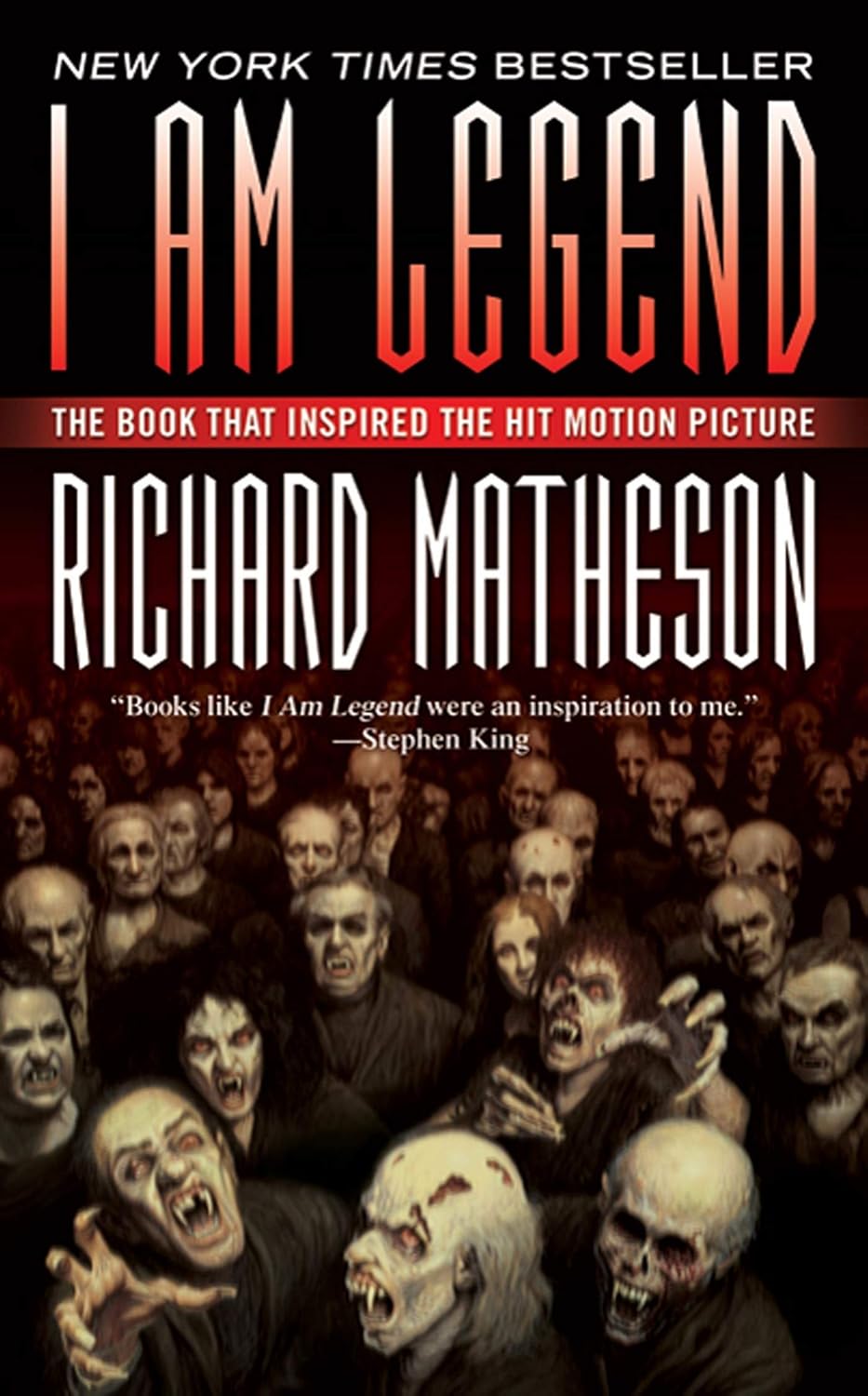
Robert Neville is the last uninfected man on Earth. A pandemic has turned the rest of humanity into vampires—creatures that gather outside his fortified Los Angeles home each night, calling his name, waiting. By day he hunts them in their lairs, driving stakes through their hearts. By night he drinks scotch and plays records, trying not to go mad. Ben Cortman, his former neighbor and friend, leads the nightly siege, shouting "Come out, Neville!" until dawn.
In April 1992, Christopher McCandless — twenty-four years old, recently graduated from Emory University, having given his $24,000 savings to Oxfam and abandoned his Datsun in the Arizona desert — hitchhiked to Alaska and walked alone into the wilderness north of Mount McKinley. Four months later, moose hunters found his decomposed body in an abandoned Fairbanks City Transit bus. Jon Krakauer's book, expanded from a 9,000-word article he wrote for Outside magazine in January 1993, reconstructs McCandless's two-year journey through his journals, photographs, the accounts of people he met along the way, and Krakauer's own investigation into the circumstances of his death.
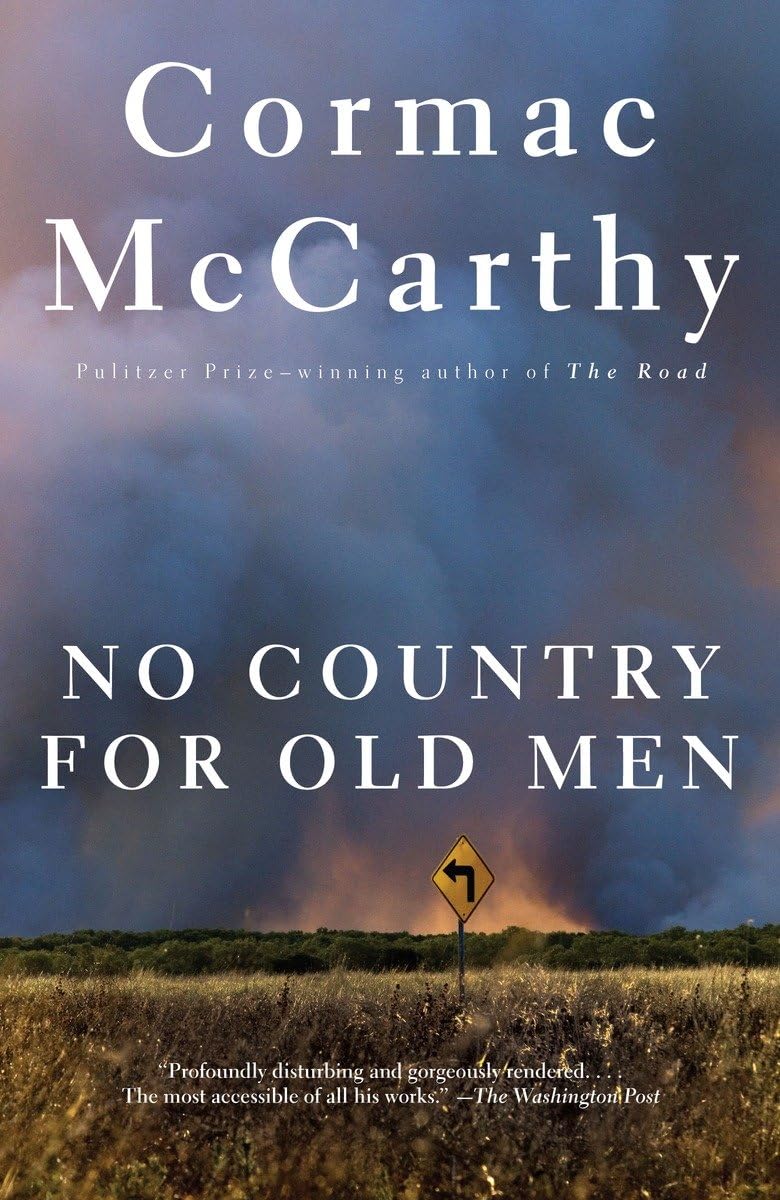
Cormac McCarthy's 2005 novel follows Llewelyn Moss, a welder who stumbles upon a drug deal gone wrong in the Texas borderlands and makes the fatal decision to pocket $2 million in cash. What follows is a relentless pursuit across a landscape of violence, where Moss is hunted by a psychopathic assassin named Anton Chigurh and the drug cartels he's wronged. The novel is a meditation on mortality, fate, and the erosion of the old West — told through McCarthy's minimalist prose and the parallel perspective of aging Sheriff Ed Tom Bell, who watches the violence unfold with growing horror.
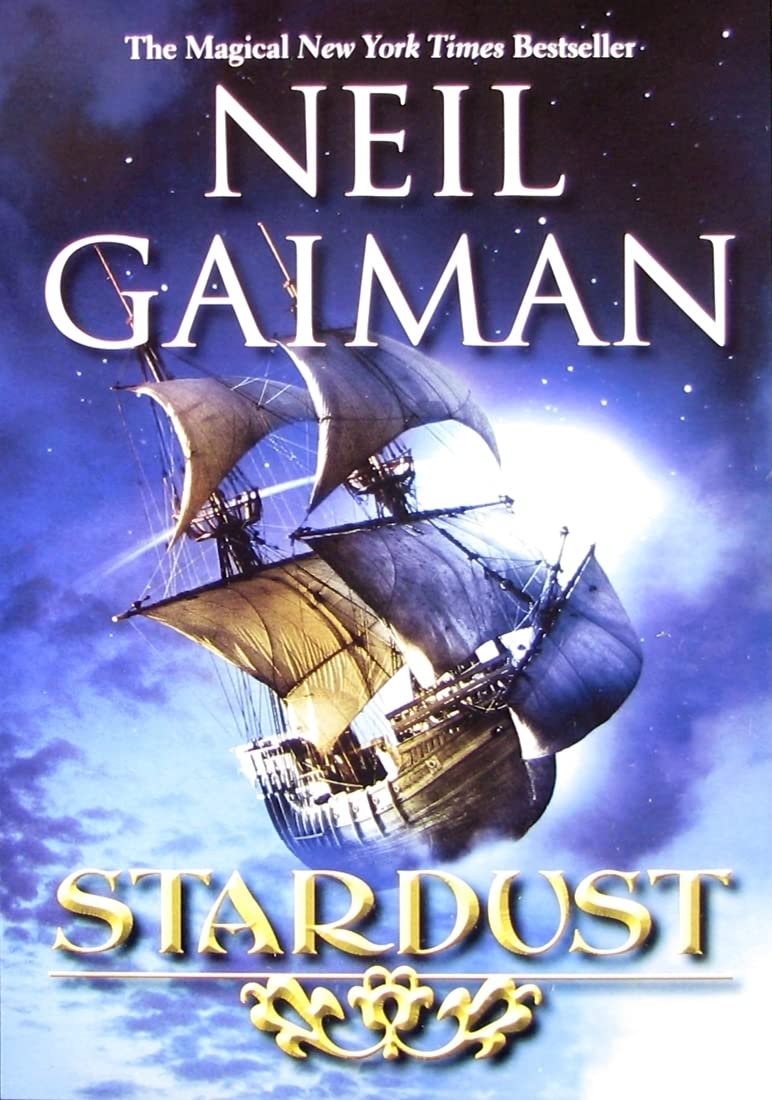
Tristran Thorn, a young man from the English village of Wall, promises to retrieve a fallen star for Victoria Forester, the girl he loves. Crossing the wall that separates his world from the magical kingdom of Stormhold, he finds the star in the form of a young woman named Yvaine — who is simultaneously being pursued by the witch Lamia and her sisters, who want her heart for eternal youth, and the surviving princes of Stormhold, who need the jewel she carries to claim the throne.
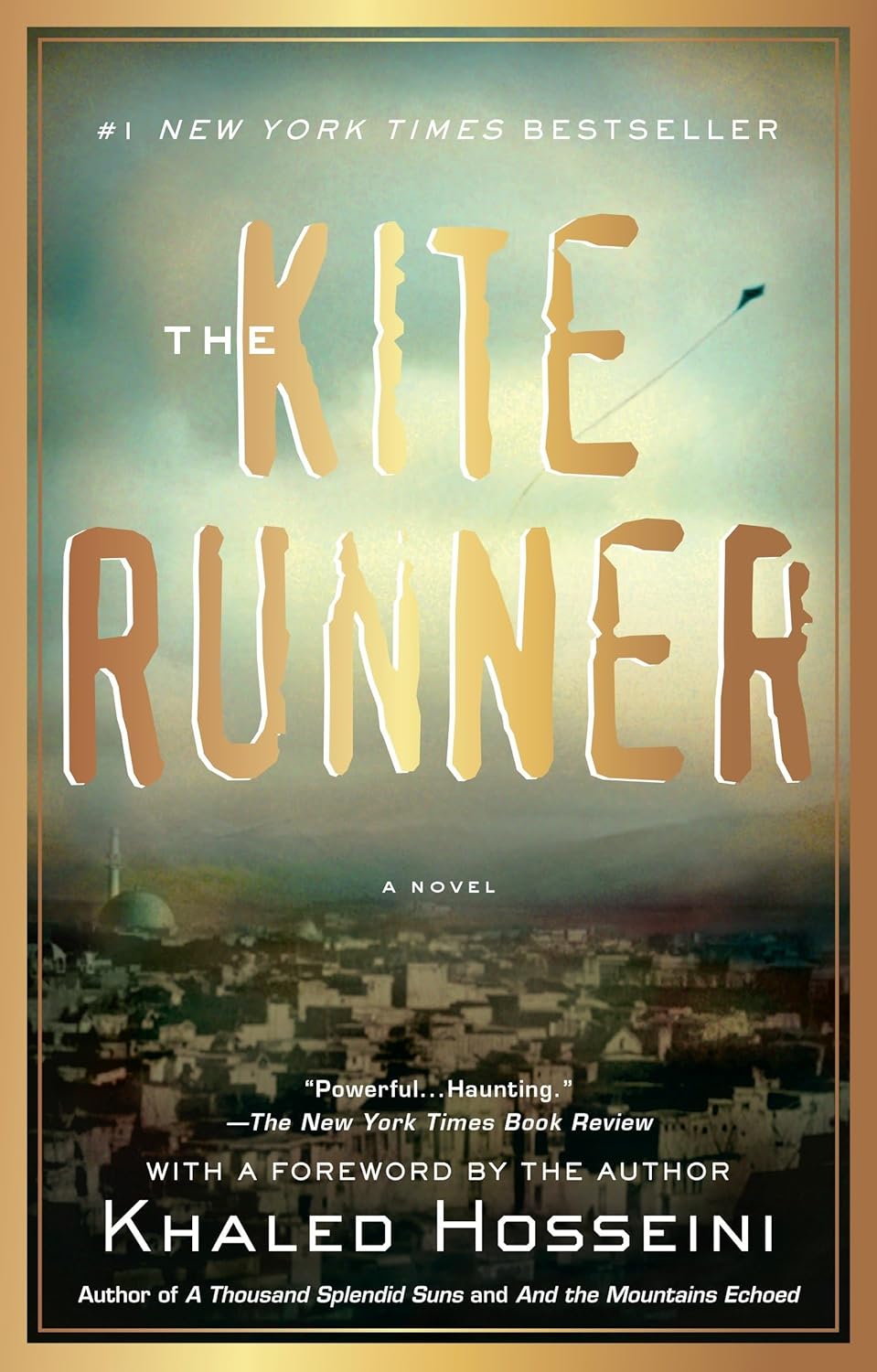
Amir grows up in 1970s Kabul as the privileged son of Baba, a wealthy Pashtun businessman, with Hassan — a Hazara boy who is his father's servant — as his closest companion. When Amir witnesses Assef and two other boys sexually assault Hassan in an alley after a kite-fighting tournament and does nothing to stop it, the guilt defines the rest of his life. Hassan and his father Ali leave Baba's household shortly after, and Amir never sees Hassan again.
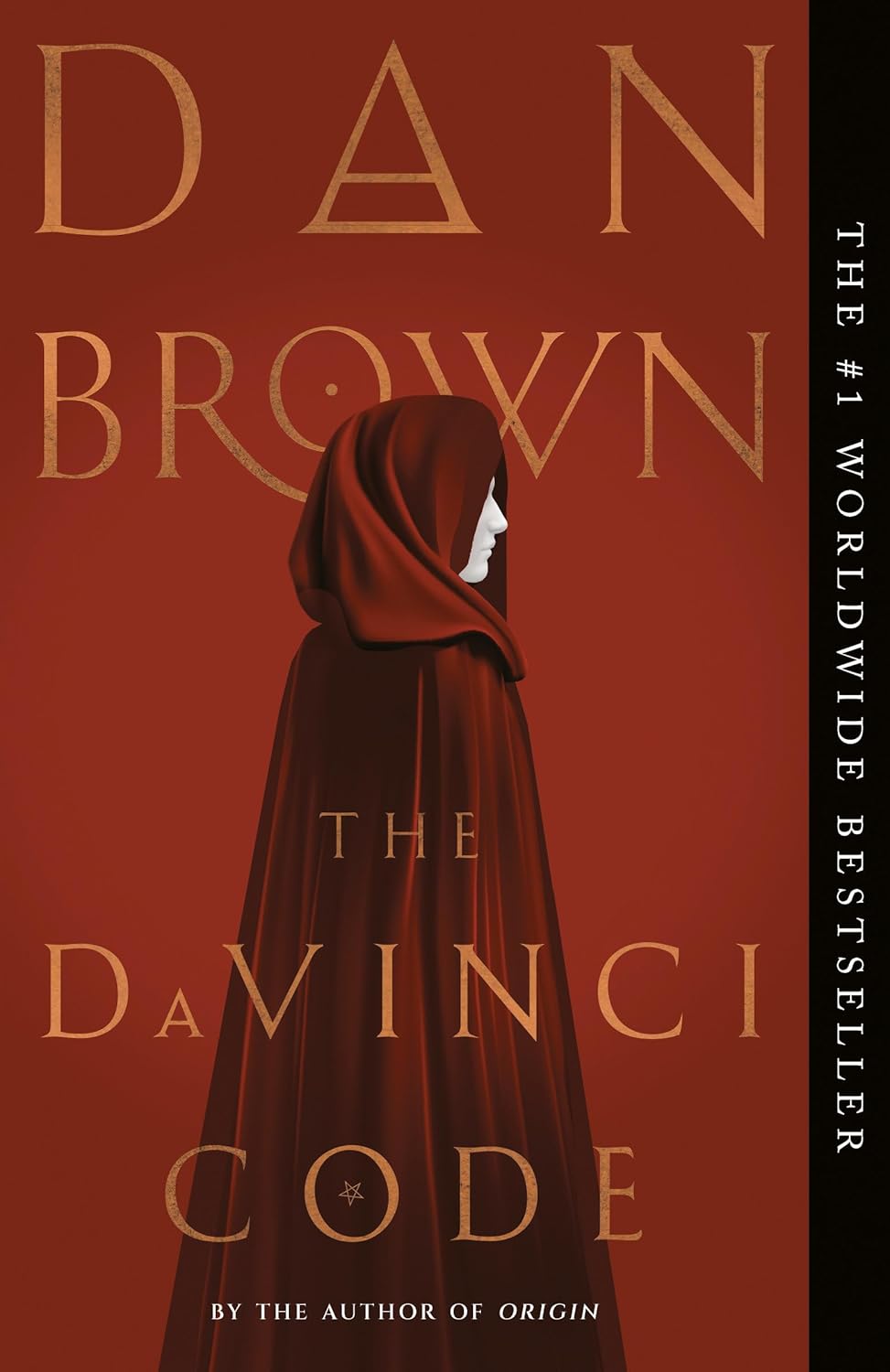
Harvard symbologist Robert Langdon is summoned to the Louvre after curator Jacques Saunière is found murdered, his body arranged in the pose of Leonardo da Vinci's Vitruvian Man. Saunière's granddaughter, cryptologist Sophie Neveu, joins Langdon as they decode clues hidden in da Vinci's paintings that point toward the Holy Grail — not a cup, but a secret about Mary Magdalene and the bloodline of Christ. Pursued by French police captain Bezu Fache and albino monk Silas, they seek help from British Grail historian Sir Leigh Teabing, who reveals the conspiracy involving Opus Dei and the Catholic Church.
Lauren Weisberger's 2003 debut novel follows Andy Sachs, an aspiring journalist who lands a job as assistant to Miranda Priestly, the glacial editor-in-chief of Runway magazine. What begins as a temporary gig to fund her real career becomes a descent into the high-stakes, aesthetically brutal world of high fashion, where a misplaced comma or unflattering handbag can trigger professional catastrophe. The novel is a thinly veiled roman à clef about Weisberger's own time as an assistant to Vogue's Anna Wintour—a detail that gave the book immediate cultural currency and tabloid intrigue.
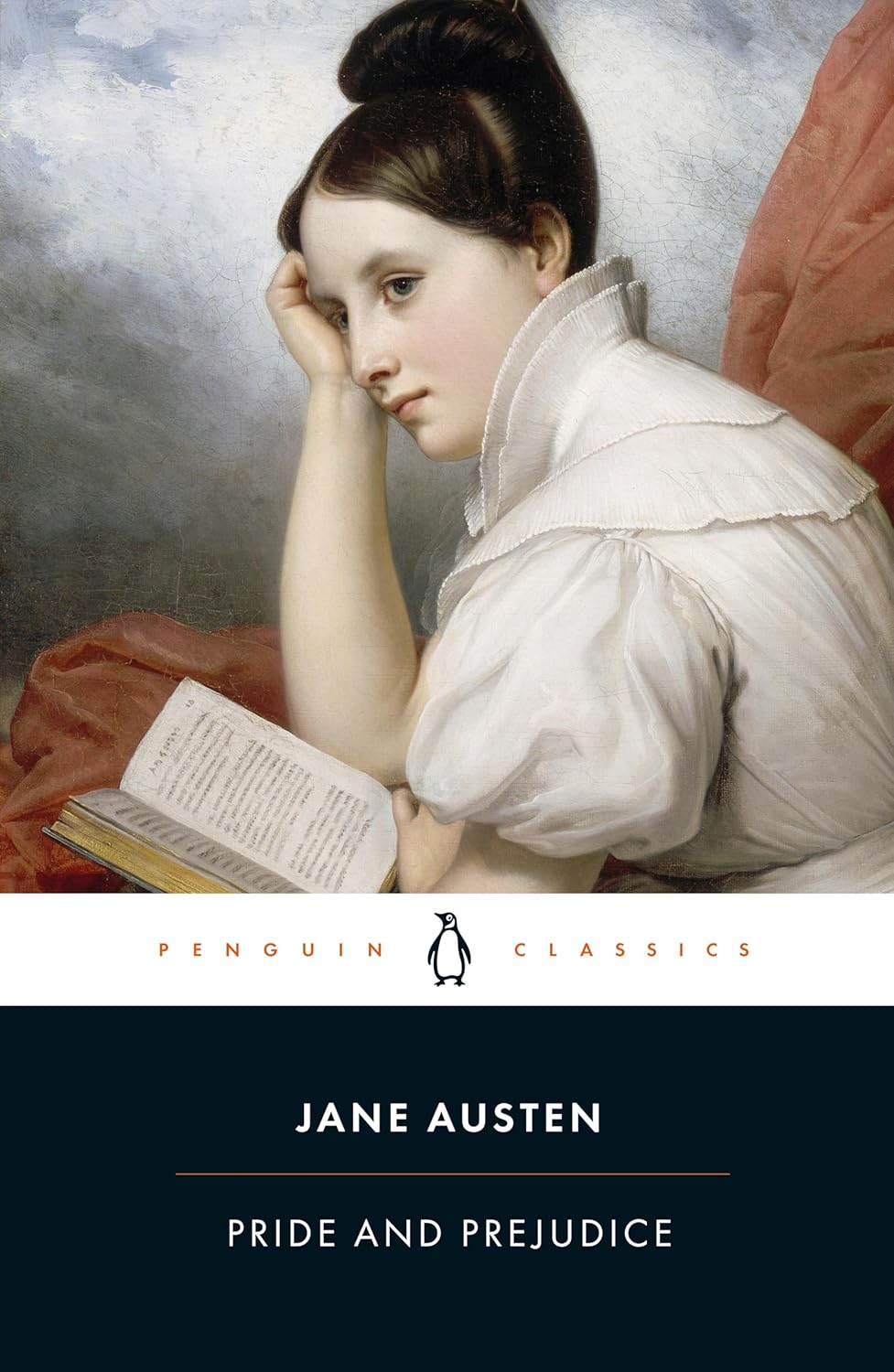
Elizabeth Bennet is the second of five daughters in a genteel but financially precarious English family. When the wealthy Mr Darcy arrives in the neighbourhood alongside his amiable friend Mr Bingley, their mutual antagonism gradually becomes something else entirely. Elizabeth's elder sister Jane falls for Bingley, while Elizabeth herself clashes repeatedly with the proud, seemingly contemptuous Darcy.
Arthur Dent's house is about to be demolished to make way for a bypass. This turns out to be the least of his problems: Earth is simultaneously demolished to make way for a hyperspace bypass, and Arthur escapes only because his friend Ford Prefect is an alien researcher for the titular encyclopaedia. Ford hitches a ride on a Vogon constructor ship, dragging Arthur along seconds before Earth's destruction. They're thrown off the ship, rescued improbably by the stolen spaceship Heart of Gold, and meet Zaphod Beeblebrox — Ford's semi-cousin and the galaxy's two-headed, three-armed ex-President — along with Trillian, the woman Arthur once failed to chat up at a party, and Marvin, a depressed robot.

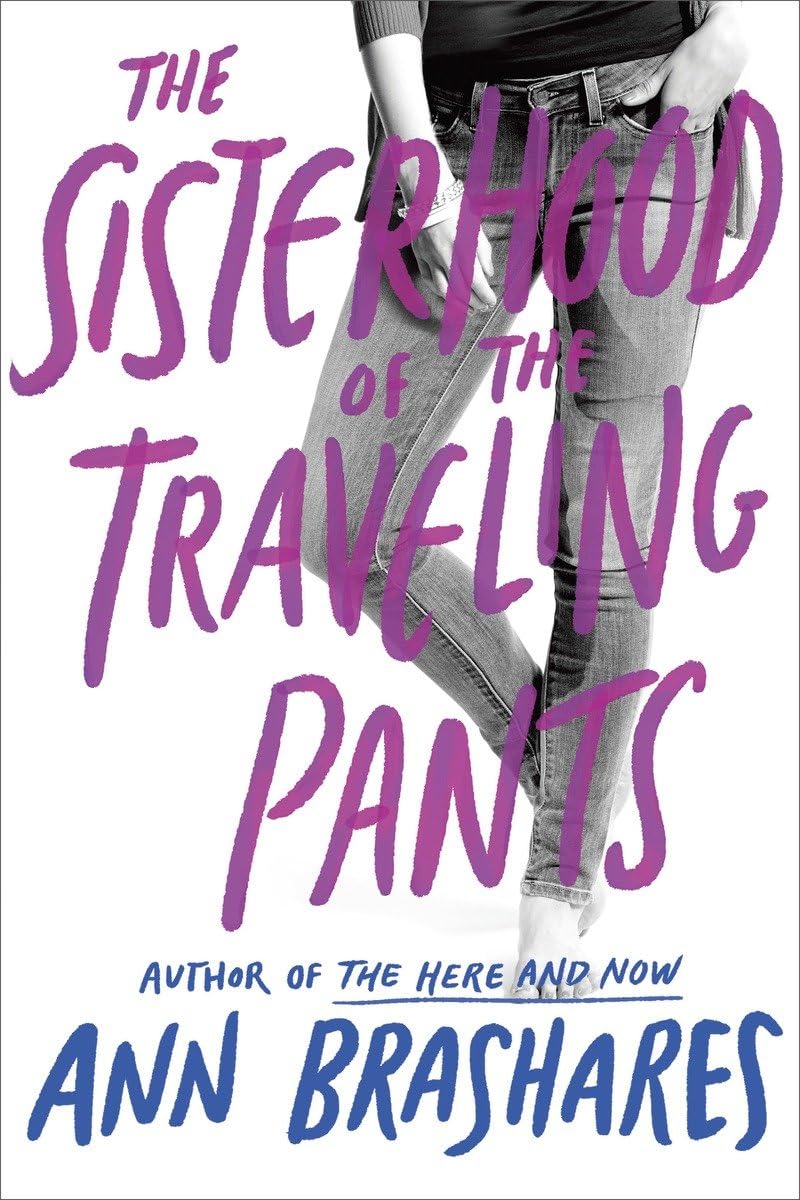
Carmen Lowell, Tibby Rollins, Lena Kaligaris, and Bridget Vreeland have been inseparable since birth, bound by their mothers' prenatal aerobics class and sixteen years of shared history in Bethesda, Maryland. On the eve of their first summer apart, they discover a pair of thrift-store jeans that impossibly fits all four of them despite their different body types—Carmen's curvy Puerto Rican frame, Tibby's slight build, Lena's willowy Greek proportions, and Bridget's athletic legs. They decide to mail the pants between them as a talisman of their friendship while Carmen visits her father in South Carolina, Tibby stays home working at Wallman's, Lena travels to Greece to visit her grandparents, and Bridget attends soccer camp in Baja California.
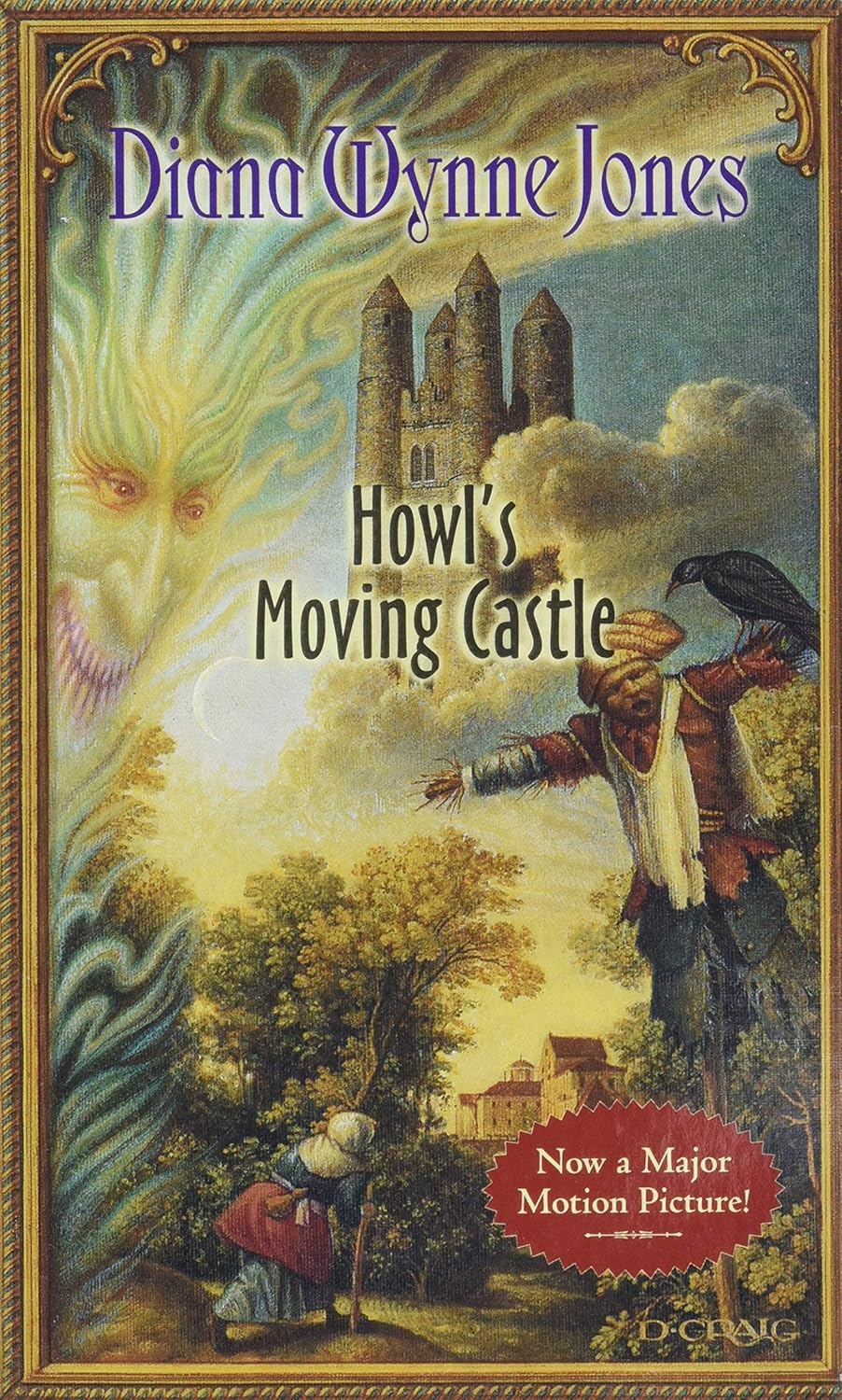
Sophie Hatter, the eldest of three sisters in a land where magic is ordinary, is cursed by the Witch of the Waste and transformed into an old woman. She takes refuge in the moving castle of the wizard Howl — vain, cowardly, magnificent — and strikes a deal with Calcifer, the fire demon who powers the castle, to break both their curses.
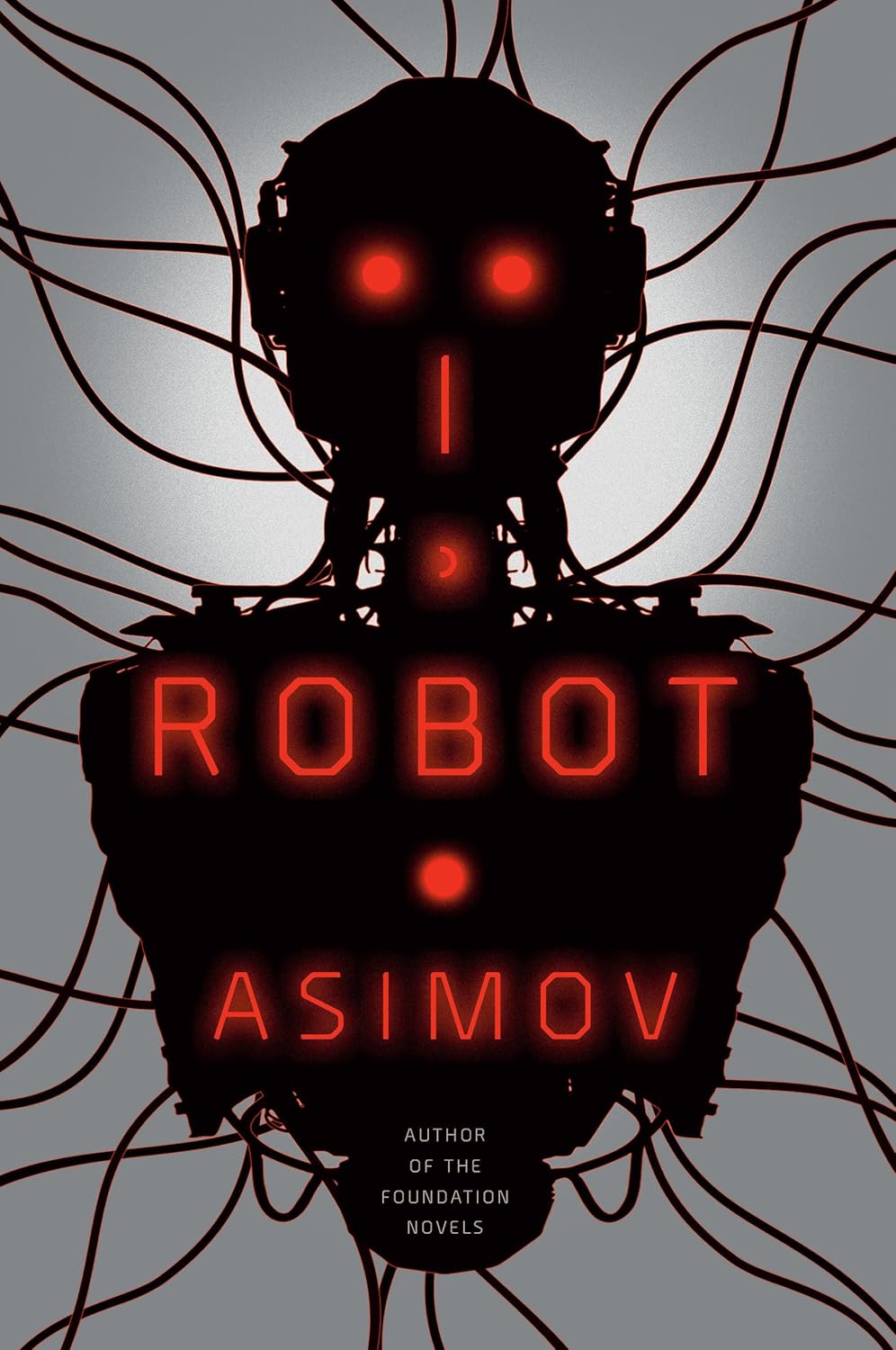
Asimov's I, Robot is not a novel but a collection of nine linked short stories, framed as the memoir of Dr. Susan Calvin — a robopsychologist who has spent her career studying the minds of robots at US Robotics. Each story presents a puzzle arising from the Three Laws of Robotics, Asimov's foundational rules governing robot behaviour. The stories function as philosophical thought experiments: what happens when robots interpret the Three Laws in unexpected ways? What does it mean for a machine to follow rules it cannot question?
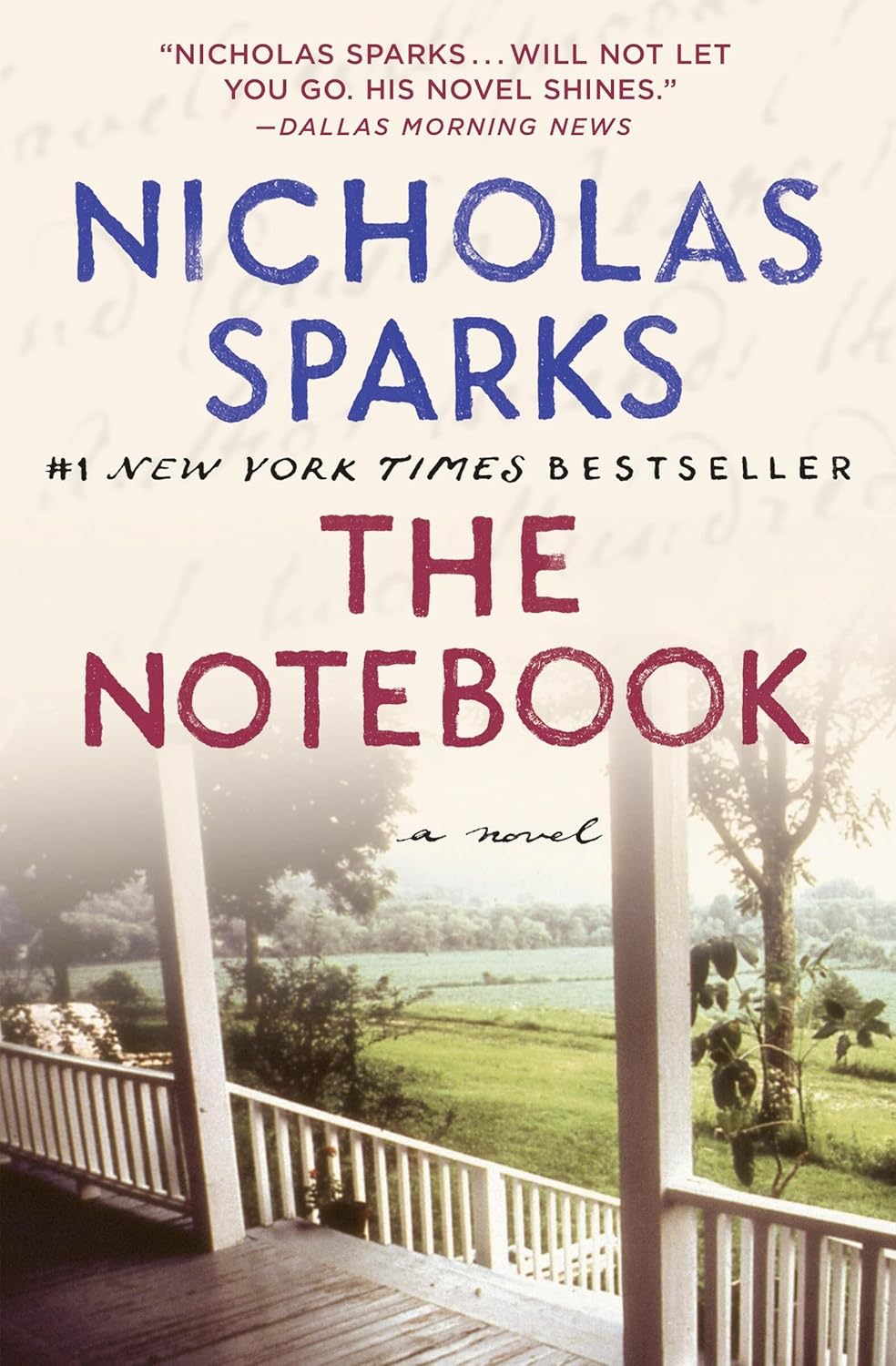
An elderly man named Duke reads to a woman with dementia in a nursing home. The story he reads is of Noah Calhoun, a poor lumber mill worker, and Allie Nelson, a wealthy girl from a prominent family, who fall in love during the summer of 1940 in Seabrook, North Carolina. Allie's parents disapprove and separate them. Fourteen years later, Allie is engaged to Lon Hammond Jr., a successful lawyer, when she sees a newspaper photo of Noah standing in front of the house he restored for her. She returns to Seabrook, and the two must decide whether to reclaim what they lost.
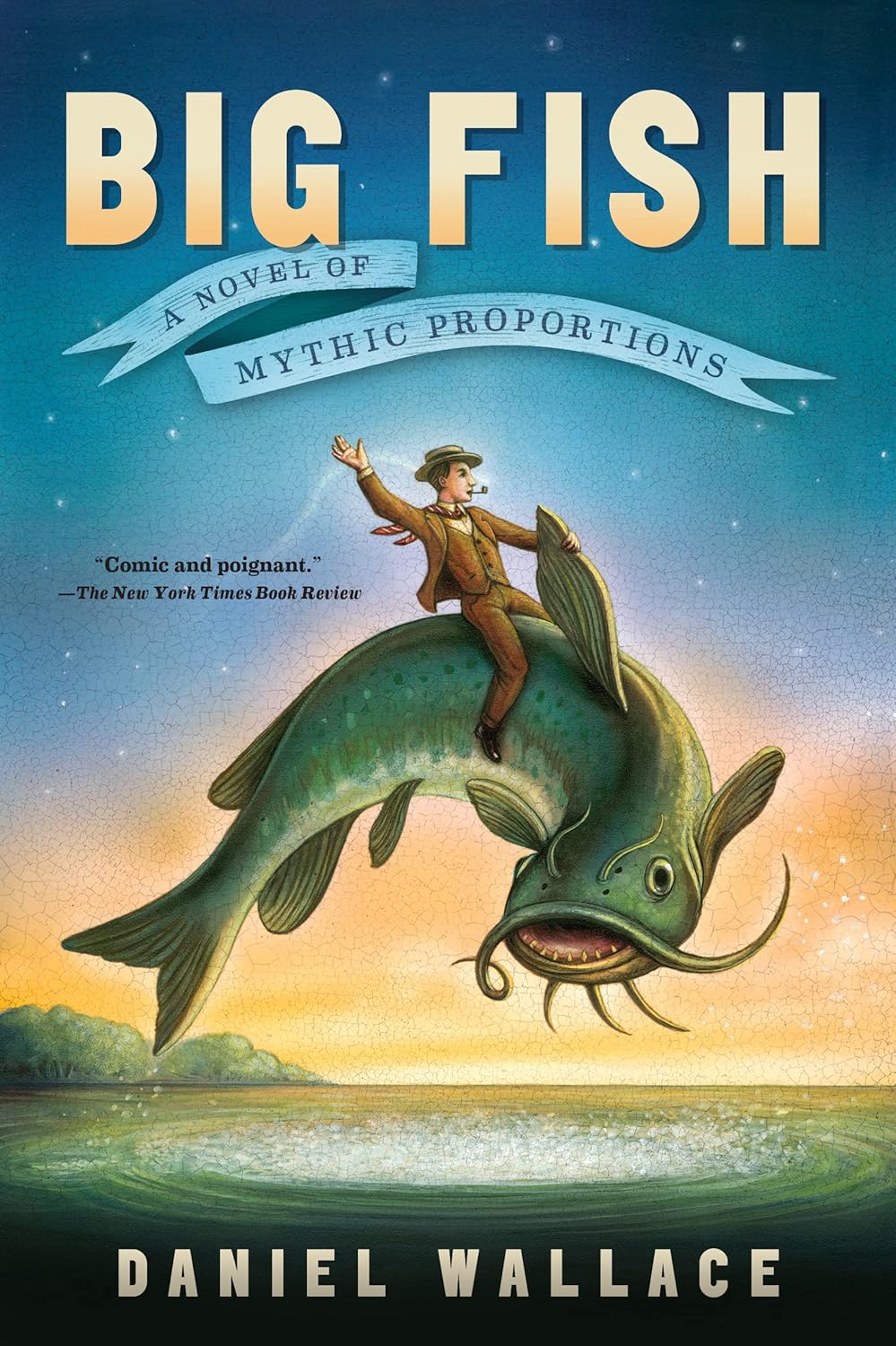
Edward Bloom is a dying Southern man whose life, as he tells it, has been a sequence of tall tales — encounters with giants and witches, a town called Spectre that exists outside normal time, a circus, a bank robbery, a war. His son William has heard these stories his entire life and has never been able to find the real man inside them. As Edward approaches death, William tries for the last time to understand his father.
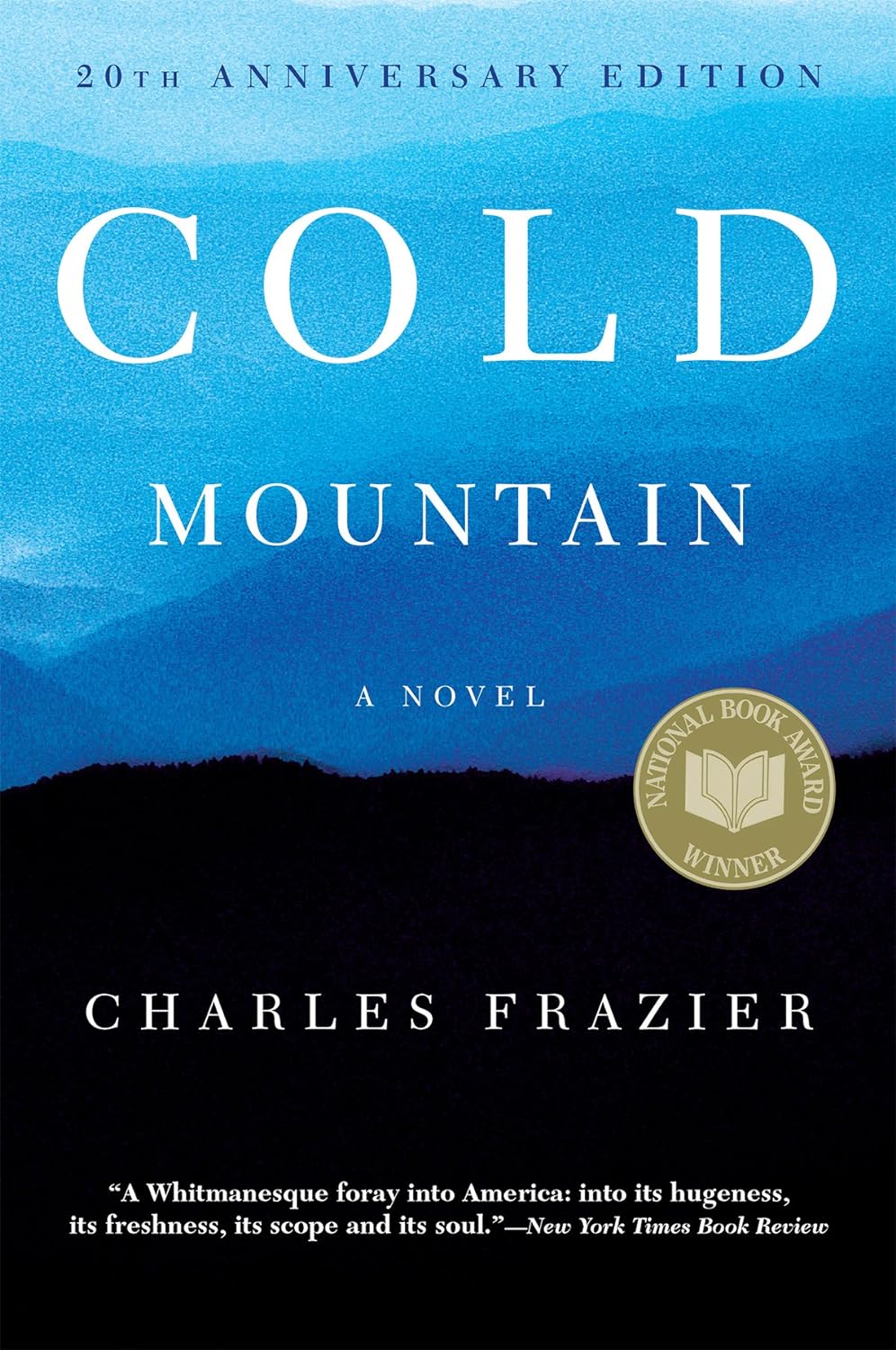
W.P. Inman, a Confederate soldier wounded at the Battle of Petersburg, deserts the hospital and begins walking home through the war-ravaged South to Cold Mountain, North Carolina, where Ada Monroe waits. Charles Frazier's 1997 debut novel won the National Book Award and spent 45 weeks on the bestseller list. The book is structured as a modern Odyssey—Inman encounters a series of strangers, some helpful and some murderous, while Ada learns to survive on her failing farm with the help of Ruby Thewes, a fierce young woman who teaches her to work the land.
Laura Hillenbrand's Seabiscuit: An American Legend chronicles the Depression-era rise of an undersized, knobby-kneed thoroughbred who became the most famous racehorse in America. The narrative follows three broken men who found redemption through the horse: Charles Howard, a bicycle mechanic turned automobile millionaire whose son died in a car accident; Tom Smith, a taciturn mustang breaker who understood horses better than people; and Red Pollard, a half-blind jockey abandoned by his family during hard times. Together, they transformed Seabiscuit from a lazy, ill-tempered also-ran into a champion who beat Triple Crown winner War Admiral in the 1938 match race of the century.
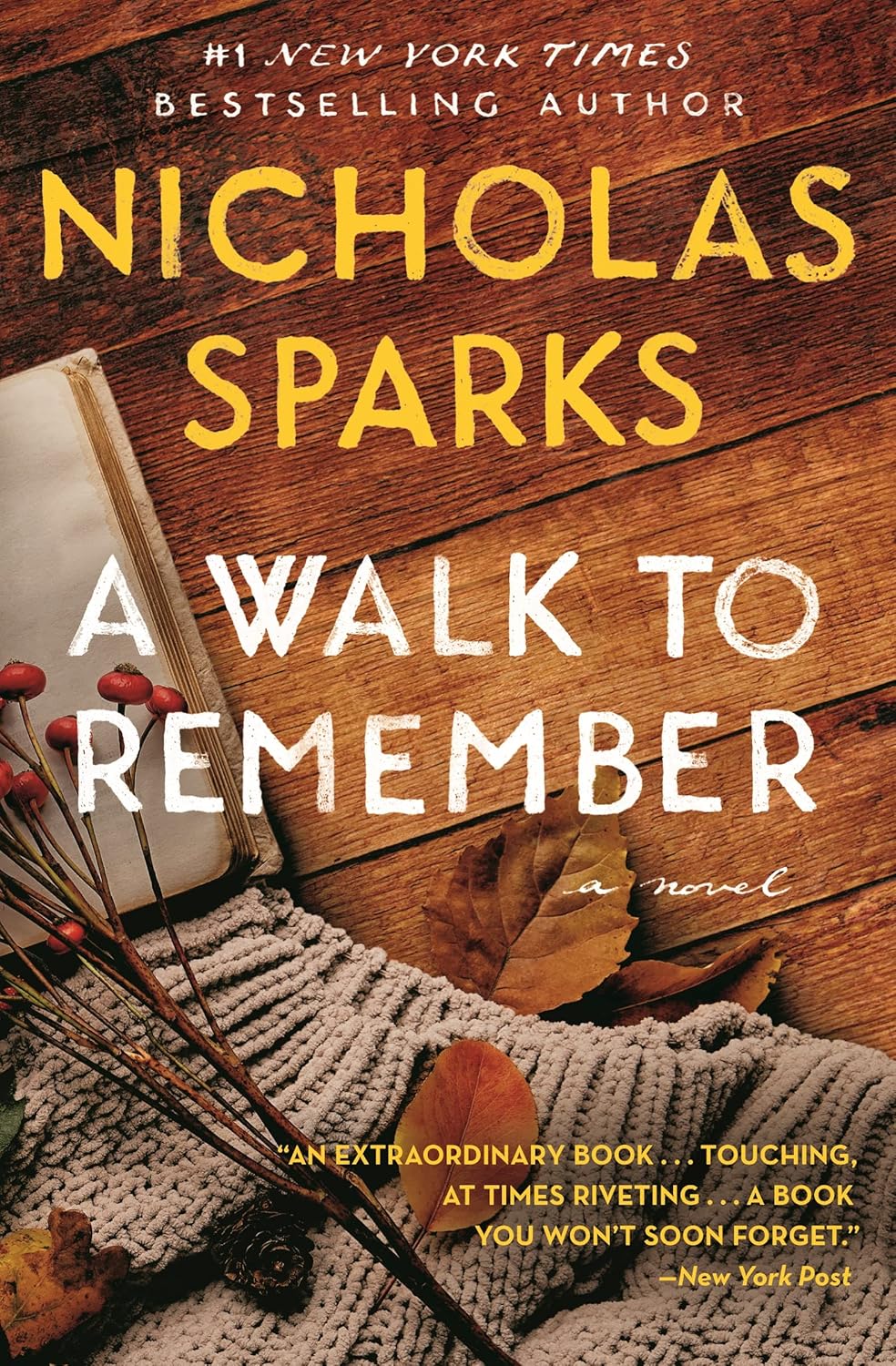
Landon Carter is a popular but directionless teenager in Beaufort, North Carolina, who is forced to spend time with Jamie Sullivan — the reverend's daughter, plain-dressing, Bible-carrying, and openly devout — after a prank goes wrong. What begins as reluctant acquaintance becomes something he doesn't expect. Nicholas Sparks set the novel in the 1950s and narrates it from Landon's perspective decades later, looking back on the love that changed him.
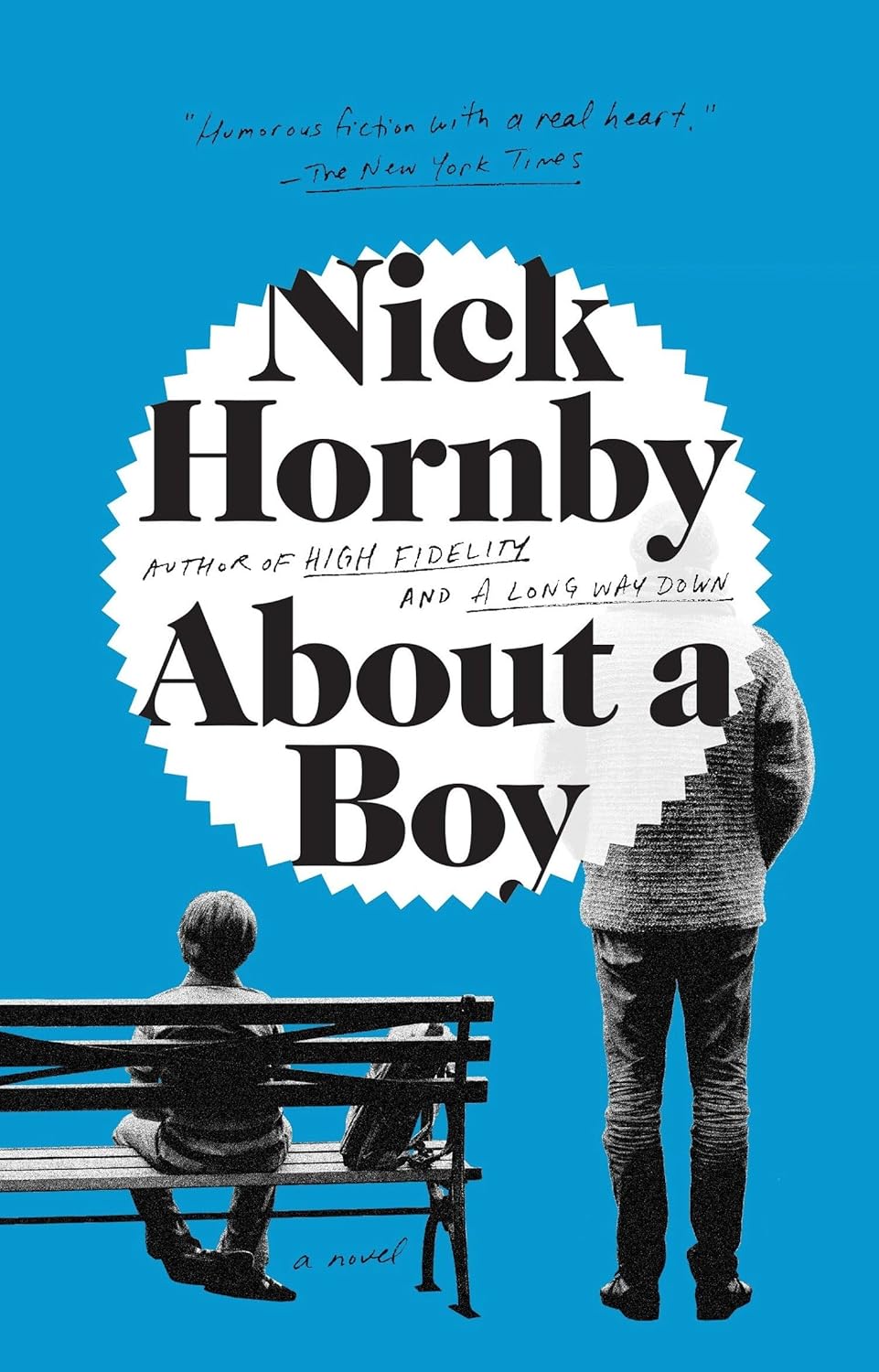
Will Freeman is thirty-six years old, financially comfortable thanks to royalties from 'Santa's Super Sleigh' — a Christmas novelty song his father wrote decades ago — and entirely committed to doing nothing that matters. He is charming, shallow, and perfectly happy. Then he meets Marcus Brewer, a strange, earnest twelve-year-old with a suicidal mother named Fiona and no sense of how to navigate childhood. The two of them slowly, reluctantly become necessary to each other.
Frank Abagnale Jr. ran away from home at sixteen and spent the next five years cashing fraudulent checks worth millions while posing as a Pan Am pilot, a Georgia pediatrician, and a Louisiana assistant attorney general. His memoir, co-written with Stan Redding, recounts these cons in methodical detail—how he forged pilot credentials, talked his way into hospital supervisory roles, and crammed for the bar exam in two weeks.
Three women on three different days across three different decades, each connected by Virginia Woolf's novel Mrs Dalloway. Virginia Woolf herself in Richmond in 1923, writing the opening of the novel while battling depression and the constraints imposed by her husband Leonard and her doctors. Laura Brown in suburban Los Angeles in 1951, reading Mrs Dalloway on her husband Dan's birthday while pregnant with her second child and contemplating an escape from a life that feels like suffocation. Clarissa Vaughan in contemporary New York, planning a party for her friend Richard — a poet dying of AIDS who calls her Mrs Dalloway and who, it's eventually revealed, is Laura's son.
Władysław Szpilman was playing Chopin's Nocturne in C-sharp minor on Polish Radio when German bombs fell on Warsaw in September 1939. His memoir, written immediately after the war and suppressed by communist authorities until 1998, chronicles his survival through the liquidation of the Warsaw Ghetto, months of hiding in abandoned apartments, and a chance encounter with Wehrmacht Captain Wilm Hosenfeld that saved his life.
John Forbes Nash Jr. arrives at Princeton in 1948 as a brilliant but socially awkward graduate student who revolutionizes game theory with his equilibrium concept. Sylvia Nasar's 1998 biography traces Nash's meteoric rise through MIT and Princeton, his marriage to Alicia Lardé, and his devastating descent into paranoid schizophrenia in the late 1950s. The book documents his delusions about secret government work, his belief that aliens were communicating through The New York Times, and the decades-long struggle that saw him wandering Princeton's campus as the "Phantom of Fine Hall."
James Patterson's 1993 thriller Along Came a Spider introduces forensic psychologist Alex Cross, who's pulled into the kidnapping of Maggie Rose Dunne, daughter of a Hollywood actress and a Treasury secretary, from Washington's elite Washington Day School. The kidnapper is Gary Soneji, a math teacher with dissociative identity disorder who craves the infamy of Lindbergh-case notoriety. Cross partners with Secret Service agent Jezzie Flanagan, who was guarding Maggie when she vanished, and their investigation becomes both a manhunt and a romance.
Easy Company, 506th Parachute Infantry Regiment, 101st Airborne Division — a rifle company of about 140 men who trained in Georgia in 1942 under the brutal command of Captain Herbert Sobel, then fought their way from their D-Day jump into Normandy through Operation Market Garden, the Battle of the Bulge at Bastogne, and across Germany to Hitler's Eagle's Nest at Berchtesgaden. Major Richard "Dick" Winters led the company through most of its combat, earning a Distinguished Service Cross for his assault on German artillery at Brécourt Manor on D-Day. Lieutenant Lewis Nixon served as battalion intelligence officer and Winters's closest friend. Medic Eugene "Doc" Roe kept men alive in frozen foxholes at Bastogne. Sergeant Bill Guarnere and Joe Toye both lost legs to the same artillery shell.
Ghost World follows Enid and Rebecca, two sardonic high school graduates adrift in suburban ennui, as they navigate the gap between adolescence and adulthood through thrift stores, vintage records, and the careful construction of ironic distance from mainstream culture. Daniel Clowes' 1997 graphic novel became a cult artifact precisely because it refused easy sentiment—its characters are genuinely unlikeable, their cruelty casual, their self-awareness incomplete. Terry Zwigoff's 2001 film adaptation faced an impossible task: translating Clowes' visual language and deadpan panel composition into cinema while preserving the novel's refusal to let its protagonists off the hook.
Patrick Bateman is a twenty-six-year-old vice president at Pierce & Pierce, a Manhattan investment bank. He lives in a luxury apartment on the Upper West Side, dines at Dorsia and Pastels, and obsesses over business cards, designer suits, and the correct brand of mineral water. He is also, possibly, a serial killer who tortures and murders women, homeless people, and colleagues with methodical brutality.
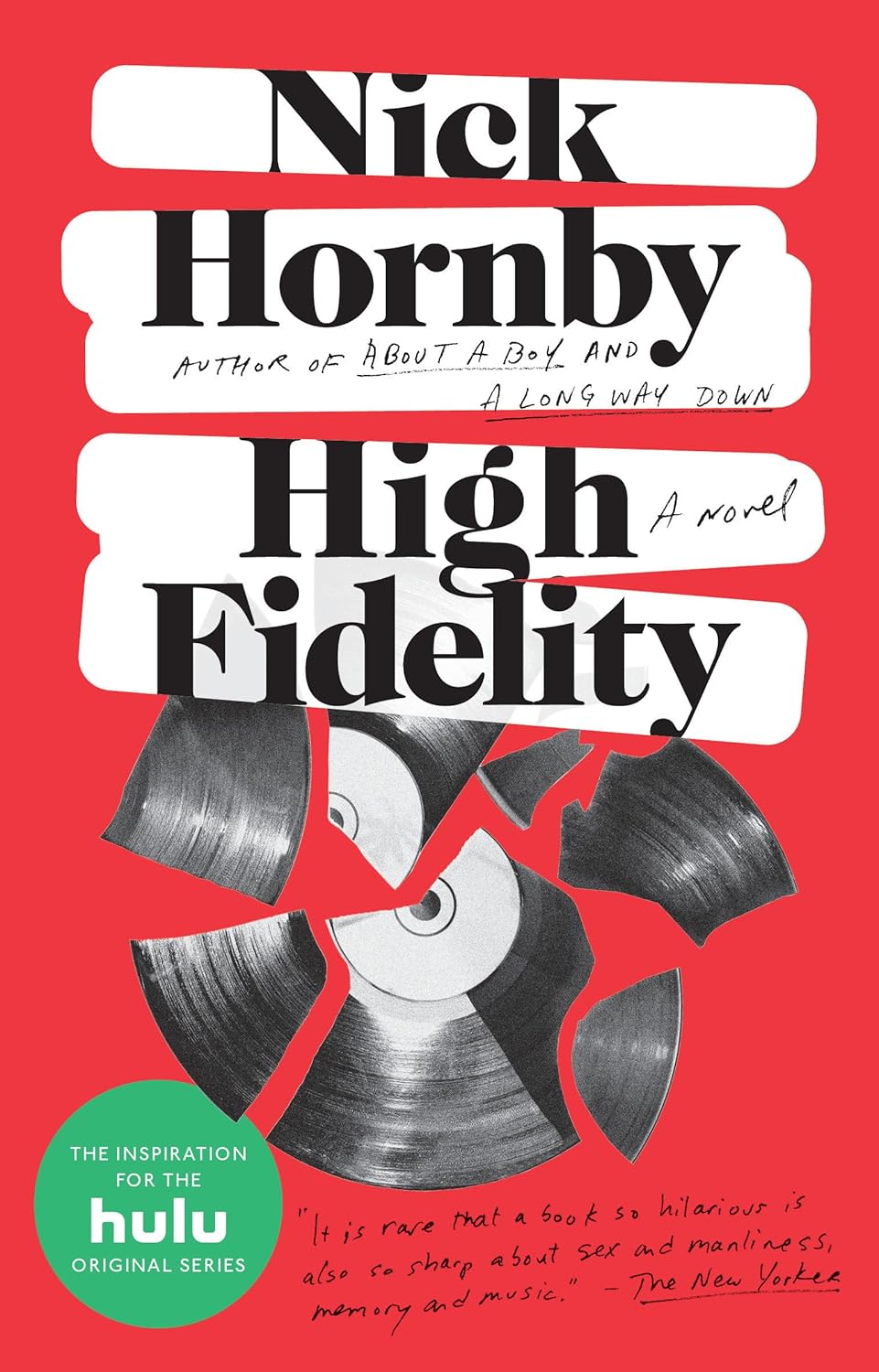
Rob Fleming runs Championship Vinyl, a failing record shop in North London, and has just been dumped by his girlfriend Laura. He responds by compiling a top five list of his worst break-ups, tracking down his exes — Alison Ashworth, Charlie Nicholson, Sarah Kendrew — to find out where he went wrong, and spending a great deal of time thinking about music instead of his own emotional life. His shop assistants, Barry and Dick, are equally obsessed with music and equally useless at human connection.
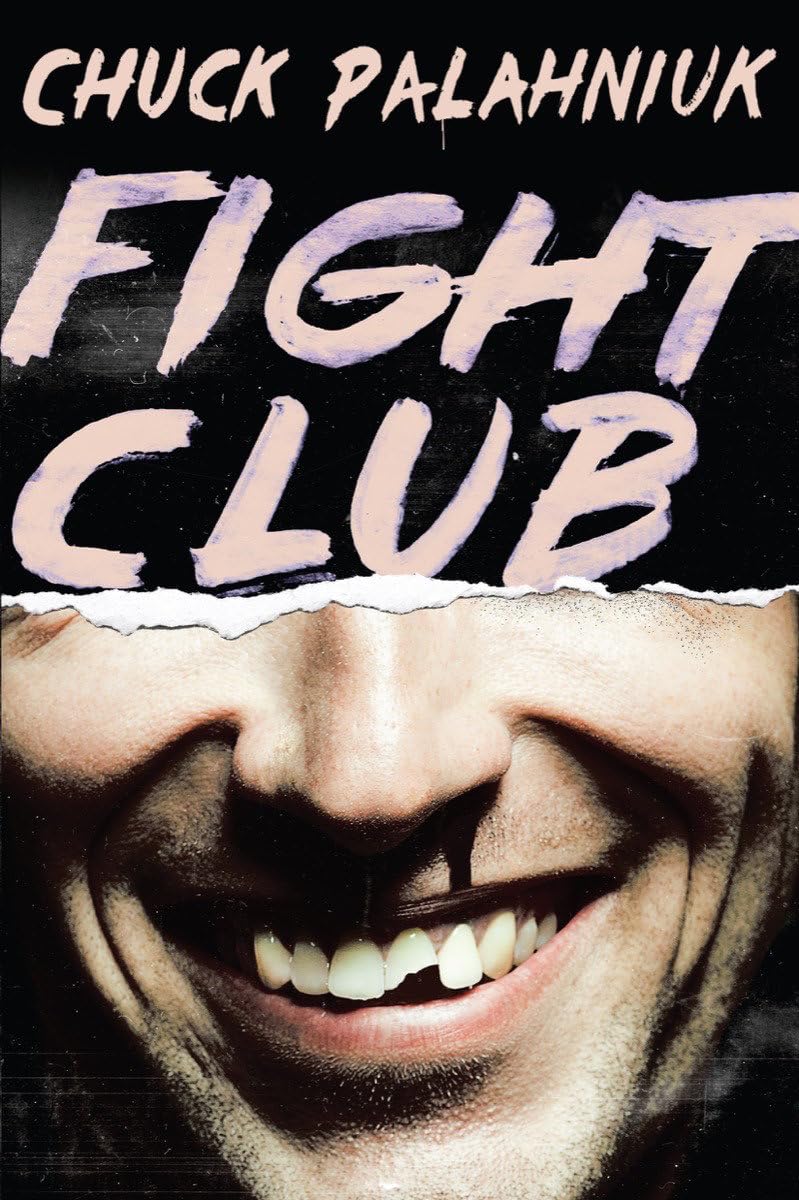
An unnamed insomniac narrator, suffocated by his IKEA-furnished life and corporate job, meets Tyler Durden — charismatic, anarchic, magnificently free — on a plane. They form a friendship that becomes a fight club, which becomes Project Mayhem, an anarchist organization aimed at destroying consumer culture. The narrator eventually discovers that Tyler is his own dissociative projection, a manifestation of everything he wishes he could be.
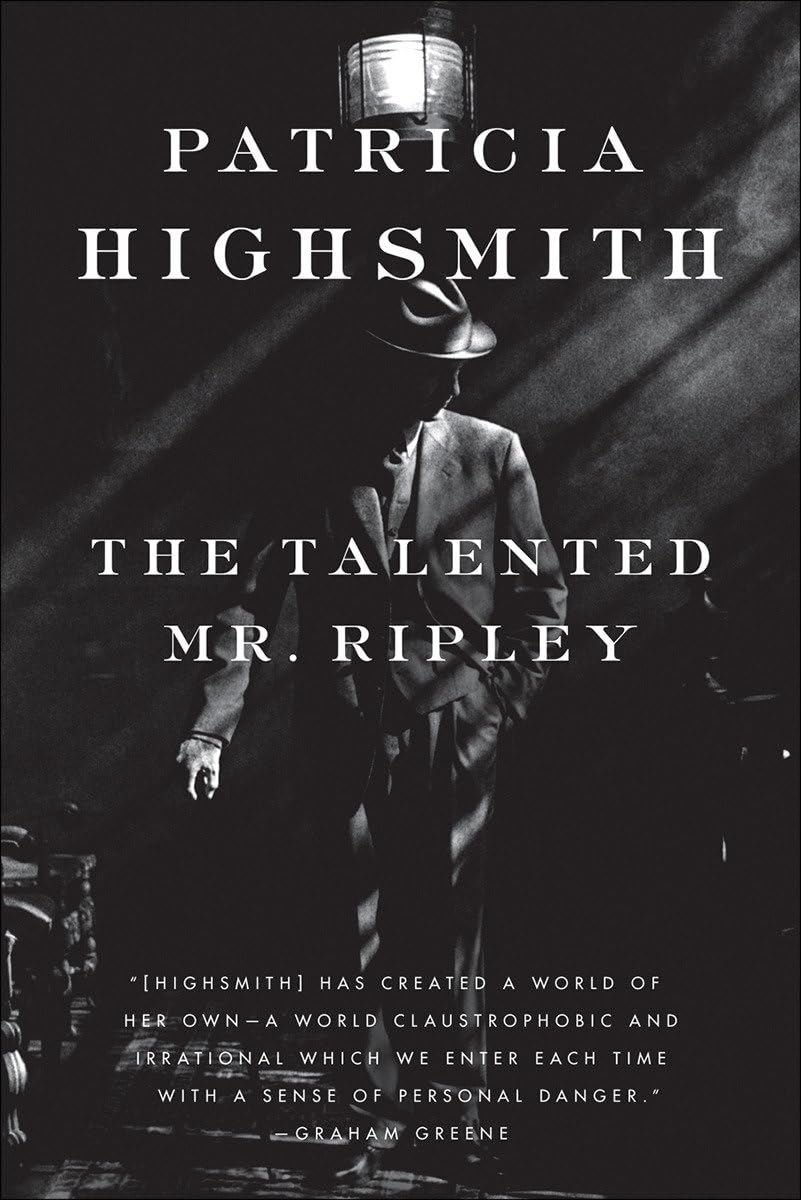
Tom Ripley, a small-time con artist living in New York, is hired by wealthy shipbuilder Herbert Greenleaf to travel to Italy and persuade his son Dickie to return home. Tom finds Dickie living a sun-soaked life in Mongibello with his girlfriend Marge Sherwood, and instead of completing his mission, Tom becomes obsessed with Dickie's wealth, ease, and careless charm. When Dickie tires of Tom's company, Tom murders him and assumes his identity, forging signatures and impersonating Dickie to access his bank accounts.
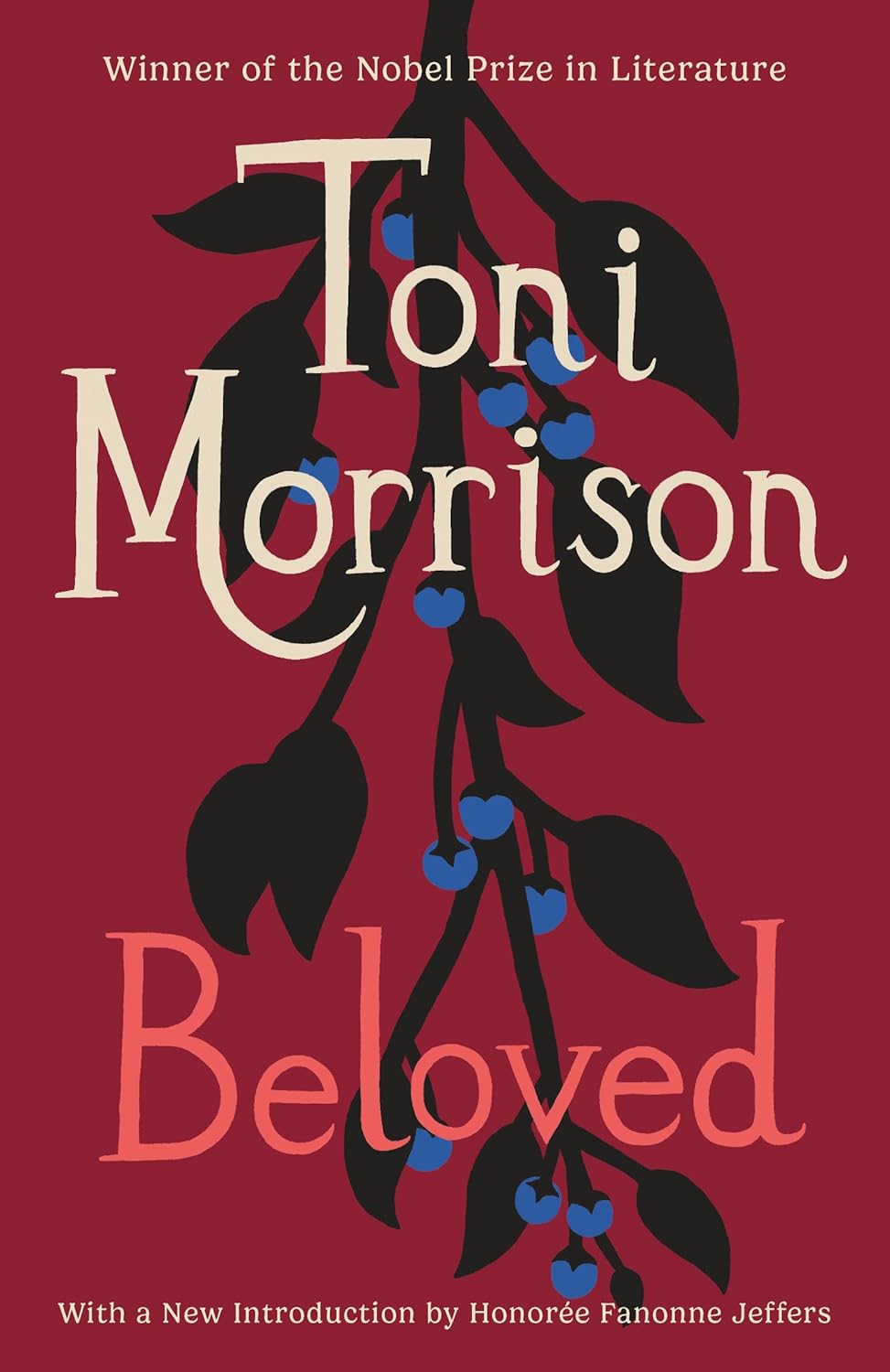
Sethe, a formerly enslaved woman living at 124 Bluestone Road in post-Civil War Cincinnati, is haunted by the ghost of the baby daughter she killed with a handsaw rather than allow slave catchers to return her to Sweet Home plantation in Kentucky. When a young woman calling herself Beloved appears at her door — wearing new shoes, speaking in fragments, knowing things only the dead daughter could know — the past Sethe has tried to contain begins to overwhelm the present. Paul D, a fellow survivor of Sweet Home, arrives and briefly drives the ghost away, but Beloved returns in flesh and slowly consumes Sethe's life.
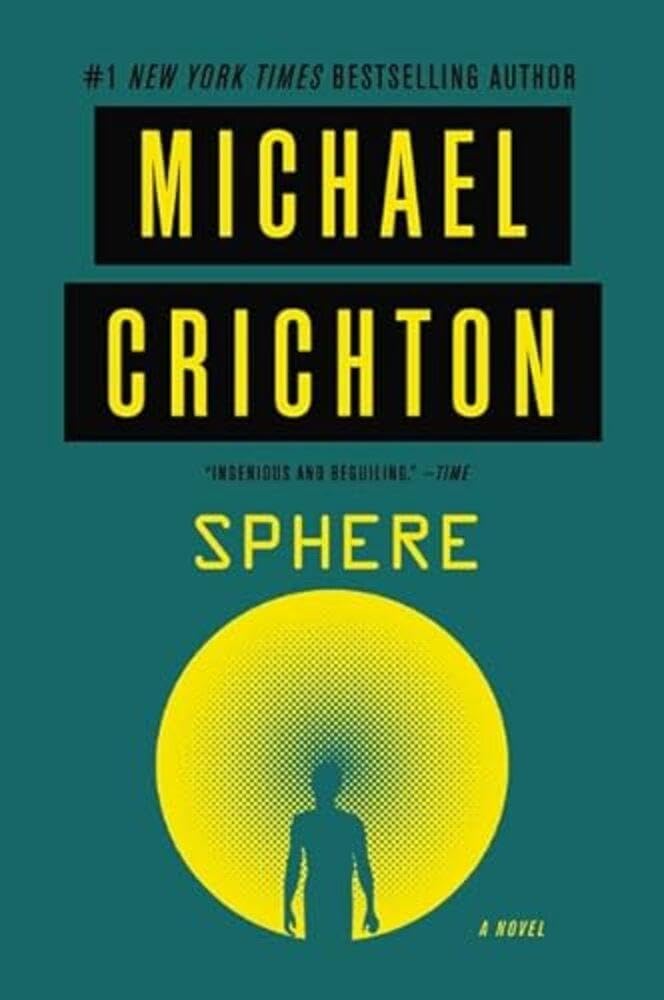
A team of scientists — psychologist Norman Johnson, mathematician Harry Adams, marine biologist Beth Halpern, and astrophysicist Ted Fielding — is assembled by the U.S. Navy and sent to the bottom of the Pacific Ocean. They're investigating a spacecraft of unknown origin buried under three hundred years of coral, discovered after a Navy sonar sweep detected an anomaly on the ocean floor. Inside the spacecraft is a perfectly reflective golden sphere. What happens after Harry enters it becomes Crichton's central mystery, and it's more psychologically complex than most of his work.
Dr. Eleanor "Ellie" Arroway is a radio astronomer who has devoted her career to the Search for Extraterrestrial Intelligence, driven by a childhood love of science and a refusal to accept that humanity is alone in the universe. When her team at the Very Large Array in New Mexico receives a signal from Vega — a signal containing blueprints for a machine of unknown purpose — the discovery triggers a global political, religious, and scientific crisis.
Three Los Angeles detectives in the early 1950s — the ambitious Ed Exley, the brutal Bud White, and the celebrity-fixated Jack Vincennes — become entangled in a conspiracy that begins with a coffee shop massacre and ends in the heart of LAPD corruption. James Ellroy's 1990 novel is 496 pages of compressed, telegraphic prose that strips crime fiction down to bone and nerve. Curtis Hanson's 1997 film adaptation, written with Brian Helgeland, won Oscars for Best Adapted Screenplay and Best Supporting Actress (Kim Basinger) and earned seven additional nominations including Best Picture.
A badly burned man lies dying in a ruined Italian villa at the end of World War II. Hana, a Canadian nurse, stays behind to care for him while the rest of her field hospital moves north. The patient — later revealed to be Count László de Almásy, a Hungarian cartographer mistaken for English — drifts in and out of consciousness, recounting his memories of the North African desert, his work mapping the Sahara with a team of explorers, and his doomed affair with Katharine Clifton, the wife of a fellow expedition member.
The Dashwood sisters—Elinor (sense) and Marianne (sensibility)—are left in reduced circumstances after their father's death and must navigate the marriage market of Regency England with only modest dowries. Elinor, the eldest, conceals her feelings for Edward Ferrars with painful discipline. Marianne performs her passion for the dashing John Willoughby with romantic abandon, then suffers a devastating betrayal when he abandons her for a wealthier woman.
Stephen King's 1982 novella follows Andy Dufresne, a banker imprisoned for a crime he didn't commit, and his decades-long friendship with fellow lifer Red Murakami. It's a meditation on hope, institutional corruption, and the power of human connection to survive even the most dehumanizing circumstances. King's story became a cultural touchstone—not because of spectacle, but because it understands that redemption is quieter and more profound than any dramatic escape.
Eleven-year-old Mark Sway and his younger brother Ricky stumble upon mob lawyer Jerome Clifford in the woods near their Memphis trailer park as Clifford attempts suicide. Before dying, the drunken Clifford confesses that his client Barry 'The Blade' Muldanno murdered Senator Boyd Boyette and buried the body under Clifford's boat garage in New Orleans. Mark becomes the only person who knows where the corpse is hidden — information that makes him a target for both Roy Foltrigg's ambitious federal prosecution and Muldanno's lethal enforcers.
Billionaire John Hammond has cloned dinosaurs from ancient DNA preserved in amber and built a theme park on Isla Nublar, off the coast of Costa Rica. Before opening to the public, he invites paleontologist Alan Grant, paleobotanist Ellie Sattler, and mathematician Ian Malcolm to endorse the park. When disgruntled programmer Dennis Nedry shuts down the security systems to steal embryos, the dinosaurs escape and the survivors — including Hammond's grandchildren Tim and Lex — must fight to reach the mainland.
Oskar Schindler, a German industrialist and Nazi party member, arrives in Kraków at the start of World War II to profit from the war and ends it having spent his entire fortune saving the lives of over a thousand Jewish workers. His accountant Itzhak Stern helps him navigate the bureaucracy while SS commandant Amon Göth runs the Płaszów labor camp with sadistic brutality. Schindler's mistress Emilie stands by him as he transforms from war profiteer to unlikely savior.
Mitch McDeere graduates fifth in his class at Harvard Law and receives offers from prestigious New York and Chicago firms. He chooses Bendini, Lambert & Locke in Memphis — a small tax firm offering twice the salary, a new BMW, and a low-interest mortgage on a house. Within weeks, Mitch learns that two associates died in suspicious diving accidents. FBI agent Wayne Tarrance reveals the firm launders money for the Morolto crime family in Chicago, and no lawyer has ever left the firm alive.
Tulane law student Darby Shaw writes a speculative legal brief connecting the assassinations of Supreme Court Justices Rosenberg and Jensen to a Louisiana oil magnate's scheme to drill in a protected pelican habitat. When her lover and law professor Thomas Callahan is killed by a car bomb meant for her, Darby realizes her theory has hit too close to the truth. She goes underground, eventually contacting Washington Herald reporter Gray Grantham, who's been receiving cryptic tips about the murders from a source inside the White House.
Stevens is the perfect English butler — devoted, dignified, self-effacing to the point of self-erasure. As he drives across England in the 1950s to visit a former colleague, he recalls his years serving Lord Darlington at Darlington Hall and confronts, gradually and obliquely, the cost of a life lived entirely in service to others. The colleague is Miss Kenton, the former housekeeper, and what Stevens cannot admit is that he loved her and let her go rather than acknowledge a feeling that might compromise his professional dignity.
Jonathan Harker, a young English solicitor, travels to Transylvania to assist Count Dracula with a London property purchase. What begins as a business transaction becomes a nightmare when Jonathan realizes he is a prisoner in the Count's castle. He escapes, barely, while Dracula sails to England aboard the Demeter, arriving in Whitby as a storm of wolves and madness.
George Milton and Lennie Small are migrant ranch workers in Depression-era California, moving from job to job with nothing but each other and a shared dream. George is sharp, watchful, and burdened with responsibility; Lennie is large, gentle, intellectually disabled, and dangerous in his innocence — he loves soft things and forgets his own strength. Together they dream of owning a small farm where Lennie can tend rabbits and they can live "off the fatta the lan'." They arrive at a ranch near Soledad where they meet Candy, an aging swamper who wants to join their dream; Slim, the respected mule driver; Curley, the boss's aggressive son; and Curley's wife, lonely and desperate for attention.
FBI trainee Clarice Starling is pulled from her classes at Quantico and sent to interview Dr. Hannibal Lecter, a brilliant psychiatrist imprisoned for murder and cannibalism. Her assignment: extract insight that might help catch Buffalo Bill, a serial killer who skins his female victims. What follows is a psychological chess match between Starling and Lecter, with Clarice trading fragments of her traumatic childhood for clues that lead her deeper into Bill's twisted pathology.
Romance novelist Paul Sheldon crashes his 1974 Camaro in a Colorado blizzard and wakes up in the remote farmhouse of Annie Wilkes, a former nurse who claims to be his number one fan. Annie has rescued Paul from the wreck, set his shattered legs, and begun nursing him back to health. When she reads the manuscript of his latest Misery Chastain novel and discovers he's killed off her beloved heroine, Annie's devotion curdles into rage. She forces Paul to burn the only copy of his new literary novel and write a new Misery book bringing the character back to life.
In the Republic of Gilead — a near-future theocratic America — fertile women are enslaved as Handmaids, forced to bear children for the ruling class. Offred is one such Handmaid, assigned to Commander Fred Waterford and his wife Serena Joy, narrating her situation with a controlled intelligence that is itself an act of resistance. She remembers her life before Gilead, her husband Luke, her daughter taken from her, and her friend Moira who attempted escape.
Augustus McCrae and Woodrow Call, two aging Texas Rangers turned cattlemen, lead a cattle drive from the dusty border town of Lonesome Dove, Texas, to the untamed grasslands of Montana in the 1870s. Larry McMurtry's Pulitzer Prize-winning novel is eight hundred pages of American mythology — funny, violent, elegiac, and populated with characters so fully realised they seem to have existed before the novel and to continue after it. Gus is the talker, the philosopher, the charmer who never married the woman he loved. Call is the stoic, the driver, the man so armoured against feeling he cannot acknowledge his own son.
Westley, a farm boy, loves Buttercup. He leaves to seek his fortune across the sea, is captured by the Dread Pirate Roberts, and is presumed dead. Five years later, Buttercup — now the most beautiful woman in the world — is betrothed to Prince Humperdinck of Florin, a cruel hunter who plans to murder her on their wedding night and blame a neighbouring country to start a war. She is kidnapped by a Sicilian criminal named Vizzini and his hired hands: Inigo Montoya, a Spanish swordsman seeking the six-fingered man who killed his father, and Fezzik, a Turkish giant with a gentle heart. A mysterious Man in Black pursues them.
Celie is a poor Black woman in rural Georgia in the early twentieth century, writing letters to God—and later to her sister Nettie—across decades of abuse, separation, and eventual liberation. Alice Walker's 1982 novel is written entirely in Celie's voice, in an African American vernacular English that is the novel's formal and emotional core. The epistolary structure is not decoration; it is the experience.
Ponyboy Curtis is a Greaser — a working-class teenager in 1960s Tulsa, Oklahoma — navigating the territorial conflict between his gang and the Socs, the wealthier kids from the other side of town. When a rumble turns fatal and Johnny Cade kills Bob Sheldon in self-defense, Ponyboy and Johnny flee to an abandoned church in Windrixville. There they hide, read Gone with the Wind, and recite Robert Frost's "Nothing Gold Can Stay" before a fire forces them back into the world. Johnny dies from injuries sustained saving children from the burning church. Dallas Winston, unable to cope with Johnny's death, provokes the police into shooting him. Ponyboy survives and writes the story as a school assignment.
Philip K. Dick's 1968 novel follows Rick Deckard, a weary bounty hunter tasked with retiring rogue androids in a post-nuclear Los Angeles. The book is a philosophical puzzle box: a meditation on what separates human from artificial consciousness, filtered through the paranoia and moral exhaustion of a man who may not be entirely human himself. Dick's prose is deliberately flat, almost pulp-like, which paradoxically makes the existential dread cut deeper.
In the summer of 1947, Stingo—a 22-year-old aspiring novelist from Virginia—moves into a pink boarding house in Flatbush, Brooklyn, where he meets Sophie Zawistowska, a Polish Catholic survivor of Auschwitz, and Nathan Landau, her brilliant but unstable Jewish lover. Stingo becomes infatuated with Sophie and drawn into the couple's passionate, volatile relationship, which oscillates between ecstatic joy and violent confrontation driven by Nathan's paranoid schizophrenia.
Jack Torrance, a recovering alcoholic and struggling writer, takes a job as winter caretaker of the isolated Overlook Hotel in the Colorado Rockies, bringing his wife Wendy and five-year-old son Danny. Danny possesses "the shining" — a psychic ability that lets him see the hotel's violent past and communicate telepathically with Dick Hallorann, the Overlook's cook who shares the gift. As winter closes in and snow cuts off all escape routes, the hotel's malevolent presence begins working on Jack's fragile sobriety and sanity, turning him against his family.
Peter Benchley's 1974 novel is a sprawling, pulpy thriller about a great white shark terrorizing the resort town of Amity Island. The book dwells in the murky depths of human corruption—real estate fraud, infidelity, political cowardice—using the shark as a catalyst for exposing the town's moral rot. Steven Spielberg's 1975 film strips away most of this social commentary and delivers something far more primal: a lean, propulsive thriller about three men in a boat hunting an unknowable predator.
Randle Patrick McMurphy fakes insanity to serve his prison sentence in a psychiatric ward rather than on a work farm, and immediately begins disrupting the rigid order maintained by Nurse Ratched. Ken Kesey's 1962 novel is narrated by Chief Bromden, a half-Native American patient who pretends to be deaf and mute and sees the ward as a metaphor for the oppressive machinery of American society — what he calls the Combine. McMurphy's rebellion against Ratched's control becomes the catalyst for Bromden's return to consciousness and eventual escape.
Mario Puzo's 1969 novel is a sprawling crime saga following the Corleone family's rise and consolidation of power in post-war America. The book traffics in pulp sensationalism — elaborate revenge plots, sexual intrigue, and operatic violence — while maintaining a surprisingly shrewd analysis of American capitalism and immigrant assimilation. Francis Ford Coppola's 1972 film adaptation strips away much of Puzo's lurid subplot material and reconceives the story as a Shakespearean tragedy about power, loyalty, and the corruption of the soul.
Captain John Yossarian is a US Army Air Forces bombardier stationed on the fictional island of Pianosa during World War II. He is perfectly sane and desperately wants to stop flying combat missions. The catch — Catch-22 — is the rule that says any man who wants to be grounded must be crazy, but asking to be grounded proves he is sane, and therefore he must keep flying.
Rosemary Woodhouse and her struggling actor husband Guy move into the Bramford — a grand, Gothic Revival apartment building on Manhattan's Upper West Side with a history of witchcraft, murder, and cannibalism — where their elderly neighbors, Minnie and Roman Castevet, take an immediate and suffocating interest in the young couple. When Rosemary becomes pregnant after a night she can barely remember, during which she experienced vivid nightmares of being assaulted by a demonic figure, she begins to suspect that the Castevets and Guy have conspired to use her unborn child for occult purposes.
A group of British schoolboys are stranded on an uninhabited island after their plane is shot down during a wartime evacuation. Ralph, elected leader for his charisma and possession of the conch shell, attempts to maintain order alongside Piggy, the rational but physically vulnerable boy whose glasses become essential for fire-making. Jack Merridew, the head choirboy, initially accepts Ralph's authority but grows resentful and eventually splits off to form his own tribe of hunters. Simon, a quiet, epileptic boy, discovers that the "beast" the others fear is actually a dead paratrooper — but he's murdered before he can share this revelation.
John D. MacDonald's 1957 novel The Executioners introduces Sam Bowden, a lawyer terrorized by Max Cady, a career criminal he testified against years earlier. Released from prison, Cady methodically stalks Bowden's family in a small Southern town, exploiting legal loopholes to torment them without crossing into prosecutable territory. The novel is a taut exercise in suburban paranoia — the nightmare of a respectable man discovering that the law cannot protect him from someone willing to operate in its shadows.
Jean Louise "Scout" Finch grows up in Maycomb, Alabama during the Depression, watched over by her widowed father Atticus — a lawyer who agrees to defend Tom Robinson, a Black man falsely accused of raping Mayella Ewell, a white woman. Scout's brother Jem and their summer friend Dill Harris are obsessed with Boo Radley, the reclusive neighbour who never leaves his house. The trial divides the town and exposes Scout to adult hypocrisy, violence, and moral courage.
Truman Capote's 1958 novella introduces Holly Golightly through the eyes of an unnamed writer living in a Manhattan brownstone. Holly—born Lulamae Barnes in rural Texas—has reinvented herself as a Manhattan socialite who survives on fifty-dollar tips from escorts to El Morocco and weekly visits to mobster Sally Tomato at Sing Sing. The narrator becomes fascinated by her elusive charm, her Thursday trips to Tiffany's when she has "the mean reds," and her search for a place that feels like home.
John Steinbeck's East of Eden is a multigenerational epic that traces the Trask and Hamilton families across California's Salinas Valley, weaving together biblical allegory with American frontier mythology. The novel spans decades, following the parallel moral struggles of two families as they grapple with the concept of timshel—the Hebrew word suggesting humans have the power to choose their own moral path. Elia Kazan's 1955 film adaptation strips away the novel's historical scope and genealogical complexity to focus on a single, concentrated moral crisis: the rivalry between brothers Cal and Aron Trask for their father's love and approval.
A young, unnamed woman working as a paid companion in Monte Carlo meets Maxim de Winter, a wealthy widower still mourning his first wife, Rebecca. After a whirlwind courtship, they marry, and she becomes the second Mrs de Winter. She arrives at Manderley, Maxim's grand Cornish estate, only to find herself haunted by Rebecca's lingering presence—her monogrammed belongings, her perfectly preserved rooms, and most disturbingly, Mrs Danvers, the housekeeper who worshipped her.
Violet Sorrengail was supposed to join the Scribes — the scholars of Basgiath War College. Her mother, General Lilith Sorrengail, has other ideas. Violet is sent to the Riders Quadrant instead, where students bond with dragons or die trying. She is small, chronically ill with Ehlers-Danlos syndrome, and not supposed to survive the first week. Xaden Riorson, the wingleader whose father her mother executed, is assigned to oversee her training. He has every reason to want her dead.
No comparisons match this filter.