The Story in Brief
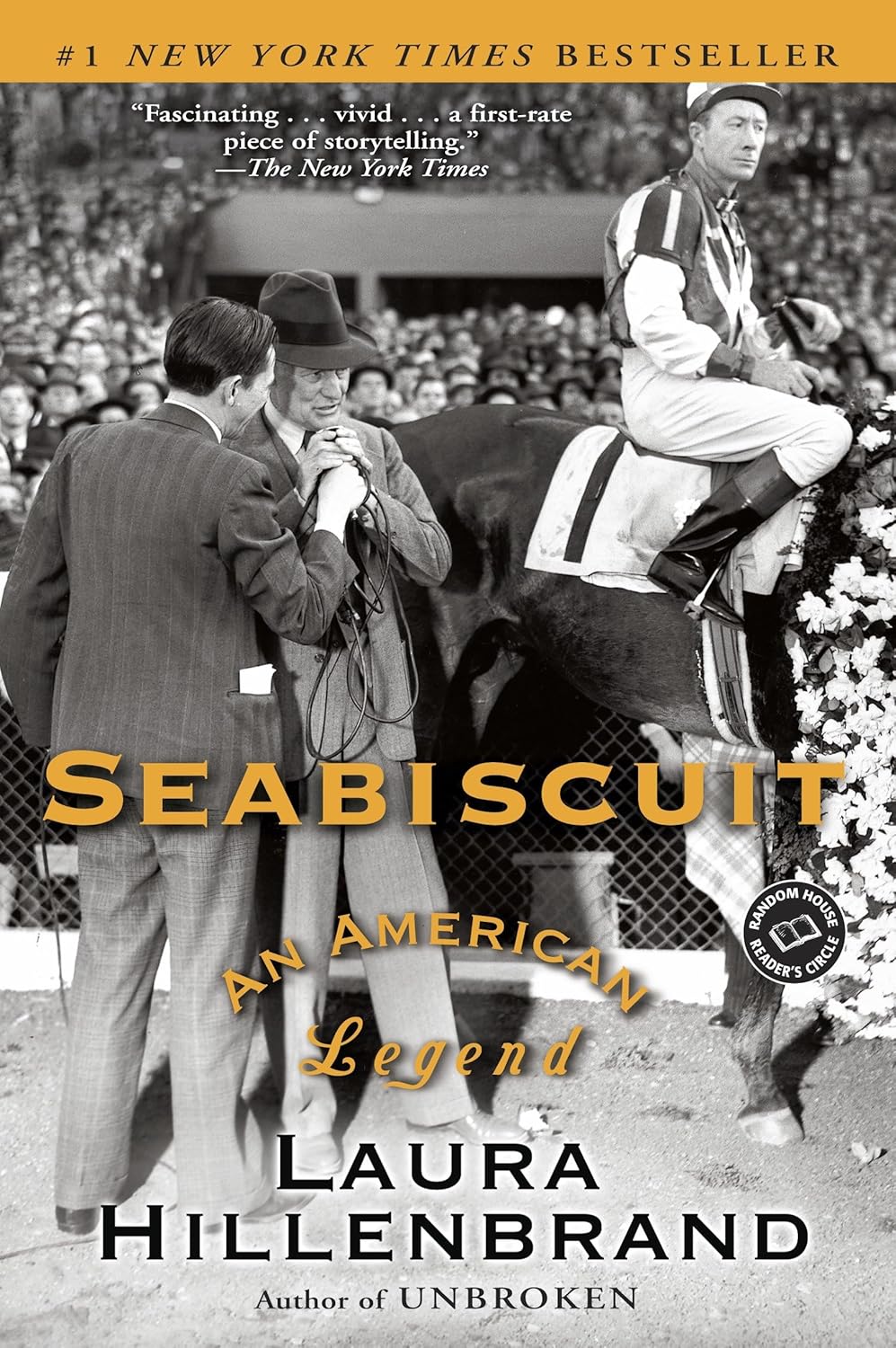
Laura Hillenbrand's Seabiscuit: An American Legend chronicles the Depression-era rise of an undersized, knobby-kneed thoroughbred who became the most famous racehorse in America. The narrative follows three broken men who found redemption through the horse: Charles Howard, a bicycle mechanic turned automobile millionaire whose son died in a car accident; Tom Smith, a taciturn mustang breaker who understood horses better than people; and Red Pollard, a half-blind jockey abandoned by his family during hard times. Together, they transformed Seabiscuit from a lazy, ill-tempered also-ran into a champion who beat Triple Crown winner War Admiral in the 1938 match race of the century.
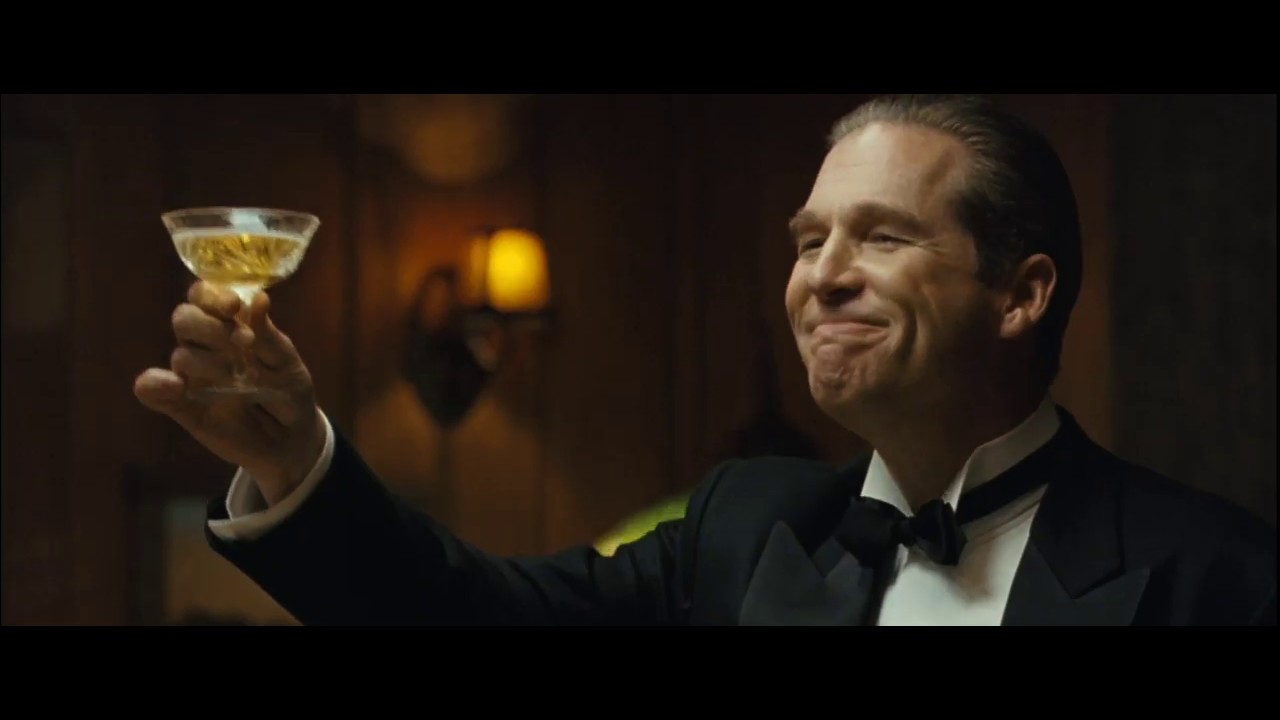
Gary Ross's 2003 film adaptation, starring Tobey Maguire as Pollard, Jeff Bridges as Howard, and Chris Cooper as Smith, condenses Hillenbrand's exhaustively researched 400-page biography into a two-hour inspirational sports drama. The film earned seven Academy Award nominations, including Best Picture, and grossed over $148 million worldwide. Ross employs archival footage, David McCullough's narration, and sweeping cinematography to evoke the 1930s, though critics noted the movie's tendency toward sentimentality where Hillenbrand's prose remained unsentimental and precise.
The book spent 42 weeks on the New York Times bestseller list and revived popular interest in Depression-era horse racing, demonstrating that meticulously researched narrative nonfiction could achieve both critical acclaim and commercial success.
| Character | In the Book | In the The Movie |
|---|---|---|
| Red Pollard Tobey Maguire |
Hillenbrand portrays Pollard as an intellectual jockey who quoted poetry and endured brutal injuries, including a shattered leg and near-blindness in his right eye from repeated blows. | Maguire's Pollard retains the literary references but softens the character's rough edges, emphasizing his romance with Marcela Howard's sister over his darker struggles with poverty and pain. |
| Charles Howard Jeff Bridges |
The book details Howard's transformation from grief-stricken father to racing enthusiast, including his divorce, remarriage to Marcela Zabala, and shrewd business instincts that made him wealthy. | Bridges plays Howard as a genial optimist and father figure, downplaying the ruthless businessman aspects and his complicated first marriage in favor of uncomplicated warmth. |
| Tom Smith Chris Cooper |
Hillenbrand presents Smith as a near-mystical horse whisperer who spent years in the wilderness, spoke in monosyllables, and possessed an almost supernatural ability to diagnose equine ailments. | Cooper's Smith is similarly laconic but more accessible, with the film inventing dialogue and emotional beats to make him cinematically legible rather than enigmatic. |
| Seabiscuit 10 horses (Popcorn Deelites primary) |
The book describes Seabiscuit's crooked legs, lazy training habits, and mean streak—he bit handlers and refused to run until Smith unlocked his competitive spirit through unconventional methods. | The film's Seabiscuit, portrayed by multiple horses, appears more conventionally heroic, with less emphasis on his physical flaws and ornery temperament. |
| George Woolf Gary Stevens |
Hillenbrand devotes significant space to Woolf, the legendary jockey who rode Seabiscuit in the War Admiral match race and later died in a racing accident that devastated Pollard. | Real-life Hall of Fame jockey Gary Stevens plays Woolf with authenticity, though the film reduces his role to a supporting friendship and omits his tragic death entirely. |
Key Differences
Red Pollard's Blindness and the Extent of His Injuries
Hillenbrand reveals that Pollard was functionally blind in his right eye from repeated blows during his boxing career—a secret he kept from racing officials who would have revoked his license. The book details how he compensated by positioning himself strategically and relying on his left eye, a remarkable feat of adaptation that made his riding achievements even more extraordinary.
The film mentions Pollard's vision problems only in passing, never emphasizing the severity or the deception required to continue racing. Ross also softens the brutality of Pollard's 1939 leg injury, which Hillenbrand describes in graphic detail: the shattered bones, the botched medical treatment, and the agonizing rehabilitation that nearly ended his career. The movie shows the injury but rushes through the recovery, losing the full weight of Pollard's determination to ride Seabiscuit in the 1940 Santa Anita Handicap.
The War Admiral Match Race Build-Up and Execution
The 1938 Pimlico match race occupies nearly 30 pages in Hillenbrand's book, with meticulous attention to the negotiations, training strategies, and psychological warfare between the two camps. She describes how Smith deliberately kept Seabiscuit's workouts slow to deceive War Admiral's team, how Woolf studied War Admiral's running style for weeks, and how the race itself unfolded stride by stride, including Woolf's famous mid-race glance at War Admiral's jockey.
Ross compresses this into a five-minute sequence that captures the drama but eliminates the tactical complexity. The film invents a scene where Howard and Smith debate whether Seabiscuit is ready, adding manufactured tension, while omitting Hillenbrand's detailed explanation of how Woolf's strategy—letting War Admiral take the lead, then challenging him at the turn—exploited the champion's psychological weaknesses. The book makes clear this wasn't just a race but a chess match; the film presents it as pure heart versus pedigree.
Charles Howard's First Marriage and Son's Death
Hillenbrand dedicates an entire chapter to the 1926 death of Howard's teenage son Frankie in a truck accident, and the subsequent dissolution of his first marriage. She portrays Howard's grief as the catalyst for his personality transformation—from a man obsessed with automobiles to someone seeking meaning through horses. The book doesn't shy from the messiness: Howard's first wife never recovered from the loss, and their divorce was painful and protracted.
The film reduces this to a single brief scene where Howard mentions his son's death to Pollard, using it as a bonding moment rather than exploring its psychological impact. Marcela Howard appears as Charles's only wife, with no mention of the first Mrs. Howard or the complicated circumstances of their separation. This simplification makes Howard more sympathetic but less human—Hillenbrand's version is a flawed man rebuilding himself, while Bridges plays a man already rebuilt.
Tom Smith's Backstory and Frontier Experience
The book traces Smith's origins as a frontiersman who spent decades in the vanishing American West, breaking wild mustangs and living among Native American tribes. Hillenbrand explains how this experience gave Smith an intuitive understanding of horse psychology that Eastern trainers, with their by-the-book methods, couldn't match. She describes specific techniques he used with Seabiscuit: the companion pony Pumpkin, the unusual training schedule, the refusal to use a whip.
Ross's film presents Smith as quietly competent but never explores where that competence originated. Cooper's performance is excellent—taciturn, observant—but the script provides no context for why Smith thinks differently. The movie shows him using Pumpkin and unconventional methods without explaining the philosophy behind them, turning Smith into a stock character (the wise horse whisperer) rather than the specific, historically grounded figure Hillenbrand portrays.
The Role of the Press and Public Obsession
Hillenbrand devotes substantial space to how Seabiscuit became a media phenomenon, with more newspaper coverage in 1938 than FDR or Hitler. She details the role of specific journalists, the radio broadcasts that drew 40 million listeners, and how Howard brilliantly manipulated publicity to build Seabiscuit's legend. The book shows how the horse became a symbol of Depression-era resilience—not by accident, but through calculated image-making.
The film uses David McCullough's narration and archival footage to gesture at Seabiscuit's fame but never examines the mechanics of how that fame was constructed. Ross presents the public adoration as organic and inevitable, missing Hillenbrand's insight that Howard was essentially inventing modern sports marketing. The movie includes a montage of newspaper headlines but doesn't show the reporters, the negotiations for exclusive stories, or the way Howard leveraged media attention into bigger purses and better match-ups.
Reading Hillenbrand's book before watching Ross's film will deepen your appreciation for what the movie gets right while making you acutely aware of what it simplifies. The film works as a standalone inspirational sports drama—Maguire, Bridges, and Cooper deliver strong performances, and the racing sequences are viscerally exciting. But if you've read the book, you'll notice the absent complexity: Pollard's blindness reduced to a footnote, Smith's frontier wisdom unexplained, Howard's grief sanitized, the media manipulation ignored.
The consequence of watching first is that you'll get a satisfying but incomplete story, one that trades Hillenbrand's nuanced character studies for Hollywood's preference for uncomplicated heroes. Reading first means you'll understand that Seabiscuit's triumph wasn't just about an underdog horse—it was about three damaged men, a shrewd businessman's publicity genius, and a nation desperate for symbols of resilience. The film gives you the symbol; the book shows you how it was made.
Should You Read First?
Reading Hillenbrand's book before watching Ross's film will deepen your appreciation for what the movie gets right while making you acutely aware of what it simplifies. The film works as a standalone inspirational sports drama—Maguire, Bridges, and Cooper deliver strong performances, and the racing sequences are viscerally exciting. But if you've read the book, you'll notice the absent complexity: Pollard's blindness reduced to a footnote, Smith's frontier wisdom unexplained, Howard's grief sanitized, the media manipulation ignored.
The consequence of watching first is that you'll get a satisfying but incomplete story, one that trades Hillenbrand's nuanced character studies for Hollywood's preference for uncomplicated heroes. Reading first means you'll understand that Seabiscuit's triumph wasn't just about an underdog horse—it was about three damaged men, a shrewd businessman's publicity genius, and a nation desperate for symbols of resilience. The film gives you the symbol; the book shows you how it was made.
Hillenbrand's book wins decisively, offering the depth, detail, and unsentimental honesty that Ross's film, for all its craft, cannot match. The movie delivers emotional uplift; the book delivers the truth behind the legend. Read Hillenbrand to understand why Seabiscuit mattered—then watch the film to see the story told with Hollywood's considerable but ultimately insufficient magic.