The Story in Brief
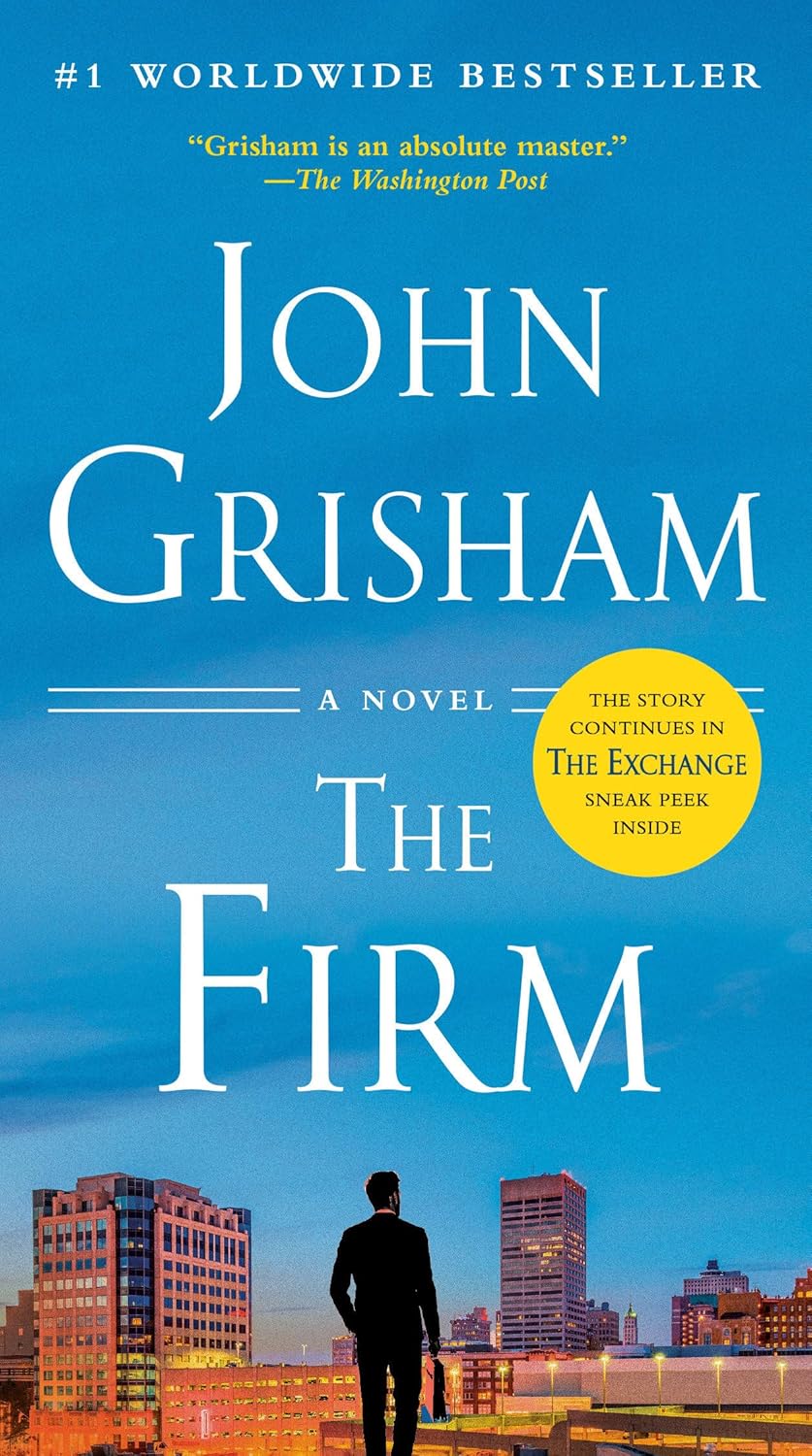
Mitch McDeere graduates fifth in his class at Harvard Law and receives offers from prestigious New York and Chicago firms. He chooses Bendini, Lambert & Locke in Memphis — a small tax firm offering twice the salary, a new BMW, and a low-interest mortgage on a house. Within weeks, Mitch learns that two associates died in suspicious diving accidents. FBI agent Wayne Tarrance reveals the firm launders money for the Morolto crime family in Chicago, and no lawyer has ever left the firm alive.
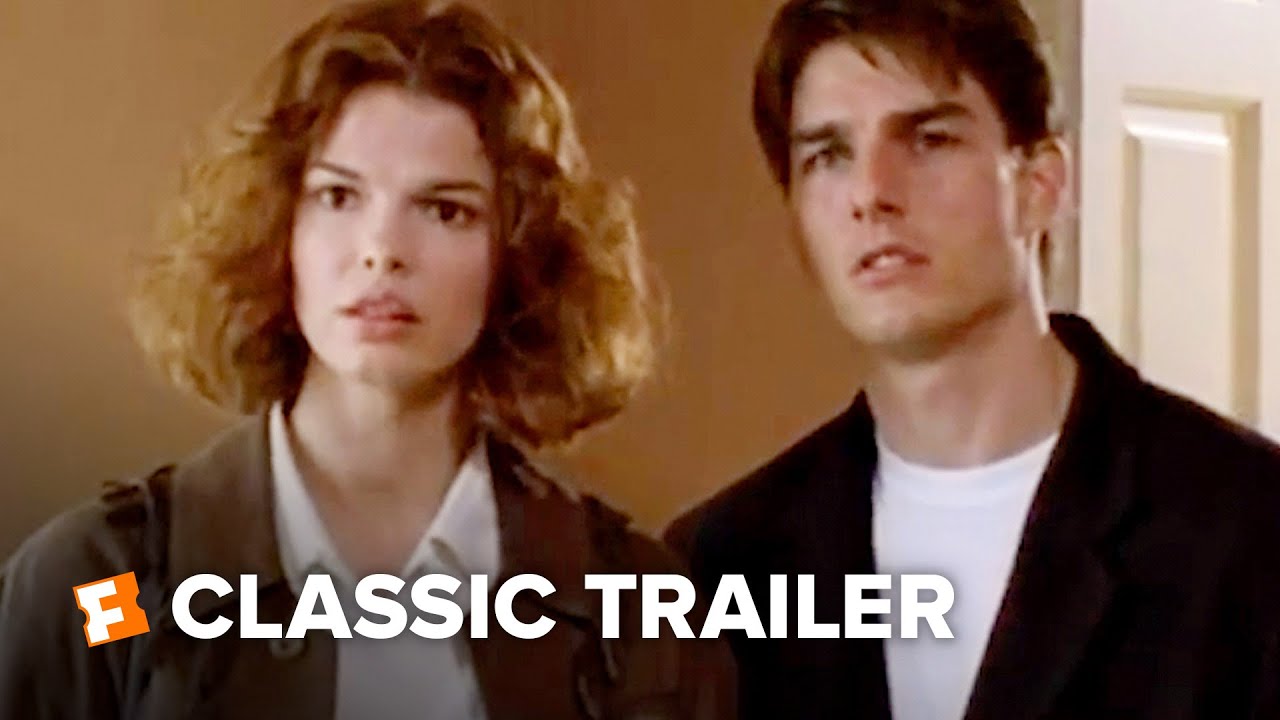
Grisham published The Firm as his second novel in 1991, after his debut A Time to Kill sold poorly. The Firm spent 47 weeks on the New York Times bestseller list and established the legal thriller as a dominant commercial genre. Paramount bought the film rights before publication, and Sydney Pollack directed Tom Cruise in the lead role two years later. The film earned $270 million worldwide and became the fourth highest-grossing film of 1993.
The novel's cultural impact was immediate — it made Grisham a household name and spawned a decade of imitators. The film cemented Tom Cruise's transition from action star to dramatic leading man and proved that legal thrillers could work as summer blockbusters.
| Character | In the Book | In the The Movie |
|---|---|---|
| Mitch McDeere Tom Cruise |
A cautious, methodical Harvard graduate who grew up poor in Kentucky and calculates every risk before acting. | Cruise plays him with more charisma and confidence, less haunted by his background, more conventionally heroic. |
| Abby McDeere Jeanne Tripplehorn |
A Kentucky schoolteacher who is Mitch's moral anchor and becomes an active participant in his escape plan. | Tripplehorn's Abby is more passive, reacting to Mitch's decisions rather than shaping them, though she gets a key confrontation scene. |
| Avery Tolar Gene Hackman |
Mitch's mentor at the firm, a hard-drinking tax specialist who is complicit but not malicious. | Hackman brings warmth and complexity to the role, making Avery's corruption feel tragic rather than villainous. |
| Wayne Tarrance Ed Harris |
An ambitious FBI agent who pressures Mitch to turn informant with threats and promises. | Harris plays him as more sympathetic and less manipulative, softening the FBI's moral ambiguity. |
| Tammy Hemphill Holly Hunter |
A secretary who helps Mitch copy documents; she's competent but not central to the plot. | Hunter elevates the role with her trademark intensity, making Tammy a more memorable presence in the film's second half. |
Key Differences
The Ending Is Completely Different
Grisham's novel ends with Mitch using the firm's overbilling fraud against them — he gives the FBI evidence of mail fraud, which allows them to indict the firm without Mitch testifying about the Morolto family's criminal activities. This protects Mitch from both the mob and disbarment. It's clever, legally plausible, and thematically satisfying.
Pollack's film replaces this with a conventional thriller climax. Mitch confronts the firm's senior partners, there's a chase through Memphis, and Avery Tolar dies heroically. The film ends with Mitch and Abby sailing away to freedom. Grisham co-wrote the screenplay and approved the change, later saying the billing fraud resolution wasn't cinematic enough.
He was wrong. The novel's ending is more satisfying precisely because it's smarter than a foot chase. It rewards the reader for paying attention to the firm's billing practices and demonstrates that intelligence can defeat violence. The film's ending is competently executed but generic.
Mitch's Brother Ray Is Minimized
In the novel, Mitch's older brother Ray is serving time in prison for manslaughter. Mitch arranges Ray's escape as part of his plan to flee the country, and Ray becomes crucial to the novel's final act. Their relationship — shaped by poverty and family trauma — gives Mitch emotional depth.
The film reduces Ray to a brief appearance. David Strathairn plays him in one scene, and Ray's escape happens offscreen. This streamlines the plot but removes the novel's exploration of how Mitch's past shaped his choices. The film's Mitch is less haunted, more self-made.
The Pacing Compresses the Trap
Grisham builds the trap slowly. Mitch spends months at the firm before the FBI approaches him. The novel details his work on tax cases, his growing comfort with the firm's culture, and the gradual accumulation of evidence that something is wrong. By the time Tarrance reveals the truth, Mitch is already compromised.
The film compresses this to weeks. Pollack moves quickly to the FBI's revelation, which makes the film faster but removes the slow accumulation of dread that makes Mitch's situation feel truly inescapable. The novel's pacing is superior — the trap feels inevitable rather than sudden.
Tom Cruise Brings Star Power
Cruise was 30 when the film was released, at the height of his star power after Top Gun, Rain Man, and A Few Good Men. He plays Mitch with charisma and intensity, visibly frightened when the situation requires it but never weak. His performance is more conventionally heroic than the novel's Mitch, who is cautious and calculating.
Cruise's presence changes the film's tone. The novel is a paranoid thriller about a man trapped by his own ambition. The film is a star vehicle about a hero fighting corruption. Both work, but they're different experiences.
The Firm's Culture Is Less Detailed
Grisham builds Bendini, Lambert & Locke as a specific, believable institution. He details the firm's hiring practices, its generous benefits, its social events, and the subtle ways it monitors and controls its lawyers. The firm's culture — paternalistic, generous, suffocating — is as important as the mob connection.
The film renders this more efficiently. We see the BMW, the house, and a few firm gatherings, but the texture is thinner. Pollack focuses on the thriller mechanics rather than the institutional critique. The novel is about how organizations corrupt individuals; the film is about individuals fighting corrupt organizations.
Yes — primarily to experience the original ending before the film replaces it with something lesser. The novel's billing fraud resolution is one of thriller fiction's most satisfying conclusions, and it's the reason The Firm became a phenomenon. Reading first also allows you to appreciate Grisham's pacing and his detailed portrait of how a law firm operates.
The film is worth seeing for Cruise, Hackman, and Pollack's craftsmanship, but it's a conventional thriller that happens to involve lawyers. The novel is a legal thriller that trusts its audience to care about billing practices and mail fraud statutes. If you watch first, you'll miss what made the book distinctive.
Should You Read First?
Yes — primarily to experience the original ending before the film replaces it with something lesser. The novel's billing fraud resolution is one of thriller fiction's most satisfying conclusions, and it's the reason The Firm became a phenomenon. Reading first also allows you to appreciate Grisham's pacing and his detailed portrait of how a law firm operates.
The film is worth seeing for Cruise, Hackman, and Pollack's craftsmanship, but it's a conventional thriller that happens to involve lawyers. The novel is a legal thriller that trusts its audience to care about billing practices and mail fraud statutes. If you watch first, you'll miss what made the book distinctive.
Grisham's novel is a masterwork of thriller plotting with one of the genre's cleverest endings. Pollack's film is a compulsively watchable adaptation that throws away the best part. Read the novel for the ending. See the film for Cruise and Hackman. But know that Hollywood traded intelligence for spectacle and got the worse deal.