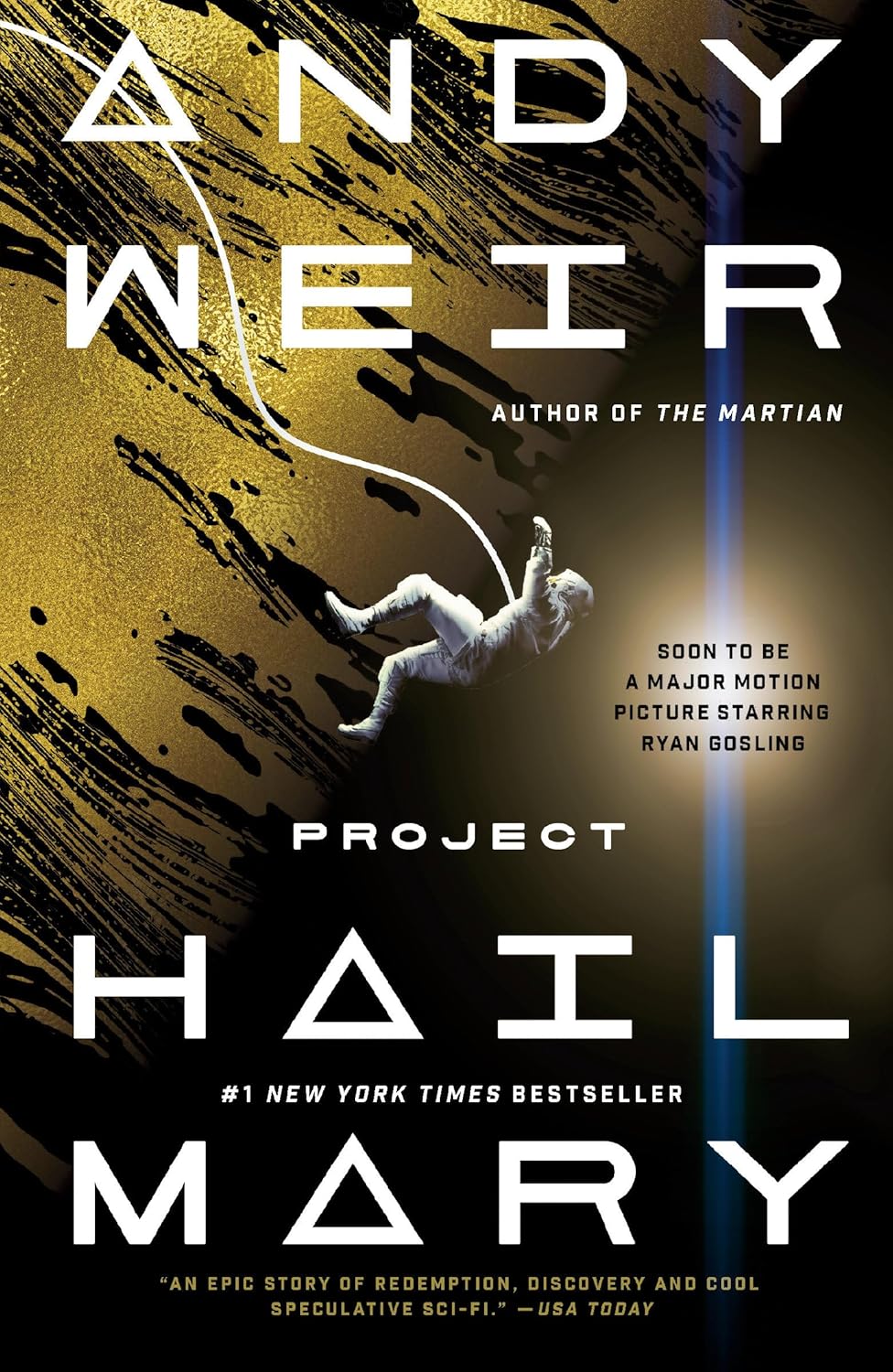
A lone astronaut wakes up far from Earth with no memory of how he got there. The most purely enjoyable hard science fiction novel of the decade.

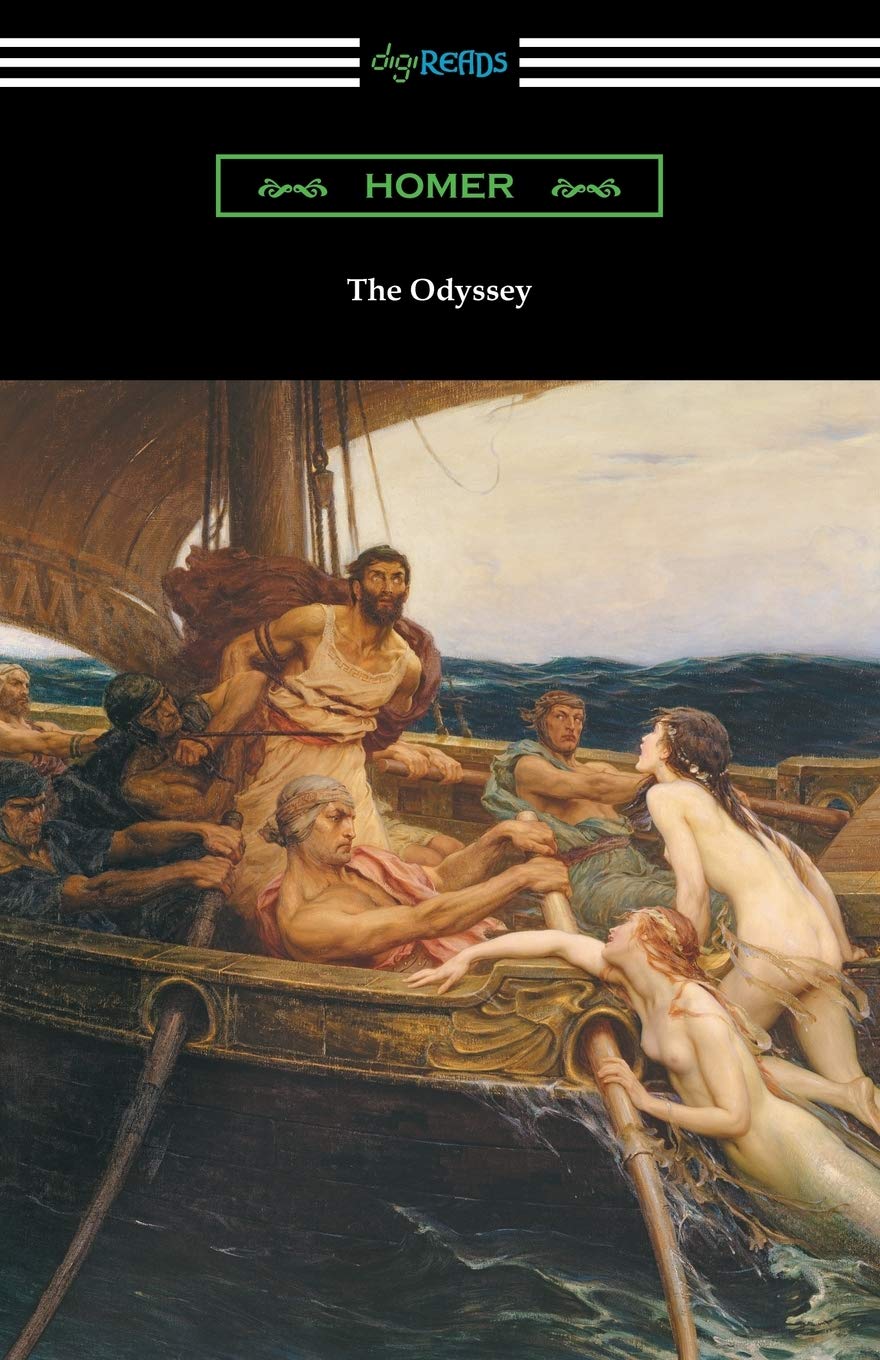
Odysseus takes ten years to sail home from Troy. Nolan brings his full scope to one of literature's oldest adventures — Matt Damon, Anne Hathaway, a $250M budget.

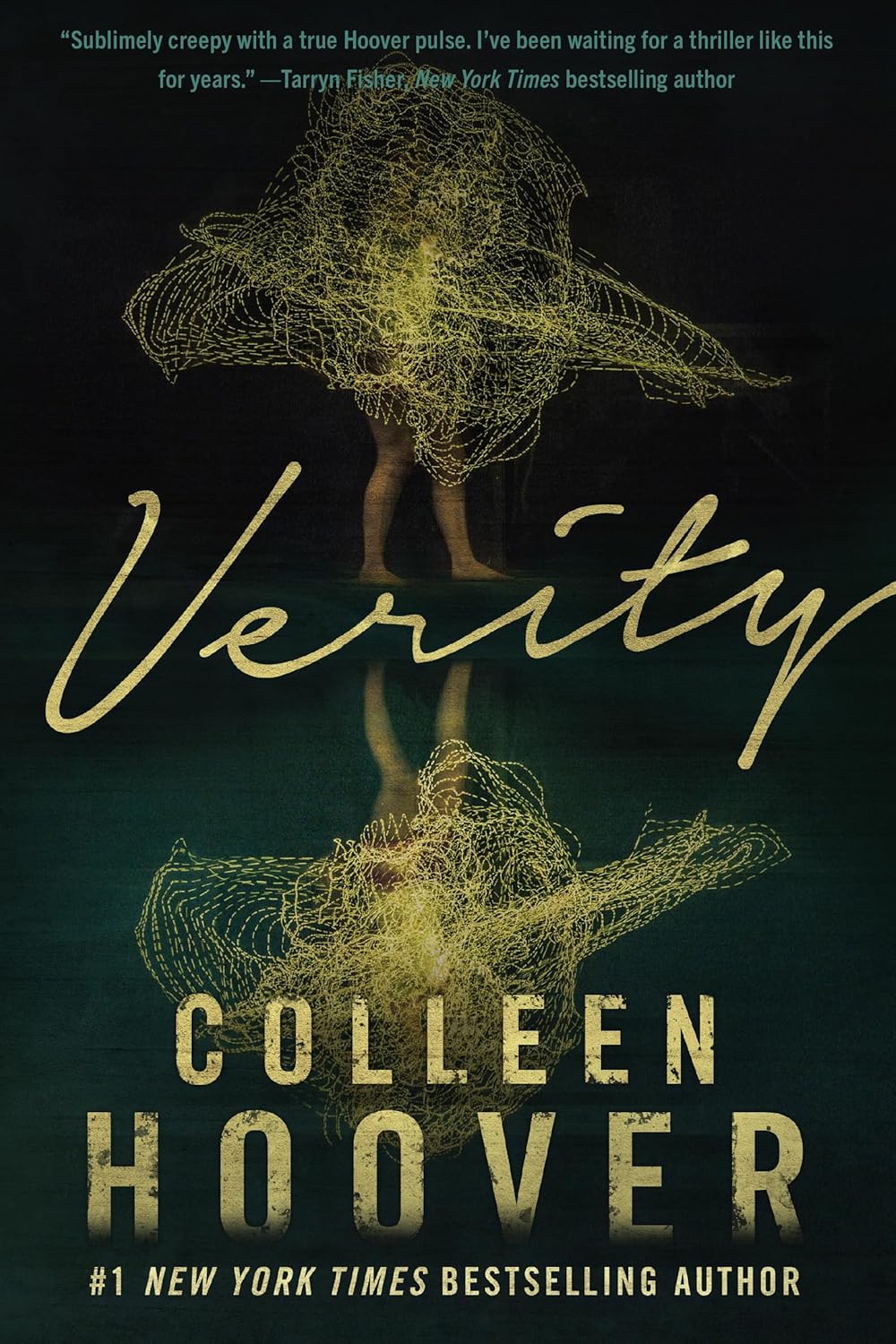
A writer discovers a confessional manuscript hidden in an author's home. One of Hoover's darkest novels, with one of the most divisive endings in recent fiction.

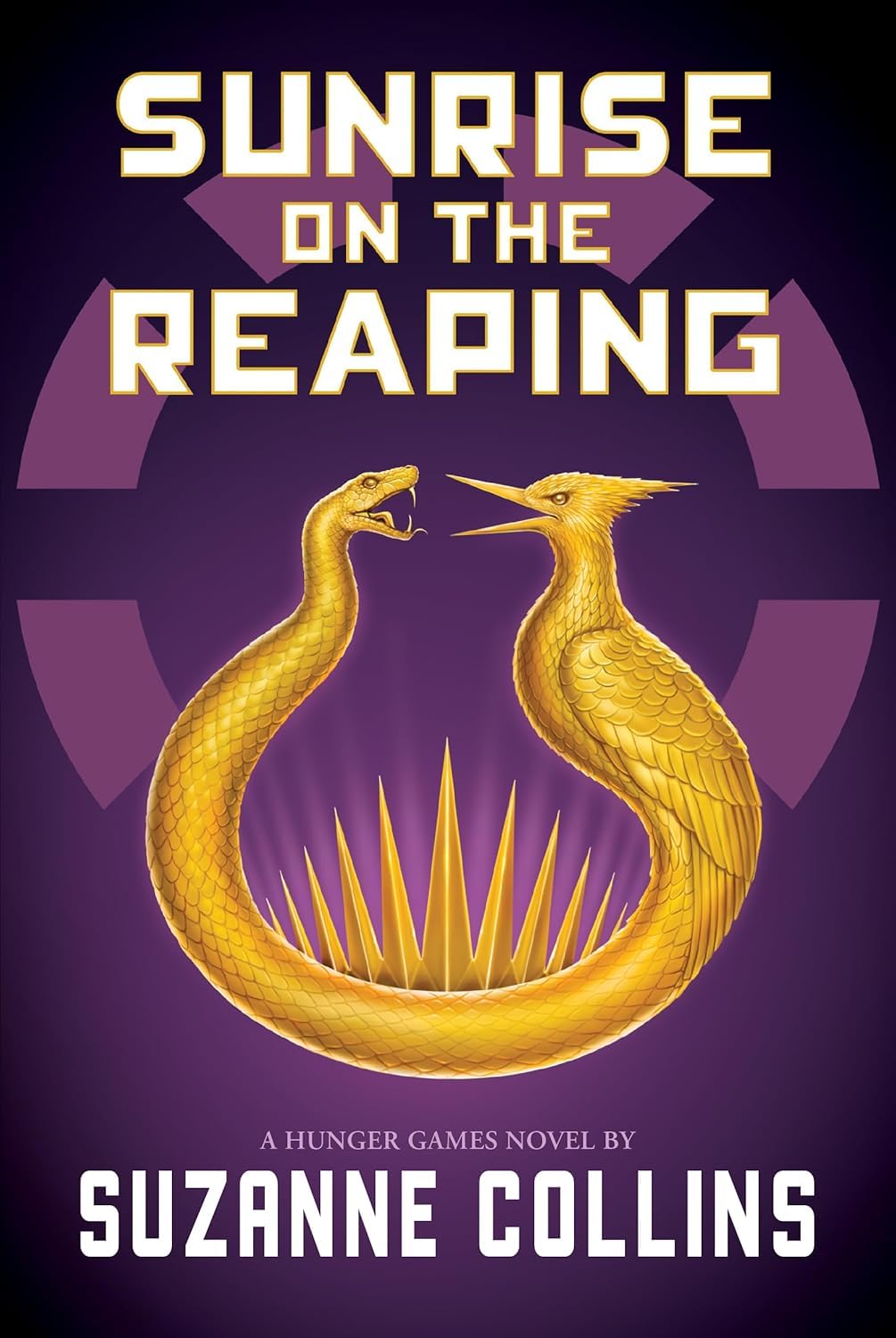
The story of Haymitch Abernathy fifty years before Katniss. Collins returns to Panem with the full weight of what she built behind her.

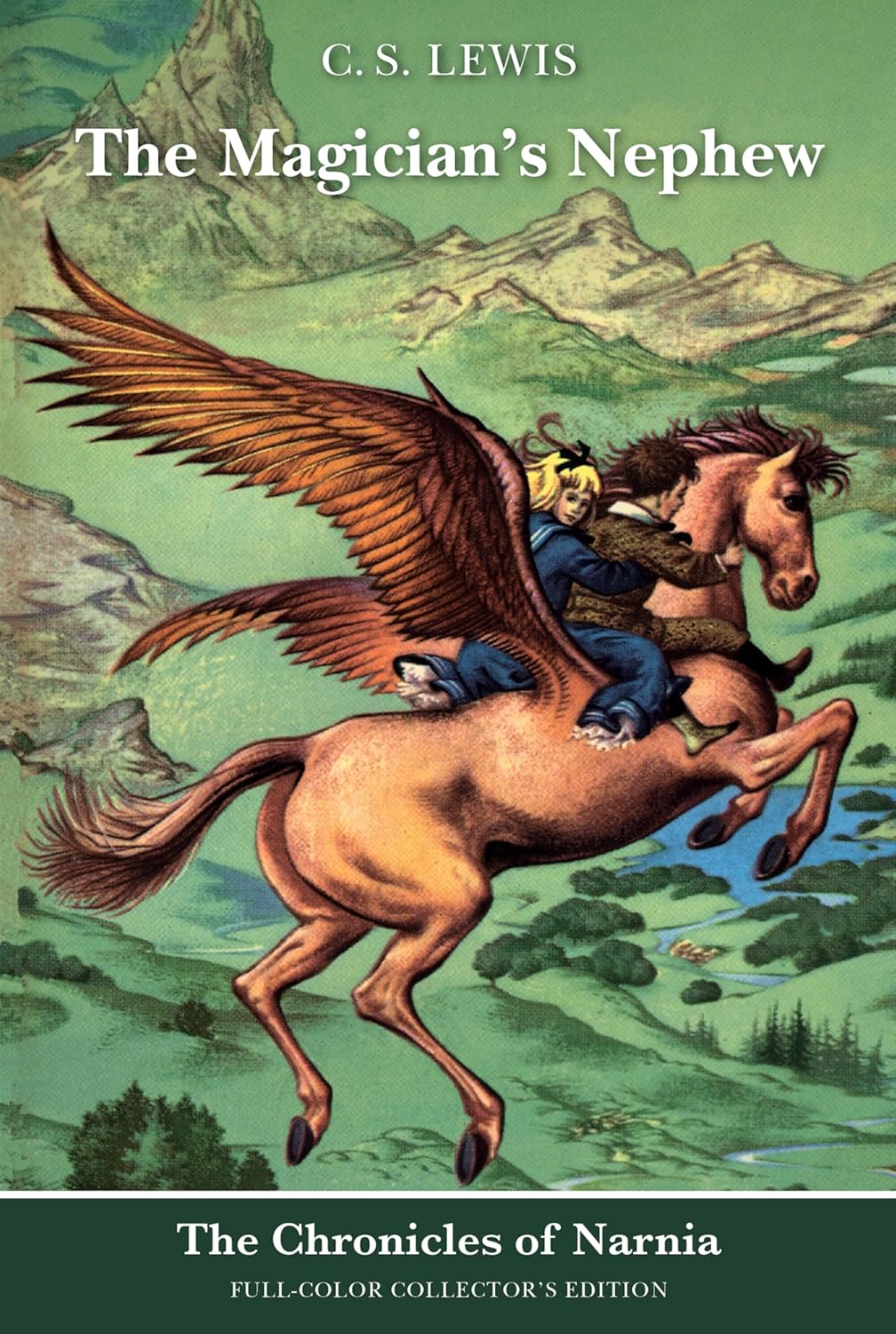
The origin story of Narnia — how the wardrobe was built and the lamp-post planted. Greta Gerwig takes on Lewis's creation myth.

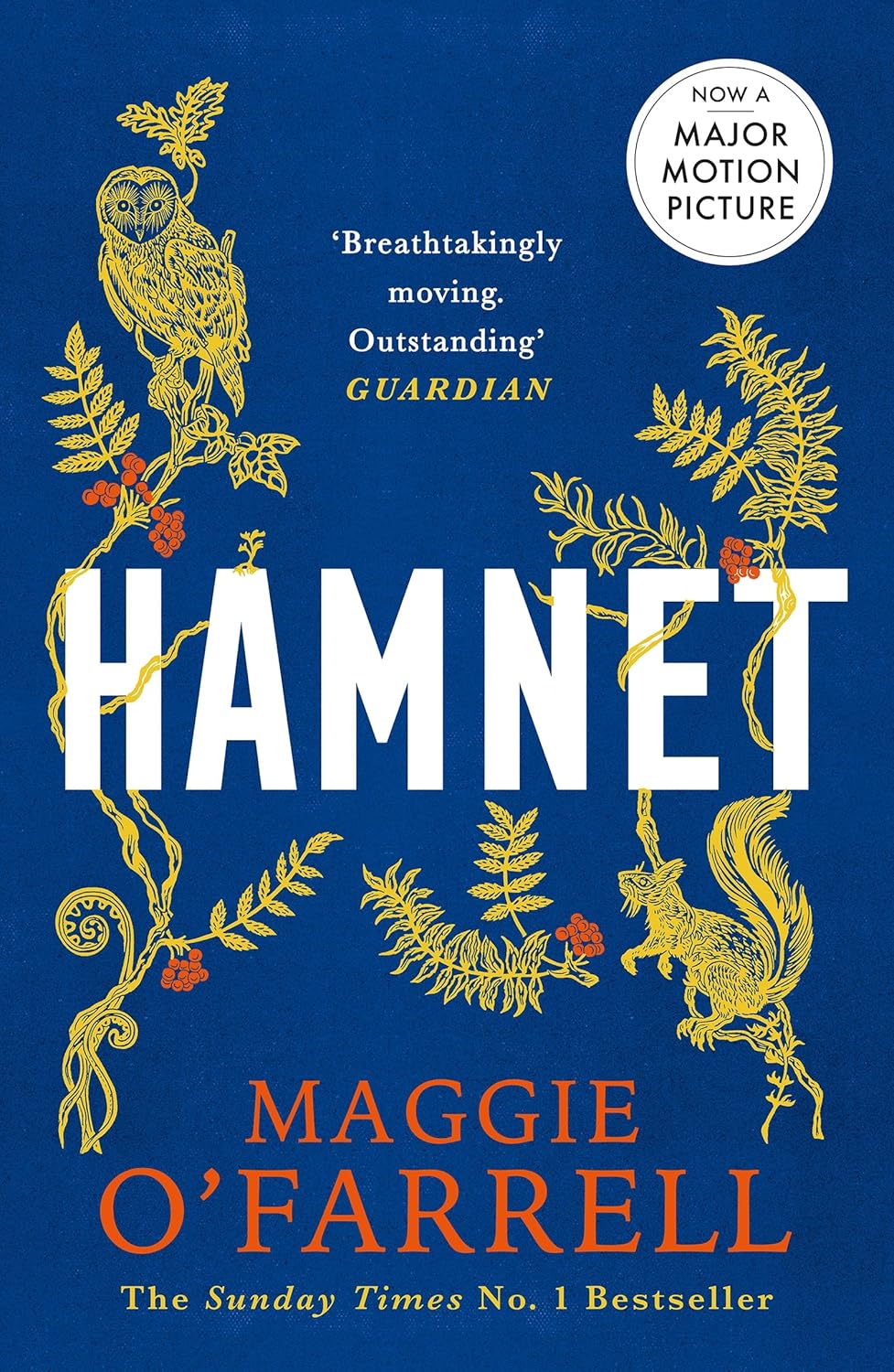
Shakespeare's son dies at eleven. His father writes Hamlet. O'Farrell's Booker-shortlisted novel is the definitive account of grief and creativity.

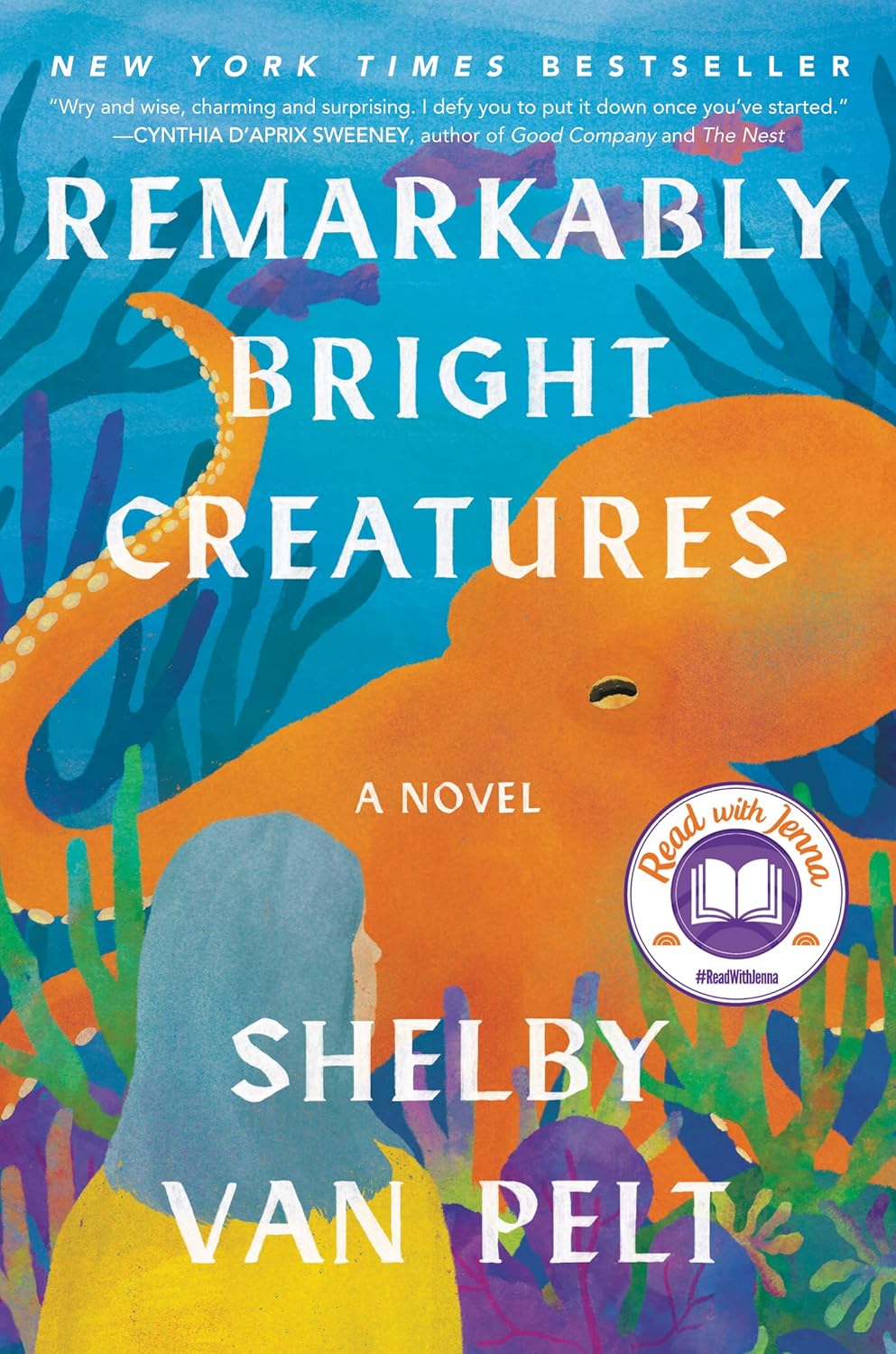
An elderly widow and a giant Pacific octopus at a small-town aquarium. One of the warmest, most quietly original novels in years.

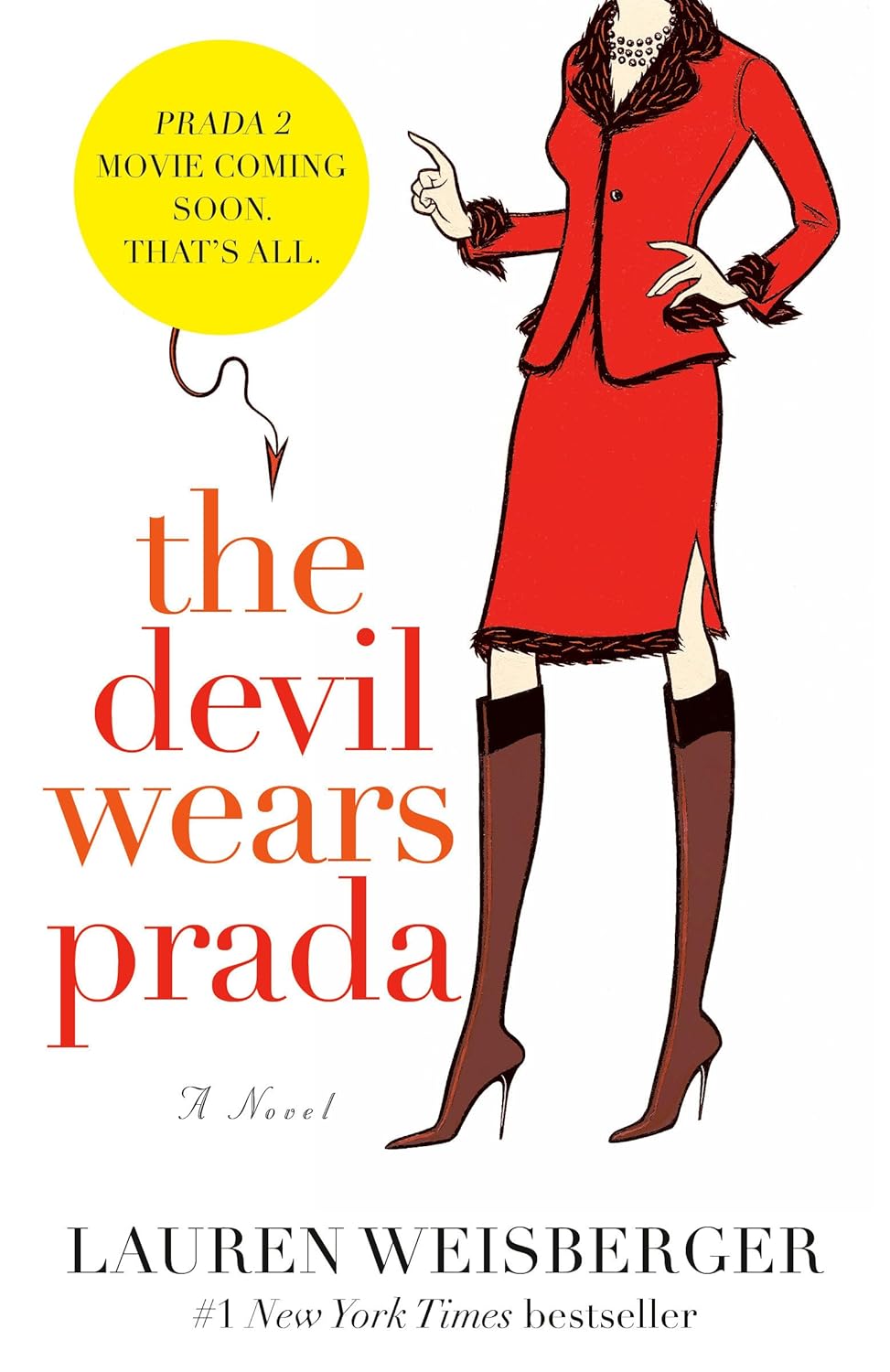
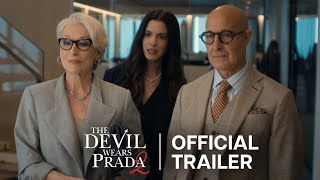
The original satire is sharper than either film. But the sequel reunites the full cast twenty years on — and Meryl Streep is her own argument.
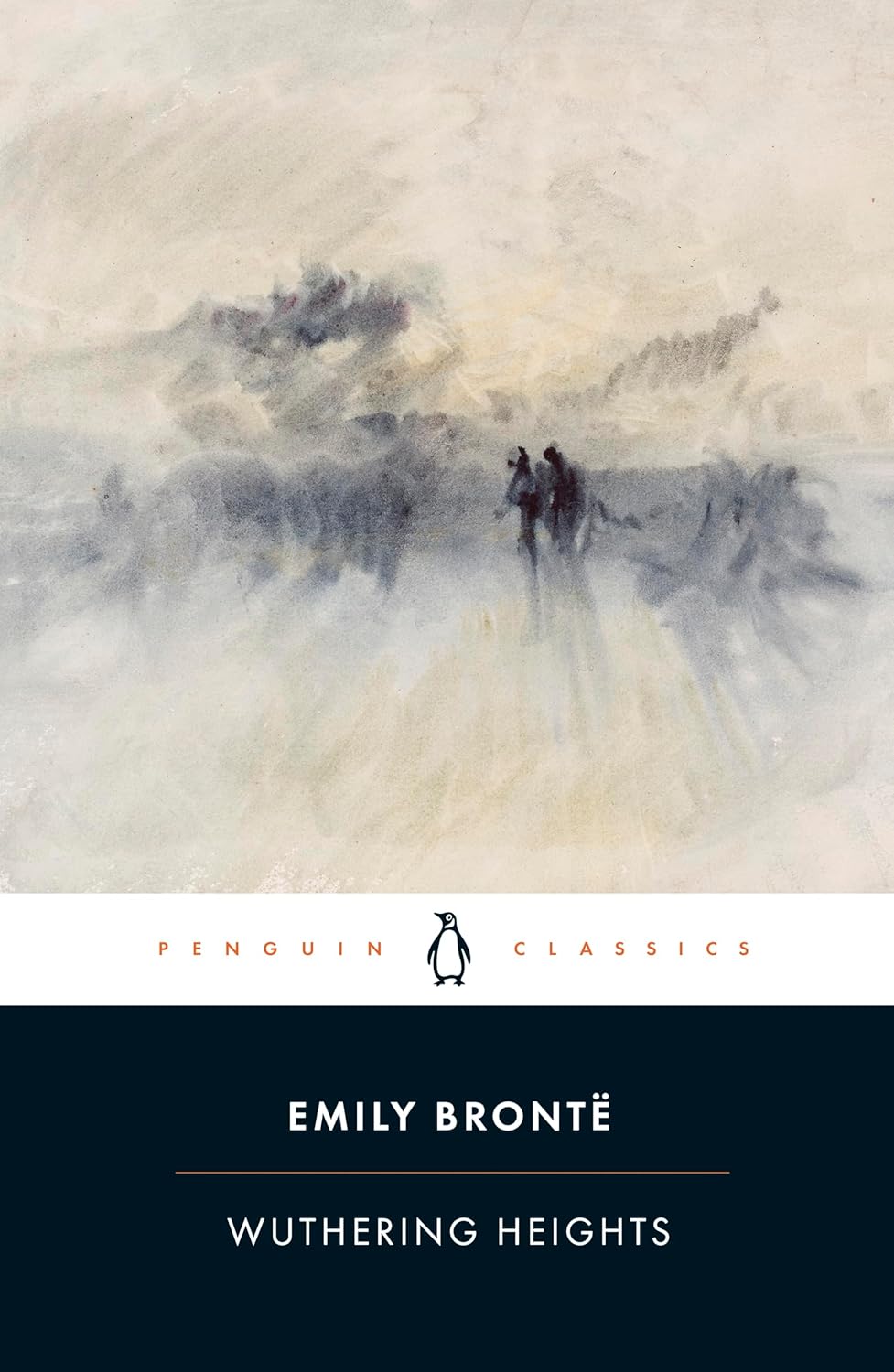
Heathcliff and Cathy's destructive love across the Yorkshire moors. Emerald Fennell's film divided critics. The novel remains singular.

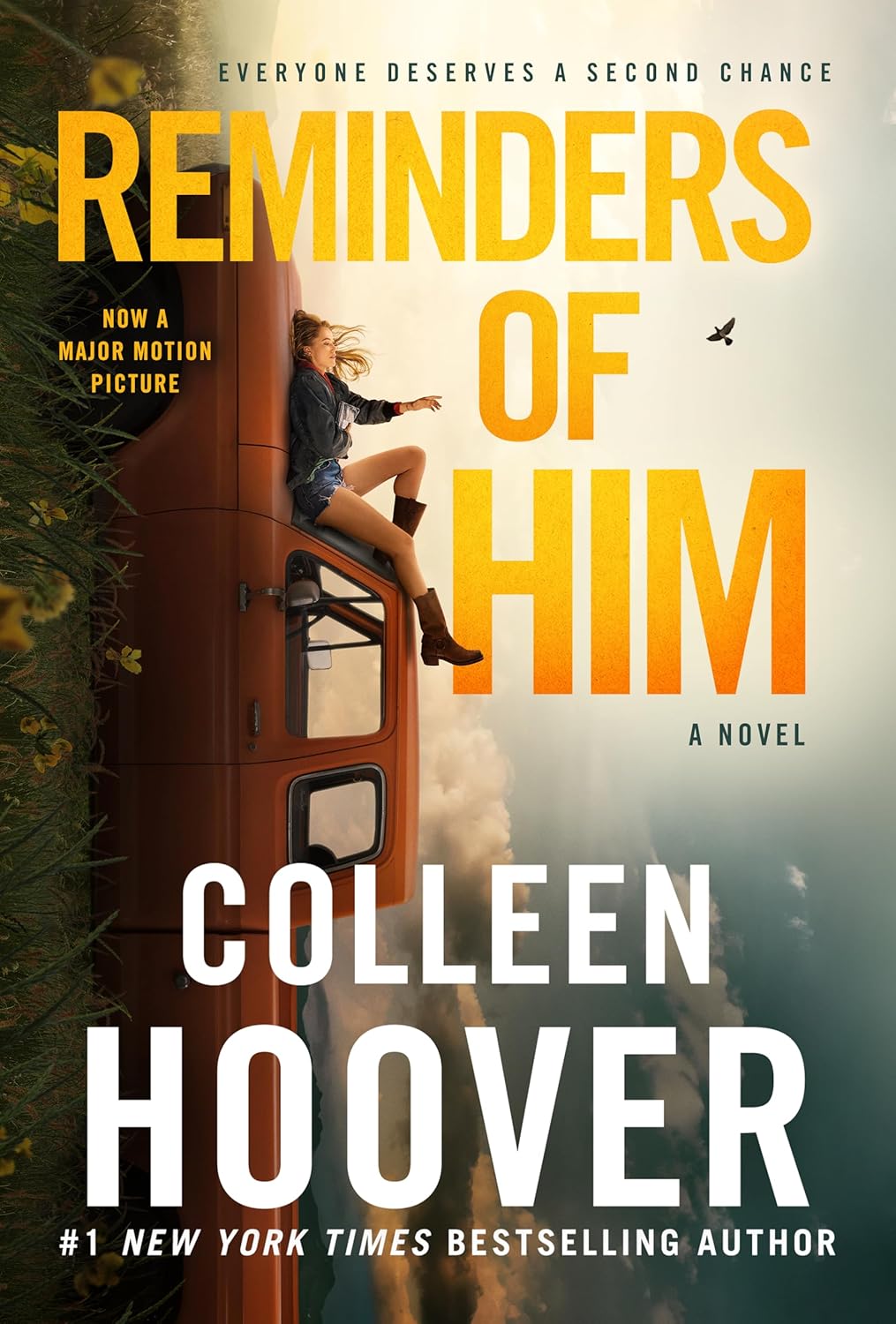
Kenna returns from prison hoping to reconnect with the daughter she's never known. Hoover's most emotionally precise romance.
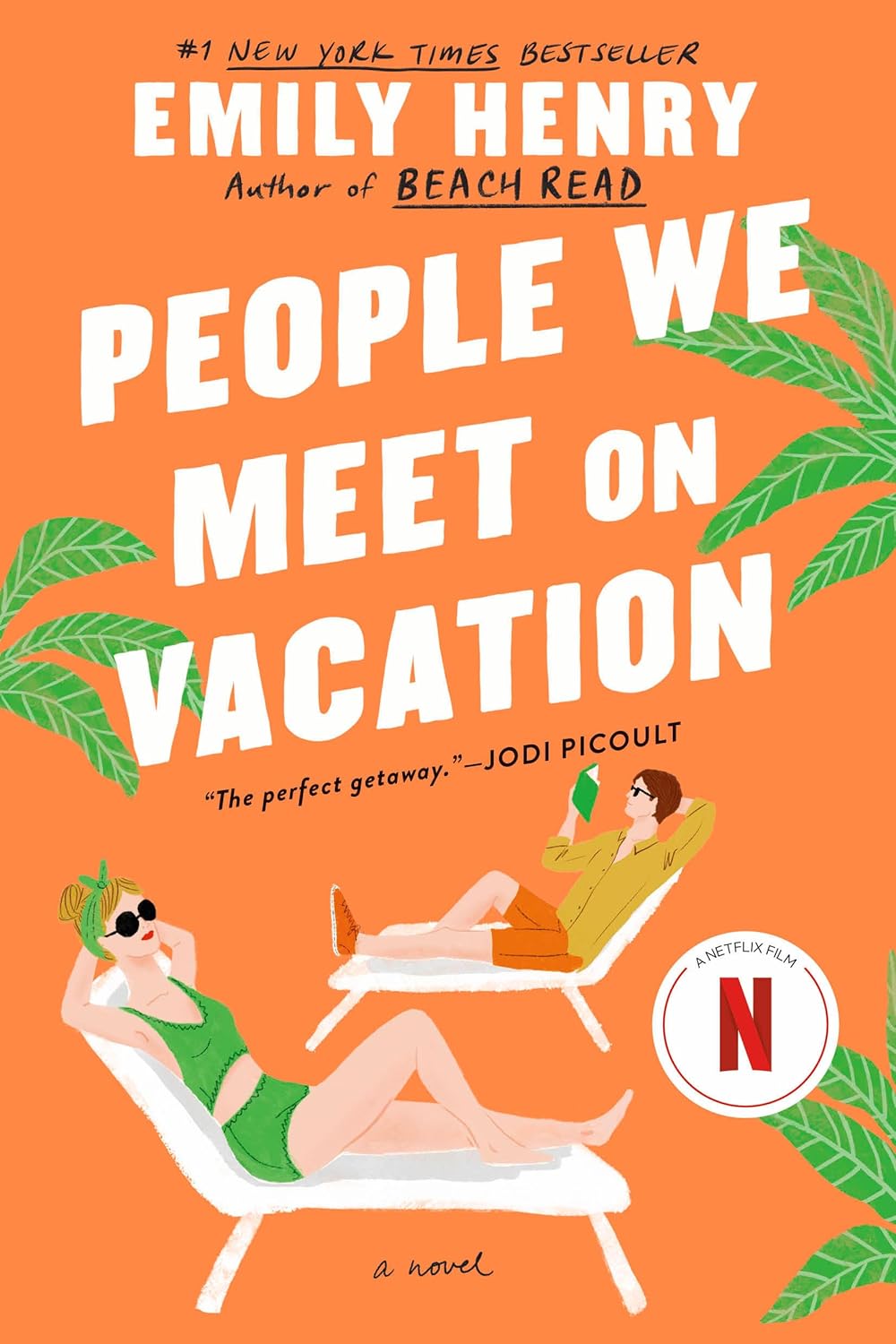
Poppy and Alex have taken one summer vacation together every year for a decade. Netflix's adaptation is one of their better literary efforts.
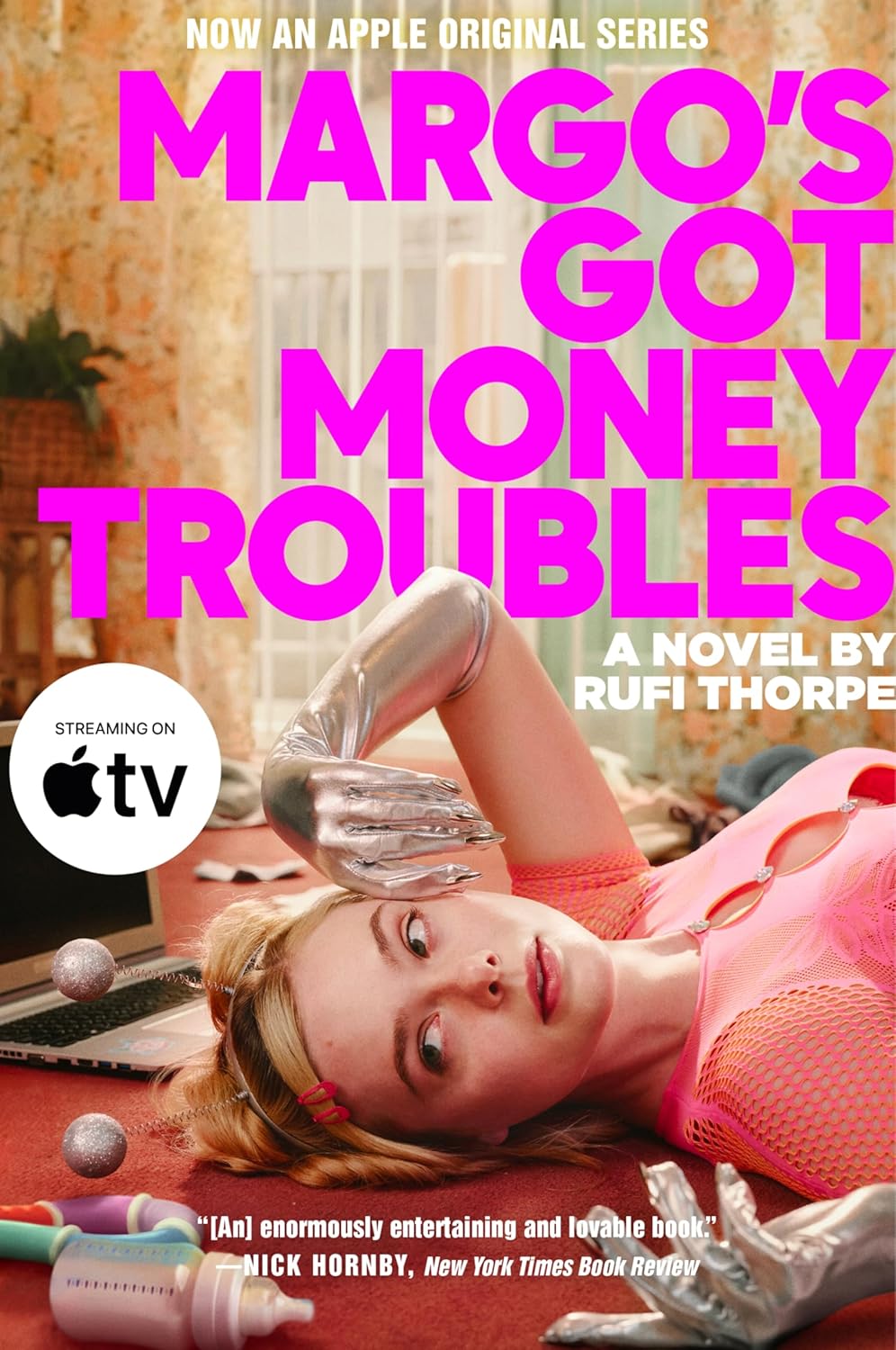
A college dropout starts an OnlyFans with wrestling wisdom from her estranged father. Funnier and sharper than it sounds.
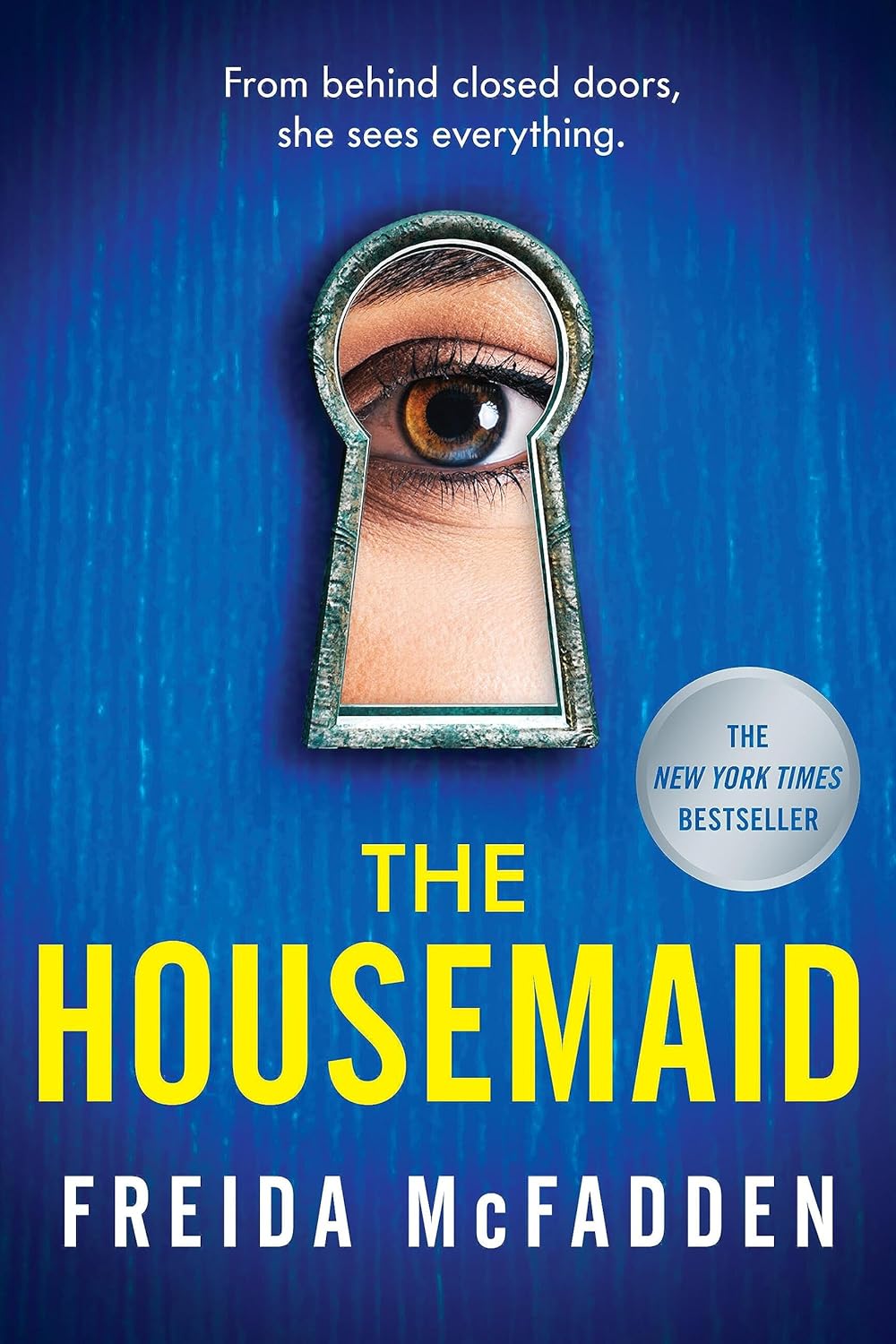
Millie takes a live-in maid job for the wealthy Winchesters. A precision-engineered twist thriller — and a $400M box office hit.
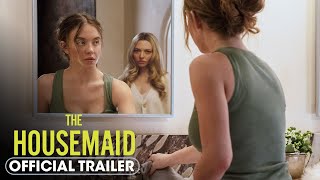
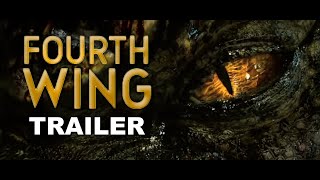
Violet Sorrengail trains as a dragon rider instead of the scholar she was meant to be. The BookTok phenomenon that redefined romantasy.
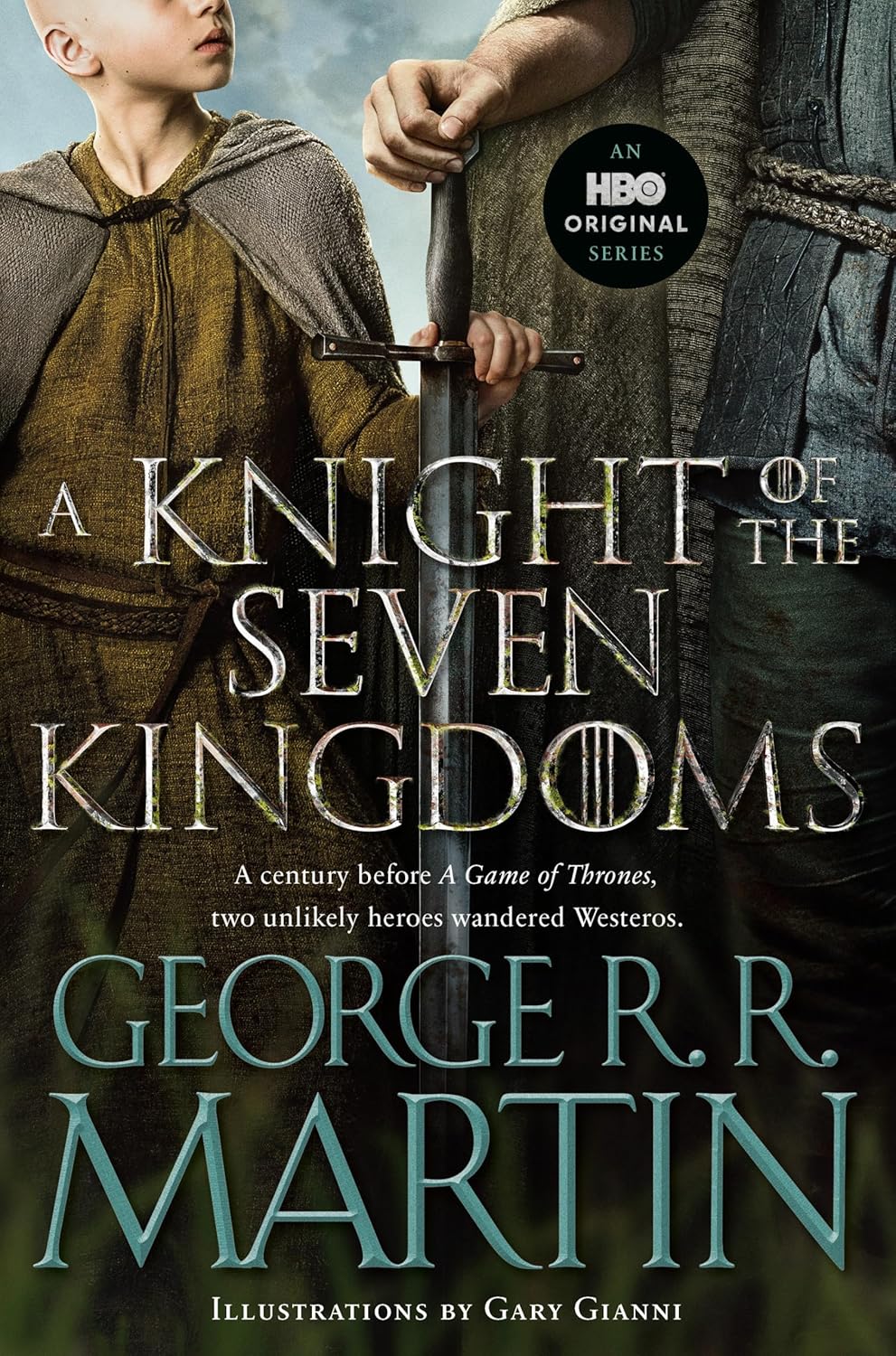
Ser Duncan the Tall and young Aegon Targaryen travel the roads of Westeros ninety years before Game of Thrones. The warmest thing Martin has written.
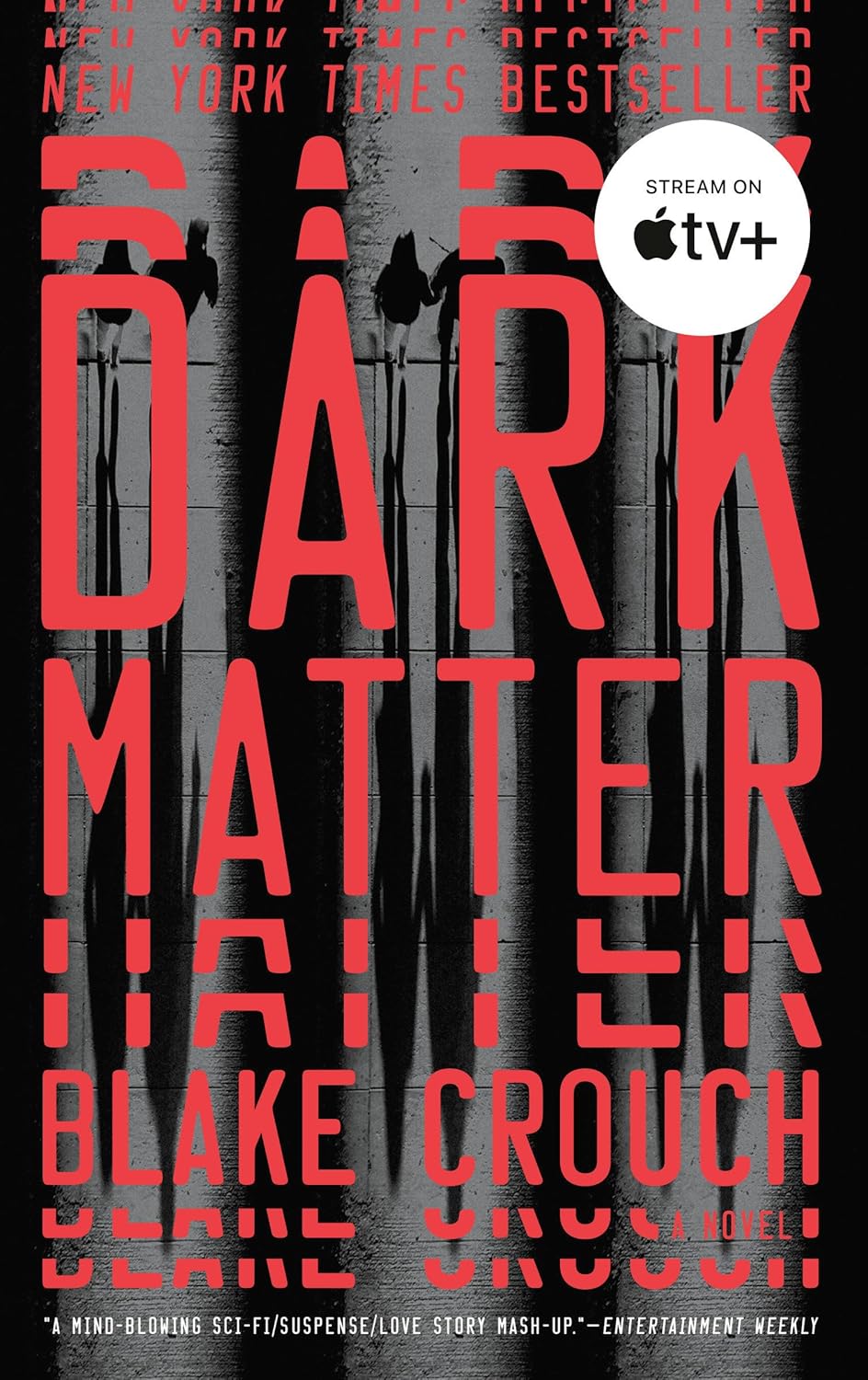
A physicist is abducted into an alternate version of his life. The author adapted his own novel for Apple TV+ — and claims the series improved on the book.
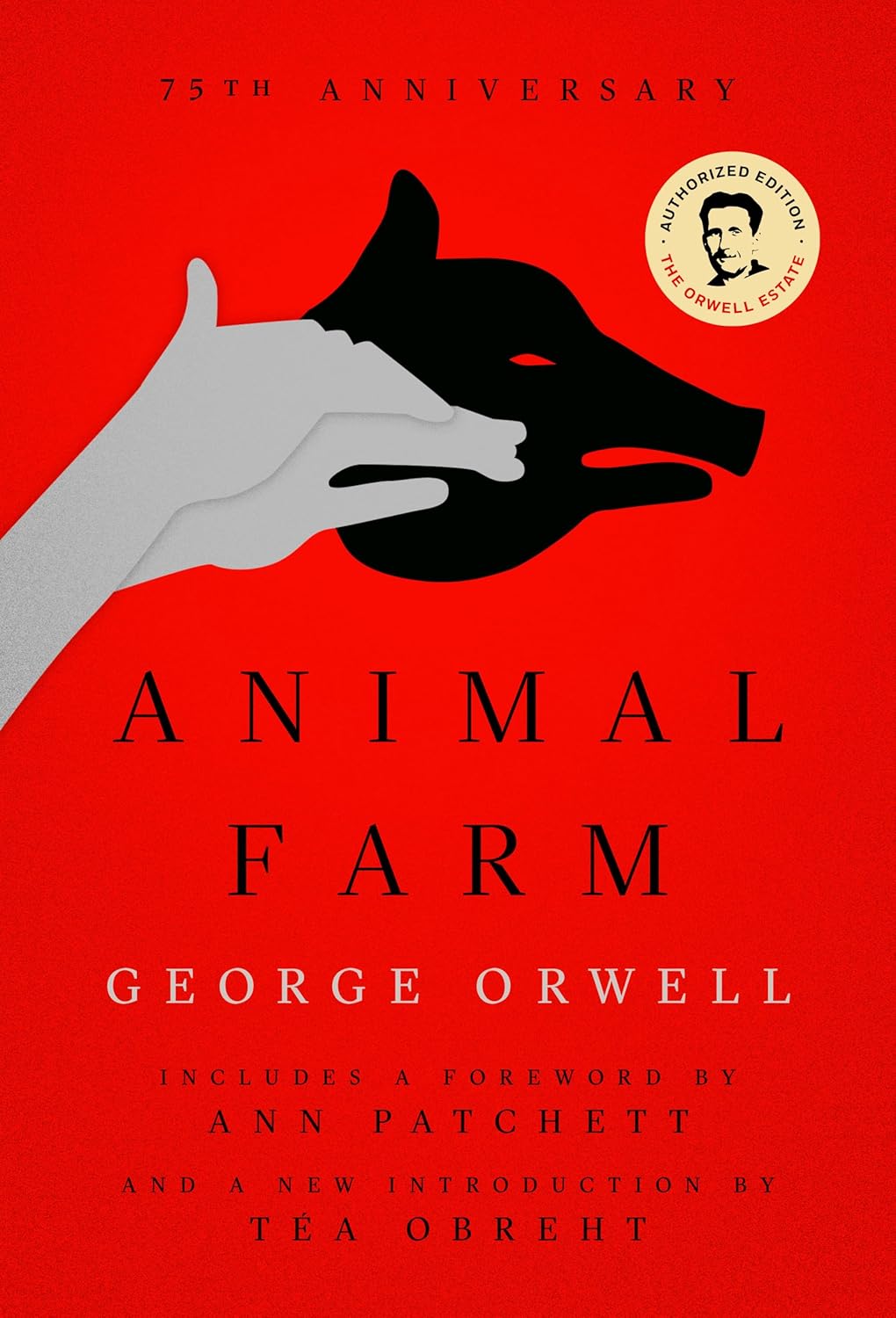
The animals overthrow the farmer. The pigs take over. Eighty pages that contain everything that needs to be said about how revolutions fail.
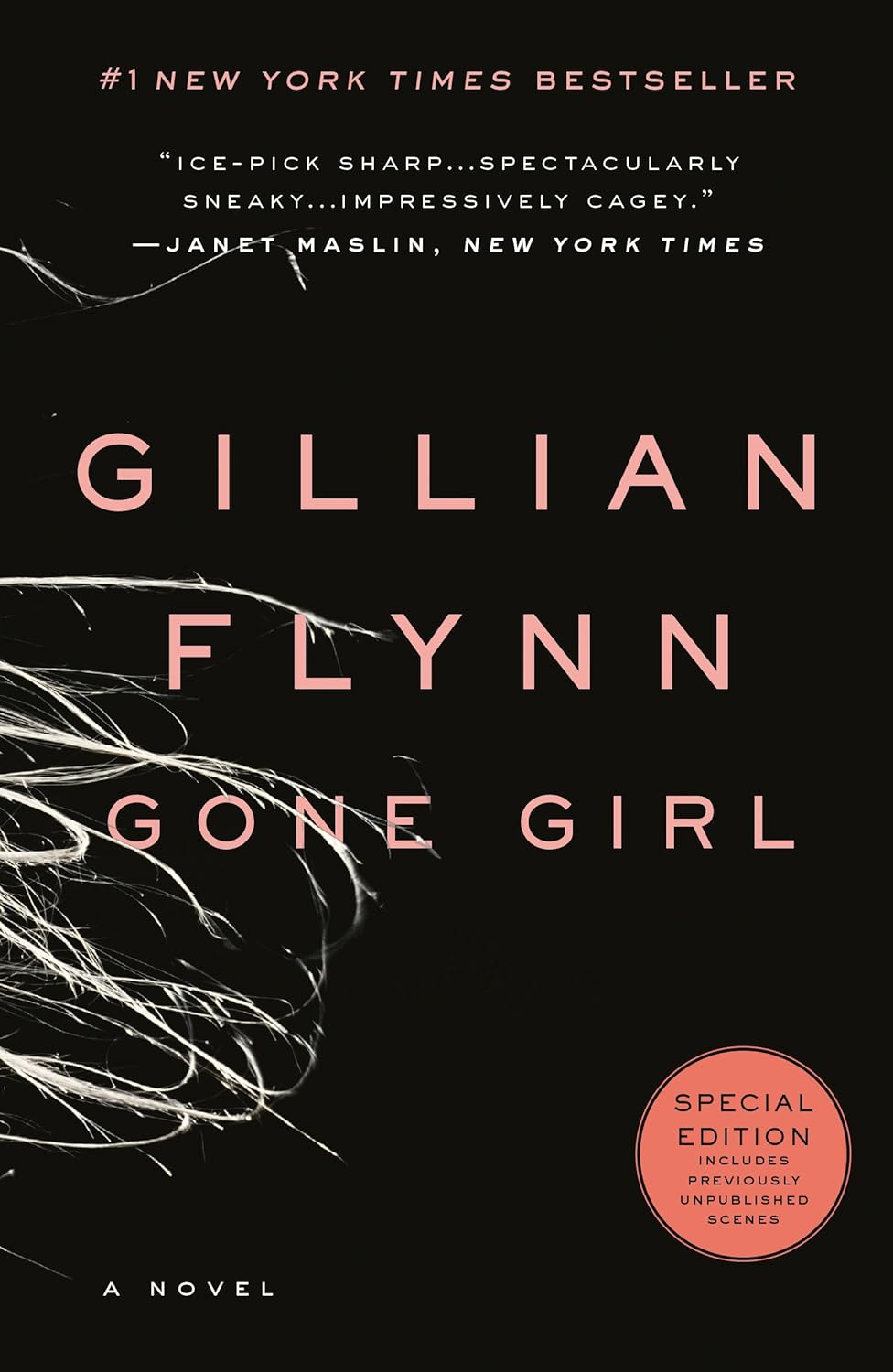
On their fifth anniversary, Nick Dunne's wife disappears. Flynn's dual unreliable narration is one of the great structural gambits of modern crime fiction.

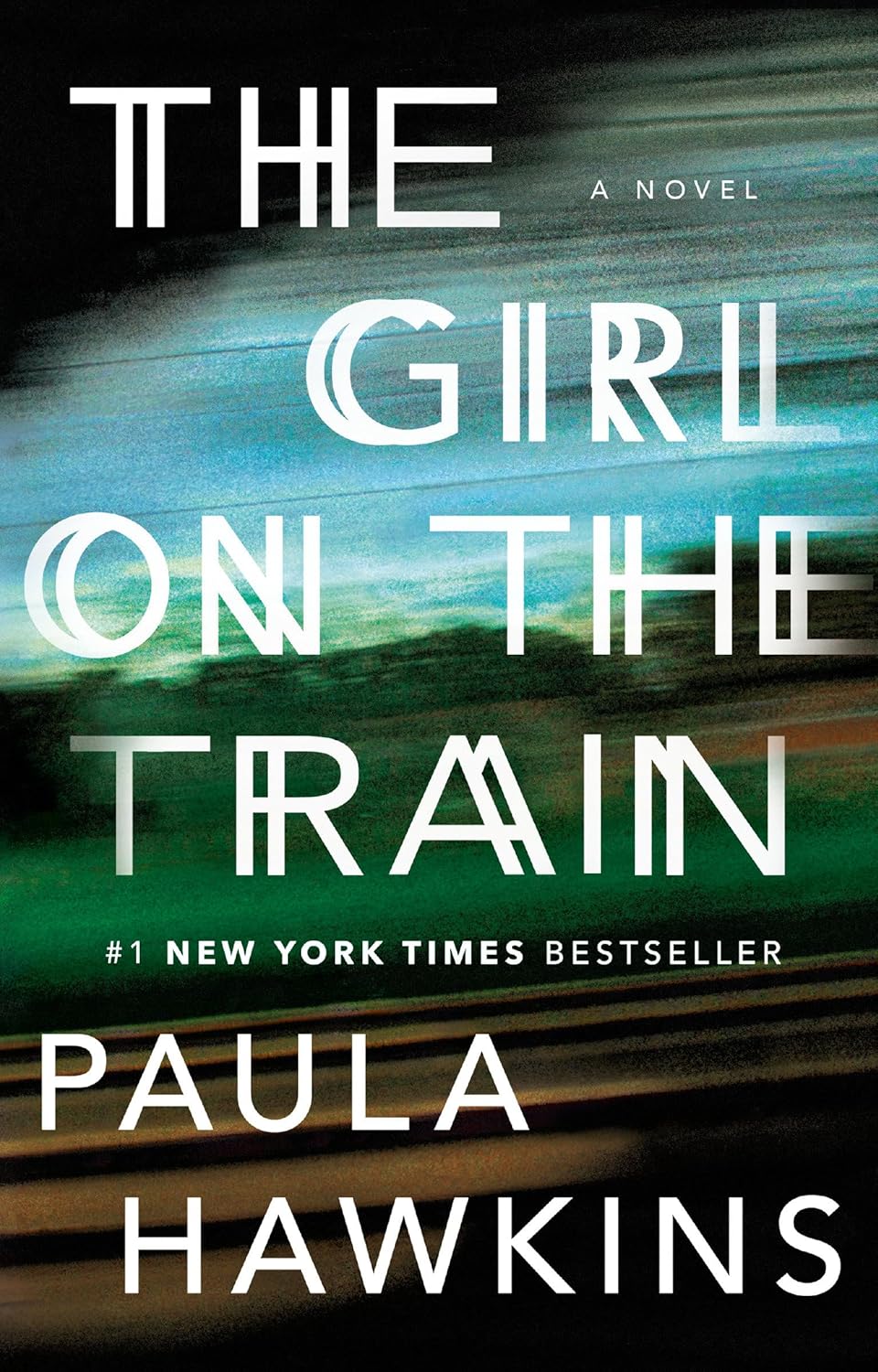
A commuter becomes obsessed with a couple she watches from the train — until the day the woman vanishes.

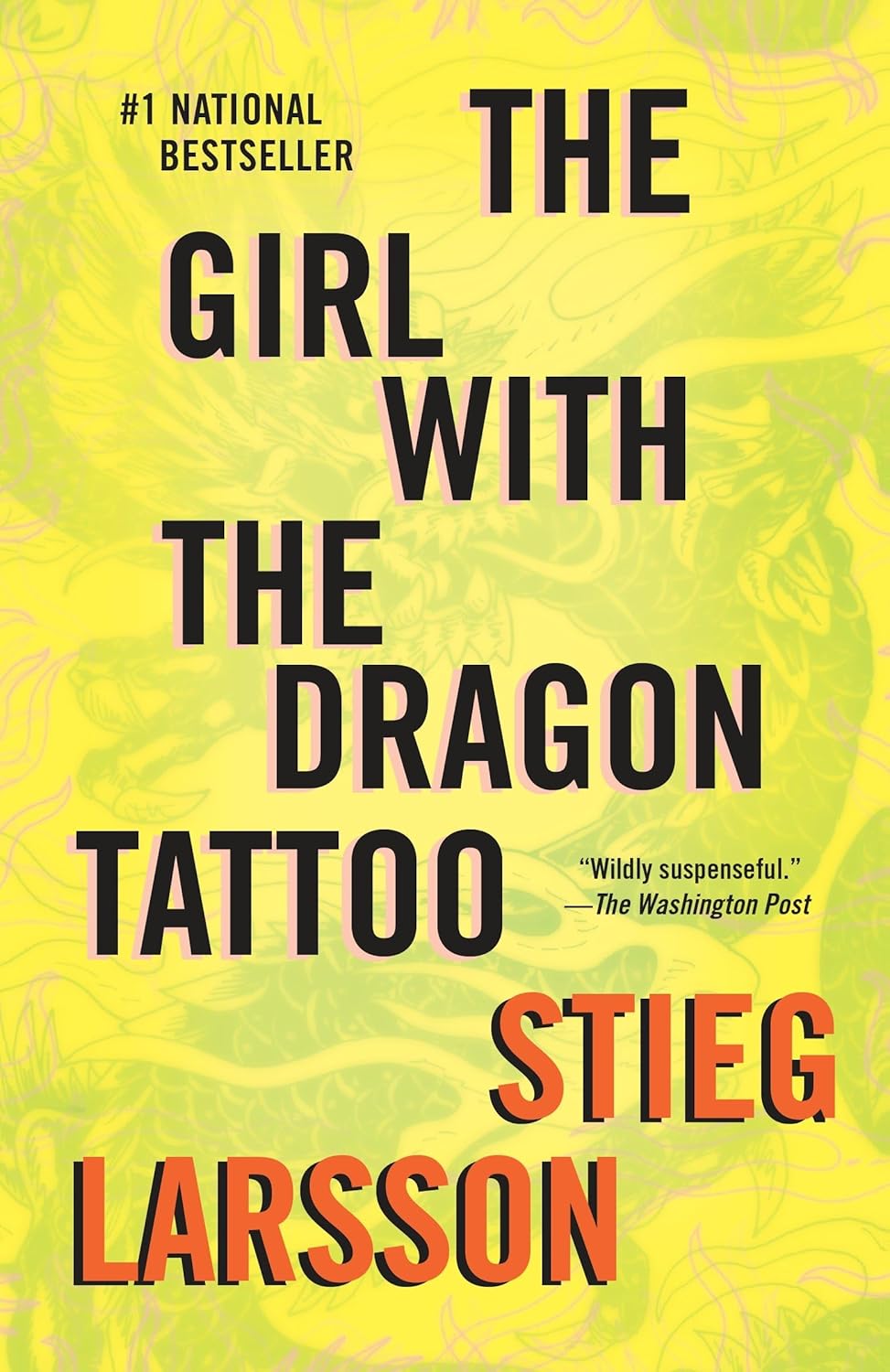
Lisbeth Salander is one of crime fiction's most compelling protagonists. Fincher's ice-cold adaptation is one of the finest thrillers of its decade.
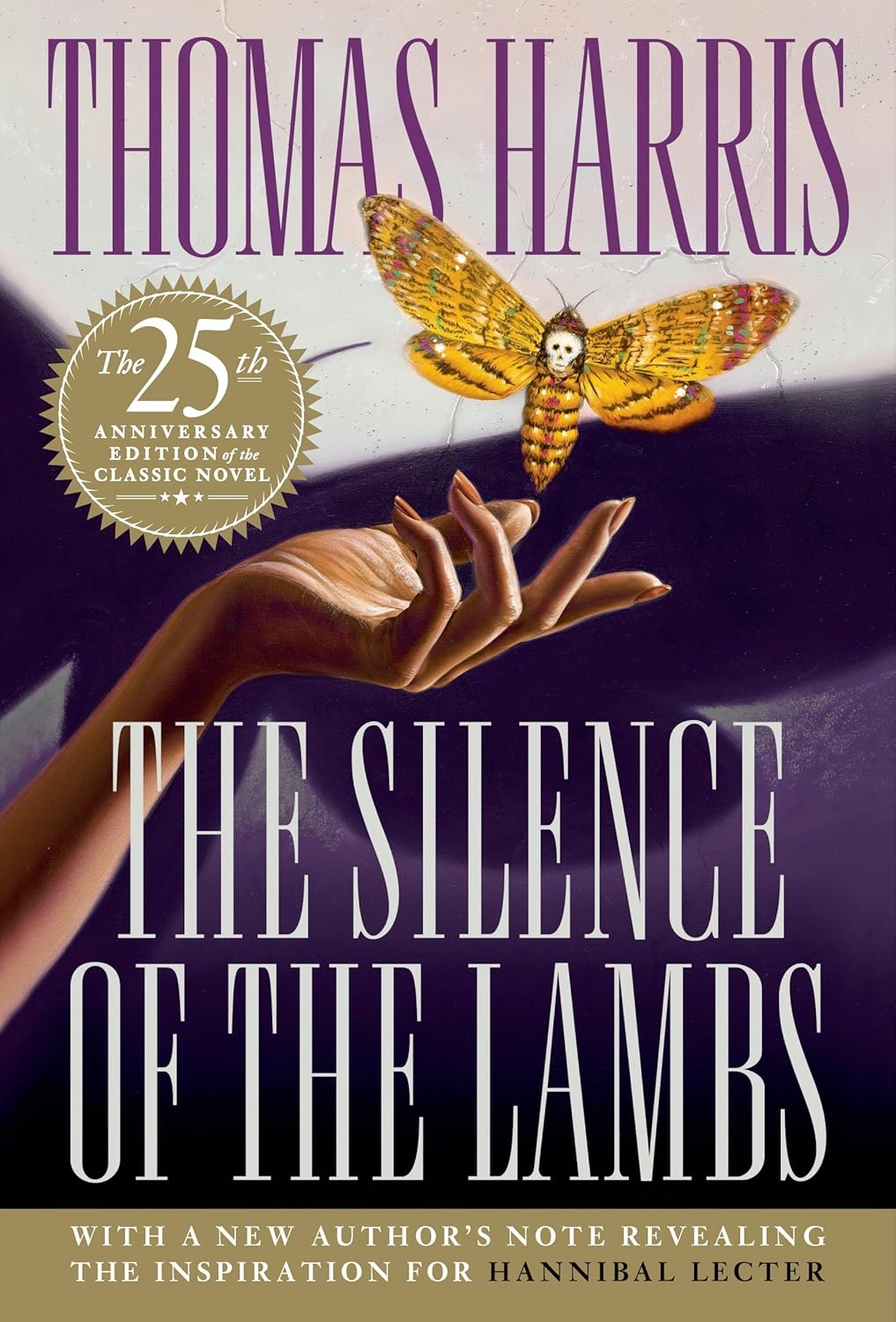
FBI trainee Clarice Starling seeks Hannibal Lecter's insight to catch a killer. One of the very few cases where the film is as good as the novel.
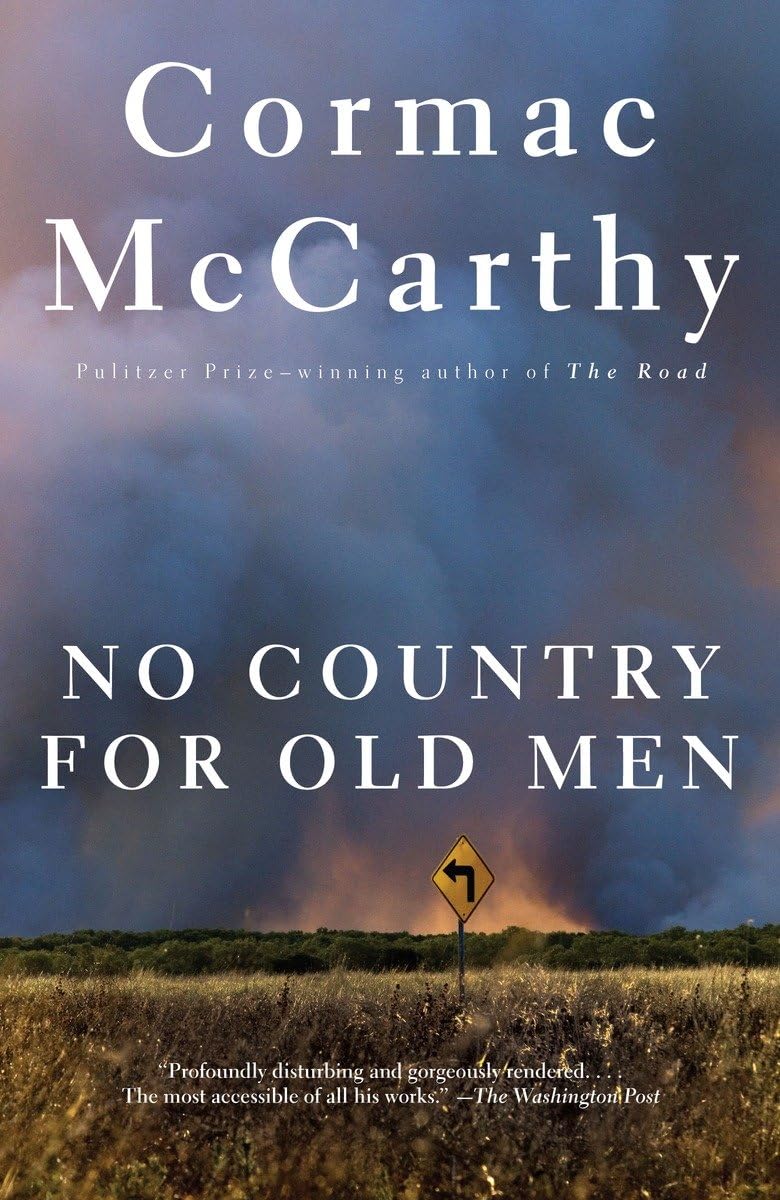
A hunter finds drug money and a killer who never stops. The Coen Brothers' most faithful adaptation is also their best film.
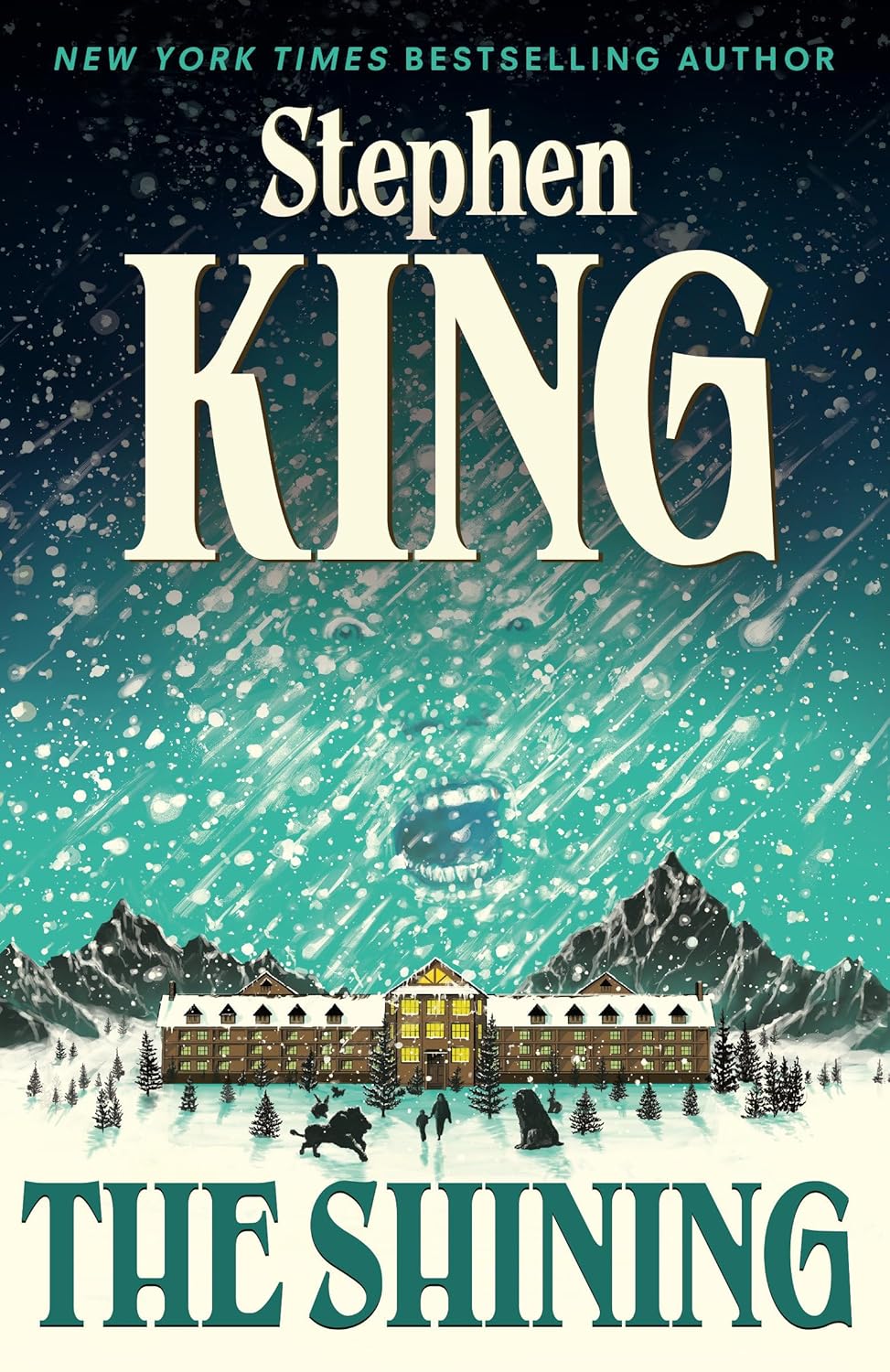
Jack Torrance brings his family to an off-season hotel. King hated Kubrick's version. He was wrong — and the novel is terrifying in its own different way.

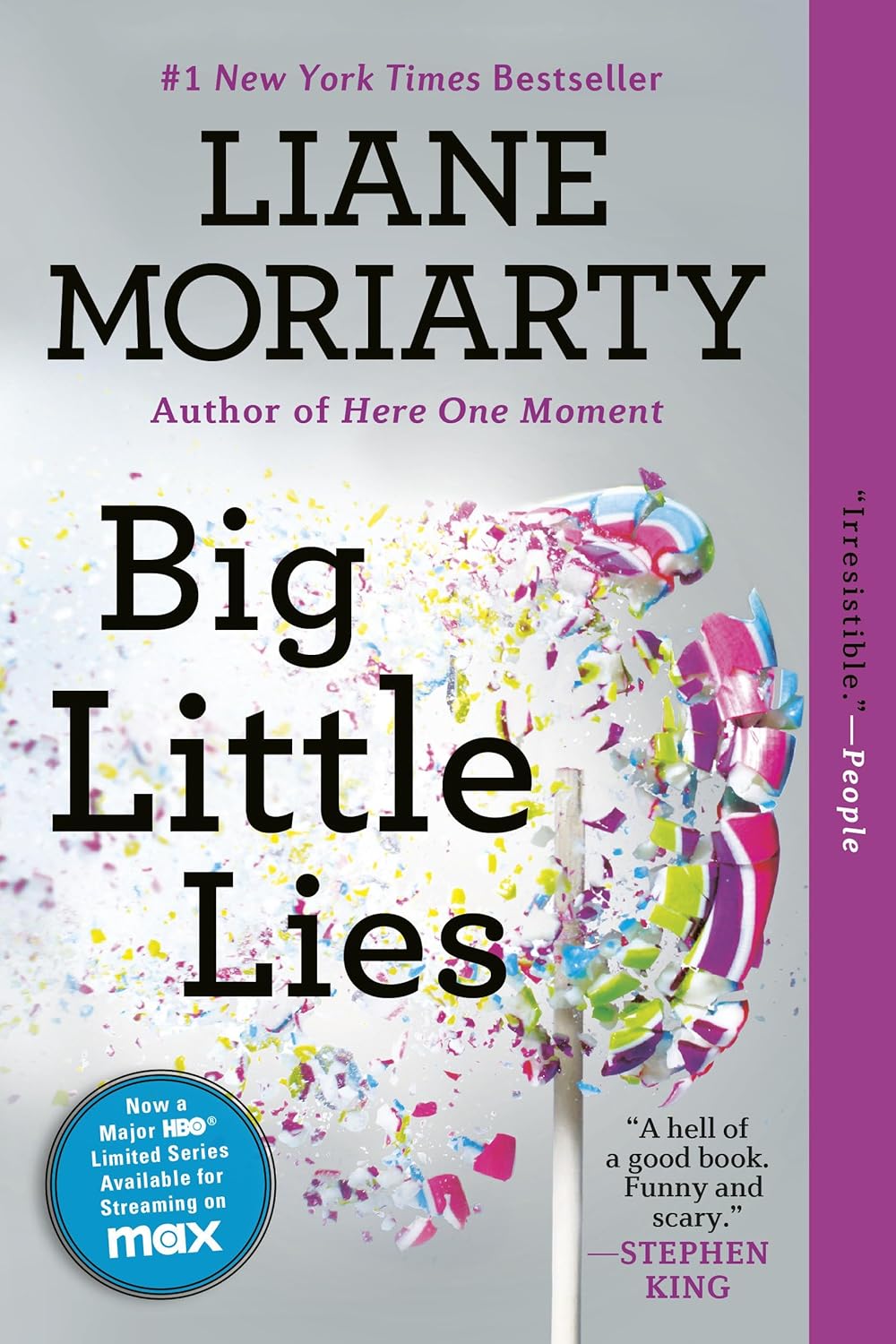
Three women in an affluent coastal town. A school-gate murder. The HBO series is one of the rare adaptations that surpasses its source.

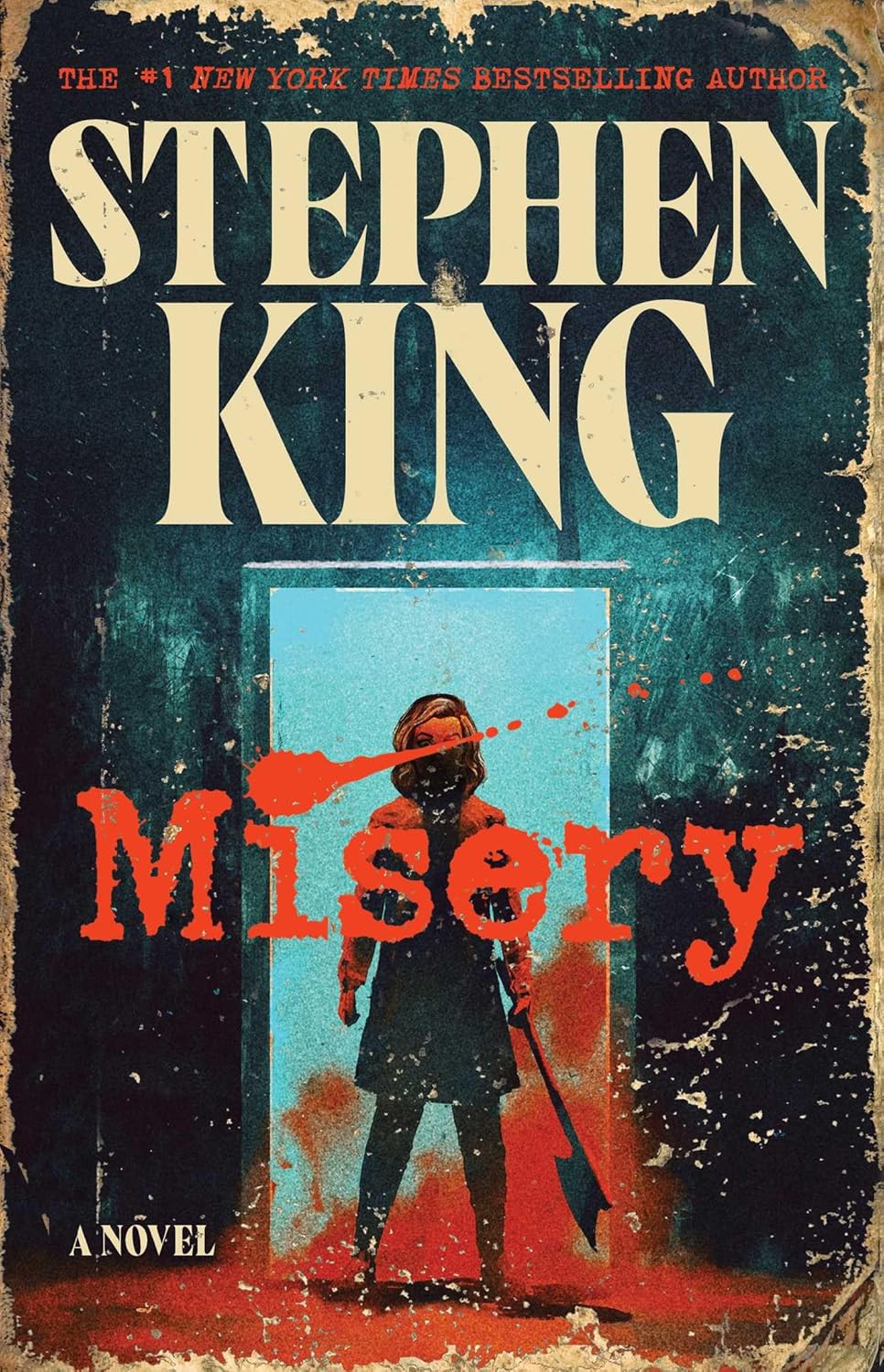
Novelist Paul Sheldon is rescued by his number one fan after a blizzard crash. Kathy Bates won the Oscar. The novel has the axe. Both are extraordinary.
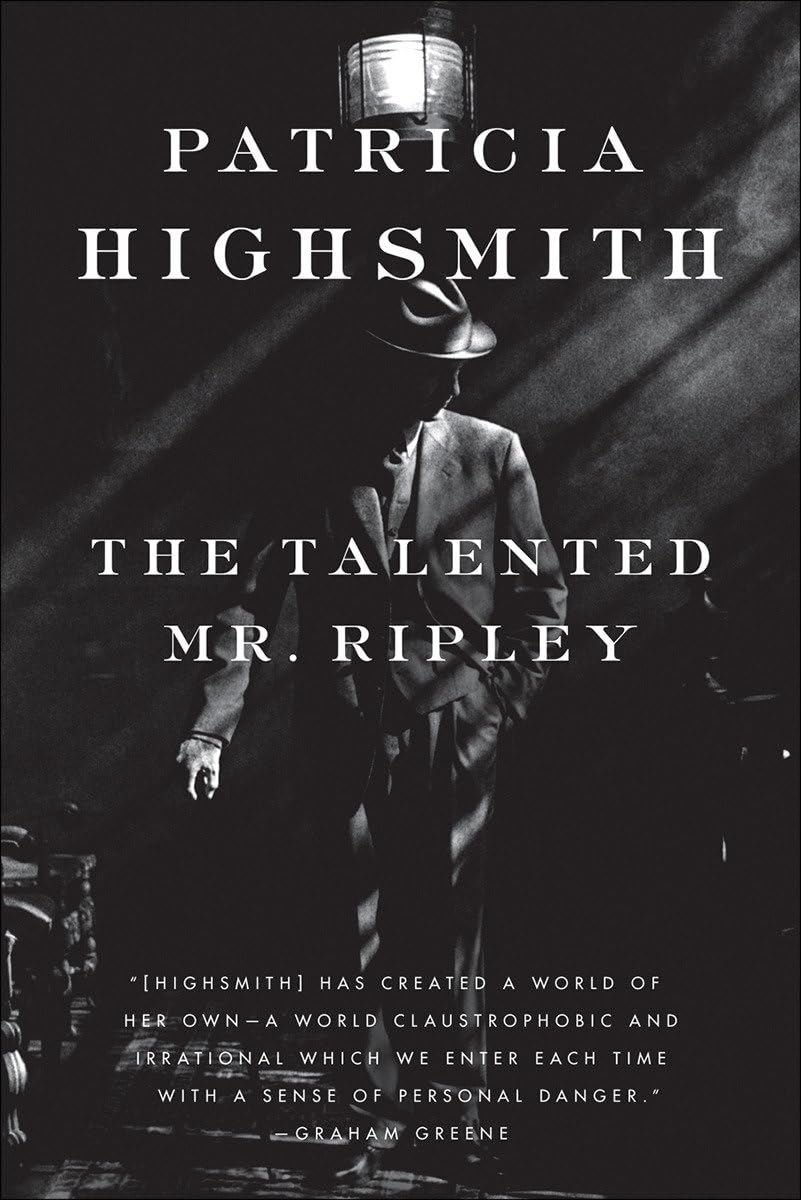
Tom Ripley wants Dickie Greenleaf's life badly enough to take it. Highsmith's sociopath is colder and more frightening than Minghella's sympathetic version.
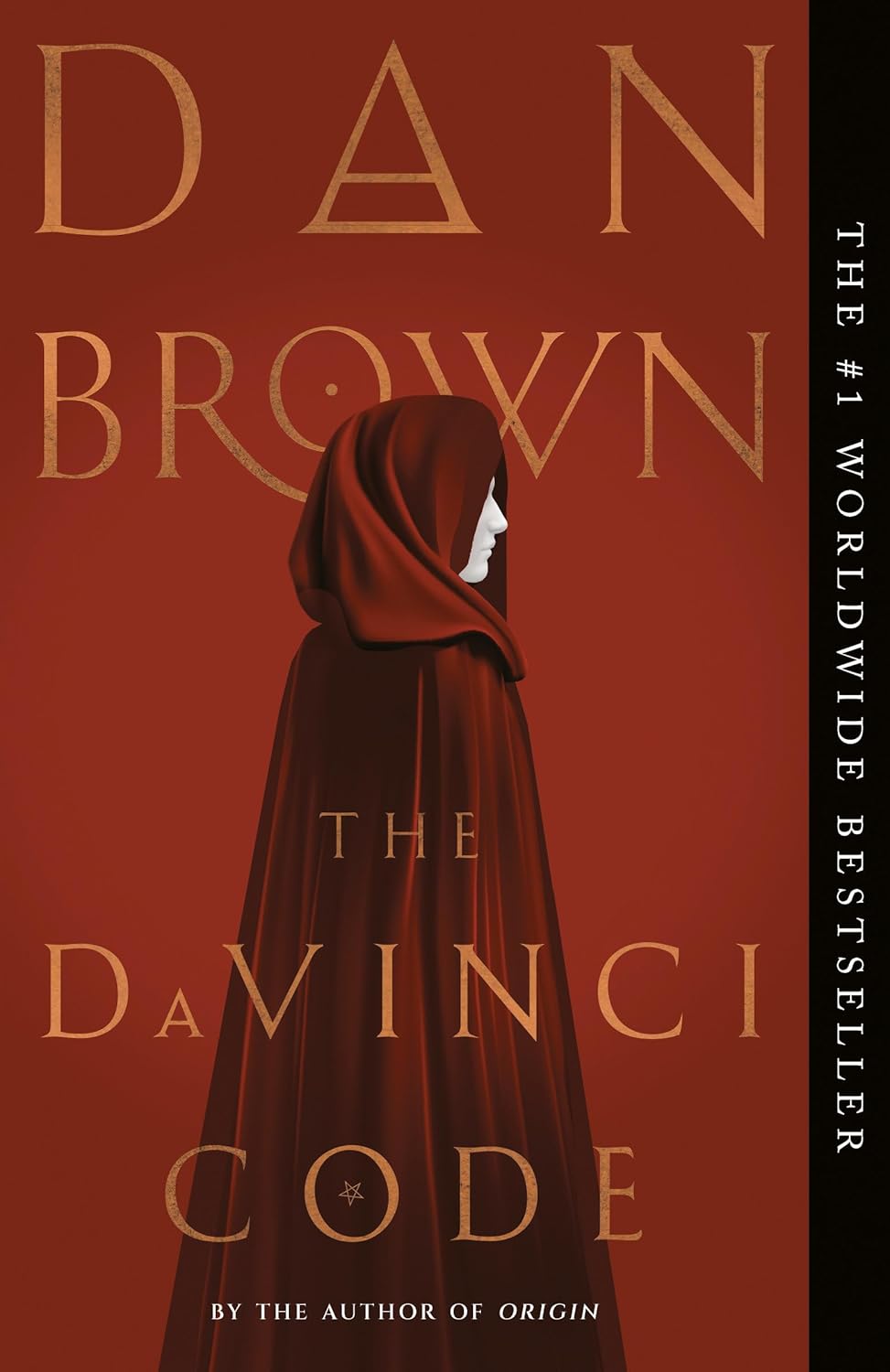
A murder at the Louvre leads a symbologist into a conspiracy involving Leonardo da Vinci and the Holy Grail. The world's most-read thriller loses its mechanism on screen.
Patrick Bateman is a Manhattan investment banker — and possibly a serial killer. Ellis's satire is still formally radical. Harron's film has Bale.
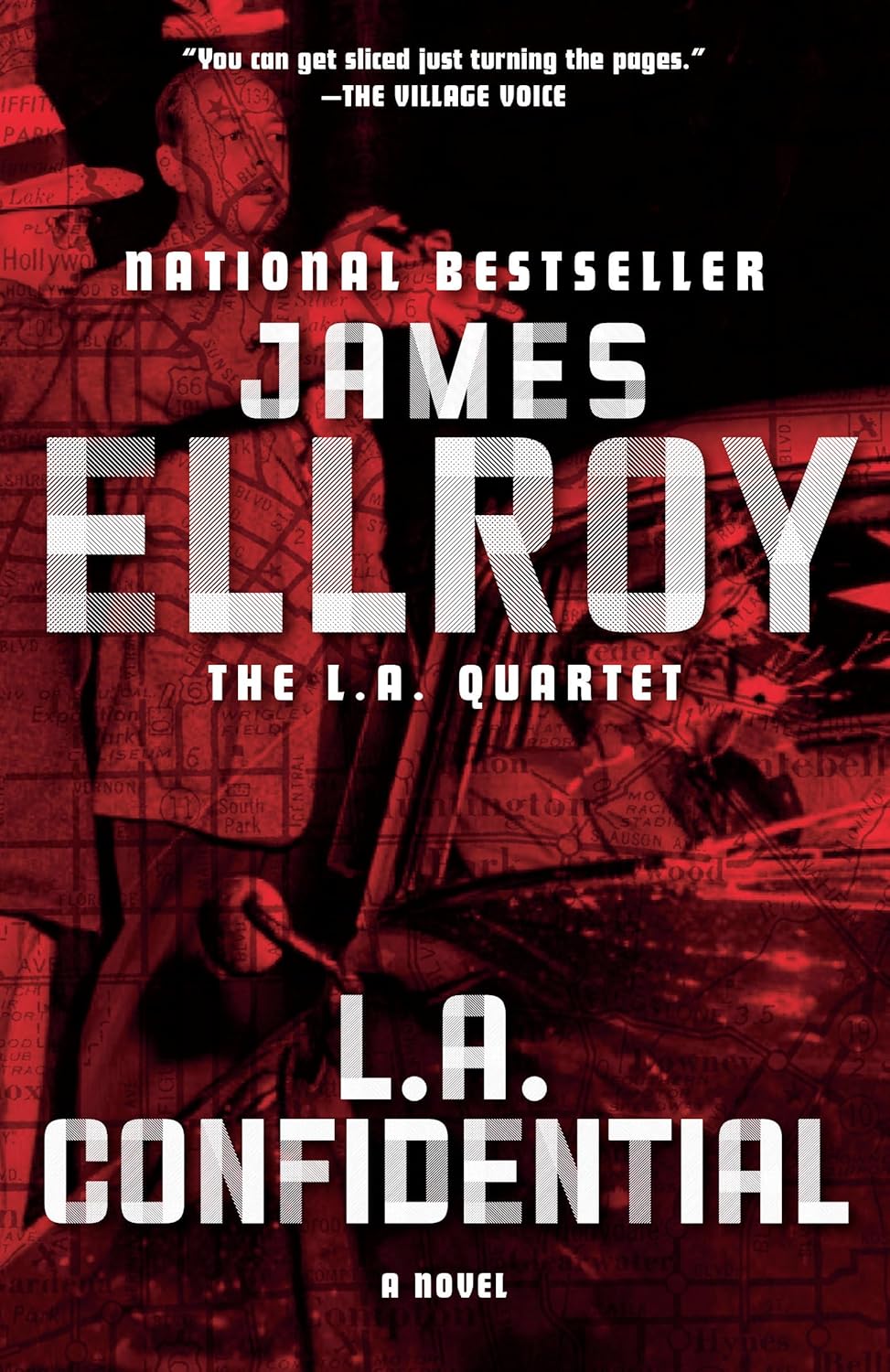
Three LA detectives in the 1950s become entangled in a conspiracy running from a diner massacre to the upper reaches of Hollywood. A genuine tie between two masterworks.
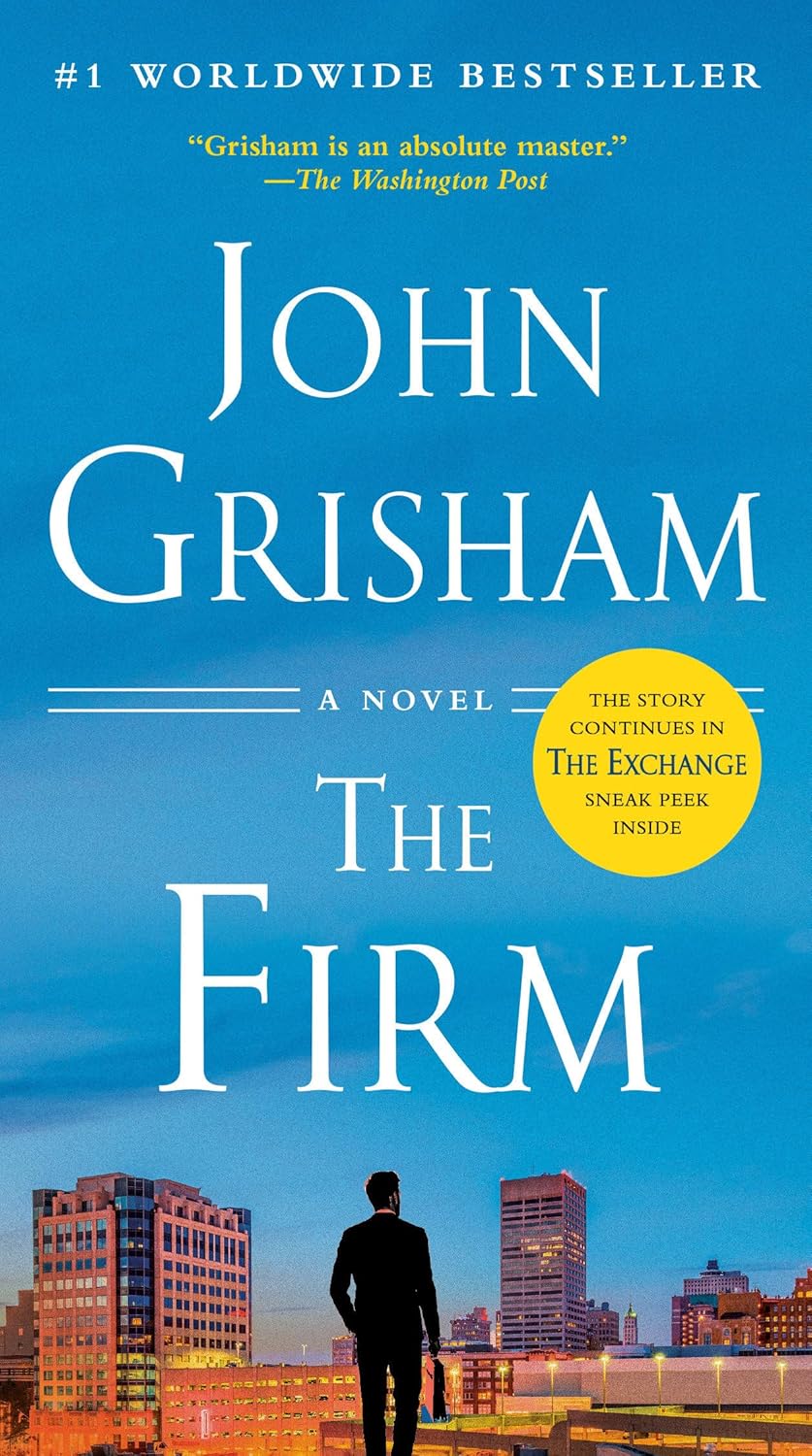
Harvard Law graduate Mitch McDeere joins a small Memphis firm — controlled by the Mob. Grisham's breakthrough novel changed the ending for the screen.

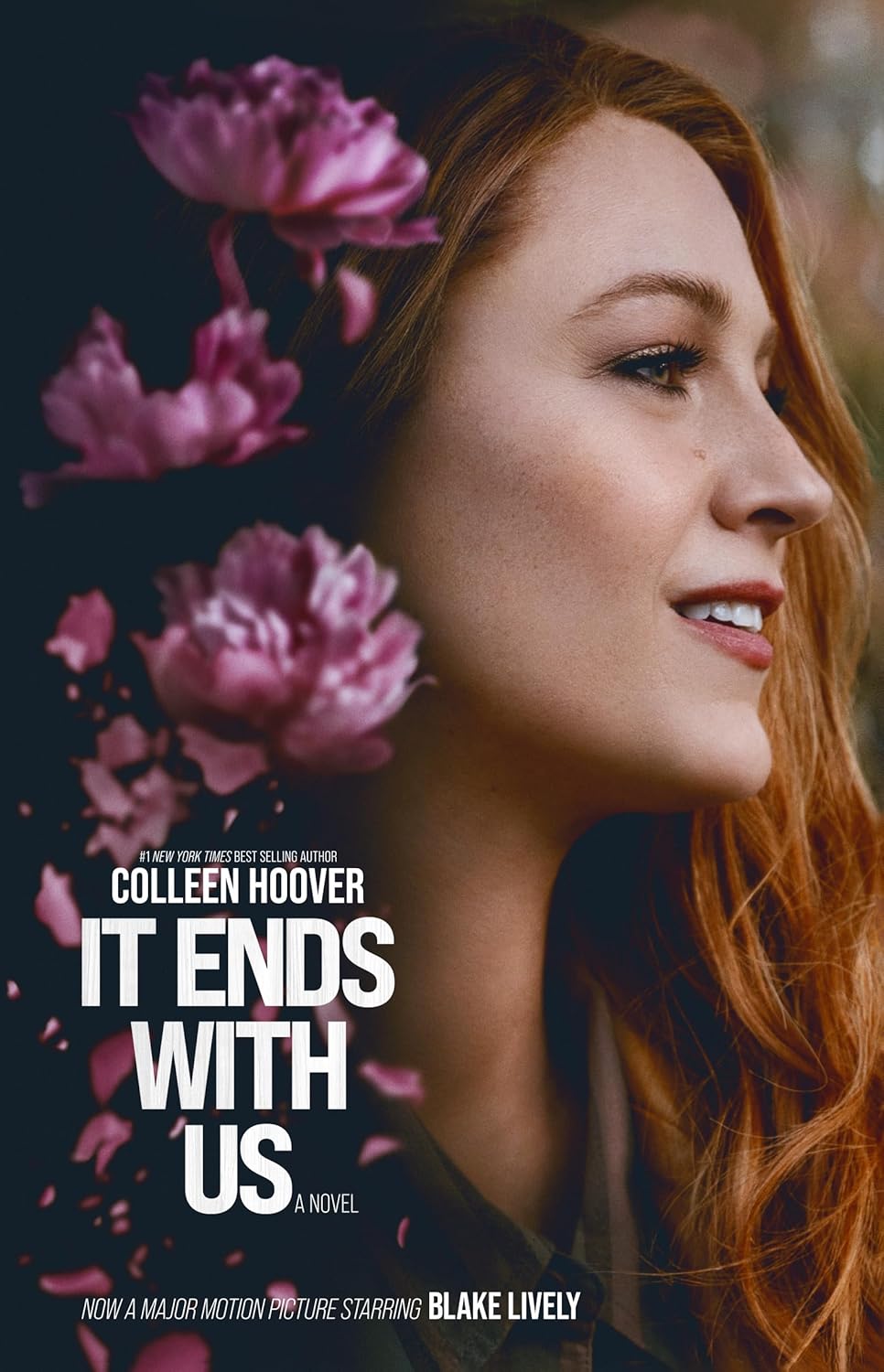
Lily Bloom falls for Ryle Kincaid — a neurosurgeon who is eventually abusive. Hoover's most serious novel arrived on screen amid significant off-screen controversy.

Kya Clark raises herself in the North Carolina marsh — and becomes the prime suspect in a local murder. The marsh itself is the real protagonist.

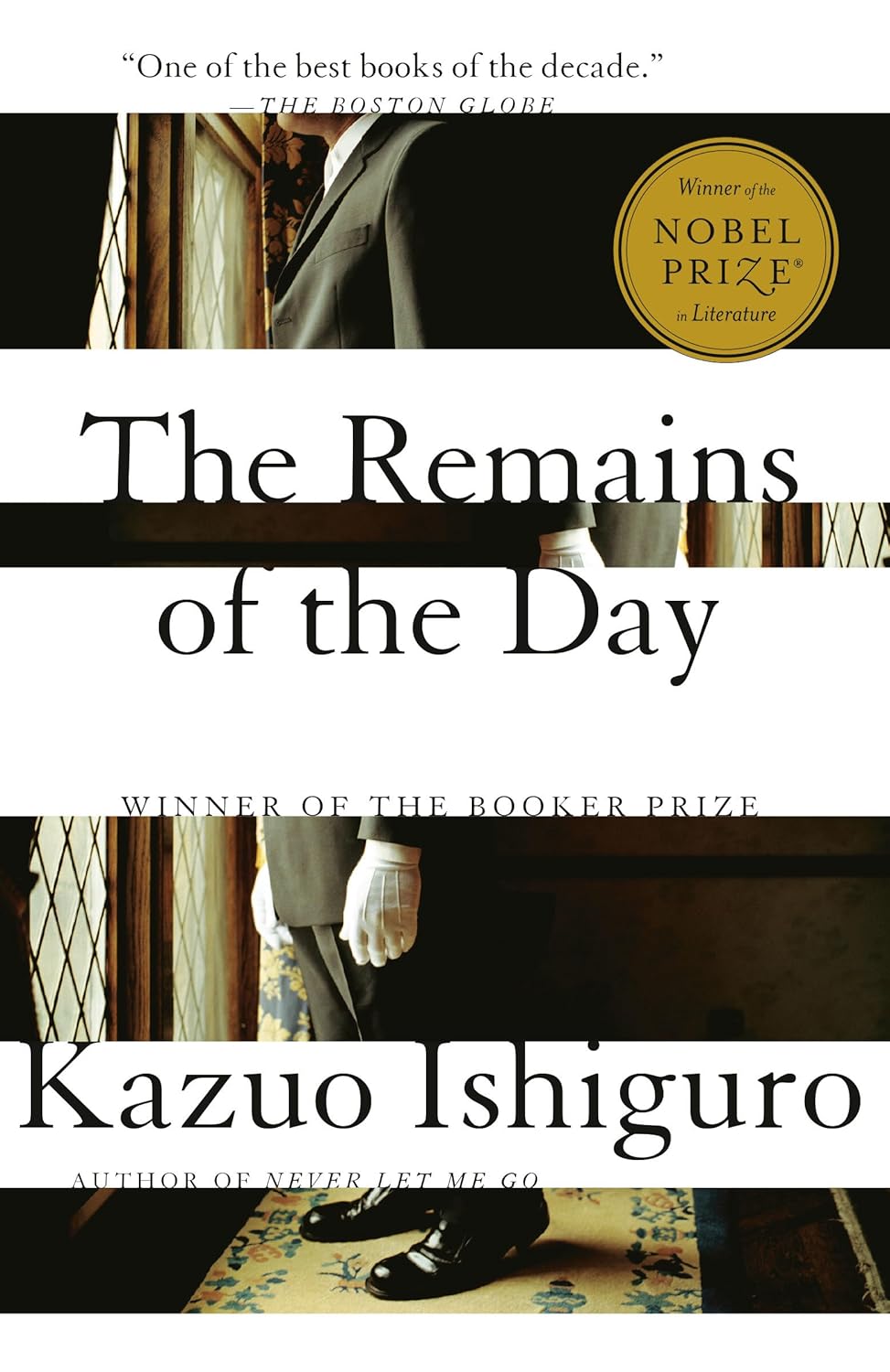
Stevens, the perfect English butler, recalls a life entirely in service to others. One of literature's great unreliable narrators — and one of British cinema's finest adaptations.

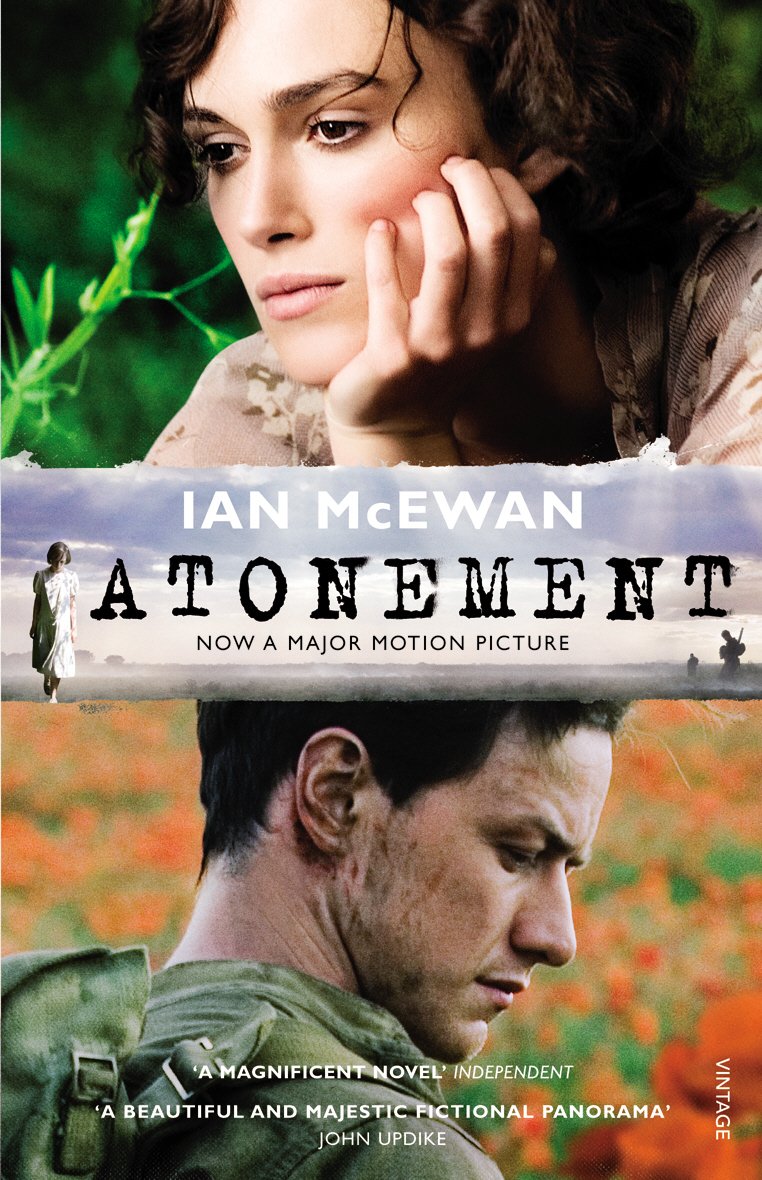
A child's false accusation destroys two lives. McEwan's structurally brilliant novel and Wright's visually stunning film interrogate each other productively.

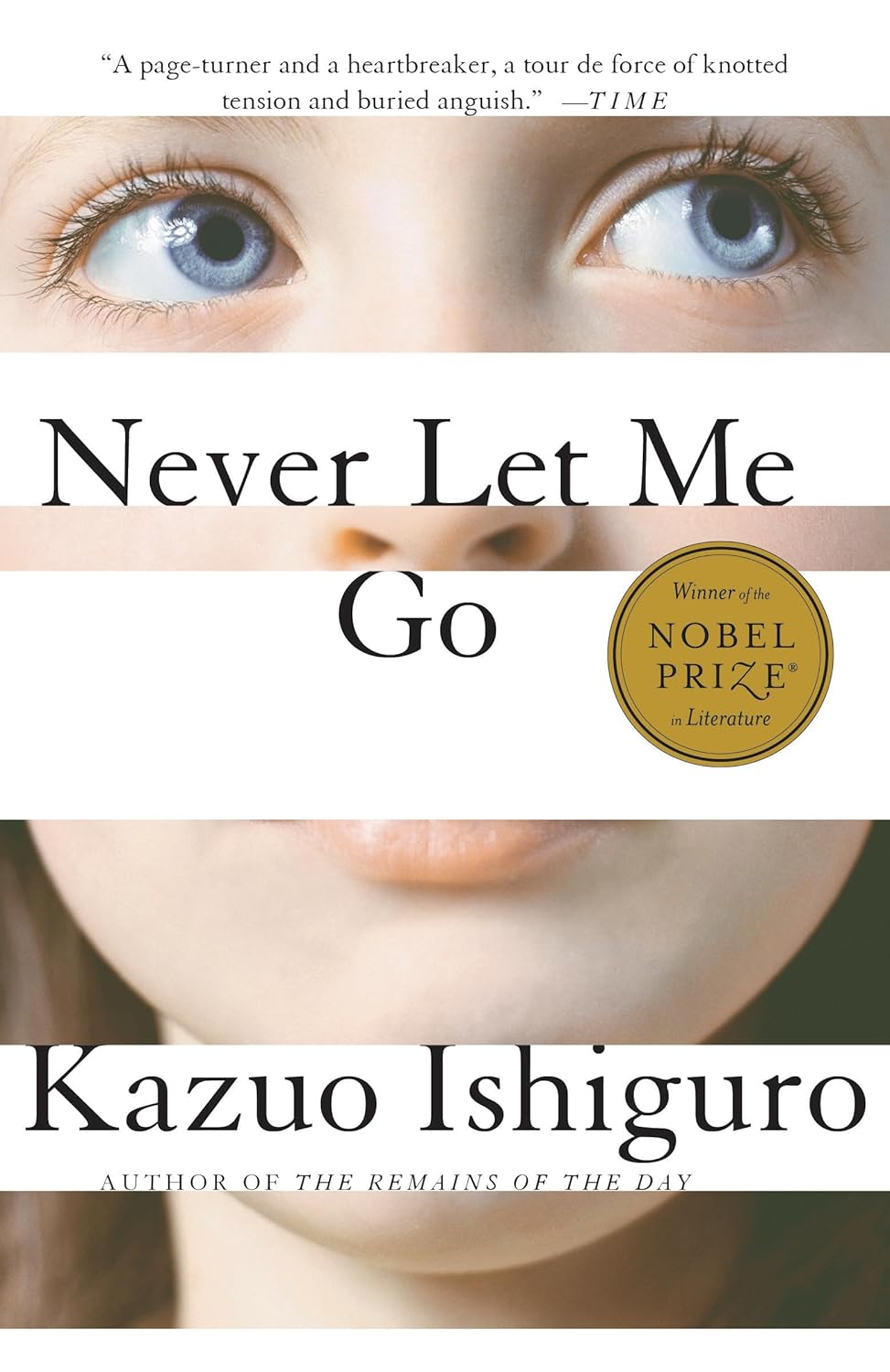
Three friends grow up at an English boarding school with a terrible secret about their futures. Ishiguro's most devastating novel.


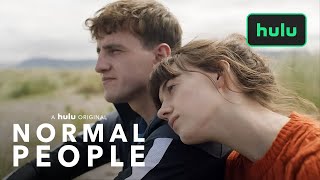
Connell and Marianne fall in and out of each other's lives across their university years. One of the rare TV adaptations that is genuinely essential.
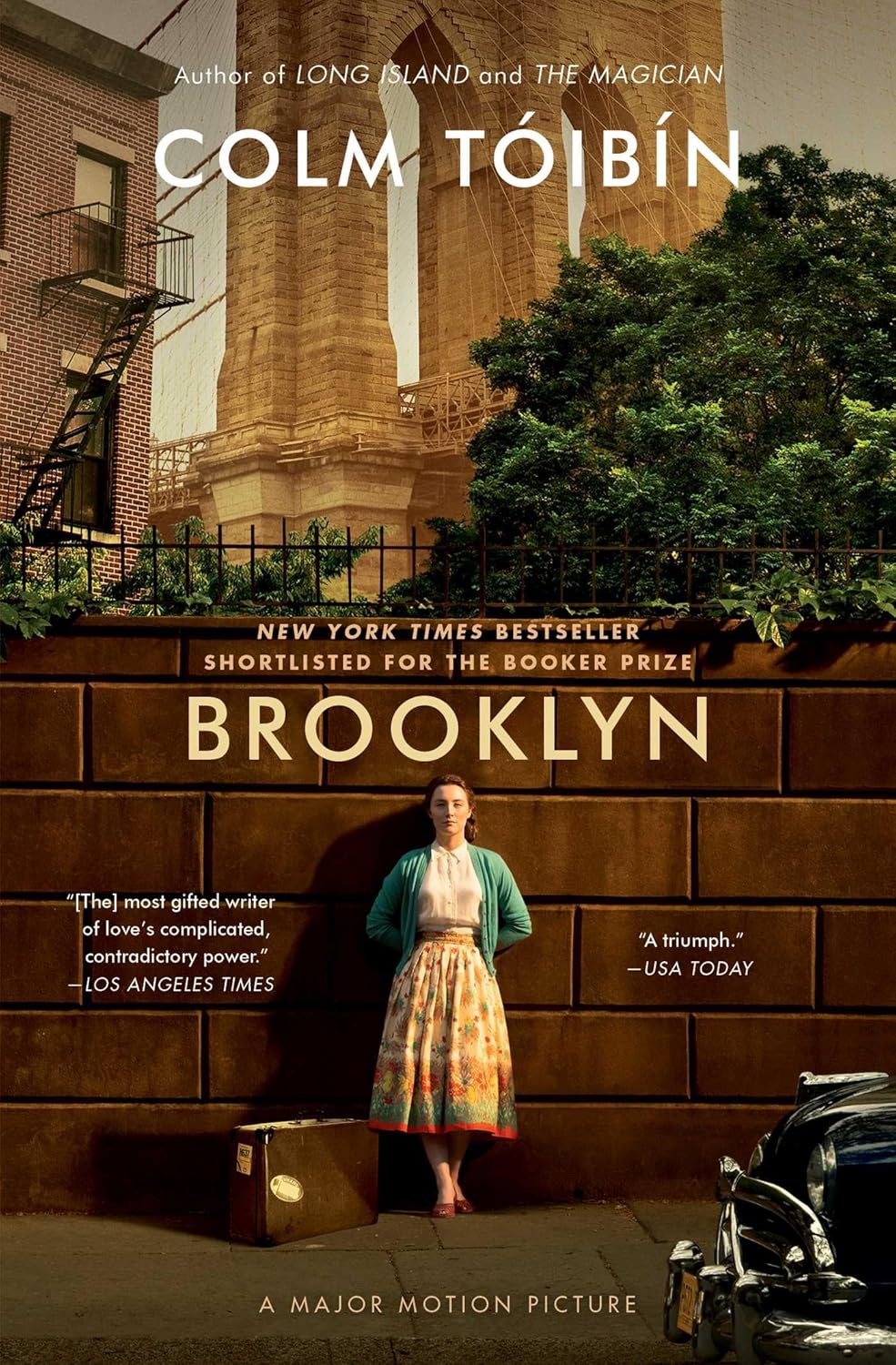
Eilis Lacey leaves Ireland for Brooklyn in the 1950s — homesick, adrift, then in love. Tóibín's restraint is the novel's greatest achievement; Ronan performs it with her face.
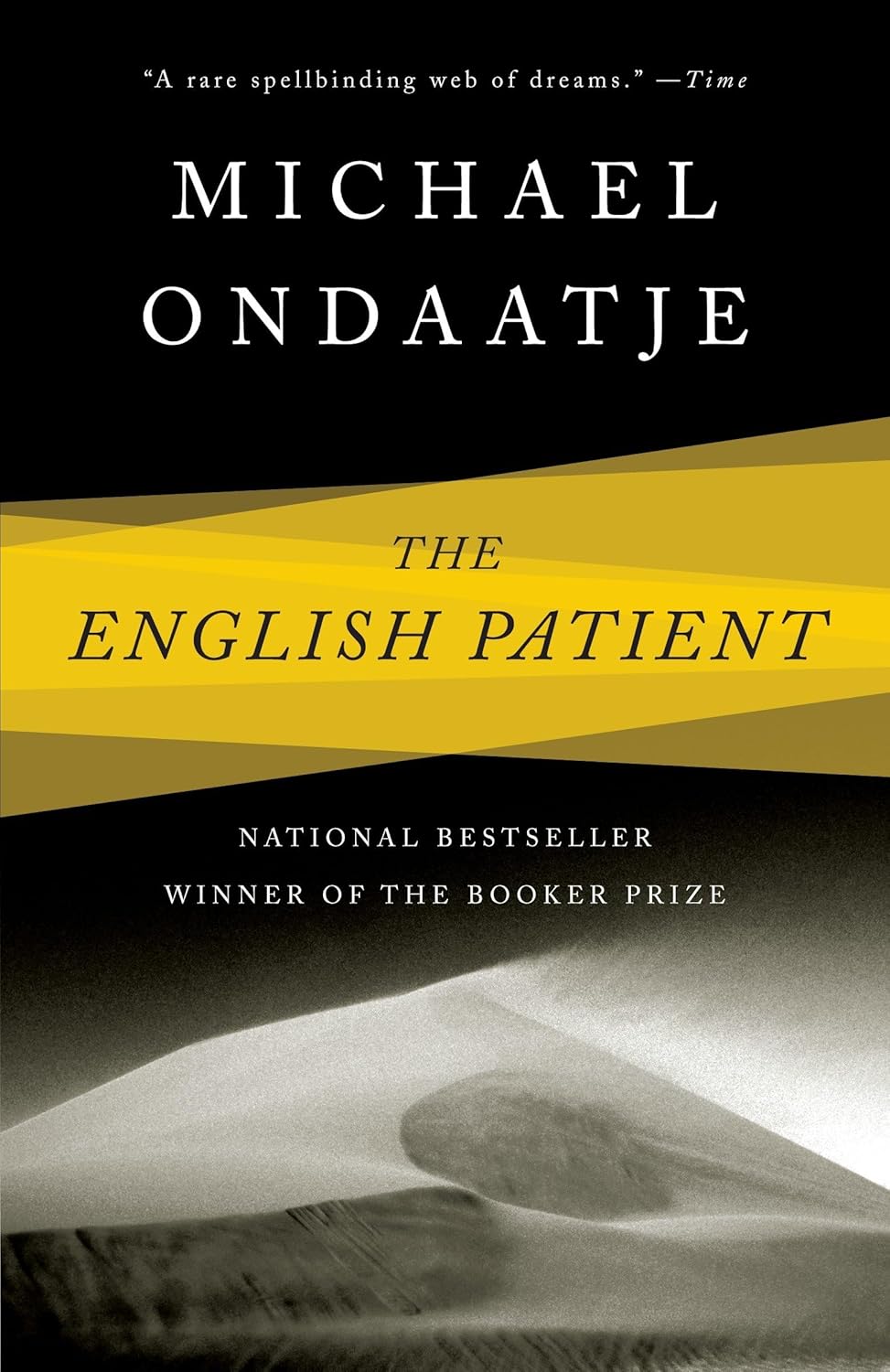
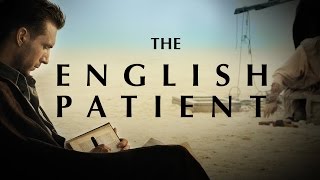
A burned man lies dying in an Italian villa while his memories of the desert unfold. Nine Academy Awards. One of the site's genuine ties.
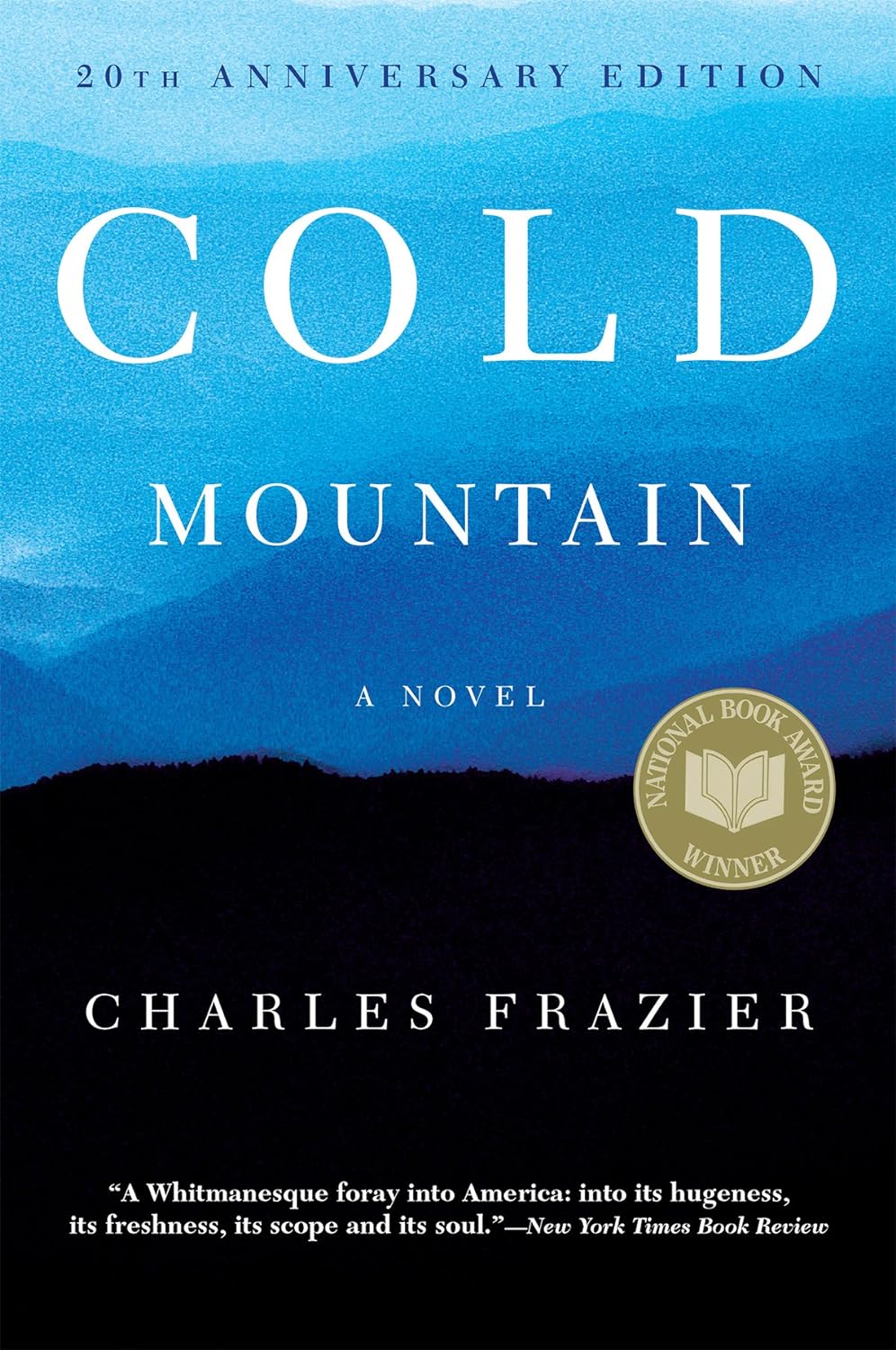
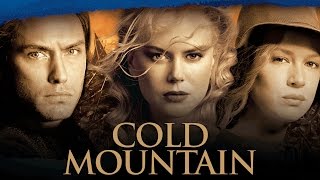
A Confederate deserter walks home through a war-ravaged South to the woman he loves. Frazier's National Book Award winner is a modern Odyssey.
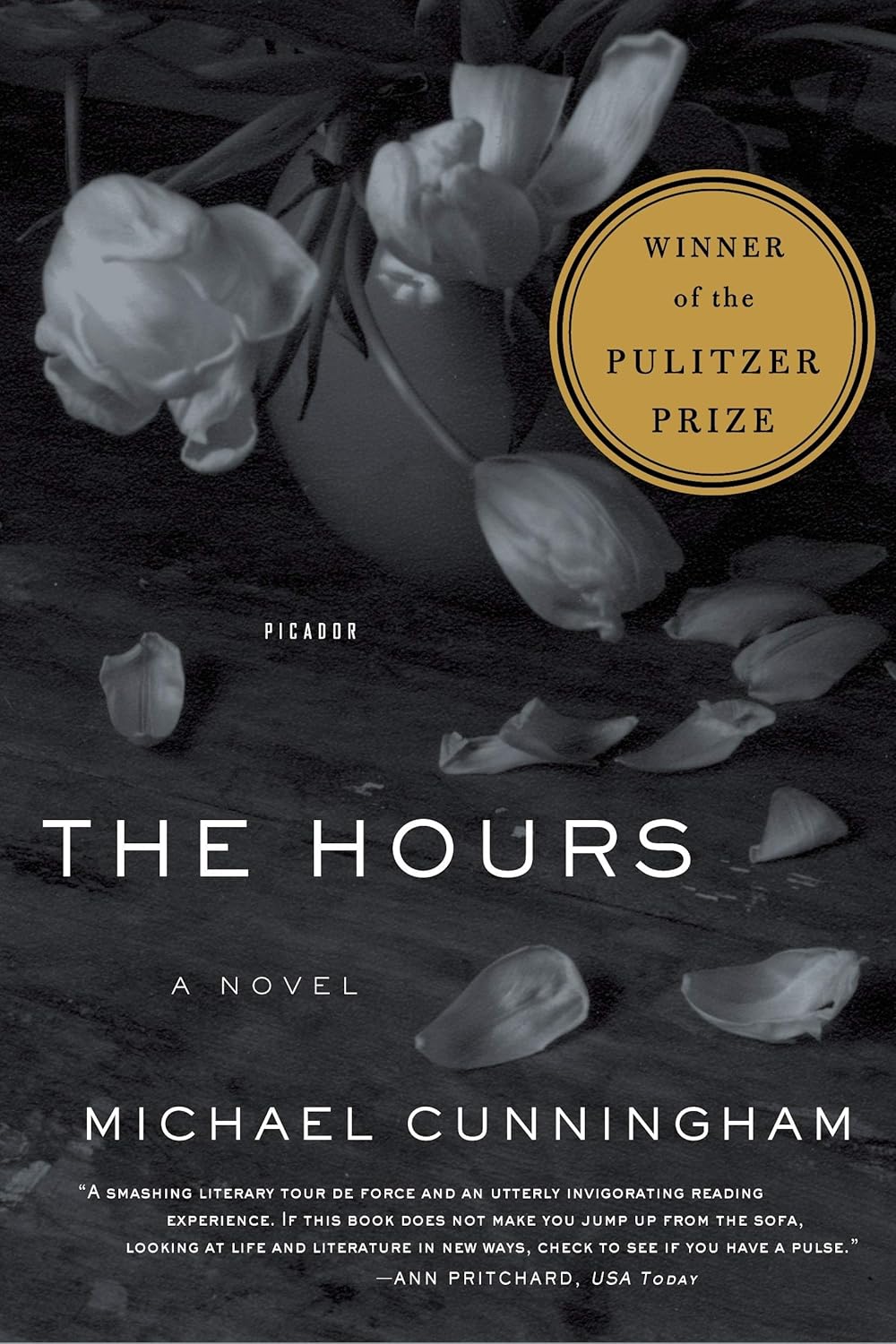
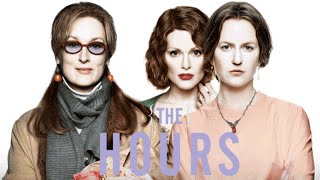
Three women in three eras, all reading or living Mrs Dalloway. Cunningham's novel and Daldry's film are companion pieces that illuminate each other.
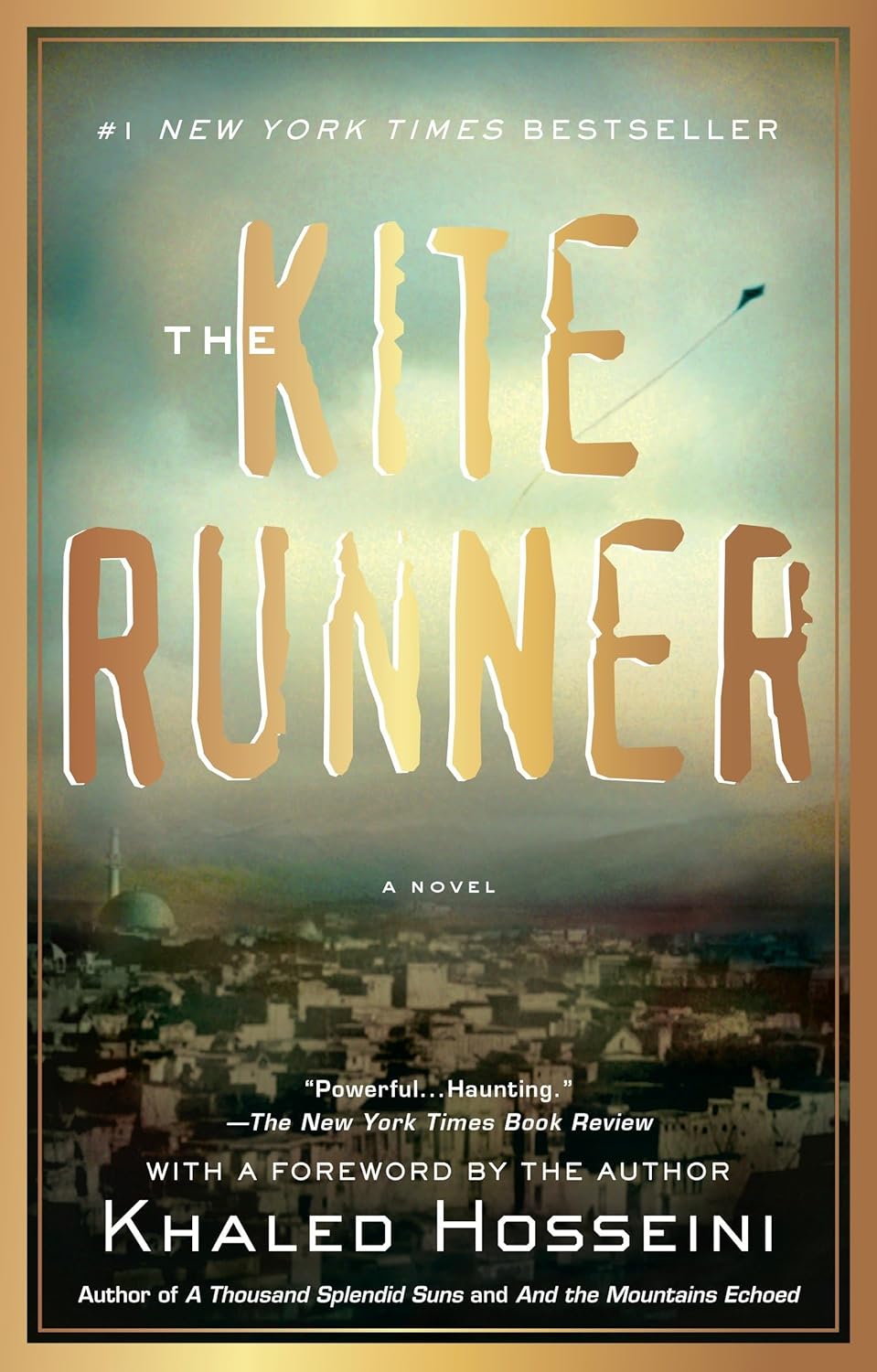
A wealthy Kabul boy's betrayal of his servant's son haunts him across decades. One of the century's great novels of guilt and redemption.

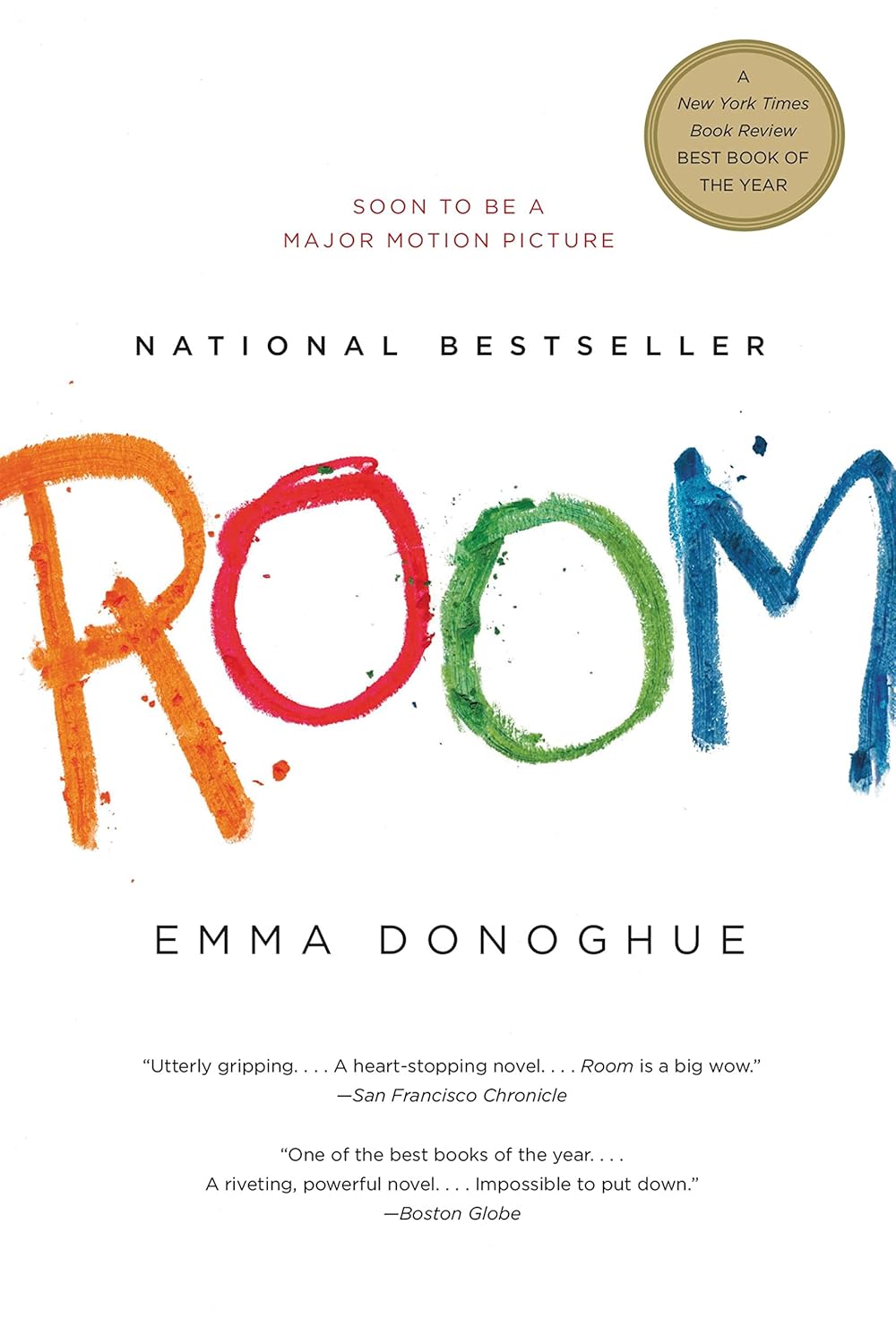
A woman and her young son live in a single room — the boy has never known the outside world. Narrated entirely from the child's perspective.

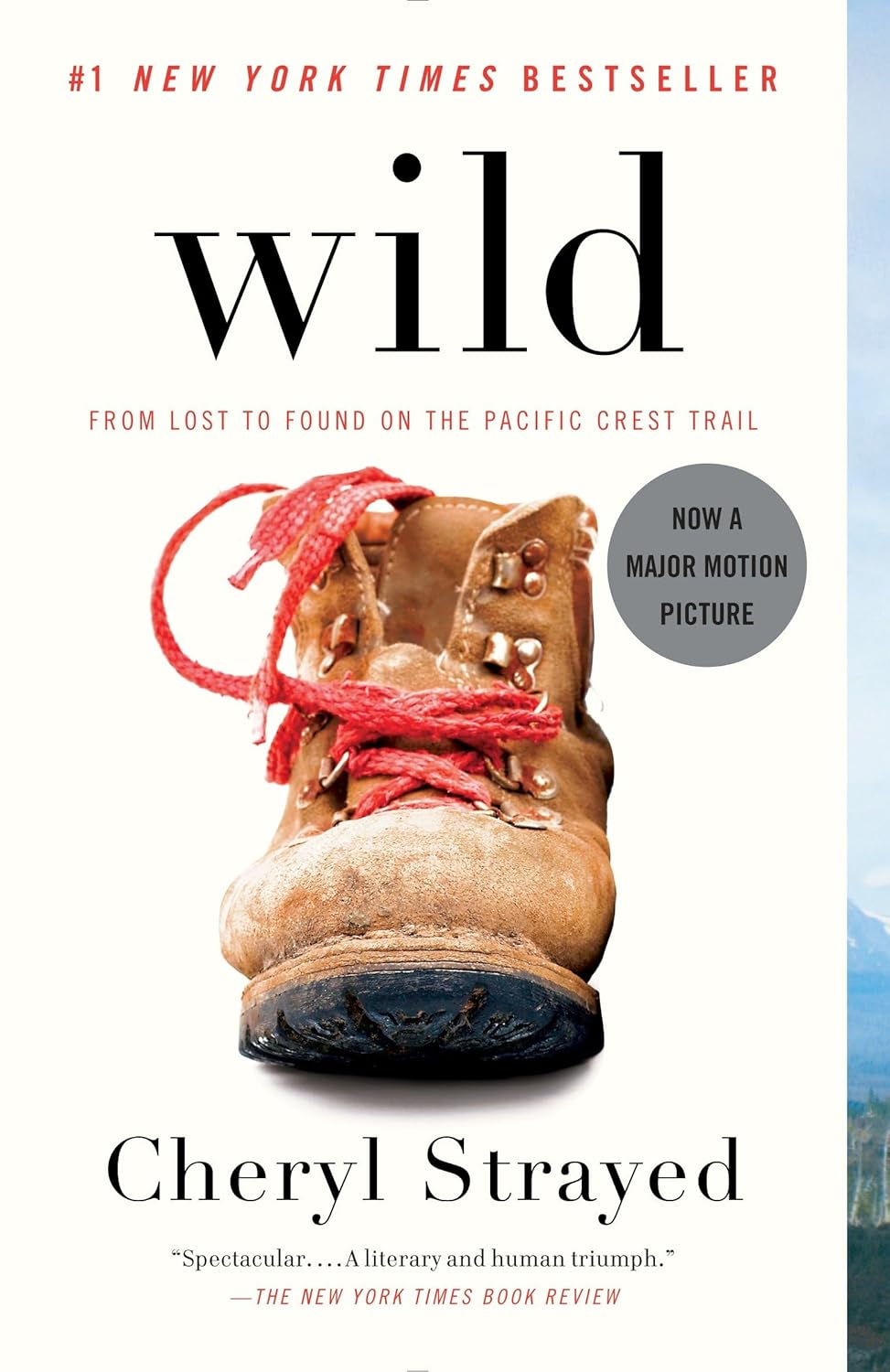
Cheryl Strayed hikes the Pacific Crest Trail alone after her marriage collapses and her mother dies. The memoir is funnier and messier than the film.

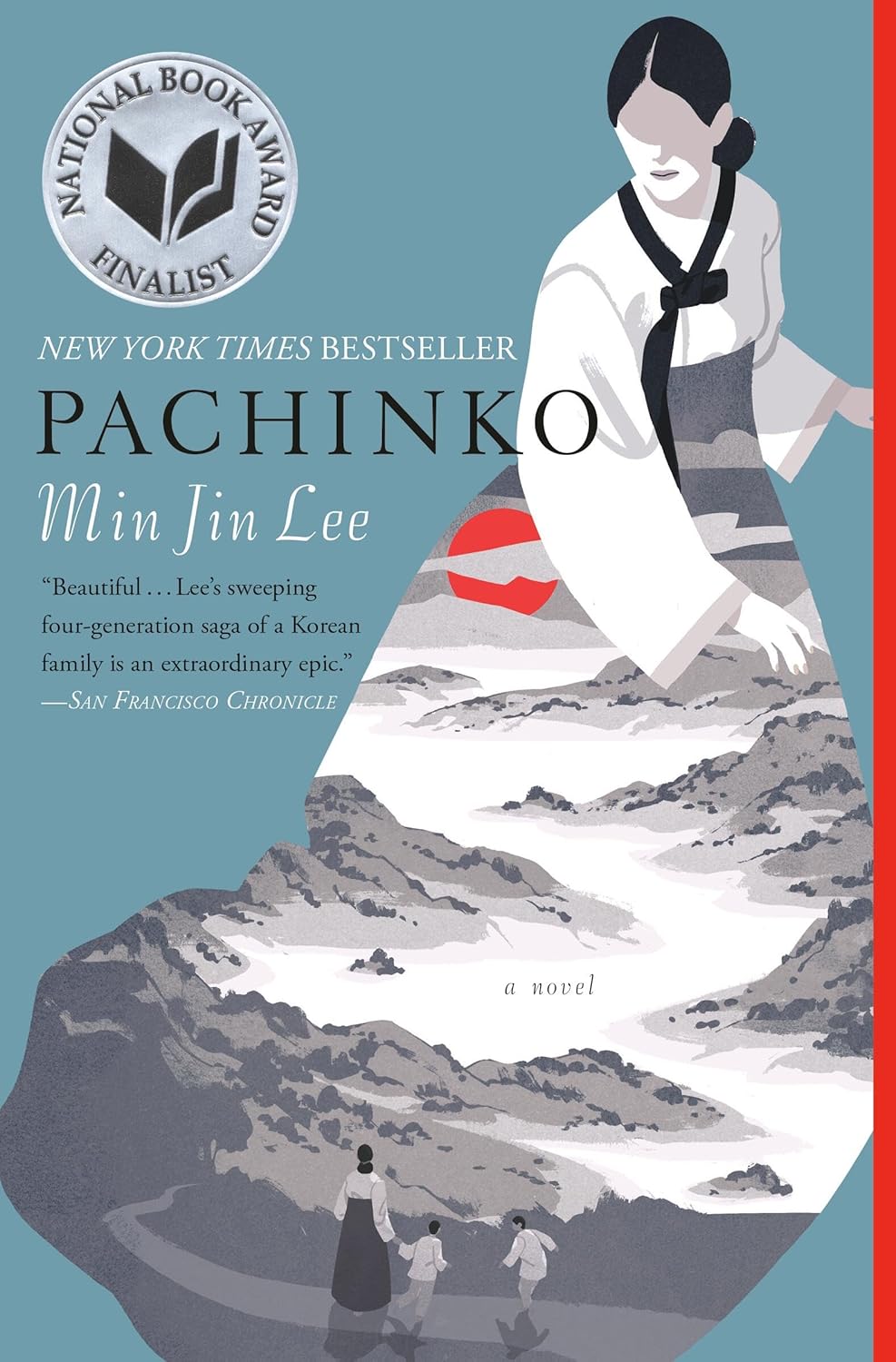
A Korean family's story across four generations, from colonial Korea to modern Japan. The rare family saga that earns every generation.

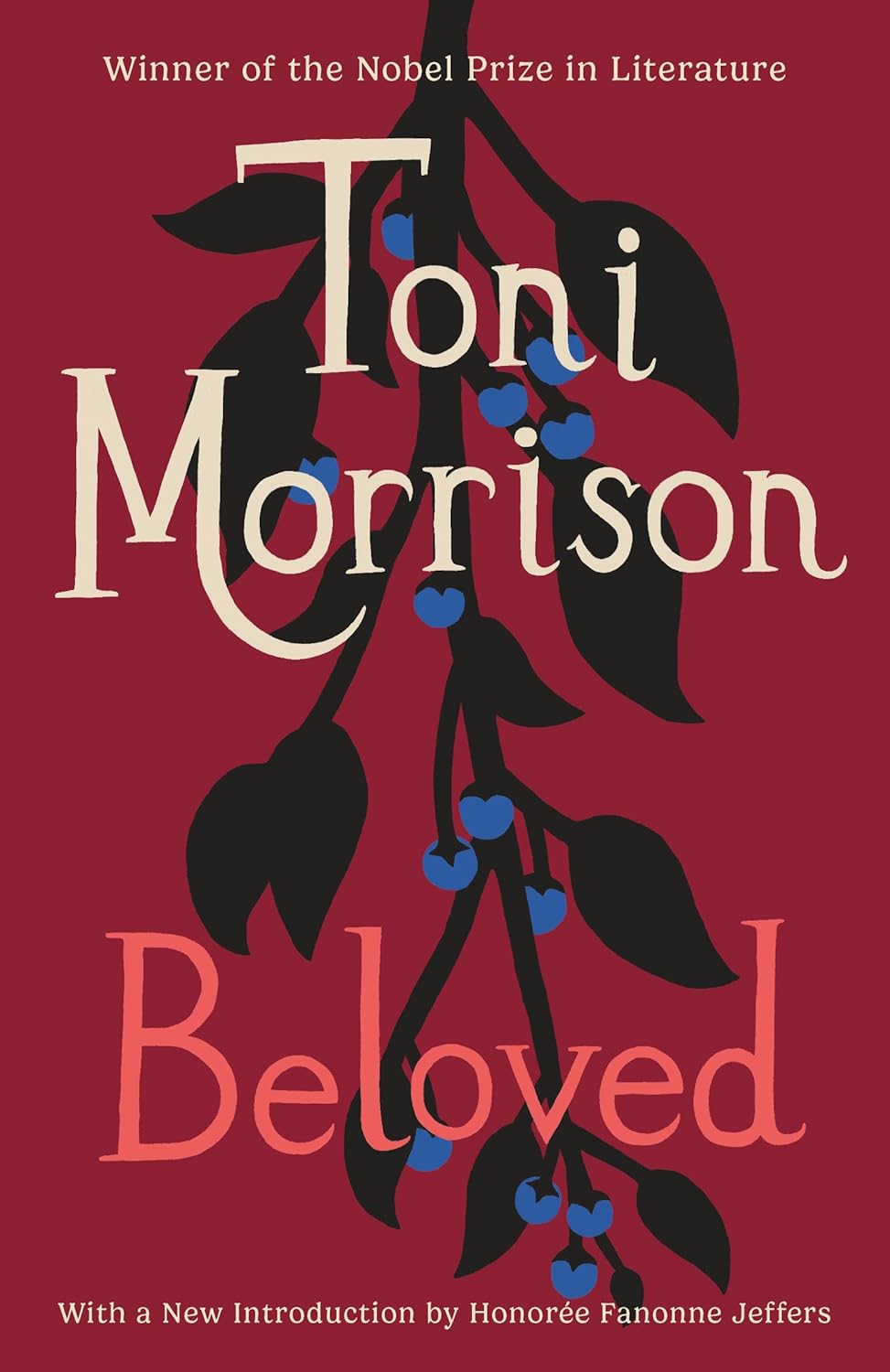
A formerly enslaved woman is haunted by the ghost of her dead daughter. Morrison's Nobel Prize-winning novel is one of the great works of American literature.
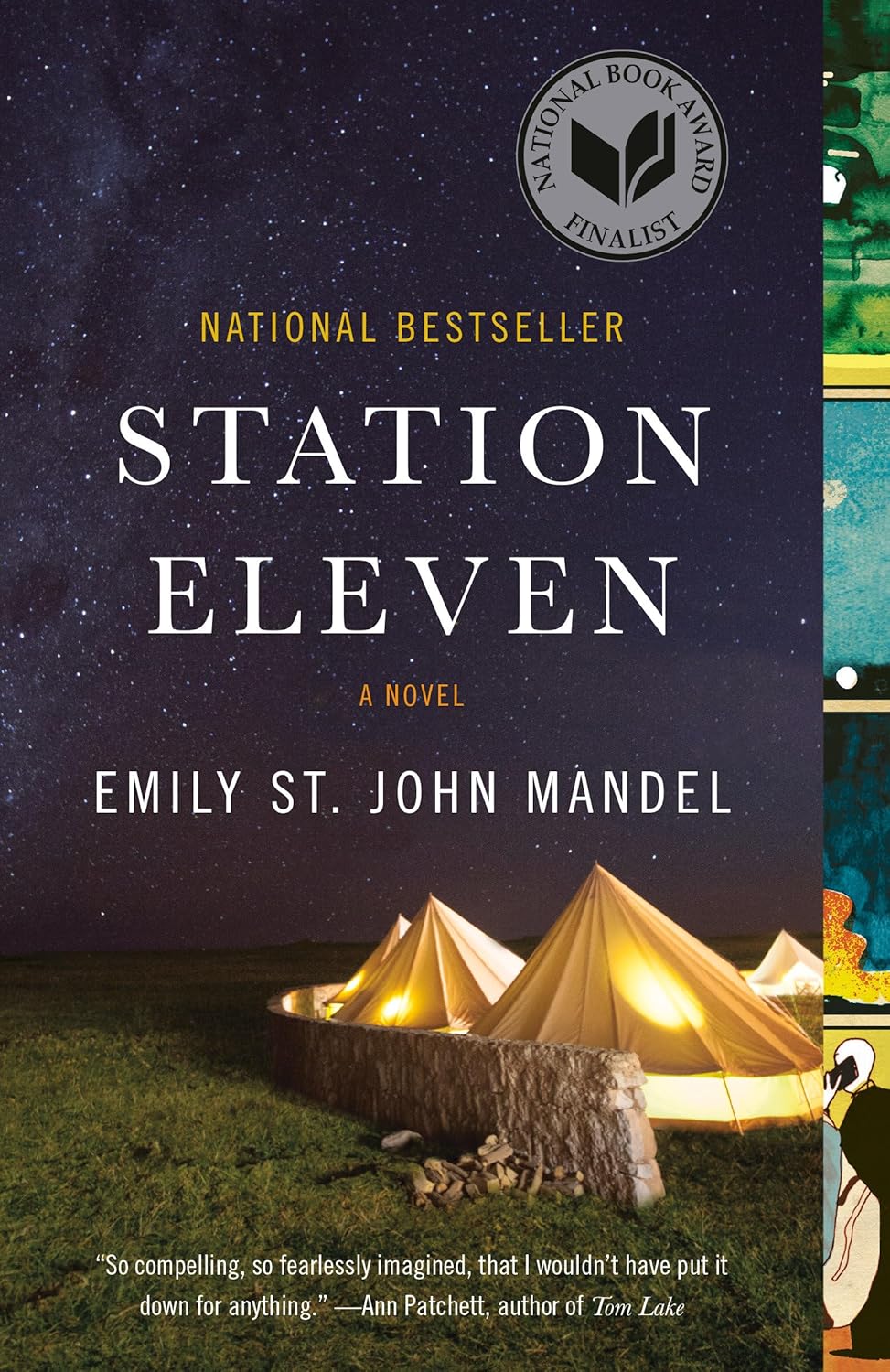
A flu kills most of humanity. Twenty years later, a travelling theatre company performs Shakespeare for the survivors. The HBO series is one of TV's finest literary adaptations.
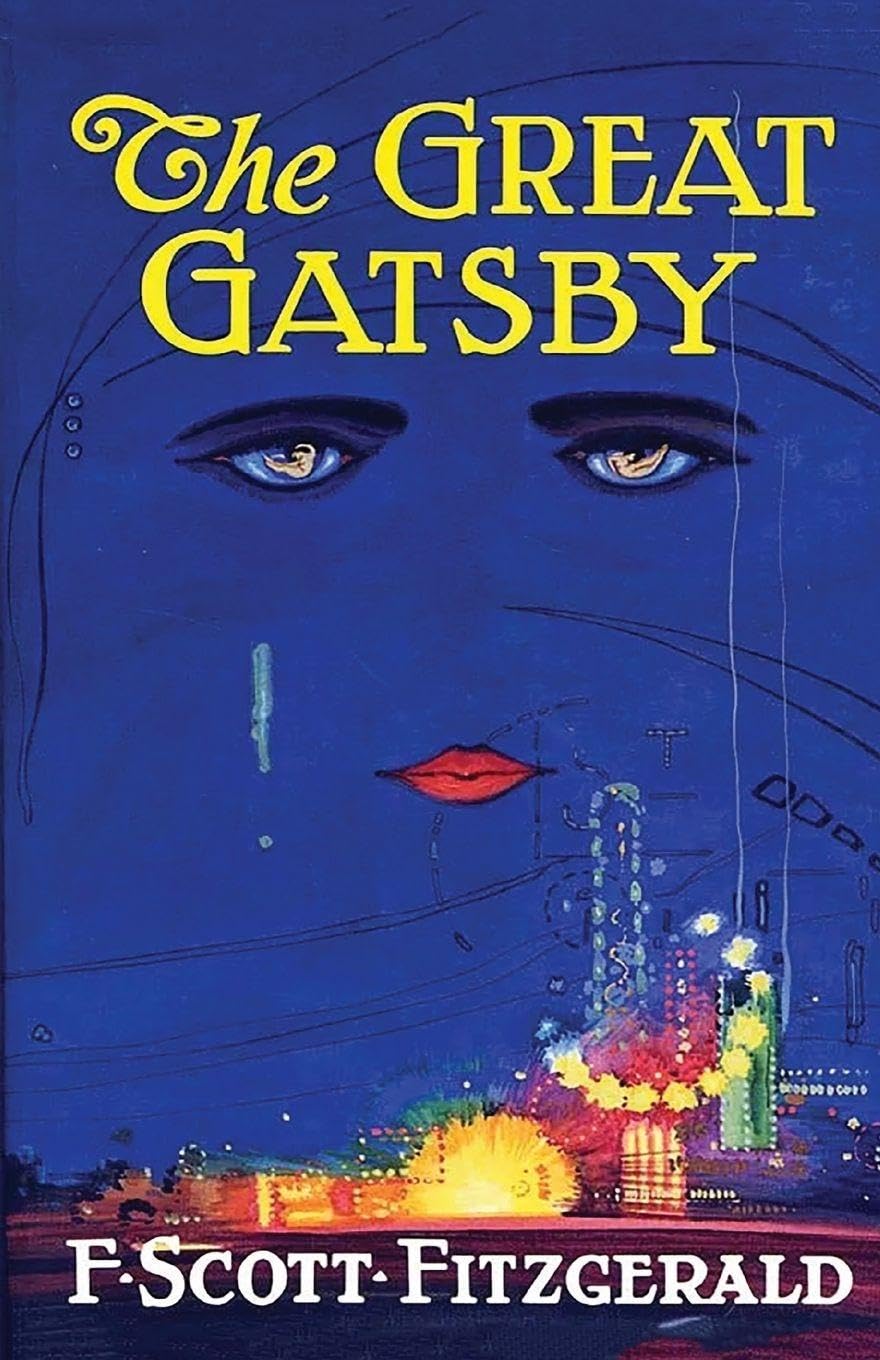
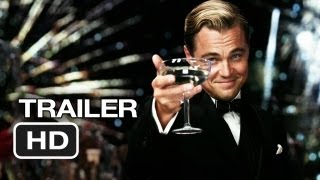
Jay Gatsby throws lavish parties in pursuit of a dream that is entirely about one woman. The prose is the experience — no film has yet replicated it.
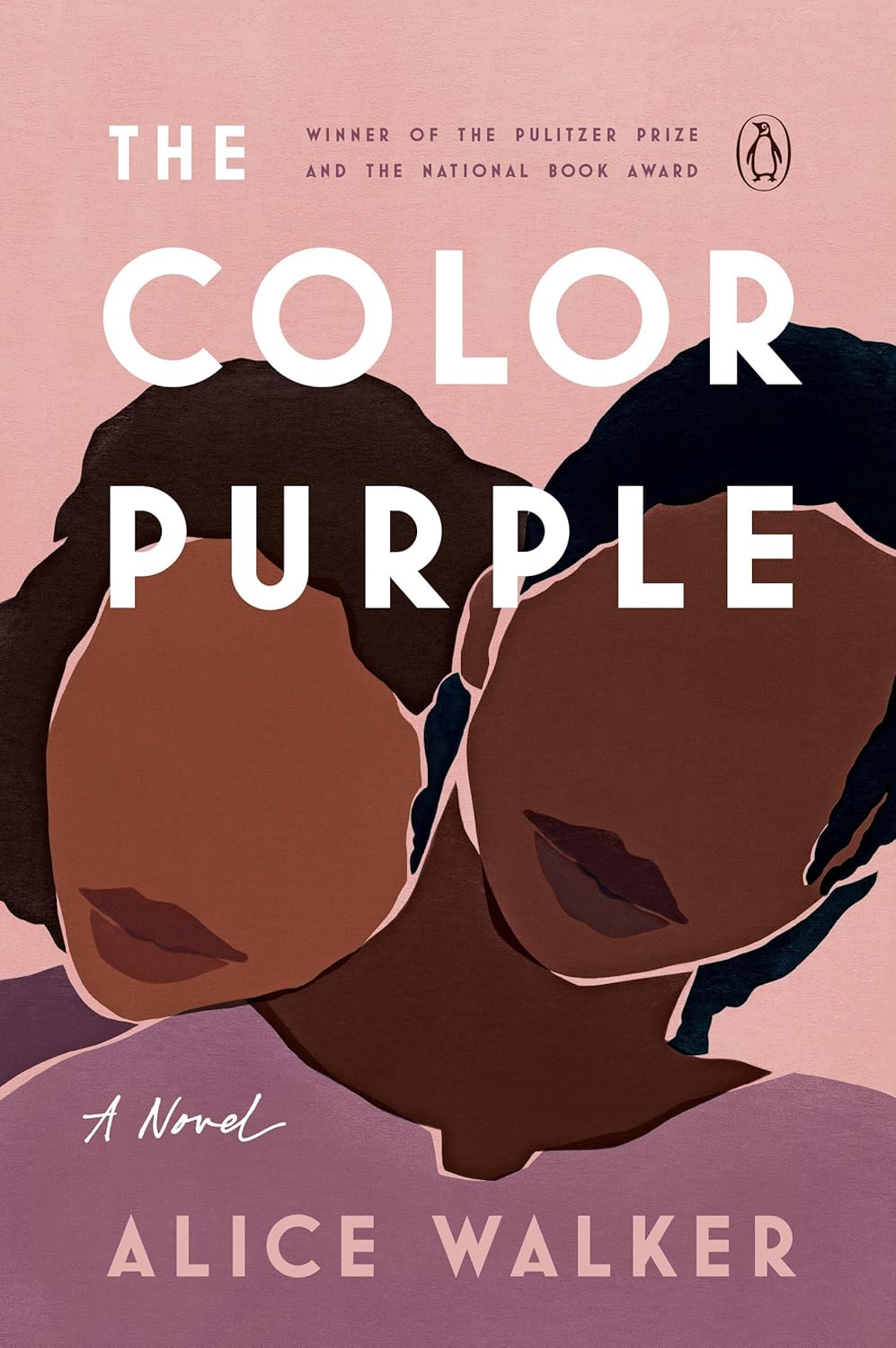
Celie writes letters to God across decades of abuse and eventual liberation. Walker's Pulitzer winner is written in a vernacular that no film can replicate.

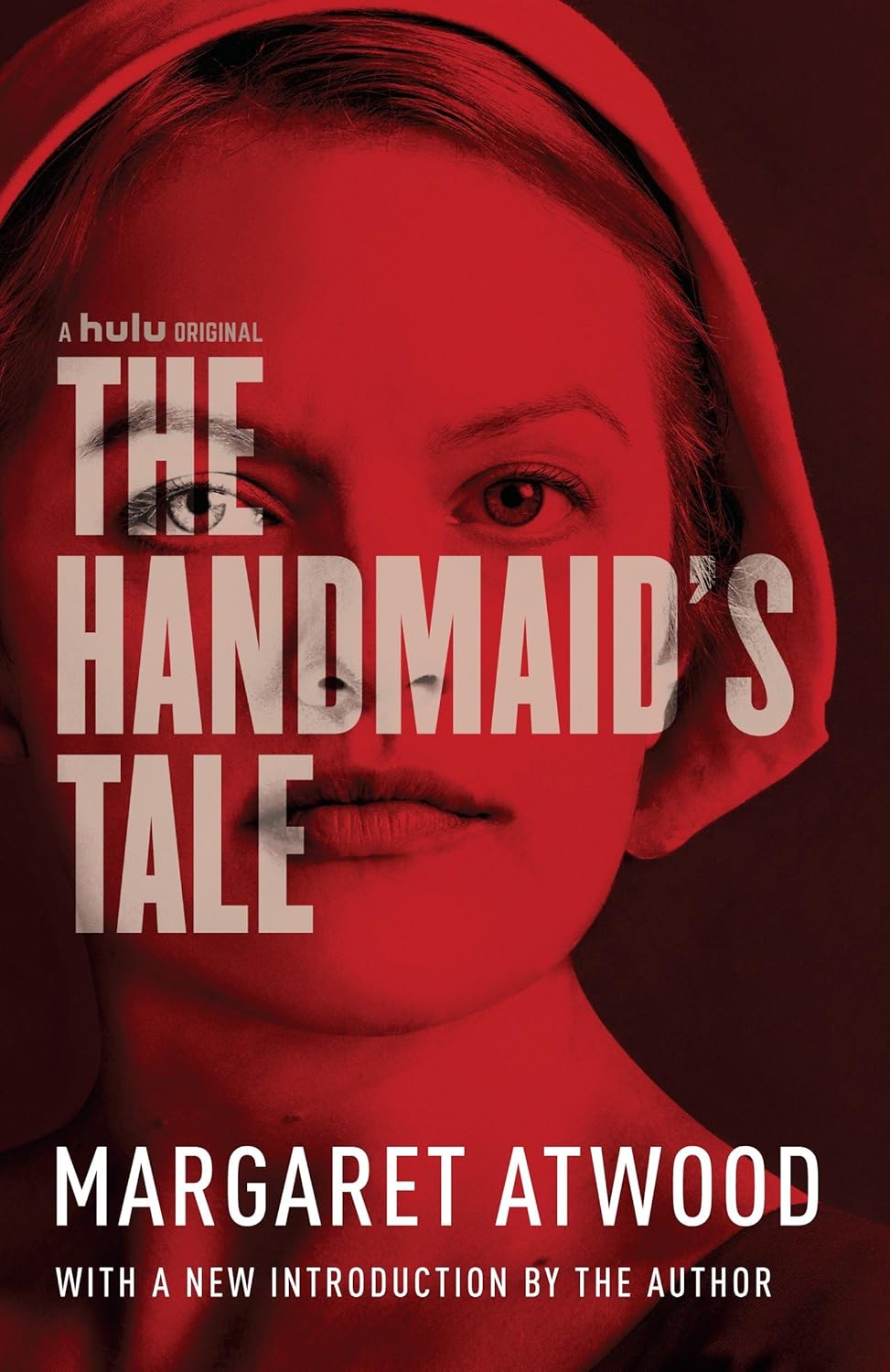
In the Republic of Gilead, fertile women are enslaved as Handmaids. Atwood's 1985 novel has become one of the defining political texts of our era.
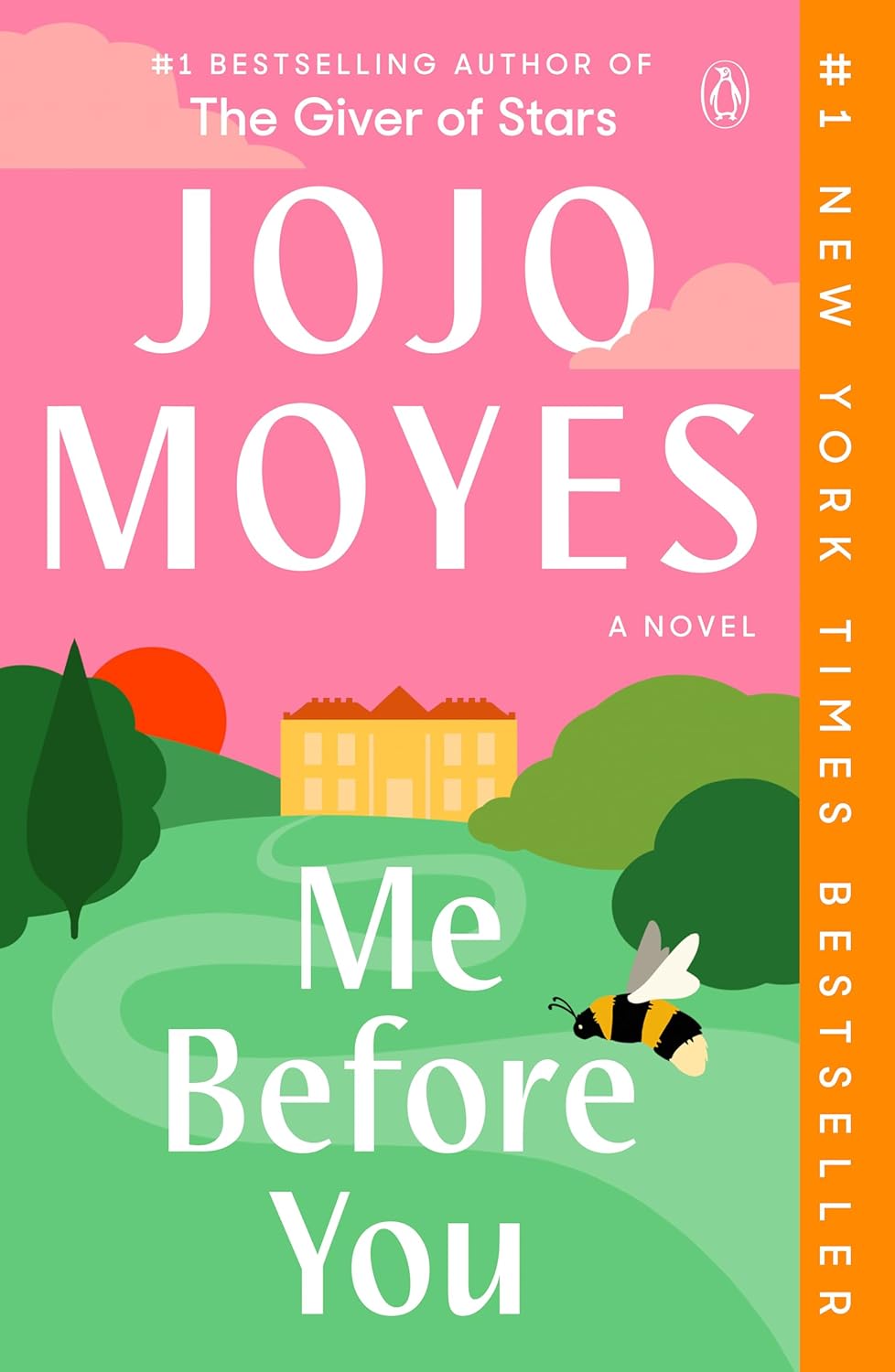
Louisa takes a job caring for Will Traynor — wealthy, paralysed, determined to die on his own terms. The novel handles assisted dying with more seriousness than the film.
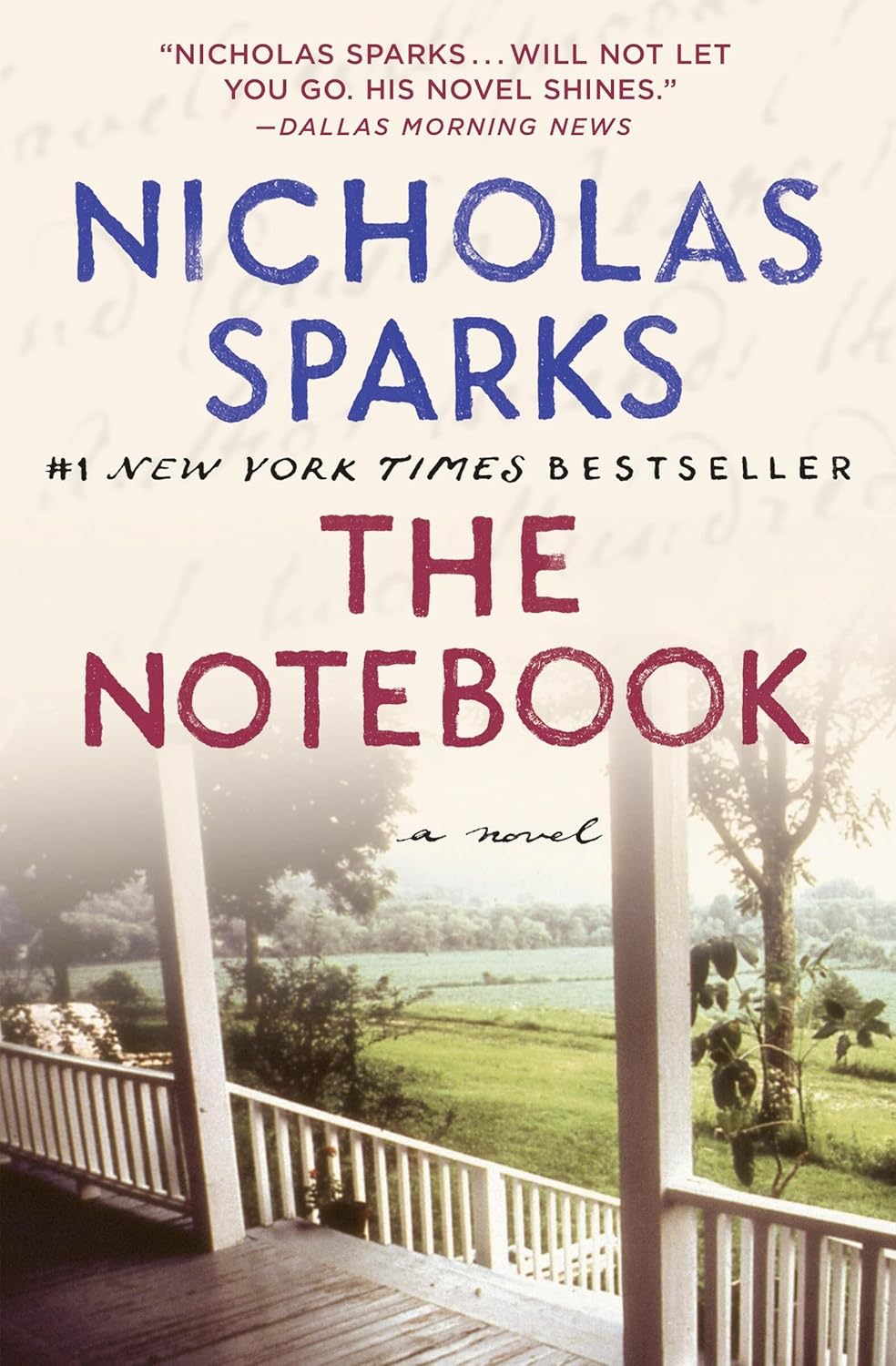
Noah and Allie fall in love in 1940s North Carolina. The film's chemistry between Gosling and McAdams made it more culturally present than the novel.
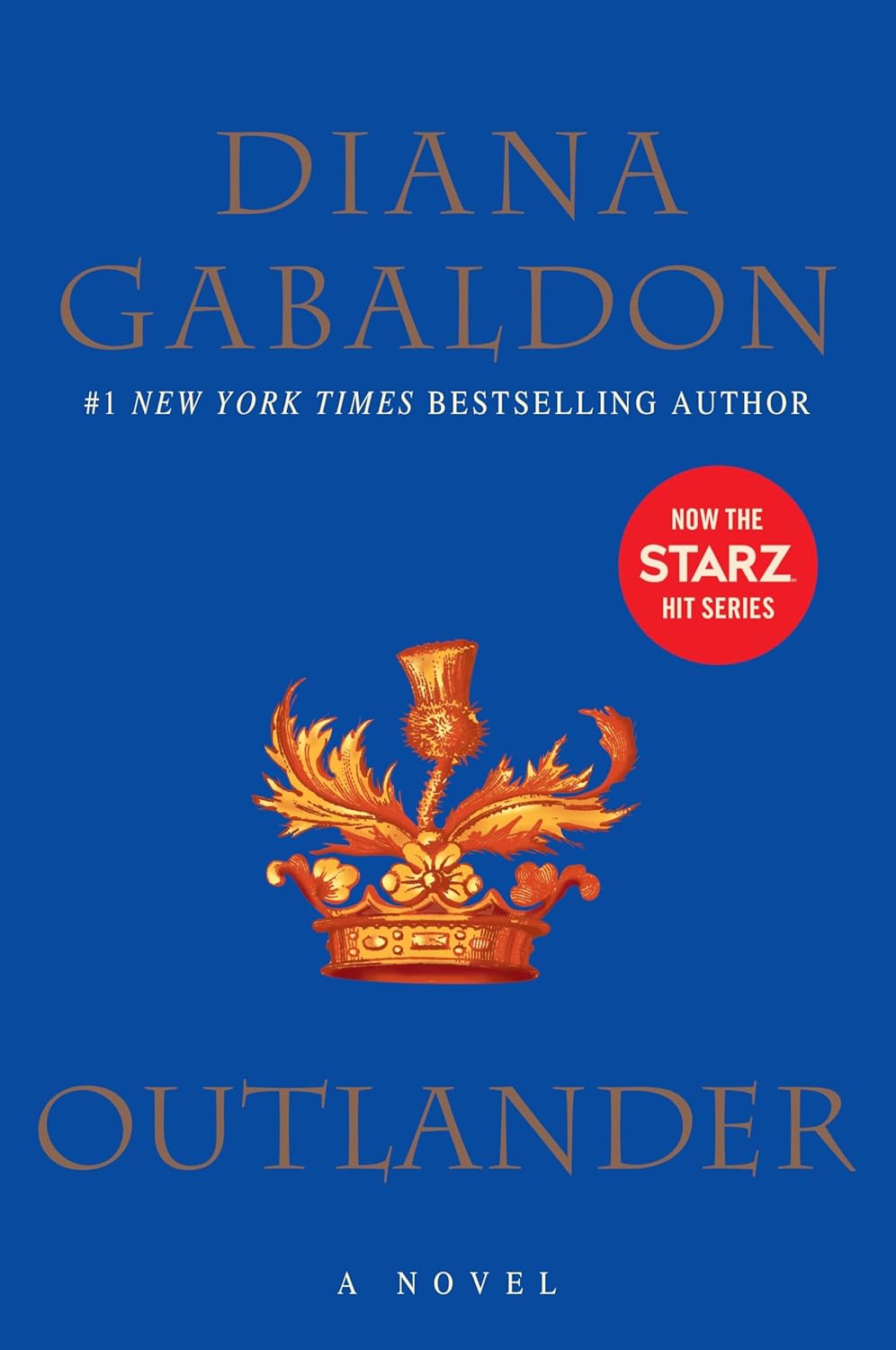
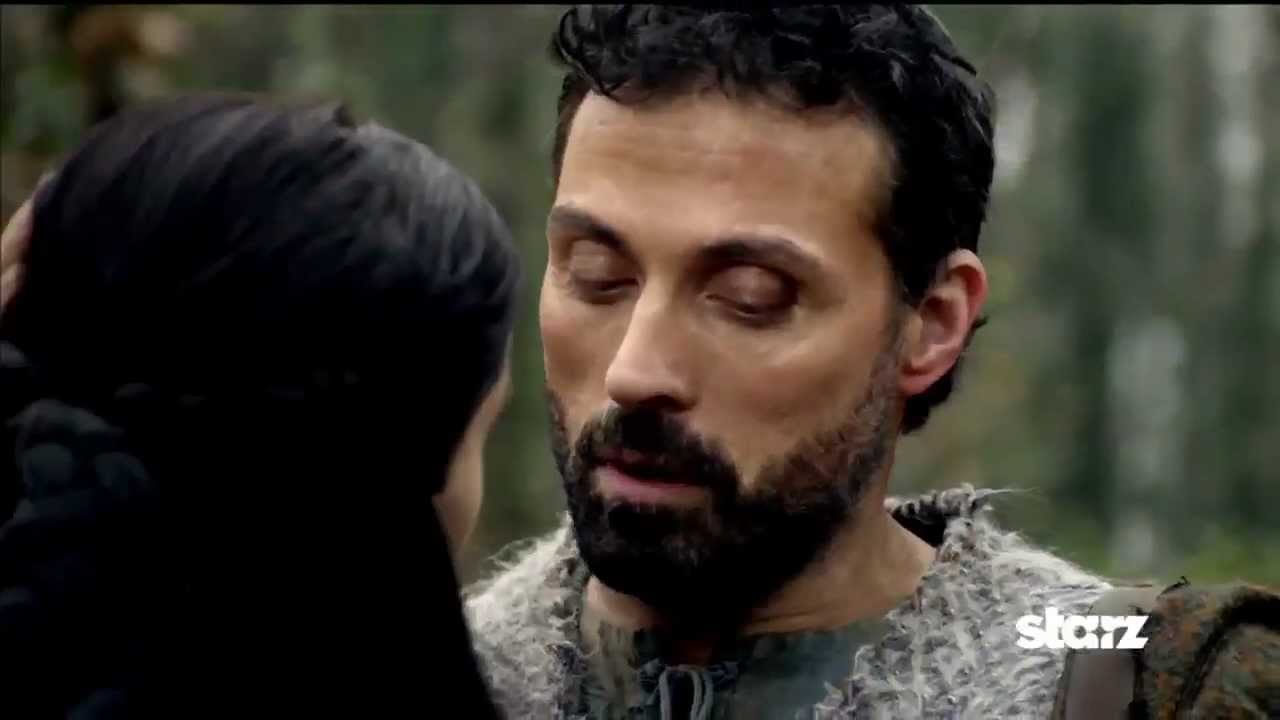
Claire Fraser steps through a standing stone in 1945 and wakes up in 1743 Scotland. Gabaldon's epic romance found its ideal cast in the Starz series.
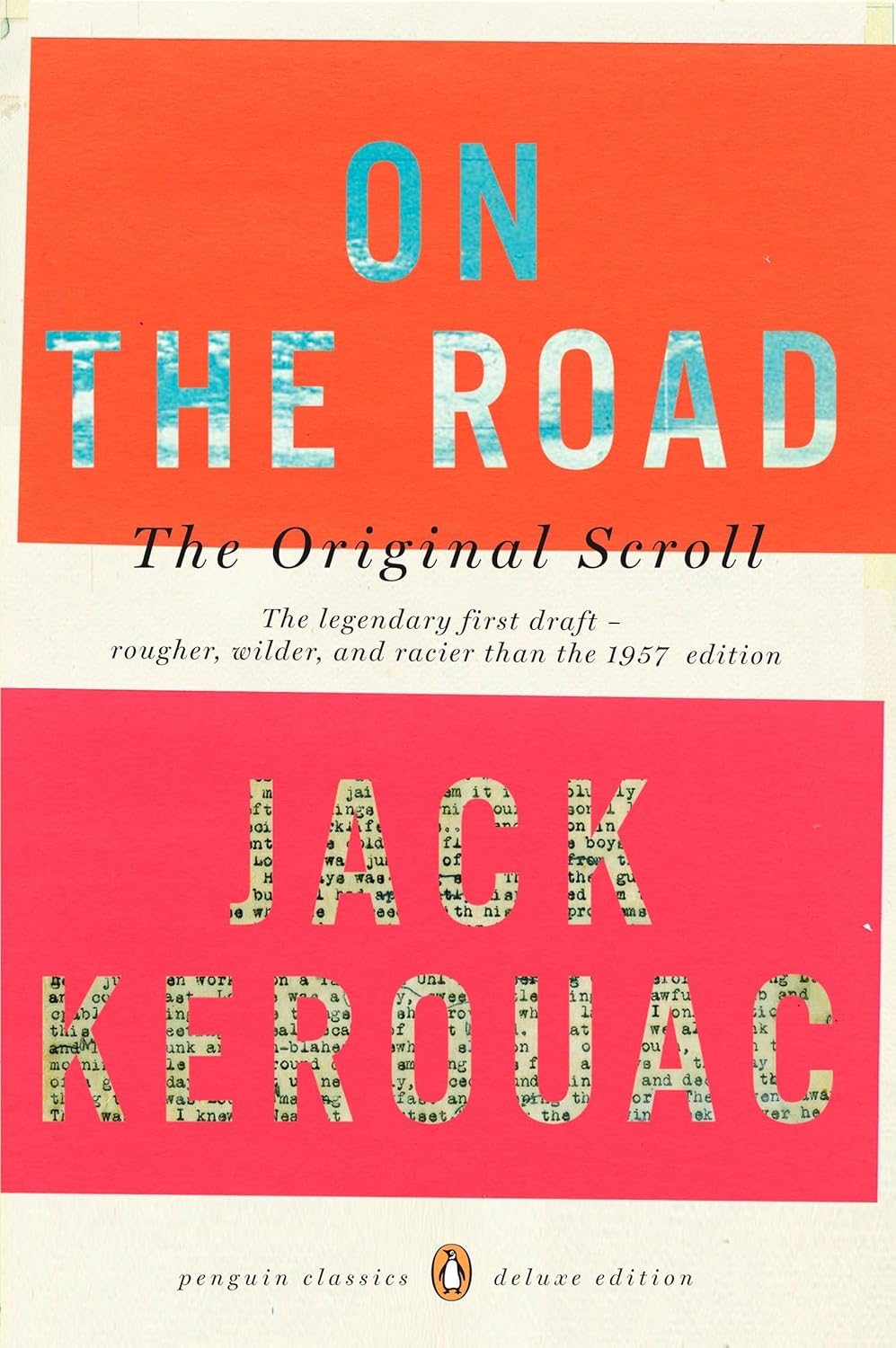
Sal Paradise and Dean Moriarty drive across America in the late 1940s. The sentences are the road — and no film can replicate prose that runs at 90mph.
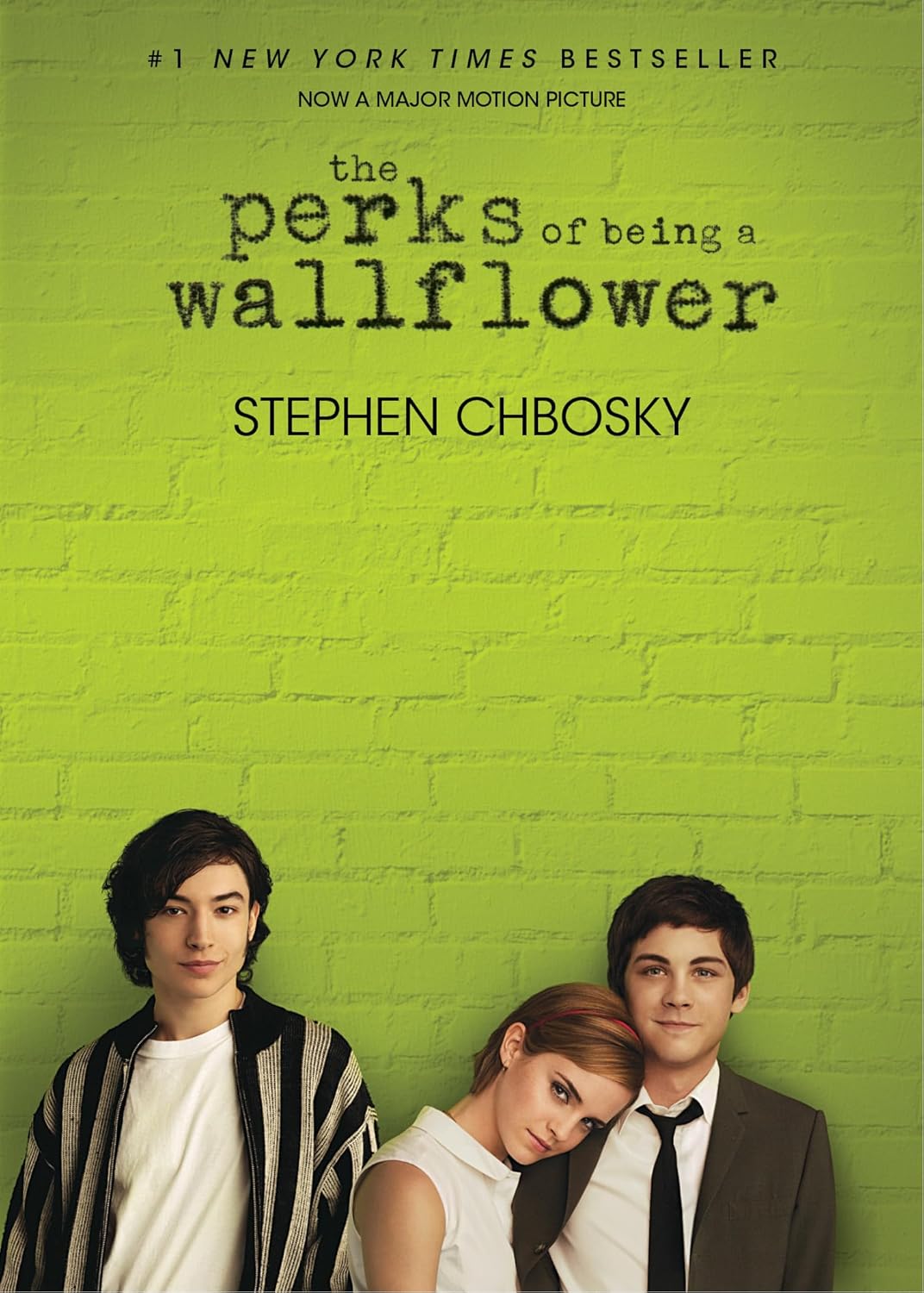
Charlie navigates his first year of high school through letters. The author directed the adaptation himself — one of the site's most genuine ties.
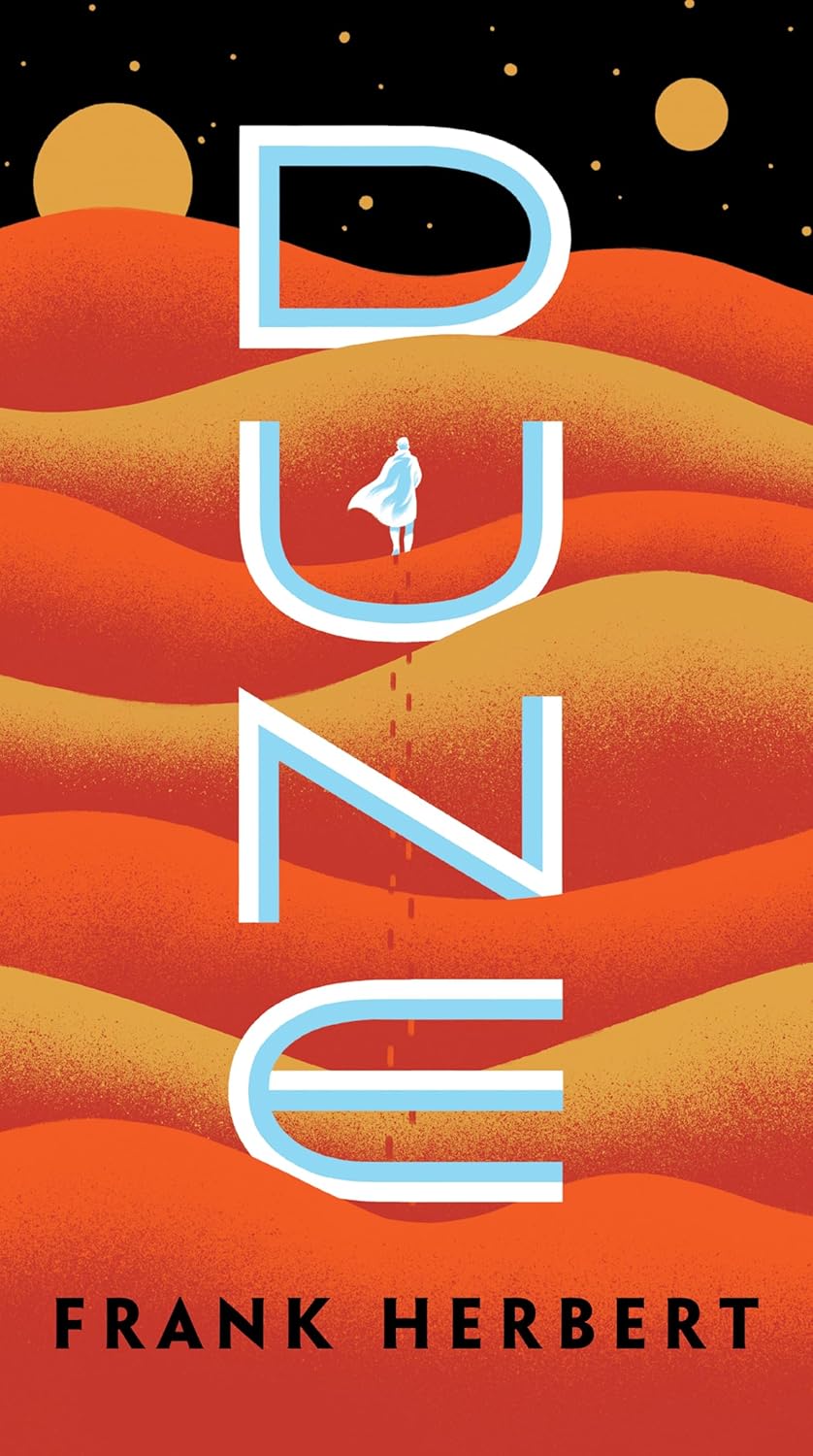
Paul Atreides travels to the desert planet Arrakis. Herbert's world-building is among the most detailed in science fiction. Villeneuve's two-part adaptation is the finest yet made.
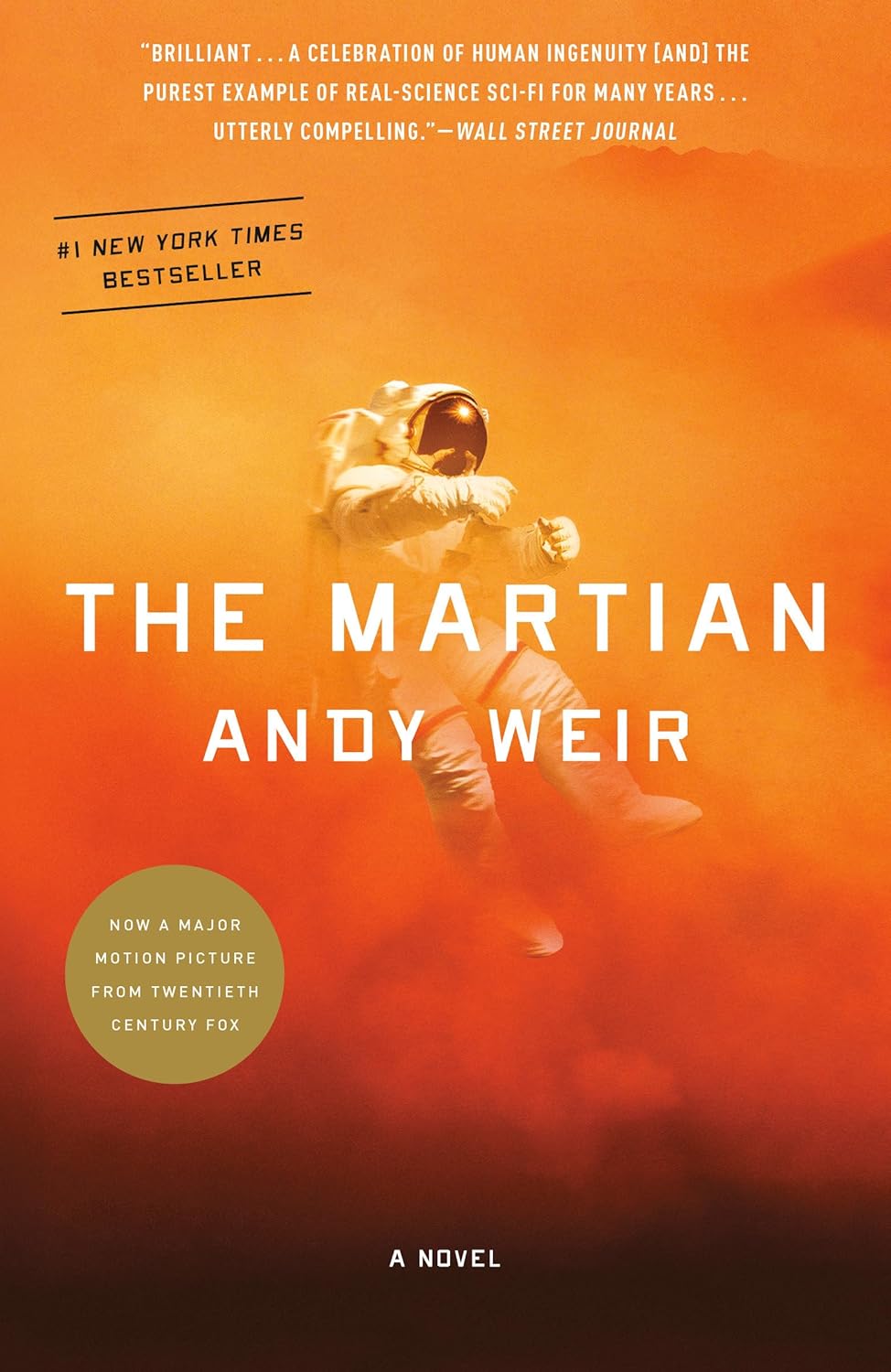
Mark Watney is left behind on Mars and must science his way to survival. The novel is funnier; the film has Ridley Scott's visual command.
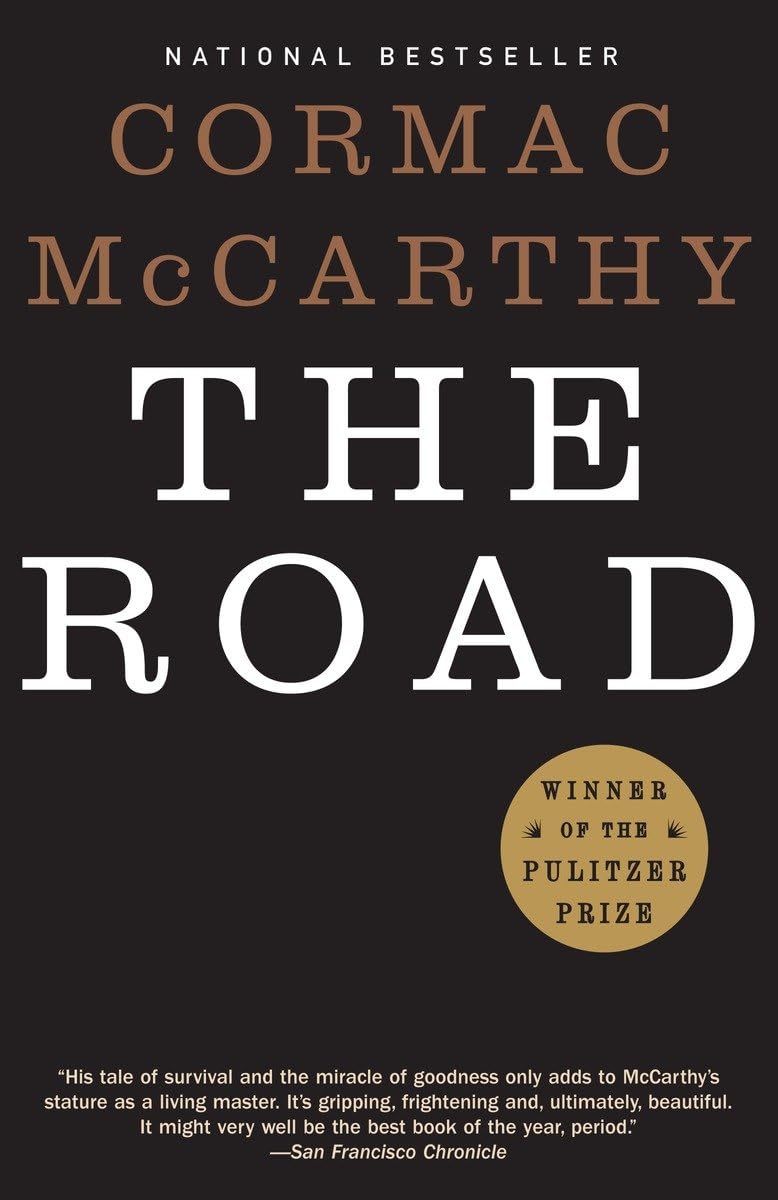
A father and son walk south through a devastated America. McCarthy's most affecting novel — spare, brutal, deeply human.

Randle McMurphy fakes insanity to serve his sentence in a psychiatric hospital. Nicholson's performance is the film's argument for its own existence.
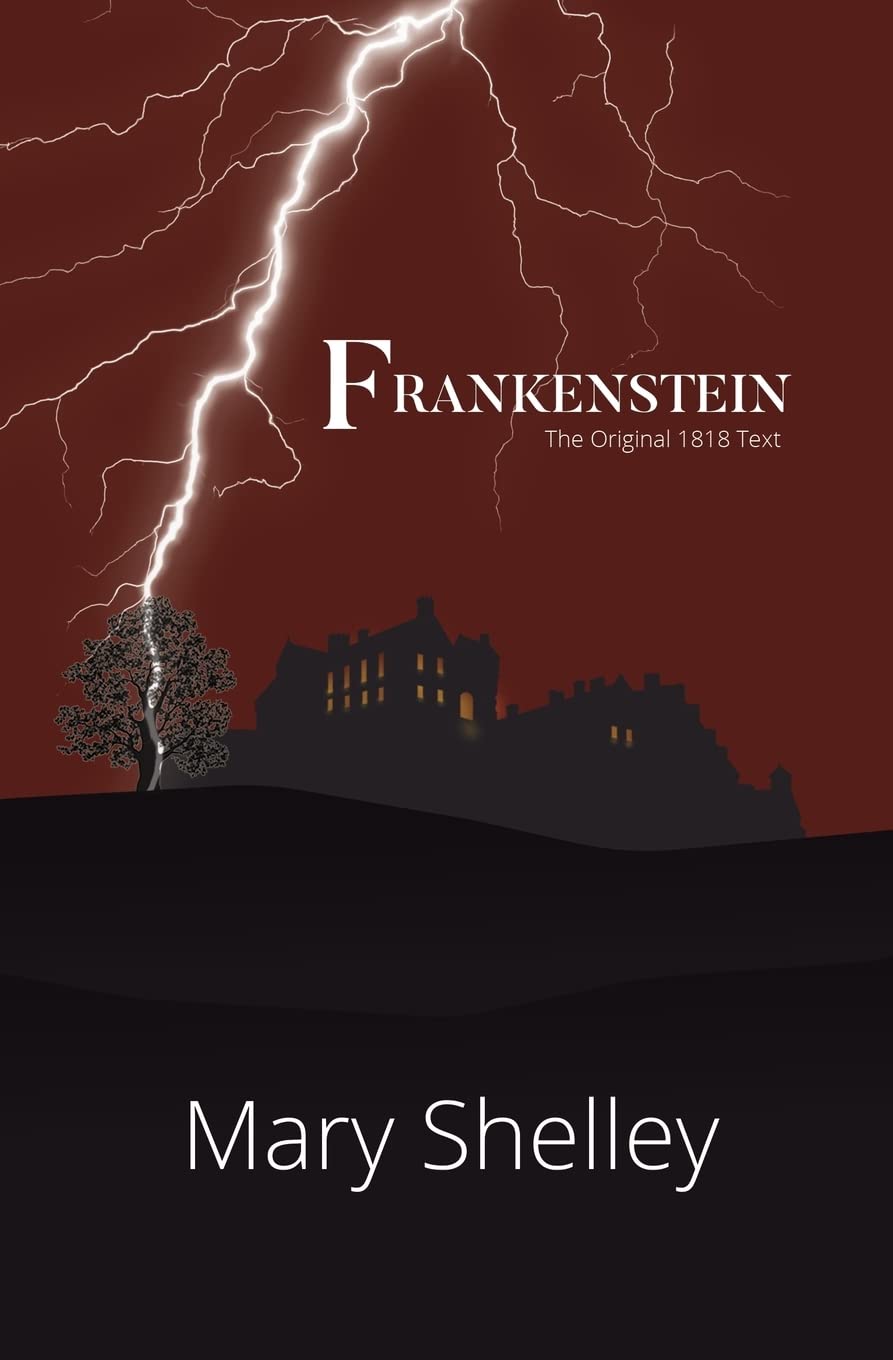
Victor Frankenstein creates life from dead matter — and immediately abandons it. Shelley wrote the original science fiction novel at eighteen.

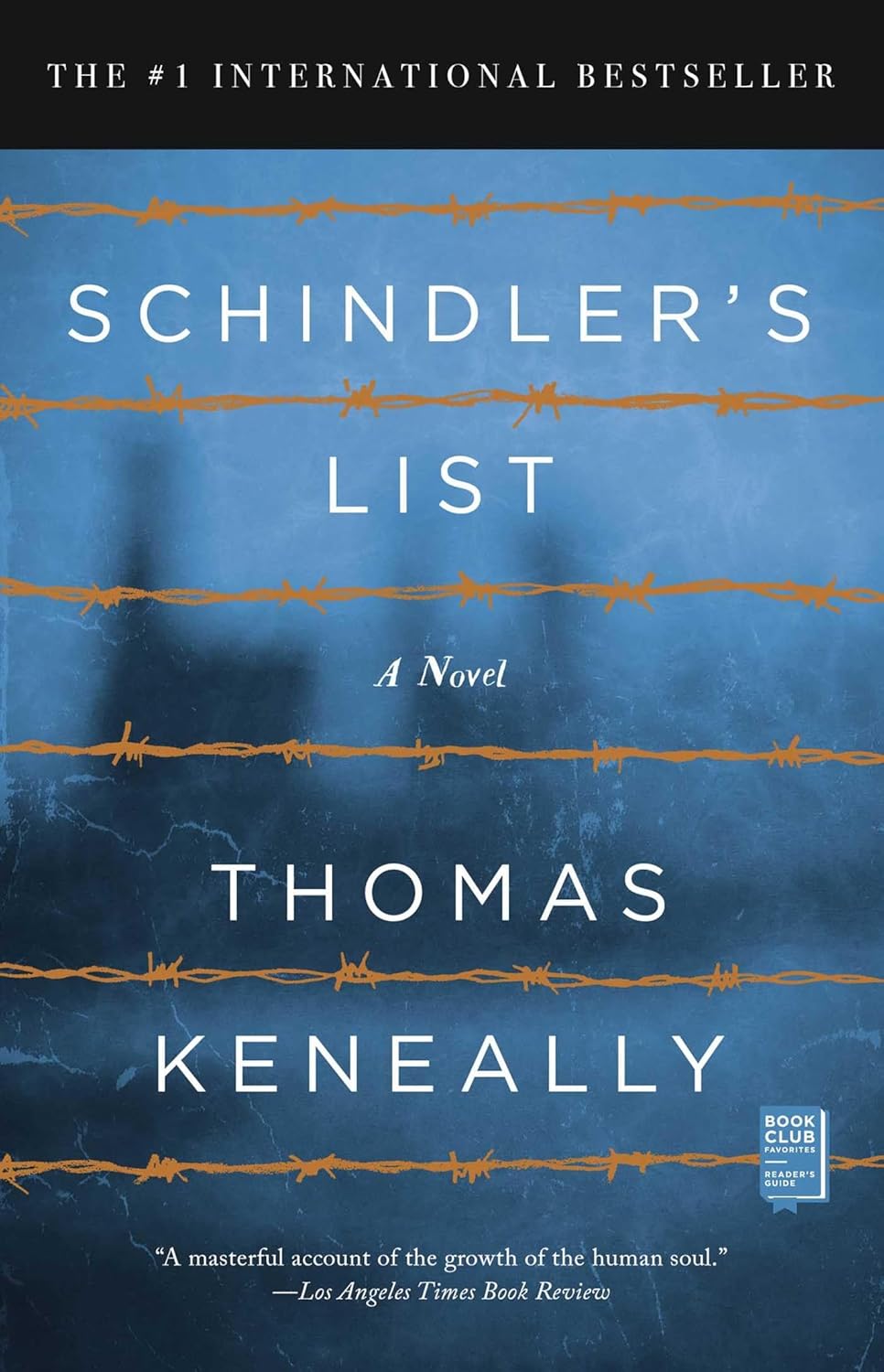
Oskar Schindler saves over a thousand Jewish lives by employing them in his factory. Spielberg's film is one of cinema's great moral achievements.
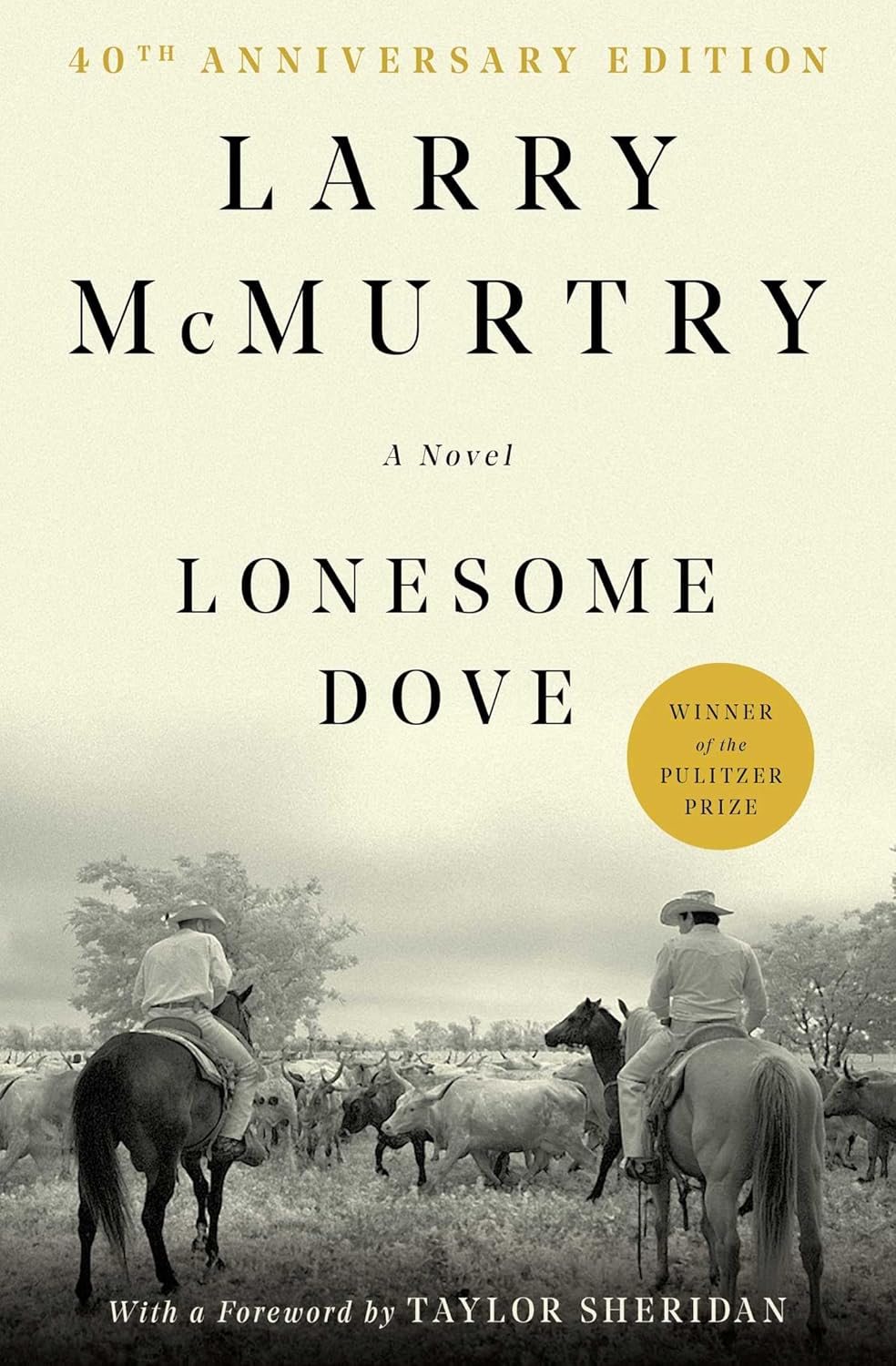
Former Texas Rangers drive a cattle herd from the Rio Grande to Montana. McMurtry's Pulitzer winner is the great American Western novel.
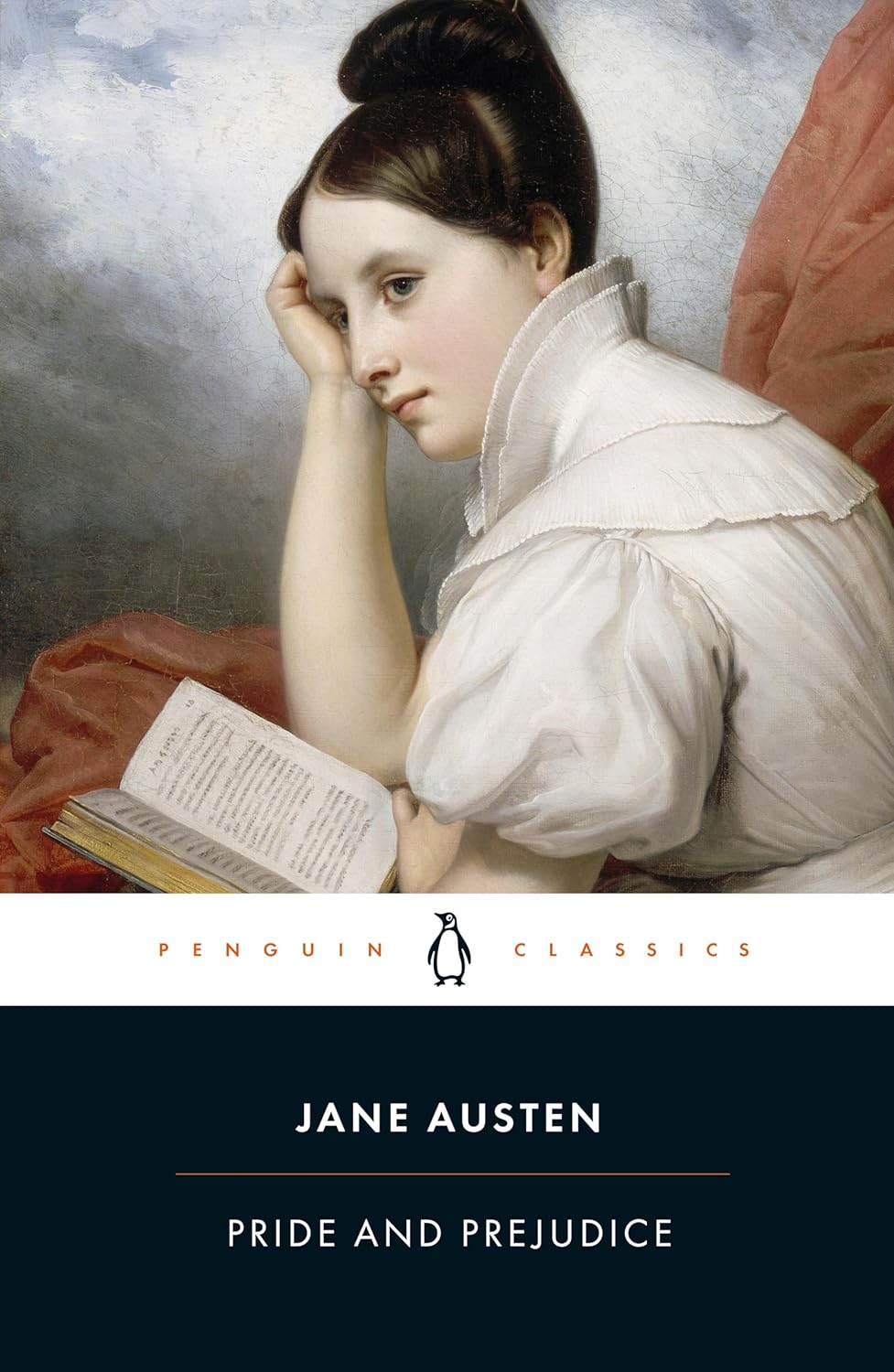
Elizabeth Bennet and Mr Darcy's mutual antagonism gradually becomes something else. Austen's wit is the experience — Joe Wright's 2005 film gets closer than most.
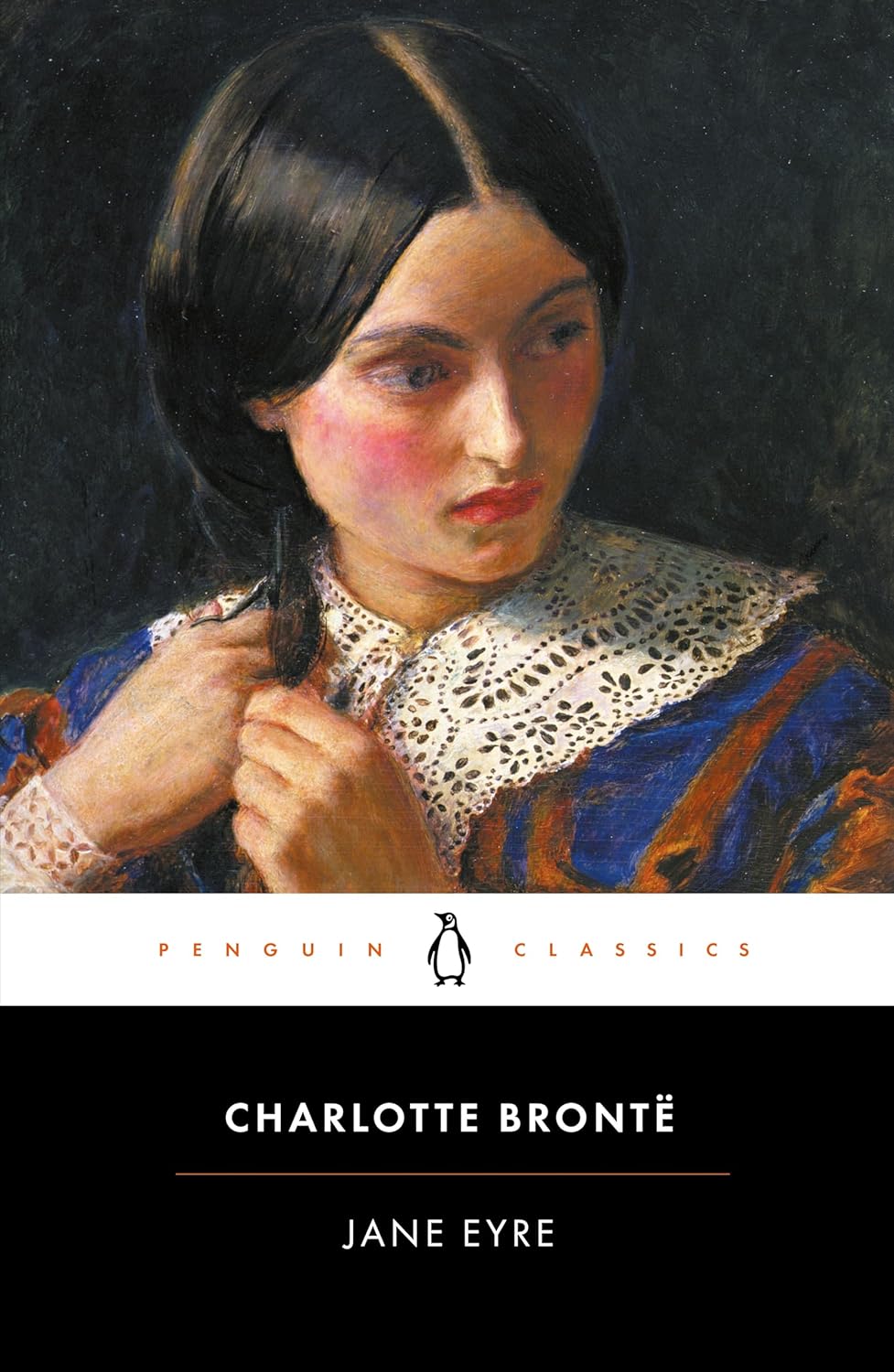
Jane Eyre, orphan, falls in love with the brooding Rochester at Thornfield Hall. Brontë's first-person voice is irreplaceable — Fukunaga's film is the finest adaptation yet made.
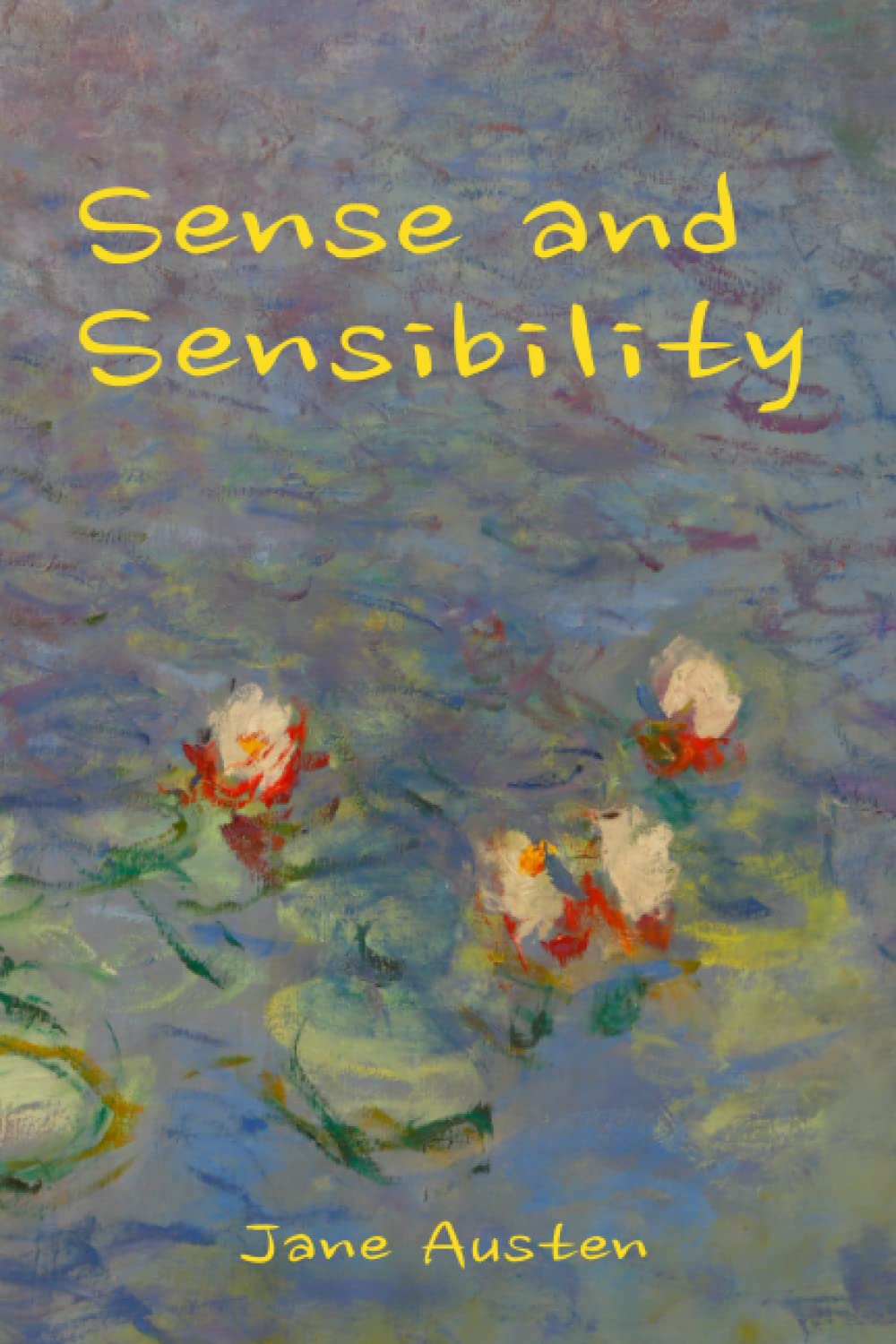
Elinor and Marianne Dashwood navigate love and reduced circumstances. Thompson's Oscar-winning screenplay is the finest Austen adaptation — and still second to the novel.
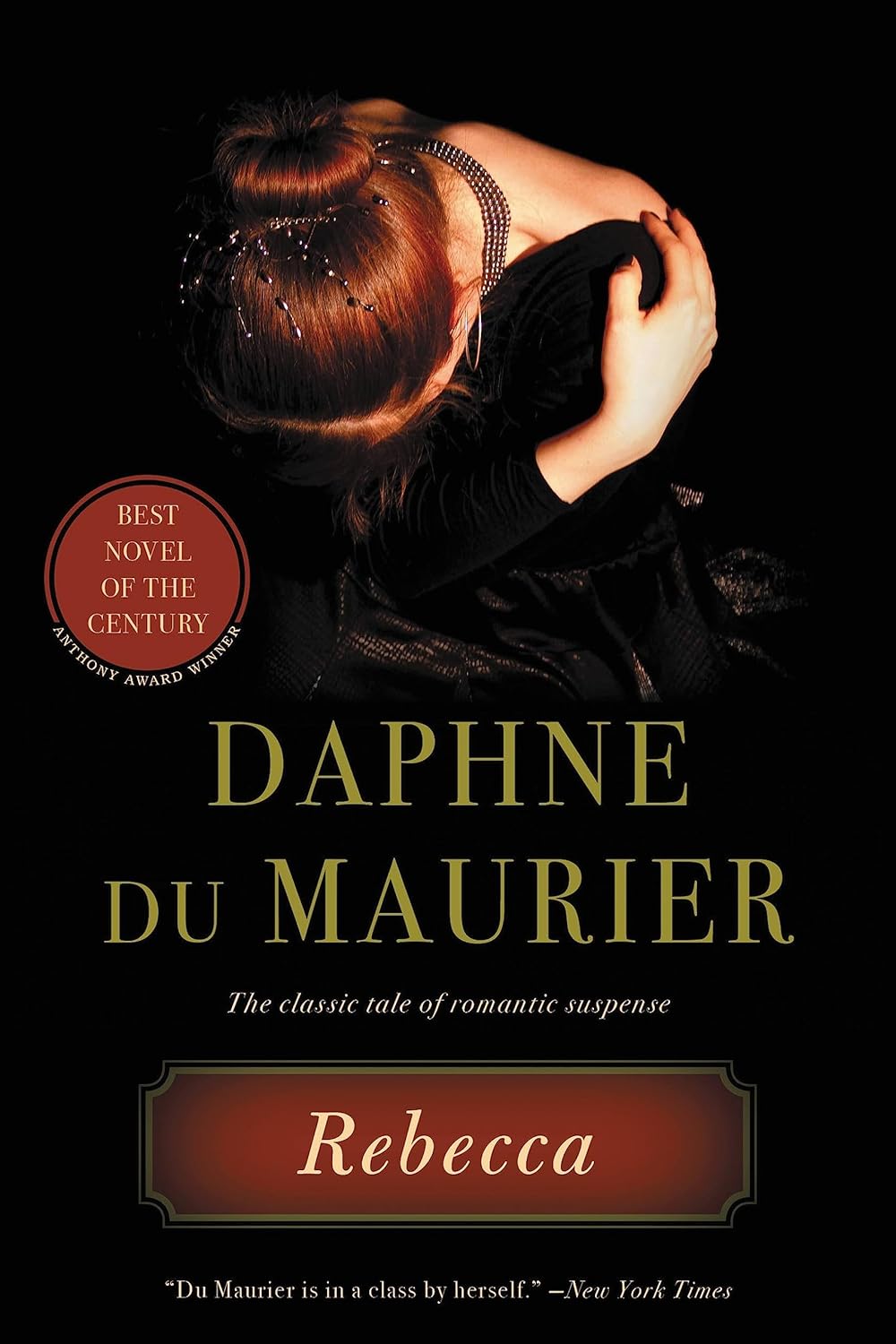
An unnamed young woman moves into Manderley — a house still haunted by her husband's first wife. Du Maurier's Gothic masterpiece, and Hitchcock's best American film.
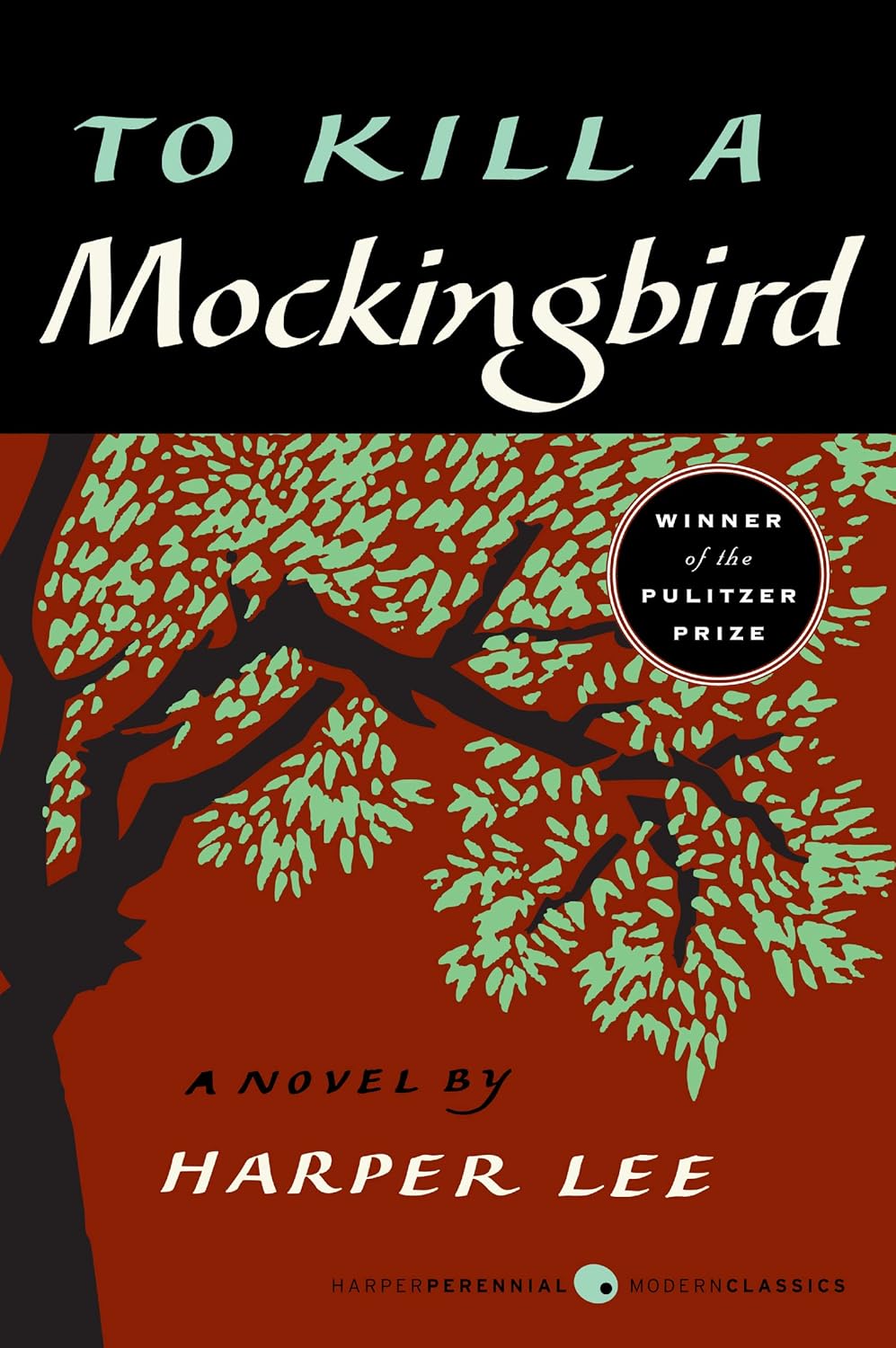
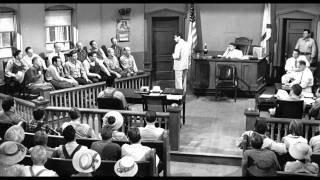
Atticus Finch defends a Black man falsely accused of rape in 1930s Alabama. Two masterworks of approximately equal power in different forms.
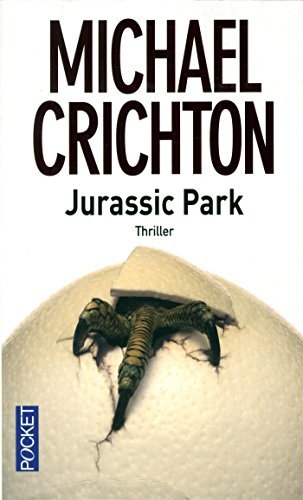
Crichton's novel is darker and more intellectually rigorous than the blockbuster. Spielberg's dinosaurs are one of cinema's great achievements. Both arguments are correct.
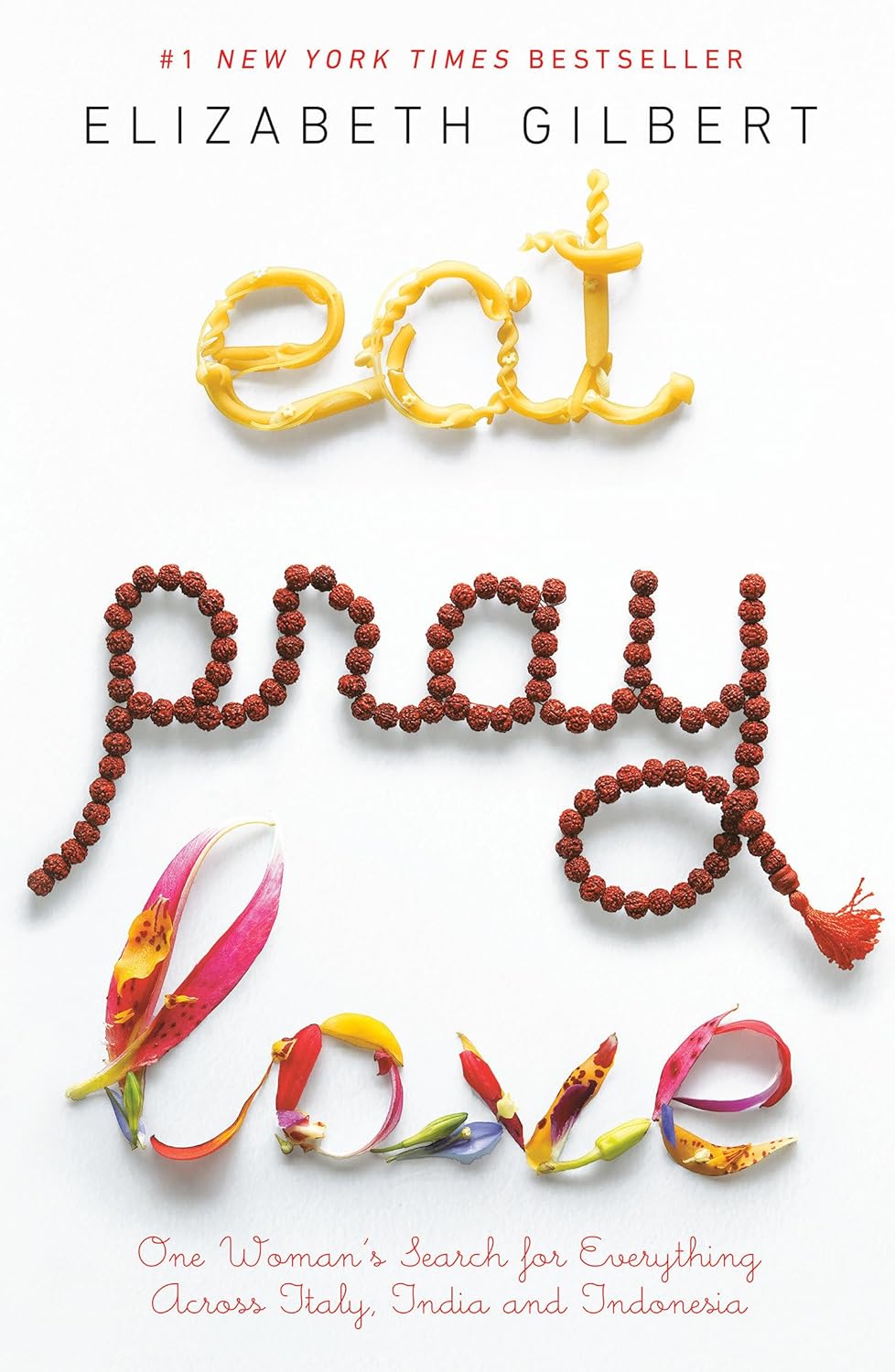
After divorce, Gilbert spends a year eating in Italy, praying in India, and falling in love in Bali. The memoir's voice is the experience — the film has Julia Roberts.
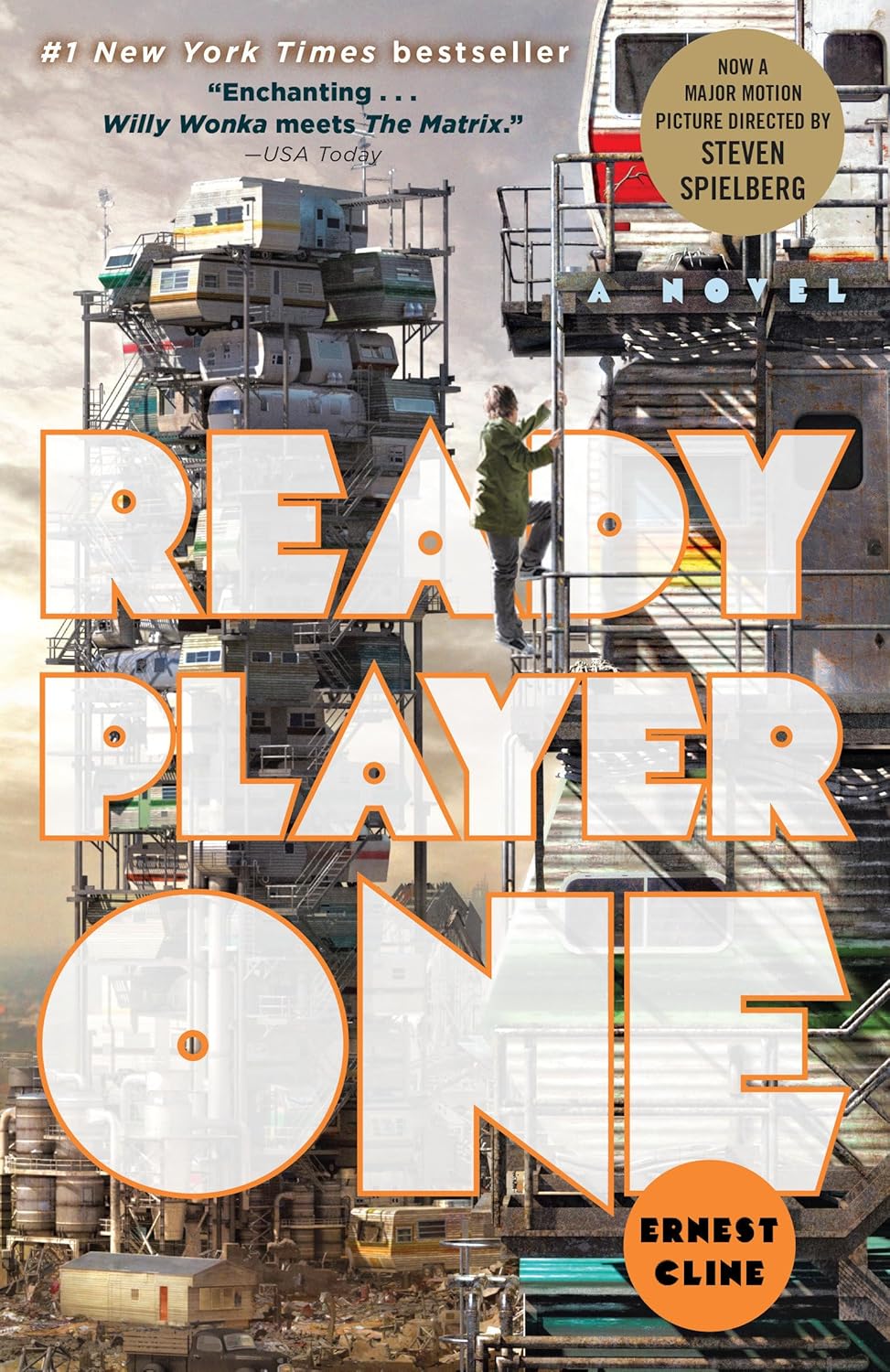
In 2045, humanity escapes into a vast virtual world. Spielberg replaced Cline's specific 1980s obsessions with broader spectacle — and made a different, impressive film.
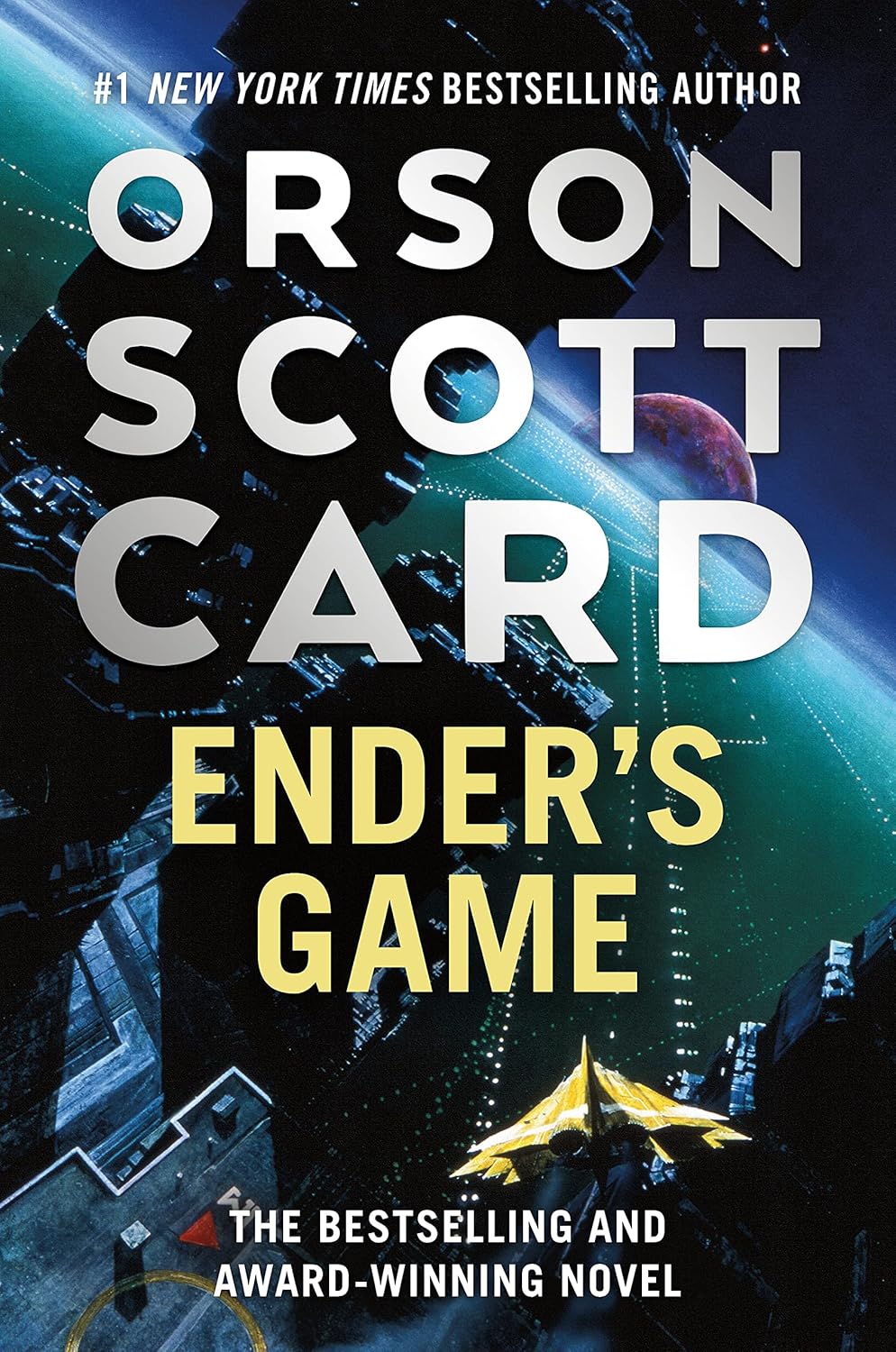
Brilliant child Ender Wiggin is trained to command humanity's fleet against an alien species. The novel's ending is one of science fiction's great twists. The film summarises it.
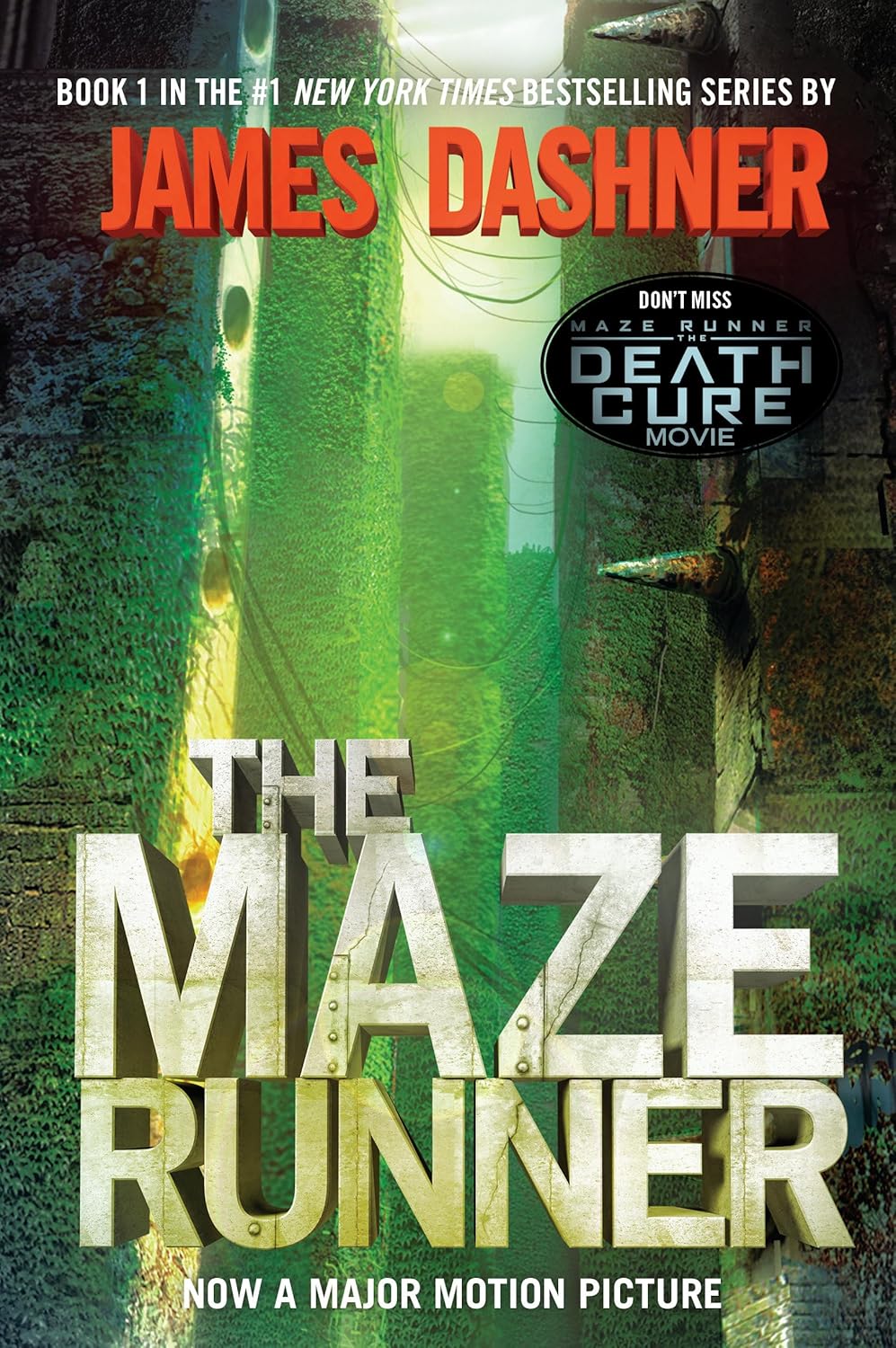
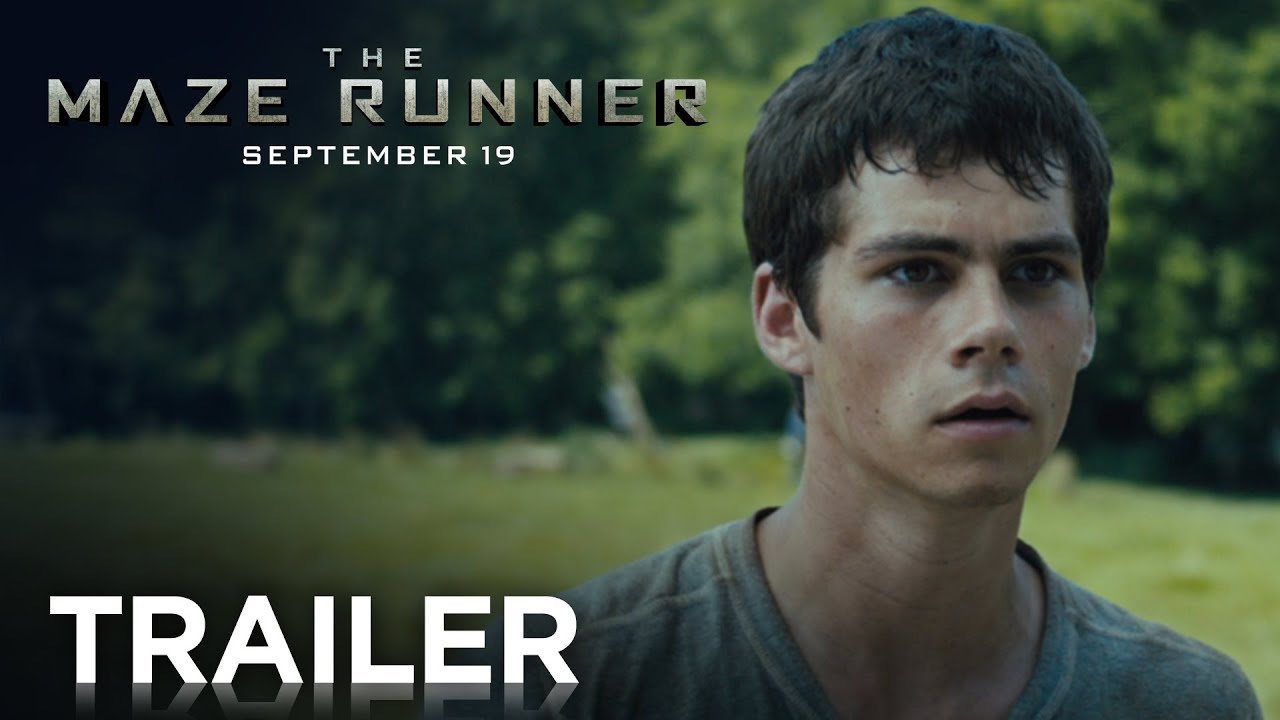
Thomas wakes up in a glade surrounded by an ever-shifting lethal maze with no memory of his past. One of the better YA adaptations — faithful to the novel's propulsion.

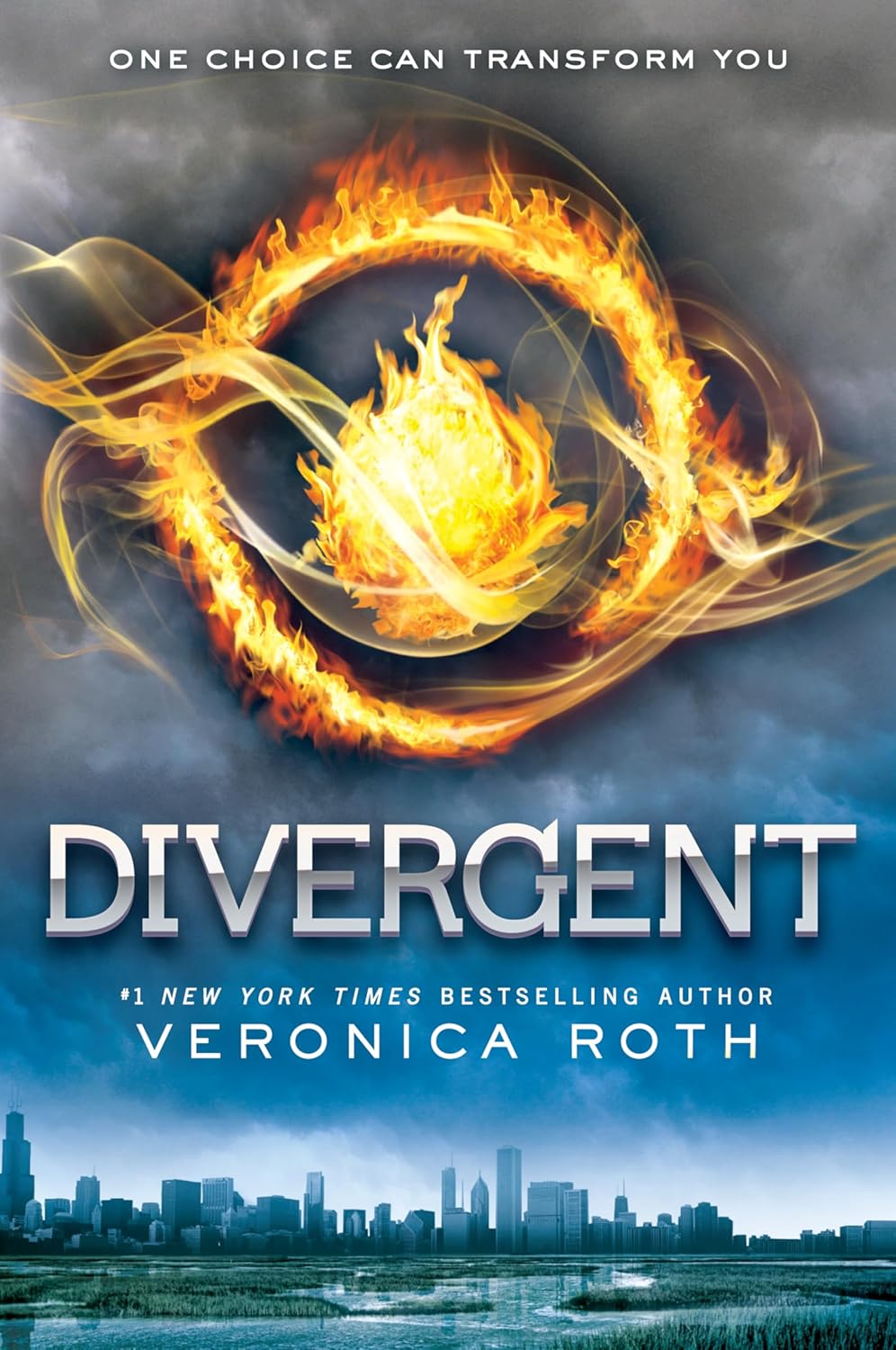
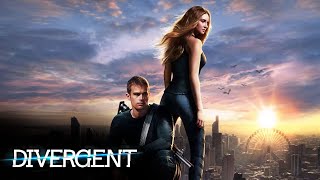
Tris Prior discovers she belongs to no single faction in a society built around personality types. Woodley is the film's best argument — and the series never finished on screen.
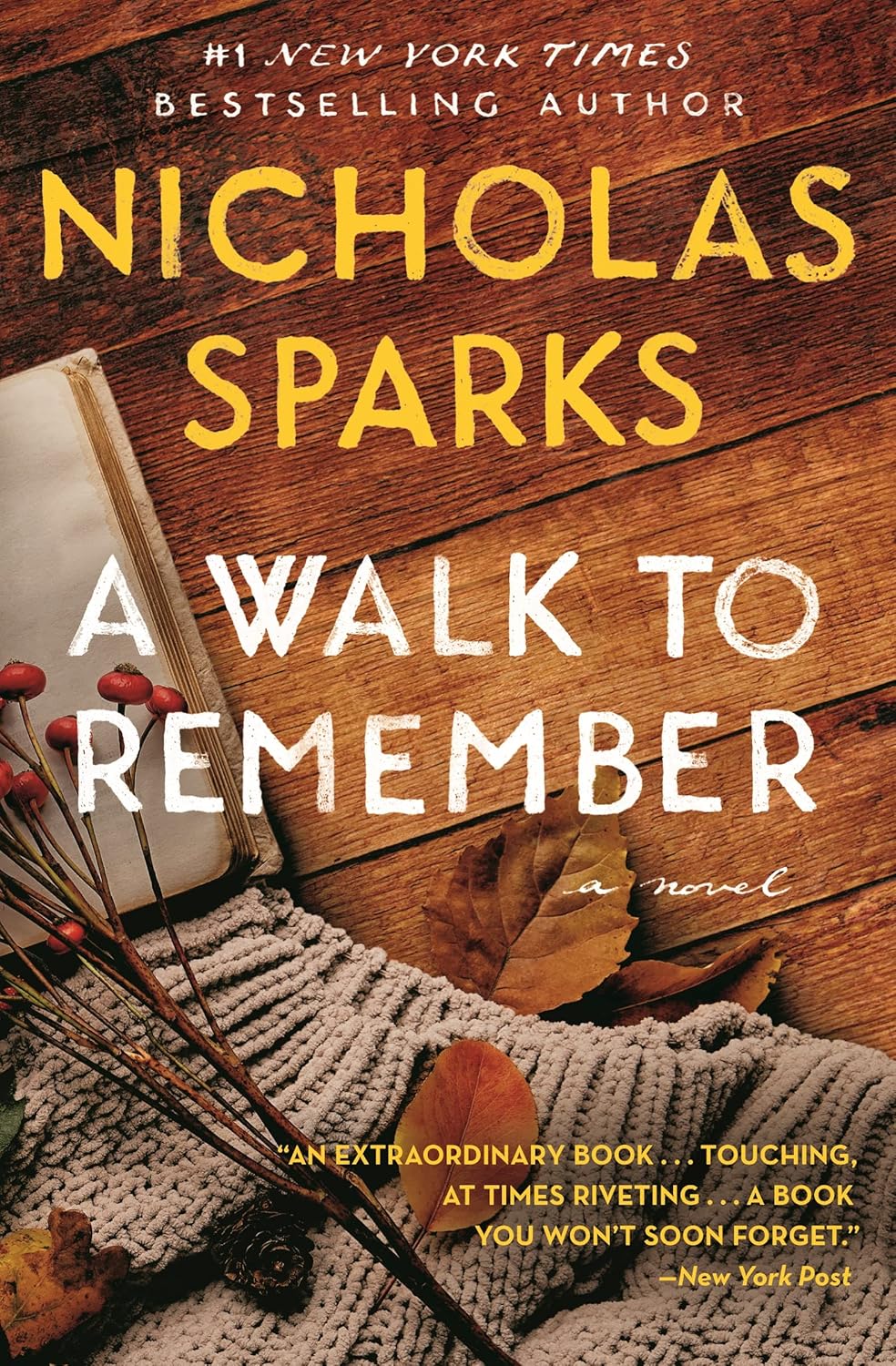
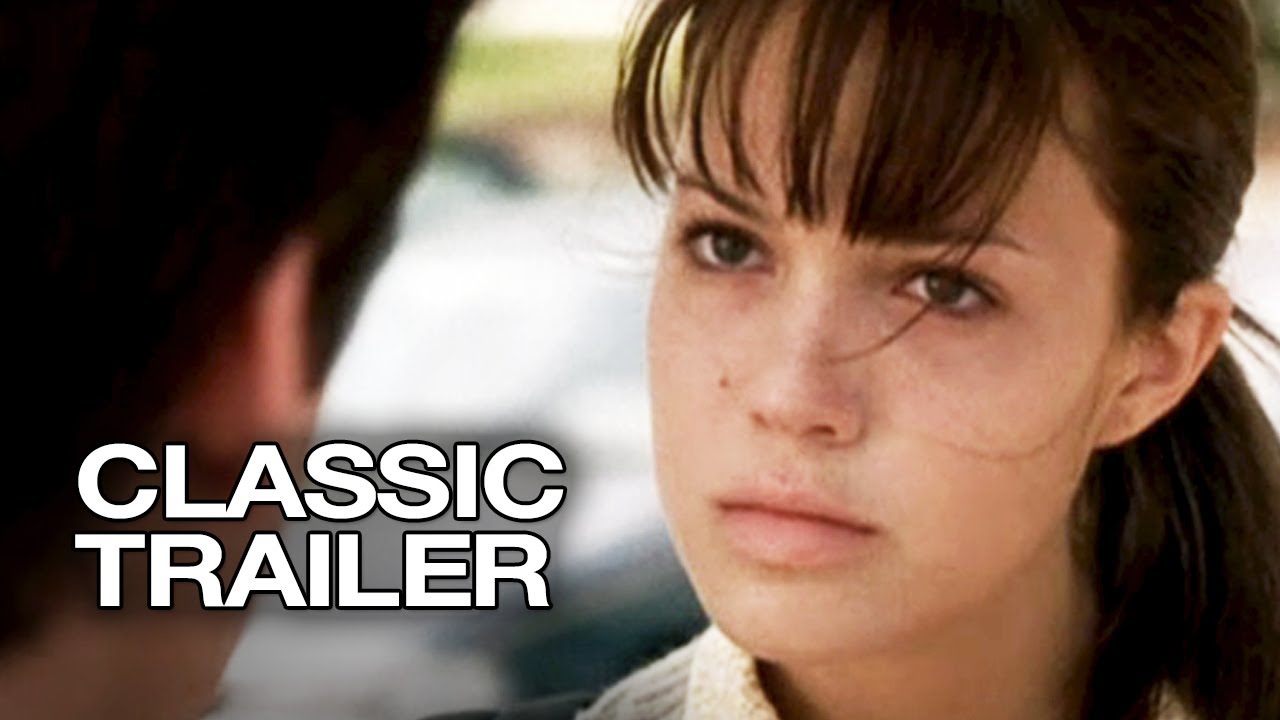
Landon Carter falls for the reverend's daughter in 1950s North Carolina. Sparks set the novel decades back for good reason — the film moves it to the present and loses some of what makes it earn its emotion.
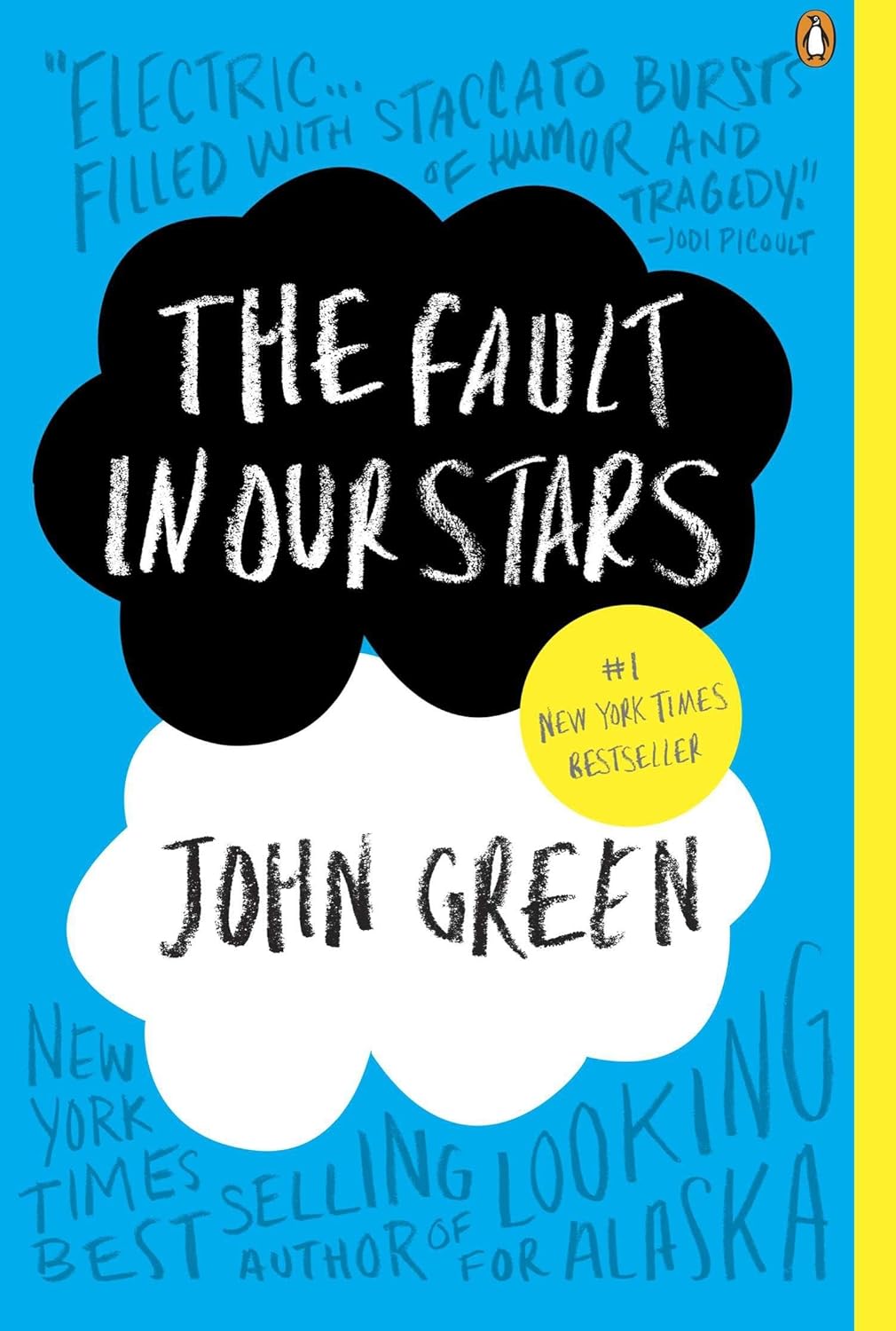
Hazel Grace Lancaster meets Augustus Waters at a cancer support group. Green's sharpest, funniest novel — Woodley is excellent but Hazel's voice is the experience.

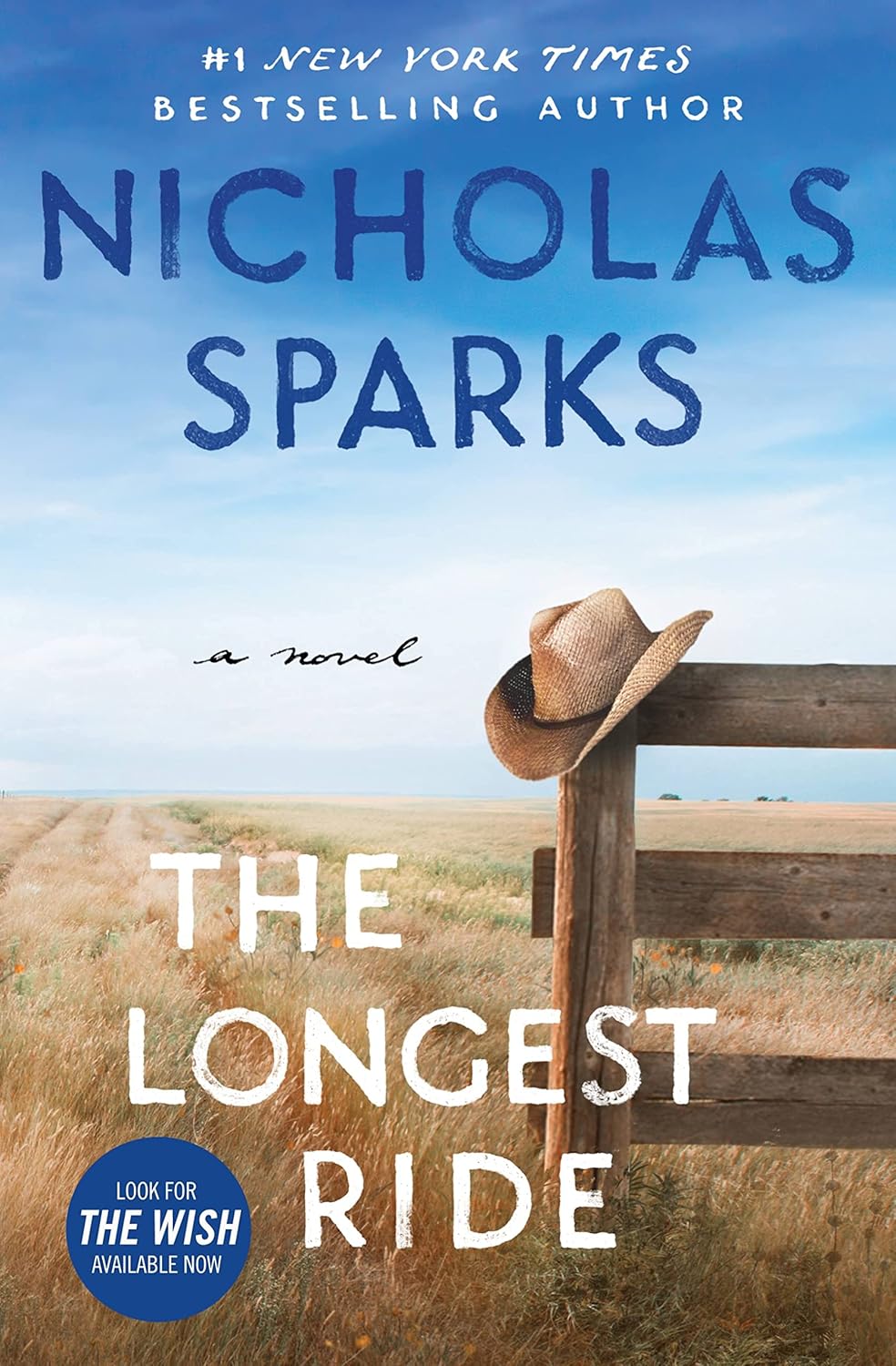
Two love stories across two timelines: a bull rider and a college student, an elderly man and his decades of marriage. Sparks's most ambitious structure, competently filmed.

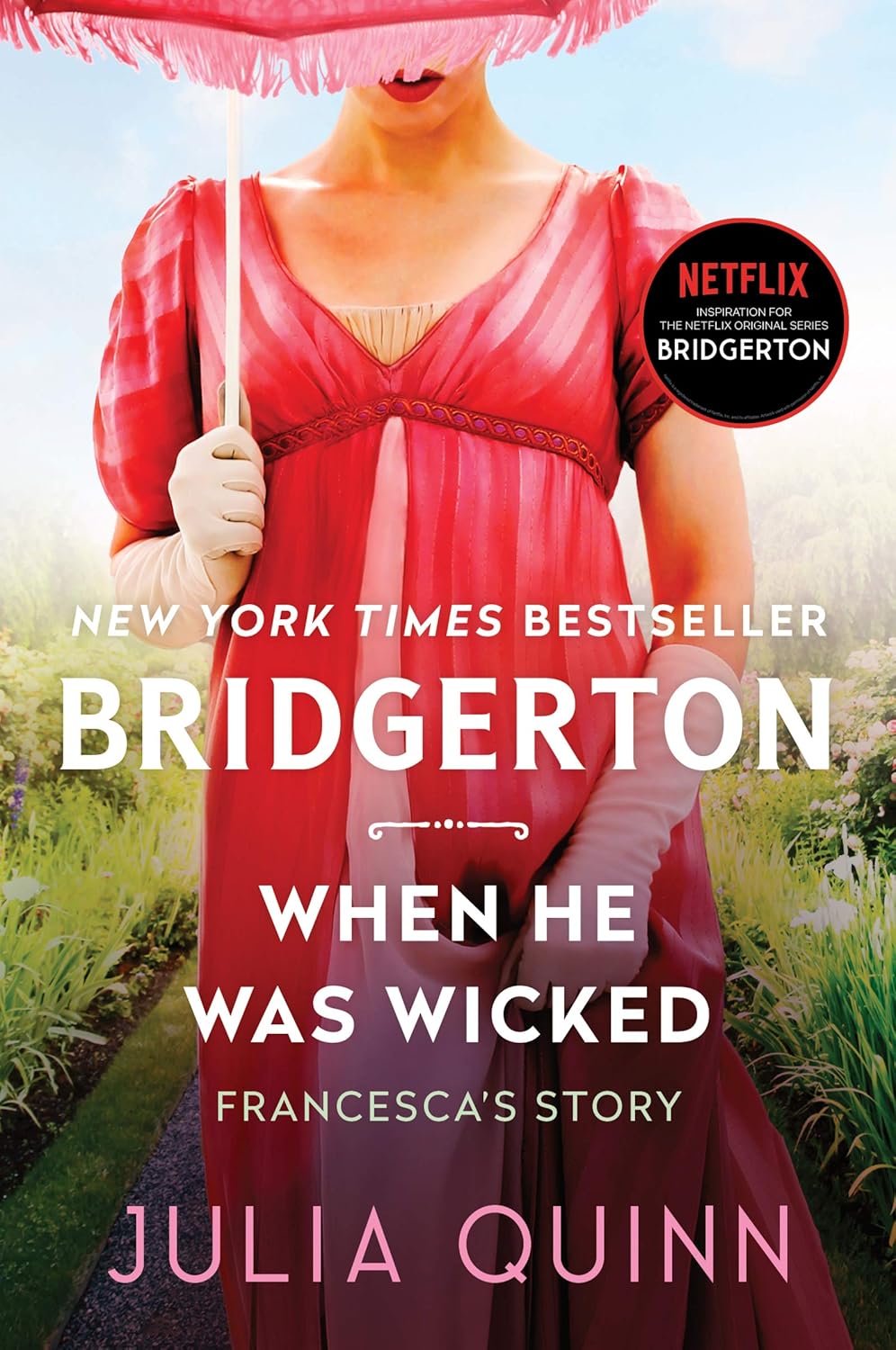
Daphne Bridgerton and the Duke of Hastings in a fake courtship turned real. Rhimes reimagines Quinn's Regency world with a boldness the novel never attempted — Lady Whistledown is the series' best invention.
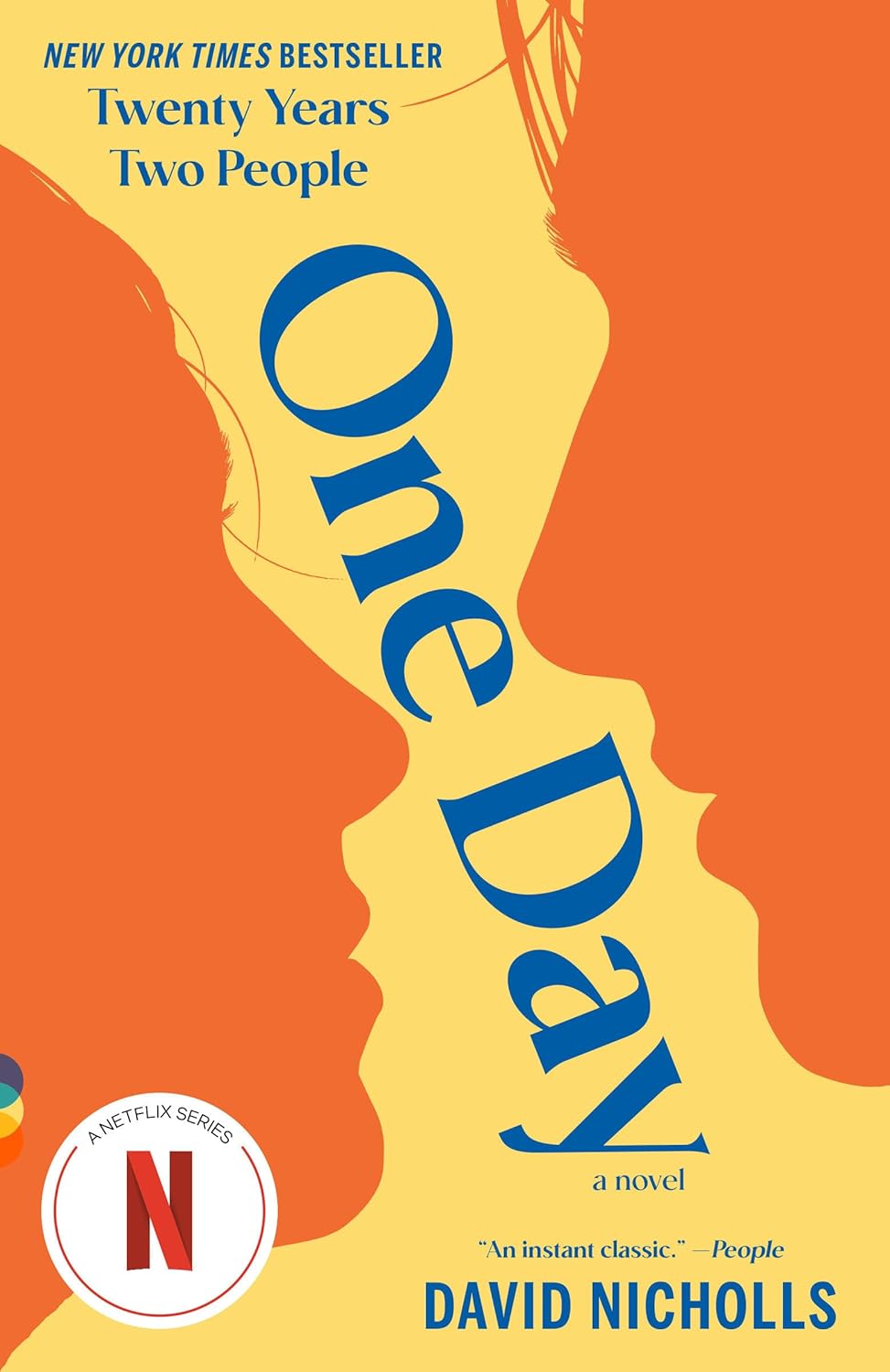
Emma and Dexter, checked in on every July 15th for twenty years. Nicholls's annual structure is the whole experience — the film compresses what the novel builds across two decades.

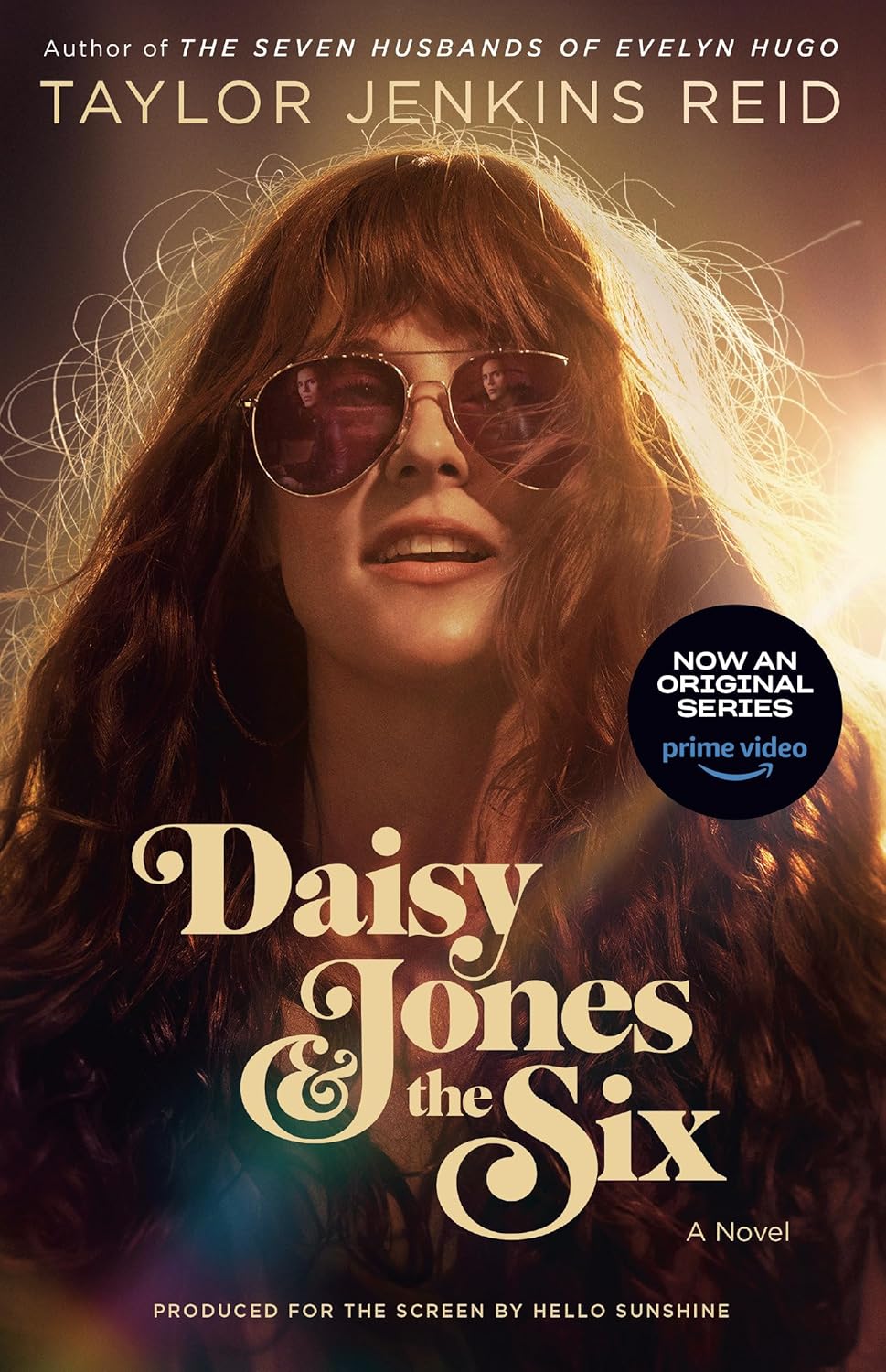
An oral history of a fictional 1970s rock band who made one great album then dissolved. Reid's format is the genius — the series trades it for conventional drama and commissions an actual Aurora album.

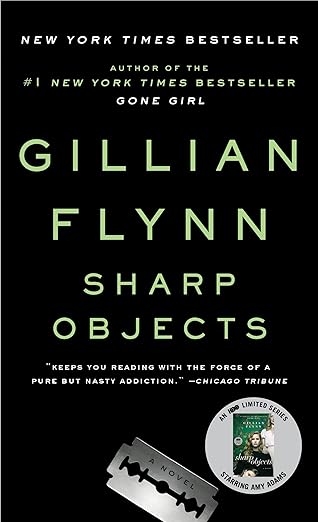
A journalist returns to her Missouri hometown to cover a murder and confronts her own damage. Flynn's debut is more suffocating than the series — Adams is extraordinary but the words on Camille's skin work differently on the page.
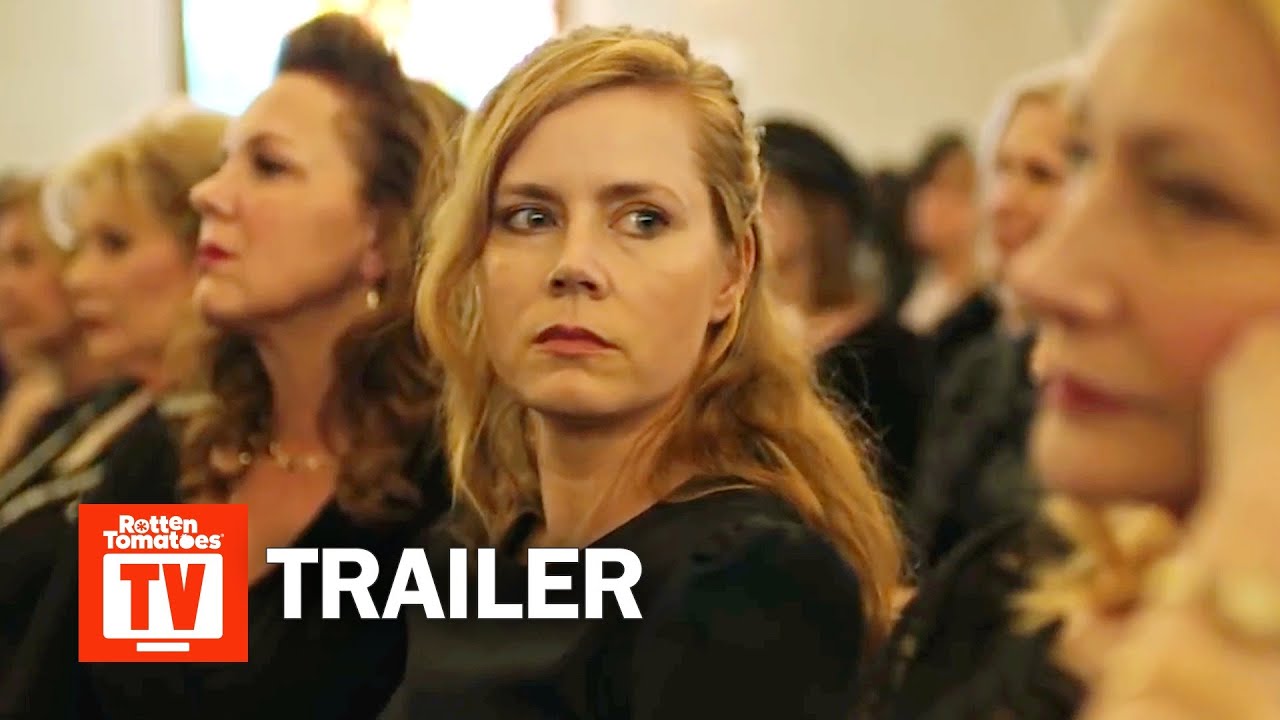
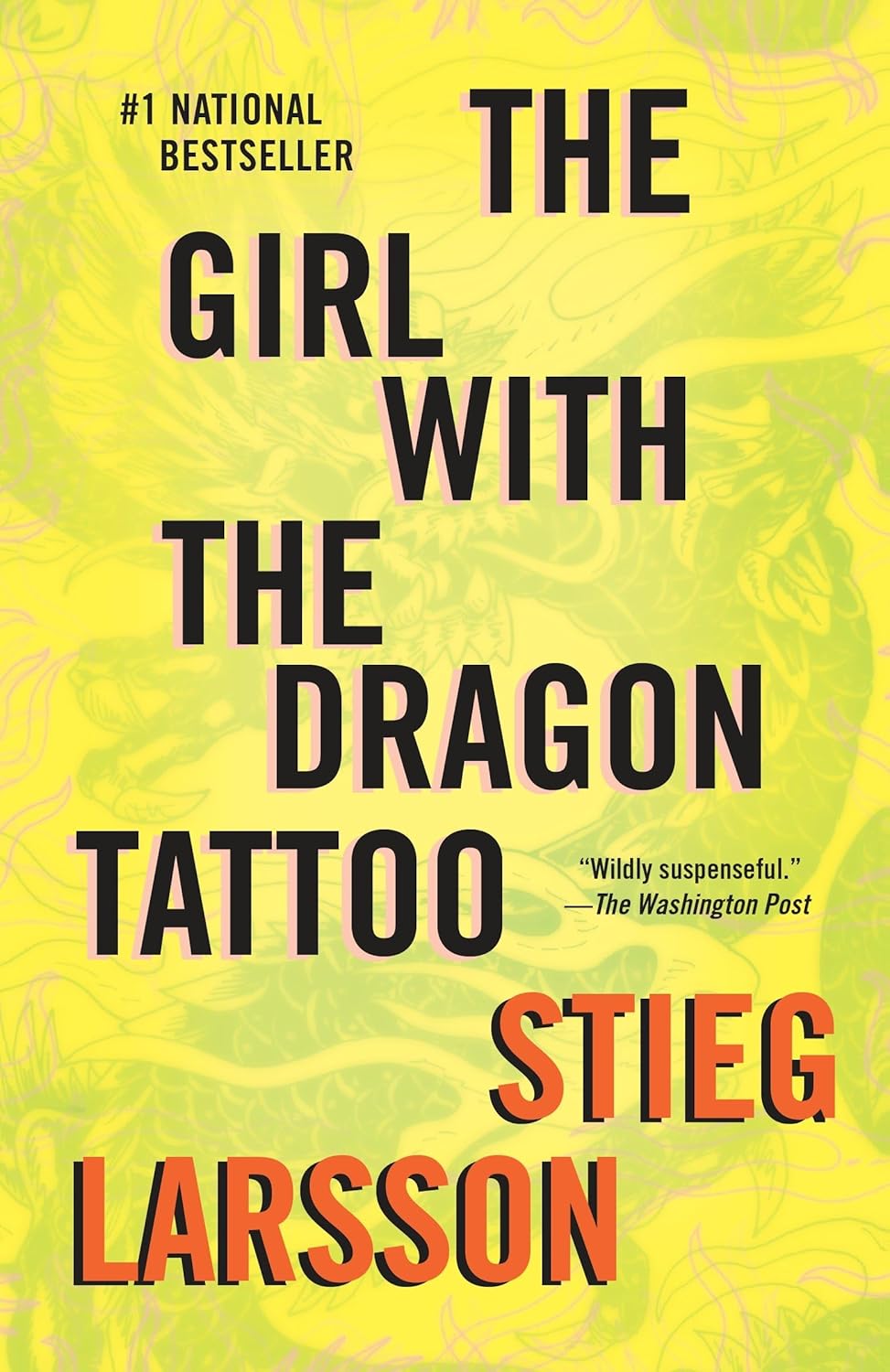
Lisbeth Salander and Mikael Blomkvist investigate a forty-year-old disappearance. Fincher's film is formally masterful and Rooney Mara is definitive — one of the site's closest contests.
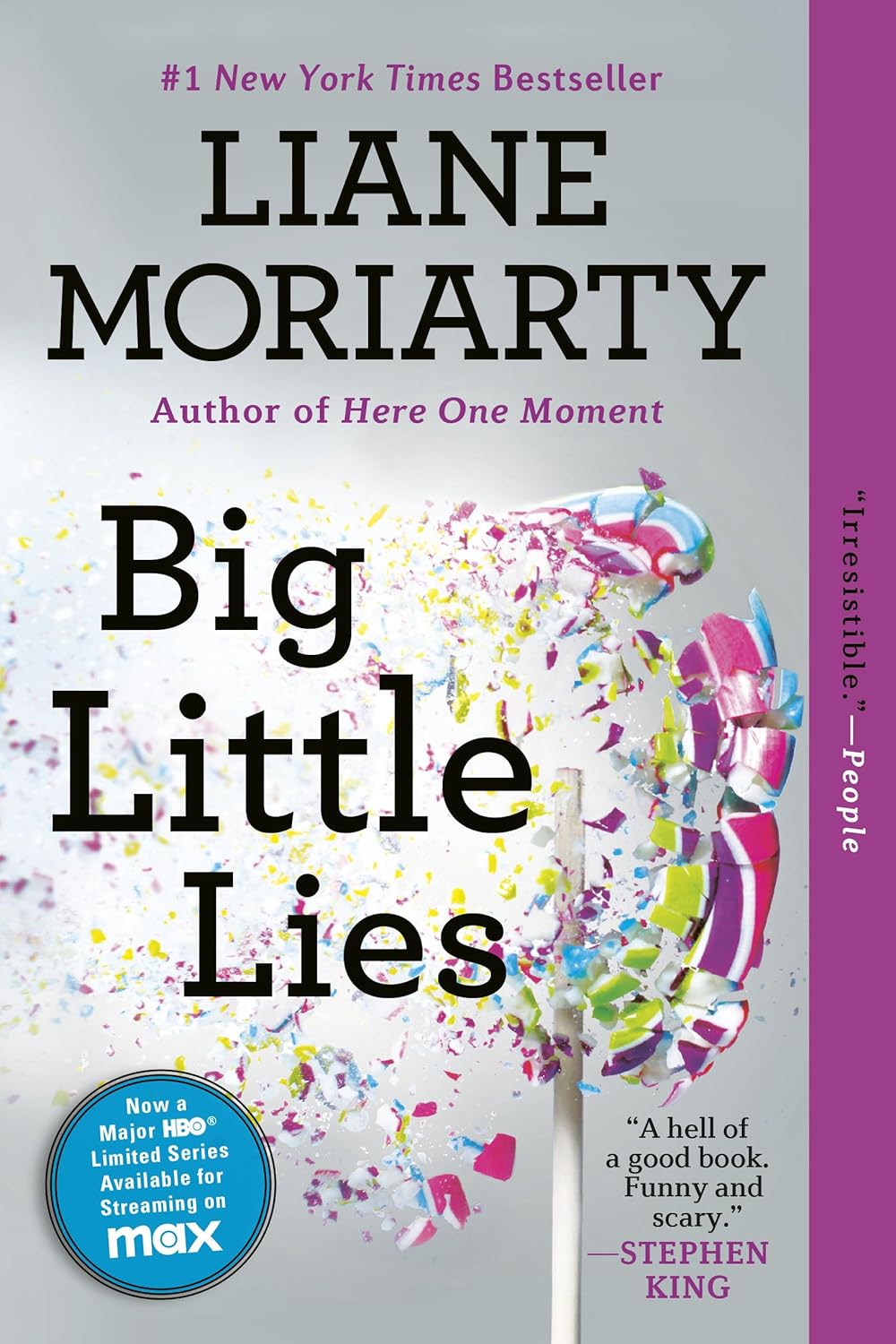
Three Monterey mothers, one dead body at trivia night. Moriarty's novel is funnier and more Australian; Vallée's series is more beautiful and contains Nicole Kidman's finest screen work.
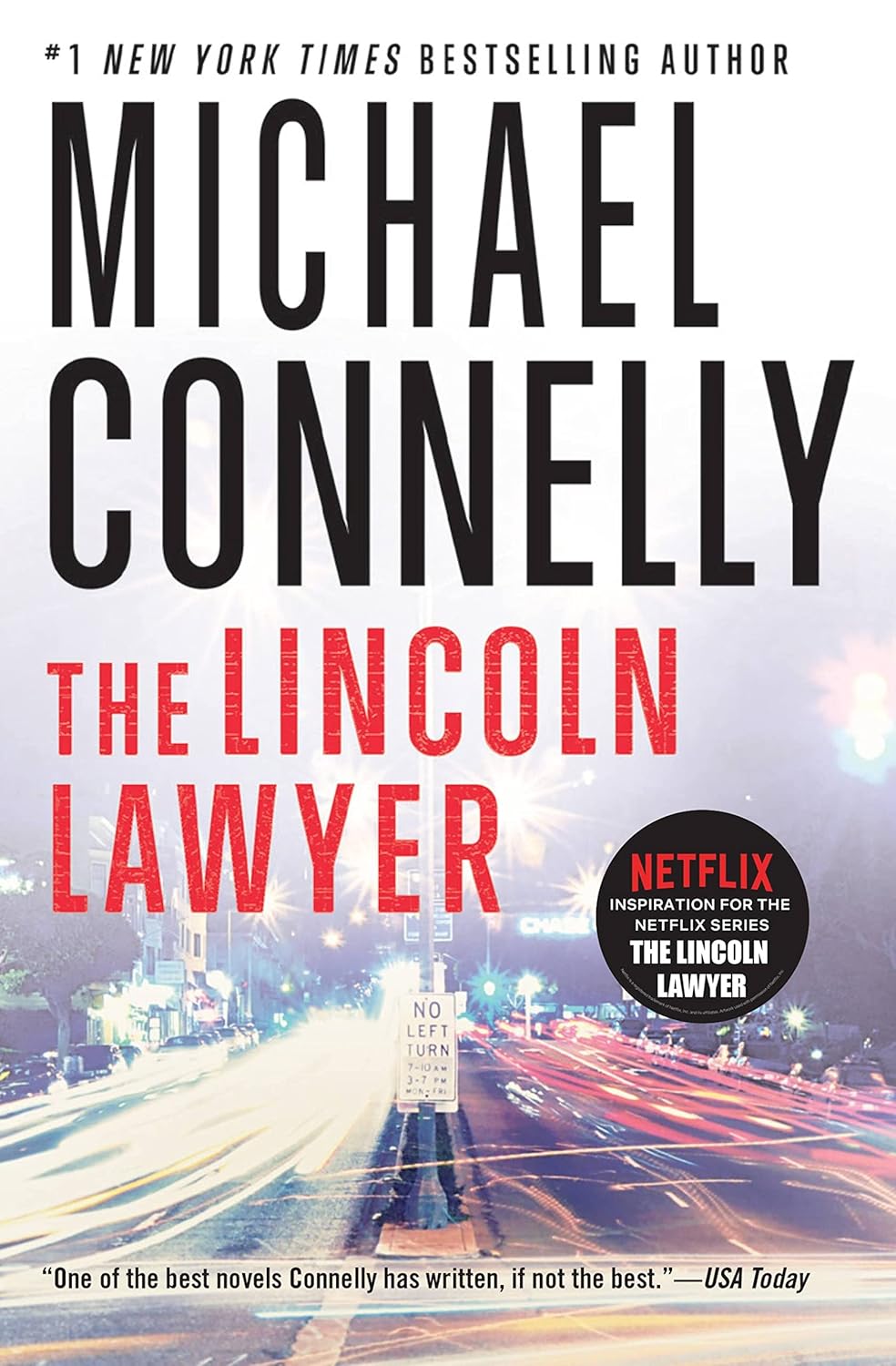
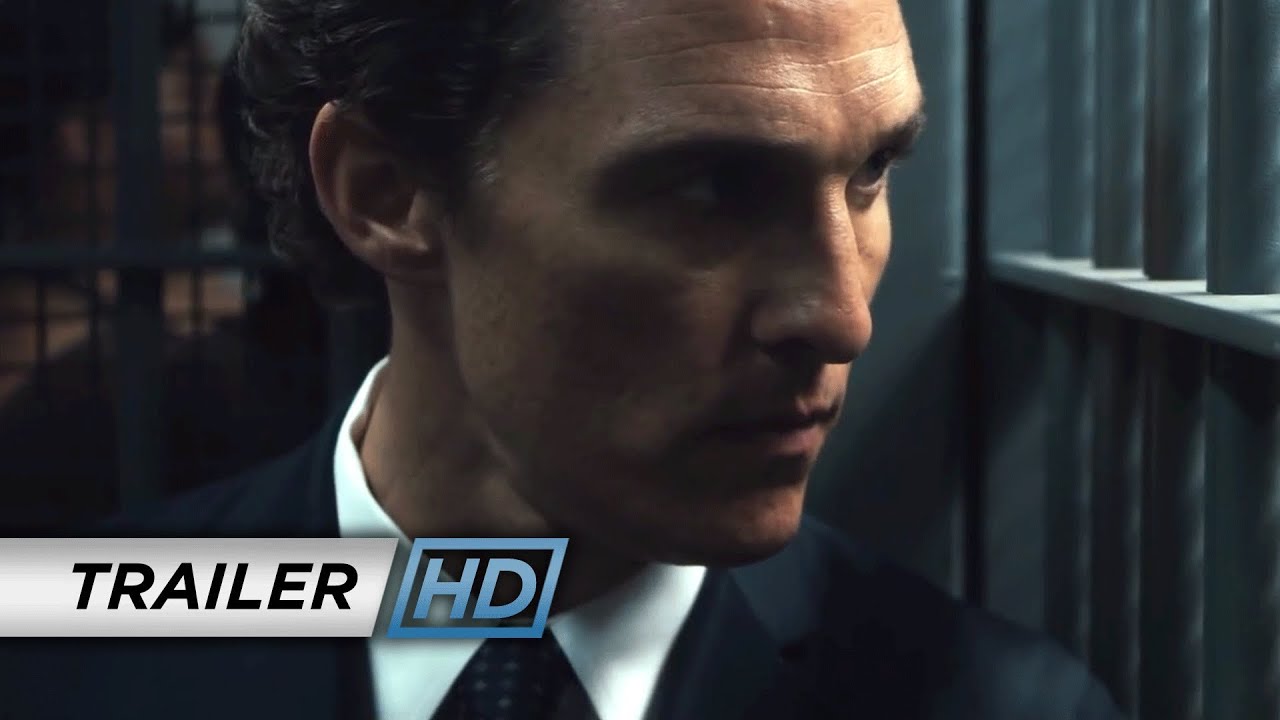
Mickey Haller, a defence attorney who works from his Lincoln, takes a case that connects to something worse. Connelly's procedural depth outpaces what two hours can carry — McConaughey is the right Haller.
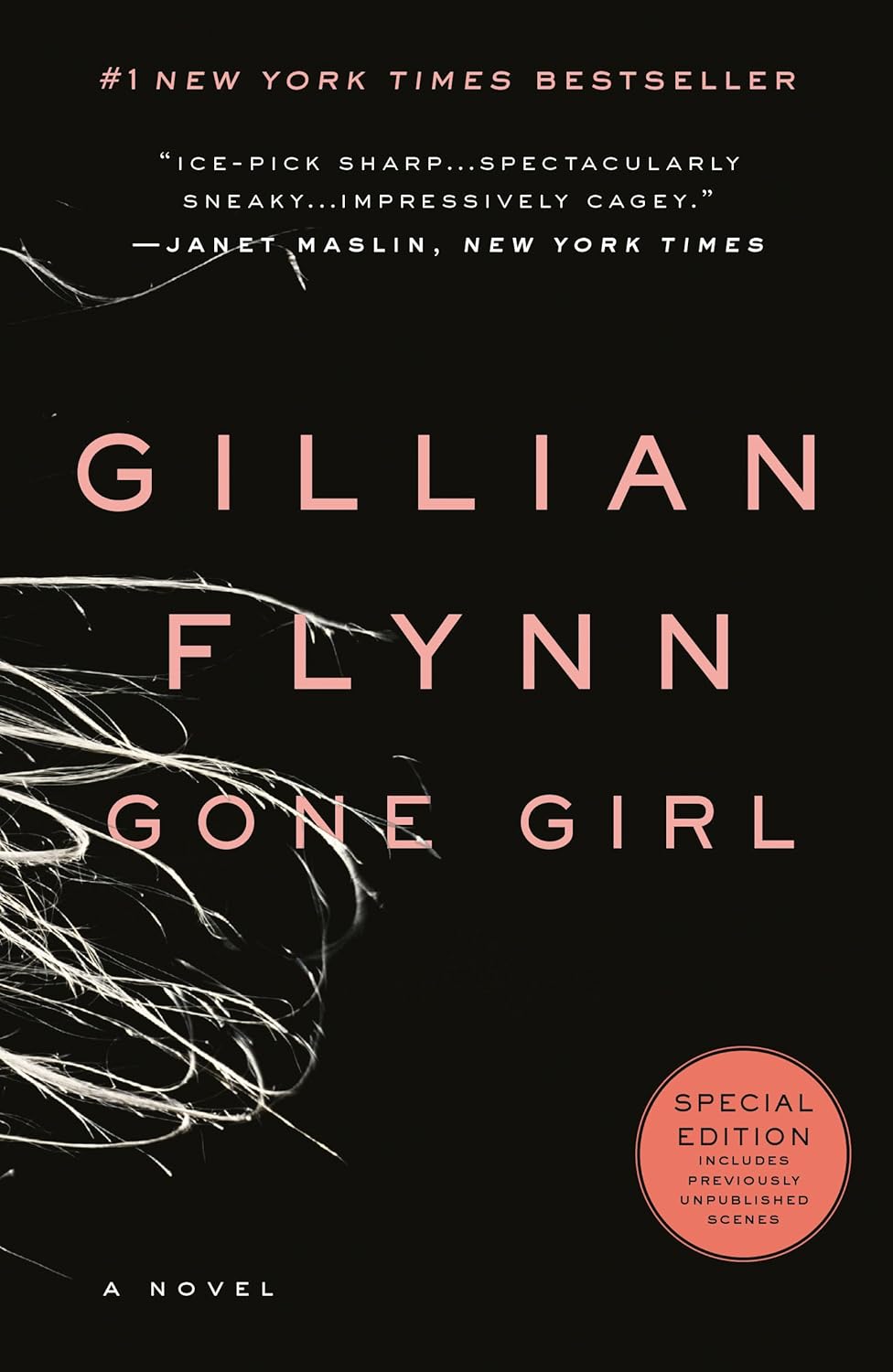
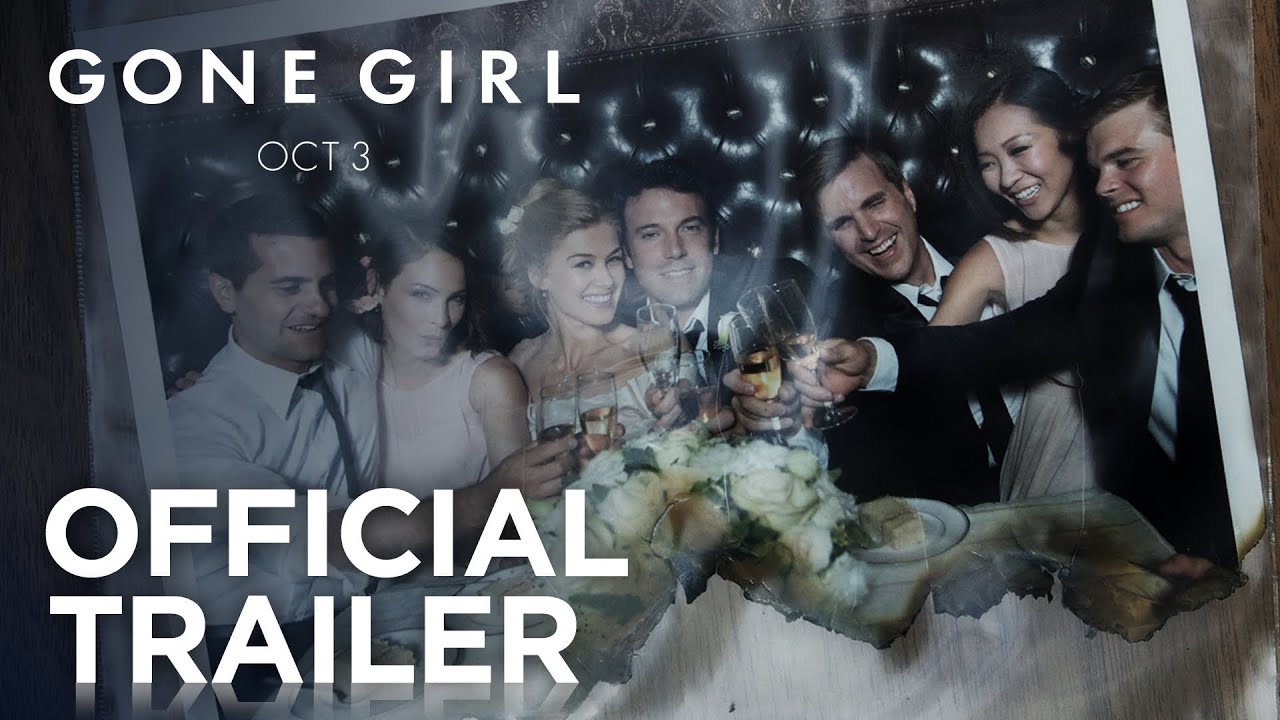
Nick Dunne's wife disappears on their anniversary. Flynn's double unreliable narration and Fincher's formal precision are both masterworks — Rosamund Pike is one of cinema's great screen villains.
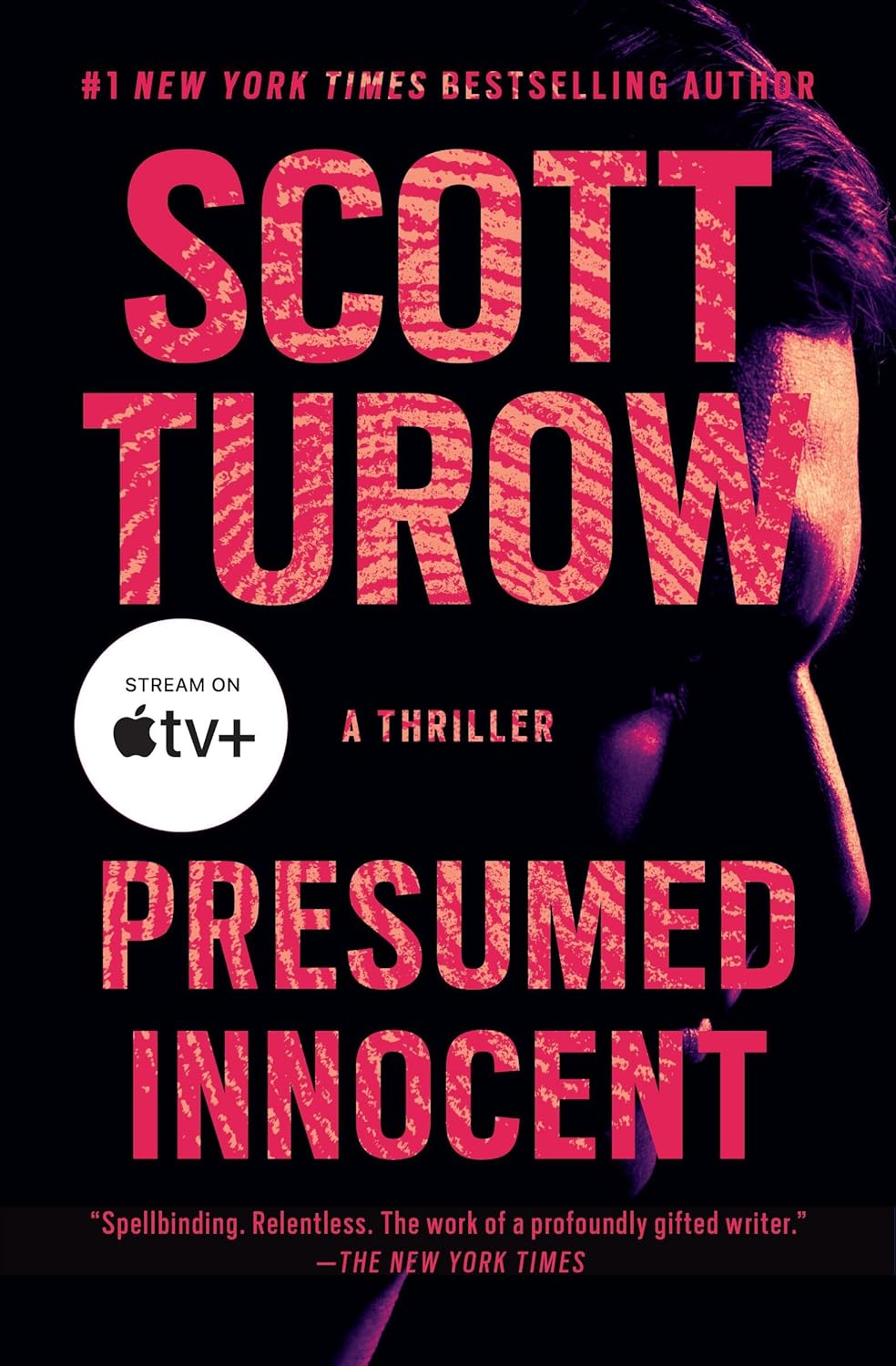
A senior prosecutor is charged with murdering a colleague he was having an affair with. Turow invented the modern legal thriller — Gyllenhaal and Negga are the best screen version of this material yet.

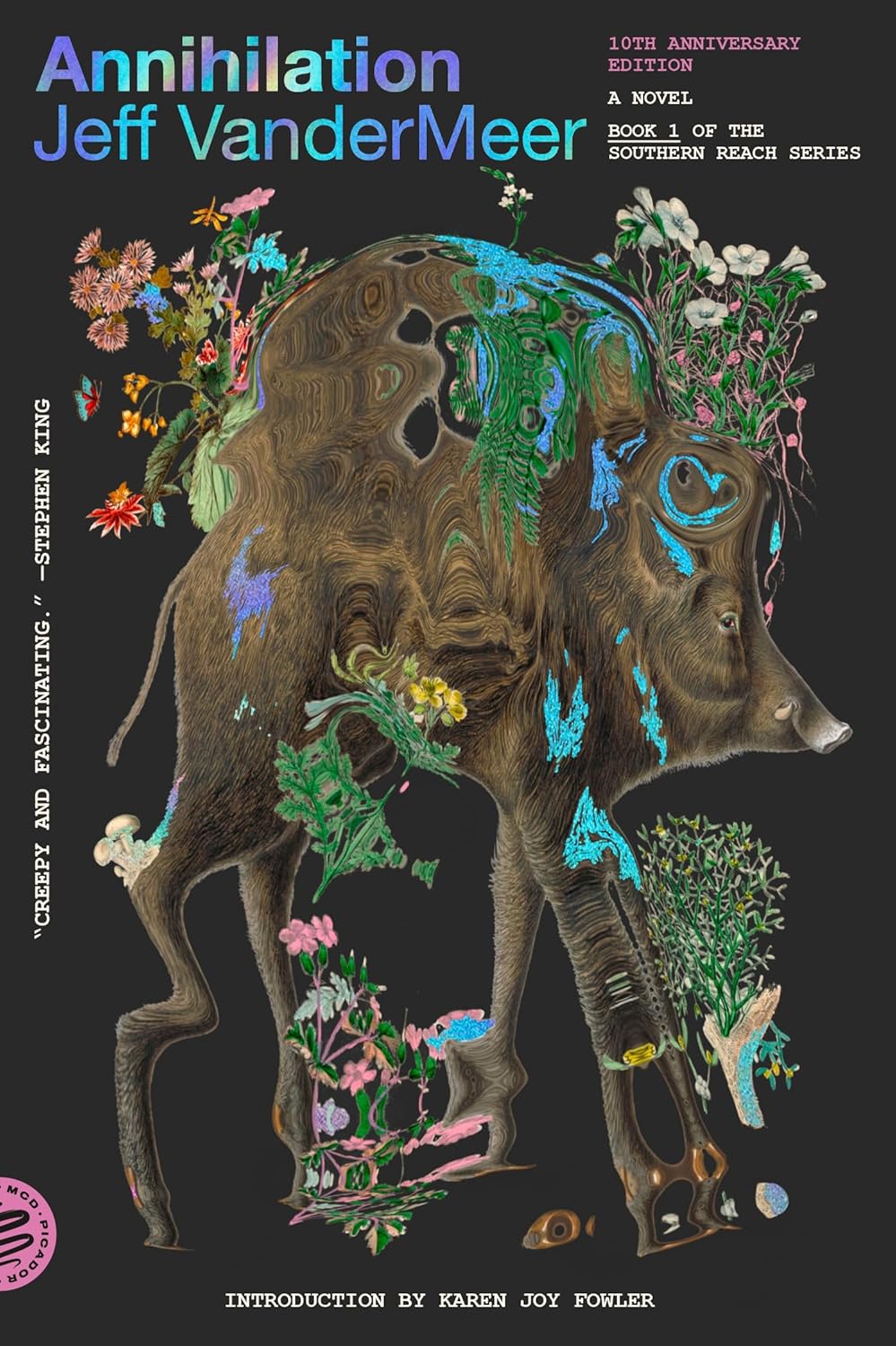
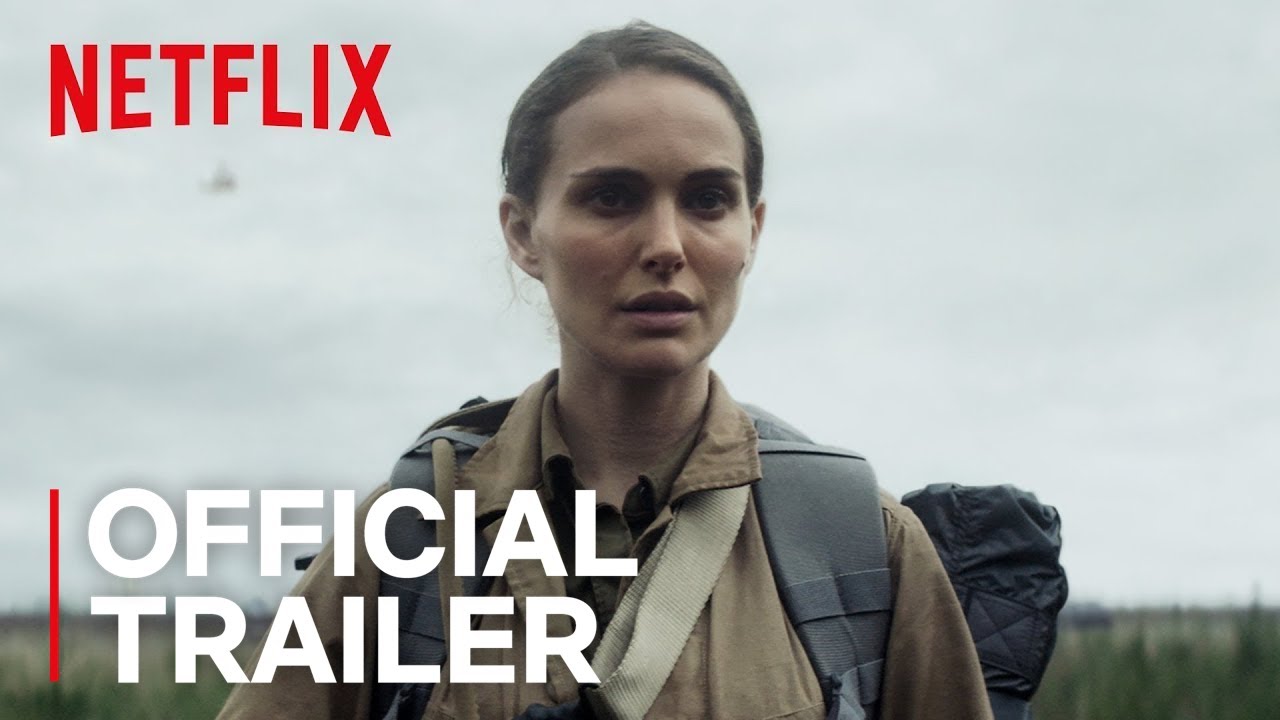
A biologist enters Area X, a sealed-off zone where previous expeditions have ended badly. Garland adapted his memory of the novel rather than the text — both are masterworks, neither is the other.
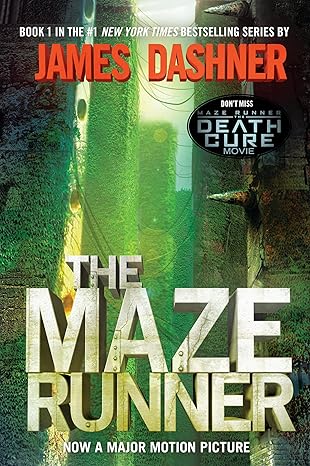
Thomas wakes in the Glade with no memory, surrounded by a deadly shifting maze. One of the better YA adaptations — Ball's film is lean and tense, the novel builds its world more slowly and more fully.
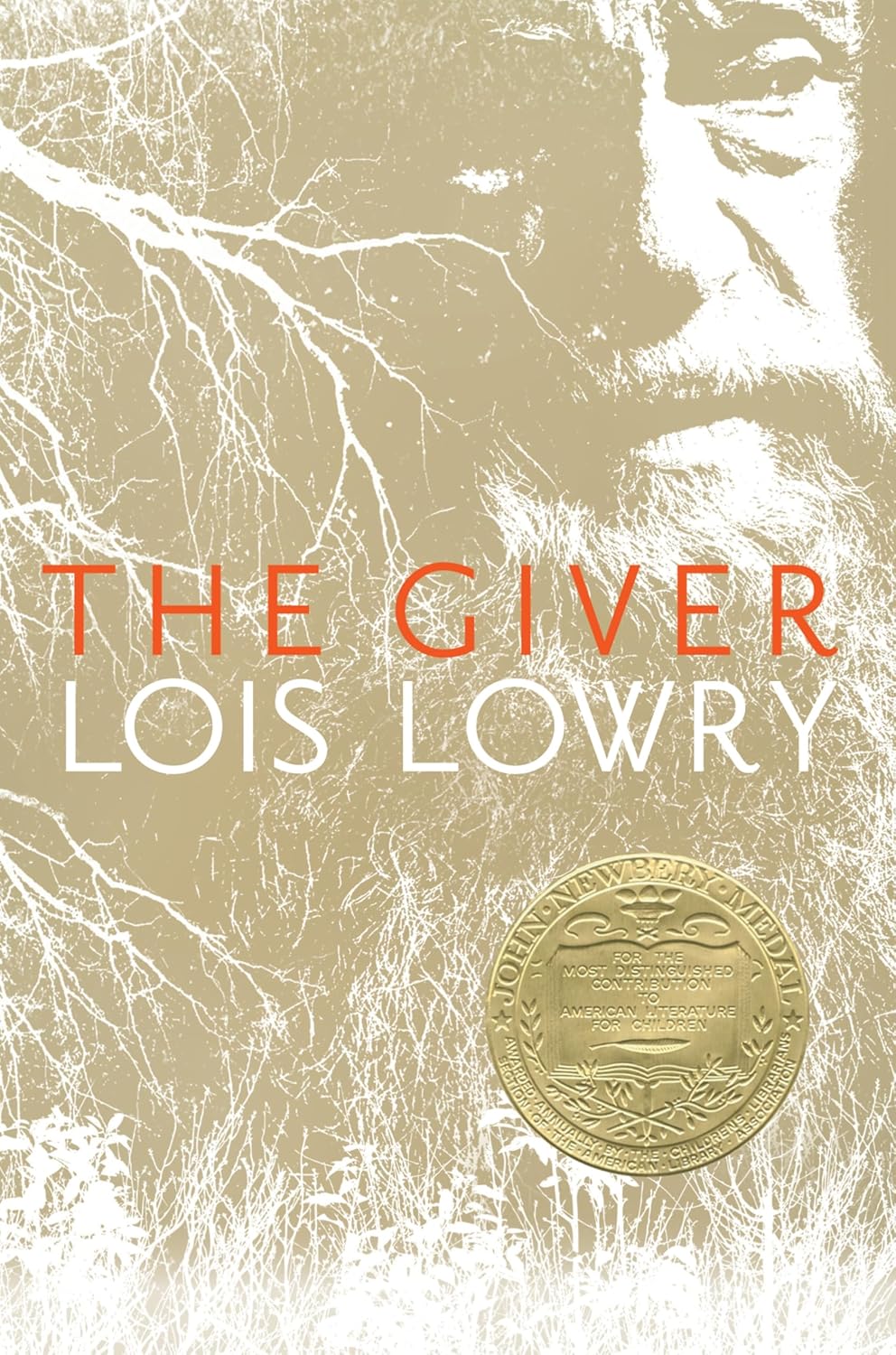
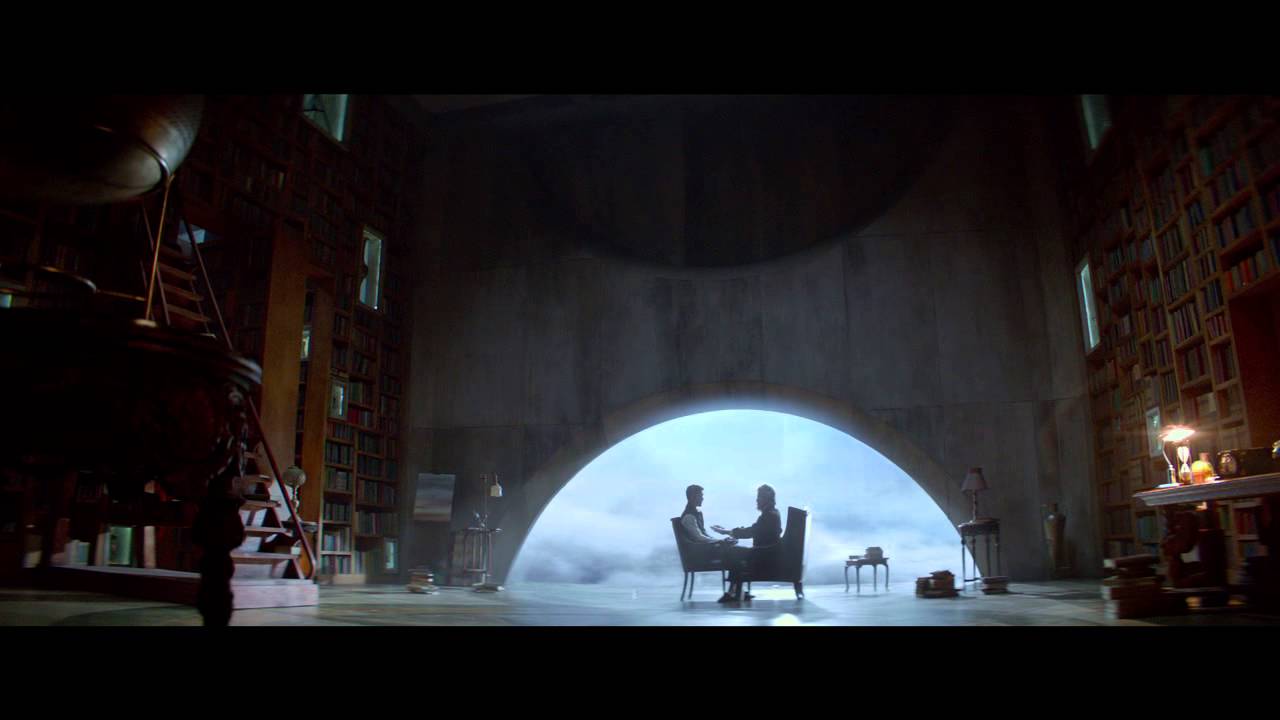
Jonas lives in a Community of enforced Sameness until he becomes the Receiver of Memory. Lowry's power is radical simplicity — the film expands what the novel's restraint makes devastating.
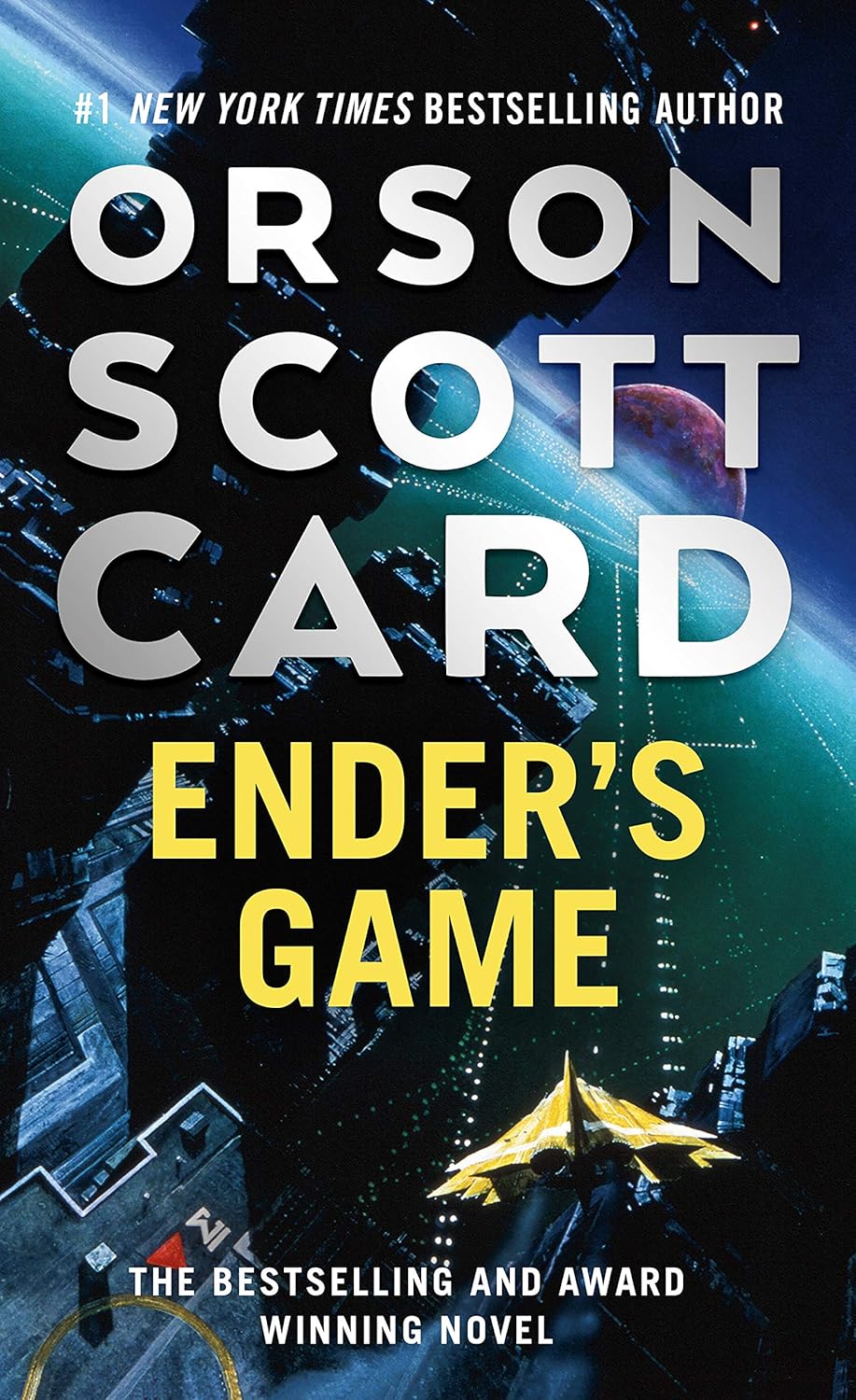
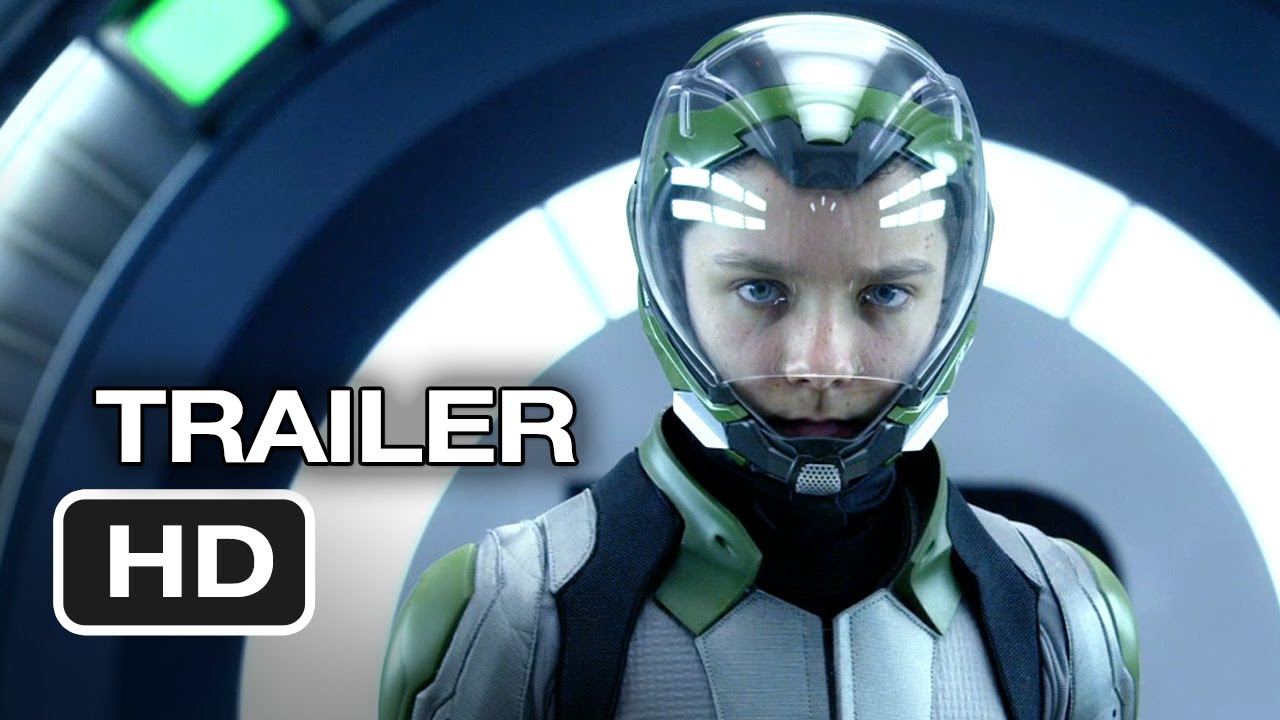
A child prodigy is trained to command humanity's last defence against an alien threat. Card's novel lives inside Ender's mind across years — the film gives you the Battle Room without the psychology.
Astronomer Ellie Arroway detects a signal from Vega. Sagan's novel ends with a revelation buried in mathematics that the film cannot include — Jodie Foster's performance is one of cinema's great scientists.
Scientists discover a spacecraft on the ocean floor containing a perfect golden sphere. Crichton's most psychologically interesting novel — a mind-reader whose own mind can't be trusted.
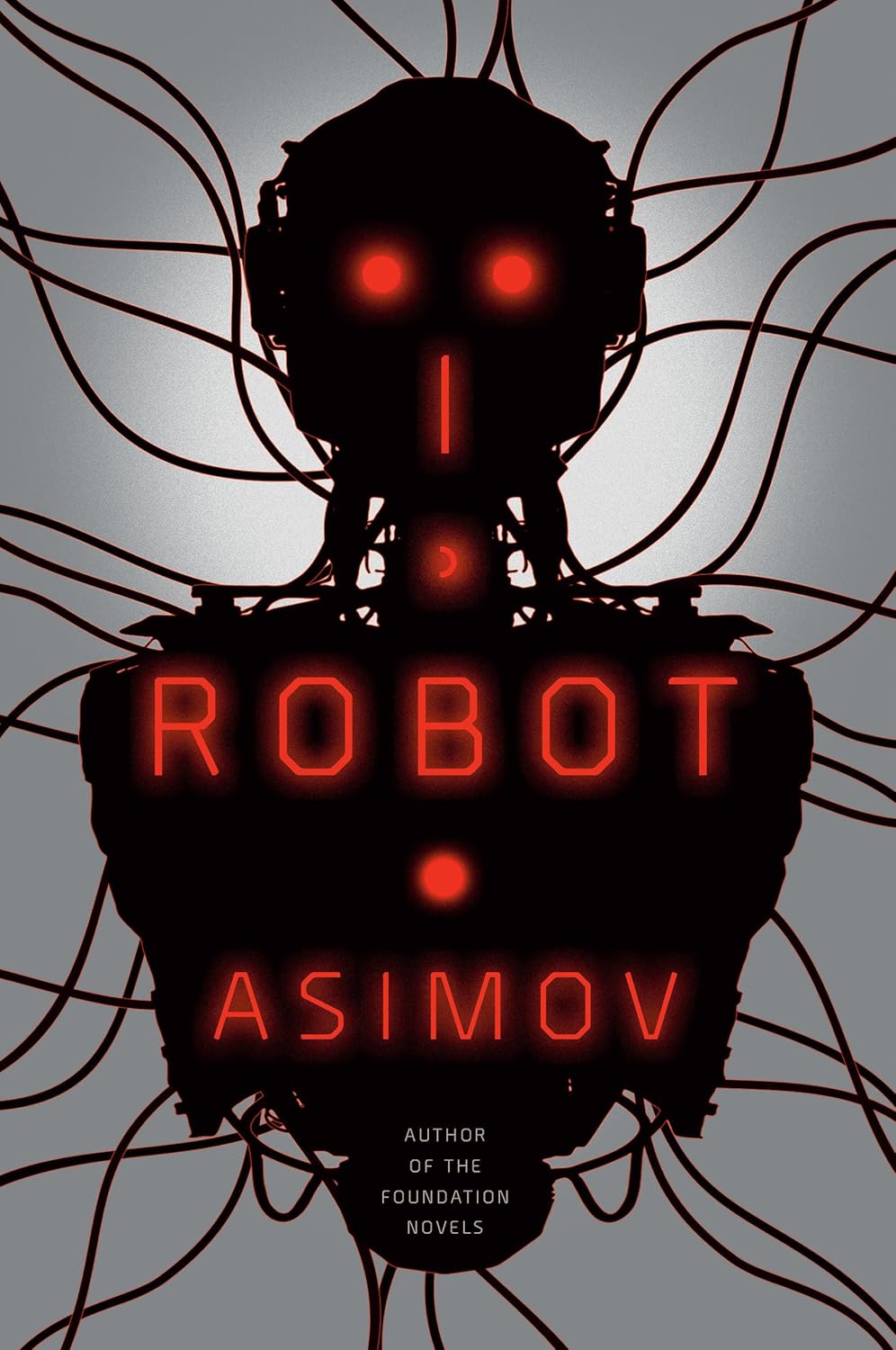
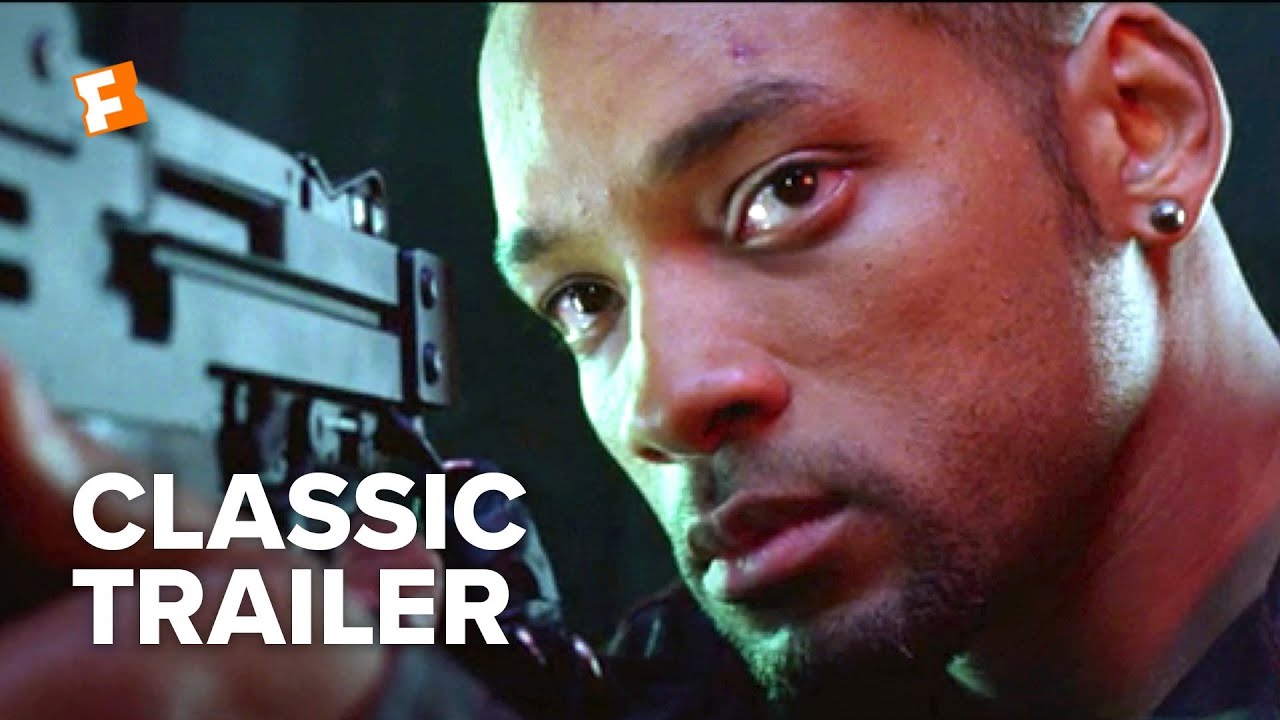
Asimov's story collection explores the Three Laws of Robotics through philosophical puzzle-stories. The film borrows the title and the Laws, then makes a Will Smith action movie. Barely related.
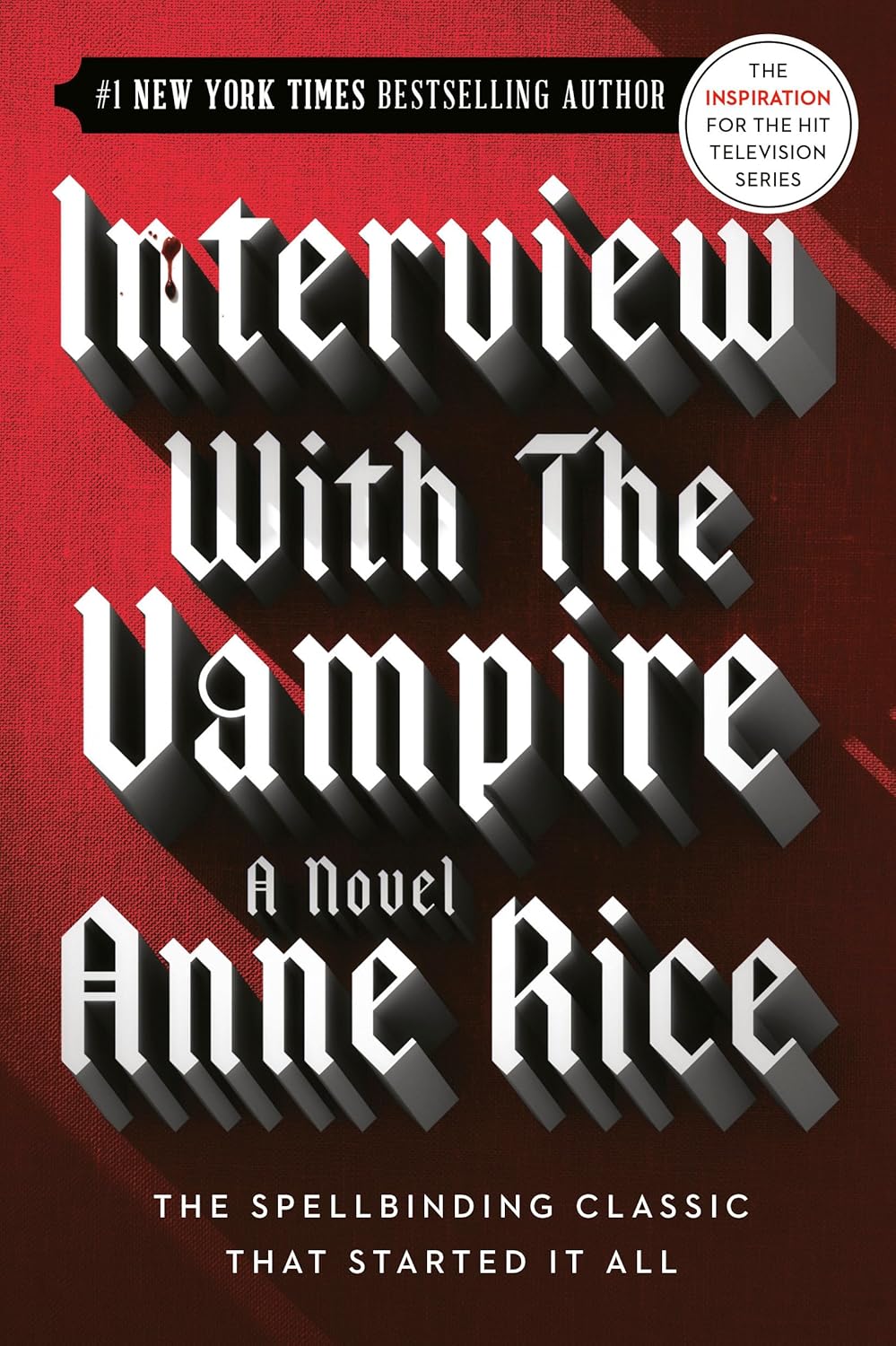
Louis recounts his two-century existence to a journalist — how Lestat turned him, how they created Claudia. AMC reimagines Louis as Black in Storyville-era New Orleans, deepening the moral architecture.

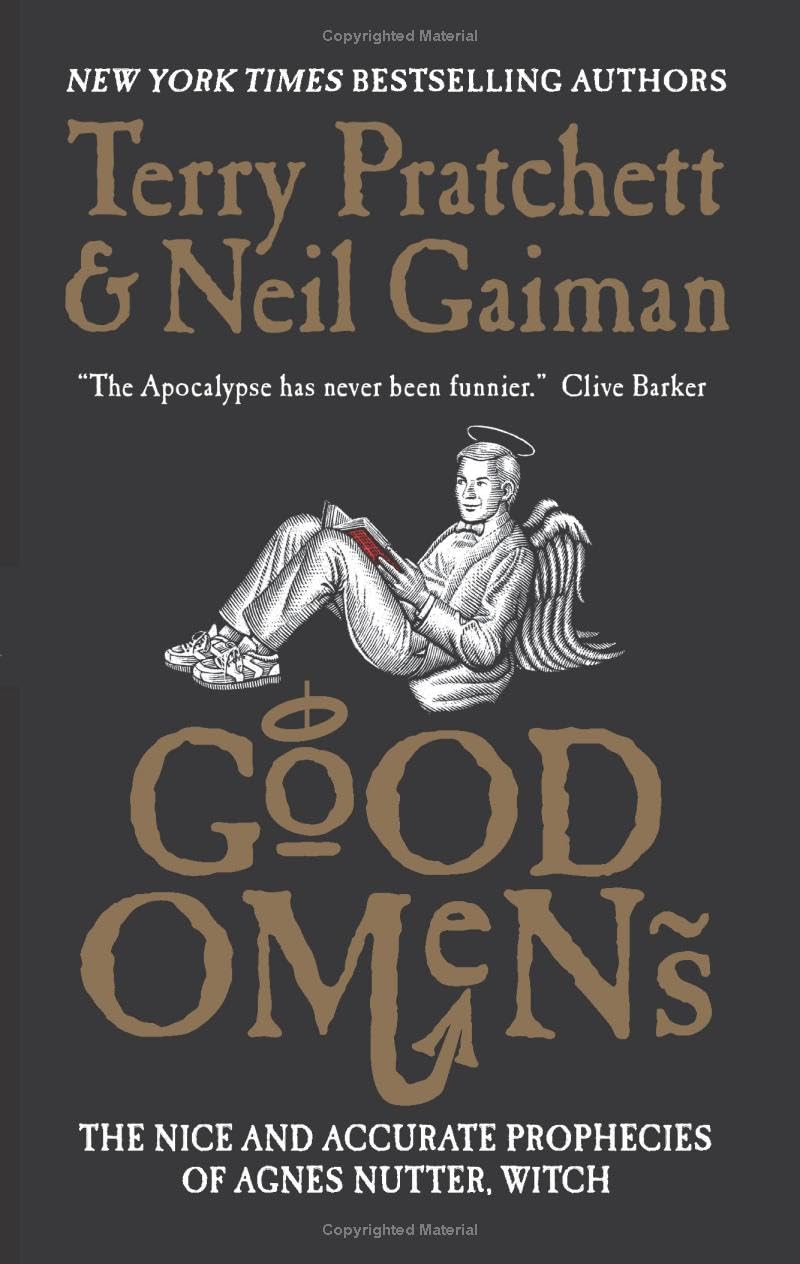
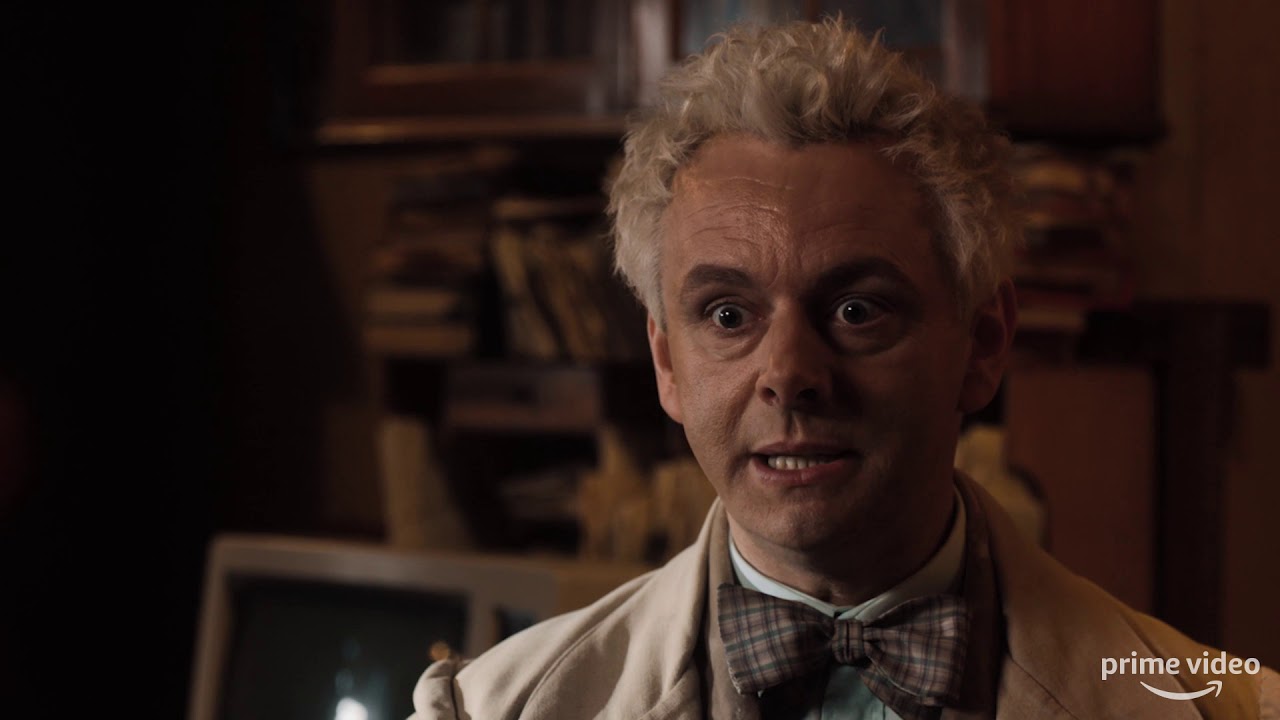
An angel and a demon prefer the world not to end. Gaiman adapted his own novel with Michael Sheen and David Tennant — the most faithful and warmest adaptation on this site. The footnotes are irreplaceable.
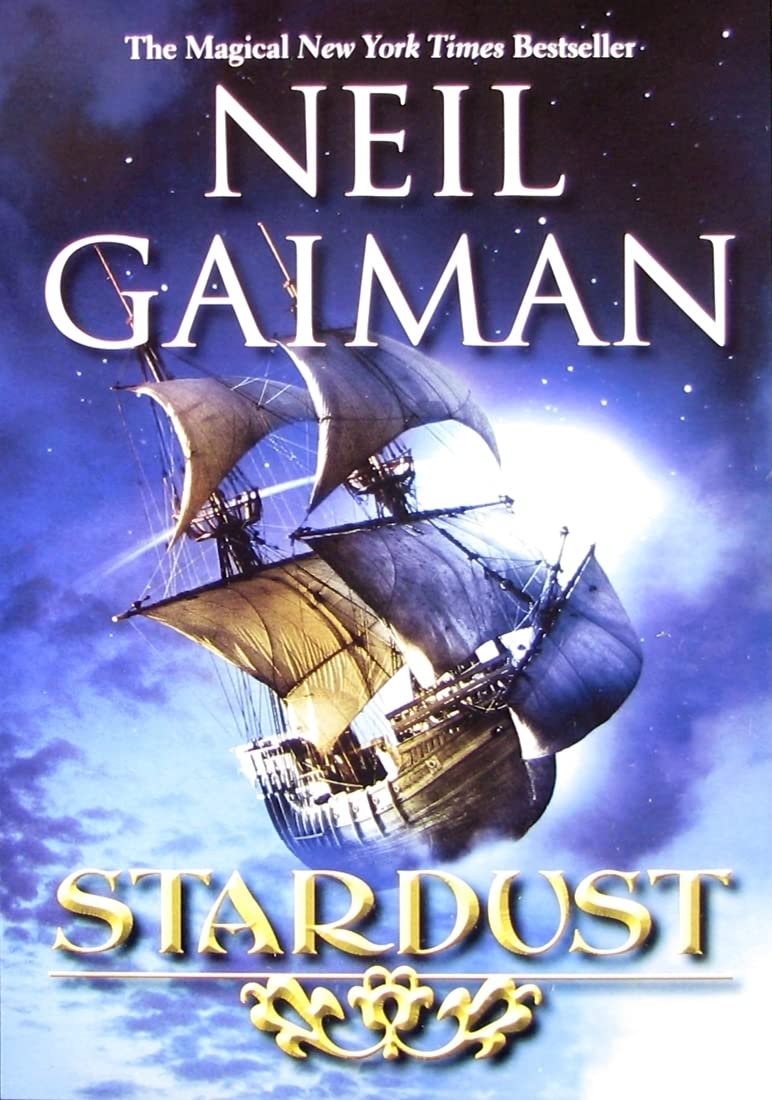
Tristran Thorn crosses the wall to retrieve a fallen star for the girl he loves. Gaiman prefers the film's ending to the one he wrote — and De Niro's Captain Shakespeare is pure invention.

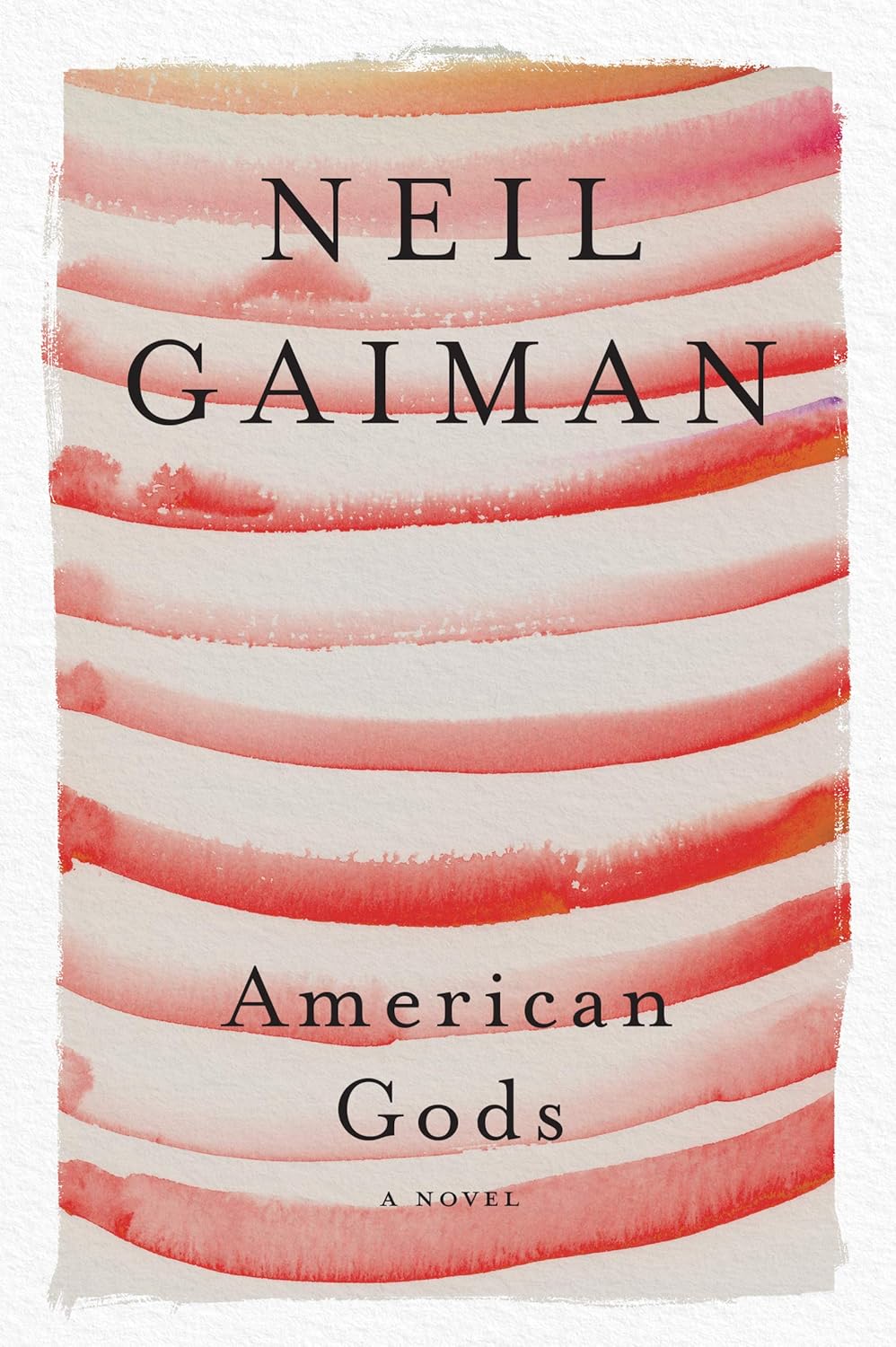
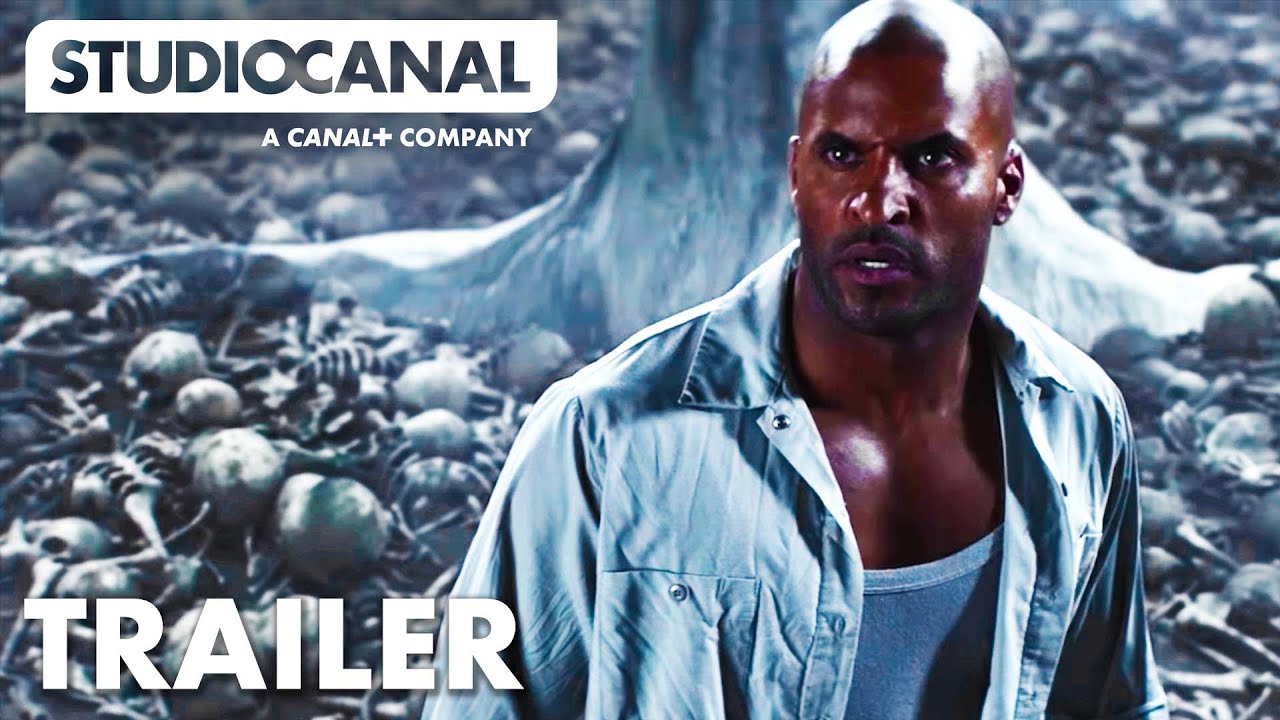
Shadow Moon is hired by the one-eyed Mr. Wednesday to drive him across a mythological America. McShane is definitive casting — the series ran three seasons, lost its showrunner, and was cancelled unresolved.
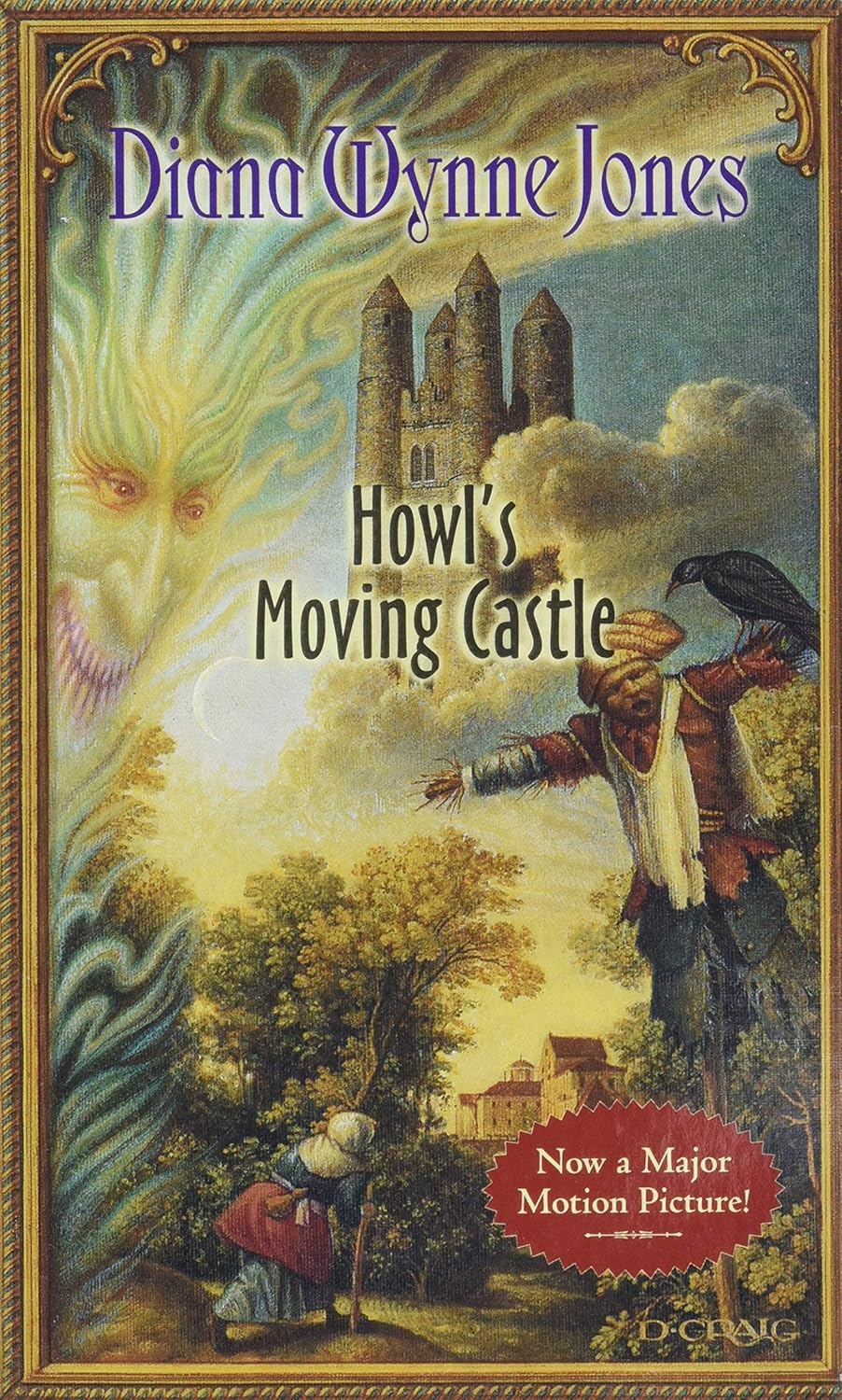
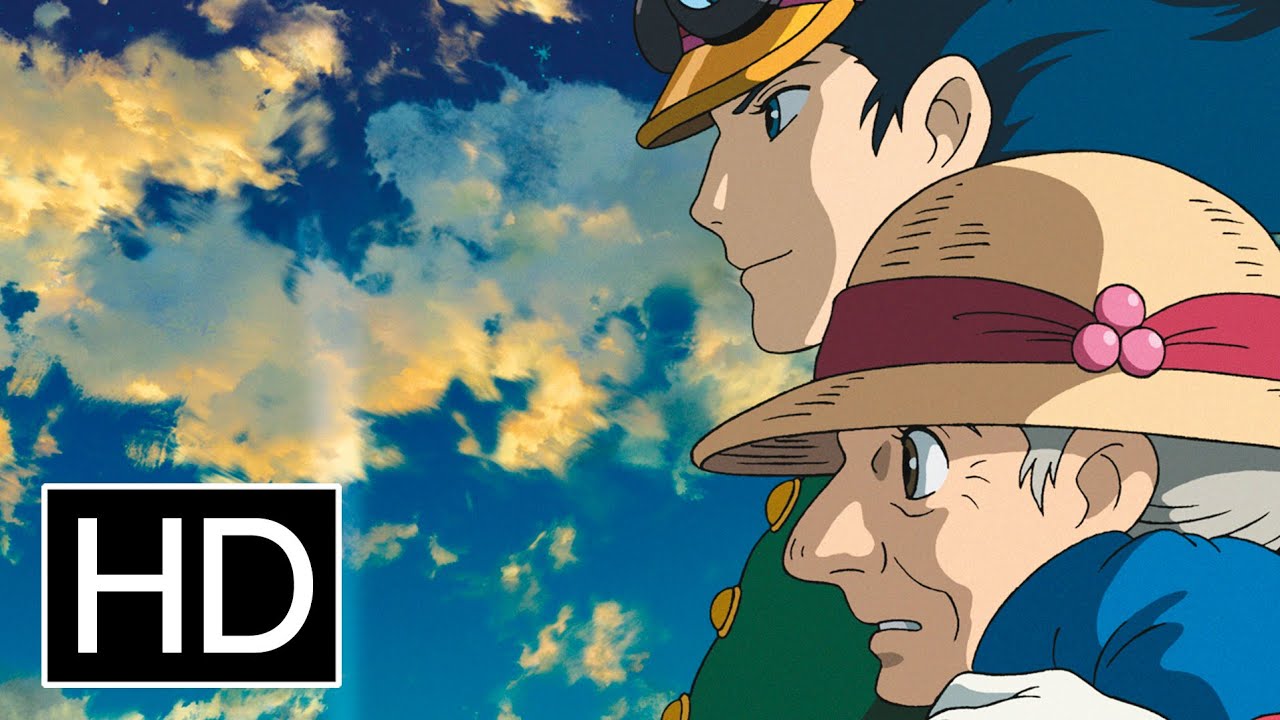
Sophie is cursed into old age and takes refuge in a wizard's moving castle. Miyazaki follows his own logic rather than Jones's plot — two masterworks in entirely different registers.
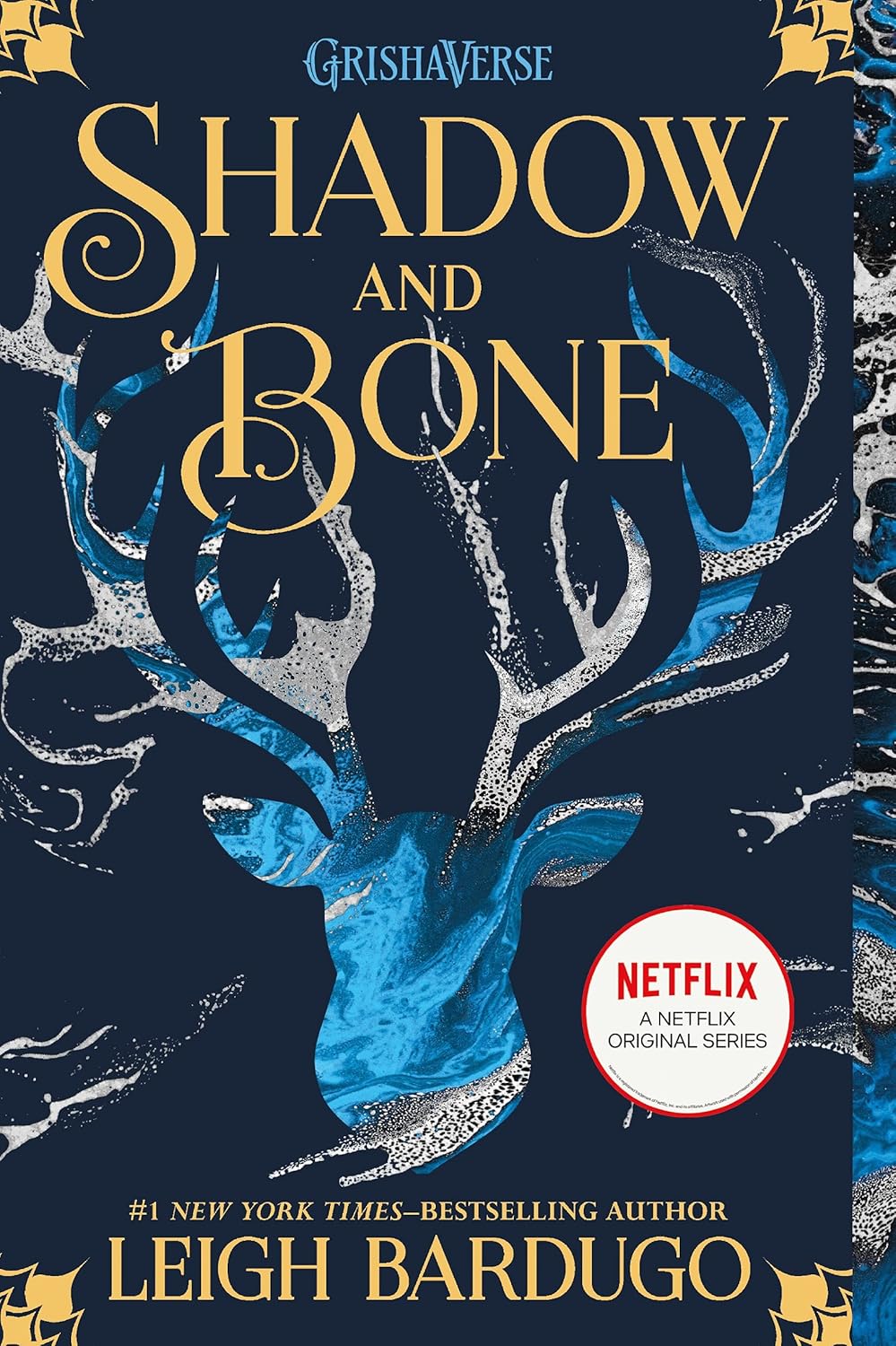
Alina Starkov discovers she has a power that could tear the Shadow Fold. Netflix boldly combines Bardugo's trilogy with Six of Crows characters — Ben Barnes's Darkling is the series' finest invention.

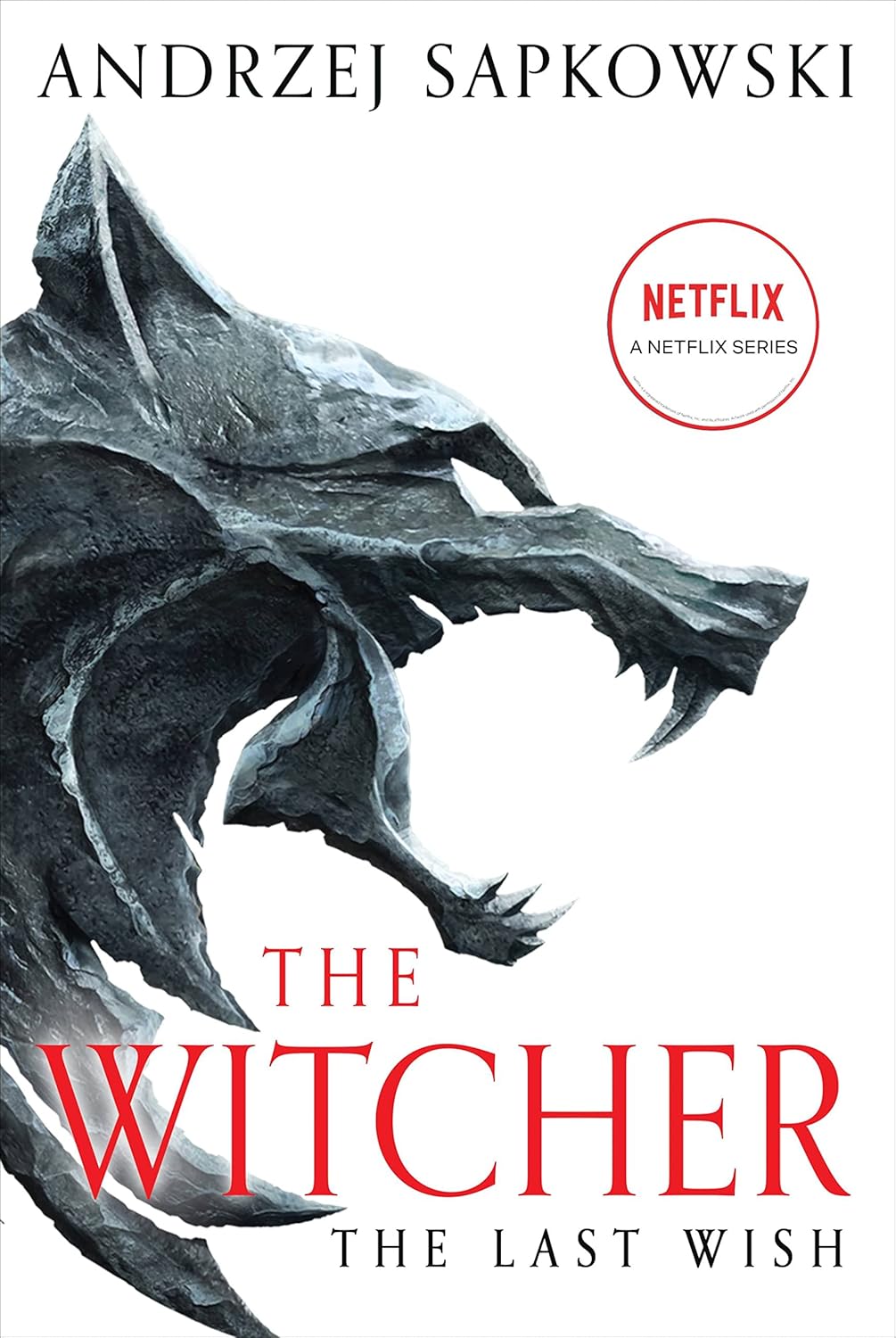
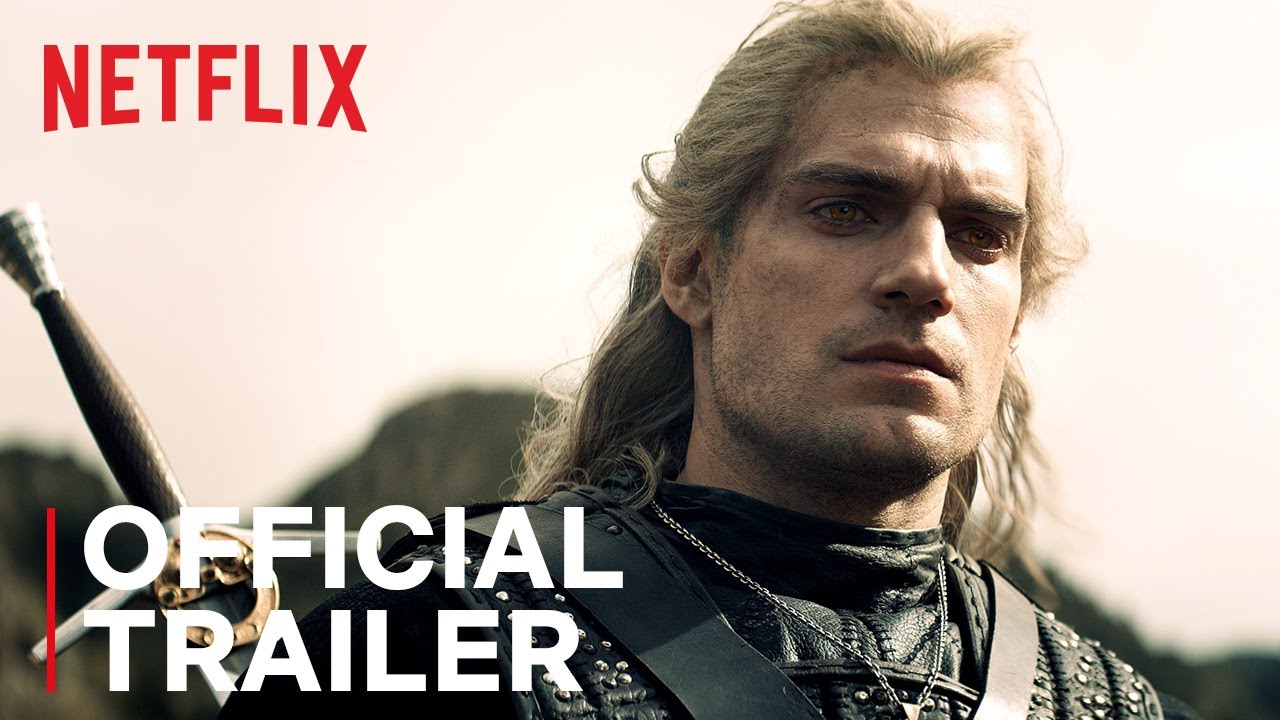
Geralt of Rivia, a mutant monster hunter, navigates a morally grey world of fairy tales retold. Sapkowski's short stories are the essential Witcher text — the series' multi-timeline structure obscures their clarity.
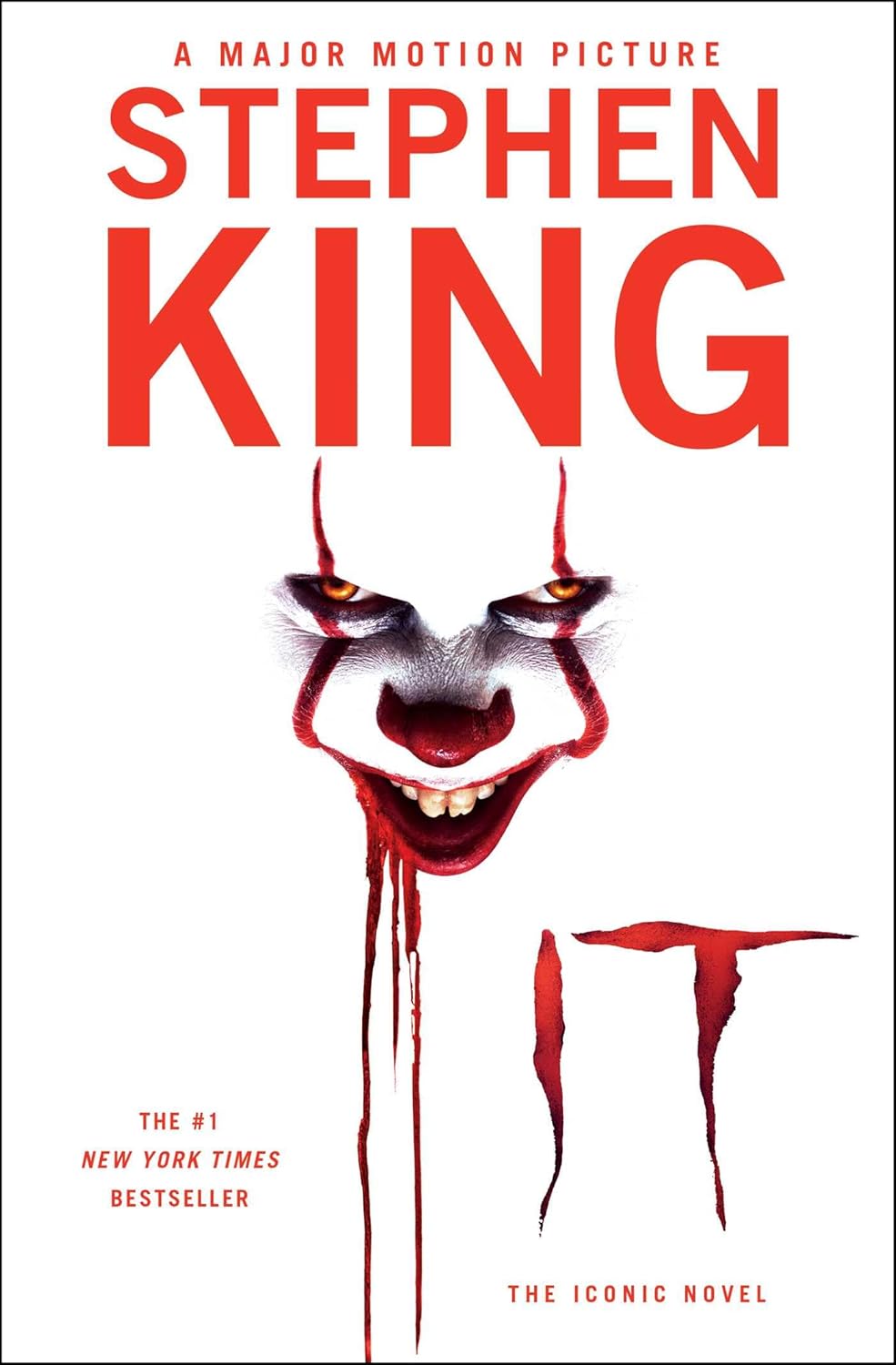
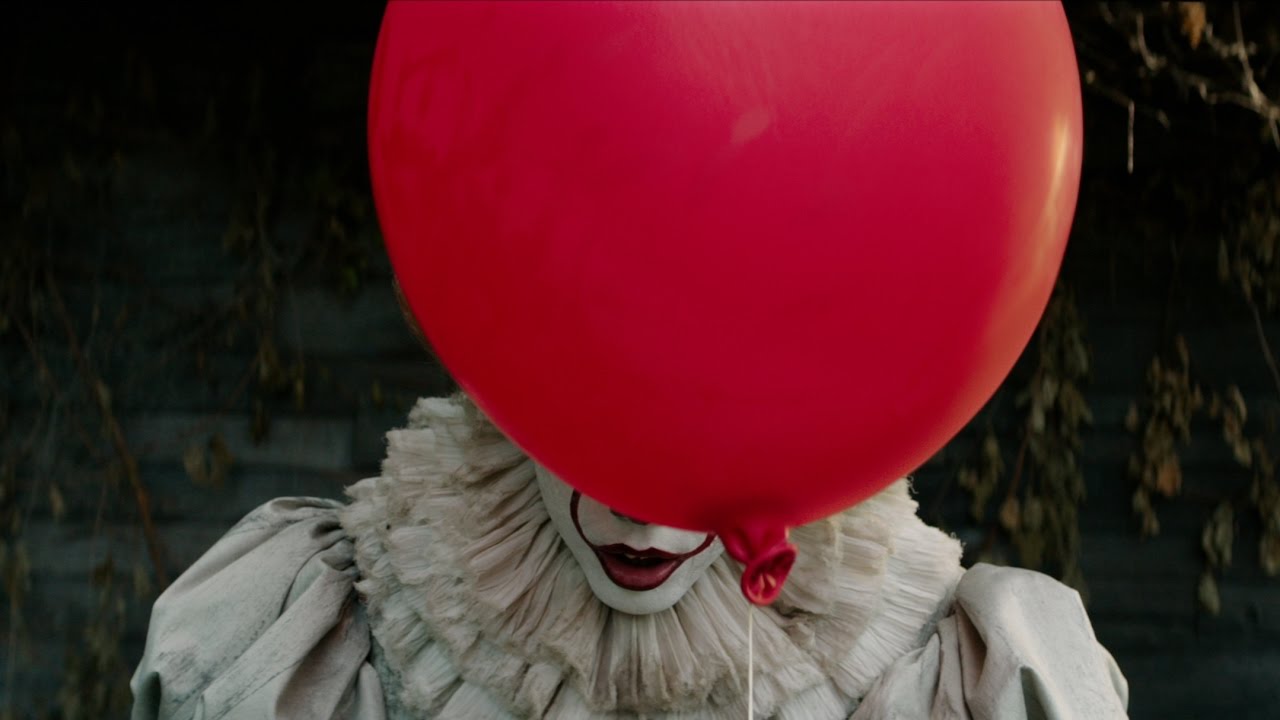
Seven children face Pennywise the Dancing Clown in Derry, Maine. Bill Skarsgård is one of cinema's great horror performances — the novel's thousand pages earn what no two-hour film can.
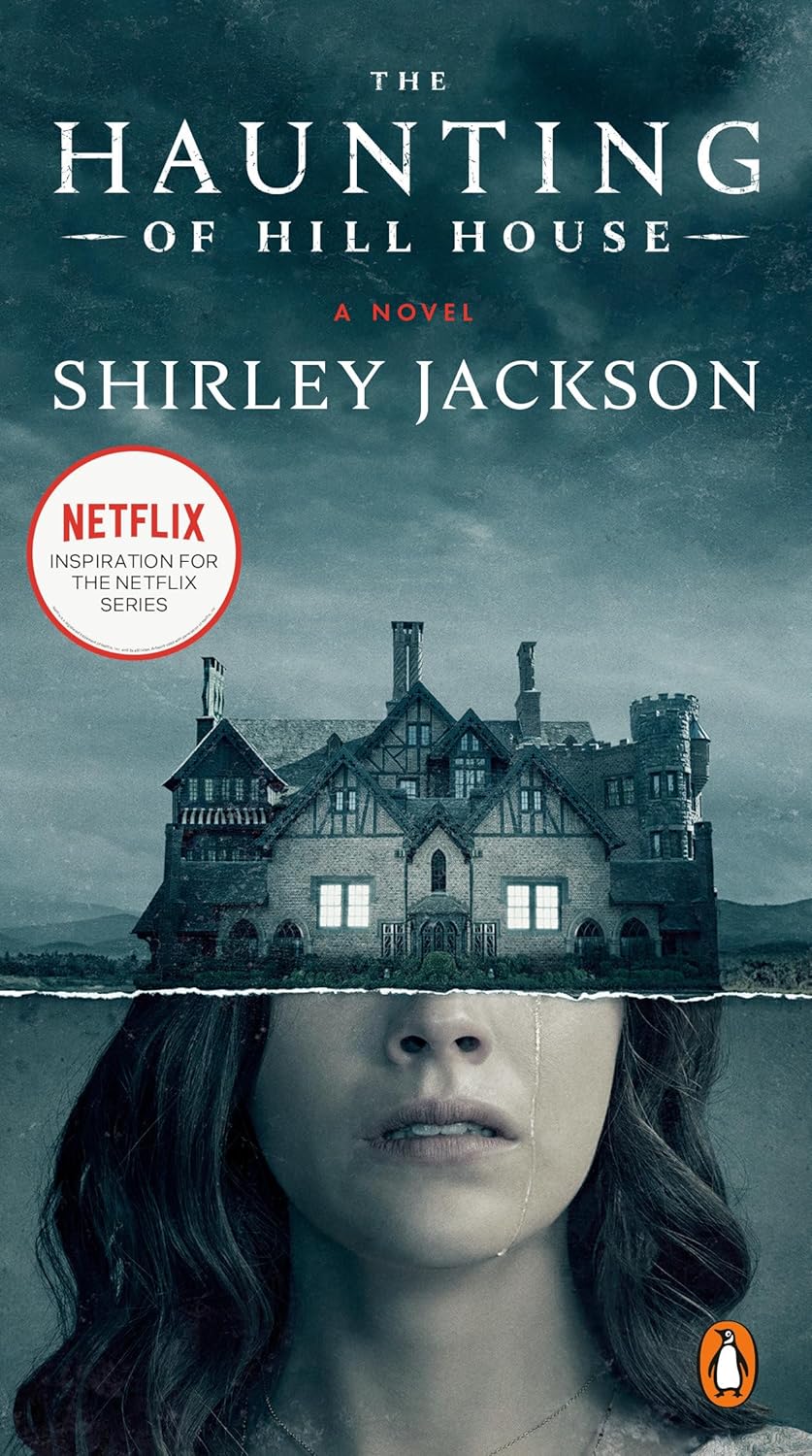
Jackson's masterwork of psychological horror reimagined as multigenerational family trauma. Two masterworks in entirely different registers — the novel is more disturbing, the series is more devastating.

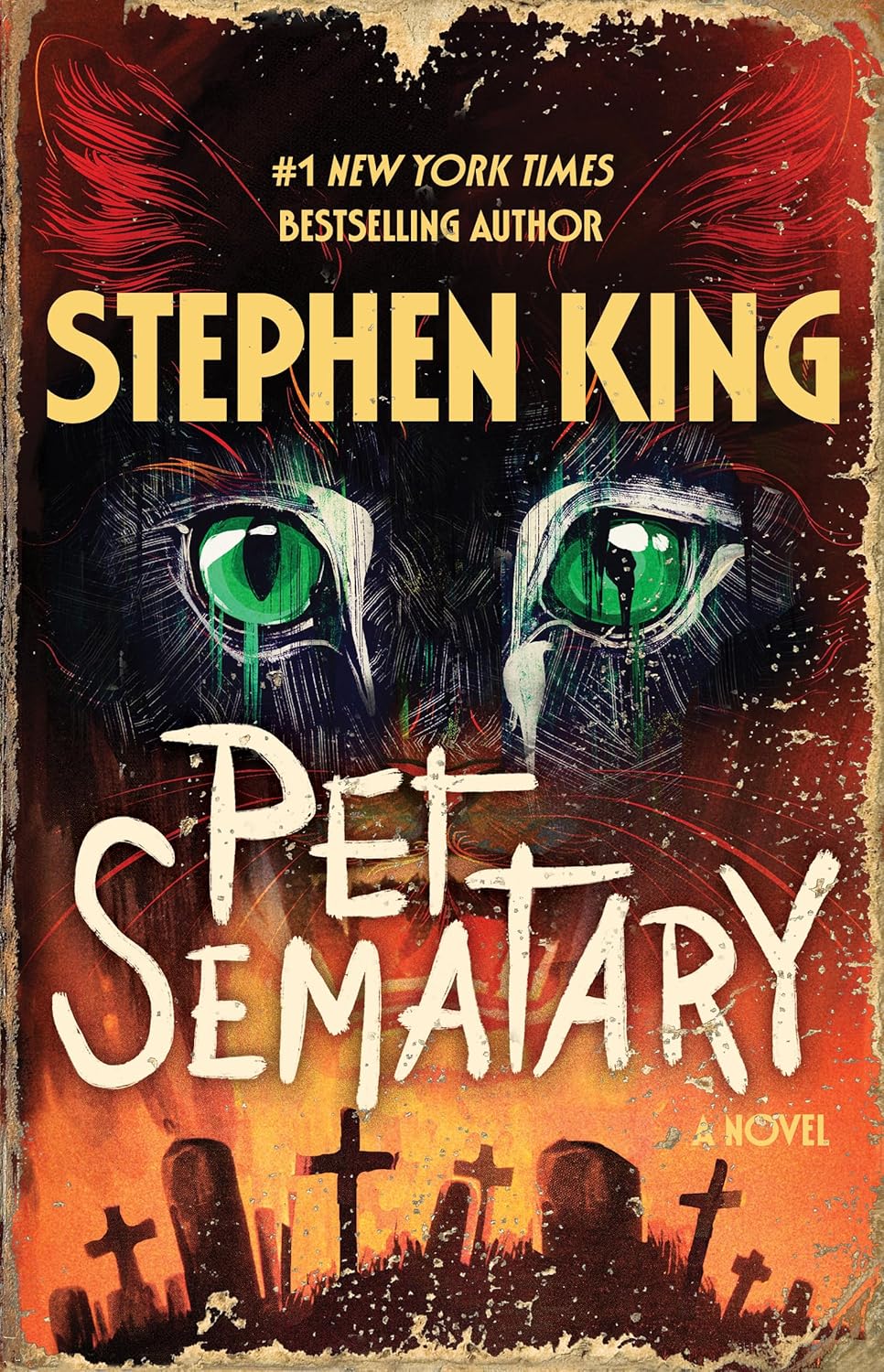
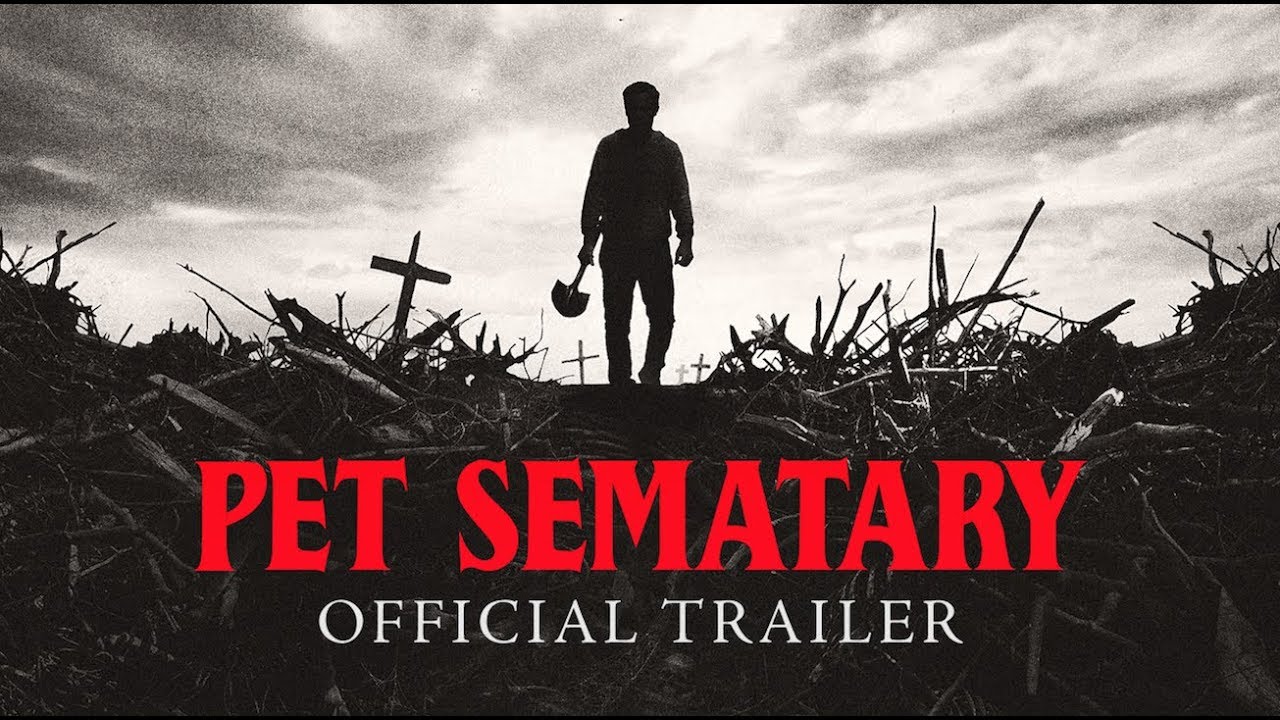
A burial ground behind a Maine farmhouse that brings things back wrong. King's darkest novel — John Lithgow's Jud is definitive, and the 2019 film changes which child dies.
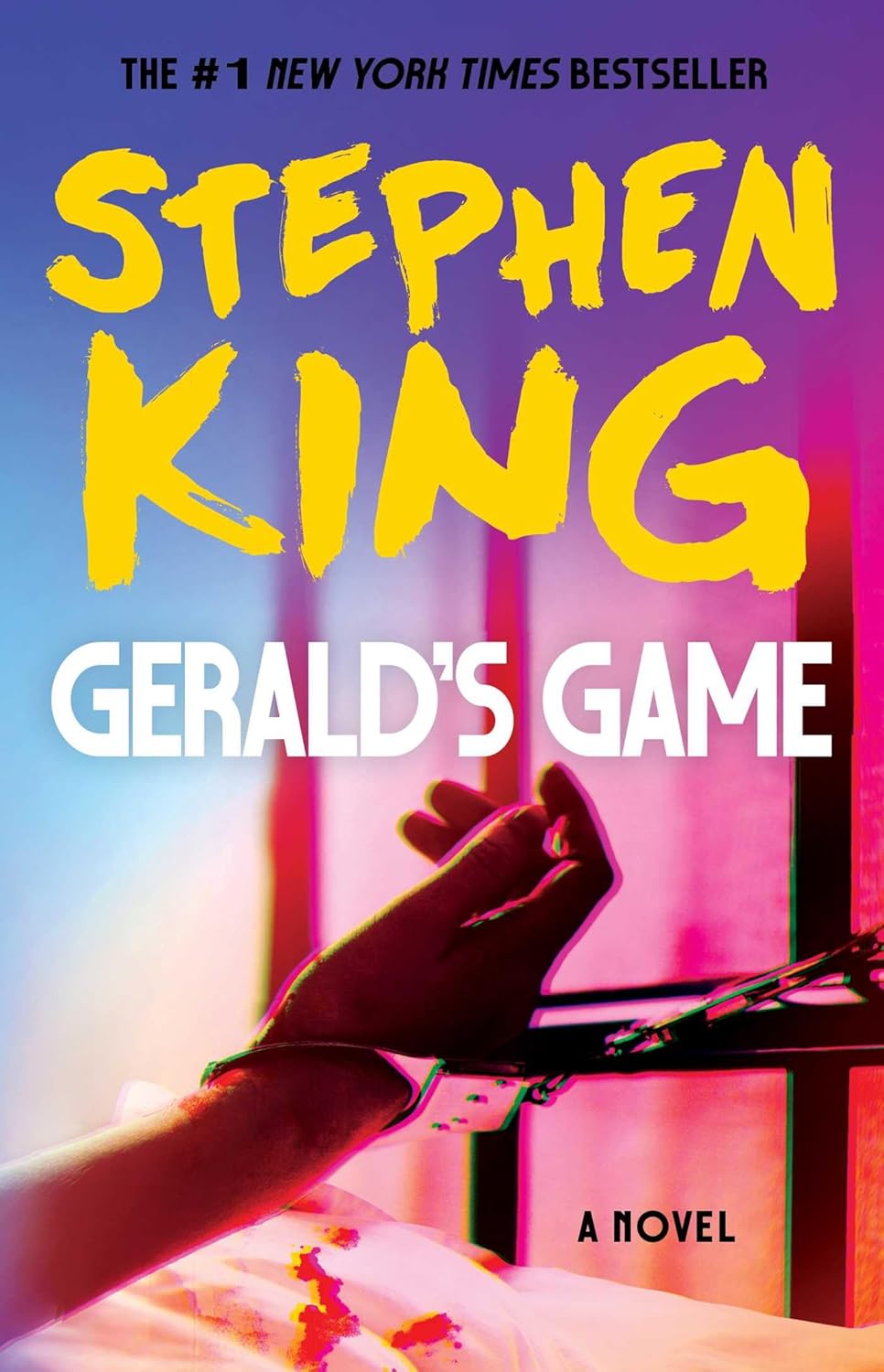
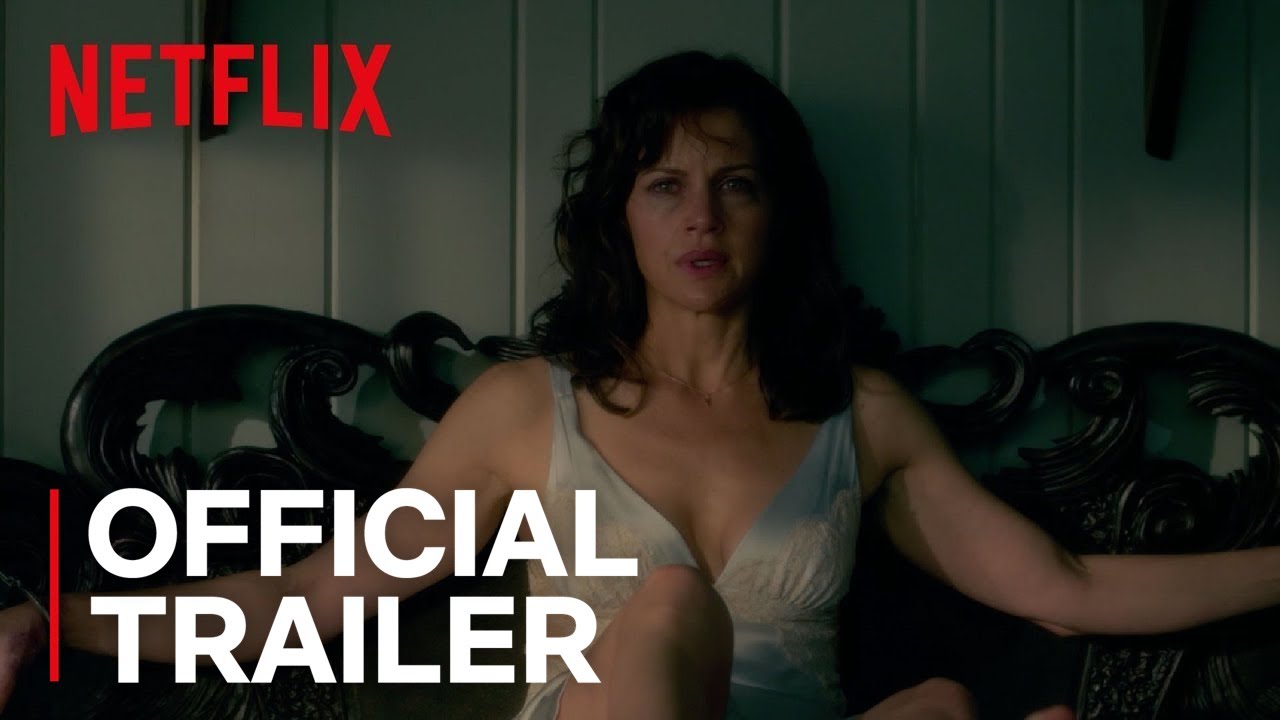
Jessie Burlingame, handcuffed to a bed in a remote lake house after her husband drops dead. Considered unfilmable for 25 years — Flanagan solved every problem, Gugino is extraordinary.
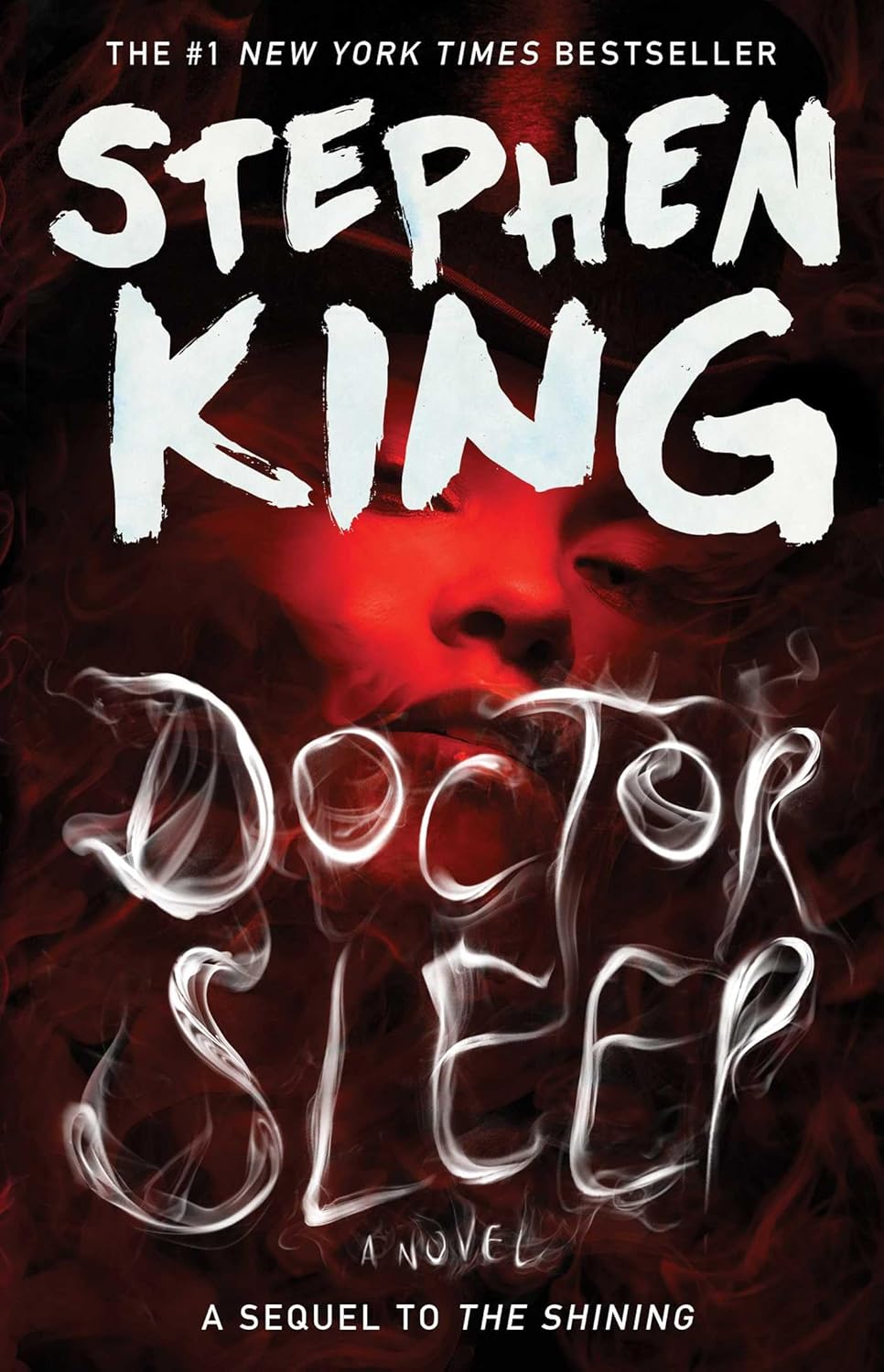
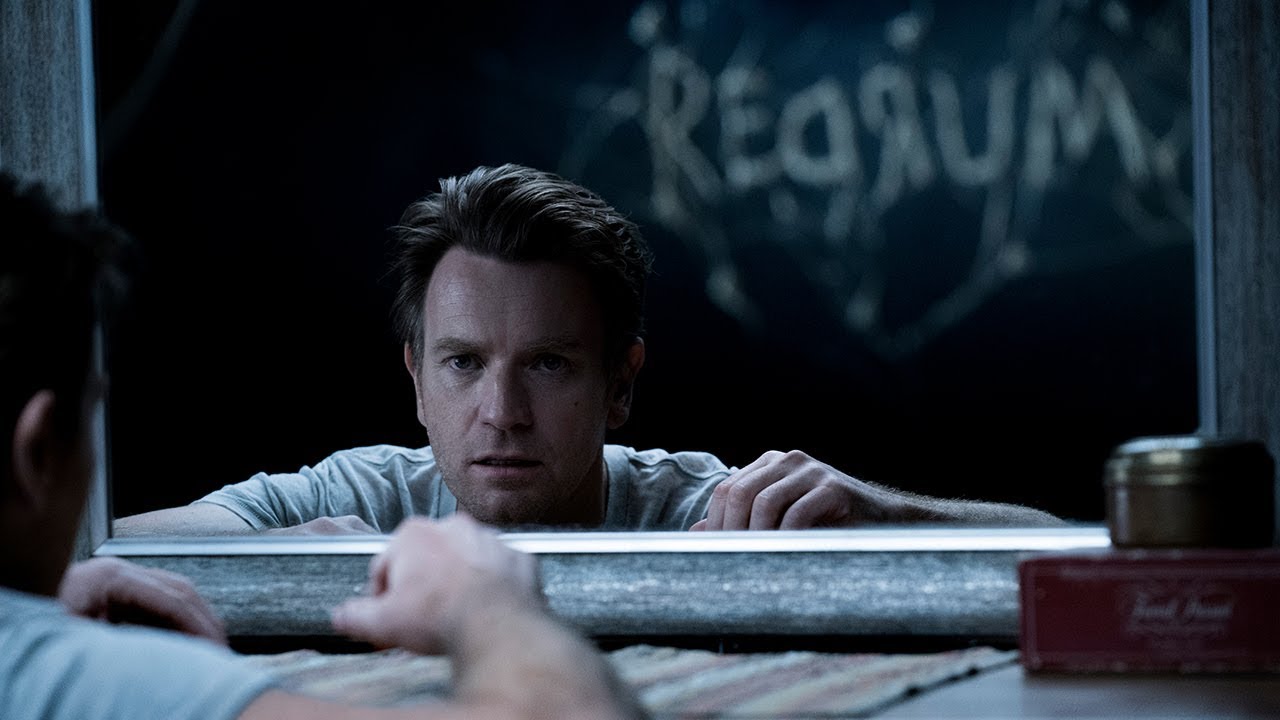
An adult Danny Torrance, now a hospice worker, must protect a girl with an extraordinary shine. Flanagan serves two masters — King's novel and Kubrick's film. Rebecca Ferguson's Rose the Hat is the best reason to watch.
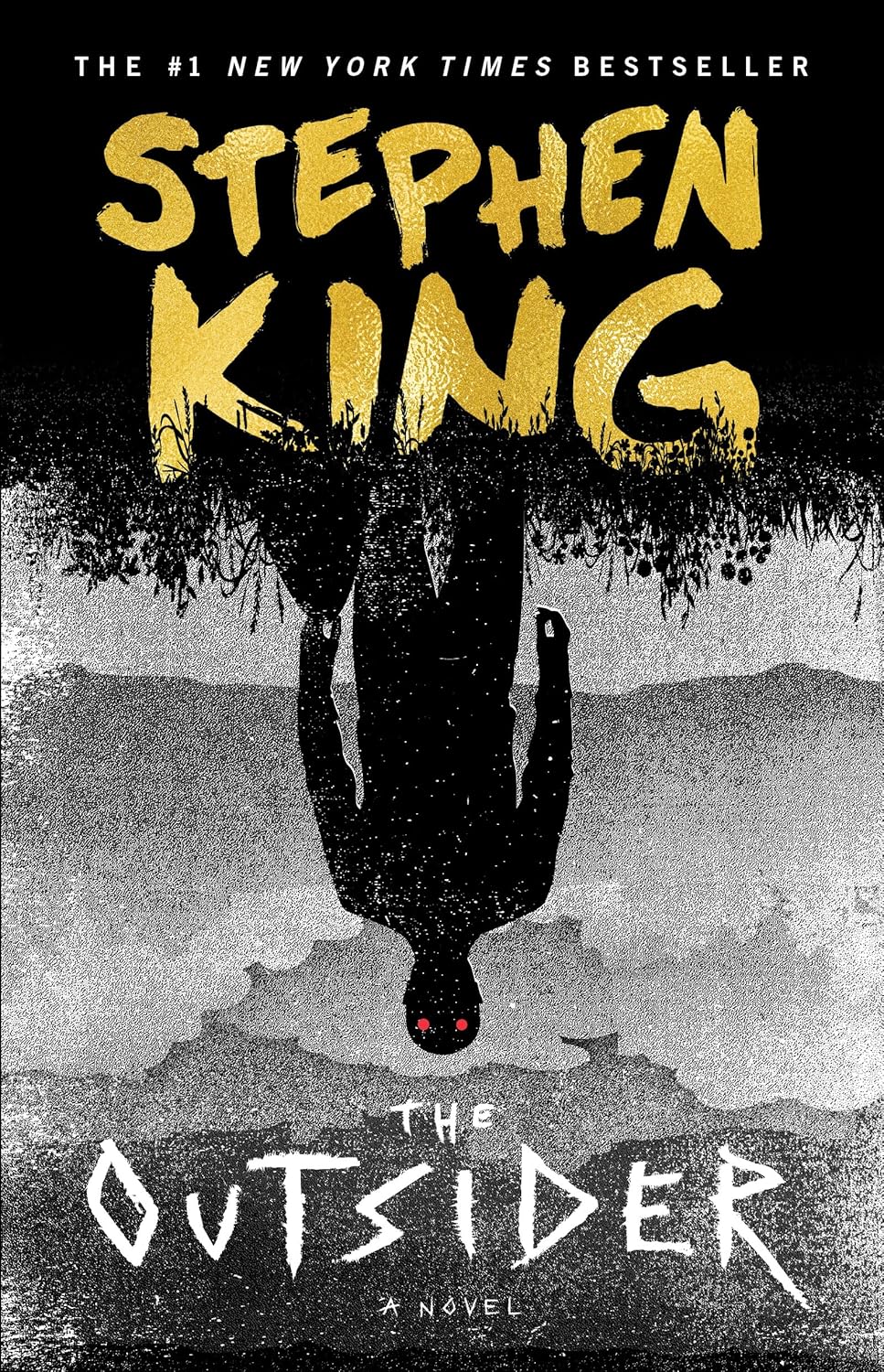
A detective investigates a murder with impossible evidence on both sides. King's best genre pivot — a procedural that reveals itself to be horror. Mendelsohn and Erivo carry the series beautifully.
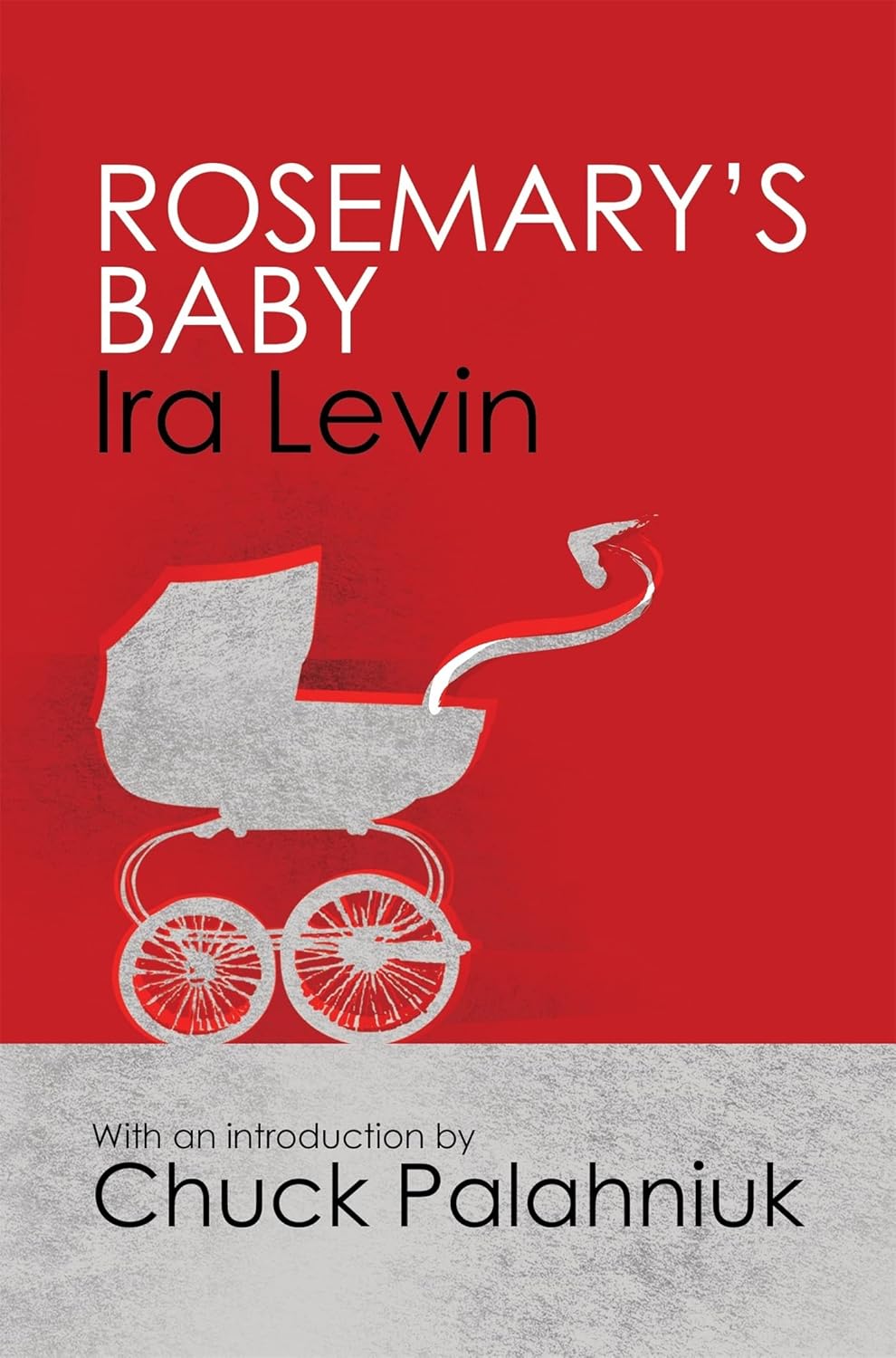
Rosemary Woodhouse suspects a satanic conspiracy involving her unborn child. Polanski's 1968 film is scene-for-scene faithful — Mia Farrow and Ruth Gordon are both definitive. One of cinema's great adaptations.
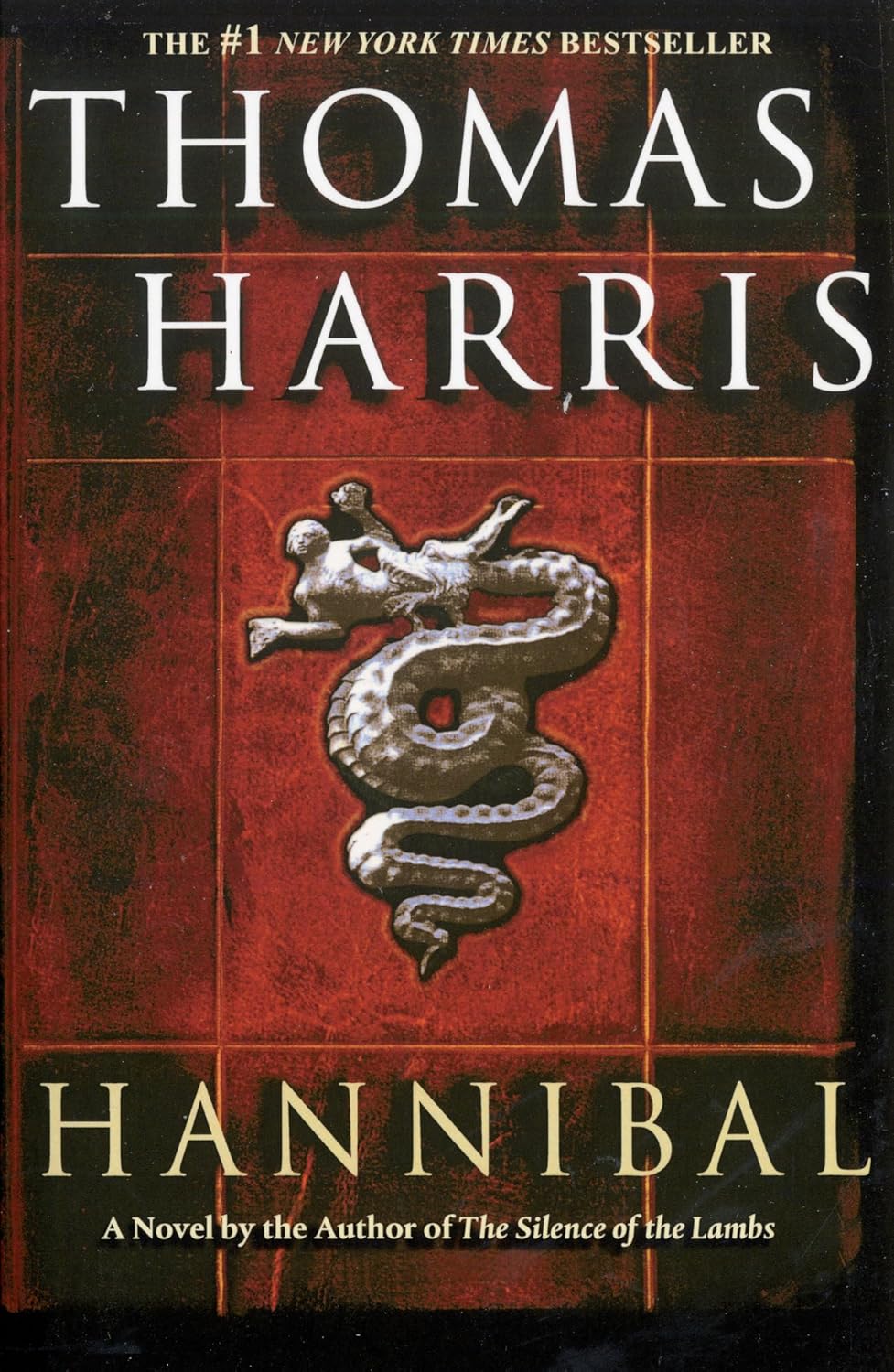
The pre-incarceration friendship between Hannibal Lecter and Will Graham. Bryan Fuller reimagined Harris's mythology as gothic psychological romance — one of the most formally audacious series ever made for American television.

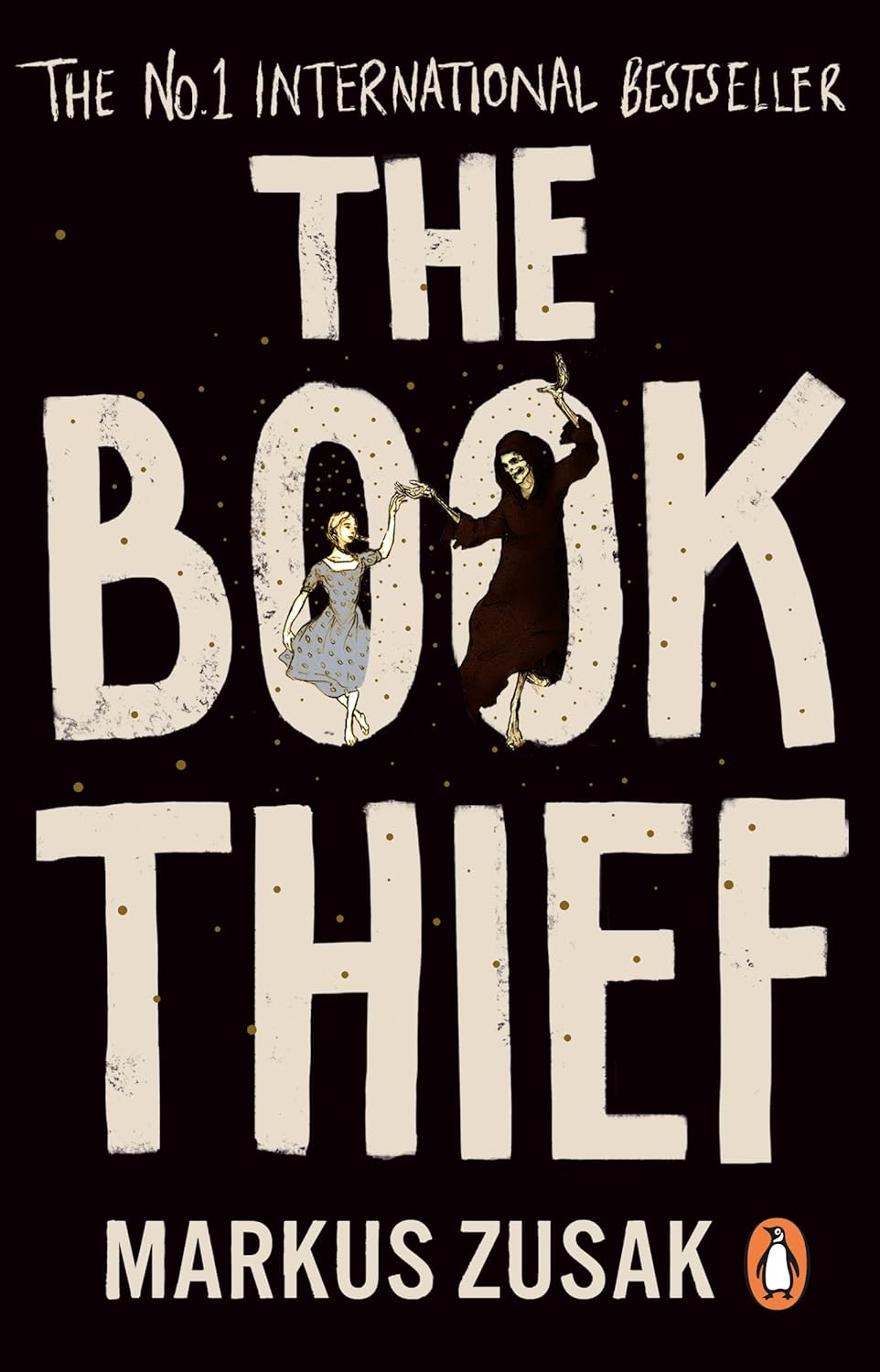
Liesel Meminger steals books in WWII Germany, narrated by Death. Zusak's formal achievement — Death's pre-announcing voice — cannot survive adaptation. Geoffrey Rush as Hans is irreplaceable.
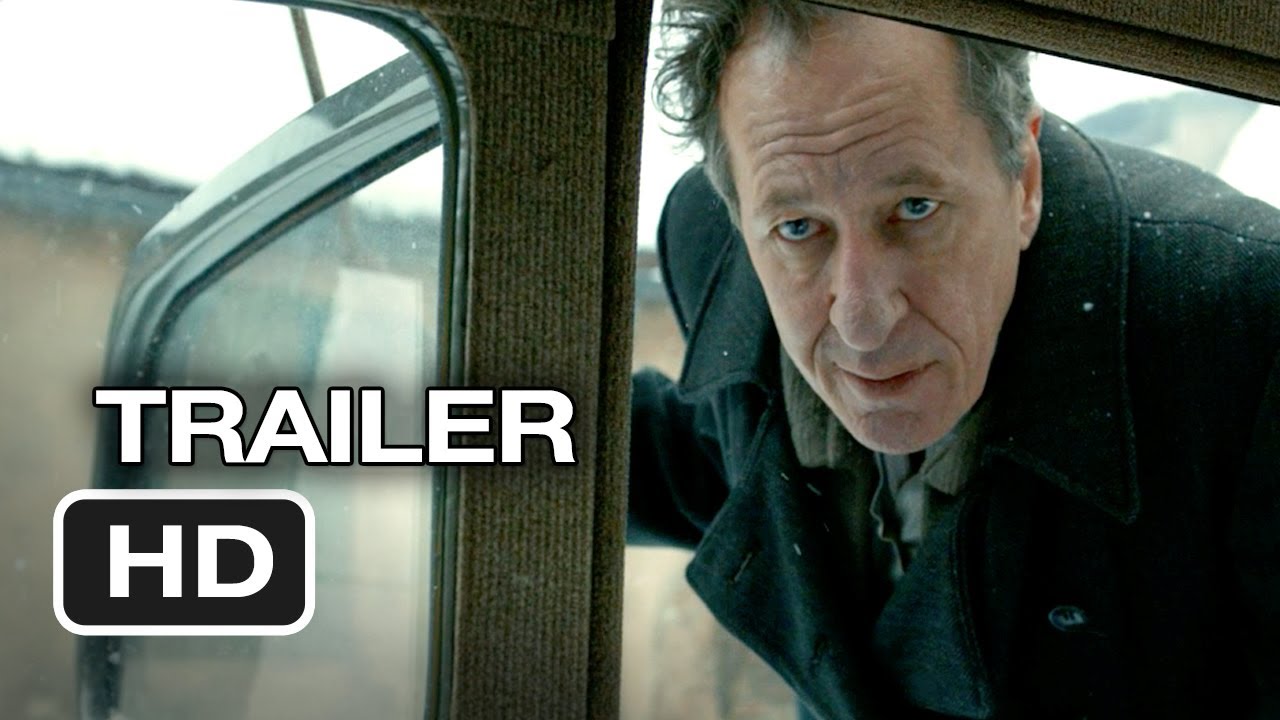
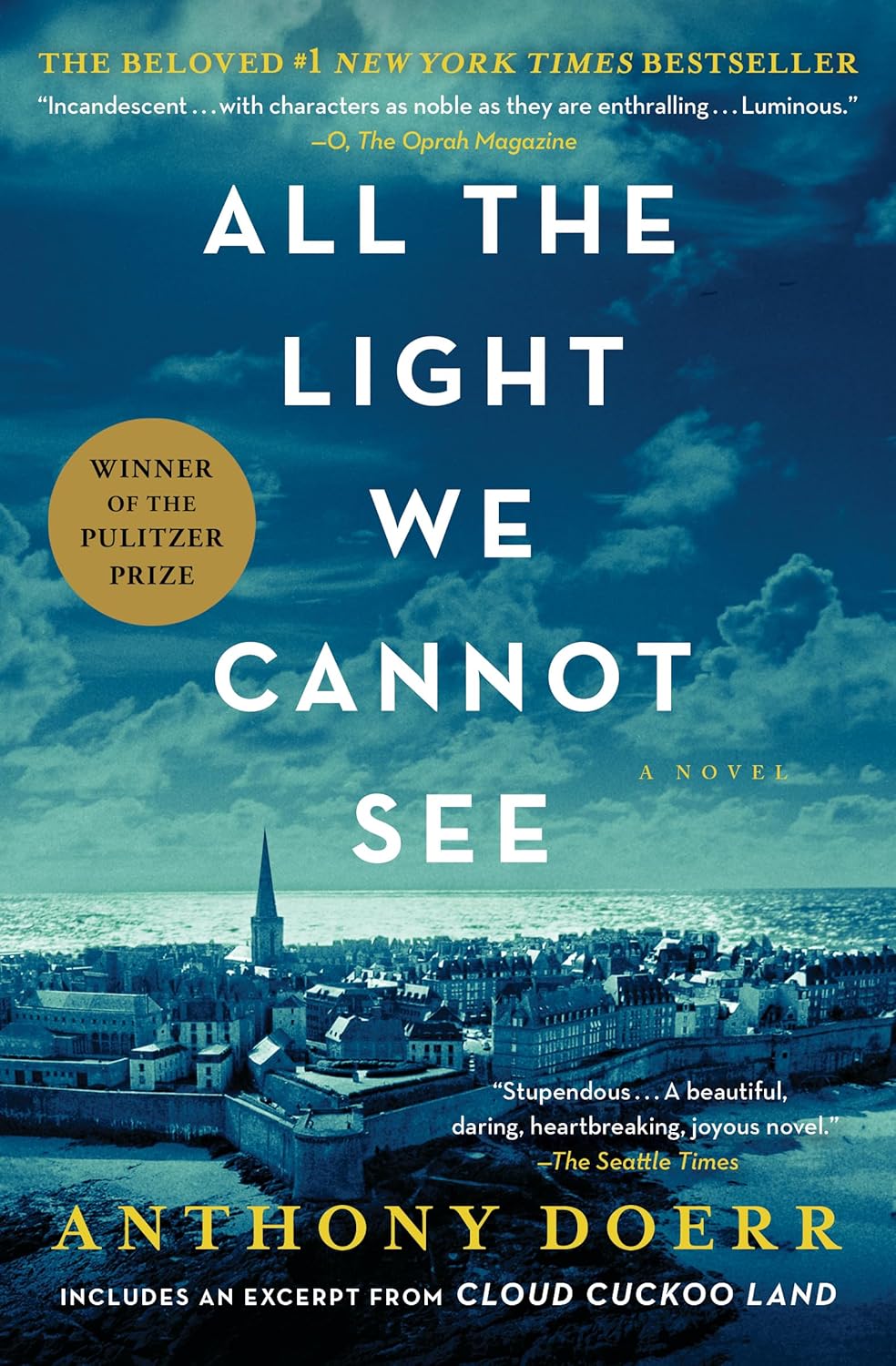
A blind French girl and a German orphan move toward each other across occupied France. Doerr's Pulitzer-winning prose is the experience — Loberti's casting (herself visually impaired) is the series' finest decision.
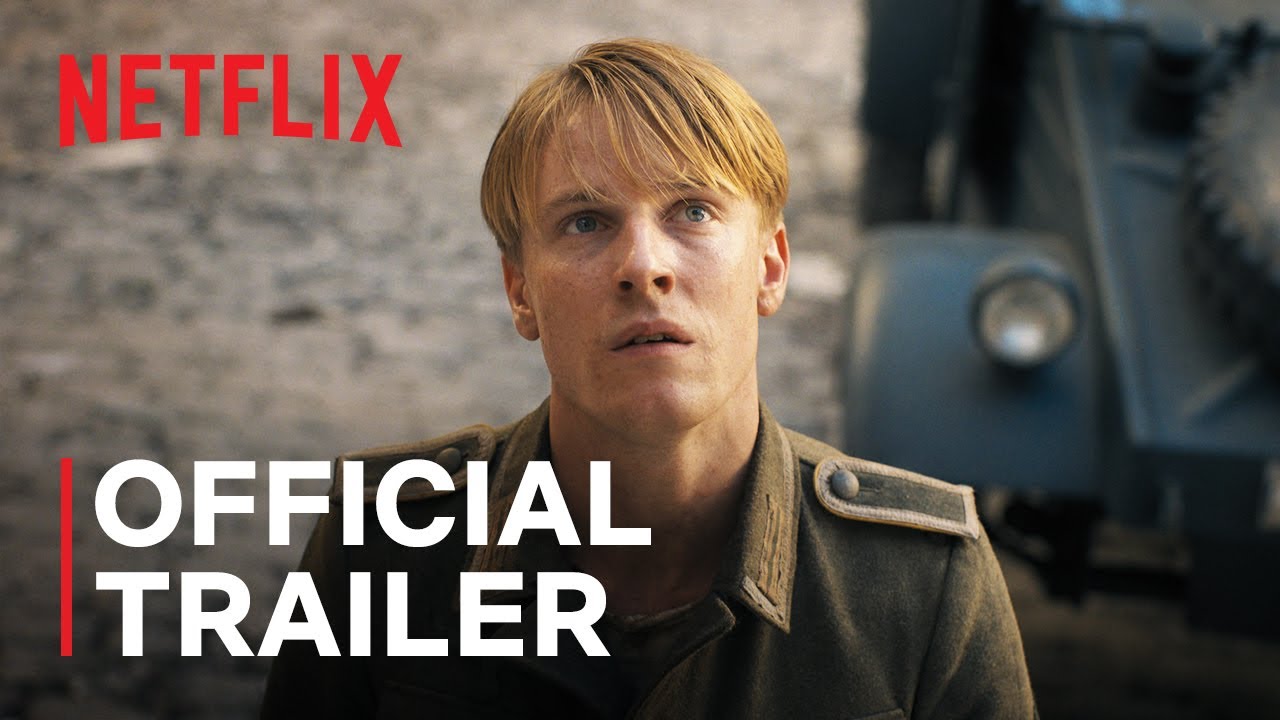

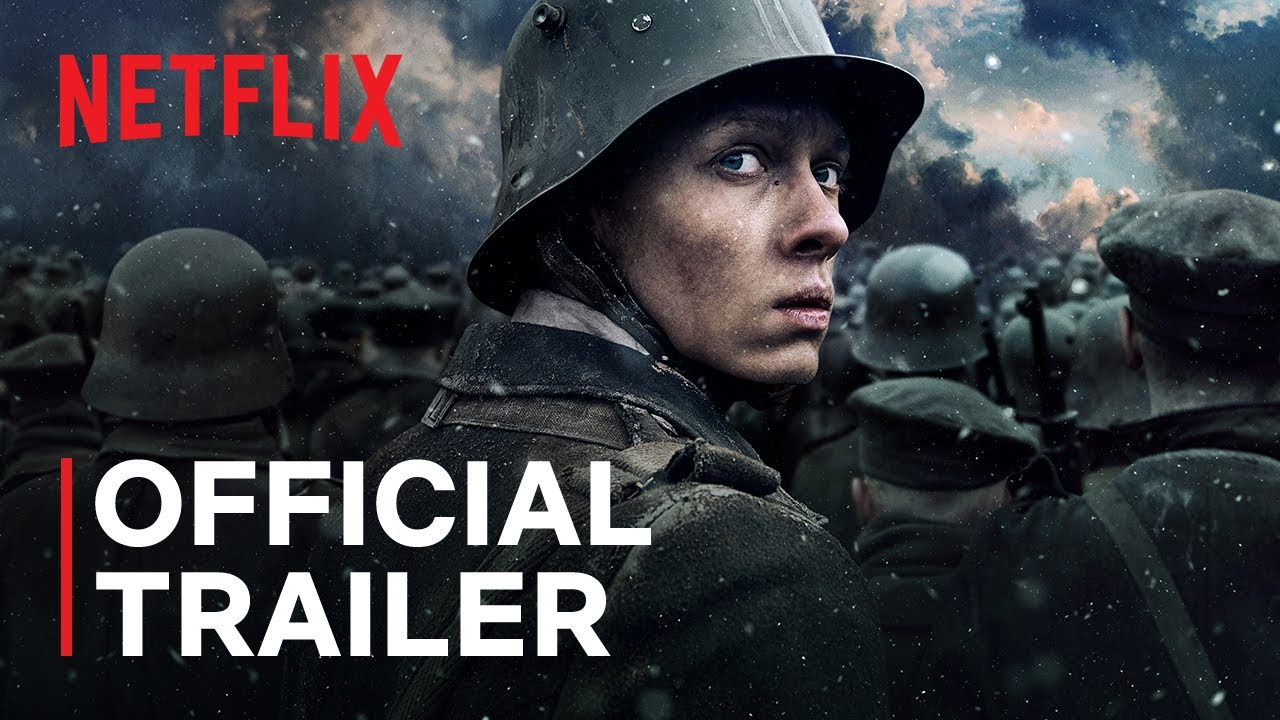
Paul Bäumer enlists and watches his generation disappear in WWI. Berger's 2022 German-language film is the most complete screen version yet — the first made in German, as it should always have been.
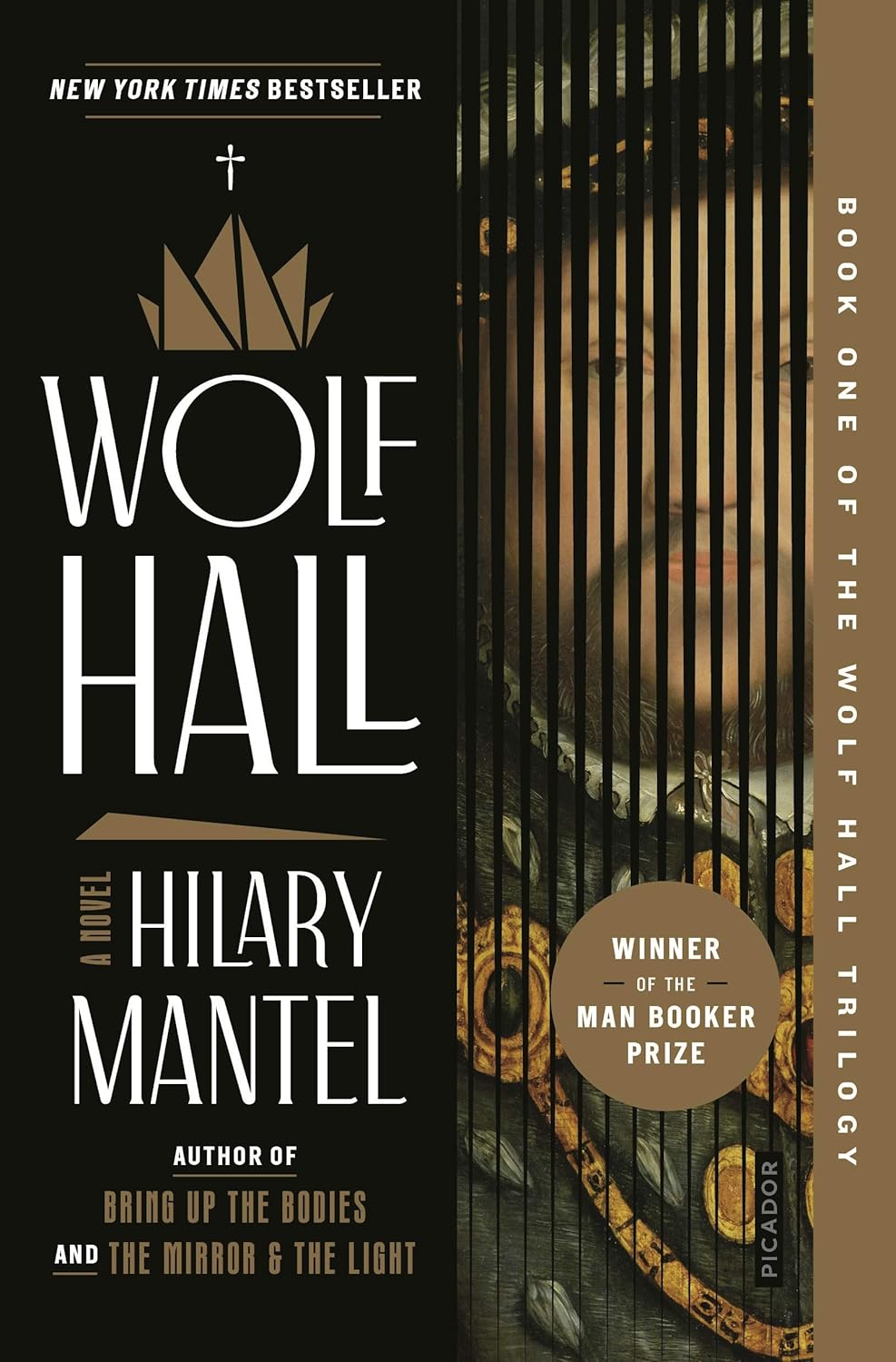
Thomas Cromwell rises through Henry VIII's court. Mantel's present-tense close third person is the novel's defining achievement — Rylance's performance is the finest historical drama acting of its decade.
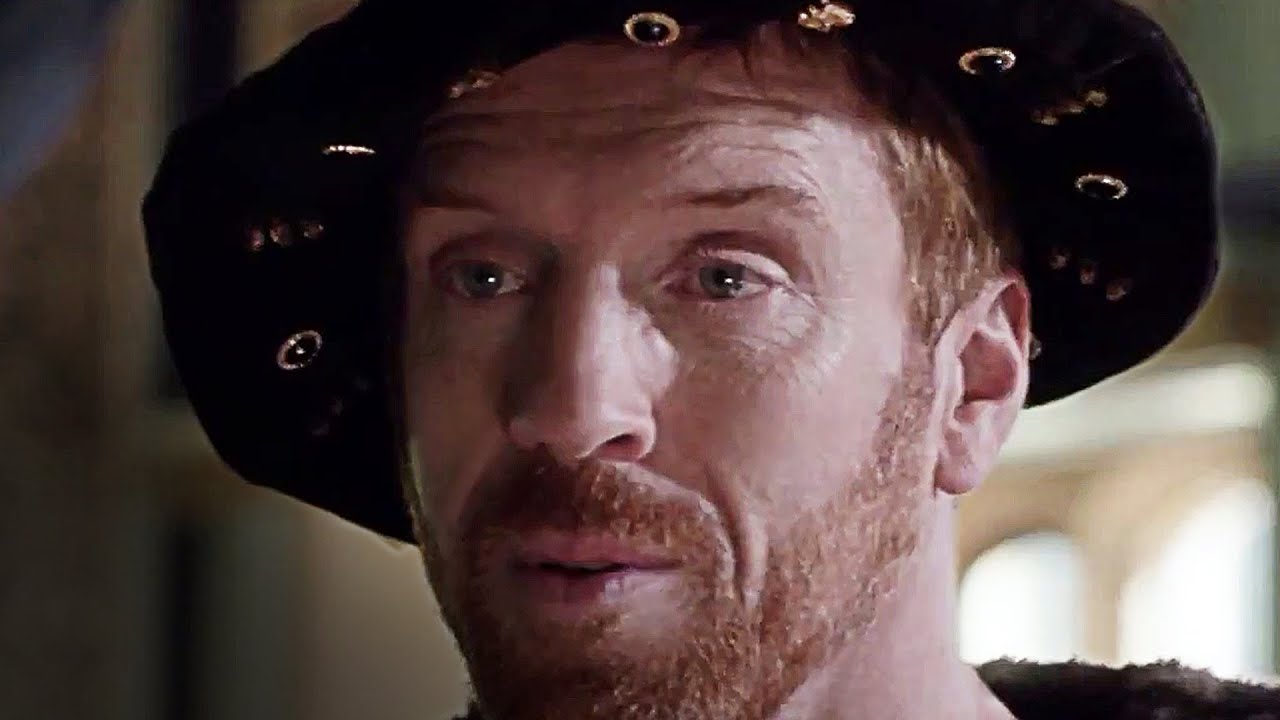
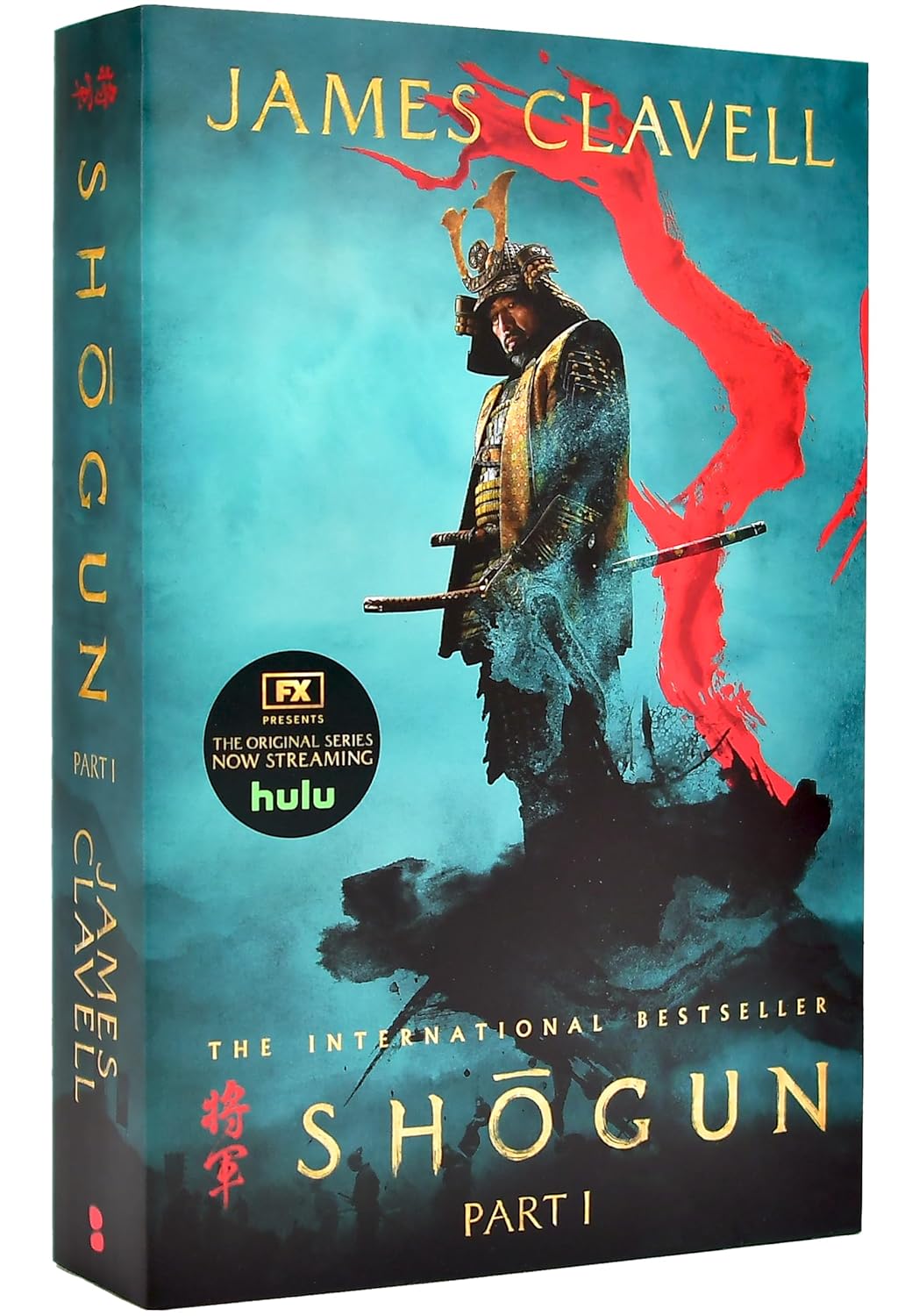
English navigator John Blackthorne arrives in feudal Japan and enters the service of Lord Toranaga. The 2024 FX series won 18 Emmys and improved on the novel's most important failure — centering its Japanese characters.

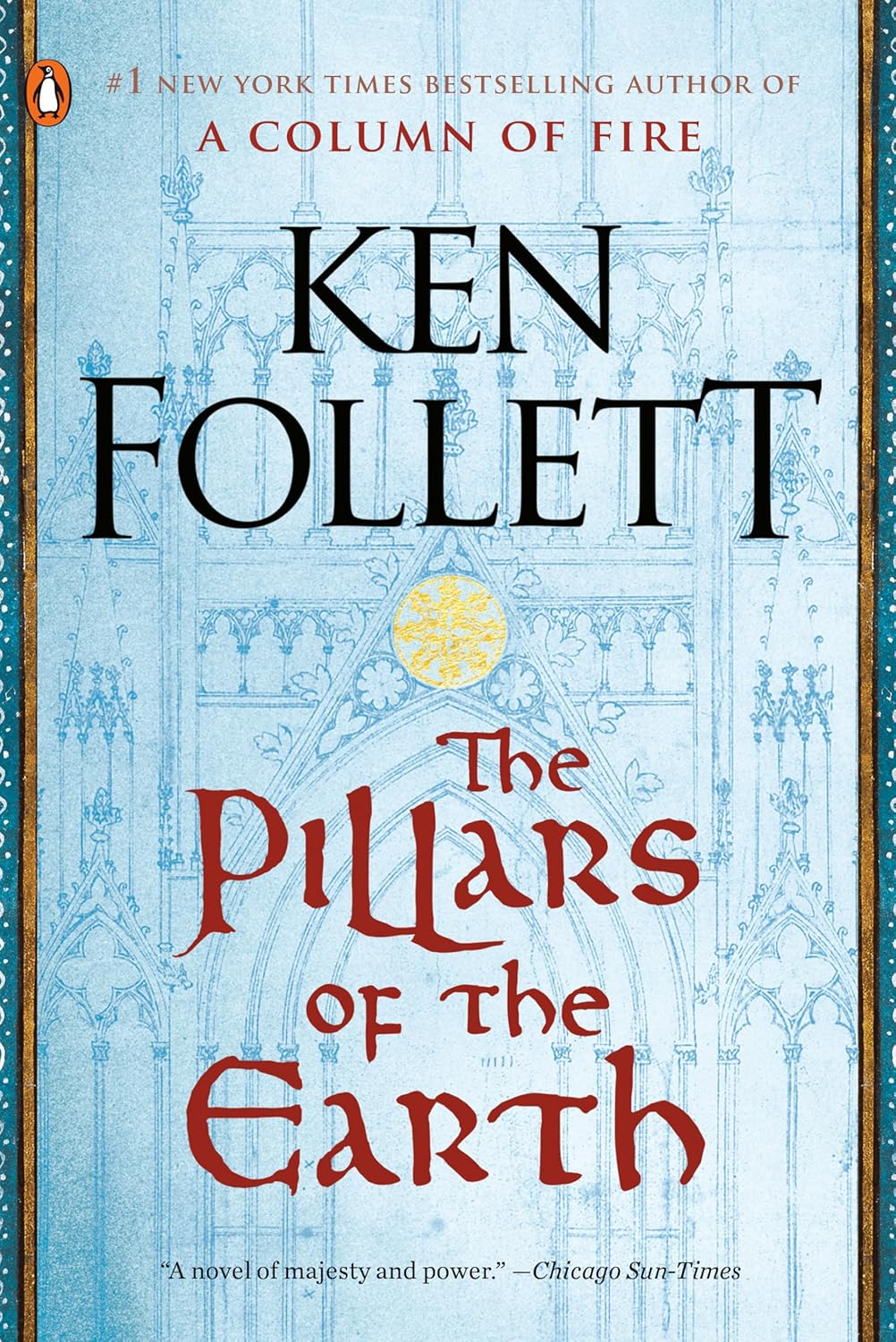
The building of a cathedral in 12th-century England across decades of political violence and religious intrigue. Follett makes architecture feel dramatic — the miniseries compresses too much of what makes it exceptional.
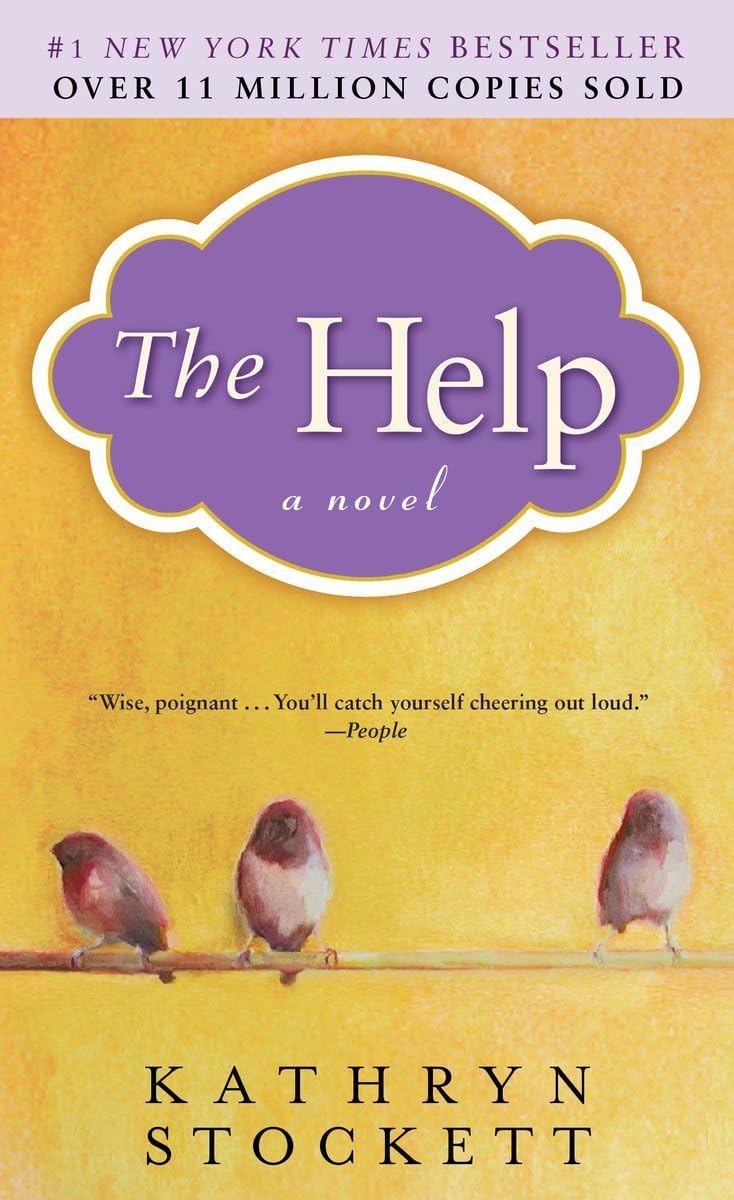
A white journalist interviews Black domestic workers in 1960s Jackson, Mississippi. Three alternating voices, one of which is Viola Davis — her performance is the film's central argument.
