The Story in Brief
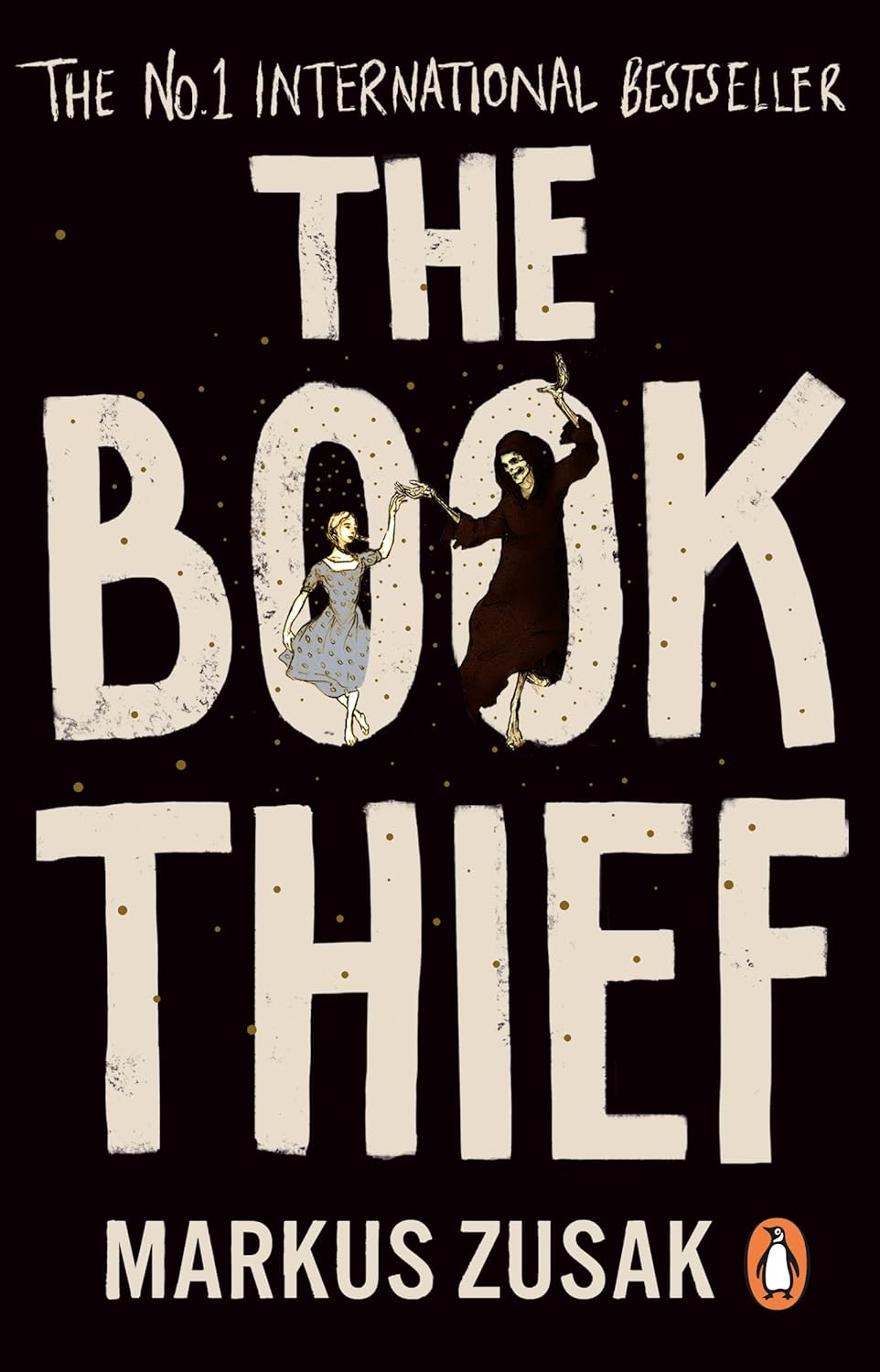
Liesel Meminger is nine years old when she arrives at her foster family's house in Molching, Germany, in 1939 — unable to read, carrying a stolen gravedigger's handbook, and about to be introduced to the power of words by her foster father Hans Hubermann. Over the next six years, as Germany tears itself apart under Nazism and war, Liesel steals books from Nazi book burnings and the mayor's wife's library, shelters a Jewish fist fighter named Max Vandenburg in the basement, falls in love with her neighbour Rudy Steiner, and survives things that would break most adults.
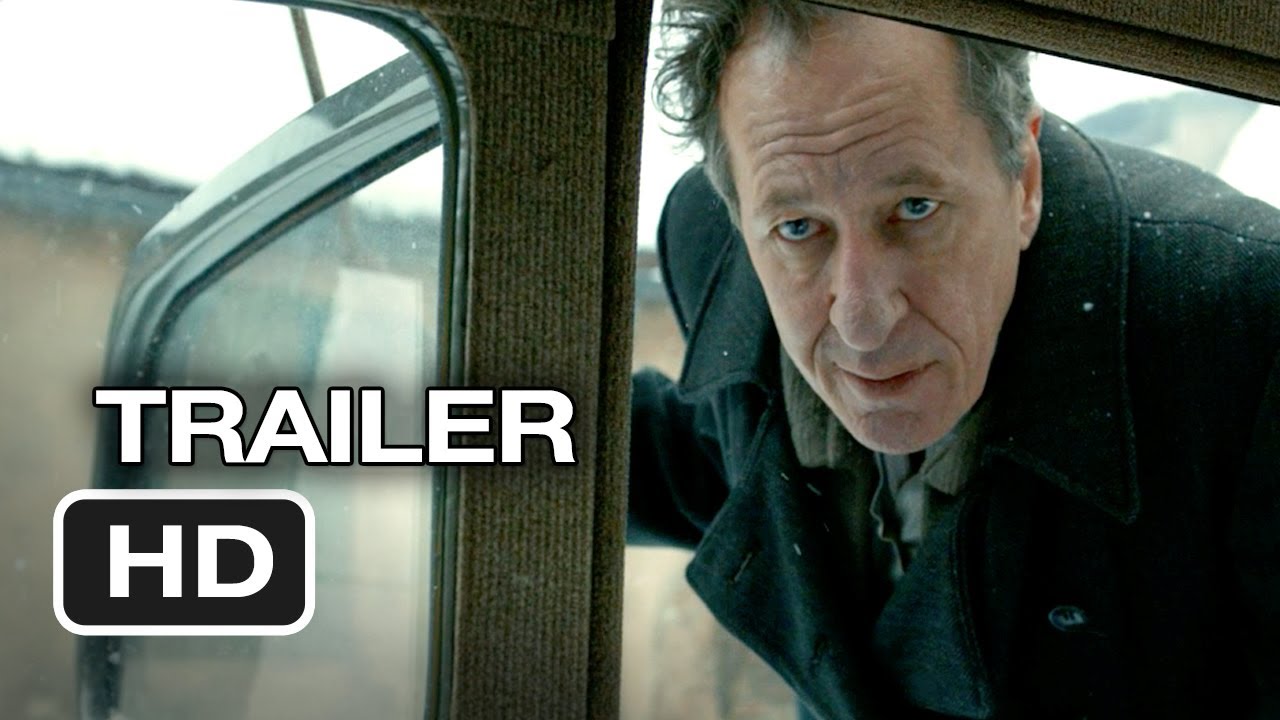
Markus Zusak's 2005 novel is narrated by Death — an entity who has collected Liesel's story across the years and tells it with a dark, wry tenderness. Brian Percival's 2013 film, adapted by Michael Petroni, stars Sophie Nélisse as Liesel, Geoffrey Rush as Hans, Emily Watson as Rosa Hubermann, and Ben Schnetzer as Max. The film earned an Academy Award nomination for John Williams's score and was praised for its performances, particularly Rush's. It grossed $76 million worldwide against a $19 million budget.
The novel became an international bestseller, spent over 230 weeks on the New York Times bestseller list, and is widely taught in schools as both a Holocaust narrative and a meditation on the power of language. The gap between book and film is the gap between the novel's formal achievement — Death's narrative voice — and everything else.
| Character | In the Book | In the The Movie |
|---|---|---|
| Liesel Meminger Sophie Nélisse |
A girl who arrives illiterate and becomes obsessed with words, books, and the power of language to save and destroy. | Nélisse captures Liesel's resilience and growing love of reading with a performance that anchors the film emotionally. |
| Hans Hubermann Geoffrey Rush |
Liesel's foster father — gentle, principled, an accordion player who teaches her to read and hides Max in the basement. | Rush's finest performance in years; he brings Hans a physical warmth and quiet courage that earns every ounce of the character's goodness. |
| Rosa Hubermann Emily Watson |
Liesel's foster mother — sharp-tongued, seemingly harsh, but fiercely protective and capable of surprising tenderness. | Watson plays Rosa's gruffness and hidden warmth with precision, making the character's love visible beneath the insults. |
| Max Vandenburg Ben Schnetzer |
A Jewish fist fighter hiding in the Hubermanns' basement, haunted by guilt, who creates illustrated books for Liesel. | Schnetzer plays Max with quiet intensity, capturing the character's gratitude, guilt, and creative spirit in compressed form. |
| Rudy Steiner Nico Liersch |
Liesel's best friend and neighbour — obsessed with Jesse Owens, perpetually asking Liesel for a kiss, loyal to the end. | Liersch captures Rudy's energy, charm, and devotion; the character's arc is faithfully adapted and deeply affecting. |
| Death Roger Allam (voice) |
The novel's narrator — wry, weary, distracted by the colours of the sky, and capable of surprising beauty and directness. | Allam's voiceover appears sparingly; it provides context but cannot carry the narrative weight Death's voice carries in the novel. |
Key Differences
Death as narrator is the novel's entire texture
Zusak's central formal invention is his narrator — Death, who collects souls across World War II and is distracted, as Death explains, by the colours of the sky and by certain human stories that refuse to be ordinary. Death's voice is the novel's entire texture: wry, slightly weary, occasionally savage in its directness, and capable of beauty that surprises coming from the entity it's coming from.
The novel announces deaths before they happen — foreshadowing as a formal principle — which creates a specific kind of dread that intensifies rather than diminishes the emotional impact. "I should tell you here that Rudy Steiner would be dead by the end of the war" arrives pages before the war ends, and the knowledge transforms every subsequent Rudy scene.
No film can replicate a narrative voice, and no voiceover can replicate this one. The film uses Roger Allam's Death voiceover sparingly — it cannot carry the weight the novel places on it. The loss is structural, not a failure of adaptation.
Geoffrey Rush as Hans Hubermann is the film's triumph
Rush's Hans is the film's finest performance and genuinely earns the character's place as one of fiction's great foster fathers — gentle, principled, quietly courageous, and possessed of an accordion and a talent for sitting with people in their worst moments.
The novel's Hans is equally drawn; Rush brings him a physical warmth that the prose can describe but an actor can inhabit. The scene where Hans teaches Liesel to read in the basement, the moment he paints over anti-Semitic slurs on a Jewish shopkeeper's door, and his quiet defiance in hiding Max — Rush makes each moment feel earned rather than sentimental.
This is one of the film's genuine achievements over the source material in terms of immediate emotional impact. You read about Hans's goodness; you watch Rush embody it.
The announced endings are structurally irreplaceable
One of the novel's most distinctive features is Death's habit of telling you what happens to a character before the narrative reaches that point. The knowledge transforms every subsequent scene with that character into something elegiac and unbearable.
Death tells us early that Liesel will survive the war. Death tells us Rudy will not. Death tells us about the bombing of Himmel Street before it happens. The novel's emotional architecture depends on this foreknowledge — you watch characters move toward deaths you already know are coming, and the dread is specific and sustained.
The film cannot use this technique without completely restructuring its narrative. It tells the story chronologically, and deaths arrive as surprises. The loss of this pre-announced grief is the adaptation's most significant structural sacrifice, and it changes the emotional experience substantially.
Max Vandenburg's interior life is compressed
Ben Schnetzer plays Max — the Jewish man the Hubermanns hide in their basement — with a quiet intensity that suits the character's specific mixture of gratitude, guilt, and creative spirit. The novel gives Max substantial interior space: his illustrated books for Liesel (The Standover Man, The Word Shaker), his dreams of fighting Hitler, his relationship with his own survival.
The film compresses this but handles it respectfully. Max's illustrated books appear, but their symbolic weight is lighter. His guilt over endangering the Hubermanns is present but less developed. The novel's Max is the more fully developed portrait; the film's is immediately sympathetic but less complex.
Rudy Steiner and the kiss that never comes
Rudy is perhaps the novel's most beloved character — funny, loyal, obsessed with Jesse Owens, perpetually asking Liesel for a kiss — and Nico Liersch captures his energy and charm on screen. The film handles Rudy well, and the character's arc is faithfully adapted.
The novel's Rudy is defined by the kiss he never gets — he asks Liesel for a kiss dozens of times, and she refuses every time until the moment he's dead, when she finally kisses him and it's too late. Death narrates this with devastating directness. The film preserves this moment, but readers of the novel will find themselves watching with the specific foreknowledge that Death's narration gave them — which the film cannot provide for viewers coming to the story fresh.
Yes — emphatically. Death's narrative voice is the experience, and it is irreplaceable. The novel's formal invention — announcing deaths before they happen, narrating from the perspective of an entity who sees all of World War II simultaneously — transforms what might have been a conventional coming-of-age story into something structurally extraordinary. Read first and the film becomes a handsome, faithfully made companion that gives Hans a face and Rudy a presence.
Watch first and you'll experience a well-acted, emotionally effective war drama. Then read the book and discover that the story you watched was narrated by Death all along, and that the novel's relationship to grief, foreshadowing, and language is richer and stranger than any film could show you. The book is the definitive version. The film is the beautiful footnote.
Should You Read First?
Yes — emphatically. Death's narrative voice is the experience, and it is irreplaceable. The novel's formal invention — announcing deaths before they happen, narrating from the perspective of an entity who sees all of World War II simultaneously — transforms what might have been a conventional coming-of-age story into something structurally extraordinary. Read first and the film becomes a handsome, faithfully made companion that gives Hans a face and Rudy a presence.
Watch first and you'll experience a well-acted, emotionally effective war drama. Then read the book and discover that the story you watched was narrated by Death all along, and that the novel's relationship to grief, foreshadowing, and language is richer and stranger than any film could show you. The book is the definitive version. The film is the beautiful footnote.
Zusak's novel earns its place among the great WWII narratives through a formal invention — Death as narrator — that transforms the story's relationship to grief and foreshadowing. Percival's film is handsome, well-cast, and faithful to the plot while necessarily abandoning the voice that is the novel's entire achievement. Geoffrey Rush as Hans is irreplaceable. Death's narration is more irreplaceable. Read first; watch after for Rush and for Rudy.