The Story in Brief
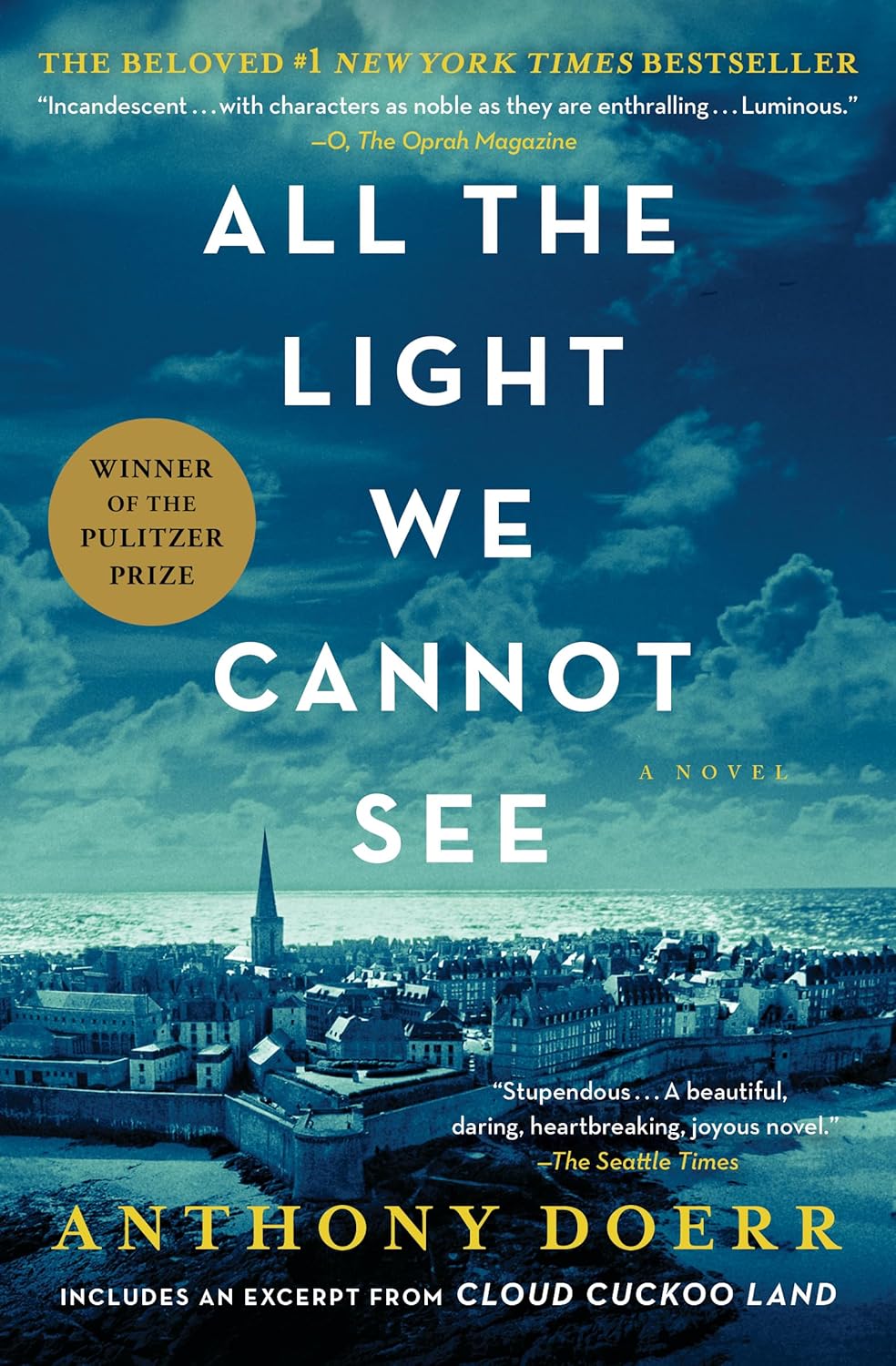
Marie-Laure LeBlanc is a blind French girl whose father, Daniel, carries her and a legendary diamond — the Sea of Flames — out of Paris as the Germans advance in 1940. They flee to Saint-Malo, where Marie-Laure's great-uncle Étienne lives in a tall house by the sea. Werner Pfennig is a German orphan whose talent with radios brings him into the Hitler Youth and eventually toward the front lines of the war's end in Saint-Malo. Their lives converge over the course of the novel in a single city during the Allied bombardment in August 1944.
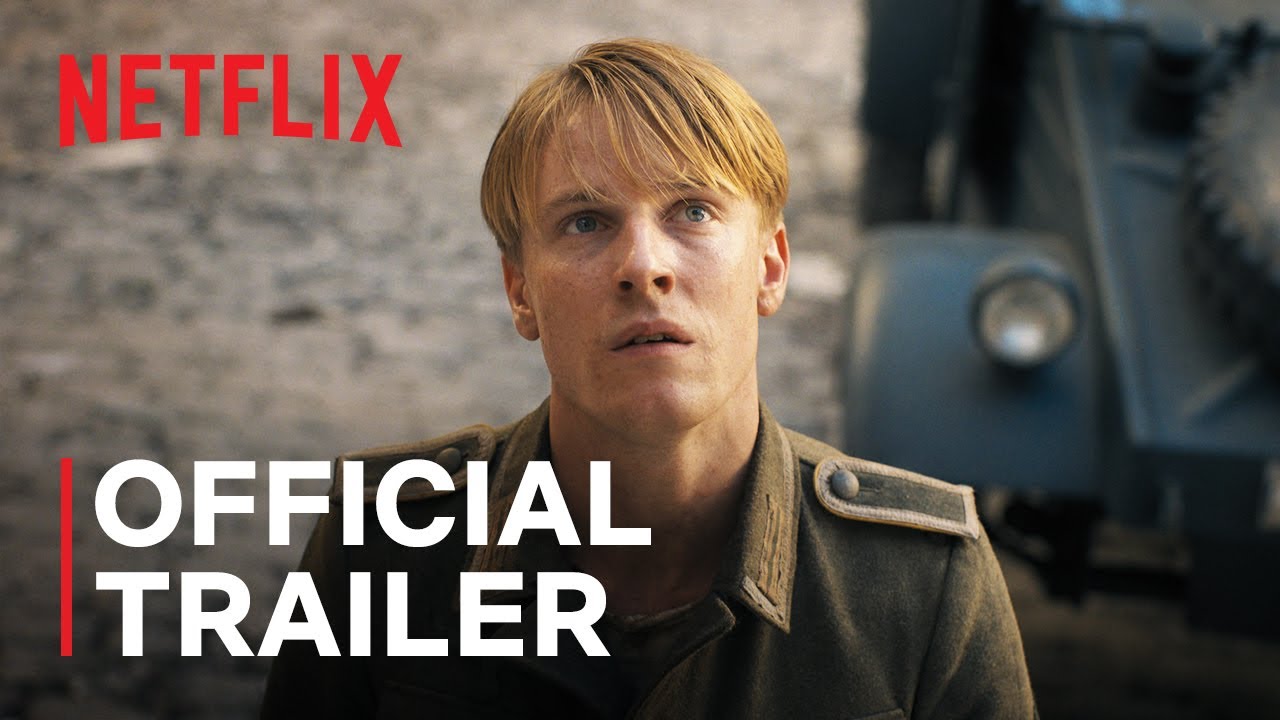
Anthony Doerr spent ten years writing the novel, and the prose shows that patience — precise, sensory, and committed to finding beauty inside catastrophe with a consistency that never becomes complacent. The Pulitzer Prize it won in 2015 was one of that award's more straightforwardly deserved decisions. Shawn Levy's four-episode Netflix series from 2023 is a visually impressive adaptation that dramatises the novel's plot and cannot replicate its prose.
The novel became a bestseller and remained on the New York Times list for more than 200 weeks. The series received mixed reviews — critics praised Loberti's casting and the production design but noted the compression of Doerr's intricate structure into four hours inevitably sacrificed the novel's most distinctive quality: its language.
| Character | In the Book | In the The Series |
|---|---|---|
| Marie-Laure LeBlanc Aria Mia Loberti |
A blind girl whose perception of the world is rendered through sound, texture, and the mental maps her father builds for her — Doerr's prose makes her interiority the novel's most distinctive achievement. | Loberti, herself visually impaired, brings physical authenticity and moves through Saint-Malo with credibility that makes Marie-Laure's navigation genuinely affecting. |
| Werner Pfennig Louis Hofmann |
A German orphan whose gifts with radios bring him into service of the Reich — the novel tracks his moral deterioration across years in the Hitler Youth with extensive interior guilt. | Hofmann plays Werner with quiet moral anguish, though the four-episode compression means his arc is more summarised than dramatised. |
| Daniel LeBlanc Mark Ruffalo |
Marie-Laure's father, the master locksmith at the Museum of Natural History who builds her intricate wooden models of their neighborhoods so she can navigate Paris and Saint-Malo. | Ruffalo plays Daniel with warmth and desperation — his arrest and disappearance into the camps is handled with appropriate restraint. |
| Sergeant Major Reinhold von Rumpel Lars Eidinger |
An SS gemologist dying of cancer who believes the cursed Sea of Flames diamond will save him — the novel gives his obsession extensive interior space and makes it feel pathetic rather than threatening. | Eidinger plays Von Rumpel with terminal desperation, though the series compresses his pursuit into a more conventional antagonist role. |
| Étienne LeBlanc Hugh Laurie |
Marie-Laure's great-uncle, a recluse traumatized by World War I who broadcasts resistance messages from his attic — the novel tracks his gradual return to courage through Marie-Laure's presence. | Laurie brings gravity and gentleness to Étienne, and his scenes with Loberti are the series' emotional center. |
Key Differences
The prose is the experience, and the series cannot replicate it
The novel's language is its primary gift — short chapters of extraordinary sensory precision, each scene rendered with the specific attention of a writer who has thought carefully about how a blind girl experiences a world in flames. Doerr writes Marie-Laure's perception through sound, texture, smell, and the mental maps her father has built for her, and this perspective transforms the conventional war narrative into something more intimate and more strange.
No camera can render a blind protagonist's experience of the world as completely as Doerr's prose does. The series is necessarily limited to what it can show; the novel is not. When Marie-Laure navigates Saint-Malo by counting drainpipes and memorizing the texture of cobblestones, the book makes you feel the intelligence and courage required. The series shows her doing it, which is not the same thing.
Aria Mia Loberti's casting is the series' most important decision
Loberti — herself visually impaired — brings to Marie-Laure a physical authenticity that no sighted actress could replicate, and her performance is the series' most important creative decision and its finest result. She moves through the series' Saint-Malo with a credibility that makes Marie-Laure's navigation of her world genuinely affecting, and her voice carries the character's intelligence and determination without overstating them.
This casting decision is the series' greatest achievement. Loberti was a graduate student when she auditioned, and her lack of prior acting experience works in her favor — there's no actorly mannerism, just a young woman moving through a dangerous world with the specific competence her father has trained into her. The series is worth watching for her performance alone.
The non-linear structure is compressed but not abandoned
Doerr's novel moves between 1944 Saint-Malo and earlier years in alternating chapters — we arrive in the present and move backward simultaneously, which creates a specific kind of dramatic tension as the two timelines converge. The series compresses this structure into four episodes, handling the time jumps through flashback rather than alternating chapters.
The compression works well enough but loses the novel's formal elegance — the way each chapter's brevity and the alternating timelines create a rhythm of anticipation that builds across five hundred pages. The series' flashbacks are more conventional, and the present-tense bombardment of Saint-Malo becomes the frame rather than one of two equal timelines. It's a reasonable adaptation choice, but something is lost.
Von Rumpel's pursuit of the Sea of Flames is less interior
The diamond — the Sea of Flames, legendarily cursed — is the novel's MacGuffin, and Von Rumpel, the SS sergeant hunting it, is its antagonist. Lars Eidinger plays Von Rumpel in the series with a quality of terminal desperation (he is dying and believes the diamond will save him) that the role requires. The series handles this strand competently; the novel gives Von Rumpel more interior space and makes his obsession feel more genuinely pathetic than threatening.
In the book, Von Rumpel's chapters are studies in self-delusion — a man who has served evil and now believes a cursed stone will redeem him. The series makes him more straightforwardly villainous, which is easier to dramatize but less interesting. The novel's Von Rumpel is a man who has already lost; the series' Von Rumpel is still fighting.
Werner's moral deterioration is more summarised than dramatised
Louis Hofmann plays Werner with a quiet moral anguish that suits the character — a boy whose gifts have brought him into service of something he knows is wrong, and who keeps making the choices that keep him alive. The novel's Werner is more extensively introverted, his guilt more carefully developed across his years in the Hitler Youth and at the brutal Schulpforta academy.
The series handles his arc well but the compression that four episodes require means his moral deterioration is somewhat more summarised than dramatised. We see Werner at Schulpforta, we see him tracking resistance broadcasts, we see him hesitate before following orders — but the novel gives us hundreds of pages of his interior life, and that accumulation is what makes his final act of conscience in Saint-Malo feel earned rather than convenient.
Yes — without qualification. The prose is the experience and it is ten years of careful attention compressed into five hundred pages of extraordinary sentences. Read first and the series becomes a handsome, respectfully made companion that casts Marie-Laure with brilliant specificity. Watch first and the book will give you everything the series cannot show you — which is most of what makes it one of the finest novels of the 2010s.
The series will not spoil the book because the book is not primarily about what happens. It is about how Doerr writes what happens — the precision of his sentences, the way he renders Marie-Laure's blindness as a form of heightened perception rather than limitation, the formal elegance of the alternating timelines. None of that translates to screen. Read first, then watch Loberti bring Marie-Laure to life in a way that honors Doerr's creation.
Should You Read First?
Yes — without qualification. The prose is the experience and it is ten years of careful attention compressed into five hundred pages of extraordinary sentences. Read first and the series becomes a handsome, respectfully made companion that casts Marie-Laure with brilliant specificity. Watch first and the book will give you everything the series cannot show you — which is most of what makes it one of the finest novels of the 2010s.
The series will not spoil the book because the book is not primarily about what happens. It is about how Doerr writes what happens — the precision of his sentences, the way he renders Marie-Laure's blindness as a form of heightened perception rather than limitation, the formal elegance of the alternating timelines. None of that translates to screen. Read first, then watch Loberti bring Marie-Laure to life in a way that honors Doerr's creation.
Doerr's Pulitzer winner is a prose achievement — a decade of work producing sentences that make a blind girl's experience of occupied France feel simultaneously intimate and vast. Netflix's series is a competent, well-intentioned adaptation anchored by Loberti's extraordinary casting, that dramatises the plot and cannot carry the language. The book wins decisively. The series is worth watching for Loberti; the book is worth reading for everything else.