The Story in Brief
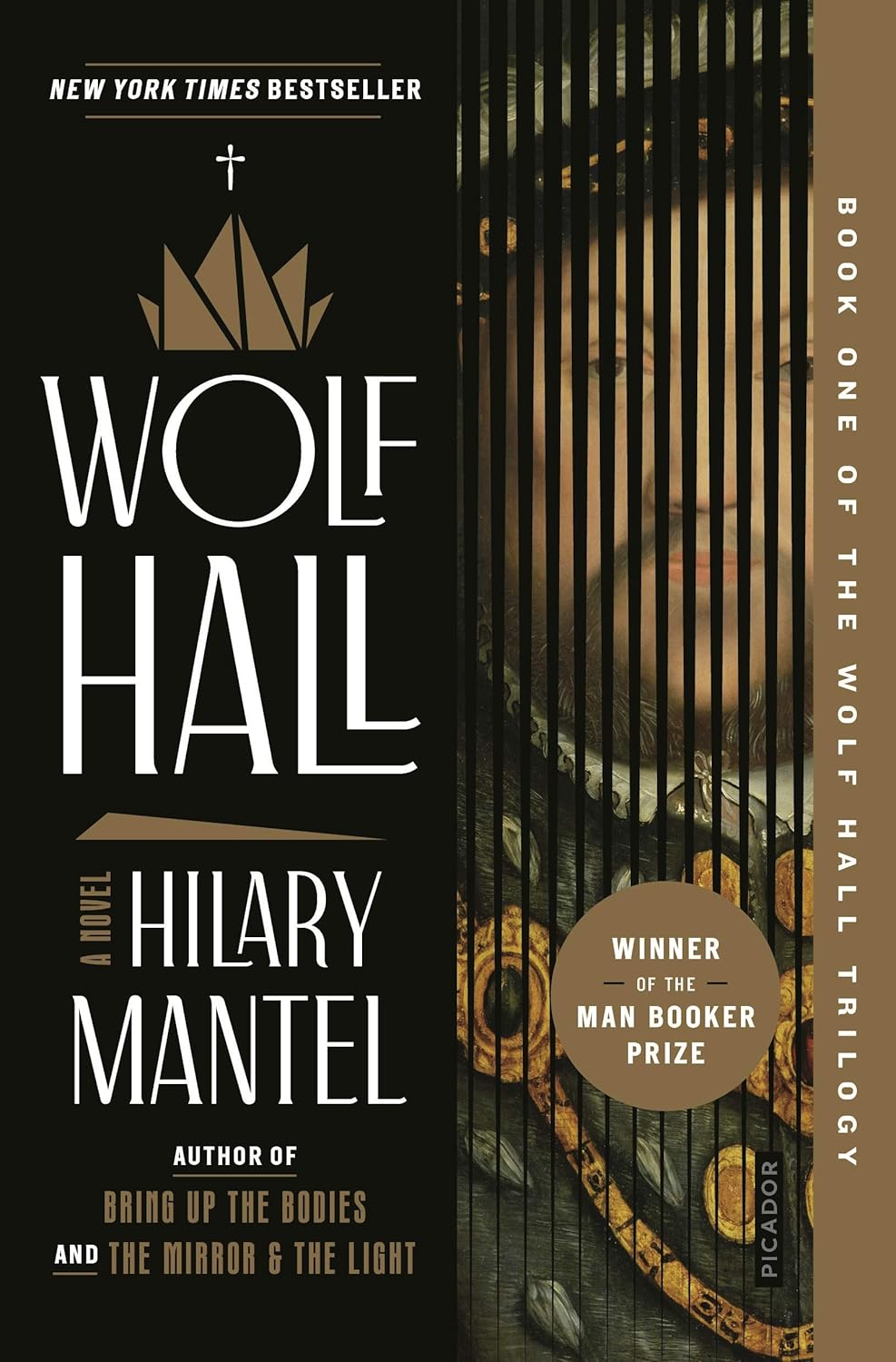
Thomas Cromwell is the son of a Putney blacksmith who has made himself, through intelligence, patience, and an extraordinary talent for understanding what powerful people want and need, into one of the most influential men in England under Henry VIII. Wolf Hall covers the years 1527 to 1535 — the king's break with Rome, the fall of Cardinal Wolsey whom Cromwell served, the rise and fall of Anne Boleyn — from inside Cromwell's calculating, compassionate, and deeply private mind.
Hilary Mantel's 2009 novel won the Booker Prize and was widely acclaimed as one of the finest historical novels ever written, principally for its audacious formal choice: close third person present tense, always from Cromwell's perspective, with "he" always meaning Cromwell even when other men are in the room. Peter Kosminsky's BBC series, adapted by Mantel herself with screenwriter Peter Straughan, starred Mark Rylance in a performance that won the BAFTA, Golden Globe, and Emmy.
The series premiered on BBC Two in January 2015 to critical acclaim and became one of the most-watched dramas of the year, cementing its status as the definitive screen version of Mantel's Tudor trilogy.
| Character | In the Book | In the The Series |
|---|---|---|
| Thomas Cromwell Mark Rylance |
A self-made man of extraordinary intelligence and patience, narrated from within through present-tense prose that never leaves his consciousness. | Rylance plays him as watchful and still, processing everything behind eyes that rarely give anything away — power expressed through silence. |
| Henry VIII Damian Lewis |
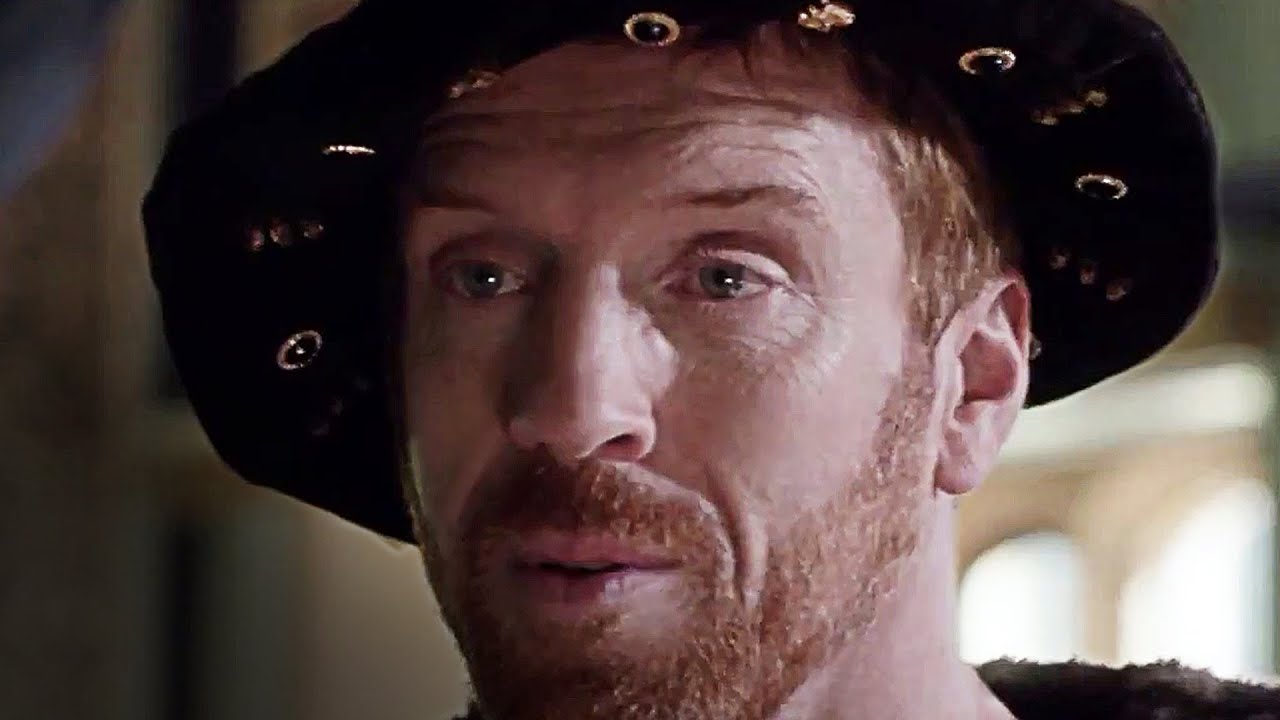
A physically vital, charming king who expects to get what he wants and is only beginning to understand the cost of absolute power. | Lewis captures Henry's dangerous charm and physical presence — not yet the bloated tyrant of popular imagination but a young king used to being obeyed. |
| Anne Boleyn Claire Foy |
Intelligent, volatile, desperate to secure her position, aware that her power depends entirely on producing a male heir. | Foy brings a brittle intensity to Anne — you see both her intelligence and her terror as her position becomes increasingly precarious. |
| Thomas More Anton Lesser |
Cromwell's ideological opposite — a man of principle who will not compromise, portrayed with respect but also as dangerously inflexible. | Lesser plays More as cold, certain, and willing to burn heretics — the series does not soften his fanaticism or his cruelty. |
| Cardinal Wolsey Jonathan Pryce |
Cromwell's mentor and father figure, a brilliant administrator brought down by his failure to secure Henry's annulment from Katherine of Aragon. | Pryce gives Wolsey warmth and weariness — a man who knows he's failed and is trying to protect the people who served him. |
Key Differences
Mantel's formal invention is the experience
The novel's defining characteristic is its present-tense close third person — "he" always means Cromwell, narration that never leaves his perspective, a prose style that creates the sensation of being inside a sixteenth-century mind in real time. This is one of modern fiction's most discussed formal choices: readers who surrender to it find the novel overwhelmingly intimate; readers who fight it find it confusing.
The series resolves the pronoun problem by simply showing us the scenes, which is more immediately accessible and loses the specific quality of being sealed inside Cromwell's consciousness. The novel makes you think like Cromwell; the series lets you watch him.
Mark Rylance as Cromwell is career-defining work
Rylance's performance is one of the great screen characterisations in British television history — still, watchful, processing everything behind eyes that rarely give anything away, capable of warmth and calculation in the same gesture. He makes Cromwell's stillness feel like power rather than absence, and his physicality — the way he occupies a room differently from everyone else in it — does the work that Mantel's prose does on the page.
The novel's Cromwell is richer in interiority, particularly in his grief for his dead wife Liz and his tenderness toward his daughters. Rylance's Cromwell is more guarded — we see less of his domestic warmth. Both are essential Cromwells, but the book gives you the full emotional range.
The darkness of the series is historically accurate and dramatically bold
Kosminsky shot the series in available light — candles, firelight, window light — which gives it a visual texture that is historically accurate and dramatically atmospheric. Some viewers found the dimness difficult; most found it immersive. The choice signals a commitment to period authenticity that historical drama rarely attempts, and it gives the Tudor world a physical reality that brightly lit productions of the same material have always lacked.
The novel's prose creates its own atmospheric darkness through accumulation of specific detail — the smell of the Thames, the cold of stone floors, the flicker of candlelight on tapestries. The series' candlelight does it visually, and the effect is that both versions feel like the same world approached through different senses.
The supporting cast expands on the novel's characterizations
Damian Lewis as Henry VIII is a revelation — not the familiar bloated tyrant of popular imagination but a young, physically vital, dangerously charming king who is used to getting what he wants and has not yet fully understood the consequences of that expectation. Claire Foy as Anne Boleyn brings an intelligence and a desperation to the role that makes Anne's eventual fall feel inevitable and unjust simultaneously.
Anton Lesser's Thomas More is cold, certain, and willing to burn heretics — the series does not soften More's fanaticism or present him as a martyr. Jonathan Pryce's Cardinal Wolsey has a warmth and weariness that makes his fall genuinely tragic. Both performances expand on the novel's versions of these characters — the series has visual access to the king's physical presence and Anne's particular volatility that prose can describe but cannot embody.
The series compresses two novels into six episodes
The six-episode series covers both Wolf Hall and its sequel Bring Up the Bodies — which takes Cromwell through Anne Boleyn's trial and execution in 1536 — compressing two long novels into approximately six hours. This compression means some of the novel's slower, more ruminative passages are necessarily cut, particularly the extended family scenes and the quieter moments of Cromwell's domestic life that give the novel its texture of a whole life being lived between historical events.
The series is the highlights; the novels are the full experience. You lose Cromwell's memories of his time in Europe as a young man, his relationship with his son Gregory, and the extended scenes at Austin Friars where Cromwell runs his household like a small state. These absences don't damage the series, but they're what make the novels feel like complete lives rather than historical episodes.
Yes — Mantel's formal invention is the experience and it requires sustained engagement with prose that rewards patience. Read Wolf Hall first, then Bring Up the Bodies, then watch the series as the finest visual companion to those novels you could hope for. The first fifty pages require adjustment to Mantel's pronoun convention and present-tense narration, but once you surrender to the rhythm, the prose becomes hypnotic.
Rylance as Cromwell will inhabit the character you've spent eight hundred pages inside, and the fit is extraordinary. Watching the series after reading gives you the pleasure of seeing Mantel's scenes realized with absolute fidelity — Kosminsky and his cast understand exactly what they're adapting. Watch-first viewers will get a superb historical drama; read-first viewers will get that plus the experience of seeing a great novel translated into its ideal screen form.
Should You Read First?
Yes — Mantel's formal invention is the experience and it requires sustained engagement with prose that rewards patience. Read Wolf Hall first, then Bring Up the Bodies, then watch the series as the finest visual companion to those novels you could hope for. The first fifty pages require adjustment to Mantel's pronoun convention and present-tense narration, but once you surrender to the rhythm, the prose becomes hypnotic.
Rylance as Cromwell will inhabit the character you've spent eight hundred pages inside, and the fit is extraordinary. Watching the series after reading gives you the pleasure of seeing Mantel's scenes realized with absolute fidelity — Kosminsky and his cast understand exactly what they're adapting. Watch-first viewers will get a superb historical drama; read-first viewers will get that plus the experience of seeing a great novel translated into its ideal screen form.
Mantel's novel reinvented the historical novel through formal audacity — present tense, close third person, the inside of Cromwell's mind as the only perspective available. Kosminsky's series is the finest historical drama adaptation of its decade, with Rylance doing career-defining work and a production that takes period authenticity seriously. The books are richer, slower, and more demanding. The series is the best possible visual companion to them. Read first; watch immediately after.