The Story in Brief
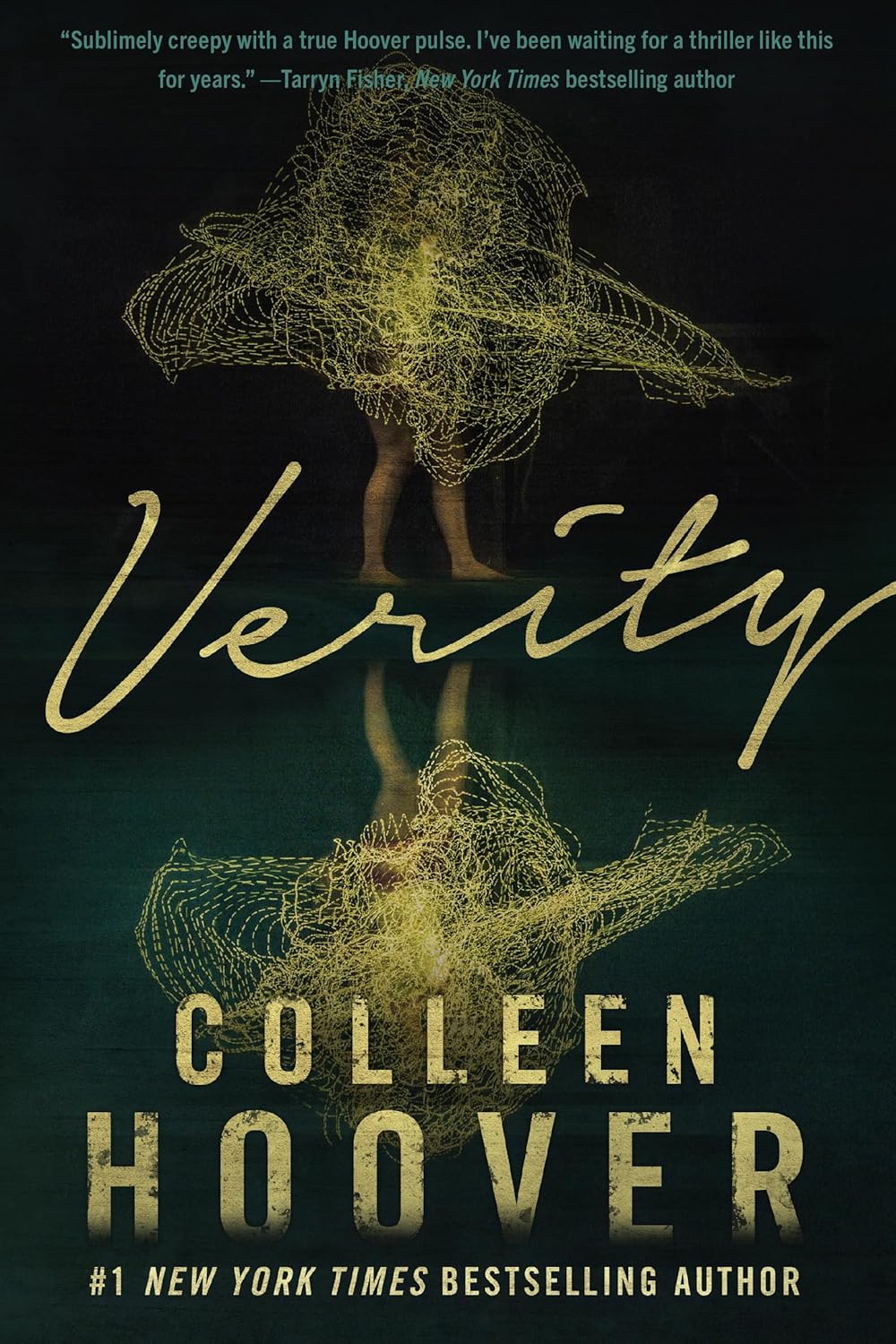
Struggling writer Lowen Ashby accepts a lucrative commission to complete the remaining books in a bestselling thriller series after its author, Verity Crawford, is incapacitated in a mysterious accident. Working from the Crawford family's Vermont estate, Lowen discovers an unpublished autobiography hidden in Verity's office — a manuscript so disturbing and detailed it reads like a confession to unspeakable acts involving her twin daughters, one of whom died years earlier.
As Lowen falls for Jeremy Crawford, Verity's grieving husband, she must decide whether the manuscript is truth or an elaborate writing exercise, and whether the woman lying motionless upstairs is truly as damaged as she appears. Colleen Hoover originally self-published the novel in 2018, but it exploded on BookTok in 2021, eventually selling over three million copies and becoming one of the most debated thrillers of the decade.
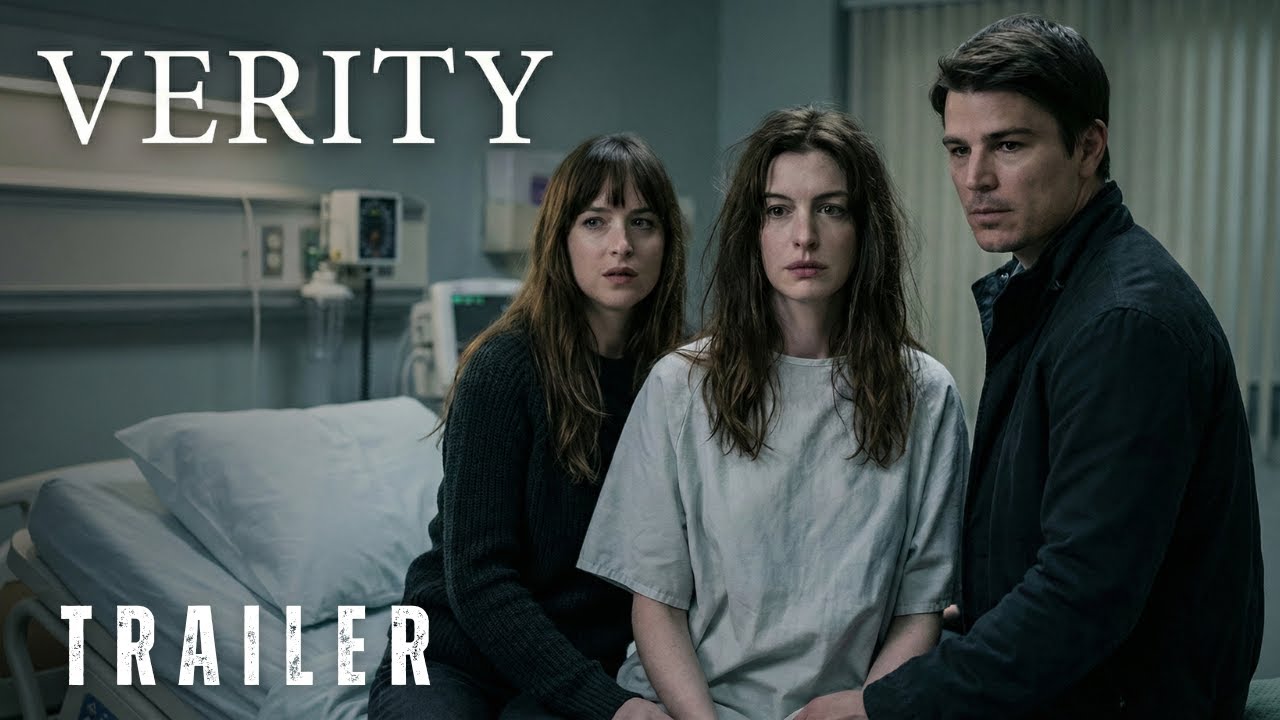
Director Michael Engler's 2026 adaptation stars Anne Hathaway as Verity, Dakota Johnson as Lowen, and Josh Hartnett as Jeremy. The film premiered at the Toronto International Film Festival to polarized reactions — critics praised Hathaway's unsettling stillness but questioned whether the novel's most controversial elements could survive the transition to screen. It became an immediate cultural flashpoint, reigniting arguments about the ending that have raged online for years.
| Character | In the Book | In the The Movie |
|---|---|---|
| Lowen Ashby Dakota Johnson |
A financially desperate writer whose moral compass deteriorates as she becomes entangled with Jeremy and the manuscript's secrets. | Johnson plays her warmer and more sympathetic, emphasizing vulnerability over the book's gradual moral compromise. |
| Verity Crawford Anne Hathaway |
A bestselling author rendered mute and immobile after a car accident, though the manuscript suggests she may be more aware than she appears. | Hathaway's performance is almost entirely physical — her stillness and occasional eye movements carry the film's central ambiguity. |
| Jeremy Crawford Josh Hartnett |
Verity's devoted husband and caretaker, whose grief over his daughters makes him vulnerable to Lowen's presence and affection. | Hartnett emphasizes Jeremy's exhaustion and desperation, making his attraction to Lowen feel like a lifeline rather than betrayal. |
| Crew Crawford Aiden Wolfe |
The Crawfords' surviving son, a quiet five-year-old whose presence reminds everyone of what the family has lost. | The film gives Crew slightly more screen time, using his interactions with Lowen to build her maternal instincts and complicate her choices. |
Key Differences
The manuscript passages are significantly softened
Hoover's novel includes extended first-person excerpts from Verity's autobiography, written in a voice utterly unlike Lowen's narration. These chapters describe graphic violence, disturbing maternal thoughts about the twins, and acts so shocking they've made the book one of the most controversial thrillers in recent memory. The passages are the novel's most effective weapon — they create visceral discomfort that makes the central question (is this confession or fiction?) almost unbearable.
The film handles this material with considerably more restraint. Rather than voiceover readings of the full text, Engler uses brief visual flashes and Lowen's horrified reactions to suggest the content. This choice makes the film more commercially viable but removes the sustained dread that defines the reading experience. You understand intellectually what Lowen has discovered, but you don't feel it in your stomach the way the book forces you to.
The reveal comes fifteen minutes earlier
The novel withholds its central revelation until the final thirty pages, meaning the entire last quarter operates in agonizing uncertainty. The film moves this moment approximately fifteen minutes earlier in screen time, which fundamentally alters the structure. Hoover's version makes you sit with the ambiguity longer, questioning every prior scene and Lowen's every choice. The film resolves the tension sooner, then shifts into a different gear for the climax.
This isn't necessarily a flaw — film operates on different rhythms than prose, and Engler's restructuring creates a propulsive final act. But it changes what the story is about. The book is about uncertainty and complicity. The film becomes more straightforwardly about survival and consequence.
Lowen's moral complicity is softened
The novel's Lowen makes choices that implicate her in ways that grow increasingly uncomfortable. She withholds information from Jeremy, manipulates situations to her advantage, and by the end has become someone you're not entirely sure you'd want to know. Hoover doesn't judge her, but she doesn't excuse her either — the book trusts you to recognize what Lowen is doing and decide how you feel about it.
Johnson's Lowen is warmer, more overtly sympathetic, and her questionable choices are framed more as protective instincts than calculated self-interest. The film wants you on her side throughout, which makes the thriller more immediately gripping but removes the ethical murkiness that gives the book its lingering aftertaste. You leave the theater entertained. You leave the book unsettled.
Verity's physical presence is interpreted, not described
On the page, Verity is described through Lowen's increasingly paranoid observations — a hand that might have moved, eyes that seem to track, a body that could be faking its own paralysis. Hoover gives you just enough detail to fuel suspicion without confirming anything. The ambiguity is perfect because prose doesn't have to commit to a visual reality.
Hathaway's performance necessarily interprets this ambiguity. Her stillness is extraordinary — she barely blinks, and when she does move her eyes, it's calibrated to maximum unease. But the camera has to show you something, and what it shows inevitably colors your interpretation. Hathaway plays Verity as someone who might be aware, which is a choice the book never has to make. It's a brilliant performance, but it's an answer to a question the novel leaves open.
The final paragraph becomes a final image
Hoover's novel ends on a single paragraph that reframes everything and has generated furious online debate ever since publication. It's a gut-punch that forces you to reconsider the entire story, and its brevity makes it devastating. The film includes the equivalent moment, but translates it into a visual reveal rather than a textual one.
Engler's version is effective and will absolutely reignite the arguments, but it lacks the stark simplicity of Hoover's prose. The book ends and you sit there staring at the page. The film ends and you're already processing the credits and the person next to you is asking what you thought. Both work, but they're different experiences of the same shock.
Yes, absolutely. The novel's central pleasure is the slow drip of dread as Lowen reads the manuscript, and that experience is nearly impossible to replicate once you know the twist. The book also preserves the ambiguity better — Hoover never has to commit to a visual interpretation of Verity's condition or the manuscript's veracity in the way film must. Read it over a weekend when you can finish it in two sittings. Let it sit in your brain for a few days.
Then watch the film and appreciate what Hathaway does with almost no dialogue and minimal movement. The movie is a different animal — more propulsive, less morally murky, but anchored by a performance that understands exactly what made the book so unsettling. You'll argue about the ending either way, but you'll argue better if you've experienced both versions.
Should You Read First?
Yes, absolutely. The novel's central pleasure is the slow drip of dread as Lowen reads the manuscript, and that experience is nearly impossible to replicate once you know the twist. The book also preserves the ambiguity better — Hoover never has to commit to a visual interpretation of Verity's condition or the manuscript's veracity in the way film must. Read it over a weekend when you can finish it in two sittings. Let it sit in your brain for a few days.
Then watch the film and appreciate what Hathaway does with almost no dialogue and minimal movement. The movie is a different animal — more propulsive, less morally murky, but anchored by a performance that understands exactly what made the book so unsettling. You'll argue about the ending either way, but you'll argue better if you've experienced both versions.
The book wins because its ambiguity is purer and its moral questions are harder to shake. Hoover never has to show you Verity's face or commit to a visual register — she can leave you suspended in uncertainty until the final paragraph. The film is anchored by Hathaway's extraordinary stillness and Johnson's grounded warmth, but it softens Lowen's complicity and the manuscript's visceral horror in ways that make it more watchable and less haunting. Read first, then go see Hathaway do it with her eyes.