The Story in Brief
Andrew "Ender" Wiggin is six years old when Colonel Hyrum Graff of the International Fleet identifies him as humanity's best hope against the Formics — an insectoid alien species that nearly destroyed Earth in two previous invasions. Ender is taken from his family to Battle School, a space station where gifted children train through increasingly brutal zero-gravity combat simulations to become military commanders. His older brother Peter is too violent, his sister Valentine too compassionate — Ender is the balance the Fleet needs, and Graff systematically isolates him, manipulates him, and pushes him toward psychological breaking points to forge him into the weapon Earth requires.
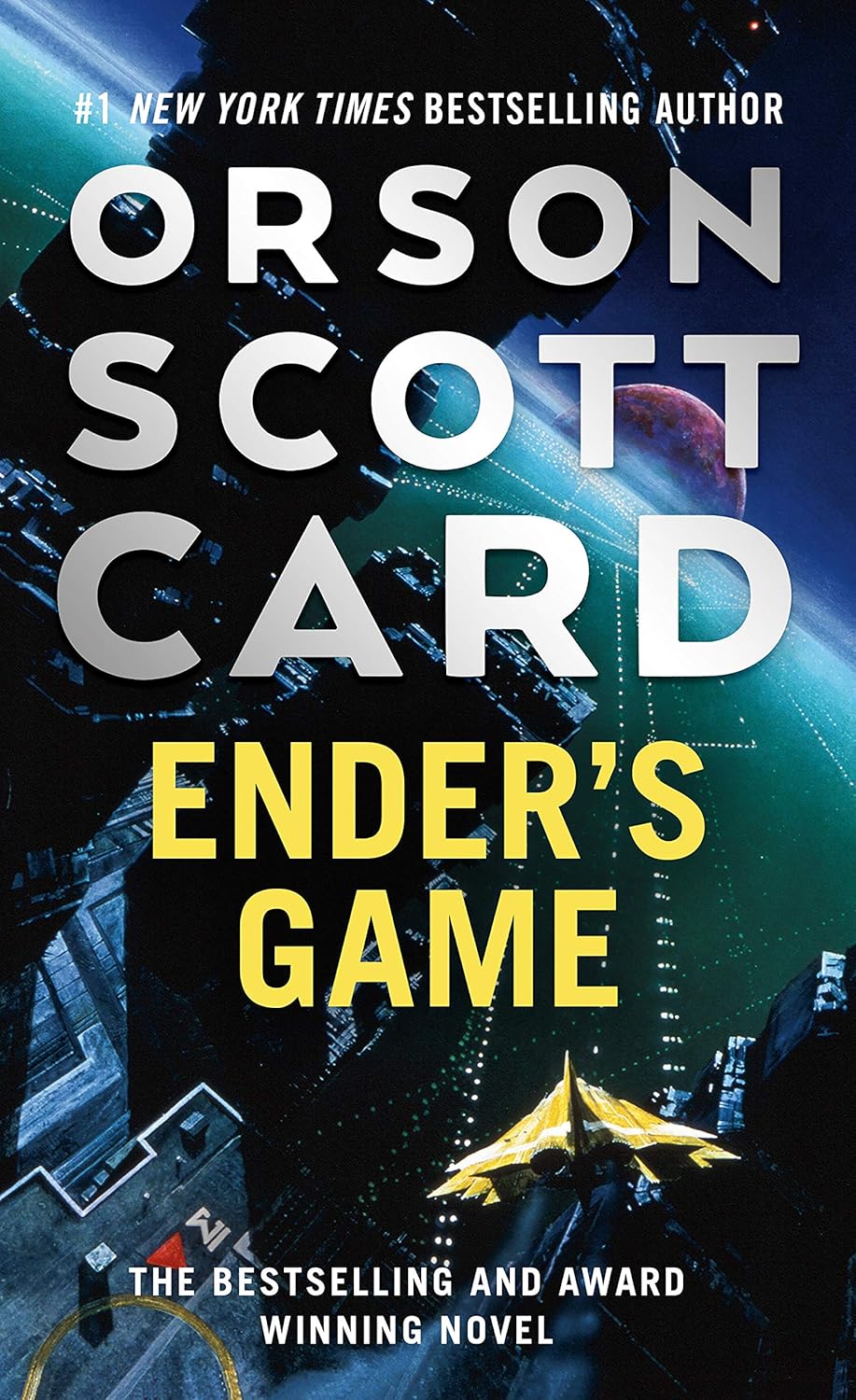
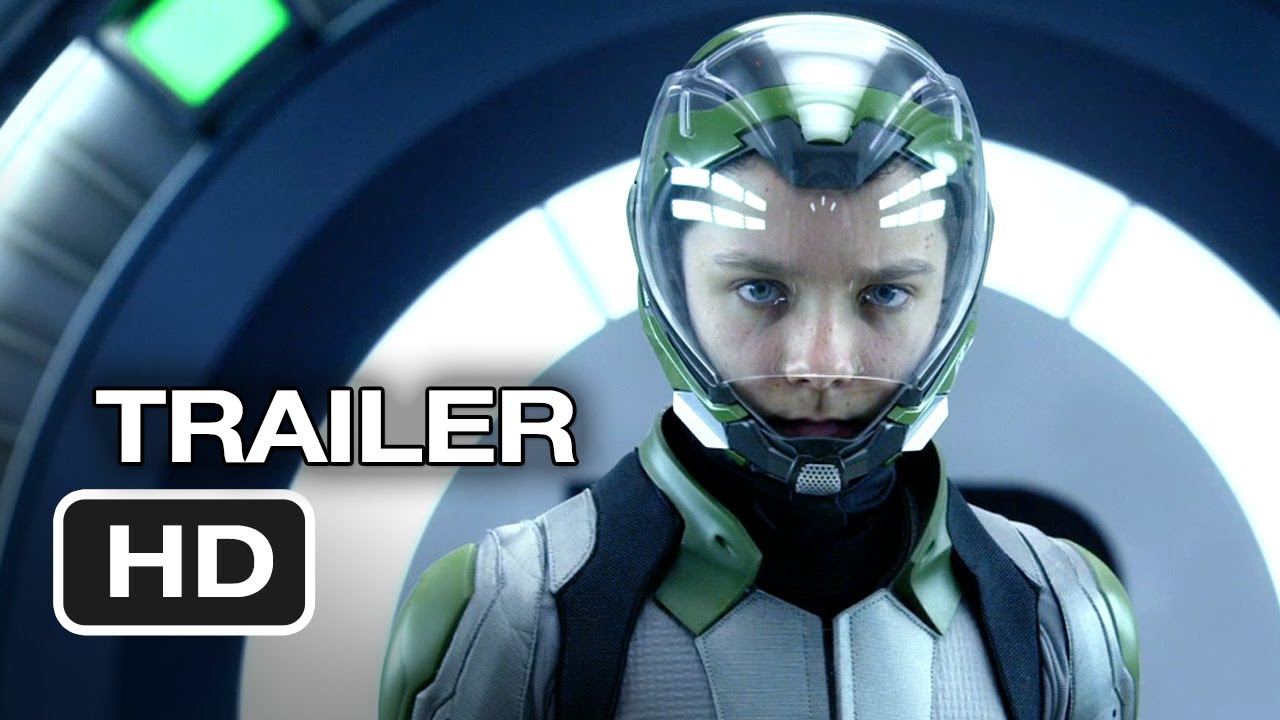
Orson Scott Card's 1985 novel won both the Hugo and Nebula awards and became one of the most assigned science fiction texts in American schools, praised for its exploration of military ethics, childhood trauma, and the psychology of command. Gavin Hood's 2013 film adaptation, produced by Lionsgate with a $110 million budget, cast Asa Butterfield as Ender alongside Harrison Ford as Graff and Ben Kingsley as Mazer Rackham. The film underperformed commercially — earning $125 million worldwide — and was met with mixed reviews that praised its visual effects while noting its failure to capture the novel's psychological depth.
The book remains a touchstone in science fiction for its sustained interiority and moral complexity. The film is remembered primarily for demonstrating how difficult it is to adapt a story whose power resides almost entirely in what happens inside a character's mind.
| Character | In the Book | In the The Movie |
|---|---|---|
| Ender Wiggin Asa Butterfield |
Six years old at recruitment, brilliant and empathetic, tormented by his capacity for violence and aware he is being manipulated — the novel lives inside his strategic mind and moral anguish. | Butterfield was twelve during filming and captures Ender's intelligence and isolation but cannot convey the interior monologue that defines the character in prose. |
| Colonel Hyrum Graff Harrison Ford |
Ender's primary manipulator, coldly pragmatic, willing to destroy a child's psyche to save humanity — Card makes him sympathetic and monstrous simultaneously. | Ford plays Graff as gruff and conflicted but the film softens his moral culpability, making him more protective mentor than calculating architect of trauma. |
| Valentine Wiggin Abigail Breslin |
Ender's compassionate older sister who becomes the political writer "Demosthenes" alongside Peter's "Locke" persona, shaping global opinion through anonymous essays. | Breslin appears briefly as emotional support for Ender; the entire Locke and Demosthenes subplot is cut, reducing Valentine to a minor role. |
| Petra Arkanian Hailee Steinfeld |
Ender's first friend at Battle School, a skilled sharpshooter who helps him in Salamander Army before burning out under pressure in Command School. | Steinfeld's Petra is given more prominence than in the book, serving as Ender's primary ally and confidante throughout the film. |
| Mazer Rackham Ben Kingsley |
The legendary commander who defeated the Formics in the Second Invasion, revealed late in the novel as Ender's final teacher at Command School. | Kingsley brings gravitas to the role but appears earlier in the film's compressed timeline, reducing the impact of his reveal. |
| Bonzo Madrid Moises Arias |
Ender's commander in Salamander Army who despises him and eventually attacks him in the showers — Ender kills him in self-defense, a trauma that haunts him. | Arias plays Bonzo as a bully but the shower fight is less brutal and its psychological aftermath is barely explored. |
Key Differences
Ender's Age and the Compression of Time
The novel's Ender is six years old when recruited and spends years at Battle School — progressing through launch group, Salamander Army under Bonzo Madrid, Rat Army under Dink Meeker, and finally commanding Dragon Army. This duration is essential: we watch childhood being systematically stripped away across years of isolation and manipulation. Asa Butterfield was twelve during filming, and the timeline compresses to what feels like weeks or months.
The age difference fundamentally alters the story's horror. Card's novel is about small children being weaponised — six-year-olds playing war games that are not games. The film's older protagonist and compressed timeline make Ender's transformation seem rapid rather than the slow erosion it is in the book. The novel's power is partly chronological: duration matters when you're watching a childhood disappear.
The Interior Experience
Card's novel lives inside Ender's head — his strategic calculations during battles, his awareness of how Graff is manipulating him, his horror at his own capacity for violence, his loneliness as a condition that has been deliberately engineered. The book constructs a child who is simultaneously brilliant, empathetic, and capable of extreme cruelty, and who knows all three things about himself. This self-awareness is the novel's engine.
Butterfield captures Ender's quietness and intelligence but cannot give us the internal monologue that makes the character's moral arc genuinely devastating. The film shows us Ender winning battles; the book shows us Ender understanding exactly why he wins and hating himself for it. Everything the novel does that matters requires the reader's sustained presence inside Ender's mind. The film cannot go there.
Peter, Valentine, and the Missing Subplot
The novel's parallel storyline — in which Ender's psychopathic older brother Peter and compassionate sister Valentine manipulate global politics through anonymous online identities as Locke and Demosthenes — is almost entirely absent from the film. This subplot is one of Card's most prescient inventions, written in 1985, predicting how anonymous political commentary could shape public opinion through early computer networks.
The Locke and Demosthenes material provides thematic counterweight: while Ender is being trained to command fleets, his siblings are learning to command nations through rhetoric. The film's removal of this storyline leaves it with no world beyond Battle School, no sense of the geopolitical stakes that make Ender's training urgent. Valentine becomes a minor character who exists only to comfort Ender. The book is richer for containing both worlds simultaneously.
The Battle Room Sequences
The zero-gravity combat arena is the film's visual centrepiece and Hood renders it with genuine imagination — the light-up suits, the frozen soldiers used as shields, the tactical geometry of three-dimensional combat, the gate at the far end that must be reached to win. This is the adaptation's strongest section, and it demonstrates what the film does well: turning Card's described battles into something kinetically exciting and spatially coherent.
Readers who struggled to visualise the Battle Room in prose will find the film's version clarifying. The Dragon Army sequences — in which Ender's unorthodox tactics (splitting his force, using legs as shields, ignoring traditional formations) revolutionise Battle School strategy — are genuinely thrilling on screen. If the film has a case for its existence, it's here.
The Command School Revelation
The novel's climax — in which Ender discovers that the Command School "simulations" were real battles and that he has just commanded the fleet that committed xenocide against the Formic homeworld — is one of science fiction's great ethical gut-punches. Card has spent three hundred pages making you understand Ender's psychology well enough that the revelation lands with full force: Ender has become exactly what he feared, and he was tricked into it.
The film's version hits the same narrative beats but cannot carry the same weight because it has not built the same foundation. You understand what happened; in the book, you feel what Ender feels when he understands it. The novel earns its ending through sustained interiority. The film delivers the twist and moves on.
Yes — emphatically. Ender's Game is one of the novels most often cited by readers as having shaped how they think about war, leadership, and the ethics of using children as soldiers. Its reputation rests almost entirely on the interior experience it provides — the sensation of being inside Ender's brilliant, tormented mind as it is systematically remade. The film gives you the plot; the book gives you the experience.
If you watch the film first, you will understand the story but miss what makes it matter. The Battle Room sequences are worth seeing for readers who want a visual reference, but they are not worth sacrificing the novel's psychological depth. Read first. The film is a reasonable companion for the zero-gravity combat and little else.
Should You Read First?
Yes — emphatically. Ender's Game is one of the novels most often cited by readers as having shaped how they think about war, leadership, and the ethics of using children as soldiers. Its reputation rests almost entirely on the interior experience it provides — the sensation of being inside Ender's brilliant, tormented mind as it is systematically remade. The film gives you the plot; the book gives you the experience.
If you watch the film first, you will understand the story but miss what makes it matter. The Battle Room sequences are worth seeing for readers who want a visual reference, but they are not worth sacrificing the novel's psychological depth. Read first. The film is a reasonable companion for the zero-gravity combat and little else.
Card's novel is a masterclass in psychological interiority — a child's mind under systematic pressure, observed from the inside across years. Hood's film is competent, visually inventive in the Battle Room, and empty at the centre. Everything the novel does that matters — the duration, the isolation, the moral horror of the ending — requires the reader's sustained presence inside Ender's head. The film cannot go there. Read the book; it's the only version that understands what story it's telling.