The Story in Brief
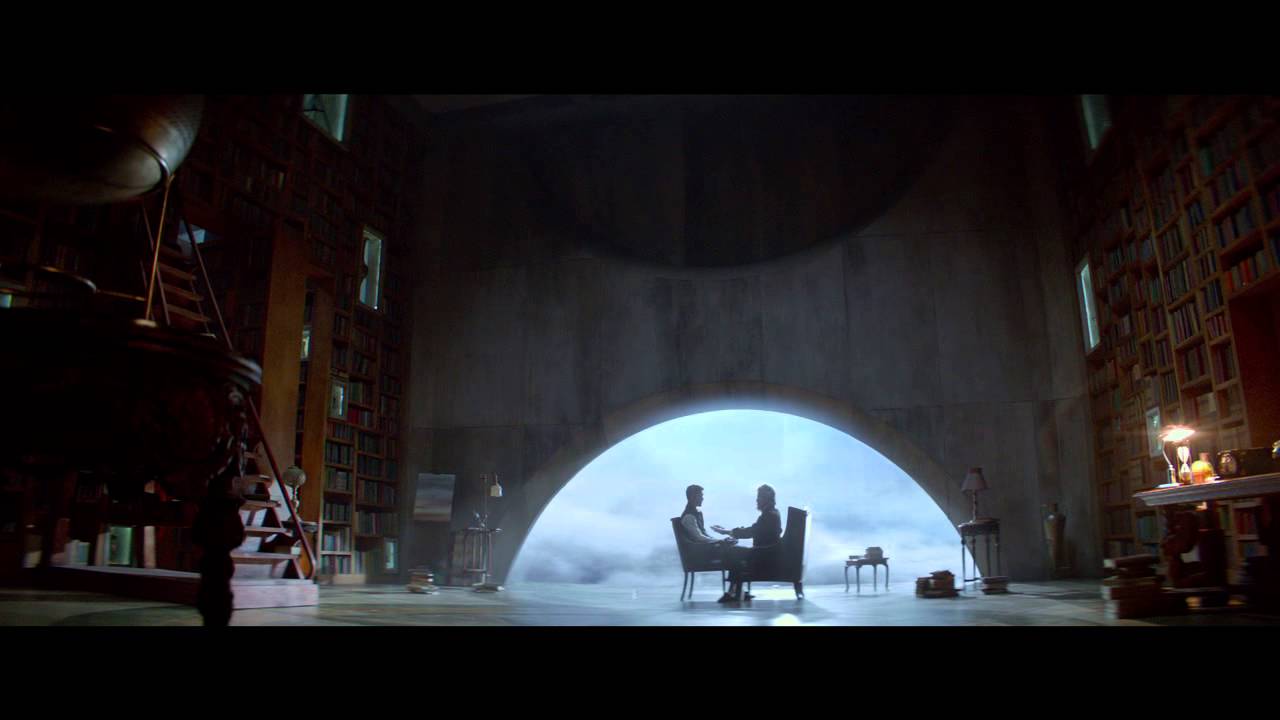
Jonas lives in a Community where everything is controlled — weather, family units, job assignments, emotion — and where Sameness has eliminated pain, conflict, and colour. At the Ceremony of Twelve, Jonas is selected for a unique role: Receiver of Memory, the single person in the Community who holds all of humanity's history before Sameness. His training with the elderly Giver reveals what has been taken from everyone, and what is still being done to maintain the Community's peace.
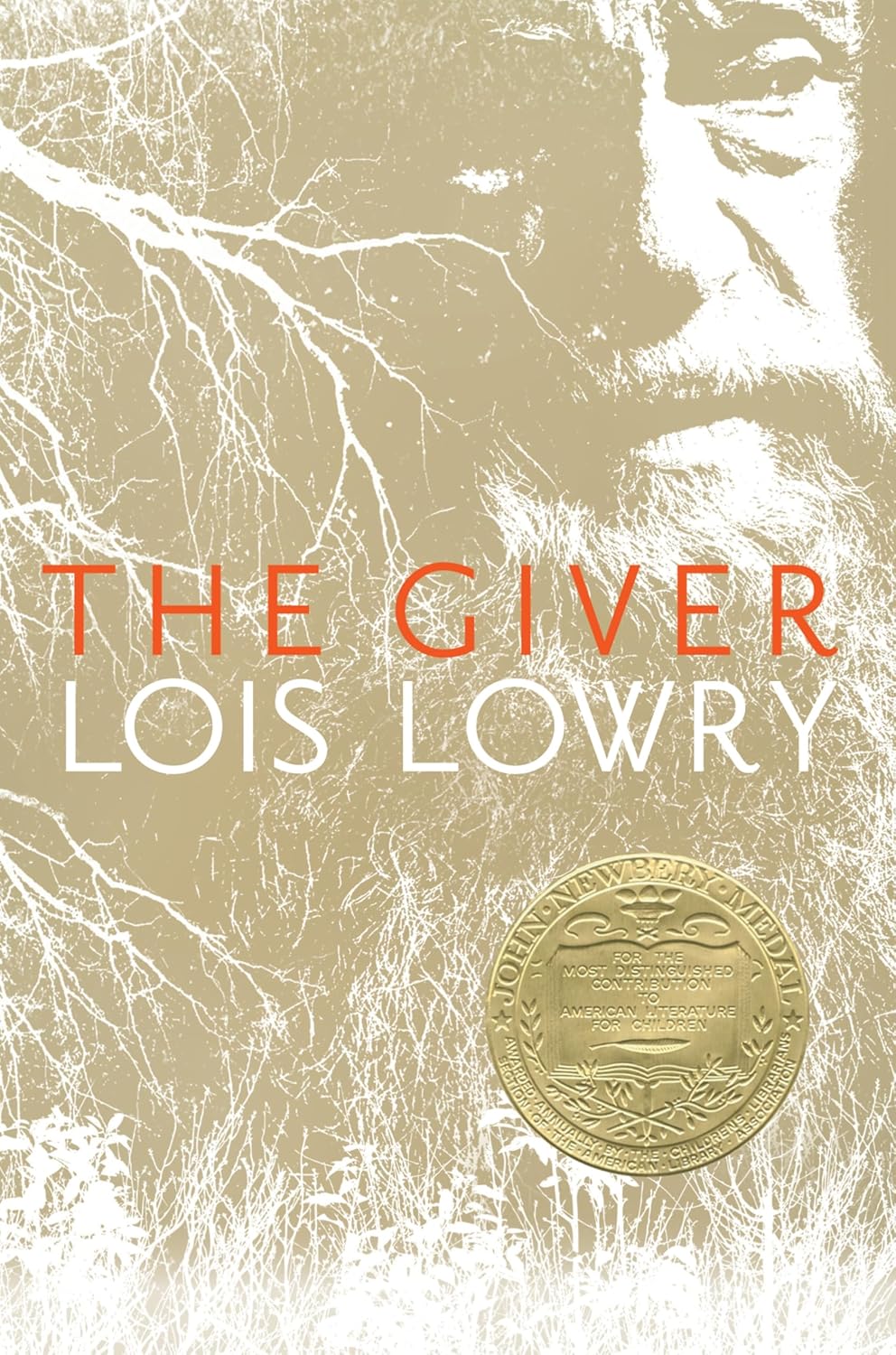
Lois Lowry's 1993 novel is slender, spare, and one of the most quietly devastating works in children's and YA literature — a book that has introduced generations of young readers to the concept of dystopia. Phillip Noyce's 2014 film, with Jeff Bridges and Meryl Streep, is a sincere but fundamentally mistaken expansion of a story whose power comes entirely from what it holds back. The film arrived two decades after the book became a classroom staple and struggled to find an audience in a post-Hunger Games landscape where dystopian YA had become a crowded genre.
The novel won the Newbery Medal in 1994 and has never been out of print. It remains one of the most frequently challenged books in American schools, which is perhaps the best evidence of its continued relevance.
| Character | In the Book | In the The Movie |
|---|---|---|
| Jonas Brenton Thwaites |
A twelve-year-old boy chosen as Receiver of Memory, whose childlike responses to adult knowledge make the story devastating. | Aged up to sixteen, with a romantic subplot added; Thwaites plays him as a conventional YA hero rather than a confused child. |
| The Giver Jeff Bridges |
The elderly Receiver who trains Jonas, weary and tender, carrying the weight of all human memory alone. | Bridges brings exactly the right quality of weathered warmth; his performance is the film's strongest element. |
| Fiona Odeya Rush |
Jonas's friend, assigned to be a Caretaker of the Old; her role is small but symbolically important. | Expanded into a romantic interest for Jonas, which shifts the story's focus away from family and toward conventional YA romance. |
| Chief Elder Meryl Streep |
A minor character who presides over the Ceremony of Twelve; barely present in the novel. | Expanded into a major antagonist, giving Streep a role that's more villain than the book requires or earns. |
| Asher Cameron Monaghan |
Jonas's best friend, assigned as Director of Recreation; represents the path Jonas doesn't take. | Given a more active role in the film's climax, including a confrontation with Jonas that the book doesn't need. |
Key Differences
Jonas's age changes the entire story
The novel's Jonas is twelve — a child receiving memories of war, love, death, and colour that adults in his Community have never experienced. This age is essential: his responses are a child's responses, which makes the weight of what he's given more affecting. When Jonas discovers that his father "releases" babies by lethal injection, the horror is a child's horror.
The film ages him to sixteen and adds a romantic subplot with Fiona, both in service of making the story more conventionally YA-shaped and both at the cost of something the novel gets right. Brenton Thwaites plays Jonas as a young man beginning to question authority, which is a perfectly fine performance of a different character. A twelve-year-old discovering that his father kills babies is a different story to a sixteen-year-old doing the same.
The film expands what the book compresses
Lowry's novel is under two hundred pages and written in deliberately plain, affectless prose that mirrors the Community's suppression of feeling. The horror accumulates quietly — the precision of the language matches the precision of the society, and when colour begins to enter Jonas's perception it arrives with the weight of something long forbidden.
The film opens the story up into a more conventional YA visual spectacle, complete with action sequences, chase scenes, and a climactic confrontation at the border of the Community. This is the commercially logical choice and the thematically wrong one. The book's restraint is not a limitation; it is the point. Noyce directs competently, but the script by Michael Mitnick and Robert B. Weide fundamentally misunderstands what makes the source material work.
The colour transition is the film's smartest choice
The film's most celebrated visual choice — beginning in black and white and gradually introducing colour as Jonas receives memories — is genuinely effective and represents the adaptation engaging seriously with what the source is doing. It is one of the few places where the film finds a cinematic equivalent to the novel's technique rather than simply illustrating it.
In the book, Jonas begins to "see beyond" — to perceive colour in flashes, starting with an apple and Fiona's hair. The film translates this by desaturating the Community scenes and bleeding in colour as Jonas's perception expands. It's handled subtly, with red appearing first (the apple, the sled) before the full spectrum arrives. This is worth acknowledging: Noyce understood the colour dimension and found the right way to translate it.
Meryl Streep's Chief Elder is a manufactured villain
In the novel, the Chief Elder is a minor character who appears only at the Ceremony of Twelve. The Community's horror is systemic, not embodied in a single antagonist. The film expands the Chief Elder into a major role for Meryl Streep, giving her scenes where she defends Sameness and actively pursues Jonas when he escapes.
Streep is reliably excellent, but the role itself is a mistake. The book's power comes from the fact that everyone in the Community — including Jonas's kind father and his friends — participates in the system without malice. By creating a villain, the film lets everyone else off the hook. It's a conventional storytelling choice that flattens the novel's more disturbing insight: that ordinary people maintain dystopia through obedience, not evil.
The ending resolves what the book leaves open
Lowry's ending is famously and deliberately ambiguous — Jonas escapes with the baby Gabriel into the unknown, and the final pages are open enough that readers have argued for decades about what actually happens. Does Jonas reach Elsewhere, or does he freeze to death hallucinating warmth and music? The novel trusts its young readers with genuine uncertainty.
The film resolves the ambiguity into a more conventional escape-and-consequence structure. Jonas reaches the border, crosses it, and his act triggers the return of memories to the Community. We see the Giver watching this happen, and we see the Community beginning to feel again. It's more satisfying in the moment and loses everything that made the novel's ending worth discussing for thirty years. The book ends with a question; the film ends with an answer.
Yes — and the book will take you two or three hours at most. Lowry's restraint is the experience; the film's expansion is what you get when a studio doesn't trust that restraint. The novel's spare prose and child protagonist create a specific kind of dread that the film, with its older hero and action-driven plot, cannot replicate. Read first, finish the book in an evening, and then watch the film if you're curious about what a more conventional version looks like.
The book is one of the essential dystopian novels in the English language. The film is a competent but misguided adaptation that respects the source without understanding it. Jeff Bridges is exactly right; everything around him is too much.
Should You Read First?
Yes — and the book will take you two or three hours at most. Lowry's restraint is the experience; the film's expansion is what you get when a studio doesn't trust that restraint. The novel's spare prose and child protagonist create a specific kind of dread that the film, with its older hero and action-driven plot, cannot replicate. Read first, finish the book in an evening, and then watch the film if you're curious about what a more conventional version looks like.
The book is one of the essential dystopian novels in the English language. The film is a competent but misguided adaptation that respects the source without understanding it. Jeff Bridges is exactly right; everything around him is too much.
Lowry's novel earns its power through radical simplicity — spare prose, a young protagonist, an ending that refuses resolution. The film respects the source but fundamentally misunderstands what makes it work, expanding a story whose genius is compression into something more cinematic and considerably less affecting. Jeff Bridges is exactly right; everything around him is too much. Read the book. It will stay with you longer than the film.