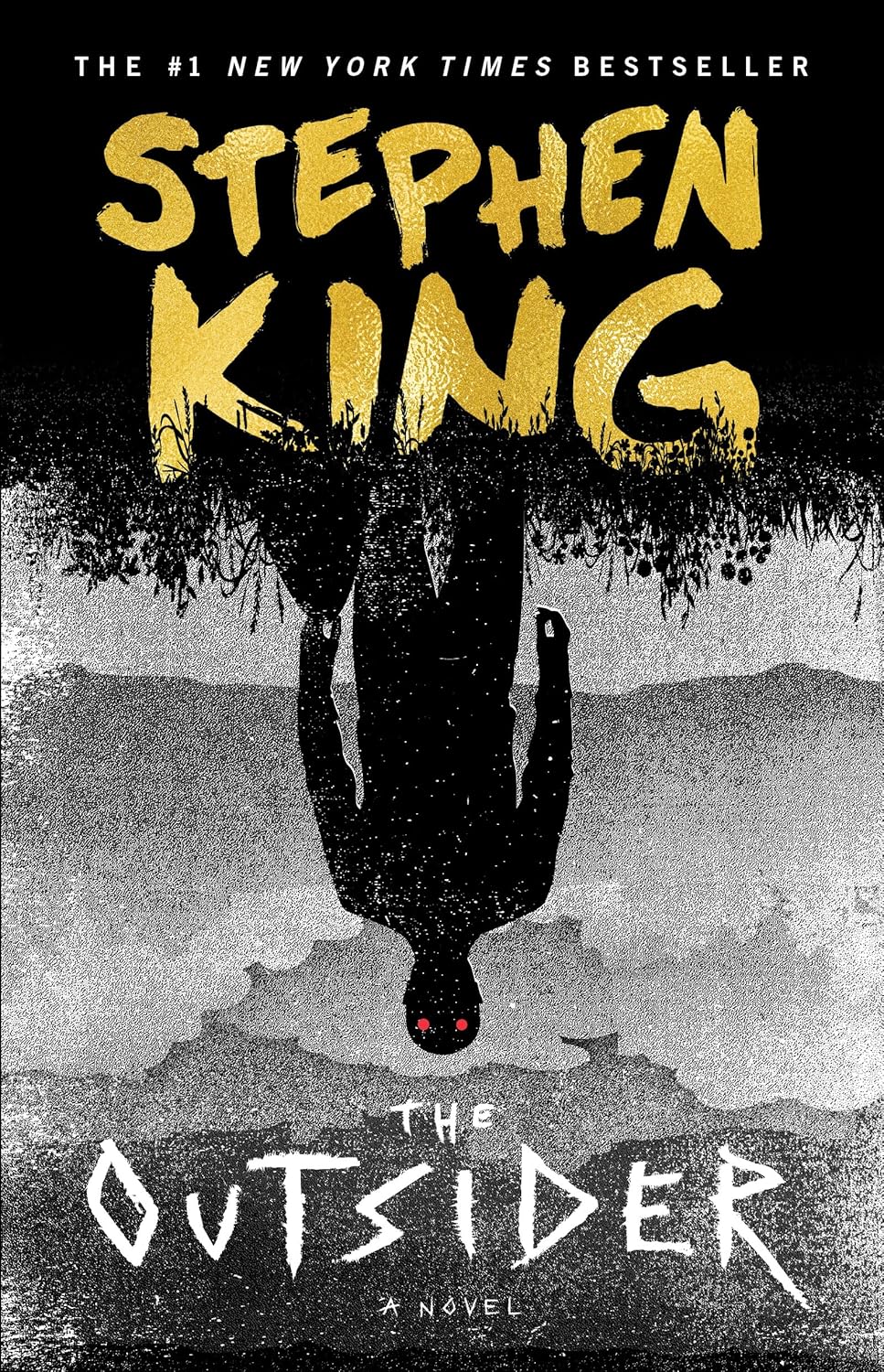
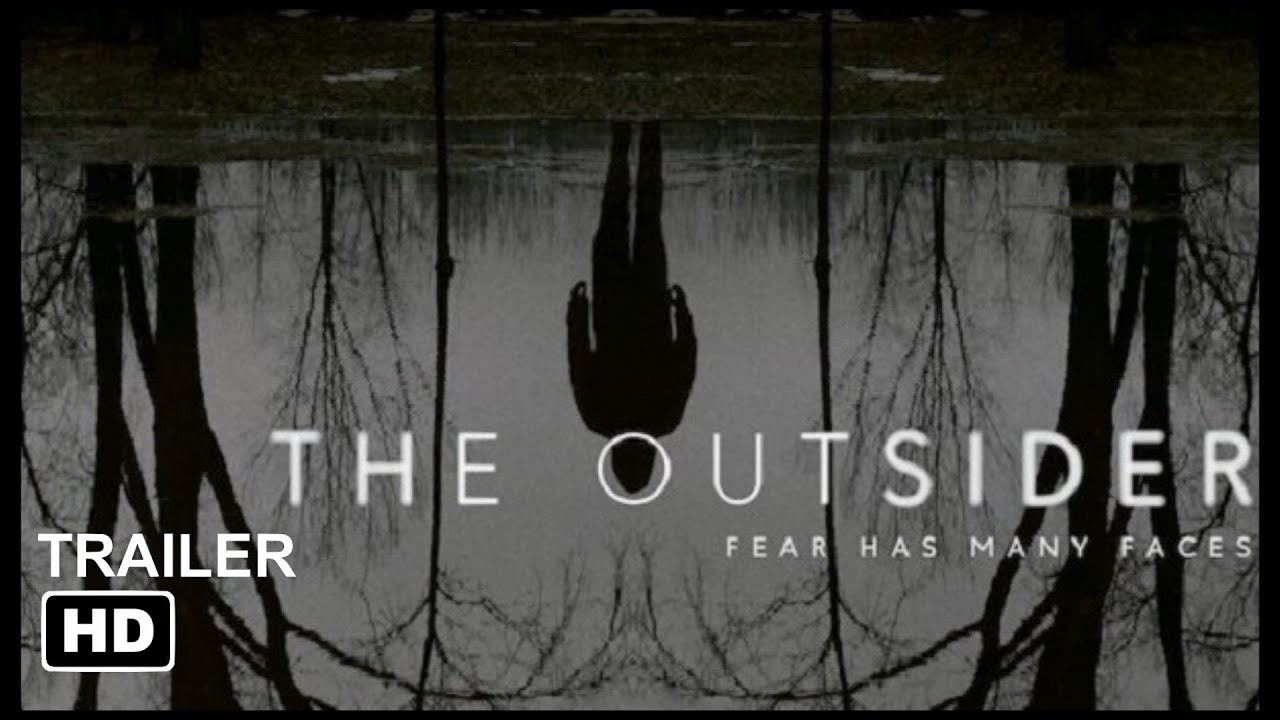
The Story in Brief
A young boy is brutally murdered in a small Georgia town, and all the evidence points to Terry Maitland — a beloved local baseball coach and teacher with an ironclad alibi. The evidence is overwhelming and impossible simultaneously: DNA, fingerprints, and eyewitnesses place Maitland at the crime scene, while equally credible evidence places him sixty miles away at a conference at the exact same time.
Detective Ralph Anderson arrests Maitland publicly and watches the case fall apart in ways that defy rational explanation. Stephen King's 2018 novel begins as a rigorous procedural and gradually reveals itself to be something else entirely. Richard Price's HBO adaptation, directed in part by Jason Bateman, is a measured, prestige-television expansion of King's plot that benefits from exceptional casting and suffers from the pace that format requires.
The series premiered in January 2020 to strong reviews, with particular praise for Ben Mendelsohn's performance as Anderson and the show's atmospheric cinematography. It became one of HBO's most-watched limited series that year and introduced a new generation of viewers to King's particular blend of crime fiction and supernatural horror.
| Character | In the Book | In the The Series |
|---|---|---|
| Ralph Anderson Ben Mendelsohn |
A detective whose faith in evidence is shaken by the impossible case, struggling between rationalism and what the facts demand he believe. | Mendelsohn plays Anderson's anguished scepticism with gravity, making his eventual acceptance of the supernatural feel genuinely hard-won. |
| Holly Gibney Cynthia Erivo |
A private investigator from King's Bill Hodges trilogy, socially awkward but brilliant, who is the first to accept the supernatural explanation. | Erivo brings intelligence and carefully managed social difference to Holly, though the series makes her somewhat more conventionally competent than the novels' version. |
| Terry Maitland Jason Bateman |
The accused coach whose impossible guilt drives the investigation, a decent man destroyed by evidence he cannot explain. | Bateman plays Maitland's bewilderment and desperation in the early episodes before his character's arc concludes, also directing several episodes. |
| Glory Maitland Julianne Nicholson |
Terry's wife, who must navigate her husband's public accusation and her own certainty of his innocence. | Nicholson gives Glory a quiet strength and grief that anchors the emotional stakes of the investigation. |
| Yunis Sablo Yul Vazquez |
A state investigator who joins the case and becomes one of Ralph's key allies in pursuing the truth. | Vazquez plays Sablo with steady professionalism, providing a grounded counterpoint to the increasingly strange investigation. |
Key Differences
The genre pivot arrives earlier in the series
The novel's central pleasure is watching a detective story reveal itself to be a horror story — the procedural logic accumulates, the impossible evidence multiplies, and the moment when rational explanation gives way to something supernatural arrives with the force of a trapdoor opening. King earns this pivot across several hundred pages of genuine crime fiction before pulling it.
The series telegraphs the supernatural element somewhat earlier, which is understandable for a ten-episode structure but softens the specific shock of the novel's transition from one genre to the other. Viewers familiar with King's work or the show's marketing will anticipate the horror elements, while readers of the novel experience a more gradual and therefore more unsettling shift.
Ben Mendelsohn elevates Ralph Anderson
Mendelsohn plays Anderson's fundamental scepticism — a detective who has built his career on evidence and cannot accept what the evidence is telling him — with a specific quality of anguished rationalism that is exactly right. He is one of the finest performers working in television and he brings a gravity to Ralph that makes the character's eventual acceptance of the impossible feel genuinely hard-won.
The novel's Ralph is equally well-drawn, but Mendelsohn's embodiment adds layers of grief (Ralph's son died of cancer before the case begins) and professional pride that deepen every scene. His performance is the series' primary argument for its own existence.
Holly Gibney is less neurodivergent in the series
Cynthia Erivo plays Holly — a private investigator from King's Bill Hodges trilogy, making a crossover appearance — with intelligence and a carefully managed quality of social difference that suits the character. Holly is the first character to accept what the evidence implies, and her arc from outsider to essential investigator is one of the novel's satisfactions.
The series gives her more screen time and a somewhat more conventional competence than the novels' Holly, who is more specifically neurodivergent in ways King develops across three books. Erivo's Holly is socially cautious but not as overtly anxious or ritualistically precise as the character King writes, which makes her more immediately accessible but less distinctively drawn.
El Cuco gets more backstory and less ambiguity
The novel's monster — El Cuco, a shapeshifting entity that feeds on grief and commits crimes in the form of its victims — is given more backstory in the series than King provides in the novel. This expansion is a mixed choice: more explanation makes El Cuco somewhat less threatening as an unknown, but it also gives the series a clearer antagonist for its longer runtime.
The novel is more comfortable with ambiguity about the creature's nature, origins, and limitations. King suggests rather than explains, which leaves El Cuco as a more unsettling presence. The series' visual representation of the creature in its transitional forms is effective but makes the threat more concrete and therefore less frightening than the novel's more suggestive approach.
The series stretches the investigation across ten episodes
The series runs ten episodes — significantly more screen time than the novel's plot strictly requires — and some reviewers found the middle episodes slow. King's novel moves efficiently between procedural investigation and supernatural revelation without the padding that prestige television's episode count can encourage.
Readers who find the series' pace deliberate will discover the book moves considerably faster through the same material. The series adds scenes that deepen character relationships and expand the investigation's procedural detail, which benefits performances but occasionally stalls narrative momentum. The novel's tighter structure serves the genre pivot more effectively.
Yes — the genre pivot is the experience, and it lands hardest when the procedural logic has been built up across the full length of King's novel rather than telegraphed earlier by the series' structure. The novel lets you believe you're reading a crime story until the moment King pulls the rug, and that specific shock is one of the book's primary pleasures. The series, by necessity of its format and marketing, signals the supernatural elements earlier.
Read first for the full impact of the trapdoor opening. The series is a worthy companion with exceptional performances — Mendelsohn and Erivo are both excellent — but the book is the more efficient version of the same story and delivers the genre shift with greater force. Watch the series afterward to see how Mendelsohn embodies Ralph's grief and rationalism, and to appreciate the atmospheric cinematography that HBO brings to King's small-town Georgia setting.
Should You Read First?
Yes — the genre pivot is the experience, and it lands hardest when the procedural logic has been built up across the full length of King's novel rather than telegraphed earlier by the series' structure. The novel lets you believe you're reading a crime story until the moment King pulls the rug, and that specific shock is one of the book's primary pleasures. The series, by necessity of its format and marketing, signals the supernatural elements earlier.
Read first for the full impact of the trapdoor opening. The series is a worthy companion with exceptional performances — Mendelsohn and Erivo are both excellent — but the book is the more efficient version of the same story and delivers the genre shift with greater force. Watch the series afterward to see how Mendelsohn embodies Ralph's grief and rationalism, and to appreciate the atmospheric cinematography that HBO brings to King's small-town Georgia setting.
King's novel earns its supernatural reveal through patient procedural construction — one of his most satisfying genre pivots. HBO's series is well-cast, atmospherically effective, and benefits from Mendelsohn's gravity at its centre, while moving at a prestige-television pace that the novel's more efficient storytelling outpaces. Read first. Watch for Mendelsohn and Erivo. The book is the sharper experience.