The Story in Brief
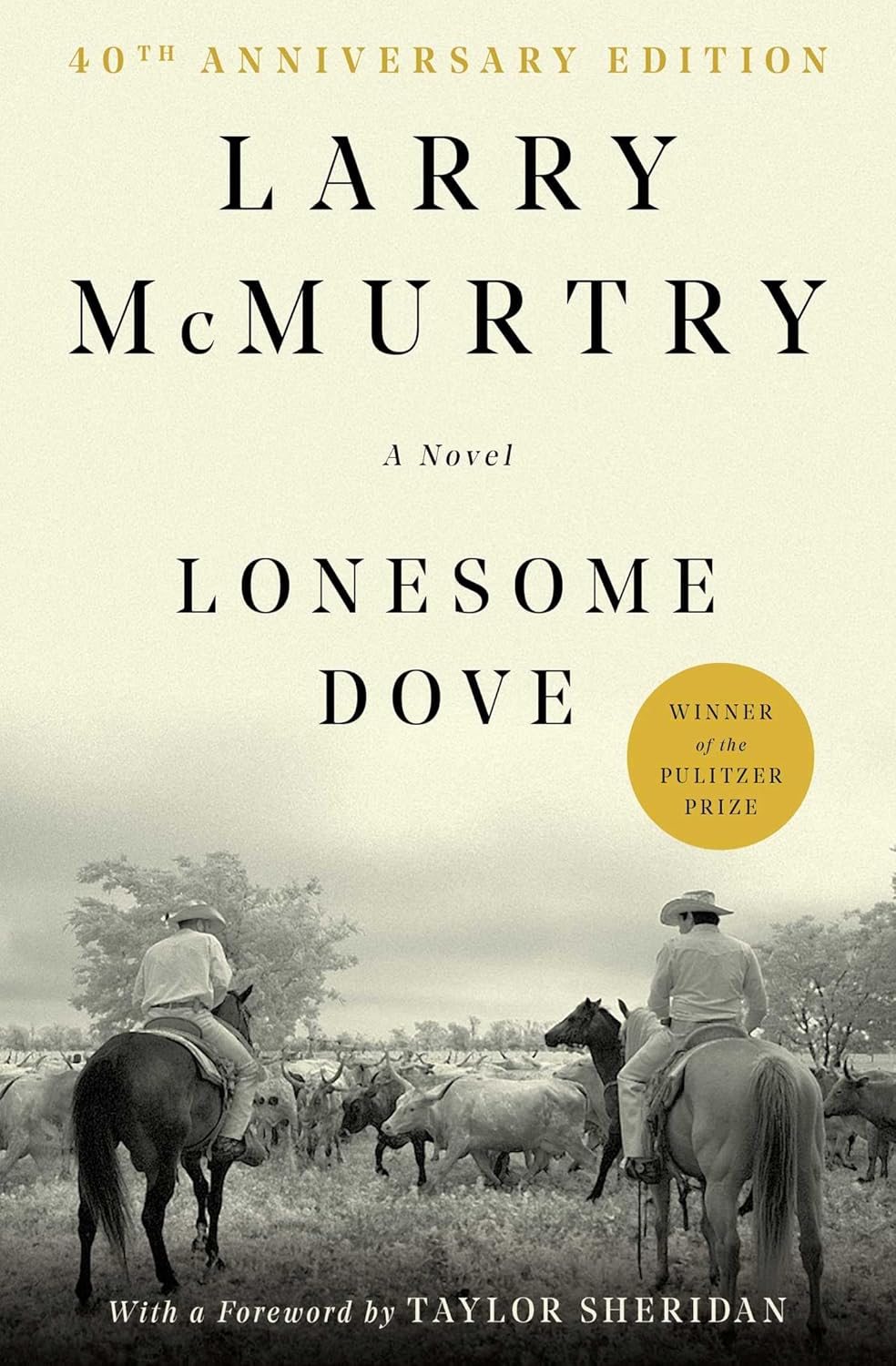
Augustus McCrae and Woodrow Call, two aging Texas Rangers turned cattlemen, lead a cattle drive from the dusty border town of Lonesome Dove, Texas, to the untamed grasslands of Montana in the 1870s. Larry McMurtry's Pulitzer Prize-winning novel is eight hundred pages of American mythology — funny, violent, elegiac, and populated with characters so fully realised they seem to have existed before the novel and to continue after it. Gus is the talker, the philosopher, the charmer who never married the woman he loved. Call is the stoic, the driver, the man so armoured against feeling he cannot acknowledge his own son.
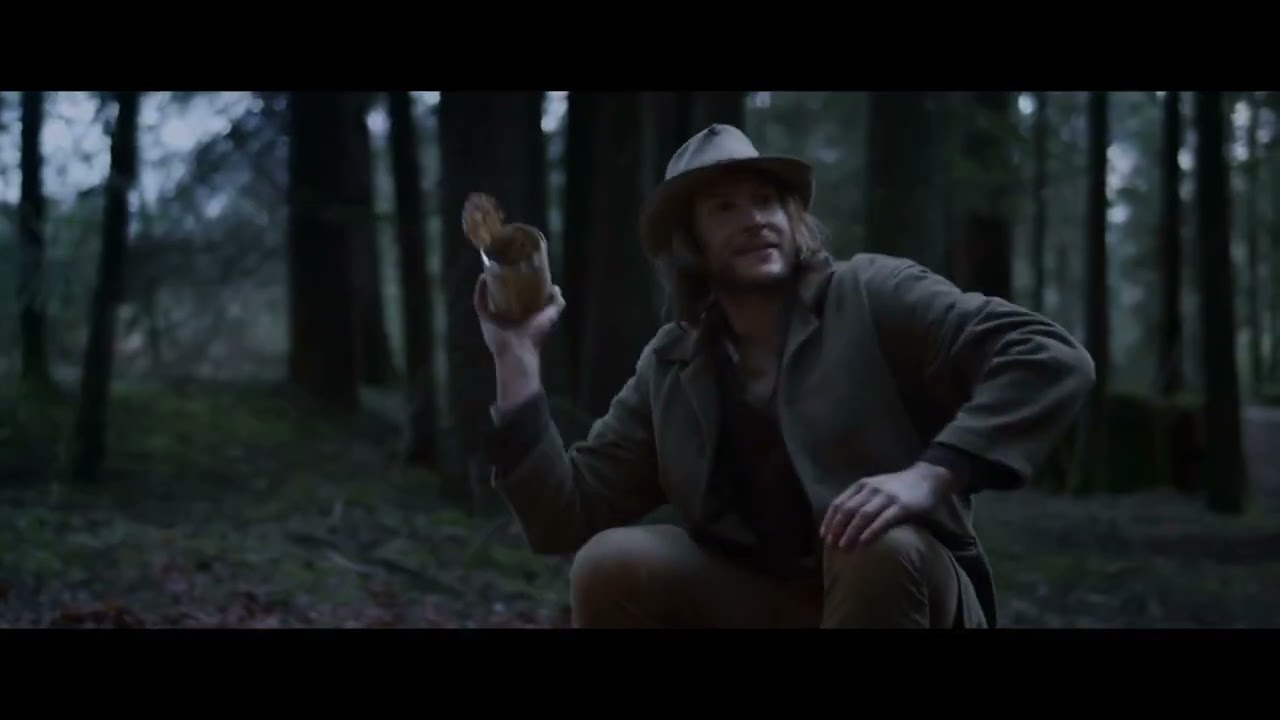
Simon Wincer's 1989 CBS miniseries, adapted by Bill Wittliff and starring Robert Duvall and Tommy Lee Jones, became an instant classic — watched by millions, winning seven Emmy Awards, and establishing itself as one of the finest television adaptations ever made of a major American novel. At nearly seven hours across four nights, it had the space to honor McMurtry's sprawling narrative. The debate about which is better is the best kind — the kind where both sides are right.
The novel won the Pulitzer Prize in 1986 and revitalized the Western genre in American literature. The miniseries did the same for television Westerns, proving that the form could be epic, literary, and commercially successful all at once.
| Character | In the Book | In the The Miniseries |
|---|---|---|
| Augustus "Gus" McCrae Robert Duvall |
A garrulous ex-Ranger with a philosophical bent, haunted by his failure to marry Clara Allen and given to long meditations on mortality, friendship, and what makes life worth living. | Duvall's Gus is charming, funny, and heartbreaking — a performance so definitive that many readers now hear his voice when reading the novel. |
| Woodrow F. Call Tommy Lee Jones |
A man of pathological reticence and duty, unable to express love or acknowledge his illegitimate son Newt, driven by a code he cannot articulate. | Jones plays Call with granite stoicism, capturing the character's emotional paralysis and making his final act of devotion to Gus all the more devastating. |
| Lorena Wood Diane Lane |
A prostitute in Lonesome Dove who dreams of San Francisco, kidnapped by Blue Duck, and eventually finds unexpected love with Pea Eye Parker. | Lane brings vulnerability and strength to Lorena, though the miniseries softens some of the novel's harsher edges regarding her trauma and recovery. |
| Jake Spoon Robert Urich |
A former Ranger and charmer whose weakness and bad judgment lead him to ride with killers and ultimately to his own hanging by his former friends. | Urich captures Jake's fatal combination of charm and moral cowardice, making his execution one of the miniseries' most painful moments. |
| Clara Allen Anjelica Huston |
The woman Gus loved and failed to marry, now running a horse ranch in Nebraska with a comatose husband, still sharp-tongued and unforgiving of Gus's choices. | Huston brings intelligence and steel to Clara, making her scenes with Duvall crackle with the weight of decades of what-might-have-been. |
| Newt Dobbs Rick Schroder |
The young cowboy who is clearly Call's unacknowledged son, desperate for a word of recognition that never comes. | Schroder plays Newt's yearning and disappointment with quiet dignity, making Call's final refusal to claim him even more cruel. |
Key Differences
Gus McCrae's Interior Life
Robert Duvall's Gus is a performance for the ages — garrulous, philosophical, brave, infuriating, and entirely loveable. But McMurtry's Gus is stranger and more interior.
The novel gives you Gus's meditations on what he has lived and failed to live — his regret over Clara, his understanding that he and Call have outlived their time, his clear-eyed acceptance of death when it comes. These reflections are richer on the page than any performance could fully capture. Duvall is the best possible Gus. McMurtry's Gus is still more.
The Supporting Cast's Depth
McMurtry populates his novel with dozens of fully realised characters, each given enough space to become complete.
Elmira, July Johnson's wife who abandons him to search for an old lover, gets a full interior life in the novel — her desperation, her selfishness, her tragic end. July Johnson, the hapless sheriff pursuing her, is more complex on the page. Blue Duck, the Comanche renegade, is more terrifying. Dish Boggett's hopeless love for Lorena is more fully developed. The incomparable Bolivar, the cook who fires his pistol at the dinner bell, appears more frequently.
The miniseries, at nearly seven hours, preserves more of these characters than any theatrical film could, but even seven hours cannot carry eight hundred pages. Some characters are compressed; a few are lost. The novel has room for everyone.
The Landscape as Character
McMurtry writes the American West with the authority of someone who knows it from the inside.
The specific beauty and brutality of the landscape — the light in Texas, the storms on the plains, the cold in Montana, the way the land shapes and kills the people who cross it — is rendered in prose that makes the geography inseparable from the story. The miniseries was shot on location in Texas, New Mexico, and Montana, and cinematographer Douglas Milsome captures the visual grandeur beautifully.
But McMurtry's prose gives you the landscape from the inside — the heat, the dust, the distances that break men and horses. The novel makes you feel the journey in your bones.
Woodrow Call's Emotional Paralysis
Tommy Lee Jones plays Call as a man of almost pathological reticence, and it works — the performance is all restraint and buried feeling.
But McMurtry's Call is stranger and more damaged. The novel has more room to establish the specific shape of Call's emotional armor — his inability to speak love, his refusal to acknowledge Newt as his son even when the boy is desperate for a word, his one act of tenderness directed toward a corpse. The miniseries suggests this damage; the novel shows it from inside, making Call's final journey with Gus's body both absurd and the only possible act of love he can manage.
The Ending's Earned Weight
Both versions end with the same extraordinary image — Call carrying Gus's body back to Texas across the continent, a journey that makes no practical sense and complete human sense.
The miniseries earns this through Duvall and Jones, through seven hours of watching these men together. The novel earns it through eight hundred pages — through every conversation, every silence, every moment of Gus's life and Call's inability to live one. Both endings are devastating. The novel's is more devastatingly earned, because you have lived longer with these men and understand more fully what Call has lost and what he is trying, too late, to say.
Read first — but with the understanding that the miniseries is exceptional and you should watch it too. At seven hours it's the most faithful long-form television adaptation of a major novel you're likely to find. Duvall and Jones are perfect. The script by Bill Wittliff honors McMurtry's dialogue and structure. The production values are high. It's a masterpiece of television.
But McMurtry wrote eight hundred pages for a reason, and every page earns its place. The novel gives you the interior lives of Gus and Call and a dozen other characters. It gives you the landscape as a living presence. It gives you the time to understand why Call's final journey matters. Read first. Watch after. Gus McCrae deserves both.
Should You Read First?
Read first — but with the understanding that the miniseries is exceptional and you should watch it too. At seven hours it's the most faithful long-form television adaptation of a major novel you're likely to find. Duvall and Jones are perfect. The script by Bill Wittliff honors McMurtry's dialogue and structure. The production values are high. It's a masterpiece of television.
But McMurtry wrote eight hundred pages for a reason, and every page earns its place. The novel gives you the interior lives of Gus and Call and a dozen other characters. It gives you the landscape as a living presence. It gives you the time to understand why Call's final journey matters. Read first. Watch after. Gus McCrae deserves both.
McMurtry wrote one of the great American novels and Wincer made one of the great American television adaptations. Neither replaces the other — they're companion pieces that illuminate each other. The book is richer. The miniseries has Duvall. Start with the book. Finish with the miniseries. Mourn Gus twice.