The Story in Brief
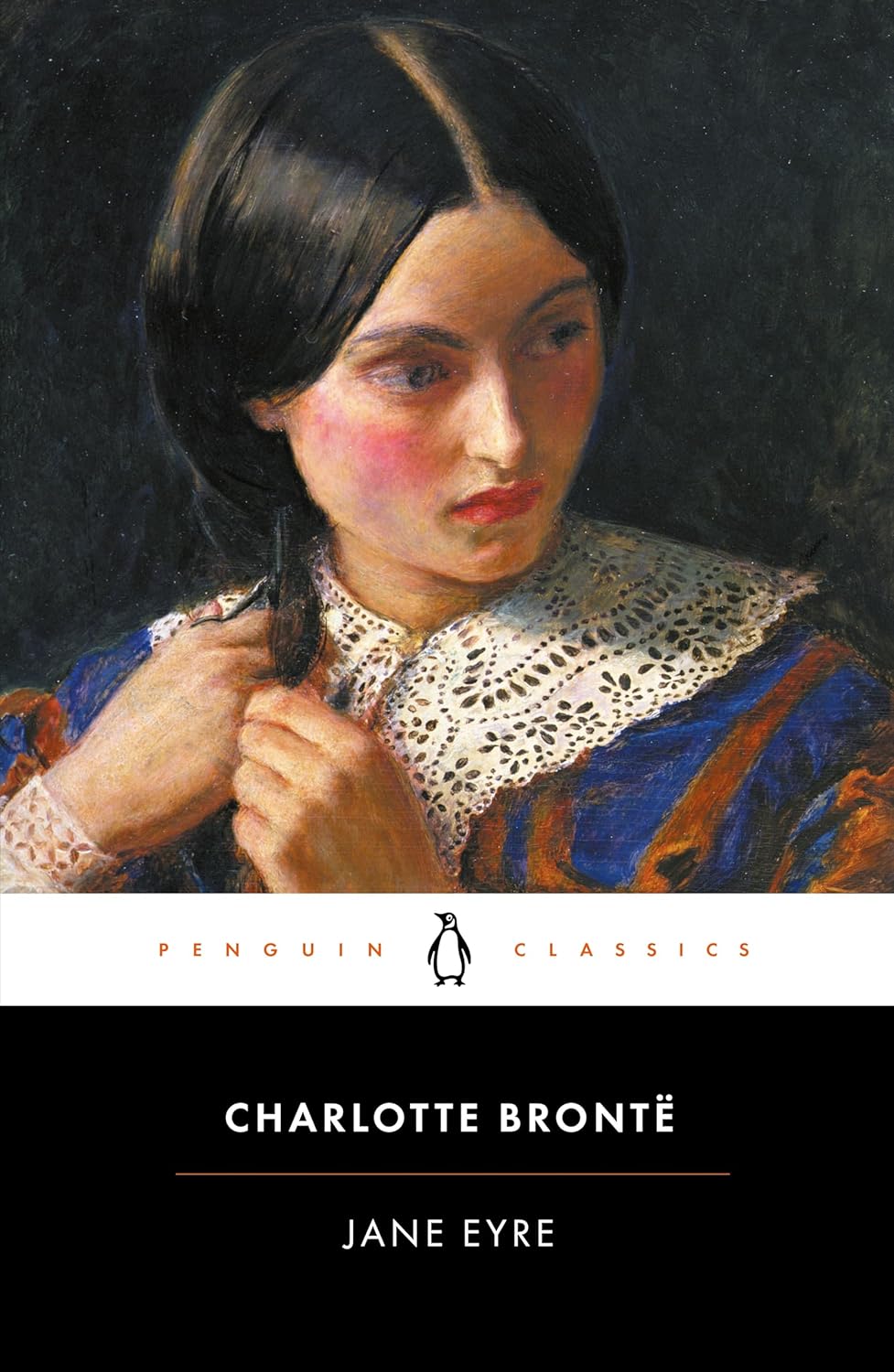
Jane Eyre is an orphan who survives a brutal charity school to become governess at Thornfield Hall, where she falls in love with the brooding, morally complicated Edward Rochester. Charlotte Brontë's 1847 novel is narrated in Jane's first person — direct, passionate, and morally certain in a way that was radical for its time. The novel follows Jane from her abused childhood at Gateshead under her aunt Mrs. Reed, through her years at Lowood Institution where her friend Helen Burns dies of typhus, to her position as governess to Rochester's ward Adèle Varens.
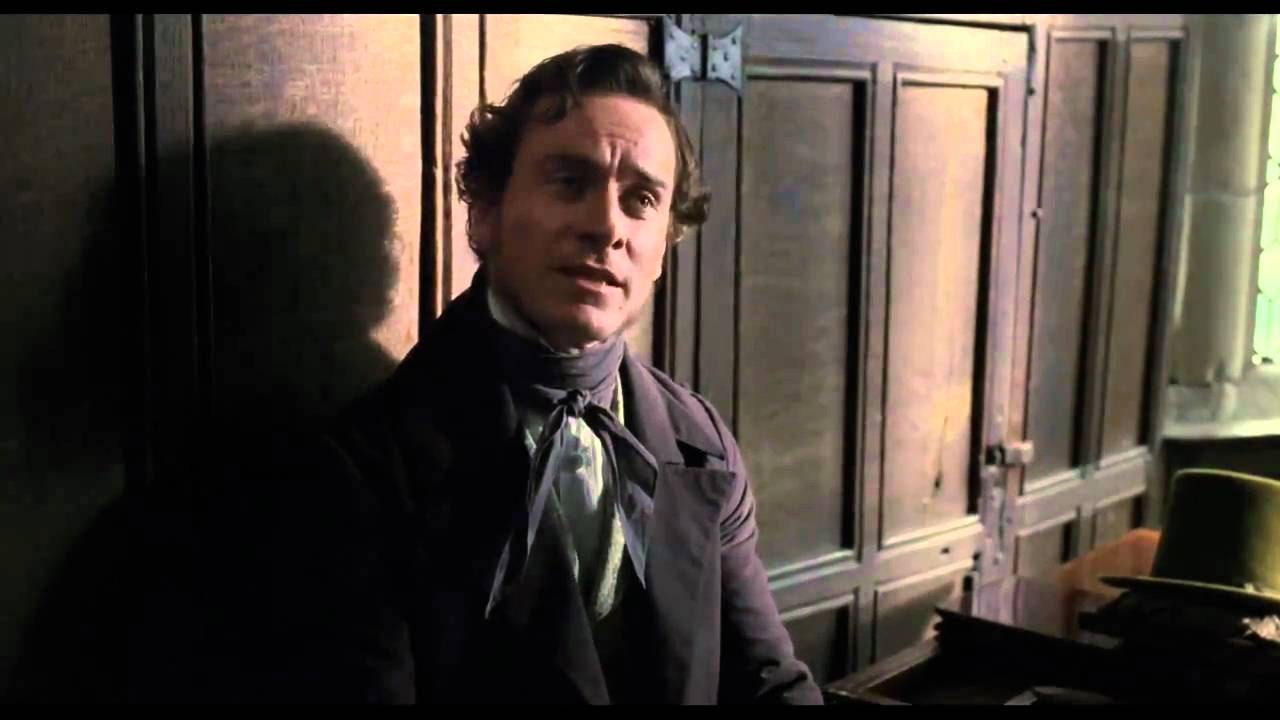
Cary Joji Fukunaga's 2011 film, with Mia Wasikowska as Jane and Michael Fassbender as Rochester, is the finest screen adaptation of the novel yet made. It opens with Jane fleeing across the Yorkshire moors after discovering Rochester's secret — his mad first wife Bertha Mason locked in Thornfield's attic — then moves backward to tell the story. The screenplay by Moira Buffini compresses Brontë's 500-page novel into 120 minutes without losing the essential Gothic atmosphere or the central love story.
The film earned critical praise for its visual restraint and psychological honesty, with particular attention to Fassbender's volatile Rochester and Wasikowska's performance as a Jane who refuses to be diminished. It remains a reduction of a work that lives in its voice.
| Character | In the Book | In the The Movie |
|---|---|---|
| Jane Eyre Mia Wasikowska |
Brontë's narrator — morally certain, passionate, and possessed of a voice that addresses the reader directly with absolute clarity about her own worth. | Wasikowska plays Jane with quiet intensity and communicates her refusal to be patronised through expression and bearing rather than narration. |
| Edward Rochester Michael Fassbender |
Rendered entirely through Jane's perception — dark, volatile, morally compromised, and loved by Jane in full knowledge of what he is. | Fassbender gives Rochester a barely contained violence that captures the character's essential quality; one of the great casting decisions in literary adaptation. |
| Bertha Mason Valentina Cervi |
Rochester's imprisoned Creole first wife — a figure of terror and also of kinship with Jane, their situations as women uncomfortably parallel. | Appears as Gothic horror — the madwoman who sets fire to Rochester's bed and eventually burns down Thornfield — but with less ambiguity than the novel allows. |
| St. John Rivers Jamie Bell |
The cold clergyman who proposes to Jane after she flees Thornfield — a life of duty without passion, the alternative to Rochester. | Bell plays St. John with appropriate severity but the film compresses this section and cannot sustain the novel's exploration of what Jane refuses. |
| Mrs. Fairfax Judi Dench |
Thornfield's housekeeper — kind, conventional, and unaware of the secrets in her own house. | Dench brings warmth and authority to a role that functions as Jane's only ally at Thornfield before Rochester's intentions become clear. |
Key Differences
Jane's voice is the novel and cannot be filmed
Brontë's Jane addresses the reader directly — "Reader, I married him" is the most famous instance of a sustained intimacy that runs throughout the novel. Jane's narration is the experience: her specific moral intelligence, her refusal to be patronised, her way of seeing the world with absolute clarity. The novel is an act of direct address across time.
Wasikowska's performance is excellent and communicates much of this through expression and bearing. She cannot communicate the sentences. The film has no voiceover and no equivalent to Jane's direct address. You see Jane but you don't hear her thinking, which is where Brontë's novel lives.
Michael Fassbender's Rochester is the film's triumph
Fassbender plays Rochester with a barely contained volatility that captures the character's essential quality — the darkness that Jane sees and loves in full knowledge of what it is. This is one of the great casting decisions in literary adaptation. His Rochester is physically imposing, emotionally unstable, and capable of genuine tenderness without ever becoming safe.
The novel's Rochester is rendered entirely through Jane's perception, which gives him a complexity the film slightly simplifies by showing him directly. Brontë's Rochester exists as Jane describes him; Fassbender's Rochester exists as himself. Both versions work, but they're different experiences of the same character.
Fukunaga opens in medias res and the structure changes everything
The film begins with Jane fleeing across the moors, collapsing at the door of the Rivers family, then moves backward to show how she arrived at that moment. This is a significant structural departure from the novel's chronological telling. It creates immediate dramatic tension and allows the film to compress Jane's childhood into flashbacks.
Brontë's novel moves forward in time — you watch Jane form as a person before she meets Rochester. The film meets Jane already formed and fills in her history as context. This is cinematically effective and means you experience the story as mystery rather than bildungsroman.
The attic and Bertha Mason lose their ambiguity
The novel gives Bertha Mason — Rochester's imprisoned first wife — more presence and more ambiguity. She is a figure of terror and also of kinship with Jane; their situations as women are not entirely different. Brontë's Bertha is described through Jane's eyes and through Rochester's self-serving account, which leaves room for interpretation about who she was before madness and captivity.
The film handles Bertha efficiently but cannot sustain the novel's more disturbing parallels. Valentina Cervi appears as pure Gothic horror — the madwoman who attacks Richard Mason and eventually burns down Thornfield. The film shows Bertha but doesn't fully explore what she represents about Rochester's past or Jane's potential future.
Jane's childhood is compressed and the novel's length matters
Brontë's novel is substantial and covers Jane's full childhood — the abuse at Gateshead, the years at Lowood, the slow development of her character before Thornfield. The novel spends roughly a third of its length on Jane's formation. You understand exactly how she became the person who can stand up to Rochester.
The film compresses the early sections to reach Thornfield faster, which is cinematically necessary and means you meet Jane as a formed person rather than watching her form. The Lowood section — where Jane's friend Helen Burns dies and where Jane learns to survive institutional cruelty — is reduced to a few scenes. You lose the accumulation of experience that makes Jane who she is.
Yes — Jane's voice is the novel and no film can render it. Brontë's sentences are the experience: the way Jane thinks, the way she refuses to accept diminishment, the way she addresses you directly as reader. Read first and Wasikowska's performance becomes the finest possible visual gloss on what Brontë put on the page. You'll see Jane's face and hear her voice in your head simultaneously.
Watch first and you'll know the story without the experience that makes the story matter. You'll understand the plot — orphan becomes governess, falls in love with employer, discovers his mad wife in the attic, flees, returns after he's been maimed and blinded in the fire. But you won't have lived inside Jane's consciousness, which is what the novel offers and what no adaptation can replace.
Should You Read First?
Yes — Jane's voice is the novel and no film can render it. Brontë's sentences are the experience: the way Jane thinks, the way she refuses to accept diminishment, the way she addresses you directly as reader. Read first and Wasikowska's performance becomes the finest possible visual gloss on what Brontë put on the page. You'll see Jane's face and hear her voice in your head simultaneously.
Watch first and you'll know the story without the experience that makes the story matter. You'll understand the plot — orphan becomes governess, falls in love with employer, discovers his mad wife in the attic, flees, returns after he's been maimed and blinded in the fire. But you won't have lived inside Jane's consciousness, which is what the novel offers and what no adaptation can replace.
Brontë wrote one of the great first-person novels in English literature — Jane's voice is its own argument, its own world. Fukunaga made the finest adaptation yet and it remains considerably less than the novel. Read Jane Eyre. See the film for Fassbender. The book is the thing.