The Story in Brief
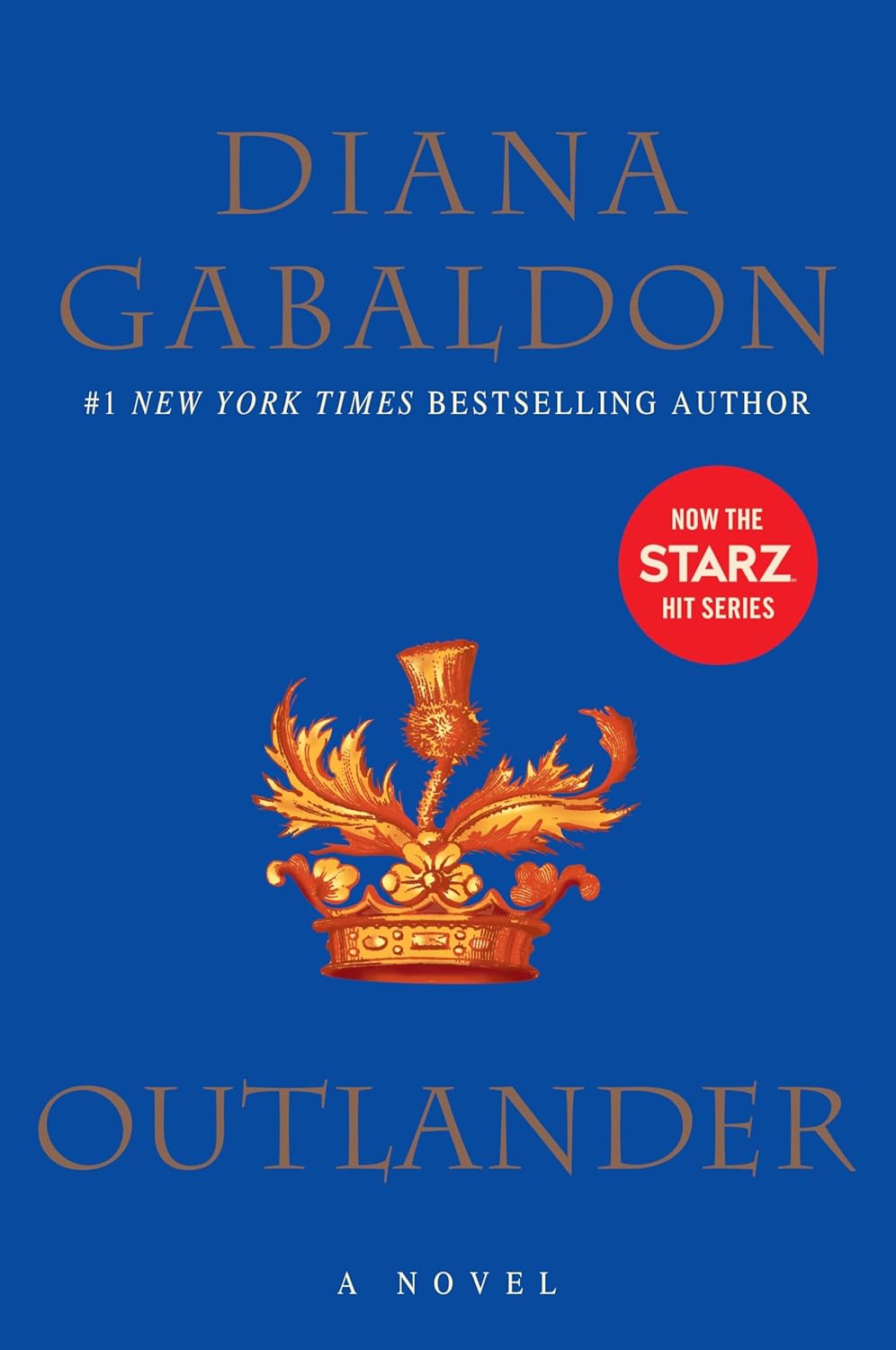
Claire Randall, a former British combat nurse, is visiting the Scottish Highlands with her husband Frank in 1945 when she touches a standing stone at Craigh na Dun and is hurled back to 1743. She encounters Black Jack Randall, Frank's sadistic ancestor and a captain in the British army, then is rescued by members of Clan MacKenzie. To protect her from Randall, she marries Jamie Fraser, a young Scottish warrior with a price on his head.
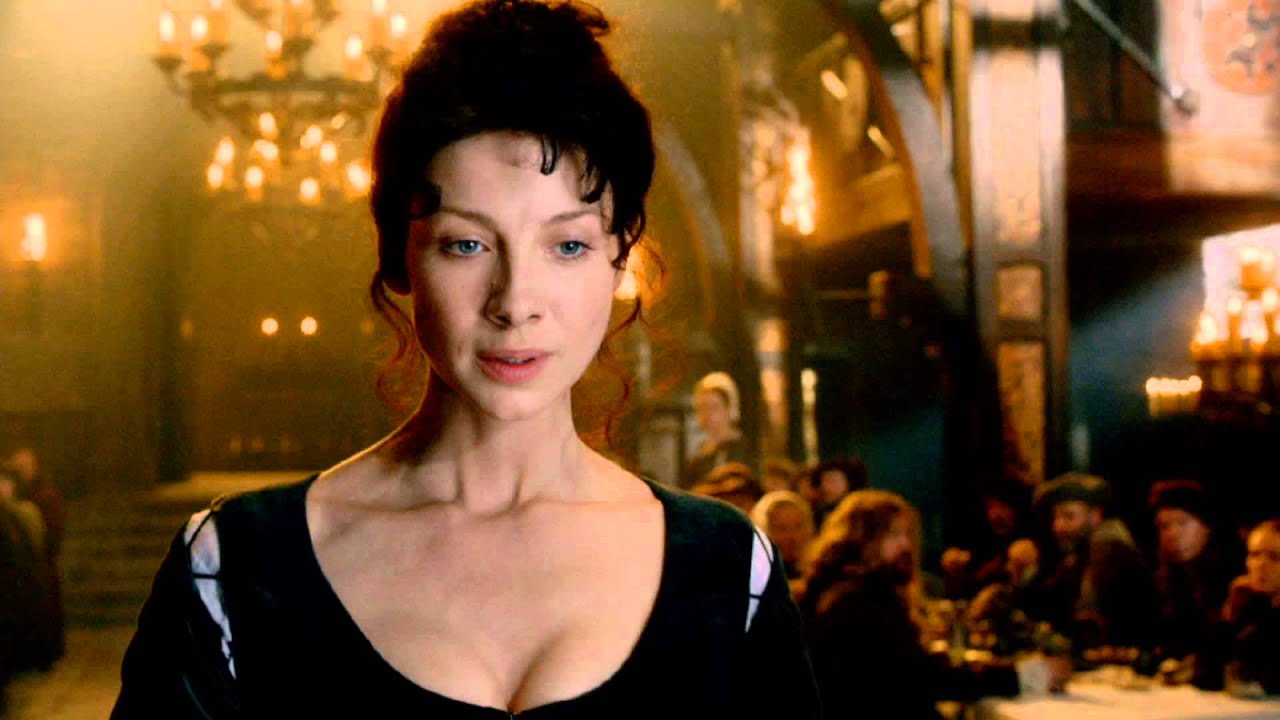
What begins as a marriage of convenience becomes a passionate love story set against the backdrop of the Jacobite rising. Diana Gabaldon's debut novel, published in 1991, launched a series that has sold over fifty million copies worldwide and spawned a devoted international readership. The Starz television adaptation premiered in 2014 with Caitriona Balfe as Claire and Sam Heughan as Jamie, running for seven seasons and becoming one of the most successful literary adaptations in recent television history.
The series earned critical praise for its production values, performances, and fidelity to Gabaldon's source material, particularly in its first season. It helped establish Starz as a prestige cable network and created one of the most passionate fandoms in contemporary television.
| Character | In the Book | In the The TV Series |
|---|---|---|
| Claire Randall/Fraser Caitriona Balfe |
A sharp-tongued, medically trained 20th-century woman whose first-person narration provides constant wry commentary on 18th-century life. | Balfe captures Claire's intelligence and wit through performance, though the series loses some of the novel's interior monologue and medical detail. |
| Jamie Fraser Sam Heughan |
A 23-year-old Scottish warrior, physically imposing and emotionally vulnerable, described with red hair and considerable romantic idealization. | Heughan embodies both Jamie's physical presence and his emotional depth, delivering on the romantic promise while adding layers of complexity. |
| Black Jack Randall Tobias Menzies |
A British officer and sadist whose cruelty toward Jamie is described in harrowing detail, serving as the novel's primary antagonist. | Menzies plays both Jack and Frank Randall, making the ancestral connection visceral and adding psychological complexity to both roles. |
| Murtagh Fraser Duncan Lacroix |
Jamie's godfather, a minor but loyal presence in the first novel who appears sporadically in later books. | Expanded significantly in the series, becoming a major recurring character and emotional anchor across multiple seasons. |
| Geillis Duncan Lotte Verbeek |
A fellow time traveler whose true nature is revealed late in the novel, providing Claire with proof she's not alone. | Verbeek's performance adds theatrical flair and the series expands Geillis's role in later seasons beyond her book appearances. |
Key Differences
Claire's first-person voice is the novel's greatest asset
Gabaldon writes Claire in first person, giving readers direct access to her thoughts as she navigates 18th-century Scotland with 20th-century knowledge. Her medical training provides clinical observations about wounds, herbs, and hygiene. Her modern sensibility creates constant friction with period attitudes toward women, violence, and authority.
Caitriona Balfe communicates much of this through performance and voiceover, but the series cannot match the novel's running interior commentary. The book's Claire is funnier, more analytical, and more explicitly aware of the absurdity of her situation. Balfe's Claire is more reactive, which works for television but loses some of the character's distinctive voice.
The casting of Balfe and Heughan justifies the entire adaptation
Finding actors who could embody Gabaldon's idealized romantic leads while remaining believable as people was the series' make-or-break challenge. Caitriona Balfe and Sam Heughan succeed completely. Balfe brings intelligence, humor, and emotional precision to Claire. Heughan makes Jamie both the romantic hero the books describe and a fully realized man capable of vulnerability, rage, and tenderness.
Their chemistry is the series' engine. The wedding episode in Season 1 — which expands a brief chapter into a full hour — works because Balfe and Heughan make the transition from strangers to lovers feel earned. Readers who had specific images of Claire and Jamie in their heads might have resisted any casting, but these two won over even the most devoted book fans.
Season 1 adapts the novel with unusual fidelity
The first season runs sixteen episodes and covers Gabaldon's 850-page novel with remarkable completeness. Major scenes — the wedding, Wentworth Prison, Claire's attempted witch trial — are adapted with care and detail. Minor characters like Mrs. Fitz, Rupert, and Angus get screen time and development. The series even preserves the novel's structure, beginning with Claire and Frank in 1945 before the time travel occurs.
This fidelity is rare in literary adaptation and it's the reason Season 1 remains the series' high point. Later seasons compress subsequent novels more aggressively, sometimes combining or omitting major plot threads. The first season had the luxury of time and used it well.
The series' production design adds genuine historical texture
Filming on location in Scotland gives the series an authenticity that Gabaldon's research earns through different means. Castle Leoch, the standing stones, the Highland landscapes — all are rendered with meticulous attention to period detail. Costume designer Terry Dresbach created hundreds of historically accurate costumes that ground the fantasy elements in material reality.
The novel describes 18th-century Scotland through Claire's eyes, often with medical or anthropological precision. The series shows it, and the showing adds value. The mud, the cold, the textures of wool and leather, the scale of the landscapes — these are things television does well, and Outlander's production team understood the assignment.
Later seasons diverge more significantly from the source novels
Season 1 adapts Book 1. Season 2 adapts Book 2. But as the series continued, the correspondence between seasons and novels became less direct. Characters who die in the books survive in the series. Plotlines are compressed, combined, or invented. Murtagh, a minor character in the novels, becomes a major presence across multiple seasons.
Some of these changes work — Murtagh's expanded role gives Jamie an emotional anchor and Duncan Lacroix a showcase. Others feel like the series is treading water or avoiding difficult choices the novels made. Readers of the full series will find the later seasons more frustrating. Those who came to the books through the show may not notice or care.
Either order works. The series is faithful enough to Season 1 that watching first won't significantly diminish the experience of reading the novel — you'll still get Claire's voice, more historical detail, and scenes the show compressed or omitted. Most Outlander readers discovered the books through the series, which is the natural order for a property that became a television phenomenon first for many viewers.
If you read first, you'll appreciate the casting decisions more fully and notice what the adaptation preserves versus what it changes. If you watch first, you'll have faces and voices for the characters when you read, which some readers find helpful and others find limiting. The book is long enough and rich enough that it rewards reading even after watching.
Should You Read First?
Either order works. The series is faithful enough to Season 1 that watching first won't significantly diminish the experience of reading the novel — you'll still get Claire's voice, more historical detail, and scenes the show compressed or omitted. Most Outlander readers discovered the books through the series, which is the natural order for a property that became a television phenomenon first for many viewers.
If you read first, you'll appreciate the casting decisions more fully and notice what the adaptation preserves versus what it changes. If you watch first, you'll have faces and voices for the characters when you read, which some readers find helpful and others find limiting. The book is long enough and rich enough that it rewards reading even after watching.
Gabaldon's novel offers richer interiority, more historical detail, and Claire's distinctive first-person voice. The Starz series offers perfect casting, stunning production design, and visual storytelling that brings 18th-century Scotland to vivid life. The book wins on depth and scope, but the series is one of the most successful literary adaptations in recent television history. Both are worth your time. The book is the original, and it's still the best way in.