The Story in Brief
Lily Bloom moves to Boston after her father's funeral, opens a flower shop called Lily Bloom's, and meets Ryle Kincaid — a neurosurgeon who doesn't do relationships. They fall in love anyway. Ryle is charming, successful, and eventually violent. The first incident happens after he burns his hand on a casserole dish. The second follows a fight about her friendship with Atlas Corrigan, her homeless first love from high school who has reappeared as a successful restaurant owner.
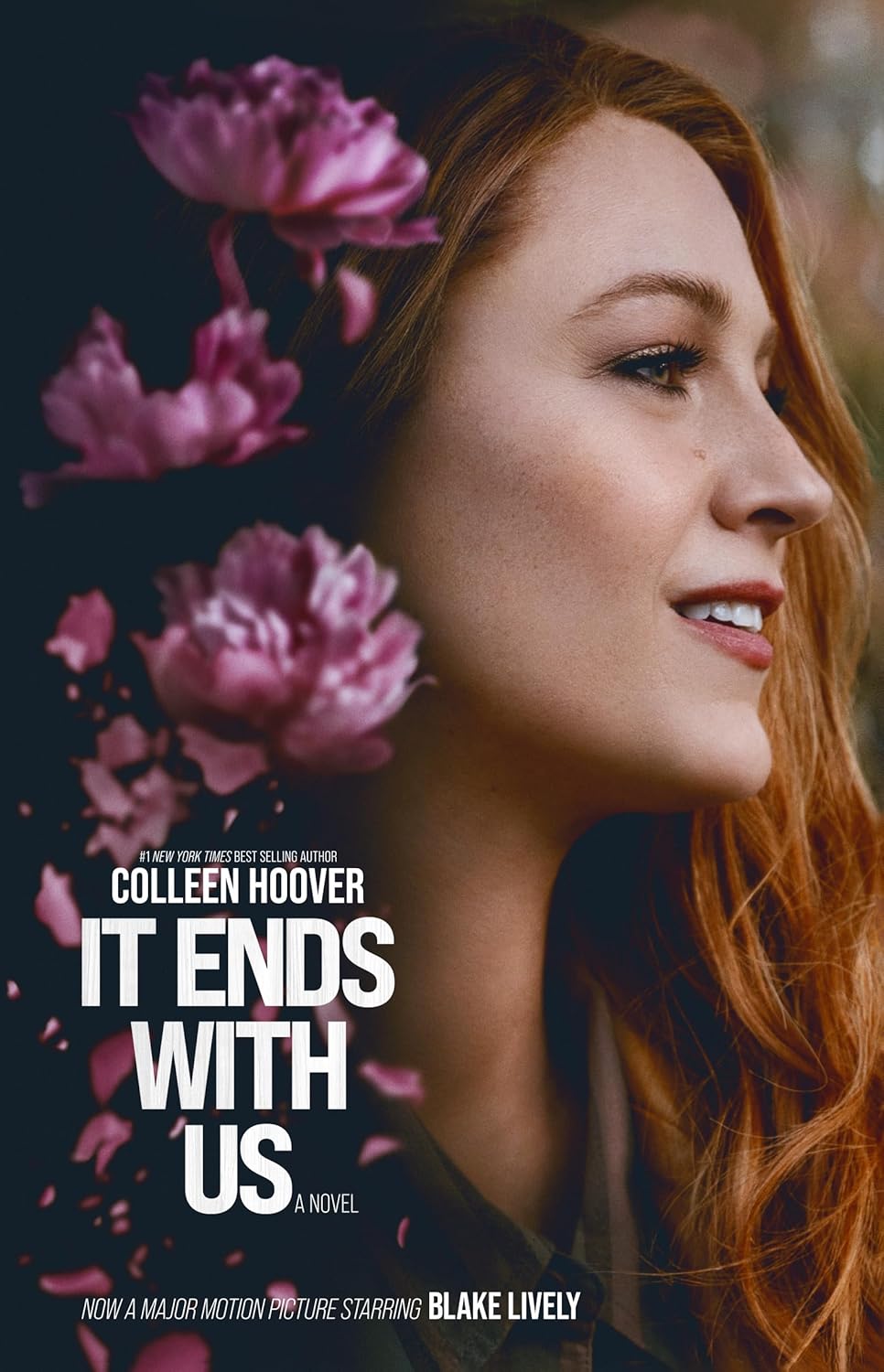
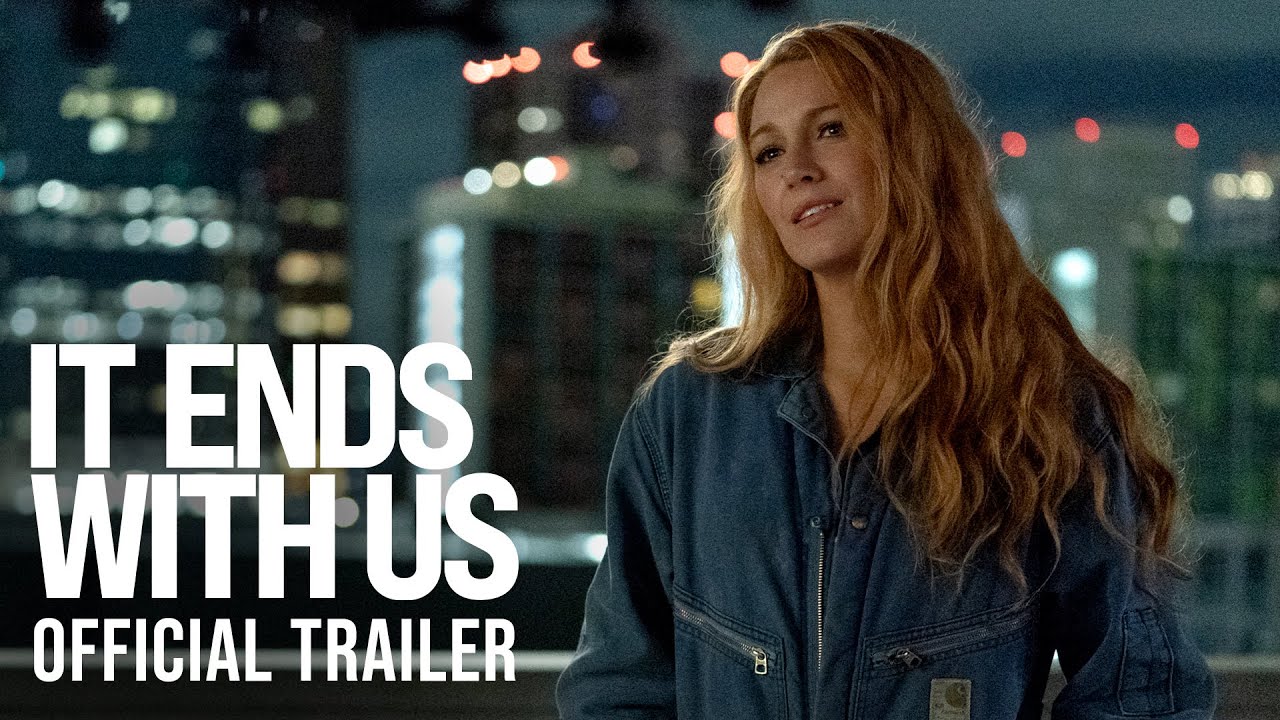
Colleen Hoover's 2016 novel is structured as a romance that transforms into an unflinching examination of domestic abuse cycles. The book spent over two years on the New York Times bestseller list and became a cultural phenomenon through BookTok. Justin Baldoni's 2024 film adaptation, starring Blake Lively as Lily and Baldoni himself as Ryle, grossed over $350 million worldwide despite — or perhaps partly because of — highly publicized conflict between its director and star during the promotional campaign.
The novel remains one of the most widely read contemporary examinations of intimate partner violence, praised for its psychological honesty and criticized by some for packaging abuse within a romance framework. The film arrived as a major commercial success shadowed by off-screen controversy that made it impossible to watch without awareness of the production's tensions.
| Character | In the Book | In the The Movie |
|---|---|---|
| Lily Bloom Blake Lively |
A twenty-three-year-old florist whose interior monologue reveals the psychological complexity of staying with an abusive partner — the rationalizations, the hope, the shame. | Lively plays Lily with commitment but her star presence and physical confidence make the character more immediately sympathetic and less visibly uncertain than Hoover's version. |
| Ryle Kincaid Justin Baldoni |
A neurosurgeon whose charm and intensity are established through Lily's perspective before his violence emerges, making his appeal comprehensible even as his abuse escalates. | Baldoni directs and stars, creating an unavoidable tension; his performance balances Ryle's appeal and menace but the dual role complicates the film's reception. |
| Atlas Corrigan Brandon Sklenar |
Lily's homeless teenage boyfriend, rendered through journal entries that establish his kindness and their bond before he disappears from her life and returns years later as a restaurateur. | Sklenar's Atlas has less screen time than his presence in the novel; the backstory is condensed significantly, reducing his emotional weight though his importance to the plot remains. |
| Allysa Kincaid Jenny Slate |
Ryle's sister and Lily's best friend, whose pregnancy and loyalty to both parties create painful complications when the abuse is revealed. | Slate brings warmth and comic timing to Allysa, though the film gives her less space to navigate the moral complexity of her position between her brother and her friend. |
Key Differences
Lily's interior process is the novel's core and the film's absence
Hoover writes Lily's experience of the abuse with psychological specificity — the way she explains away the burned hand incident as an accident, the hope that follows each apology, the shame that prevents her from telling Allysa, the love that coexists with fear. This interior material is the novel's most important achievement and it cannot be fully externalized on screen.
The film shows the incidents of violence and Lively's physical reactions, but it cannot access the rationalizations and contradictions that make Lily's situation comprehensible. The novel is about the thinking that surrounds the abuse. The film is about the abuse itself. This is not a failure of adaptation so much as a limitation of the medium, but it means the film is necessarily a lesser version of the story.
The off-screen controversy became part of the film's meaning
The production and release were overshadowed by publicized conflict between Blake Lively and Justin Baldoni, with reports of creative differences, conflicting promotional strategies, and eventual legal threats. The specifics remain disputed, but the friction was significant enough that the two did not appear together during the press tour.
This made it impossible to watch the finished film — particularly Baldoni's performance as an abusive partner — without awareness of the off-screen tensions. Whether this context is relevant to the film's artistic meaning is debatable, but it undeniably affected its reception. The novel exists outside this mess. The film does not.
Blake Lively's star quality works against the character's ordinariness
Lively commits fully to the role and delivers a performance of genuine emotional range, but her innate glamour and physical confidence make her Lily more immediately sympathetic and less visibly uncertain than the novel's version. Hoover's Lily is more ordinary, more recognizably flawed, more obviously struggling with self-doubt even before Ryle's violence begins.
The film's Lily is easier to root for. The novel's Lily is more complicated and more true to the experience Hoover is documenting. This is not a criticism of Lively's work, which is strong, but an acknowledgment that her star presence changes the character's texture in ways that matter.
The journal entries to Ellen DeGeneres are replaced by flashbacks
Hoover uses Lily's teenage journal — written as letters to Ellen DeGeneres, whose show helped her survive her father's abuse — to establish her relationship with Atlas and her understanding of violence. These sections provide the novel's backstory and give teenage Lily a distinct voice that contrasts with her adult narration.
The film replaces the journal with straightforward flashbacks, which are efficient but lose the specific adolescent tone of the letters and the symbolic weight of Ellen as Lily's imagined confidante. The backstory is present but flattened. The film handles this competently but the novel's structure is more emotionally layered.
Ryle's childhood trauma is less developed in the film
The novel reveals that Ryle accidentally killed his older brother as a child, a trauma that his sister Allysa believes explains — though does not excuse — his violent outbursts. This backstory is present in the film but given less weight and less screen time, which makes Ryle's violence feel more straightforwardly villainous.
The novel's version is more uncomfortable because it asks the reader to hold Ryle's trauma and his abuse in the same frame without allowing one to cancel out the other. The film simplifies this moral complexity slightly, which makes it easier to watch but less challenging.
Yes. The novel's interior handling of the abuse cycle — Lily's rationalizations, her shame, her love for Ryle coexisting with her fear of him — is what makes the book significant and what the film cannot fully replicate. If you watch the film first, you will understand the plot but miss the psychological precision that makes Hoover's novel more than a melodrama. The film is a competent adaptation of the events. The novel is an examination of the thinking that surrounds those events.
Read first to understand what Hoover accomplished, then see the film as a separate interpretation of the same material. The book will deepen your understanding of why Lily stays and why leaving is so difficult. The film will show you what that looks like from the outside, which is valuable but not the same thing.
Should You Read First?
Yes. The novel's interior handling of the abuse cycle — Lily's rationalizations, her shame, her love for Ryle coexisting with her fear of him — is what makes the book significant and what the film cannot fully replicate. If you watch the film first, you will understand the plot but miss the psychological precision that makes Hoover's novel more than a melodrama. The film is a competent adaptation of the events. The novel is an examination of the thinking that surrounds those events.
Read first to understand what Hoover accomplished, then see the film as a separate interpretation of the same material. The book will deepen your understanding of why Lily stays and why leaving is so difficult. The film will show you what that looks like from the outside, which is valuable but not the same thing.
Hoover wrote a novel that takes domestic abuse seriously inside a romance structure and does so with genuine psychological skill. Baldoni made a film that arrived in difficult circumstances and is a lesser version of that novel — competent in its craft, diminished by off-screen controversy, and unable to access the interior material that makes the book matter. The novel is the original and the superior work. Read it first, read it instead, or read it after — but read it.