The Story in Brief
Sethe, a formerly enslaved woman living at 124 Bluestone Road in post-Civil War Cincinnati, is haunted by the ghost of the baby daughter she killed with a handsaw rather than allow slave catchers to return her to Sweet Home plantation in Kentucky. When a young woman calling herself Beloved appears at her door — wearing new shoes, speaking in fragments, knowing things only the dead daughter could know — the past Sethe has tried to contain begins to overwhelm the present. Paul D, a fellow survivor of Sweet Home, arrives and briefly drives the ghost away, but Beloved returns in flesh and slowly consumes Sethe's life.
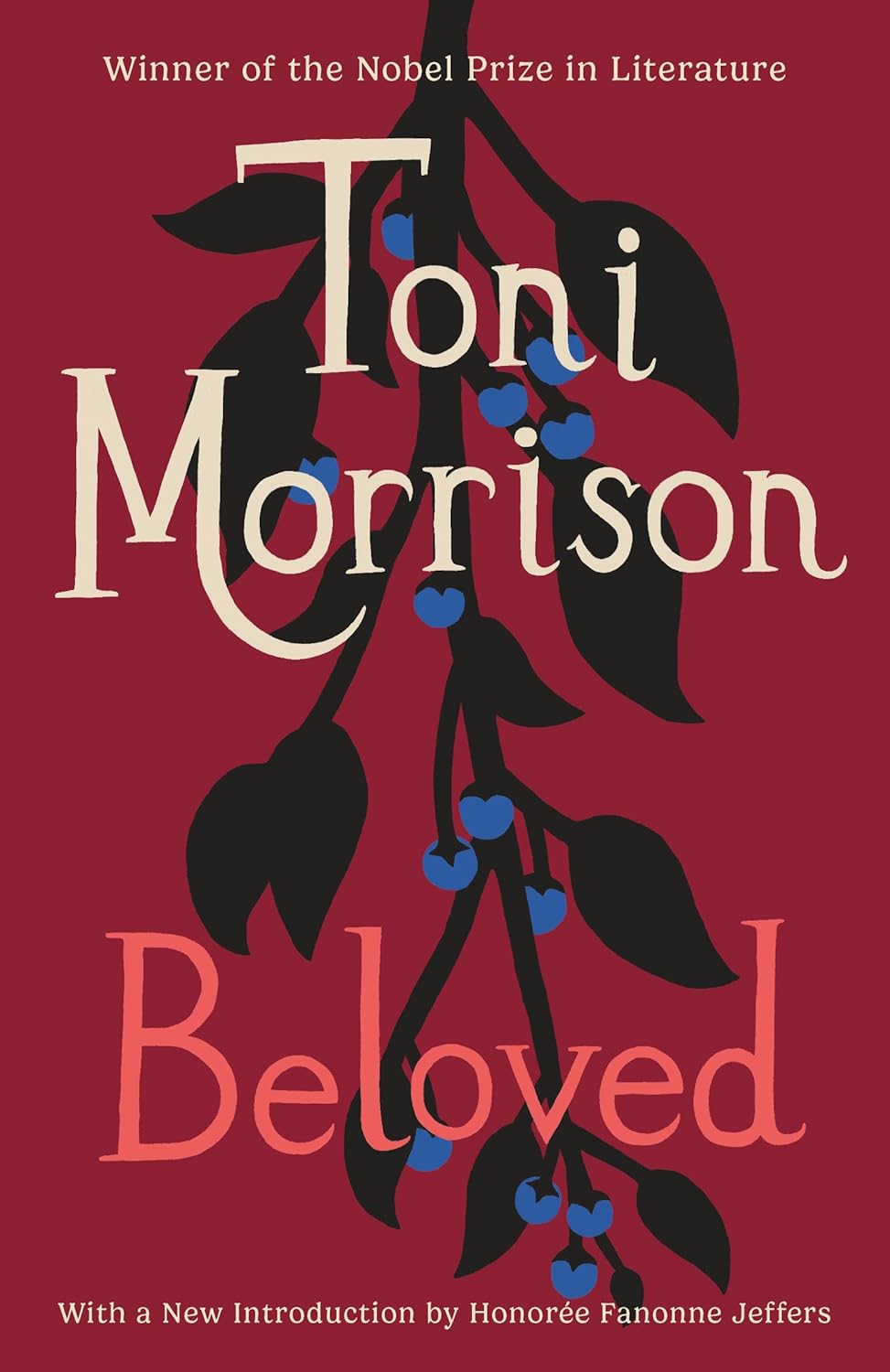
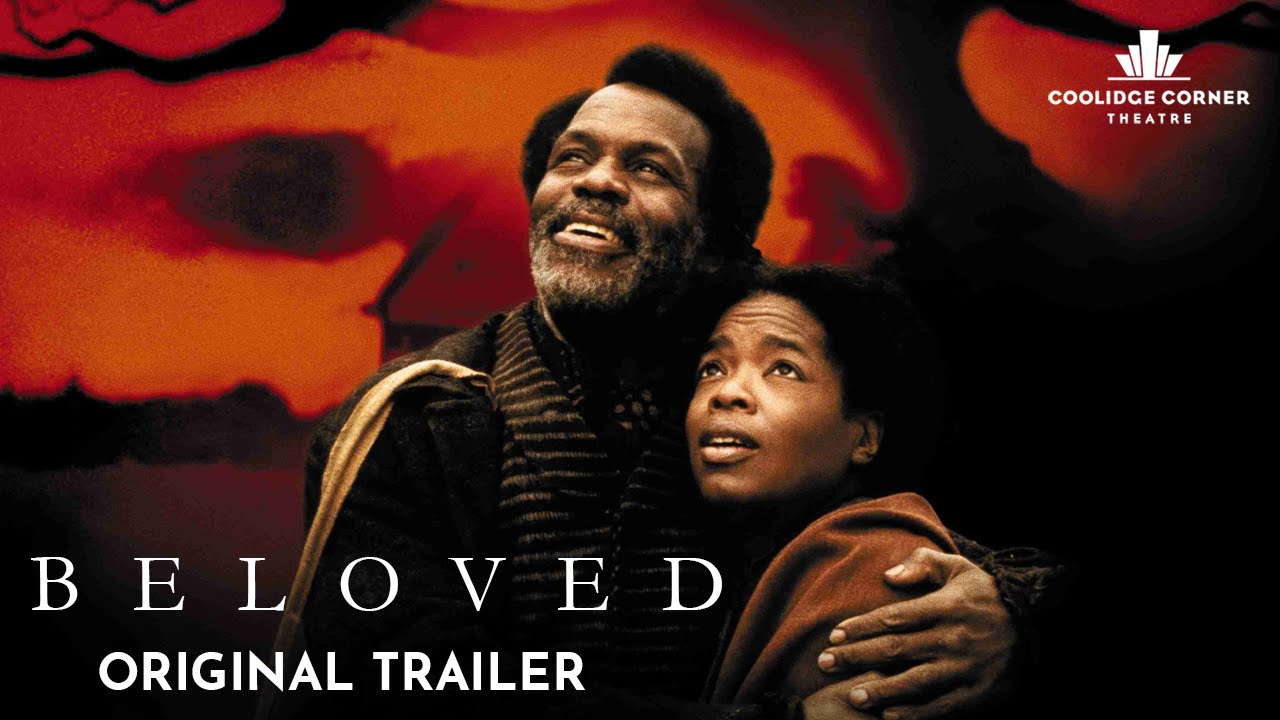
Toni Morrison's 1987 novel won the Pulitzer Prize for Fiction and is widely considered one of the greatest American novels of the twentieth century. Jonathan Demme's 1998 film adaptation, with Oprah Winfrey producing and starring as Sethe, was a passion project a decade in the making. The film opened to mixed reviews and disastrous box office — earning only $23 million against an $80 million budget — but has been partially rehabilitated by critics in the years since.
The novel remains essential reading in American literature courses and a landmark in African American fiction. The film, despite its commercial failure, stands as one of the few major studio attempts to adapt Morrison's work and to center the trauma of slavery in a mainstream Hollywood production.
| Character | In the Book | In the The Movie |
|---|---|---|
| Sethe Oprah Winfrey |
A woman whose interior life is rendered through Morrison's fragmented, circling prose — her trauma enacted in the novel's structure itself. | Winfrey gives a physically committed performance, but the character must be shown externally, losing the layered interiority that defines her on the page. |
| Paul D Danny Glover |
A Sweet Home survivor whose own trauma — including a bit in his mouth and time on a chain gang — is revealed gradually through memory. | Glover plays him with quiet dignity, but the film compresses his backstory and his complex relationship with masculinity and survival. |
| Beloved Thandiwe Newton |
An ambiguous figure — ghost, returned daughter, symbol of the Middle Passage — whose identity remains productively uncertain. | Newton's performance is unsettling and physical, but the film literalizes Beloved more heavily, reducing the novel's deliberate ambiguity. |
| Denver Kimberly Elise |
Sethe's surviving daughter, isolated and desperate for connection, who eventually leaves 124 to seek help from the community. | Elise captures Denver's loneliness and her eventual courage, though the film gives her less interior development than the novel. |
| Baby Suggs Beah Richards |
Sethe's mother-in-law, a former preacher whose sermons in the Clearing are among the novel's most spiritually powerful passages. | Richards appears only in flashbacks, and her role as spiritual center of the community is diminished by the film's compressed timeline. |
Key Differences
Morrison's Prose Is the Novel's Substance
Beloved is written in a style that enacts trauma — non-linear, circling, returning to the same events from different angles, withholding and revealing in the rhythm of memory rather than narrative. The novel's famous stream of consciousness passage — Beloved's interior monologue without punctuation — is one of the most formally ambitious sequences in American literature.
None of this survives translation to a conventional narrative film. Demme uses flashbacks and voiceover, but the film must proceed chronologically in ways the novel refuses. The prose style is inseparable from the novel's meaning. Without it, you have the plot of Beloved but not the experience of it.
The Supernatural Element Is Literalized
Morrison's Beloved operates simultaneously as ghost story, psychological study, and historical allegory. The supernatural element is real and metaphorical at once — the ghost is Sethe's daughter and also the embodied weight of slavery's violence, and also the sixty million and more to whom the novel is dedicated.
The film literalizes this more heavily. Thandiwe Newton's Beloved is clearly present, clearly physical, clearly the returned daughter. The productive ambiguity that Morrison carefully maintains — is Beloved a ghost, a traumatized survivor of the Middle Passage, or Sethe's projection? — is resolved in favor of a more straightforward haunting narrative.
Oprah Winfrey's Performance Versus Morrison's Sethe
Winfrey gives a committed and physically demanding performance, and her emotional connection to the material is evident throughout. She lost weight for the role, performed the infanticide scene with unflinching intensity, and anchors the film with her presence.
But Sethe on the page is filtered through Morrison's prose — her interiority is the novel's substance. On screen, Sethe must be shown rather than known, which flattens the character's most complex interior dimensions. The novel gives us Sethe's thoughts as she makes the choice to kill her daughter; the film can only show us the act and its aftermath.
The Community's Role Is Preserved but Thinned
Morrison builds a vivid portrait of the Black community in Cincinnati surrounding Sethe — their distance from her after the infanticide, their resentment of Baby Suggs's generosity, their eventual return to help exorcise Beloved. The community is as much a character as any individual.
The film preserves the plot of this — the women arrive at 124 in the climax to drive Beloved away — but the novel gives the community the interior depth that makes their eventual solidarity feel genuinely earned and historically resonant. The film's version feels more like a plot mechanism than a social reckoning.
Running Time Cannot Contain the Novel's Scope
At three hours, the film is long but still inadequate to the novel's scope. The pacing is uneven in ways the novel is not — some sequences feel rushed, others laboured. Paul D's backstory, including his time on the chain gang in Alfred, Georgia, is compressed. Baby Suggs's sermons in the Clearing are reduced to brief flashbacks.
The film was poorly received on release partly because audiences weren't ready for its demands; it has aged better than its box office suggested. But the novel's demands are more precisely calibrated. Morrison knows exactly when to withhold and when to reveal. The film, constrained by runtime and convention, cannot match that control.
Yes — emphatically. Beloved is a novel about the experience of reading it; its style is inseparable from its meaning. The fragmented structure, the circling repetitions, the sudden shifts in perspective — these are not decorative choices but the novel's method of representing trauma. The film is earnest and historically important, but it's working from a novel that was always going to resist adaptation.
Read the book. See the film as a companion. Understand that some novels exist in a medium they cannot leave. Morrison wrote a work that uses every resource of prose fiction to tell a story that cannot be told any other way. Demme's film is respectful and ambitious, but it's a translation that loses what cannot be translated.
Should You Read First?
Yes — emphatically. Beloved is a novel about the experience of reading it; its style is inseparable from its meaning. The fragmented structure, the circling repetitions, the sudden shifts in perspective — these are not decorative choices but the novel's method of representing trauma. The film is earnest and historically important, but it's working from a novel that was always going to resist adaptation.
Read the book. See the film as a companion. Understand that some novels exist in a medium they cannot leave. Morrison wrote a work that uses every resource of prose fiction to tell a story that cannot be told any other way. Demme's film is respectful and ambitious, but it's a translation that loses what cannot be translated.
Morrison wrote a novel that cannot be adapted without losing what makes it what it is. Demme made the most faithful film that could be made, and it's still a considerable distance from the source. The novel is one of the great works of American literature; the film is a noble failure that proves some books belong only to the page.