The Story in Brief
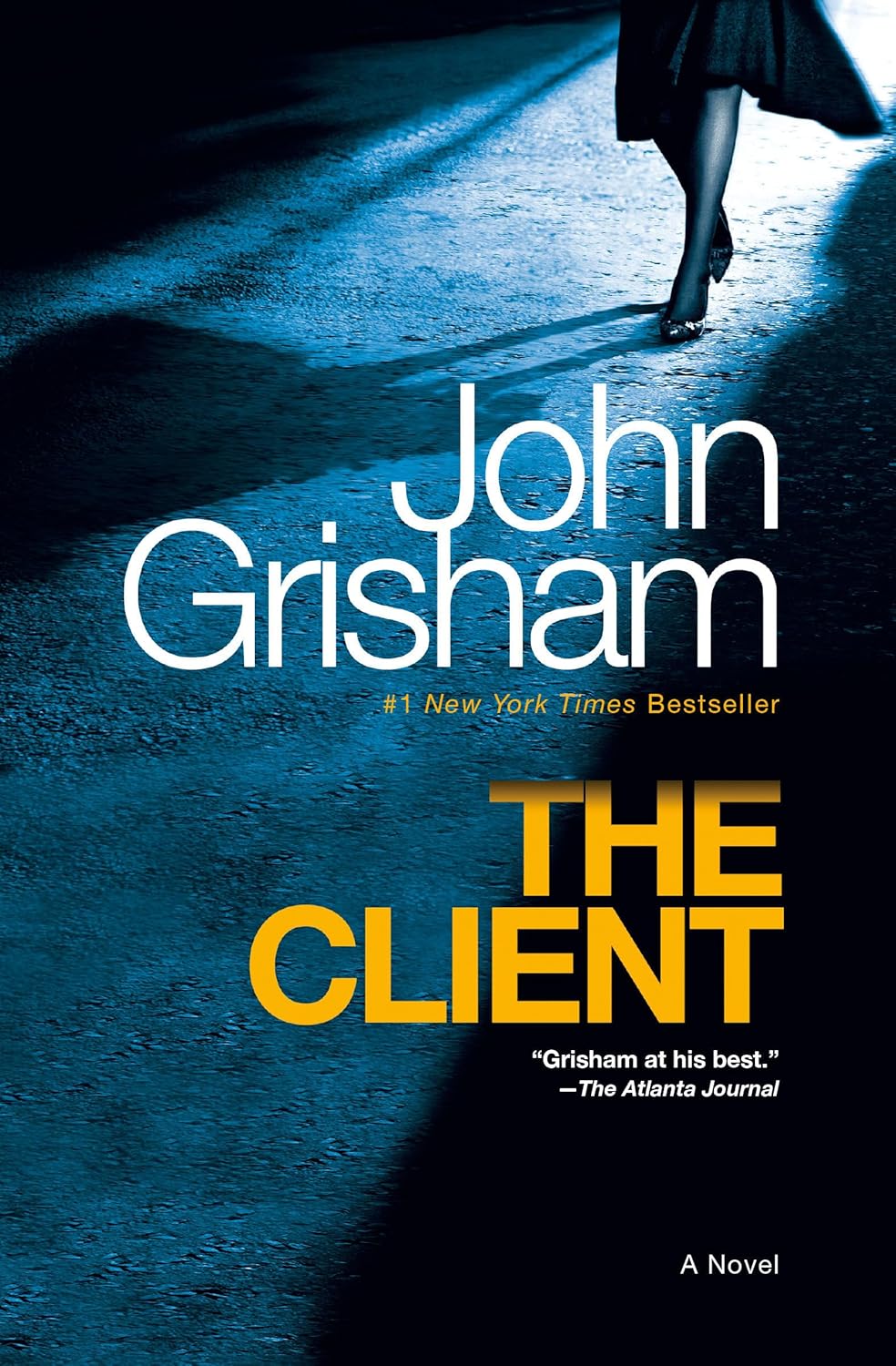
Eleven-year-old Mark Sway and his younger brother Ricky stumble upon mob lawyer Jerome Clifford in the woods near their Memphis trailer park as Clifford attempts suicide. Before dying, the drunken Clifford confesses that his client Barry 'The Blade' Muldanno murdered Senator Boyd Boyette and buried the body under Clifford's boat garage in New Orleans. Mark becomes the only person who knows where the corpse is hidden — information that makes him a target for both Roy Foltrigg's ambitious federal prosecution and Muldanno's lethal enforcers.
Mark hires Reggie Love, a recovering alcoholic and former housewife turned lawyer, to protect him from the FBI's coercion and the mafia's threats. Reggie operates out of a modest storefront practice and takes Mark's case pro bono, recognizing his desperation. The novel follows their cat-and-mouse game with Foltrigg, a grandstanding U.S. Attorney who wants Mark's testimony, and the Muldanno family, who want Mark silenced permanently. Ricky, traumatized by witnessing Clifford's death, remains catatonic in a hospital throughout most of the story.
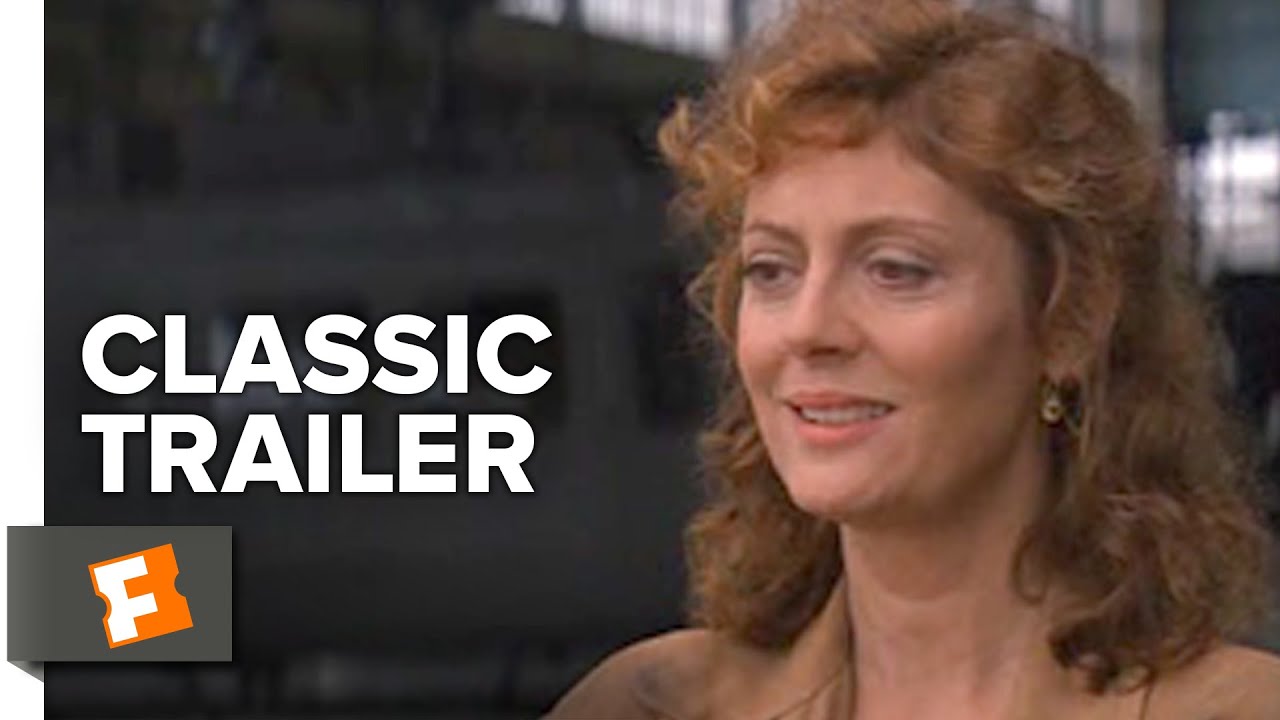
Joel Schumacher's 1994 adaptation, starring Brad Renfro as Mark and Susan Sarandon as Reggie, became a box office success and earned Sarandon an Academy Award nomination. The film condensed Grisham's procedural complexity into a taut thriller, though critics noted it sacrificed character depth for momentum. Tommy Lee Jones plays Foltrigg with theatrical pomposity, and Anthony LaPaglia brings menace to Muldanno's enforcer. The adaptation remains one of the more faithful Grisham films, even as it smooths the novel's darker edges.
| Character | In the Book | In the The Movie |
|---|---|---|
| Mark Sway Brad Renfro |
A psychologically complex child forced into premature adulthood, wrestling with guilt over Ricky's trauma and terror of both the FBI and mob. | A streetwise kid with more conventional movie-hero bravery, less internal conflict about the moral weight of his choices. |
| Reggie Love Susan Sarandon |
A deeply scarred woman who survived an abusive marriage and psychiatric hospitalization, now fiercely protective of vulnerable clients like Mark. | A warm, maternal figure whose traumatic backstory is mentioned but not explored, making her more straightforwardly heroic. |
| Roy Foltrigg Tommy Lee Jones |
A calculating prosecutor obsessed with his political future, willing to terrorize a child to secure a high-profile conviction. | A more overtly villainous caricature, played for comic effect in some scenes, losing the book's nuanced portrait of legal ambition. |
| Barry Muldanno Anthony LaPaglia |
A vicious but somewhat distant threat, more menacing in Mark's imagination than in direct confrontation until the novel's climax. | A more physically present antagonist with several direct encounters with Mark, heightening the thriller elements. |
| Dianne Sway Mary-Louise Parker |
Mark's exhausted single mother, working multiple jobs and overwhelmed by Ricky's hospitalization, depicted with unsentimental realism. | A more conventionally sympathetic struggling mother, with less emphasis on her economic desperation and emotional fragility. |
Key Differences
Reggie Love's Backstory Is Gutted
Grisham devotes substantial pages to Reggie's history: her abusive marriage to a doctor named Joe Cardoni, her nervous breakdown, her time in a psychiatric facility, and her painful journey to sobriety and law school. These experiences explain why she identifies so intensely with Mark's powerlessness and why she's willing to risk contempt charges rather than betray him. Her mother Momma Love, who runs the office and provides comic relief, also represents Reggie's support system.
Schumacher's film reduces this to a single brief conversation where Reggie mentions her past. Susan Sarandon plays her with warmth and determination, but without the novel's context, Reggie becomes a generic crusading lawyer rather than a woman whose own trauma fuels her advocacy. The film loses the parallel between Reggie's escape from an abusive man and Mark's escape from institutional bullying.
Mark's Psychological Complexity Disappears
In the novel, Mark is terrified, guilt-ridden, and constantly second-guessing himself. He blames himself for Ricky's catatonia, lies compulsively to protect himself, and experiences panic attacks. Grisham shows an eleven-year-old cracking under pressure — wetting the bed, crying in private, fantasizing about running away. Mark's toughness is a survival mechanism, not his natural state.
Brad Renfro's Mark is more consistently brave and quick-witted, a miniature action hero who outsmarts adults with movie-kid cleverness. The film omits Mark's bedwetting, his breakdowns, and his moral anguish over whether Ricky's condition is his fault. Renfro delivers a strong performance, but the script asks him to play resilience rather than fragility. The result is a more entertaining but less truthful portrait of childhood trauma.
The Legal Procedural Is Streamlined Into Action Beats
Grisham fills the novel with courtroom scenes, evidentiary hearings, and legal strategy sessions. Judge Harry Roosevelt presides over Mark's case with folksy wisdom, and much of the tension comes from procedural chess moves — subpoenas, contempt threats, juvenile court jurisdiction battles. Foltrigg's team debates grand jury tactics, and Reggie files motions to block Mark's testimony. These sequences illustrate how the legal system can be weaponized against the powerless.
The film compresses these procedural elements into a few brief courtroom scenes and emphasizes physical danger instead. Muldanno's thugs chase Mark through hospitals and hotels, creating conventional thriller suspense. Tommy Lee Jones's Foltrigg becomes more of a blowhard obstacle than a genuinely threatening legal adversary. The shift makes the film more cinematic but abandons Grisham's critique of prosecutorial overreach and the machinery of justice.
The Ending Trades Ambiguity for Resolution
Grisham's novel concludes with Mark and his family entering witness protection after Mark reveals the body's location. They receive new identities and relocate to Phoenix, but the final pages emphasize uncertainty — Mark will never see his friends again, Dianne must abandon her entire life, and Ricky's recovery remains incomplete. Foltrigg gets his conviction, but the cost to the Sway family is permanent. The ending asks whether Mark made the right choice or simply the only possible one.
Schumacher's film ends with the Muldanno family clearly defeated, Foltrigg somewhat humiliated, and the Sways safely relocated with a sense of hopeful new beginnings. The movie adds a scene of Mark and Reggie saying goodbye that provides emotional closure the book deliberately withholds. The film wants audiences to leave satisfied; the novel wants them to leave troubled by what Mark lost.
Ricky Sway's Trauma Becomes Background
In the novel, Ricky's catatonic state haunts every page. Mark visits him daily in the hospital, watches him stare blankly at the ceiling, and carries crushing guilt that his decision to approach Clifford's car destroyed his brother's mind. Ricky's condition is the emotional center of Mark's motivation — he's not just protecting himself but trying to undo the damage he caused. Grisham includes medical details about Ricky's treatment and slow, uncertain recovery.
The film shows Ricky in the hospital but treats his condition as a plot device rather than an emotional anchor. We see him briefly in early scenes, then he largely disappears from the narrative. Mark mentions him occasionally, but the film doesn't convey the weight of Ricky's absence or Mark's guilt. Mary-Louise Parker's Dianne spends less time at Ricky's bedside, and the family dynamic that drives the novel's emotional stakes becomes secondary to the thriller plot.
Reading Grisham's novel first gives you the full psychological portrait of Mark Sway and Reggie Love that the film only sketches. You'll understand why Reggie risks everything for this one kid, why Mark's bravado masks genuine terror, and why the legal system's indifference to a child's welfare is the story's real villain. The novel's procedural detail might feel slow if you're expecting action, but it builds a suffocating sense of institutional pressure that the film's chase scenes can't replicate.
Watching the film first won't ruin the book's surprises — the plot is largely the same — but you'll miss the depth that makes Grisham's version resonate beyond its thriller mechanics. If you see the movie first, you'll get an efficient, well-acted legal thriller. If you read the book first, you'll recognize how much complexity was sacrificed for pace. For readers who care about character over plot, the novel is essential. For viewers who want a tight 119-minute thriller, the film delivers without requiring homework.
Should You Read First?
Reading Grisham's novel first gives you the full psychological portrait of Mark Sway and Reggie Love that the film only sketches. You'll understand why Reggie risks everything for this one kid, why Mark's bravado masks genuine terror, and why the legal system's indifference to a child's welfare is the story's real villain. The novel's procedural detail might feel slow if you're expecting action, but it builds a suffocating sense of institutional pressure that the film's chase scenes can't replicate.
Watching the film first won't ruin the book's surprises — the plot is largely the same — but you'll miss the depth that makes Grisham's version resonate beyond its thriller mechanics. If you see the movie first, you'll get an efficient, well-acted legal thriller. If you read the book first, you'll recognize how much complexity was sacrificed for pace. For readers who care about character over plot, the novel is essential. For viewers who want a tight 119-minute thriller, the film delivers without requiring homework.
Grisham's novel wins by giving Mark Sway and Reggie Love the interior lives they deserve. Susan Sarandon and Brad Renfro are excellent, but Schumacher's script asks them to play types rather than people. The book is a character study disguised as a thriller; the film is a thriller that forgot the character study. Read the novel if you want to understand why a child's powerlessness matters more than where the body is buried.