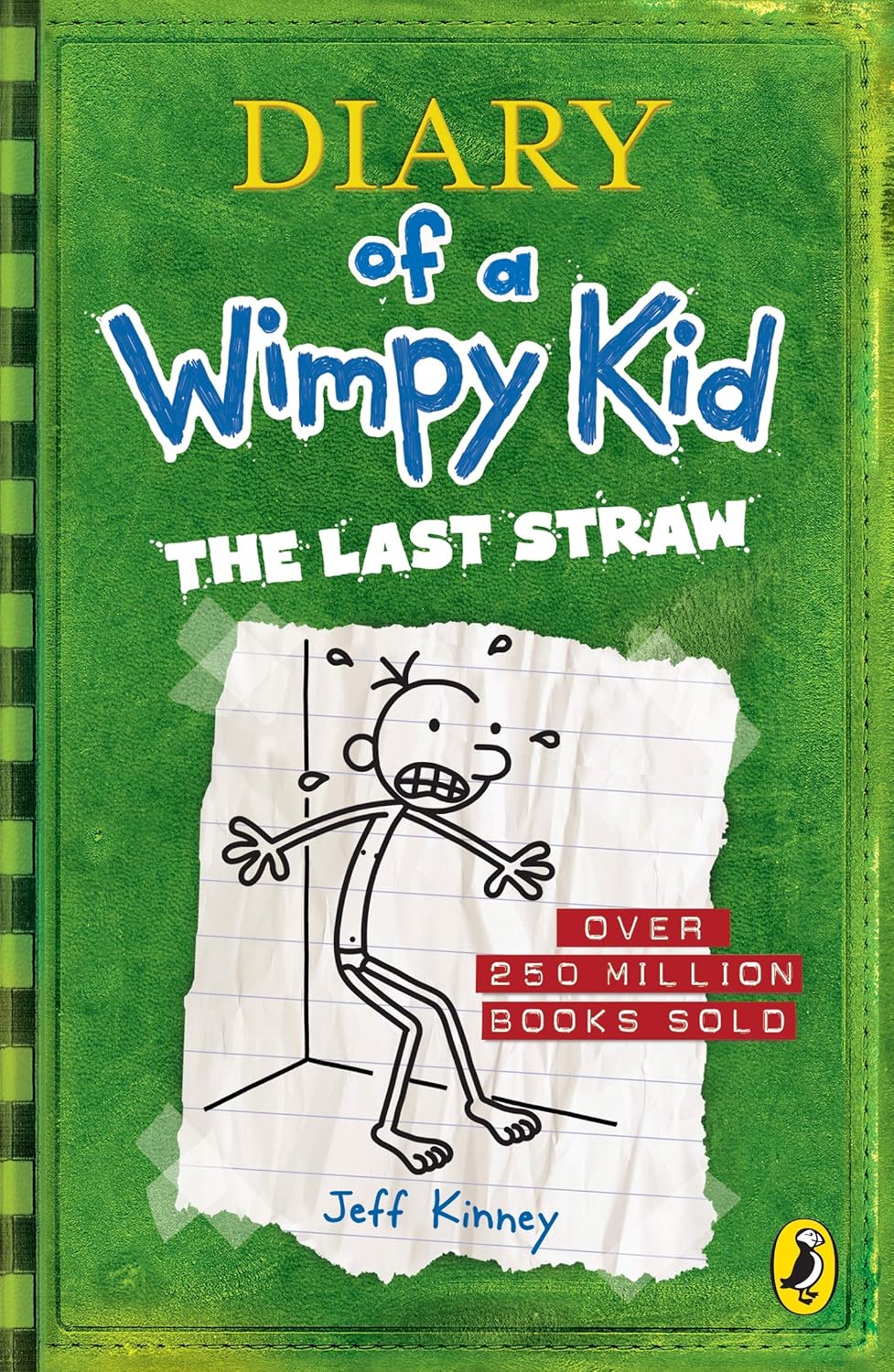
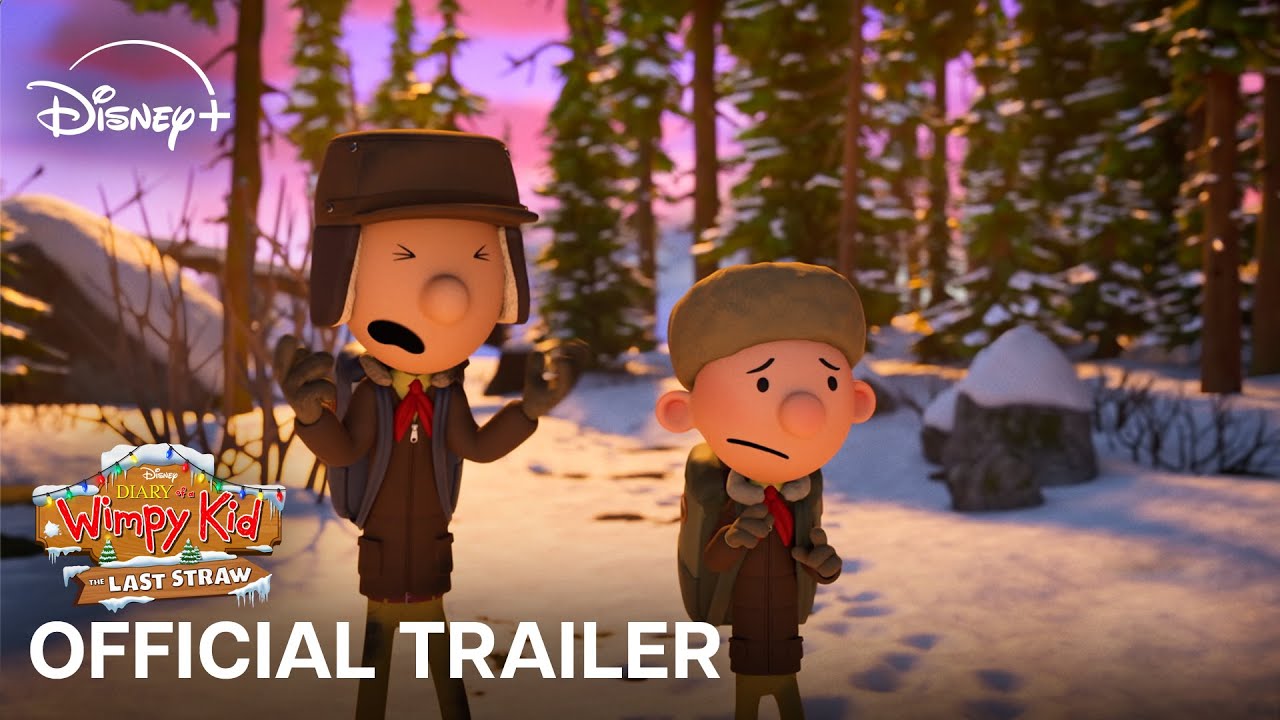
The Story in Brief
The Last Straw follows Greg Heffley as his family's patience with his laziness and schemes reaches a breaking point, culminating in a threat of military school that forces him to confront actual consequences. Kinney's third book in the Wimpy Kid series deepens the franchise's exploration of middle-school social hierarchy and parental frustration, moving beyond simple pranks into genuine family conflict. The 2023 film adaptation arrives at a cultural moment when the books remain a generational touchstone for kids navigating the minefield of adolescence, making this comparison essential for understanding how visual comedy either amplifies or dilutes Kinney's carefully calibrated cringe humor.
| Character | In the Book | In the The Film |
|---|---|---|
| Greg Heffley Brady Noon |
Greg is a scheming, self-absorbed narrator whose internal monologue reveals his complete lack of self-awareness about his own failures. Kinney's text shows Greg constantly rationalizing his laziness and blaming external circumstances, making him both pathetic and oddly sympathetic through pure honesty. | Brady Noon captures Greg's desperation with physical comedy that the book can only describe—his panicked expressions and fumbling attempts at manipulation become visual gags. The film leans harder into Greg as a fundamentally decent kid in over his head, softening some of the book's harsher self-loathing. |
| Frank Heffley Chris Diamantopoulos |
Frank is a distant, work-obsessed father who communicates primarily through frustration and threats. The book portrays him as genuinely exasperated by Greg's behavior, with little warmth or understanding, making military school feel like a genuine possibility rather than an empty threat. | Diamantopoulos plays Frank with more comedic timing and underlying affection, turning him into a sympathetic figure who genuinely wants to connect with his son. The film softens Frank's edges while keeping his exasperation intact, creating a more three-dimensional parent. |
| Susan Heffley Natasya Halim |
Susan is the well-meaning but ineffectual mother who tries to keep the family together through optimism and forced activities. She's often the target of Greg's schemes and rarely gets the upper hand, existing primarily as an obstacle to his plans. | The film gives Susan more agency and humor, positioning her as the family's actual moral center. She becomes less of a punchline and more of a character with her own frustrations and boundaries, making her threats about Greg's behavior feel earned. |
| Rowley Jefferson Ethan William Poult |
Rowley is Greg's best friend and constant victim—naive, eager to please, and completely oblivious to how badly Greg treats him. The book's humor often comes from Rowley's innocent acceptance of Greg's schemes and manipulation. | Poult plays Rowley with more awareness of his own worth, giving him moments where he stands up for himself. The film's Rowley is still loyal but less of a doormat, creating a more balanced friendship dynamic that feels less cruel. |
| Manny Heffley Wyatt Vezi |
Manny is Greg's spoiled younger brother, portrayed as a manipulative brat who gets away with everything because he's the baby of the family. Greg's resentment of Manny's favoritism is a constant thread in the novel. | The film keeps Manny's bratty energy but adds more physical comedy to his scenes. His relationship with Greg becomes slightly less antagonistic, with moments of actual sibling bonding that the book doesn't explore. |
Key Differences
The film makes Frank Heffley a sympathetic protagonist, not just an antagonist
In Kinney's novel, Frank is almost entirely unseen—a distant authority figure whose military school threat looms without ever becoming fully real. The book is told entirely from Greg's perspective, so Frank remains a caricature of parental frustration, defined only by his exasperation and ultimatums. His motivations are never explored; he's simply the force pushing Greg toward consequences.
Pearson's film gives Frank genuine screen time and emotional depth, turning him into a character with his own arc. We see Frank struggling to connect with his son, attempting activities together, and genuinely worried about Greg's future. This shift transforms the story from a one-sided comedy about a kid avoiding responsibility into a family drama about generational miscommunication. The film's Frank is still frustrated, but his frustration becomes sympathetic rather than tyrannical.
The film expands the military school threat from abstract fear into concrete possibility
Kinney's novel treats military school as a distant, almost mythical punishment—Greg fears it in theory, but the book never makes it feel truly imminent. The threat functions as motivation for Greg's schemes but remains largely in his head, part of his catastrophizing tendency. Readers never quite believe it will happen because Greg's narration doesn't allow for genuine consequences.
The 2023 film makes military school a tangible, researched option that Frank and Susan seriously consider. We see brochures, hear specific details about the program, and watch the family actually visit the campus. This grounds the central conflict in reality rather than anxiety, making Greg's eventual growth feel earned rather than arbitrary. The film's version of the threat is scarier precisely because it's specific and real.
The film softens Greg's cruelty to Rowley, making their friendship less transactional
In The Last Straw, Greg's manipulation of Rowley reaches new heights—he uses his best friend repeatedly, lies to him constantly, and shows genuine contempt for Rowley's naivety. Kinney's humor comes from the reader's complicity in finding this cruelty funny, recognizing the petty selfishness of middle school. The book never asks Greg to feel guilty about his treatment of Rowley; it simply documents it.
The film includes moments where Greg actually cares about Rowley's feelings and where Rowley stands up for himself with dignity. While the film keeps the comedic dynamic of their friendship, it adds genuine affection and mutual respect. This makes the story less about a selfish kid exploiting his friend and more about two awkward kids navigating friendship together. It's a more optimistic reading of middle school that loses some of Kinney's satirical edge but gains emotional authenticity.
The film adds visual comedy that the book's illustrations can only suggest
Kinney's novel relies on Jeff Kinney's own illustrations to provide visual humor—stick figures in embarrassing situations, sight gags rendered in simple drawings. The text itself is relatively sparse, trusting the illustrations to carry much of the comedy. This creates a unique reading experience where the illustrations are essential to the humor, not supplementary.
Pearson's film translates these moments into full physical comedy, with actors performing the gags that Kinney could only sketch. Brady Noon's facial expressions, the choreography of Greg's schemes, and the visual timing of jokes all become cinematic rather than illustrated. This gains immediacy and performance-based humor but loses the participatory quality of imagining these scenes yourself. The film's comedy is broader and more slapstick, while the book's humor is more intimate and reader-dependent.
The film restructures the narrative around family reconciliation rather than individual survival
Kinney's novel is structured as a series of escalating schemes and failures, with Greg constantly trying to avoid consequences and maintain his social status. The book's ending is ambiguous about whether Greg has actually learned anything; he survives the threat of military school, but his fundamental character remains unchanged. The narrative arc is cyclical rather than redemptive.
The 2023 film builds toward genuine family reconciliation and mutual understanding. While Greg still makes mistakes, the film frames his journey as learning to see his parents as people rather than obstacles. Frank and Susan also learn to understand Greg's perspective and anxieties. This creates a more traditional narrative arc with clear character growth and emotional resolution. The film's ending suggests that all parties have changed, while the book's ending suggests that Greg has simply survived another crisis.
Should You Read First?
The book remains the essential experience—Kinney's illustrations are integral to the humor, and his first-person narration creates an intimacy that film can't replicate. The novel's cringe comedy works precisely because you're trapped inside Greg's head, complicit in his schemes and self-deception. Reading the book first lets you appreciate how Pearson's film makes different thematic choices, particularly in rehabilitating Frank Heffley and emphasizing family reconciliation over individual survival.
That said, the film is genuinely effective on its own terms and doesn't require the book as prerequisite. If you're watching with kids who haven't read the series, the film works as a standalone story about middle school anxiety and family conflict. But for adults familiar with Kinney's work, reading the book first highlights how the film softens the book's satirical edge in favor of emotional warmth—a trade-off that's defensible but worth understanding.
The 2023 film wins because it deepens what the book only sketches. Pearson takes Kinney's premise—a kid facing real consequences for the first time—and expands it into a genuine family drama where every character grows. The film's Frank Heffley is a revelation, transforming the book's distant authority figure into a sympathetic parent struggling to connect with his son. While the film loses some of Kinney's satirical bite and the participatory humor of the illustrations, it gains emotional authenticity and thematic coherence. This is an adaptation that understands its source material well enough to improve upon it.