The Story in Brief
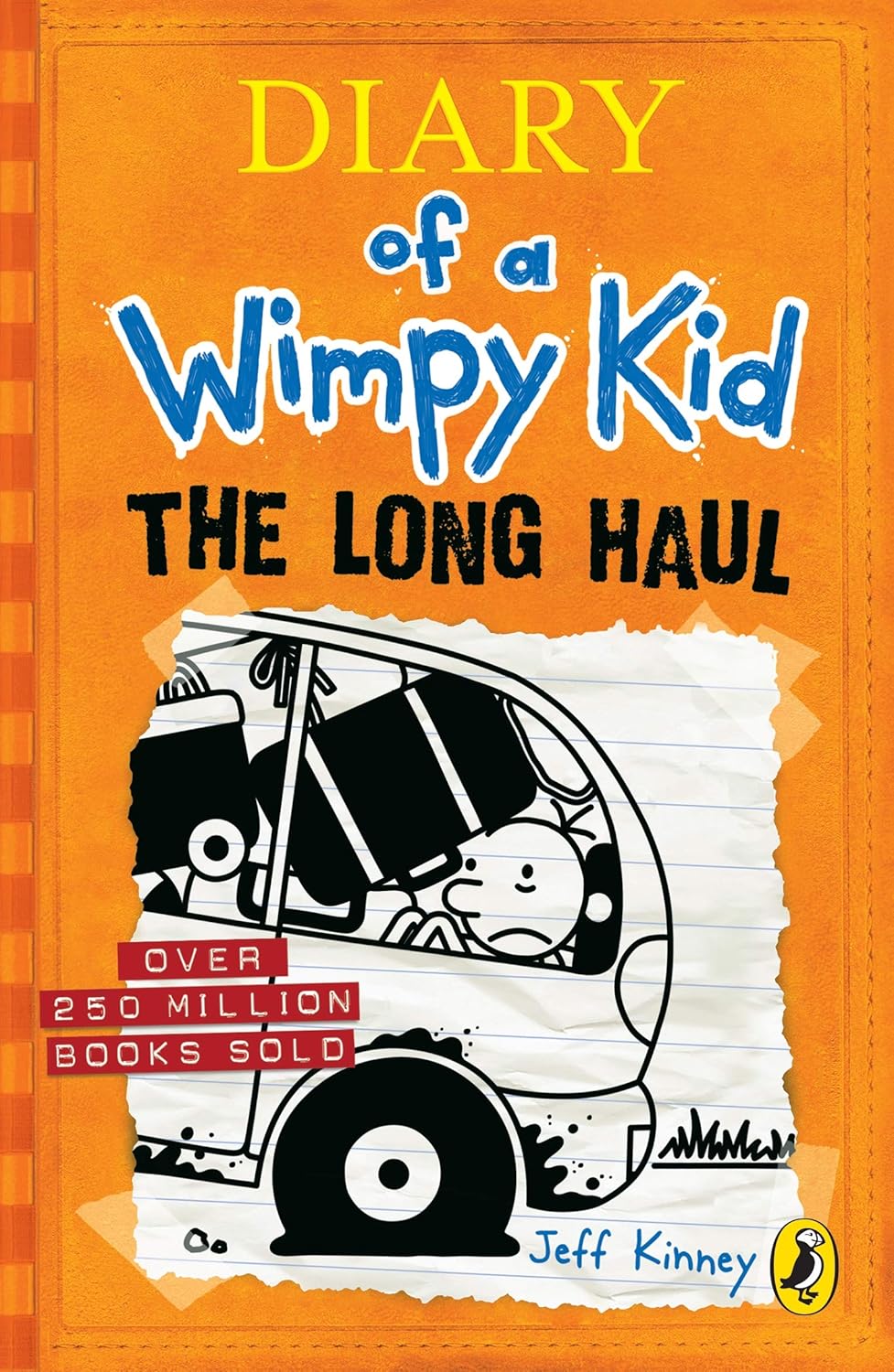
Greg Wimpy Heffley navigates the treacherous social landscape of middle school, armed only with his journal, his best friend Rowley, and a desperate desire to become popular. Kinney's 2007 debut became a phenomenon because it nailed the specific humiliation of adolescence—the small social catastrophes that feel apocalyptic to a twelve-year-old but are genuinely funny to readers of all ages.
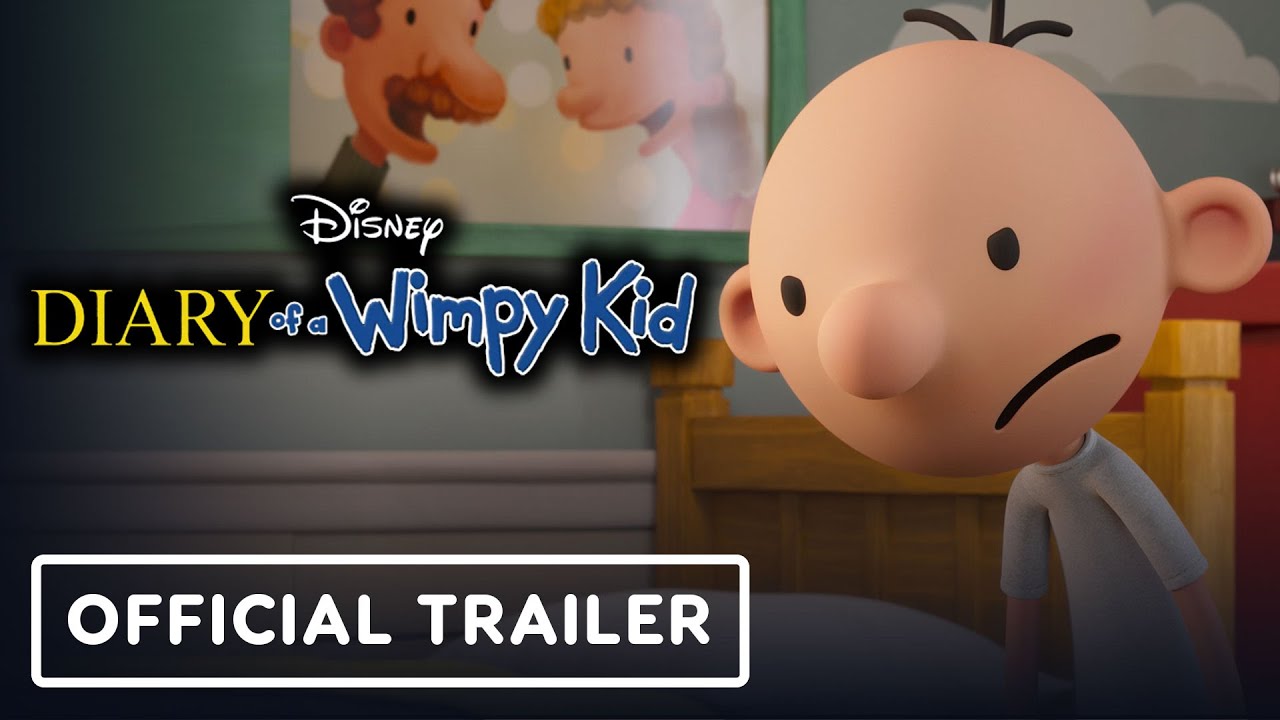
The 2010 film adaptation stars Zachary Gordon as Greg and attempts to translate the illustrated novel's intimate first-person voice into live-action comedy. Director Thor Freudenthal faced an inherent challenge: a diary is inherently internal, visual gags are inherently external. The film's solution was to amplify the physical comedy and reduce the psychological insight that made the book resonate.
This comparison matters because it reveals the fundamental tension between literary humor and cinematic humor. The book's power lies in Greg's unreliable narration and his obliviousness to his own failures. The film needs visual proof of those failures. One medium asks us to imagine the mortification; the other shows it to us.
| Character | In the Book | In the The Film |
|---|---|---|
| Greg Heffley Zachary Gordon |
Greg is an unreliable narrator obsessed with popularity and social status, constantly scheming and rationalizing his own failures. His voice is the entire appeal—we see his delusions, his cruelty disguised as self-preservation, and his complete inability to understand why people don't like him. The humor comes from his internal contradictions. | Gordon plays Greg as a more sympathetic, physically comedic protagonist. The film softens Greg's selfishness and makes him more of a traditional underdog. His schemes play out as slapstick sequences rather than internal monologues, and we're meant to root for him rather than laugh at his self-deception. |
| Rowley Jefferson Robert Capron |
Rowley is Greg's best friend and frequent victim—loyal but naive, often the target of Greg's manipulation and social climbing. The book's humor partly derives from Greg's contempt for Rowley masked as friendship, and Rowley's genuine affection for someone who doesn't deserve it. | Capron's Rowley is more conventionally endearing and less of a patsy. The film plays their friendship straighter, reducing the darker comedy of Greg's exploitation. Rowley gets more sympathetic moments and fewer humiliating ones, which softens the book's edge. |
| Angie Steadman Chloe Moretz |
Angie is the object of Greg's desire and a popular girl who barely registers his existence. She represents the unattainable status symbol that drives much of Greg's social maneuvering. Her indifference is complete and devastating. | Moretz plays Angie with more personality and screen time than the book provides. The film gives her actual scenes and dialogue, transforming her from a symbol of social aspiration into a character. This makes the film more conventionally romantic but less satirical about Greg's delusions. |
| Rodrick Heffley Devon Bostick |
Greg's older brother is a constant source of torment and humiliation at home. Rodrick represents the next tier of social hierarchy that Greg both fears and wants to emulate. Their dynamic is one of genuine sibling antagonism with no sentimentality. | Bostick's Rodrick is meaner and more cartoonish, played for broader laughs. The film leans into slapstick bullying rather than the book's more psychologically accurate portrait of sibling cruelty. Their relationship has more physical comedy and less emotional complexity. |
| Frank Heffley Steve Zahn |
Greg's father appears primarily through Greg's dismissive observations. He's a well-meaning but clueless parent whose attempts to connect with his son are awkward and ineffectual. The book's humor partly comes from Greg's contempt for his father's earnestness. | Zahn plays Frank as a more actively comedic figure, participating in slapstick sequences and physical gags. The film gives him more screen time and makes him a source of humor rather than just the butt of Greg's internal jokes. He's warmer and less pathetic than his literary counterpart. |
Key Differences
The book's first-person voice is replaced by external slapstick
Kinney's genius is his unreliable narrator. We see Greg's schemes, his rationalizations, his complete blindness to his own failures. The humor is internal—we laugh at what Greg doesn't understand about himself. The film cannot sustain this. Live-action comedy needs physical proof, visible consequences, exaggerated reactions.
Freudenthal compensates by turning every social failure into a pratfall. Greg doesn't just embarrass himself at a school dance—he falls down. He doesn't just fail to impress Angie—he gets covered in food. The film trades psychological humor for visual humor, which is a legitimate choice but fundamentally changes the comedy's source.
The film softens Greg's selfishness and makes him sympathetic
In the book, Greg is genuinely unlikeable. He manipulates Rowley, abandons him when it's socially convenient, lies constantly, and shows no real growth or self-awareness. The humor depends on this. We're laughing at his delusions and his cruelty, not rooting for him.
The film needs Greg to be likeable enough to carry a feature. So it reduces his worst impulses, gives him more moments of genuine friendship with Rowley, and frames his social climbing as endearing rather than contemptible. By the end, the film has turned Greg into a traditional underdog protagonist. The book never lets him off that hook.
Supporting characters are expanded and given more agency
The book's supporting cast exists primarily as Greg's observations. They're flat because Greg sees them flatly. Angie is just a symbol of status. Rodrick is just a source of torment. The parents are just obstacles. This flatness is intentional—it mirrors how middle schoolers actually perceive each other.
The film gives these characters actual scenes, dialogue, and motivations. Angie gets personality. Rodrick gets backstory. The parents get comedic moments. This makes the film more conventionally entertaining but less satirical. It's a film about middle school rather than a film that captures the actual psychology of being a middle schooler.
The book's illustrated format is replaced by conventional cinematography
Kinney's illustrations are integral to the book's appeal. They're crude, expressive, and they anchor the comedy in a specific visual style. The drawings make Greg's voice feel authentic—this is how a twelve-year-old would draw himself. The illustrations also provide visual gags that don't require explanation.
The film has no equivalent. It's shot like a conventional family comedy, which means it needs to establish everything through dialogue and action. The film loses the book's distinctive visual identity and becomes just another kids' movie. The illustrations were part of the book's genius; their absence is a significant loss.
The film adds a redemptive arc that the book deliberately avoids
The book ends with Greg essentially unchanged. He's still scheming, still manipulating, still delusional about his own social status. There's no growth, no lesson learned, no redemption. This is what makes it funny and honest—middle school doesn't transform you into a better person; it just teaches you to hide your worst impulses better.
The film gives Greg a redemptive arc. By the end, he's learned the value of friendship and authenticity. He's grown as a person. This is narratively satisfying and emotionally resonant, but it's not what the book does. The film turns a cynical comedy about the futility of social climbing into an inspirational story about finding yourself. It's a fundamentally different story.
Should You Read First?
Read the book first. Kinney's illustrated novel is the definitive version of this story, and its first-person voice is irreplaceable. The book's humor depends on understanding Greg's complete lack of self-awareness, and that voice is what makes the story work. The film is entertaining enough as a family comedy, but it's a different, less interesting story.
The book is also shorter and more accessible. It's genuinely funny for both kids and adults because it captures something true about middle school—the specific mortification of being twelve. The film is funny in a more conventional way, which means it's less likely to resonate with you years later. The book stays with you because it's honest about how awful and ridiculous adolescence actually is.
The book wins decisively. Kinney's illustrated novel captures the psychology of middle school humiliation in a way that live-action comedy simply cannot match. The film is entertaining and well-made, but it's fundamentally a different story—one that softens Greg's character, amplifies slapstick, and adds a redemptive arc that the book deliberately avoids. The book's power lies in its unreliable narrator and its refusal to let Greg off the hook. The film needs to make him likeable, which destroys the comedy's source. For anyone who cares about what makes the original funny, the book is the only version that matters.