The Story in Brief
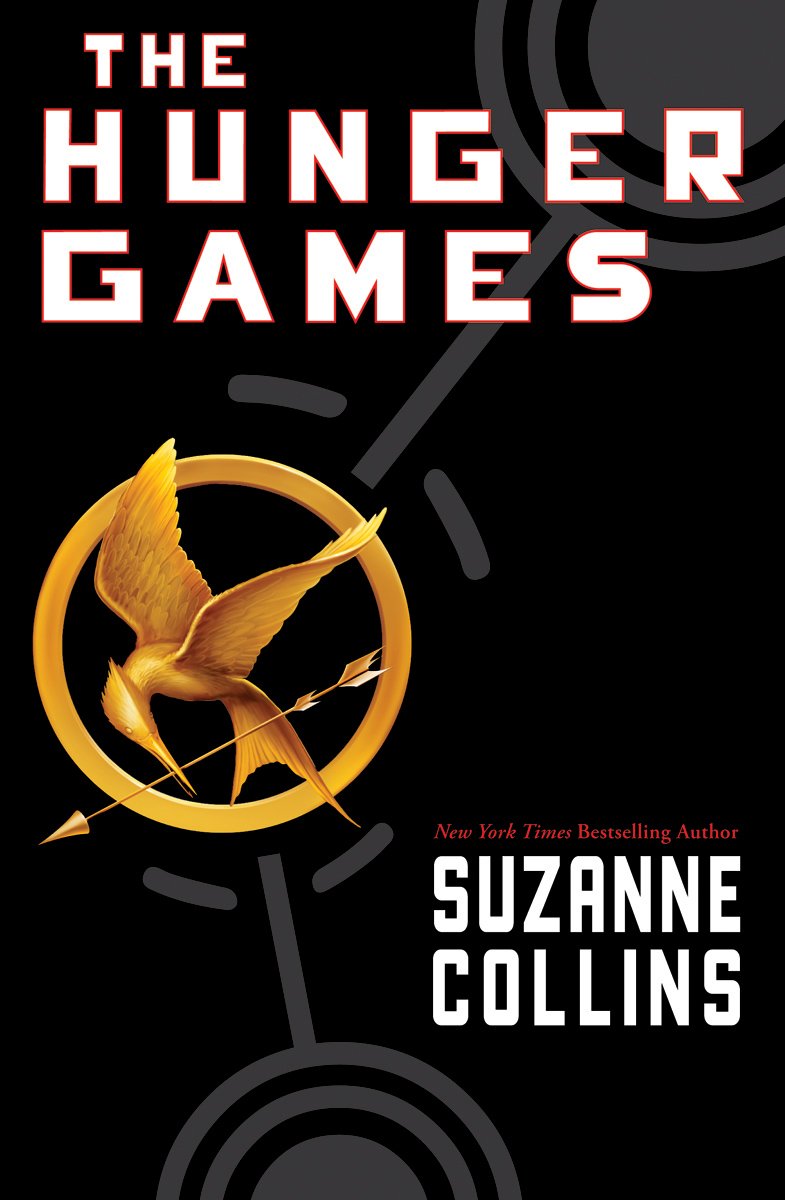
Suzanne Collins's The Hunger Games introduced readers to Panem, a dystopian nation where the totalitarian Capitol forces children from its twelve districts into an annual televised death match. Katniss Everdeen, a sixteen-year-old from District 12, volunteers to compete in place of her sister, igniting a narrative that functions simultaneously as survival thriller, political allegory, and coming-of-age story. The 2012 film adaptation, directed by Gary Ross, arrived at a cultural moment when YA dystopias dominated publishing and Hollywood was desperate to replicate Twilight's box-office alchemy.
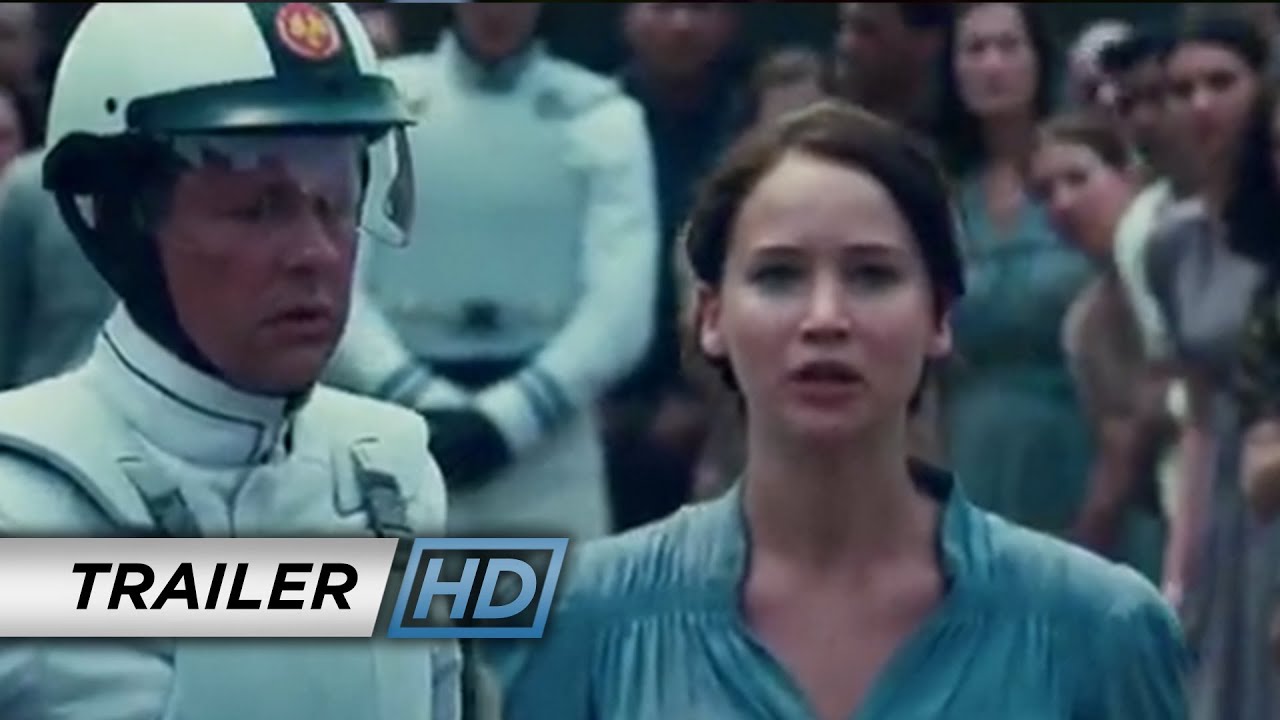
What makes this comparison essential is not whether the film "stayed faithful" — it did, largely — but how the medium shift fundamentally altered the story's power. Collins wrote Katniss as an unreliable narrator trapped in her own head, paranoid and calculating. The film had to externalize that interiority, and in doing so, created something the book never quite achieved: a protagonist who feels genuinely dangerous rather than merely traumatized. Jennifer Lawrence's performance, combined with Gary Ross's decision to show the Capitol's perspective and the Gamemakers' control room, reframed Collins's narrative from a first-person survival story into a political thriller about spectacle and manipulation.
This is a rare case where the adaptation doesn't diminish the source material — it completes it.
| Character | In the Book | In the The Films |
|---|---|---|
| Katniss Everdeen Jennifer Lawrence |
Katniss is a paranoid, calculating survivor whose first-person narration reveals constant suspicion and strategic thinking. She's emotionally guarded, traumatized by poverty and her father's death, and views the Games as a tactical problem to solve rather than a moral catastrophe. Collins emphasizes her isolation and the gap between her public persona and private thoughts. | Lawrence's Katniss is visibly fierce and physically commanding, with a coiled intensity that reads as danger rather than mere survival instinct. The film strips some of her paranoia in favor of showing her as a symbol—the Mockingjay—whose power lies in her ability to inspire rather than merely endure. Her vulnerability feels earned rather than defensive. |
| Haymitch Abernathy Woody Harrelson |
Haymitch is a drunk, cynical former victor whose advice is cryptic and often delivered through alcohol-fueled haze. He's a mentor figure defined by his damage and his refusal to be sentimental about the Games. His relationship with Katniss is transactional and guarded. | Harrelson's Haymitch retains the cynicism but gains unexpected warmth and paternal concern. The film shows his strategic brilliance more clearly and allows moments of genuine connection with Katniss. He becomes less a cautionary tale and more an ally. |
| Peeta Mellark Josh Hutcherson |
Peeta is a cipher in the novel—Katniss suspects his emotions, questions his sincerity, and struggles to distinguish performance from authenticity. His love confession at the Reaping is treated with ambiguity; readers share Katniss's uncertainty about whether it's genuine or strategic. | The film commits to Peeta's sincerity more decisively, using Hutcherson's earnest performance to make his feelings read as genuine from the start. This removes much of the book's ambiguity about whether their romance is real or manufactured for sponsors. |
| President Snow Donald Sutherland |
Snow appears minimally in the first novel, described through Katniss's limited perspective and Capitol broadcasts. He's a distant threat, more concept than character—the embodiment of authoritarian control. | Sutherland's Snow is a fully realized antagonist with screen presence and menace. The film gives him scenes that establish his intelligence and cruelty directly, making him a tangible villain rather than an abstract force. His white beard and rose become visual signatures of power. |
| Rue Amandla Stenberg |
Rue is a young tribute from District 11 whose alliance with Katniss is strategic but develops genuine emotional weight. Her death is devastating precisely because it shatters Katniss's attempt to keep the Games clinical and survivalist. | Stenberg's Rue carries the same emotional impact, but the film's visual language—particularly the mockingjay pin and the flowers—amplifies the scene's symbolic power. Her death becomes a turning point that explicitly politicizes Katniss rather than merely traumatizing her. |
Key Differences
The book traps you in Katniss's paranoia; the film shows you the machinery of control.
Collins's novel is relentlessly first-person. Readers experience the Games through Katniss's limited perspective, never seeing the Gamemakers' control room, never hearing Capitol commentary, never understanding how the spectacle is constructed. This creates a claustrophobic, survival-focused narrative where the political dimensions are implied rather than shown. The reader, like Katniss, is kept in the dark about how thoroughly manipulated the Games are.
Gary Ross's film makes a deliberate choice to cut away from Katniss and show us the Gamemakers, the Capitol audience, and the mechanics of the broadcast. This transforms the story from a first-person survival thriller into a political thriller about spectacle and control. We see Snow watching, we see the control room adjusting fire patterns, we see the Capitol's reaction to Katniss's defiance. The film is more overtly about how totalitarian systems weaponize entertainment—a theme present in the book but far more explicit on screen.
The book's ambiguity about Peeta's feelings becomes the film's romantic certainty.
In Collins's novel, Katniss spends the entire Games questioning whether Peeta's love confession was genuine or strategic. She suspects manipulation, wonders if he's performing for sponsors, and remains uncertain even after the Games end. This ambiguity is central to the book's exploration of authenticity in a world built on performance. Readers share Katniss's paranoia and her inability to trust.
The film resolves this ambiguity almost immediately. Josh Hutcherson's performance and the film's narrative choices make it clear to the audience that Peeta's feelings are genuine, even if Katniss doesn't fully believe it. This shifts the emotional core from 'Can anyone be trusted?' to 'Will they admit they love each other?' It's a more conventional romantic arc and arguably less interesting thematically, but it makes the film more emotionally accessible to audiences who might find the book's sustained uncertainty frustrating.
The book keeps the Capitol abstract; the film makes it visually grotesque.
Collins describes the Capitol through Katniss's observations—the fashions, the accents, the casual cruelty—but the novel's focus remains on the Games themselves. The Capitol is a threat and a backdrop, but not a fully realized world. Readers understand it intellectually but don't viscerally experience its excess and decadence.
Ross's film uses production design, costuming, and cinematography to make the Capitol grotesque and overwhelming. The makeup, the wigs, the architecture, the food—everything is designed to be visually repellent and alien. This makes the class divide between the Capitol and the districts feel more visceral and immediate. The film's Capitol is not just authoritarian; it's obscene. This visual strategy strengthens the film's political argument about inequality and spectacle, even as it simplifies the book's more subtle approach to world-building.
The book emphasizes survival strategy; the film emphasizes symbolic power.
The Hunger Games novel is fundamentally about how Katniss thinks her way through the arena. She calculates water sources, tracks other tributes, uses fire as a weapon, and treats the Games as a problem-solving exercise. The narrative is tactical and pragmatic. Even her act of defiance at the end—the berries—is presented as a survival strategy that happens to have political consequences.
The film reframes these same events as symbolic acts. Katniss's fire becomes a statement. Her refusal to kill becomes a moral stance. The mockingjay pin becomes a symbol of rebellion before it becomes a plot device. The film is more interested in what Katniss represents than in how she survives. This makes the film more overtly political but potentially less grounded in the immediate, visceral reality of the Games themselves.
The book's violence is psychological; the film's violence is visual and edited for ambiguity.
Collins describes the bloodbath at the Cornucopia in clinical detail—Katniss sees tributes die, understands the mechanics of killing, and processes the trauma through her internal monologue. The violence is real and specific, filtered through her perspective. Readers understand exactly what she witnesses and how it affects her.
The film uses quick cuts, shaky camera work, and strategic editing to show violence without showing it clearly. The Cornucopia scene is chaotic and disorienting; we see blood and bodies but not the precise mechanics of death. This approach makes the violence feel more intense and overwhelming while also creating distance—we experience the chaos Katniss experiences without the clinical clarity of the novel. It's a different kind of violence: more visceral but less specific, more about the feeling of danger than the reality of death.
Should You Read First?
Read the book first. Collins's first-person narration and sustained paranoia establish the emotional foundation that the film builds upon. The novel's interiority—Katniss's constant calculation, her distrust of everyone around her, her inability to distinguish performance from authenticity—creates a psychological depth that the film can only approximate through performance and editing. Understanding how the Games feel from inside Katniss's head makes the film's external perspective more powerful by contrast.
That said, the film is not diminished by being second. If you watch the film first, you'll still appreciate the book's deeper exploration of trauma, manipulation, and the cost of survival. But the book-first approach gives you the paranoia and interiority that make the film's visual spectacle feel like a revelation rather than a simplification.
The Hunger Games is a rare adaptation that doesn't choose between fidelity and transformation—it does both. Gary Ross's film honors Collins's narrative while making deliberate, defensible choices about what the medium can do better: showing the machinery of control, visualizing the Capitol's grotesqueness, and using Jennifer Lawrence's physical presence to embody a protagonist who feels genuinely dangerous. The book remains superior in its psychological depth and sustained ambiguity, but the film is not a lesser version of the book—it's a different, equally valid interpretation that completes what the novel only implies. Both are essential.