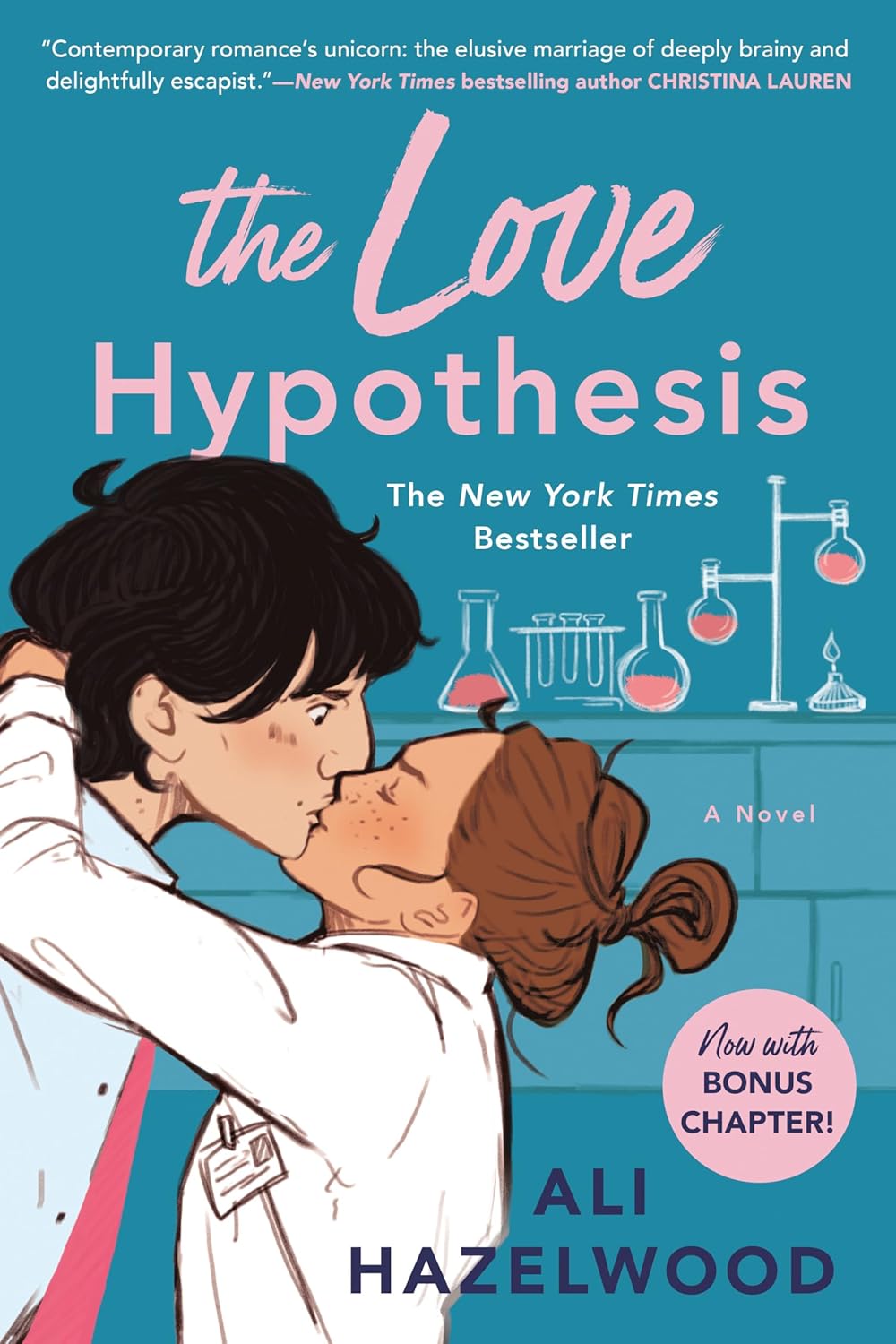
The Story in Brief
Olive Smith is a PhD candidate in Stanford's biology program drowning in academic pressure and romantic humiliation. When she lies to her mother about having a boyfriend, she's forced to recruit Adam Carlsen, a brilliant postdoc in her lab, to pose as her partner at a family wedding. What begins as a transactional fake-dating arrangement spirals into genuine feelings, workplace complications, and the messy reality of blurring professional and personal boundaries.
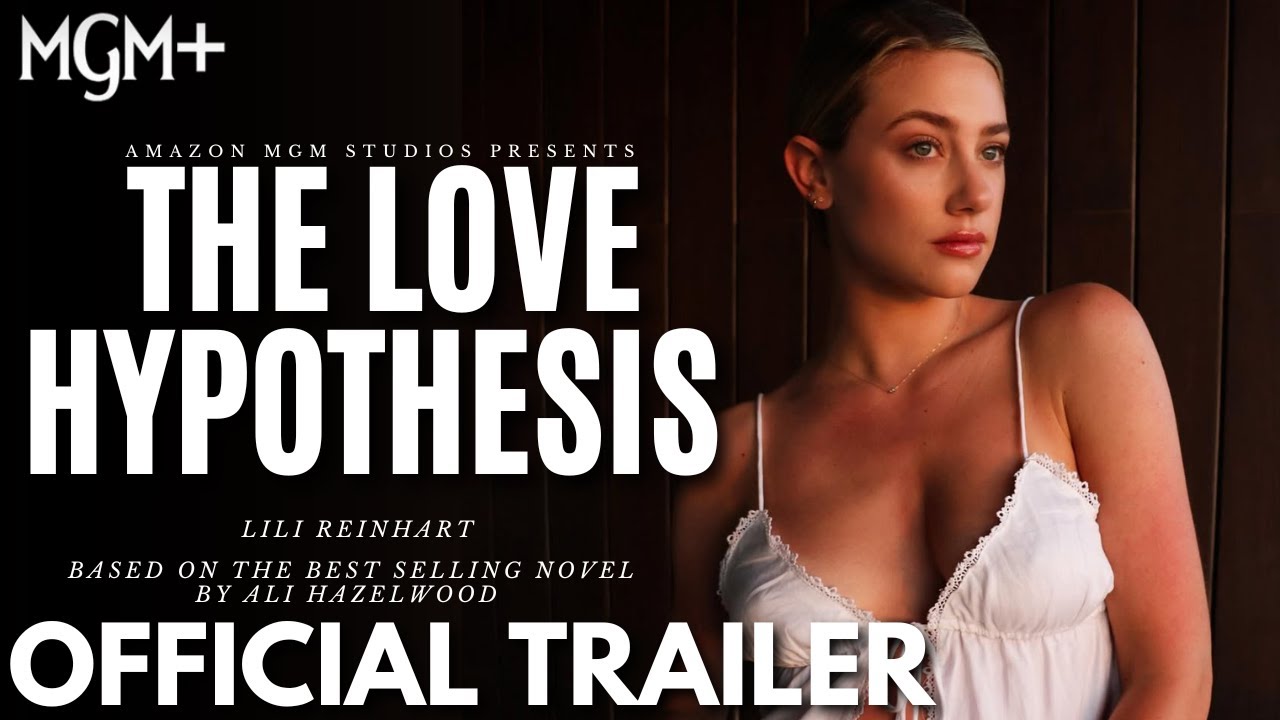
Ali Hazel's 2021 debut novel became a BookTok sensation, beloved for its witty banter, authentic portrayal of academic anxiety, and the particular chemistry of two people who already know each other's minds before their hearts catch up. The 2023 film adaptation, directed by Justin Baldoni, arrived with considerable expectations from a devoted fanbase—and promptly disappointed by sanding down the novel's sharper edges into something safer and more conventionally romantic.
This comparison matters because it reveals how contemporary romance adaptations often mistake accessibility for improvement, trading the specific vulnerabilities that made the book resonate for a glossier, more universally palatable product that ultimately feels less honest.
| Character | In the Book | In the The Film |
|---|---|---|
| Olive Smith Cristin Milioti |
Olive is a neurotic, self-aware PhD candidate whose anxiety manifests as defensive humor and catastrophic overthinking. She's deeply insecure about her romantic failures but intellectually confident in her research, creating a compelling tension between her professional competence and personal doubt. Her voice is sharp, self-deprecating, and often painfully honest about her own flaws. | Milioti's Olive is softer and more conventionally endearing—her anxiety reads as quirky charm rather than genuine psychological struggle. The film smooths her rougher edges and makes her more immediately likable, sacrificing the book's uncomfortable honesty about how smart people can still be emotionally self-sabotaging. |
| Adam Carlsen Jack Schreiber |
Adam is a reserved, intensely focused postdoc whose emotional guardedness stems from genuine trauma and family dysfunction. He's not emotionally unavailable by nature but by necessity—a man who has learned that vulnerability costs too much. His attraction to Olive is rooted in her intelligence and her ability to see through his carefully constructed walls. | The film's Adam is a more straightforward romantic lead—charming, emotionally available, and lacking the book's sense of genuine psychological damage. Schreiber plays him as conventionally attractive and likable rather than as someone who has had to build armor against the world. |
| Anh Vu Ali Stroker |
Olive's best friend and fellow PhD candidate, Anh is her emotional anchor and the voice of reason who isn't afraid to call Olive out on her self-destructive patterns. Their friendship is built on years of shared academic struggle and mutual understanding of the particular loneliness of graduate school. | Anh becomes a more decorative supporting character, present for comedic moments but stripped of the depth that made her essential to Olive's emotional journey in the novel. The film reduces her to a best-friend archetype rather than a fully realized person. |
| Olive's Mother Sasha Alexander |
Olive's mother is well-meaning but emotionally intrusive, her constant questions about Olive's romantic life rooted in genuine concern but expressed as relentless pressure. She represents the generational gap between immigrant expectations and American individualism. | The film softens the mother into a more sympathetic figure, reducing the genuine tension between Olive's need for independence and her mother's need for reassurance. The cultural specificity of the novel's family dynamics gets diluted into generic parental concern. |
Key Differences
The Novel Treats Academic Anxiety as Central; the Film Treats It as Backdrop
In Hazel's novel, Olive's PhD program isn't just the setting—it's the psychological crucible that shapes every decision she makes. Her anxiety about her research, her advisor's expectations, and her uncertain future in academia creates genuine stakes that make the fake-dating arrangement feel like a necessary escape valve for someone under unbearable pressure. The novel understands that for many people, graduate school is a form of controlled crisis, and Olive's romantic life becomes entangled with her professional survival in ways that feel urgent and real.
Baldoni's film treats the academic setting as window dressing for a more conventional rom-com setup. Olive's PhD becomes a plot device rather than a psychological reality. The film removes the specific details about her research, her advisor's criticism, and the genuine fear of academic failure that drives her character in the novel. By doing so, it strips away the book's most distinctive element—the particular vulnerability of someone whose self-worth is tied to intellectual achievement.
The Book's Fake-Dating Premise Has Real Consequences; the Film's Is Consequence-Free
Hazel's novel understands that lying about a relationship in an academic setting creates genuine professional and personal complications. Olive and Adam's deception threatens their credibility in the lab, creates ethical questions about their working relationship, and forces them to confront the difference between performing intimacy and actually being intimate. The fake-dating arrangement isn't just a cute setup—it's a moral problem that the characters have to reckon with.
The film's version of fake-dating is essentially consequence-free. There's no real sense that their lie could damage their careers, their reputations, or their professional standing. The stakes flatten into purely romantic ones—will they fall for each other?—rather than exploring the messier question of what happens when you blur professional and personal boundaries in a workplace where power dynamics already exist. The film treats the premise as a rom-com mechanism rather than as a genuine ethical dilemma.
The Novel Explores Vulnerability as Weakness; the Film Presents It as Endearing
One of the novel's most distinctive qualities is its refusal to make Olive's emotional struggles cute or palatable. She's genuinely self-sabotaging, genuinely anxious, and genuinely difficult in ways that don't get neatly resolved by finding the right person. Hazel writes Olive's vulnerability as something that costs her—it makes her make bad decisions, it makes her push people away, and it makes her question whether she's capable of being in a healthy relationship. The book doesn't soften this; it sits with the discomfort.
The film transforms Olive's anxiety into quirky charm—her overthinking becomes endearing, her self-doubt becomes relatable in a safe way, and her emotional struggles get resolved through the power of romantic love. Milioti plays Olive as someone whose vulnerability is ultimately charming rather than genuinely costly. The film wants us to find her struggles sympathetic, but it doesn't want us to find them actually uncomfortable or challenging. This is the fundamental difference between a novel that trusts its readers to sit with complexity and a film that wants to be universally liked.
The Book Uses Humor as Defense Mechanism; the Film Uses It as Entertainment
In the novel, Olive's humor is a survival tool—she jokes to deflect from genuine pain, she uses wit as a shield against intimacy, and her comedic voice is inseparable from her anxiety. When she makes a joke, it's often because vulnerability feels too dangerous. This creates a particular kind of tension where the reader understands that her humor is both genuine and protective, both authentic and performative.
The film's humor is purely comedic—it exists to entertain the audience rather than to reveal character psychology. Baldoni stages the funny moments for maximum laughs rather than for maximum insight into Olive's emotional state. The result is that the film is often funnier in a conventional sense, but it's less interesting psychologically. The humor doesn't do the work of character development; it just provides relief from the romantic plot.
The Novel Ends with Uncertainty; the Film Ends with Resolution
Hazel's novel ends with Olive and Adam together, but with a genuine sense that they're both still figuring out how to be vulnerable with another person. The ending feels earned but not guaranteed—these are two people who have learned to let their walls down, but the work of actually being in a healthy relationship is just beginning. There's a bittersweet quality to the ending that acknowledges that love doesn't solve the underlying issues that made both characters so defended in the first place.
The film's ending is more traditionally romantic—it suggests that Olive and Adam have solved their problems by choosing each other. The implication is that love is the answer, that vulnerability becomes easy once you've found the right person, and that the complications that made the book interesting have been neatly resolved. This is a more satisfying ending in a conventional sense, but it's less honest about how relationships actually work and what it actually costs to let someone in.
Should You Read First?
Read the novel first. Hazel's book is the superior version because it trusts its readers to sit with genuine complexity and psychological specificity rather than smoothing everything into feel-good predictability. The novel's Olive is a fully realized person with contradictions and flaws that don't get neatly resolved, and her anxiety about her academic future is as central to her character as her romantic struggles. The book understands that smart people can be emotionally self-sabotaging, and it doesn't apologize for making that uncomfortable.
The film is worth watching after the book, but primarily as a case study in how contemporary romance adaptations often mistake accessibility for improvement. Baldoni's version is competently made and occasionally charming, but it's fundamentally less interesting because it's less willing to challenge its audience. If you go into the film expecting the book's psychological depth and character complexity, you'll be disappointed. If you go in expecting a conventional rom-com with some academic window dressing, you'll probably enjoy it. The book deserves to be experienced first because it's the version that actually has something to say.
The Love Hypothesis novel wins decisively. Hazel's book is a genuine exploration of how academic anxiety and romantic vulnerability intersect in the lives of people whose self-worth is tied to intellectual achievement. The novel trusts its readers to sit with uncomfortable truths about how smart people sabotage themselves emotionally, and it refuses to make Olive's struggles cute or easily resolvable. Baldoni's film, by contrast, is a safer, sunnier version that trades psychological specificity for broad appeal. It transforms Olive's genuine anxiety into quirky charm, strips the fake-dating premise of its ethical complications, and ends with the suggestion that love solves everything. The film is competently made and occasionally entertaining, but it's fundamentally less interesting because it's less willing to challenge its audience or sit with complexity. For readers who loved the book, the film will feel like a diminishment. For viewers coming to the story fresh, it's a perfectly pleasant rom-com that happens to be based on a much better book.