
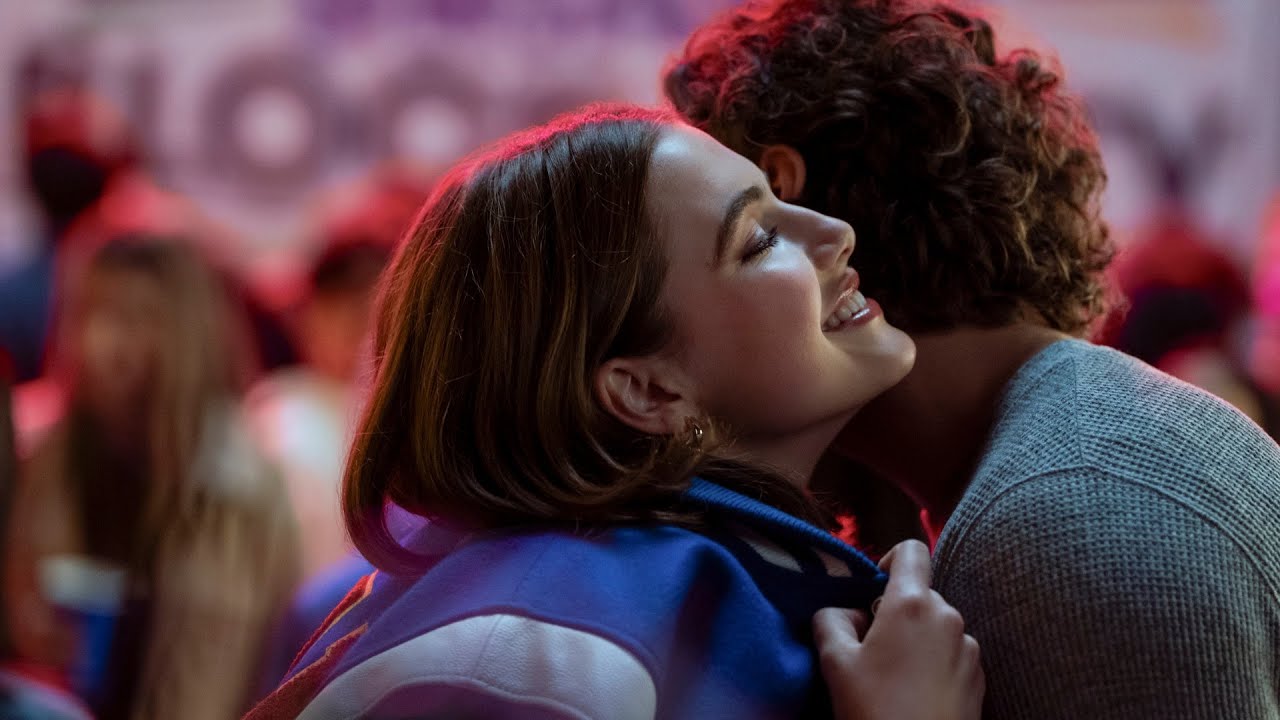
The Story in Brief
Elle Kennedy's The Deal follows Hannah Wells, a music major at fictional Briar University who needs tutoring help from Garrett Graham, the campus hockey star. Their arrangement is transactional: he'll help her pass ethics if she'll pretend to be his girlfriend to make his ex jealous. What starts as a fake relationship becomes real as both characters navigate trauma, ambition, and the vulnerability required for actual intimacy.
Published in 2015 as the first installment of Kennedy's Off-Campus series, The Deal became a phenomenon in the New Adult romance space, spawning countless imitators and cementing the hockey romance subgenre. The novel's success lies in its balance of steam and substance — Kennedy gives Hannah a sexual assault backstory that she handles with care, while Garrett's jock exterior conceals genuine emotional intelligence. The book popularized tropes that now dominate BookTok: the cinnamon roll hero, the friends-to-lovers arc, the found family of teammates.
Amazon Prime's 2026 series adaptation faces the challenge of translating Kennedy's internal character work to screen while maintaining the chemistry that made readers obsessed. The question isn't whether the series will be faithful — it's whether it can capture the specific texture of Kennedy's dialogue and the earned intimacy that makes The Deal more than just another college romance.
| Character | In the Book | In the The Series |
|---|---|---|
| Hannah Wells Ella Bright |
Hannah is a music major recovering from sexual assault, written with interiority that Kennedy refuses to simplify. Her journey isn't about being fixed by Garrett — it's about reclaiming agency over her body and her choices. Kennedy gives Hannah sharp dialogue and genuine ambition beyond romance, making her refusal of victimhood feel earned rather than performative. | Bright's Hannah translates the character's vulnerability to screen through physical performance rather than voiceover. The series expands Hannah's music storyline, giving her performance scenes that the novel only references. Early footage suggests Bright leans into Hannah's defensive humor as armor, though whether the adaptation will trust the audience with her trauma arc without over-explaining remains to be seen. |
| Garrett Graham Belmont Cameli |
Garrett is Kennedy's blueprint for the cinnamon roll hero — a hockey captain who cooks, communicates, and never pressures Hannah sexually. He's written as aspirational rather than realistic, but Kennedy sells it through specificity: his terrible singing, his obsession with his stats, his genuine confusion when Hannah assumes he's shallow. The novel makes his emotional intelligence feel like character rather than authorial wish fulfillment. | Cameli brings physicality to Garrett that the novel can only describe, making the hockey scenes visceral rather than abstract. The series reportedly expands Garrett's relationship with his father and his anxiety about his NHL prospects, giving Cameli dramatic material beyond supportive boyfriend. The challenge will be maintaining Garrett's softness without making him seem implausible as a Division I athlete. |
| Justin Kohl TBA |
Justin is Garrett's best friend and roommate, written as the comic relief player who gets his own book later in the series. In The Deal, he exists primarily to give Garrett someone to talk to and to provide contrast — Justin's casual approach to relationships highlights Garrett's unexpected romanticism. Kennedy uses him sparingly but effectively. | The series expands Justin's role significantly, giving him his own subplot that sets up future seasons. This is standard adaptation logic — ensemble casts need multiple storylines — but it risks diluting the central Hannah-Garrett focus that makes the novel work. Justin's increased presence could provide necessary breathing room or become a distraction from the main romance. |
| Allie Hayes TBA |
Allie is Hannah's best friend and roommate, serving as confidante and occasional voice of reason. Kennedy writes her as supportive without being a doormat, someone with her own life who still shows up when Hannah needs her. She's functional rather than fully developed, though Kennedy gives her enough personality to feel like a real friend rather than a plot device. | Like Justin, Allie gets expanded screentime in the series, with her own romantic subplot introduced earlier than in the book series. This gives the adaptation a second couple to cut to when the main relationship needs space, but it also means inventing material that Kennedy didn't write. Whether this expansion enriches the world or just pads the runtime depends on execution. |
| Dean Heyward-Di Laurentis TBA |
Dean appears briefly in The Deal as another hockey player and Garrett's teammate, but he's primarily a setup for his own book later in the series. Kennedy introduces him as the brooding, complicated player who contrasts with Garrett's golden retriever energy. His presence in The Deal is minimal but establishes the ensemble that carries the series forward. | The adaptation brings Dean into the main storyline earlier, making him a more prominent presence in season one. This is smart franchise building — establishing characters who will lead future seasons — but it requires inventing scenes and dynamics that don't exist in Kennedy's first novel. Dean's expanded role could deepen the hockey team dynamics or feel like obvious sequel setup. |
Key Differences
The series invents a rival music student subplot that doesn't exist in Kennedy's novel
Kennedy's book keeps Hannah's music ambitions personal and internal — she's working through performance anxiety tied to her assault, but there's no external antagonist in her music program. The novel trusts that Hannah's internal struggle is dramatic enough without adding a competitive rival.
Amazon's adaptation adds a talented but cruel music student who challenges Hannah's position in the program, giving the series a secondary conflict beyond the romance. This is standard TV logic — shows need multiple storylines and external obstacles — but it risks making Hannah's journey about beating someone else rather than healing herself. The invented rivalry could provide necessary dramatic tension or undermine the novel's focus on internal growth.
Garrett's NHL anxiety becomes a major plot thread instead of background detail
In Kennedy's novel, Garrett's hockey career is important but not the source of sustained dramatic tension. He's good, he's going pro, and while he cares about his performance, the book doesn't manufacture artificial obstacles to his success. The hockey is context for who Garrett is, not the engine of the plot.
The series reportedly makes Garrett's draft prospects a season-long arc, with scouts, injuries, and competition for roster spots. This gives Cameli dramatic material beyond the romance and creates external stakes that the novel doesn't need. It's a defensible choice for adaptation — TV needs plot beyond will-they-won't-they — but it changes what kind of story The Deal is. Kennedy wrote a romance with a hockey player; the series is writing a hockey drama with romance.
Hannah's assault backstory gets a present-tense antagonist the novel wisely avoids
Kennedy handles Hannah's sexual assault history with restraint — it happened before the novel begins, the perpetrator isn't a character, and Hannah's healing isn't about confrontation or justice. The book focuses on Hannah reclaiming her sexuality and agency with Garrett, not on revenge or closure. Kennedy trusts that recovery is dramatic enough without making the assault itself into plot.
Early reports suggest the series brings Hannah's assaulter onto campus, creating present-tense conflict and the possibility of confrontation. This is understandable from a TV perspective — passive backstory is harder to dramatize than active threat — but it risks turning Hannah's trauma into a Very Special Episode. Kennedy's novel works because it's about moving forward, not about facing down the past. The series' choice to make the assault more present could provide catharsis or feel exploitative.
The fake dating premise gets compressed into two episodes instead of sustained tension
Kennedy's novel spends significant time on the fake relationship phase, letting readers watch Hannah and Garrett perform their arrangement while real feelings develop underneath. The fake dating isn't just a premise — it's the structure that allows both characters to be vulnerable without admitting it. Kennedy milks the trope for maximum tension before the inevitable shift to real.
The series reportedly moves through the fake dating setup quickly, with Hannah and Garrett acknowledging real feelings by episode three. This is practical for TV pacing — eight episodes can't sustain a will-they-won't-they that readers tolerate for 300 pages — but it changes the emotional math. The novel's pleasure is watching the characters lie to themselves; the series seems more interested in what happens after they stop pretending. Neither approach is wrong, but they're telling different stories about intimacy and timing.
The series adds a social media subplot that updates the 2015 setting to 2026 reality
Kennedy's novel predates the full saturation of social media in college life — characters text and use Facebook, but there's no Instagram, no TikTok, no constant documentation of relationships. The fake dating happens primarily in person, at parties and around campus, without the pressure of performing for an online audience.
Amazon's 2026 adaptation makes social media a major element, with Hannah and Garrett's fake relationship playing out across platforms and generating campus-wide attention. This is realistic updating — college students in 2026 live differently than in 2015 — but it changes the stakes and the privacy of their relationship. The novel's intimacy depends partly on Hannah and Garrett figuring things out away from public scrutiny. The series' social media focus could feel contemporary or intrusive, depending on how much it dominates the storytelling.
Should You Read First?
Read Kennedy's novel before the series drops. The Deal works because of interiority — Hannah's internal negotiation with her trauma, Garrett's private thoughts that reveal his emotional intelligence, the slow shift from performance to authenticity. Kennedy writes romance that trusts readers to sit with ambiguity and gradual change, and that texture doesn't survive translation to screen without the foundation of the text.
The series will likely be competent and watchable, but it's building on a novel that launched a subgenre for a reason. Kennedy's dialogue, her handling of consent and communication, her refusal to make Hannah's recovery simple — these are elements that work best on the page first. Watch the show after you understand why the book mattered, or you'll just see another college romance instead of the template that spawned a thousand imitators.
Too close to call until the series actually airs, but the novel has the advantage of existing. Kennedy's The Deal is a complete, successful work that knows exactly what it is — a romance that balances steam with substance and handles trauma without exploitation. Amazon's adaptation might match it, might even improve on elements that benefit from visual storytelling, but it's also making choices that shift the story's focus toward external drama and ensemble dynamics. The book wins on execution because it's finished; the series wins on potential because it has room to expand. Ask again in 2026.