The Story in Brief
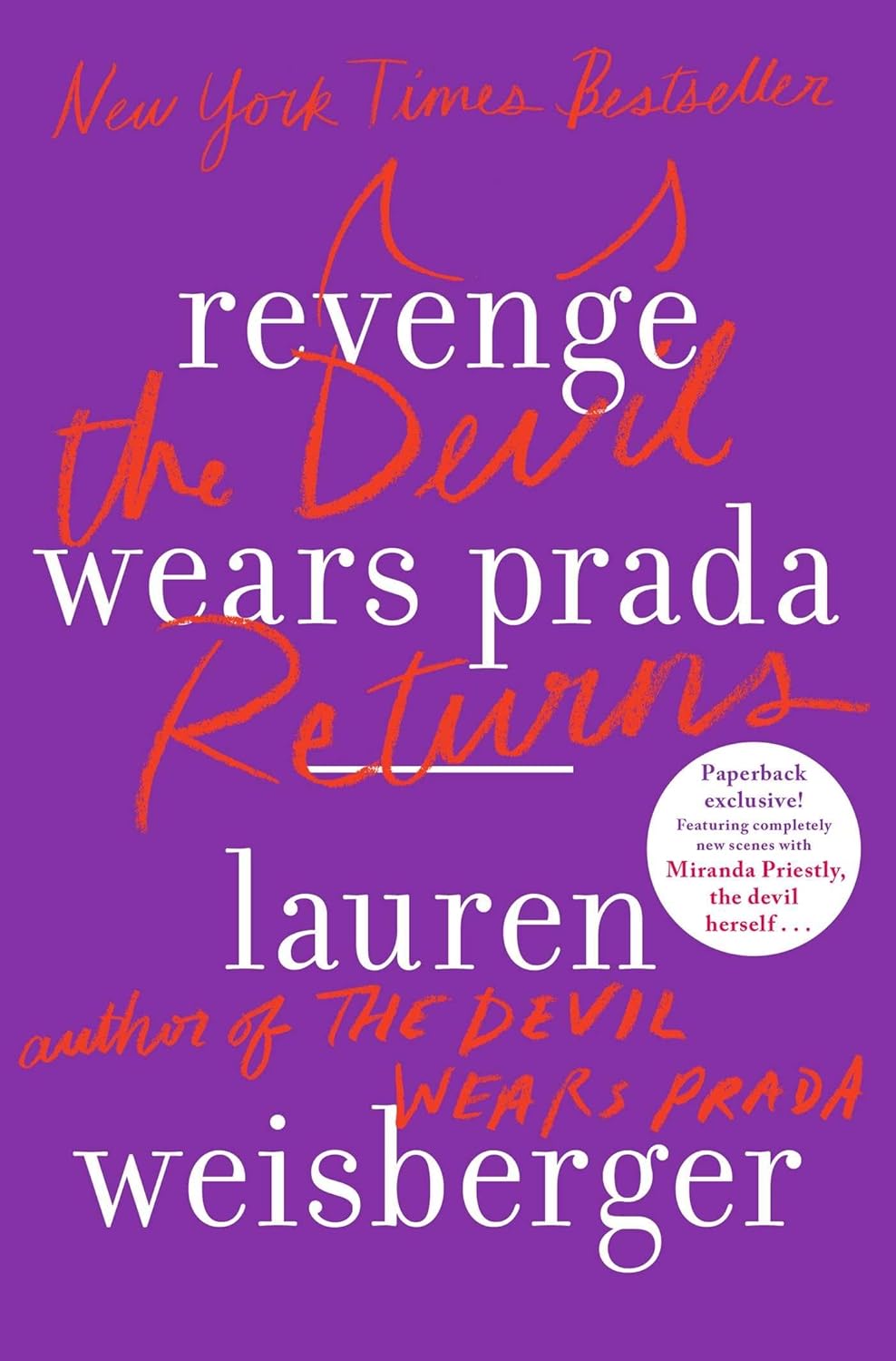
A decade after her escape from Runway magazine, Andy Sachs has built a respectable career as a journalist and a life away from the fashion world's tyranny. But when a scandal threatens her professional reputation and personal relationships, she's forced back into contact with Miranda Priestly — the woman who nearly destroyed her. Weisberger's 2013 sequel interrogates whether Andy ever truly left Runway behind, or whether its toxicity has simply metastasized into her adult life.
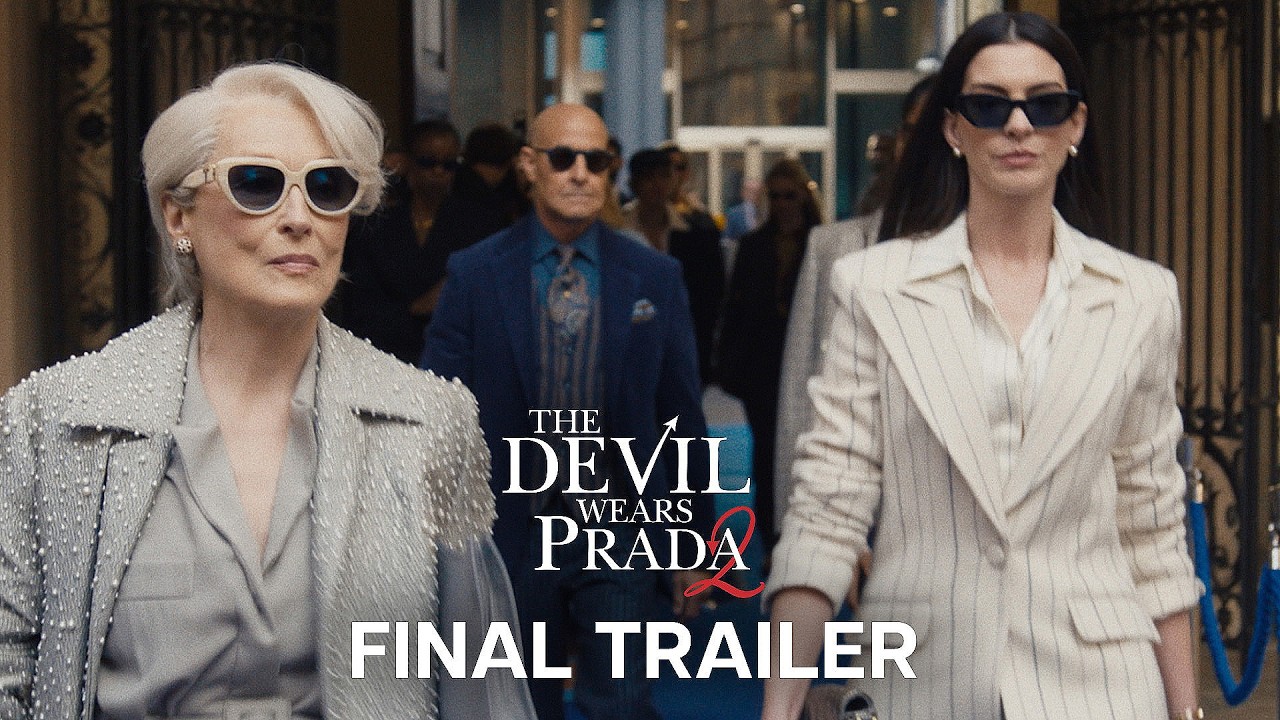
The 2026 film adaptation reunites the original cast while adding new complications: Miranda's own vulnerabilities, the rise of digital media, and the question of whether redemption is possible for either woman. This comparison matters because it tests whether a decade-old sequel can translate to screen, and whether the original's cultural moment — the post-2006 fashion industry — can be meaningfully updated for a streaming-era audience.
Both versions grapple with the same central tension: Is Andy's return to Runway a betrayal of her younger self, or a mature reckoning with the woman she became? The book and film diverge sharply on how they answer that question.
| Character | In the Book | In the The Film |
|---|---|---|
| Andy Sachs Anne Hathaway |
Andy is a conflicted professional in her mid-thirties, successful but spiritually hollow. Weisberger depicts her as someone who has intellectually rejected Runway but remains emotionally tethered to it, seeking validation through the very systems she claims to despise. Her internal monologue is relentless and self-aware, but her actions often contradict her stated values. | Hathaway plays Andy as visibly exhausted, her professional armor cracking at the edges. The film emphasizes her physical transformation — designer clothes, perfect hair — as a visual metaphor for her inability to escape Runway's gravitational pull. Her scenes with Streep crackle with unresolved tension, less introspection and more raw confrontation. |
| Miranda Priestly Meryl Streep |
Miranda is largely absent from the novel, appearing only in brief, devastating encounters. Weisberger keeps her as a phantom threat, a voice on the phone, a figure Andy must confront through intermediaries. She remains the architect of Andy's trauma, but the book denies readers direct access to her interiority. | Streep's Miranda is the film's revelation — a woman facing obsolescence in a digital age, clinging to power through increasingly desperate means. The film grants her scenes alone, moments of vulnerability that the book never permits. Streep transforms Miranda from antagonist into a tragic figure, someone whose cruelty stems from genuine terror about irrelevance. |
| Emily Charlton Emily Blunt |
Emily has matured into a successful fashion editor, but Weisberger uses her primarily as a plot device — someone Andy must navigate professionally and personally. She remains fundamentally self-interested, her loyalty to Andy always conditional on what Andy can provide her. | Blunt's Emily is given unexpected depth, portrayed as someone who genuinely thrived under Miranda's mentorship in ways Andy never could. The film suggests that Emily's ruthlessness isn't a character flaw but a survival strategy she learned from Runway. Her scenes with Andy carry genuine pathos rather than mere professional tension. |
| Nate Blakely Adrian Grenier |
Nate appears sporadically in the novel as a reminder of Andy's pre-Runway life, a man she left behind and never quite reconnected with. He represents stability and normalcy, but Weisberger portrays him as somewhat passive, waiting for Andy to choose him rather than actively fighting for their relationship. | The film either minimizes or eliminates Nate entirely, a significant structural choice that forces Andy to confront her isolation without the safety net of a romantic resolution. This absence makes the film's ending far more ambiguous and unsettling than the book's. |
| Donatella Versace Uncredited / Cameo |
Weisberger includes a scene where Andy encounters Donatella at a fashion event, a moment that underscores how thoroughly Andy has infiltrated the world she once despised. The encounter is brief and somewhat starstruck. | The film expands this into a more complex interaction, with Donatella serving as a mirror to Miranda — a woman who survived the fashion industry's brutality and emerged with her power intact. Their conversation becomes a commentary on female power and legacy. |
Key Differences
Miranda's Agency: From Phantom to Protagonist
In the novel, Miranda Priestly is almost entirely absent. Andy encounters her only through phone calls, brief meetings, and the lingering psychological damage of their original relationship. Weisberger keeps Miranda as a ghost, a voice that haunts Andy's professional life but remains fundamentally unknowable. The book is structured around Andy's internal struggle with her own complicity in Runway's toxicity.
The film inverts this entirely. David Frankel makes Miranda a co-protagonist, giving her scenes, motivations, and a genuine arc. Streep's Miranda is facing the obsolescence of print media, fighting to maintain relevance in a digital age, and increasingly desperate. This transforms the story from a personal reckoning into a tragedy about two women on opposite sides of a generational divide. The film's Miranda is sympathetic in ways the book's never permits.
The Digital Media Subplot: Book Ignores, Film Embraces
Weisberger's novel is fundamentally about print fashion journalism. Andy works for a traditional magazine, and the conflicts are rooted in the analog world of fashion weeks, print deadlines, and editorial hierarchies. The book feels somewhat dated precisely because it doesn't grapple with the digital disruption that was already reshaping media by 2013.
The film makes digital media central to its conflict. Miranda's Runway is threatened by Instagram influencers, TikTok fashion accounts, and the democratization of style criticism. This isn't just a plot update — it fundamentally changes the story's stakes. The film argues that Miranda's cruelty was a response to scarcity and gatekeeping, systems that no longer exist. Andy's return to Runway becomes not just a personal betrayal but a collision with an obsolete world.
Romantic Resolution: Book Provides, Film Withholds
The novel ends with Andy and Nate finding their way back to each other, suggesting that escape from Runway's toxicity is possible and that romantic stability awaits those who choose it. Weisberger's ending is hopeful, even if somewhat conventional. It implies that Andy's journey has taught her what matters and that she can now build a life outside the fashion industry's gravitational pull.
The film either eliminates Nate or reduces him to an absence, leaving Andy alone at the end. This is a far more unsettling choice. The film suggests that some damage is irreversible, that the question of whether Andy escaped Runway is ultimately unanswerable. The absence of romantic resolution makes the film's ending genuinely ambiguous — is Andy free, or has she simply accepted her imprisonment?
Female Mentorship vs. Female Antagonism
Weisberger's novel is structured around a binary: Miranda as villain, Andy as victim. The book explores Andy's complicity, but it ultimately frames their relationship as fundamentally adversarial. Emily exists in this framework as a secondary antagonist, someone who chose Runway over friendship.
The film complicates this binary significantly. It suggests that Miranda and Emily represent different survival strategies within a toxic system, not moral failures. The film explores whether women can mentor each other within patriarchal institutions, and whether the cruelty these women display is personal or structural. This is a more sophisticated argument than the book's, one that doesn't excuse the behavior but contextualizes it.
Tone: Satirical vs. Elegiac
The novel maintains the satirical tone of its predecessor, finding humor in fashion world absurdities and Andy's fish-out-of-water observations. Weisberger's prose is wry and self-aware, and the book never loses sight of the ridiculous aspects of high fashion. Even when addressing serious themes, the tone remains fundamentally comedic.
The film is far more elegiac. Frankel treats the fashion world with genuine melancholy, suggesting that even its absurdities are symptoms of deeper anxieties about power, relevance, and mortality. Streep's performance especially pushes the film toward tragedy. The humor remains, but it's darker, more tinged with sadness. The film mourns the world it depicts rather than simply mocking it.
Should You Read First?
The film stands entirely on its own — you don't need the book to understand the story, and Frankel's additions actually deepen the narrative in ways Weisberger's novel doesn't attempt. If you're familiar with the original Devil Wears Prada, the book provides useful context about Andy's career trajectory and internal state, but the film's Miranda is so thoroughly reimagined that the book's version feels almost irrelevant.
Read the book first only if you want to understand what Weisberger was attempting — a more conventional sequel about professional ambition and personal growth. But if you want the more interesting version of this story, watch the film. Frankel and Streep have created something the novel never quite achieves: a genuine tragedy about two women trapped in systems they can neither escape nor fully control.
The film wins decisively. Frankel takes Weisberger's serviceable sequel and transforms it into something far more ambitious — a meditation on power, obsolescence, and the impossibility of escape. By centering Miranda and making her sympathetic without excusing her, the film achieves a moral complexity the book never reaches. Streep's performance is the crucial difference; she makes Miranda a fully realized human being rather than a phantom threat. The novel's conventional ending and satirical tone feel quaint compared to the film's elegiac ambiguity and thematic depth.