The Story in Brief
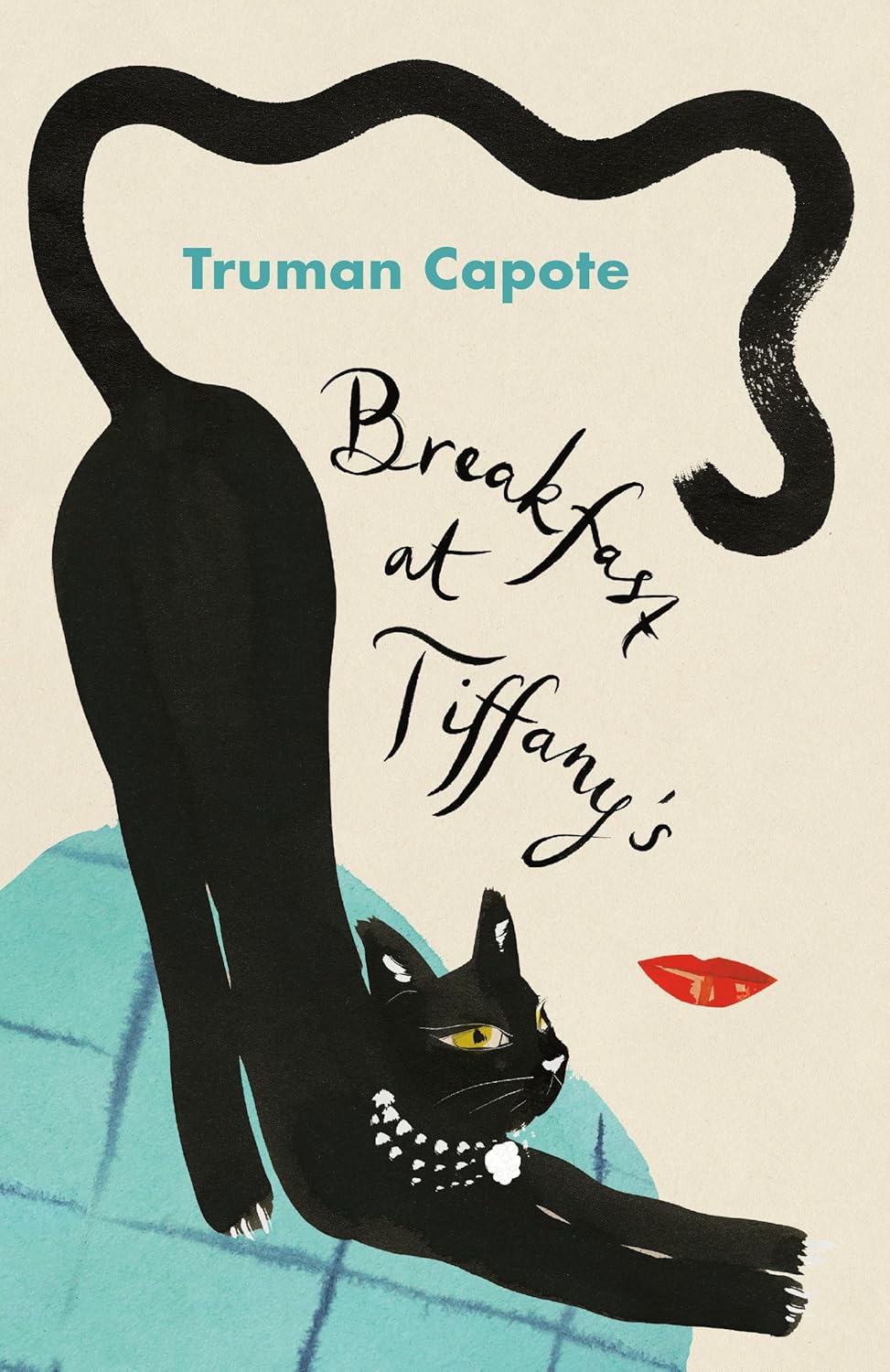
Truman Capote's 1958 novella introduces Holly Golightly through the eyes of an unnamed writer living in a Manhattan brownstone. Holly—born Lulamae Barnes in rural Texas—has reinvented herself as a Manhattan socialite who survives on fifty-dollar tips from escorts to El Morocco and weekly visits to mobster Sally Tomato at Sing Sing. The narrator becomes fascinated by her elusive charm, her Thursday trips to Tiffany's when she has "the mean reds," and her search for a place that feels like home.
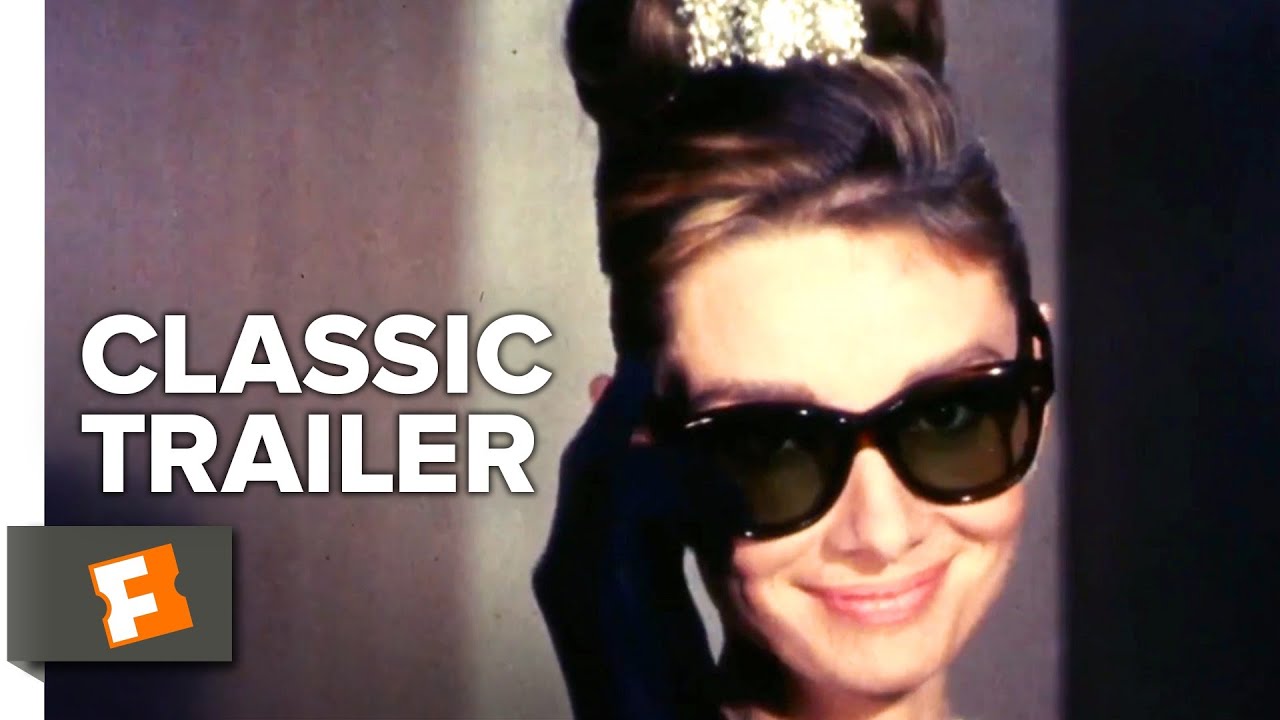
Blake Edwards' 1961 film transforms this melancholic character study into a romantic comedy starring Audrey Hepburn as Holly and George Peppard as Paul Varjak, a kept writer living upstairs. Screenwriter George Axelrod softened Holly's profession, added a love story, and replaced Capote's ambiguous ending with a rain-soaked kiss. The film earned five Oscar nominations and made Hepburn's little black dress iconic, though Capote—who wanted Marilyn Monroe—never forgave the casting.
The novella remains a cornerstone of postwar American literature, while the film endures as a style touchstone despite its deeply problematic yellowface portrayal of Mr. Yunioshi.
| Character | In the Book | In the The Movie |
|---|---|---|
| Holly Golightly Audrey Hepburn |
A nineteen-year-old call girl with a raw, unpolished sexuality who fled a child marriage in Texas and survives by accepting money from men. | A sophisticated, elegant party girl who receives "powder room" money from escorts, her profession sanitized into ambiguous companionship. |
| The Narrator / Paul Varjak George Peppard |
An unnamed gay writer who observes Holly with wistful fascination but no romantic interest, serving as witness to her life. | Paul Varjak, a straight struggling writer kept by wealthy decorator 2-E, who falls in love with Holly and pursues her romantically. |
| Doc Golightly Buddy Ebsen |
Holly's former husband from Texas who married her at fourteen when she was Lulamae Barnes; she abandoned him and her children. | Appears briefly to reclaim Holly, but the film downplays her past as a child bride and mother, making her seem more innocent. |
| José Ybarra-Jaegar José Luis de Villalonga |
A wealthy Brazilian politician Holly plans to marry, who abandons her after her arrest for involvement in Sally Tomato's drug ring. | A Brazilian diplomat who similarly abandons Holly, but the film gives Paul the chance to rescue her instead of letting her flee alone. |
| Sally Tomato Alan Reed |
A mobster at Sing Sing whom Holly visits weekly for $100, unknowingly passing drug messages through a "weather report" code. | Same role, but the film makes Holly seem more naive about the arrangement, protecting her innocence for 1961 audiences. |
Key Differences
The Narrator Becomes a Romantic Lead
Capote's unnamed narrator is a gay writer who observes Holly with detached fascination, never competing for her affection. He's a witness, not a participant—his sexuality ensures the story remains about Holly's search for belonging rather than romantic fulfillment.
The film transforms him into Paul Varjak, a kept man supported by decorator Emily Failenson (Patricia Neal), creating a parallel between his situation and Holly's. George Peppard plays Paul as conventionally masculine, and the entire narrative pivots toward their romance. The final scene—Paul chasing Holly through the rain, declaring "You belong to me!"—inverts Capote's point entirely. Holly's tragedy is that she belongs nowhere; Paul's declaration is precisely what she's been running from.
Holly's Profession Gets Sanitized
In the novella, Holly explicitly accepts money for sex and companionship. She visits men's apartments, receives fifty-dollar bills for "the powder room," and discusses her work matter-of-factly. Capote doesn't judge her—he presents her survival strategy in wartime New York with clear-eyed sympathy.
The 1961 Production Code forbade depicting prostitution, so screenwriter George Axelrod reimagined Holly as a party girl who receives vague "tips" from wealthy men. Hepburn's Holly seems more naive than mercenary, her financial arrangements left deliberately unclear. This softening makes her more palatable to mainstream audiences but erases the economic desperation that drives Capote's character. The book's Holly is a survivor; the film's Holly is a charming eccentric who happens to need money.
The Ending: Ambiguity Versus Resolution
Capote's novella ends with Holly fleeing to South America after her arrest, abandoning the narrator without goodbye. Years later, he sees a wooden carving in Africa that resembles her and wonders if she found what she was looking for. She never does find Cat, who disappears into Spanish Harlem. The ending is haunting and unresolved—Holly remains in motion, still searching.
Blake Edwards shoots the opposite ending. After Holly releases Cat in the rain, Paul convinces her to stop running. They find Cat in an alley, embrace in the downpour, and kiss as Henry Mancini's "Moon River" swells. It's romantic and satisfying, but it contradicts everything Capote wrote about Holly's inability to settle. Edwards later admitted the studio demanded a happy ending, and Axelrod delivered one that betrays the source material's melancholic truth.
Audrey Hepburn Versus Capote's Vision
Capote wanted Marilyn Monroe—someone with raw sexuality and working-class vulnerability. When Monroe's acting coach convinced her to decline, Paramount cast Audrey Hepburn, who brought elegance, sophistication, and a European refinement completely at odds with Capote's Texas runaway.
Hepburn's performance is iconic but fundamentally different. Her Holly is gamine and chic, singing "Moon River" on the fire escape with practiced grace. Capote's Holly is messy, unpolished, and desperate beneath her party-girl facade. Hepburn makes Holly aspirational; Capote made her tragic. The film's Holly is someone you want to be; the book's Holly is someone you pity and admire for surviving. Capote never forgave the casting, and watching both versions, you understand why.
Mr. Yunioshi: A Character the Film Should Have Cut
In Capote's novella, Mr. Yunioshi is a minor character—Holly's Japanese neighbor who occasionally complains about noise. He appears in perhaps two scenes, drawn without caricature or mockery.
The film expands him into a recurring comic relief character played by Mickey Rooney in yellowface, complete with prosthetic teeth, exaggerated accent, and slapstick pratfalls. Every appearance is meant to be funny—the angry Asian neighbor disrupted by Holly's parties. It's one of Hollywood's most notorious racial caricatures, and Blake Edwards later called it his biggest regret. The character serves no narrative purpose and actively damages the film's legacy. Modern viewers rightly find these scenes unwatchable, a stain on an otherwise stylish production.
Read the novella first if you want to understand what Capote actually wrote—a melancholic portrait of a woman who can't stop running. The book's Holly is darker, more sexually frank, and ultimately unknowable. The narrator's gay perspective keeps the focus on Holly's psychology rather than romantic resolution, and the ambiguous ending honors her restless spirit.
Watch the film first if you want the iconic images—Hepburn in Givenchy, "Moon River," the Tiffany's window. But know you're getting a Hollywood romance that contradicts Capote's intentions. The film is gorgeous and Hepburn is luminous, but it's a different story with a different Holly. Reading afterward will feel like meeting the real woman behind the glamorous facade.
Should You Read First?
Read the novella first if you want to understand what Capote actually wrote—a melancholic portrait of a woman who can't stop running. The book's Holly is darker, more sexually frank, and ultimately unknowable. The narrator's gay perspective keeps the focus on Holly's psychology rather than romantic resolution, and the ambiguous ending honors her restless spirit.
Watch the film first if you want the iconic images—Hepburn in Givenchy, "Moon River," the Tiffany's window. But know you're getting a Hollywood romance that contradicts Capote's intentions. The film is gorgeous and Hepburn is luminous, but it's a different story with a different Holly. Reading afterward will feel like meeting the real woman behind the glamorous facade.
Too Close to Call. Capote's novella is the superior work of literature—sharper, sadder, and more honest about Holly's desperation. But Hepburn's performance and Mancini's score created a cultural icon that transcends the source material. The book gives you the truth; the film gives you the dream. Both are worth experiencing, but they're telling different stories about the same woman.