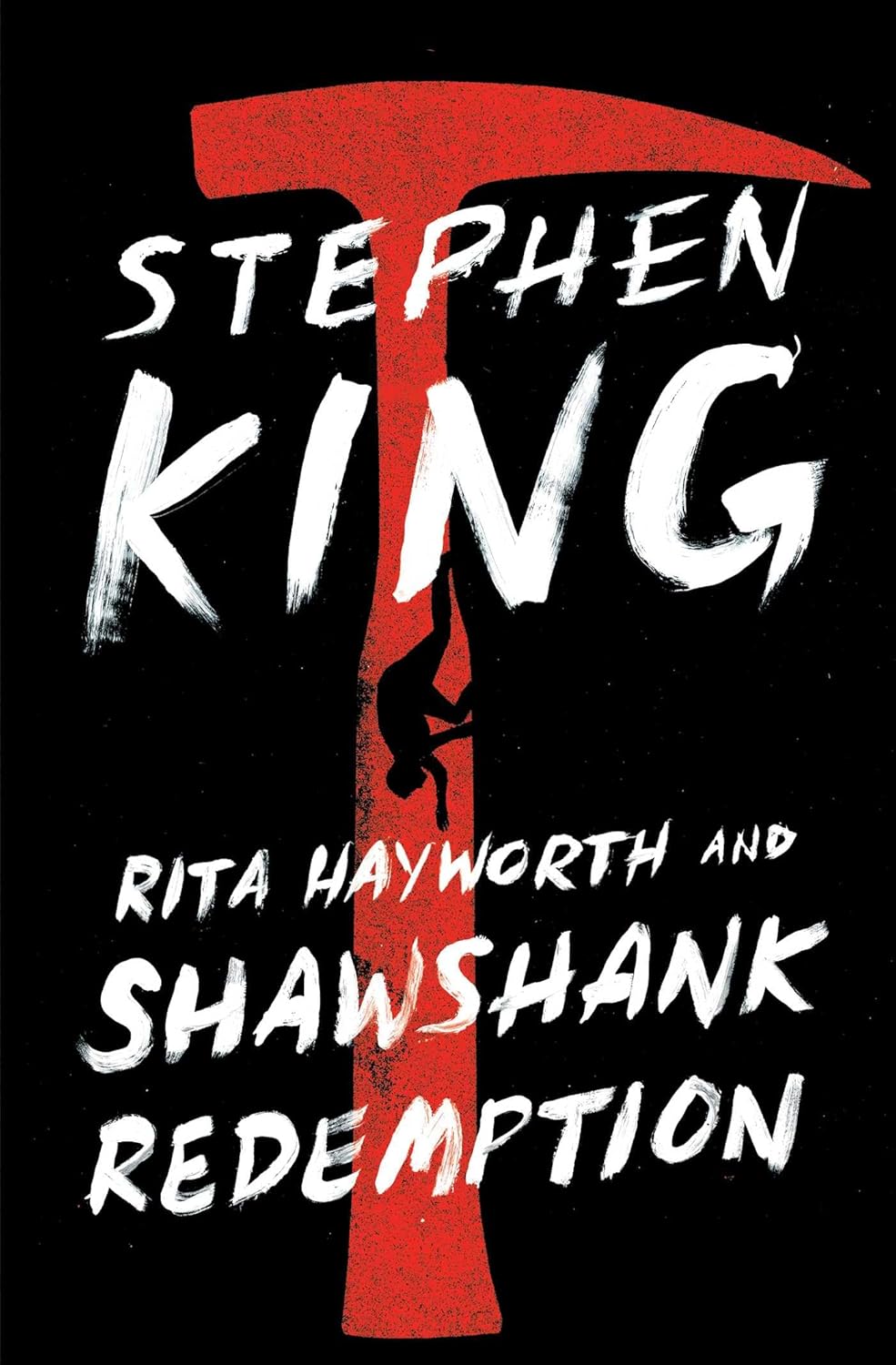
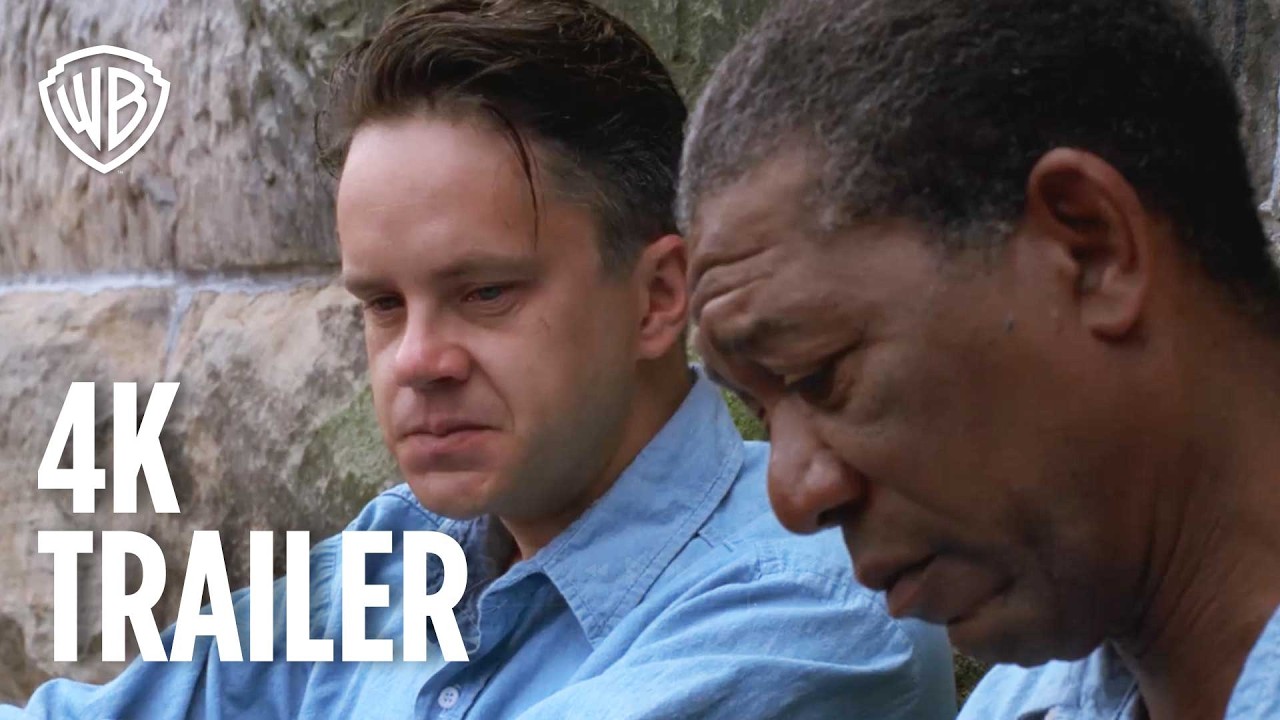
The Story in Brief
Stephen King's 1982 novella follows Andy Dufresne, a banker imprisoned for a crime he didn't commit, and his decades-long friendship with fellow lifer Red Murakami. It's a meditation on hope, institutional corruption, and the power of human connection to survive even the most dehumanizing circumstances. King's story became a cultural touchstone—not because of spectacle, but because it understands that redemption is quieter and more profound than any dramatic escape.
Frank Darabont's 1994 film adaptation is that rare beast: a movie that doesn't just honor its source material but crystallizes it. By stripping away King's narrative framing device and committing fully to visual storytelling, Darabont creates something that feels less like an adaptation and more like the novella's truest expression. This comparison matters because it demonstrates how fidelity to a story's emotional core sometimes requires departing from its literal structure.
| Character | In the Book | In the The Film |
|---|---|---|
| Andy Dufresne Tim Robbins |
Andy is presented primarily through Red's observations and memories, a somewhat enigmatic figure whose intelligence and composure are legendary among inmates. King's Andy is cerebral and patient, methodically planning his escape over years while maintaining an almost serene detachment from prison brutality. | Robbins portrays Andy with quiet intensity and barely concealed determination. The film shows rather than tells his genius—we watch him work, calculate, and endure. His vulnerability becomes visible in specific moments (the opera scene, his breakdown), making his stoicism feel earned rather than mysterious. |
| Red Murakami Morgan Freeman |
Red is the novella's narrator and moral center, a pragmatist who has accepted his life sentence and found meaning in small trades and friendships. He's cynical about hope but becomes its unlikely evangelist through his relationship with Andy. | Freeman's Red is the film's emotional anchor, his narration providing warmth and wisdom without overwhelming the visual narrative. Freeman adds layers of pain and longing beneath Red's surface pragmatism, making his eventual liberation feel like genuine redemption rather than plot convenience. |
| Warden Norton Bob Gunton |
The warden is a corrupt administrator who exploits Andy's financial skills for money laundering. He's menacing but somewhat distant, a symbol of institutional evil rather than a fully realized character. | Gunton transforms Norton into a chilling portrait of bureaucratic evil—a man who weaponizes scripture and procedure to justify cruelty. His scenes with Andy crackle with barely suppressed violence, making him a genuine antagonist rather than a background obstacle. |
| Shawshank Prison N/A |
The prison is a character defined through Red's intimate knowledge of its rhythms, hierarchies, and small mercies. King's Shawshank feels lived-in and specific, a world with its own economy and rules. | Darabont's Shawshank is visually oppressive—all stone and shadow and the constant sound of keys and gates. The prison becomes a character through cinematography and production design, a place that physically embodies the weight of incarceration. |
| Brooks Hatlen James Whitmore |
The elderly librarian is a minor but significant figure whose death by suicide illustrates the psychological toll of institutionalization and the danger of hope deferred. | Whitmore's Brooks is given more screen time and emotional weight. His suicide becomes a turning point that clarifies the film's central question: can hope survive in a system designed to destroy it? His final scene is devastating precisely because we've come to know him. |
Key Differences
King's frame narrative becomes Darabont's pure cinema
King's novella is narrated by Red from a future vantage point, creating distance and inevitability. The reader knows Andy escapes because Red is telling the story from outside prison. This narrative structure is King's greatest strength in the novella—it creates suspense despite the foregone conclusion.
Darabont abandons the frame entirely, trusting the camera to show rather than tell. Red's voiceover is used sparingly, as mood and reflection rather than plot exposition. This forces the film to earn its emotional beats through performance and editing, not narrative convenience. The result is more immediate and visceral.
The film excises King's subplot about Andy's wife and her lover
King's novella includes Andy's backstory about his wife's infidelity and his murder of both her and her lover. This context humanizes Andy's crime and adds psychological complexity to his imprisonment.
Darabont strips this entirely, leaving Andy's crime ambiguous and his innocence a matter of faith rather than fact. This is a brilliant choice: it forces the audience to trust Andy the way Red does, without the reassurance of backstory. It also shifts focus from Andy's personal tragedy to the universal question of institutional injustice.
The film transforms the escape from plot device to earned climax
In King's novella, Andy's escape is almost anticlimactic—we learn about it through Red's narration after the fact. The novella's power lies in the friendship and hope, not in the mechanics of escape. The tunnel is functional, not dramatic.
Darabont builds the escape into a genuine climax, intercutting Andy's crawl through the sewage pipe with the warden's discovery of his absence. The film makes the physical act of escape matter, turning it into a visual and emotional crescendo. This is a departure from King's structure, but it's narratively sound—it gives the film a third act that the novella deliberately avoids.
King's cynicism about institutional hope becomes Darabont's humanism
King's novella is fundamentally skeptical about redemption within the system. Red's arc is about accepting his fate and finding small joys within it. Hope is dangerous in King's world—it's what kills Brooks.
Darabont's film argues that hope is not just possible but necessary, even in the darkest places. The film's ending—with Red and Andy reunited—is earned and triumphant in a way King's novella deliberately avoids. Darabont believes in redemption; King is more ambivalent about whether it's even possible.
The film uses visual language where King relies on introspection
King's novella is rich with internal monologue and Red's reflections on prison life, mortality, and friendship. Much of its power comes from psychological depth and philosophical meditation.
Darabont translates this into visual metaphor: the opera scene, the rain on Andy's face, the way light falls through prison bars. The film trusts images to carry meaning that King's prose articulates directly. This is not a loss—it's a translation that proves cinema can achieve what prose achieves through entirely different means.
Should You Read First?
Either order works, but they offer different pleasures. Read the novella first if you want to understand King's original vision—his narrative structure, his skepticism about hope, his focus on the friendship rather than the escape. The novella is lean and perfect, a masterclass in compression. Watch the film first if you want the emotional impact without spoilers; Darabont's version stands entirely on its own and doesn't require knowledge of King's text to devastate you.
The truth is that this is one of the rare cases where the adaptation is so assured and so different in its approach that the order doesn't matter. They're complementary works that illuminate each other. Read both, watch both, and appreciate how two different artists can honor the same story in completely different ways.
The Shawshank Redemption is a film that justifies its own existence by being a different work of art than the novella it's based on. Darabont doesn't try to film King's prose; he translates King's emotional truth into cinematic language. The novella is a perfect piece of short fiction—lean, wise, and structurally innovative. The film is a perfect piece of cinema—visually rich, emotionally earned, and narratively complete. Both are masterpieces, but the film edges ahead because it achieves something the novella deliberately avoids: it makes us believe that redemption is possible, that hope can survive, that human connection transcends even the most dehumanizing institutions. That's not a betrayal of King's vision; it's an evolution of it.