How Have Book Adaptations Changed Over Time?
As an Amazon Associate we earn from qualifying purchases.
Jane Austen's novel has been reinterpreted for the screen across more than eight decades, and comparing the earliest Hollywood version to the most recent theatrical release shows just how much filmmaking priorities, audience expectations, and even our sense of "period accuracy" have shifted. If you're trying to figure out which version to watch — or whether to just go back to the source material — here's what actually changed and why.
Adaptations of classic novels have generally moved from stagey, studio-bound productions toward location-driven, naturalistic filmmaking. The 1940 MGM production of Pride and Prejudice, starring Laurence Olivier as Mr. Darcy and Greer Garson as Elizabeth Bennet, was shot in black and white on Hollywood soundstages, with costuming borrowed more from the 1830s than Austen's actual Regency setting — a common shortcut at the time, since bigger sleeves and hoop skirts were considered more visually "romantic" for period dramas. By contrast, later adaptations lean heavily on real English countryside locations, natural lighting, and historically researched costuming and manners. This mirrors a broader industry trend: older adaptations of classic literature were often built around movie stars and theatrical dialogue delivery, while modern ones are built around immersive realism and a closer read of the author's own historical period.
Classic Literature Adaptations Then and Now
Austen adaptations specifically show this arc clearly. The 1940 film compressed and rearranged plot points for pacing and gave the story a tidier, more overtly comedic tone suited to a two-hour studio picture. The 1995 BBC miniseries, with Colin Firth and Jennifer Ehle, took the opposite approach, using several hours of runtime to slow down and dramatize scenes the novel only summarizes — an option unavailable to earlier filmmakers working in a single feature-length format. Joe Wright's 2005 film, starring Keira Knightley and Matthew Macfadyen, split the difference: feature-length again, but with a moodier, more atmospheric visual style — muddy farmyards, candlelit rooms, wind-swept fields — that reads as more "literary" and less polished-Hollywood than the 1940 version. Each generation of adaptation reflects what audiences of that era expected classic literature to look and feel like on screen.
Are Modern Book Adaptations More Faithful?
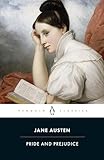
Faithfulness is the wrong lens if you're expecting a single answer, because "faithful" can mean different things — faithful to plot events, to dialogue, or to the tone and social texture of the novel. On plot faithfulness, the longer-form 1995 miniseries generally hews closest to Austen's chapters and dialogue simply because it has the runtime to do so. On tone and atmosphere, opinions are genuinely split: some readers feel the 2005 film's more melancholic, romantic mood drifts from Austen's sharper, wittier authorial voice, while others feel it captures the emotional stakes better than earlier, more comedic versions did. If faithfulness to Austen's actual prose matters most to you, there's no substitute for going back to the text — Pride and Prejudice at $5.29 is an easy, inexpensive way to reread the original scenes any adaptation is drawing from before deciding which screen version got it right.
For readers who want a nicer copy to keep on a shelf alongside movie-night rewatches, the Pride and Prejudice (Masterpiece Library Edition) at $15.99 makes a good hardback comparison copy for tracking which lines of dialogue each adaptation kept, cut, or invented.