Books Better Than the Movie
As an Amazon Associate we earn from qualifying purchases.
Suzanne Collins' "The Hunger Games" arrived as a lean, brutal first-person novel narrated entirely from inside Katniss Everdeen's head, and the film franchise that followed did an admirable job translating the spectacle of the Games onto screen. But readers who go back to the source material almost always come away saying the same thing: the book does things the movie simply cannot, because so much of the story's power lives in Katniss's internal monologue, her paranoia, her calculations, and the gap between what she performs for the cameras and what she actually feels. That gap is the whole engine of the story, and it's the first casualty of any adaptation to the screen.
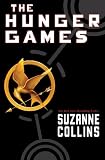
The core reason readers rank the book above the film comes down to interiority. On the page, Collins traps you inside Katniss's exhausted, hyper-vigilant mind for the entire duration of the Games — every threat assessment, every flicker of doubt about Peeta, every moment of calculated performance for sponsors is narrated in real time. The film has to externalize all of that through glances, voiceover-free acting, and reaction shots, which flattens a lot of nuance. If you've only seen the movies, The Hunger Games (Book 1) is the obvious starting point to see how much sharper and stranger the story feels in Katniss's own voice.
Movies That Ruined the Book
"Ruined" is strong, and the Hunger Games films are generally well-regarded as adaptations — but fans of the book series consistently point to specific texture that got smoothed over for a wider audience: the grinding hunger and poverty of the Seam, the specifics of Katniss's trauma and hunting skills, and the way Collins lingers on the psychological aftermath of killing rather than moving briskly to the next plot beat. Where the movies compress timelines and simplify motivations for pacing, the book takes its time in the misery, which is part of the point.
Book vs Movie Where Book Wins
Ask most longtime readers which version handles Katniss's unreliable, self-protective narration better, and the book wins without much debate — because the entire trick of the novel is that Katniss doesn't fully understand her own feelings about Peeta or Gale, or even Rue, and Collins lets that confusion sit on the page in a way film narration rarely can. The book also wins on world-building density: the political mechanics of the Capitol and the districts are established through offhand detail and memory rather than exposition dumps, which rewards close, patient reading.
Adaptations Worse Than the Original Novel
If you're weighing the full arc of the series rather than just the first film, the novels also benefit from simply being written first — Collins had full control over pacing, tone, and the slow dread that builds across the trilogy without needing to hit franchise-friendly beats. For readers who want the complete picture, from the original Games through the prequels, the Hunger Games 4-Book Paperback Box Set covers the core trilogy plus "The Ballad of Songbirds and Snakes," and Collins' newer prequel Sunrise on the Reaping gives longtime readers even more of the interior, novel-only depth that made the original book stand out from its screen counterpart.