Books Better Than the Movie
As an Amazon Associate we earn from qualifying purchases.
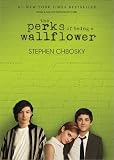
Stephen Chbosky's epistolary novel about Charlie, a watchful, anxious freshman navigating friendship, trauma, and first love, has always had a strange intimacy that's hard to replicate on screen. The 2012 film adaptation is beloved in its own right — Chbosky wrote and directed it himself, which is rare for a book-to-movie translation — but readers who go back to the source material almost always come away saying the book hits harder, lingers longer, and says more. If you're weighing whether to just watch the movie or actually crack open the novel, here's the honest breakdown.
The core appeal of "Perks" as a novel is its structure: it's told entirely through Charlie's letters to an unnamed "friend," which means every thought, every anxious spiral, every moment of quiet devastation comes straight from inside his head. That first-person intimacy is the book's biggest asset, and it's also the thing a film simply cannot fully reproduce, no matter how good the voiceover narration is. On the page, Charlie's voice is halting, over-explaining, painfully earnest in a way that makes his eventual reveals land like gut-punches because you've been living inside his denial with him the whole time. That's why so many readers rank this among the books that are genuinely better than their movie counterparts — the format itself is the point, not just the plot.
Movies That Ruined the Book
"Ruined" is probably too strong for this particular adaptation — Chbosky's direct involvement kept it faithful in tone and casting (Logan Lerman, Emma Watson, and Ezra Miller are widely praised). But faithfulness to plot beats isn't the same as faithfulness to interiority. The film necessarily compresses Charlie's letters into dialogue and visual shorthand, and in doing so it smooths over some of the ambiguity and discomfort that makes the book so effective. Readers who loved the novel's slow-burn dread often feel the movie resolves things a little too tidily, trading the book's lingering unease for a more conventional coming-of-age arc.
Book vs Movie Where Book Wins
If you're looking for a clear case of "book wins," this is a solid one — not because the movie is bad, but because the novel's epistolary format gives you access to Charlie's unreliable, self-protective narration in a way that no amount of good acting can fully substitute for. You feel his confusion build in real time, sentence by sentence, rather than watching it explained through plot mechanics. That's the kind of advantage a book has that a film adaptation structurally can't close. For the full effect, the affordable paperback edition at $8.35 is the easiest way to experience it as Chbosky intended.
Adaptations Worse Than the Original Novel
Calling this adaptation "worse" outright would undersell a genuinely well-made film, but placed next to the novel, it's clearly the lesser version of the story. The book's slower pacing, its letter-by-letter accumulation of dread and tenderness, and its unfiltered access to Charlie's inner monologue simply have more room to breathe on the page. If you want the deeper cut of this story, pick up a copy — there's also a 2018 paperback printing at $16.75 for readers who prefer a newer edition on their shelf. Either way, reading the source material first — or even after seeing the film — reveals just how much nuance gets lost in translation from letters to screen.