Worst Book to Movie Adaptations Ever
As an Amazon Associate we earn from qualifying purchases.
Stephen King's The Dark Tower saga spans eight sprawling novels of gunslingers, alternate worlds, and a Tower that holds reality together. The 2017 film adaptation tried to cram that mythology into a lean, PG-13 runtime — and the result is one of the most frequently cited examples of a book series getting flattened beyond recognition on the way to the screen. If you searched for why the movie was so bad compared to the book, you're not alone, and the answer says a lot about how Hollywood handles beloved, doorstop-sized fantasy epics in general.
When fans rank the worst book-to-movie adaptations of all time, The Dark Tower almost always makes the list alongside films like Eragon and The Seeker: The Dark Is Rising. What lands it there isn't just a bad script — it's the specific sin of taking a dense, multi-book mythology and compressing it into roughly 90 minutes, stripping out the slow-burn worldbuilding that made the source material work. King's series builds its stakes over thousands of pages; the film tries to deliver the emotional payoff of that journey without ever earning it.
Book Adaptations Fans Hated
Fan hatred for the Dark Tower film wasn't really about disloyalty to a single detail — it was about tone and structure. Longtime readers had waited years for a faithful take on Roland Deschain's quest, and instead got a movie that treated the books more as a loose inspiration than a blueprint. This is the same pattern that has burned fans of other adaptations: when a studio option sits for a decade and finally gets made, expectations calcify, and any deviation feels like a betrayal rather than a creative choice.
Movies That Ruined the Book
To be fair, the film didn't retroactively erase the books — The Gunslinger, The Waste Lands, Wizard and Glass, and the rest remain exactly as good as they always were. But for casual moviegoers who watched the film first, the damage was to their first impression: many walked away assuming the source material was a generic fantasy-Western mashup, when the actual series is stranger, more literary, and far more ambitious. That's arguably the real harm — not that the movie changed the books, but that it misrepresented them to an audience who might never pick up a copy as a result.
Least Faithful Book Adaptations
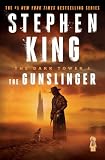
Faithfulness is where the film falls apart hardest. Rather than adapting the first novel, The Dark Tower I: The Gunslinger, in sequence, the movie functions more like a sequel or remix — pulling characters, images, and set pieces from across the entire eight-book saga and reassembling them into something new. For readers who know the source material, that approach guarantees a mismatch: the pacing, character arcs, and even the central relationship between Roland and Jake land completely differently than they do on the page.
Why Did The Dark Tower Movie Fail?
The film's core problem was scope mismatch: King's saga is a slow, layered epic told across eight novels, and the movie tried to resolve that scale in a single feature-length, franchise-starter format aimed at a broad, PG-13 audience. That meant sanding down the horror, compressing years of backstory into exposition dumps, and rushing toward a climax before the world or its rules had been properly established. It played like the trailer for a much bigger story that never got made, rather than a satisfying film in its own right.
If the movie left you curious about what you missed, the source material rewards the patience the film didn't have. Start with The Dark Tower I: The Gunslinger, or go all in with the Dark Tower 8-Book Boxed Set to experience Roland's full journey the way King actually built it.