The Story in Brief
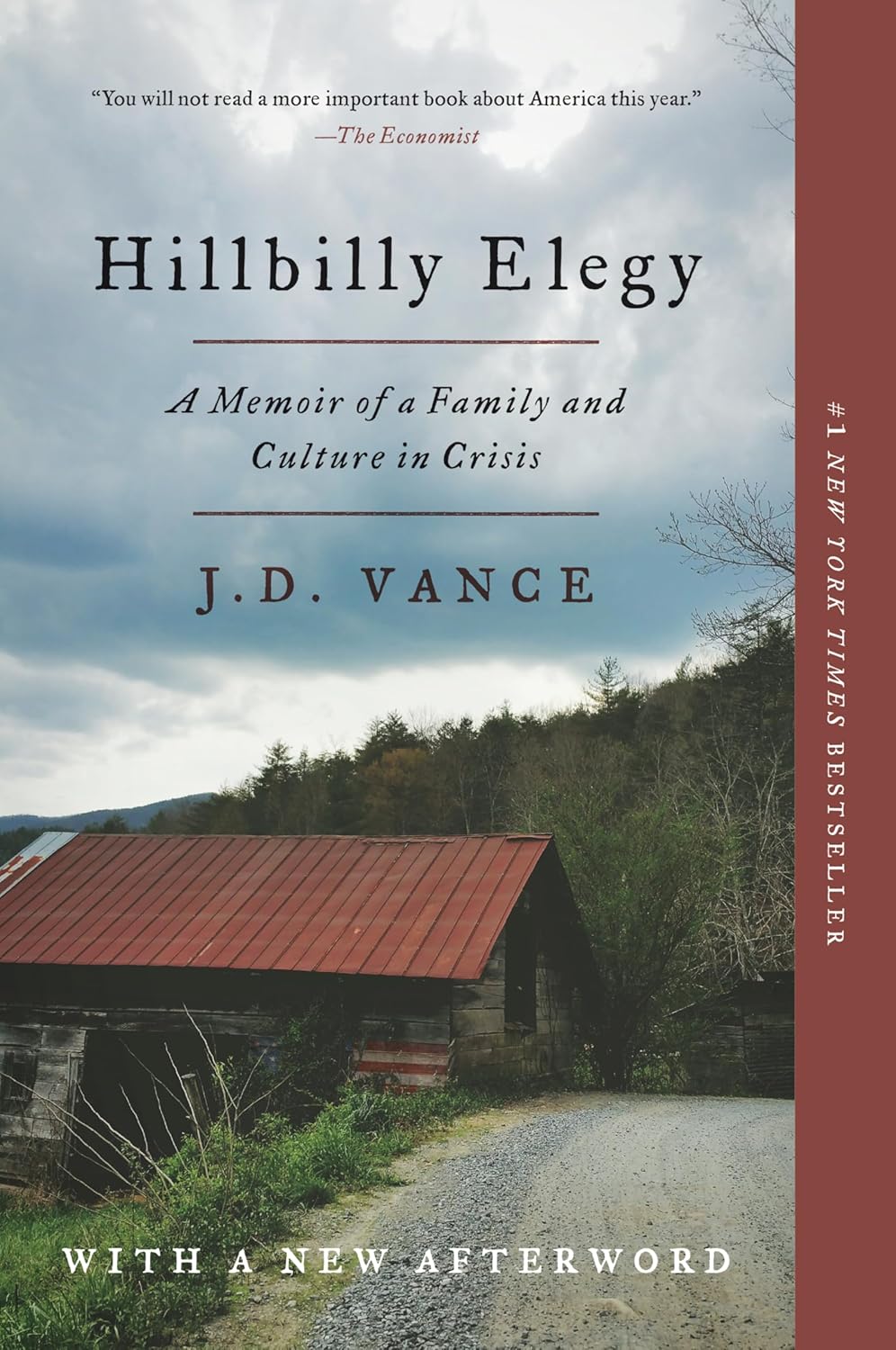
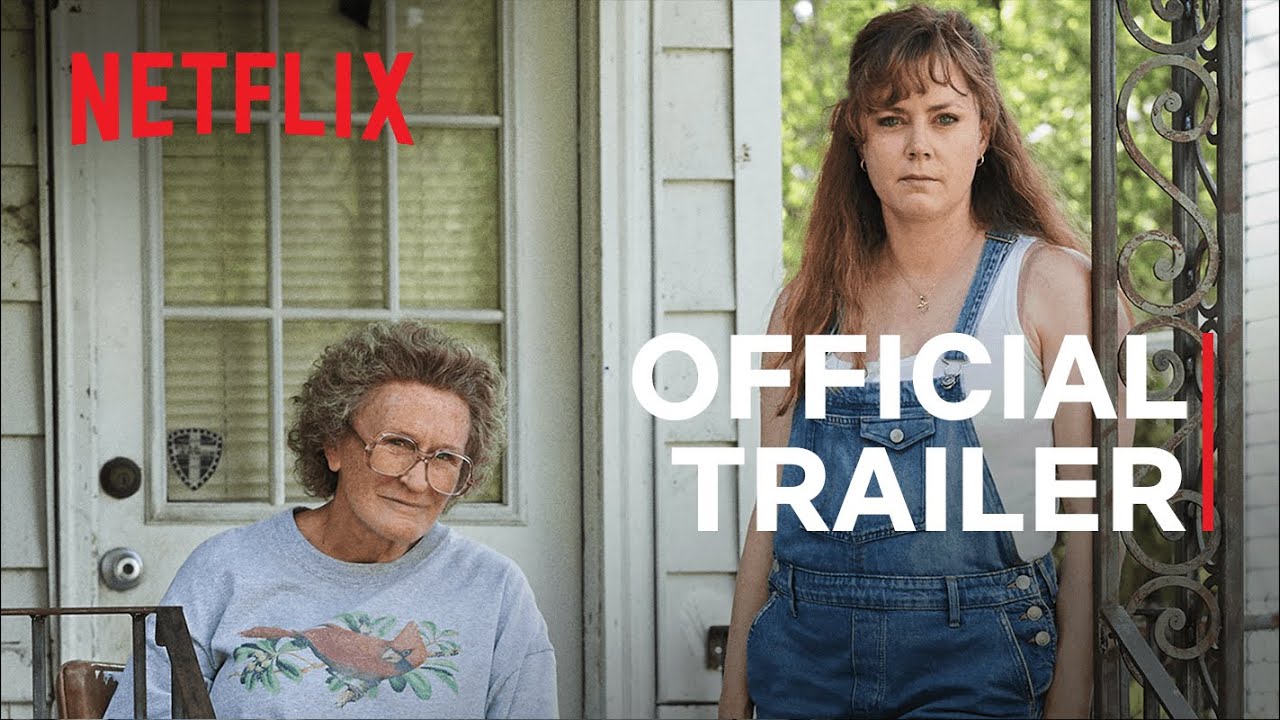
Hillbilly Elegy is a powerful memoir by J.D. Vance, exploring his upbringing in a struggling Appalachian family and his journey to academic and professional success. The book offers a nuanced and personal account of generational poverty, addiction, and the importance of family, while also examining the complex societal issues facing working-class Americans. The 2020 film adaptation, directed by Ron Howard, brings Vance's story to the screen, but struggles to fully capture the book's emotional depth and thematic complexity.
Key Differences
Narrative Structure and Perspective
The book's narrative structure is more introspective and reflective, with Vance weaving together his personal experiences and memories with broader sociological analysis. In contrast, the film adopts a more linear, chronological approach, focusing primarily on the dramatic events of Vance's childhood and young adulthood. This shift in perspective means the film loses some of the nuance and depth of Vance's personal exploration of his own identity and the challenges facing his community.
Character Development
The book delves deeper into the complexities of Vance's family members, particularly his grandmother (known as "Mamaw") and his mother. The film, however, simplifies these characters, reducing them to more archetypal portrayals. For example, Mamaw is depicted as a tough, no-nonsense matriarch, whereas the book provides a more layered and sympathetic portrait of her struggles with addiction and her role in shaping Vance's worldview.
Thematic Exploration
The book's exploration of themes like the opioid crisis, economic decline, and the complex relationship between personal responsibility and societal factors is more nuanced and in-depth. The film, while touching on these themes, tends to oversimplify them and focus more on the personal drama of Vance's life. This results in a less comprehensive understanding of the systemic issues at play.
Tone and Emotional Impact
The book's raw, honest, and introspective tone helps to convey the emotional weight of Vance's experiences. In contrast, the film's more polished and Hollywood-ized approach, while still impactful, lacks the visceral intensity and personal reflection present in the memoir. Viewers may find the book's portrayal of the characters and their struggles to be more deeply affecting.
Authenticity and Representation
As a memoir, the book offers a first-hand, authentic account of Vance's life and the realities of growing up in Appalachia. The film, while well-acted, has been criticized for not adequately representing the experiences of working-class Americans, particularly in its casting of high-profile Hollywood stars like Amy Adams and Glenn Close in roles that could have been better served by lesser-known actors from the region.
Should You Read First?
If you have the opportunity, it is highly recommended to read the book first before watching the film adaptation. The memoir provides a deeper, more nuanced understanding of Vance's personal journey and the broader societal issues at play. The book's emotional impact and thematic complexity are not fully captured in the film, which tends to streamline the story and miss some of the book's most poignant moments. By reading the book first, you'll be better equipped to appreciate the film's strengths and shortcomings, and gain a richer, more comprehensive understanding of Hillbilly Elegy's powerful and important message.
The memoir offers a more nuanced, personal account, while the film simplifies the story and falls short of fully capturing the book's emotional depth.