The Story in Brief
Ser Duncan the Tall — a hedge knight of uncertain origin and dubious credentials — travels the roads of Westeros with his young squire Egg, who is secretly Prince Aegon Targaryen, fourth son of King Maekar I. The collected novellas follow their adventures ninety years before Robert's Rebellion: The Hedge Knight sees Dunk defend a puppeteer's honour at the tourney of Ashford Meadow, The Sworn Sword finds them caught in a drought-driven border dispute between Lady Rohanne Webber and Ser Eustace Osgrey, and The Mystery Knight places them at a wedding tourney that masks a treasonous conspiracy.
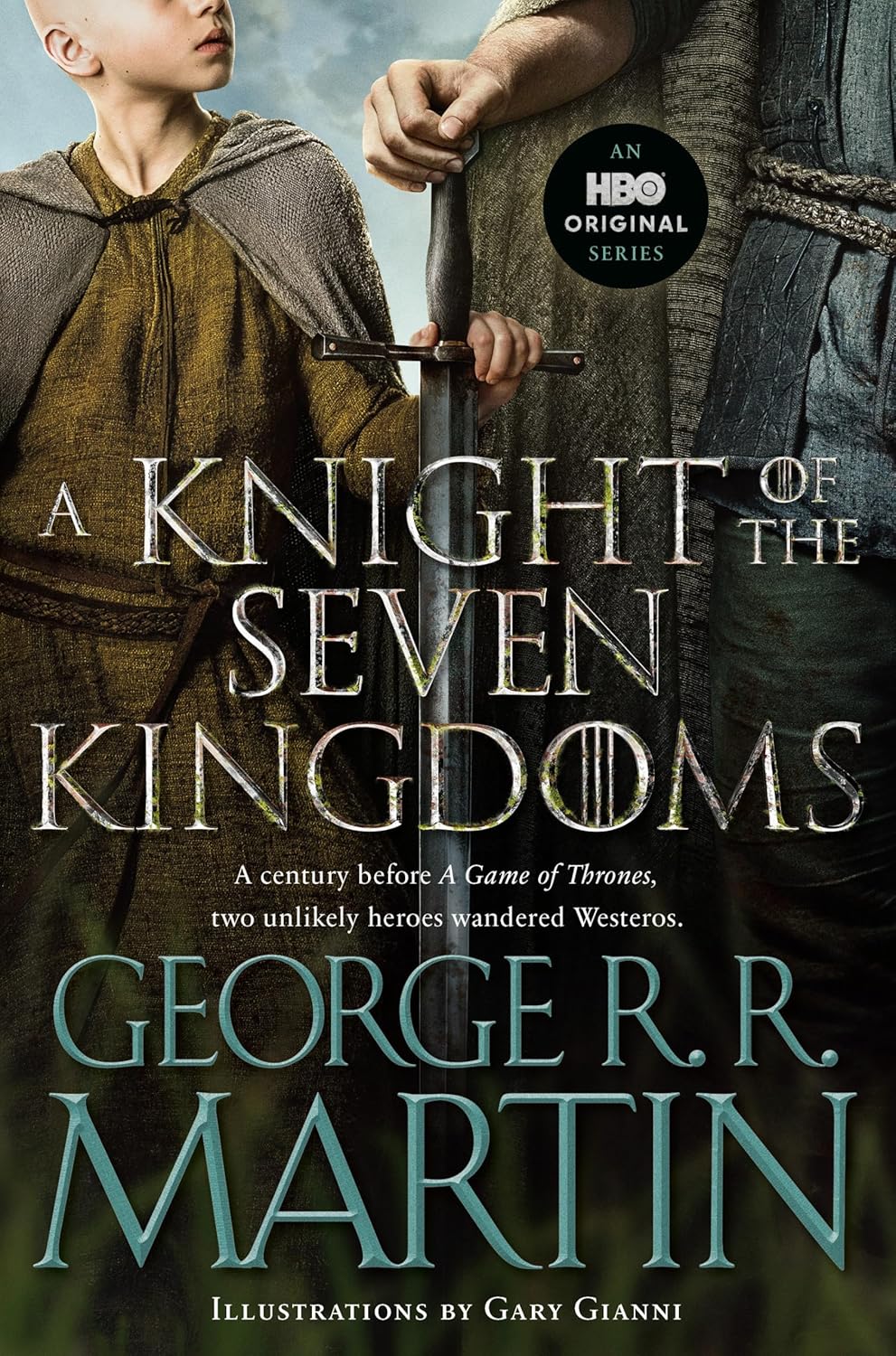
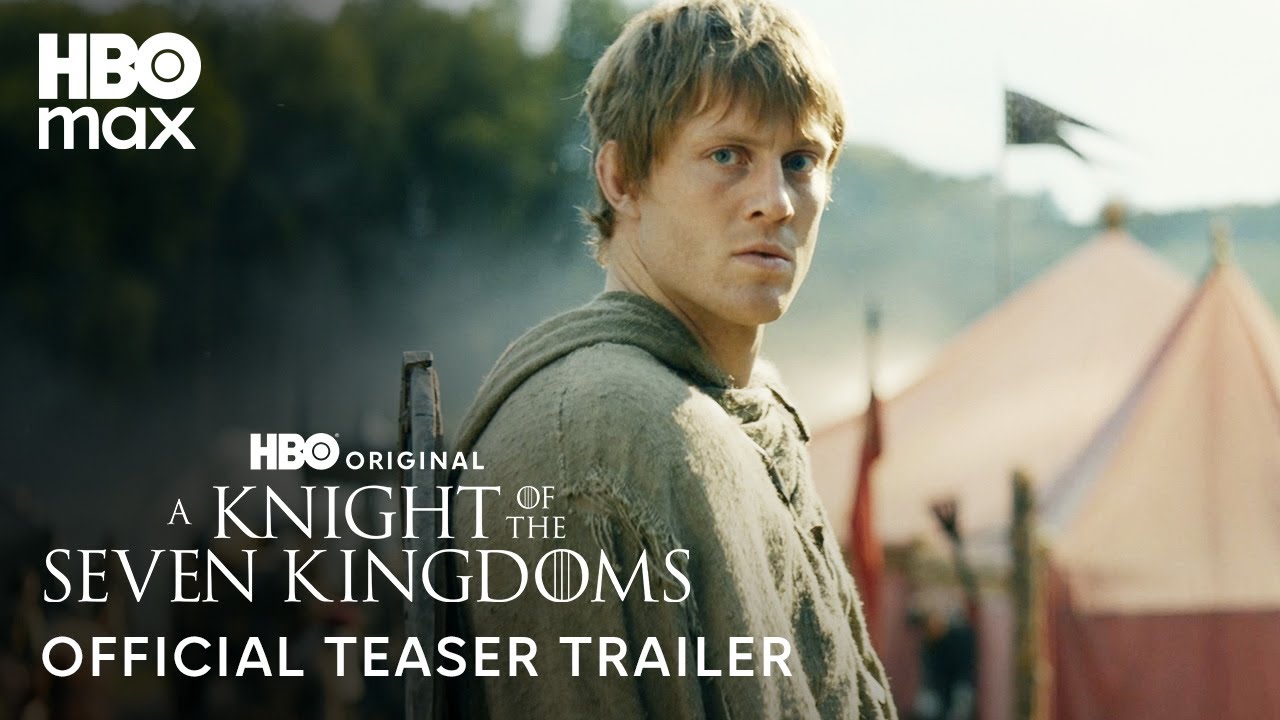
George R.R. Martin began publishing the Dunk and Egg stories in 1998 as standalone novellas in anthologies. The collected volume appeared in 2015, illustrated by Gary Gianni. HBO's series, arriving in 2025 after the mixed reception of Game of Thrones' final season and the success of House of the Dragon, adapts all three novellas with Peter Claffey as Dunk and Dexter Sol Ansell as Egg. The series was developed by Ira Parker and George R.R. Martin himself, with a deliberate tonal shift toward the warmth and intimacy of the source material.
The novellas have become beloved among Martin's readers for their relative simplicity and emotional directness — qualities that distinguish them from the political complexity of A Song of Ice and Fire. The HBO adaptation has been praised for preserving that tone while expanding the world visually and narratively.
Cast & Characters
| Character | In the Book | In the Series |
|---|---|---|
| Ser Duncan the Tall Peter Claffey |
A hedge knight of common birth, physically imposing but uncertain of his knighthood's legitimacy, loyal and earnest to a fault. | Claffey captures Dunk's physical presence and emotional vulnerability, playing him as a man who doubts himself more than others doubt him. |
| Egg (Prince Aegon Targaryen) Dexter Sol Ansell |
A bald boy squire who is secretly a Targaryen prince, clever and observant, learning what it means to rule by seeing the realm from the ground up. | Ansell plays Egg with intelligence and restraint, balancing the character's youth with the weight of what he will become — King Aegon V, the Unlikely. |
| Prince Baelor Breakspear Bertie Carvel |
Heir to the Iron Throne, a just and honourable man who defends Dunk at the trial by combat and dies from a blow meant for another. | Carvel brings gravitas and warmth to Baelor, making his death in The Hedge Knight one of the series' most affecting moments. |
| Lady Rohanne Webber Tanzyn Crawford |
The Red Widow, a sharp-tongued and pragmatic lady defending her lands during a drought, who forms a brief romantic connection with Dunk. | Crawford plays Rohanne as both formidable and vulnerable, expanding her role slightly to give the character more screen time. |
| Ser Eustace Osgrey Sam Spruell |
An aging knight clinging to past glories and a crumbling tower, Dunk's employer in The Sworn Sword, stubborn and proud. | Spruell emphasizes Eustace's dignity and delusion, making him both sympathetic and frustrating in equal measure. |
Key Differences
The series expands what the novellas sketch
The three collected novellas run to around three hundred pages total — shorter than a single volume of A Song of Ice and Fire. HBO's series adapts this material across six episodes in its first season, with room to expand scenes, deepen relationships, and add subplots Martin only implied.
The Hedge Knight, for instance, devotes most of its page count to the trial by combat at Ashford Meadow. The series adds scenes of Dunk and Egg traveling to the tourney, meeting other hedge knights, and establishing their dynamic before the central conflict begins. The Sworn Sword's drought and border dispute are given visual weight through landscape cinematography that the prose can only suggest.
This is one of the rare adaptations where the source material is shorter than the screen version, and the expansion mostly works. The series has space to breathe in ways the novellas don't.
Dunk's internal doubt becomes external performance
Martin's Dunk is written in close third person, and much of his characterization comes from internal monologue — his constant worry that he's not a true knight, that Ser Arlan never formally knighted him, that he's a fraud. Peter Claffey can't voice those thoughts, so the series externalizes them through hesitation, body language, and conversations with Egg.
The result is a Dunk who seems more competent on the surface but reveals his insecurity in quieter moments. Claffey plays him as a man performing confidence he doesn't feel, which works for the screen but shifts the character slightly. Book readers may miss the constant internal questioning that defines Dunk's voice.
Egg's identity is revealed earlier to the audience
In The Hedge Knight, Martin withholds Egg's true identity until late in the story — the reader learns he's a Targaryen prince at roughly the same time Dunk does. The series reveals it in the first episode through visual cues and dialogue, trusting the audience to carry that knowledge while Dunk remains ignorant.
This changes the dramatic irony. Book readers experience Dunk's shock at the revelation; series viewers watch Dunk unknowingly serve a prince and wait for him to discover the truth. Both approaches work, but they create different emotional textures. The series leans into the tension of the secret, while the novella leans into the surprise of its unveiling.
The world feels more populated and lived-in
Martin's novellas focus tightly on Dunk and Egg's immediate experience — the reader sees Westeros through their eyes and learns about the wider world only as they encounter it. The series uses establishing shots, background characters, and visual storytelling to suggest a broader world beyond the protagonists' journey.
Ashford Meadow in the series feels like a real tourney ground with hundreds of attendees, merchants, and performers. The Sworn Sword's drought is shown through cracked earth and dying crops, not just described. The Mystery Knight's wedding tourney at Whitewalls is a lavish production with political undercurrents visible in every frame. The novellas are more intimate; the series is more expansive.
The series draws on Martin's supplementary histories
HBO's adaptation incorporates material from The World of Ice and Fire and Fire & Blood — Martin's pseudo-historical texts about Westeros — to flesh out characters and events the novellas only mention. Lord Bloodraven, the king's spymaster, appears more prominently in the series than in the novellas, where he's mostly a threatening presence offscreen.
The Blackfyre Rebellion and its aftermath, which form the political backdrop of The Mystery Knight, are given more context through dialogue and flashbacks. This enriches the story for viewers familiar with Martin's broader mythology but may overwhelm newcomers. The novellas assume less prior knowledge and explain as they go.
Should You Read First?
Either order works unusually well here. The novellas are short enough to read in a weekend — you can finish all three before the series premieres or between seasons. Reading first gives you the foundation for appreciating what the series adds and changes, and Martin's prose has a warmth and directness that the screen can't quite replicate. You'll also experience Egg's identity as a surprise rather than a known fact.
Watching first is equally valid. The series is designed to be accessible to viewers who haven't read the novellas, and it expands the world in ways that make the source material feel like a companion piece rather than the definitive version. If you watch first and then read, you'll appreciate how much Martin accomplishes in so few pages, and how much the series honours his tone. This is one of the site's genuine ties — both versions have distinct strengths, and neither diminishes the other.
Martin wrote three novellas of warmth and adventure in a world usually defined by cynicism and death. HBO made a series that honours that spirit and expands it generously. The novellas are richer in prose and more precisely imagined. The series is more fully realised as a world. Read both. Watch both. A rare and genuine tie.