The Story in Brief
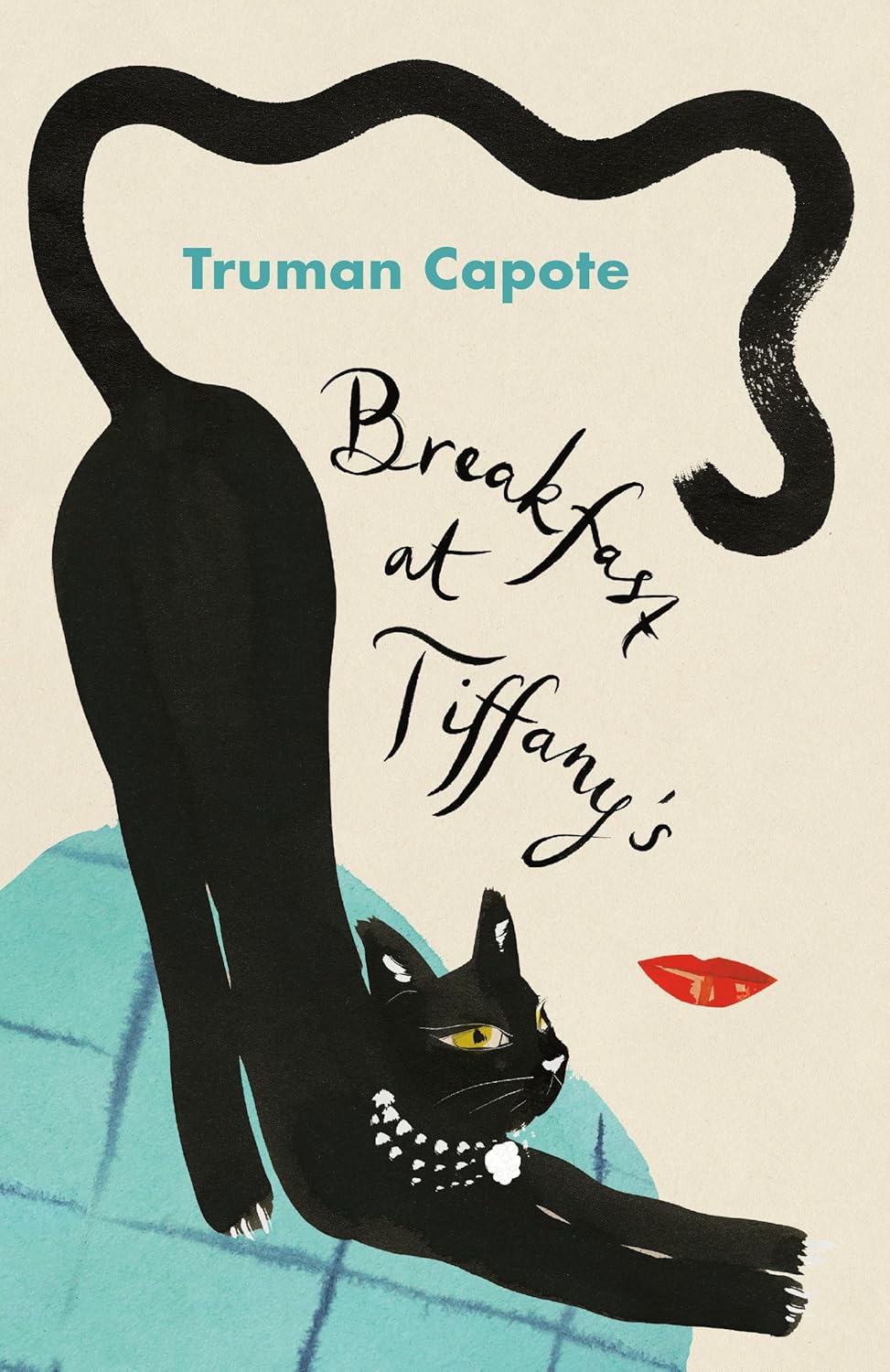
Truman Capote's 1958 novella introduces Holly Golightly through the eyes of an unnamed writer living in a Manhattan brownstone. Holly—born Lulamae Barnes in rural Texas—reinvented herself as a New York socialite who visits Sing Sing prison weekly, throws cocktail parties at dawn, and accepts money from men for trips to the powder room. The narrator becomes fascinated by her elusive charm and the melancholy beneath her party-girl facade, particularly after her brother Fred dies in the war and she's arrested for unwittingly smuggling drug money.
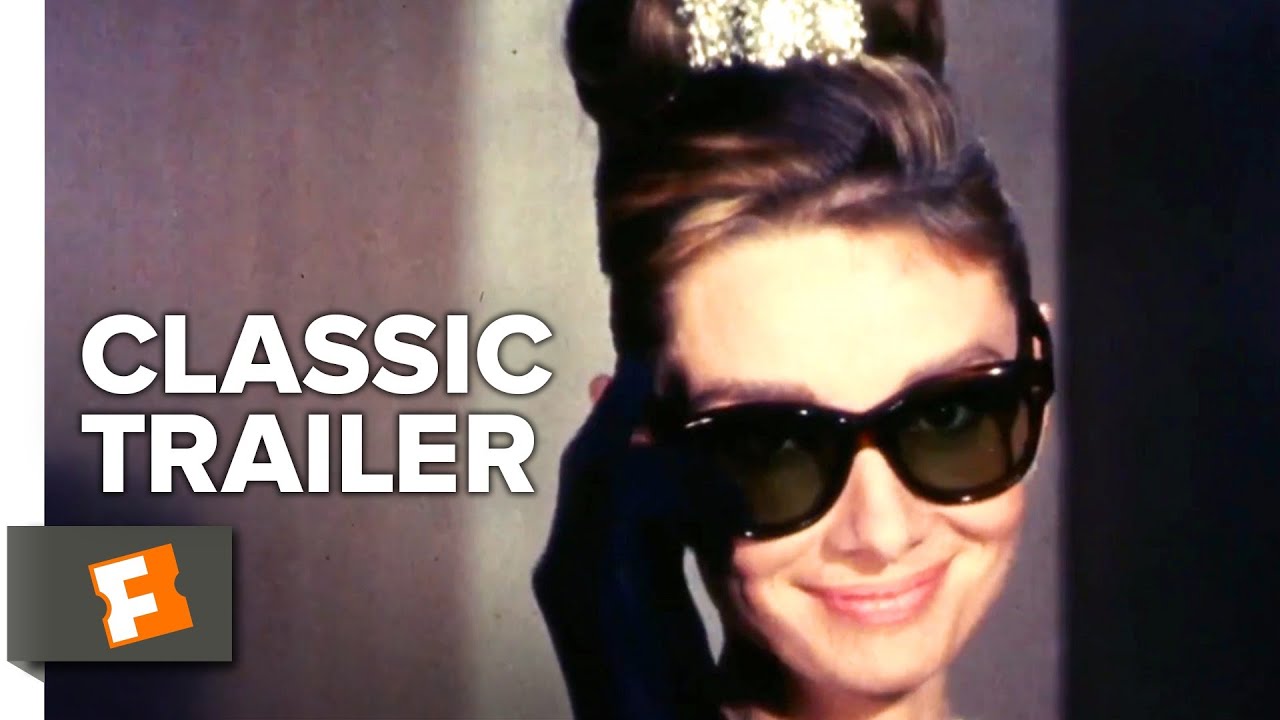
Blake Edwards' 1961 film transforms this bittersweet character study into a romantic comedy vehicle for Audrey Hepburn. Screenwriter George Axelrod invented Paul Varjak (George Peppard), a kept writer funded by a married woman, and turned the story into a love affair between two people trapped by their circumstances. The film softens Holly's profession, adds Henry Mancini's "Moon River," and delivers a happy ending in the rain—choices that made the movie a commercial triumph but horrified Capote, who wanted Marilyn Monroe and felt Hepburn was too refined for his earthier creation.
The film earned five Oscar nominations, won two, and cemented Hepburn's little black dress and oversized sunglasses as cultural icons. Yet Capote's novella remains a sharper, sadder portrait of loneliness and self-invention in postwar America.
| Character | In the Book | In the Film |
|---|---|---|
| Holly Golightly Audrey Hepburn |
A 19-year-old call girl and con artist who fled a child marriage in Texas, sexually frank and emotionally unreachable, who abandons everyone when cornered. | A whimsical dreamer in her twenties who goes on paid dates but remains chaste, vulnerable beneath her quirks, who chooses love over escape in the final scene. |
| The Narrator / Paul Varjak George Peppard |
An unnamed gay or bisexual writer who observes Holly with longing but never pursues her romantically, serving as witness to her tragedy. | Paul Varjak, a straight writer kept by a wealthy older woman (Patricia Neal), who falls in love with Holly and convinces her to stop running. |
| Doc Golightly Buddy Ebsen |
Holly's much older husband from Texas who married her at 14; she fled him at 15 and refuses to return despite his pleas. | Appears briefly to reclaim Holly, but she gently refuses him and he accepts her decision, a softer version of the book's uncomfortable dynamic. |
| Sally Tomato Alan Reed |
A mob boss in Sing Sing whom Holly visits weekly for $100, unknowingly passing coded drug messages she believes are weather reports. | Same role, but the film downplays Holly's complicity and emphasizes her naïveté to preserve audience sympathy. |
| José Ybarra-Jaegar José Luis de Villalonga |
A wealthy Brazilian politician who promises to marry Holly but abandons her immediately after her arrest to protect his career. | Same betrayal, but the film uses it to push Holly toward Paul rather than letting her flee alone as in the book. |
Key Differences
Holly's Profession Gets Sanitized
Capote's Holly accepts $50 bills for "powder room" trips with men and lives off wealthy admirers—she's a call girl, though the novella uses euphemistic language. She tells the narrator she's saving money to support her brother Fred and find a place where she belongs, but her transactional relationships with men define her survival strategy. When she visits Sally Tomato in Sing Sing, she's paid $100 weekly to deliver what she thinks are weather reports but are actually drug codes.
The 1961 film recasts Holly as a quirky escort who goes on dates for money but never explicitly exchanges sex for cash. Hepburn's Holly is presented as charmingly eccentric rather than sexually available—she sleeps alone, rebuffs Paul's advances until the final scene, and seems more interested in finding a rich husband than working as a prostitute. This bowdlerization was necessary for the Production Code but drains the character of her edge and desperation.
Paul Varjak Doesn't Exist in the Novella
The film's entire romantic arc is an invention. Capote's narrator is never named, never becomes Holly's lover, and is implied to be gay or bisexual—he's a detached observer who adores Holly from a distance but knows she's unreachable. Their relationship is one of fascination and melancholy recognition, not romance. When Holly flees to South America at the end, the narrator accepts he'll never see her again.
George Axelrod created Paul Varjak to give the film a conventional love story. Paul is a kept man funded by a married decorator (Patricia Neal's "2E"), which mirrors Holly's dependence on men and gives them common ground. Peppard plays Paul as earnest and wounded, a writer who's sold out his talent for security. The film's climax hinges on Paul declaring his love and convincing Holly to stop running—a resolution that contradicts everything Capote wrote about her inability to commit or stay.
The Ending Reverses Holly's Essential Nature
Capote's novella ends with Holly fleeing to South America after her arrest, abandoning her nameless cat in an alley and leaving the narrator behind without a goodbye. Months later, the narrator finds a photograph suggesting Holly may have reached Africa, but he never learns her fate. The ending honors Holly's restlessness and fear of belonging—she's a wild thing who can't be caged, even by love.
Blake Edwards gives us a Hollywood finale: Holly throws the cat out of a taxi in the rain, Paul shames her for running, and she searches frantically for the cat in the downpour. When she finds it, Paul kisses her, and they embrace in the alley while "Moon River" swells. It's romantic and satisfying, but it fundamentally betrays the character. The Holly who married Doc Golightly at 14 and fled him at 15, who tells the narrator she'll never belong to anyone, would not choose domesticity in a rainstorm.
The Narrator's Sexuality Is Erased
Capote's narrator describes men with the same appreciative detail he uses for Holly, mentions a male lover in passing, and never expresses sexual interest in women. His fascination with Holly reads as aesthetic and emotional rather than romantic—he loves her the way one loves a beautiful, doomed creature. This queer perspective shapes the novella's tone of longing without possession.
The film straightens Paul Varjak completely. He's kept by a woman, sleeps with Holly, and pursues her romantically throughout. This erases the novella's queer subtext and replaces it with a heterosexual rescue fantasy. Paul's final speech—"I love you. You belong to me"—is precisely the claim Capote's narrator would never make, because he understands Holly can't belong to anyone.
Mickey Rooney's Mr. Yunioshi Is a Racist Disaster
Capote's novella mentions Holly's Japanese neighbor briefly and without caricature. The film expands Mr. Yunioshi into a recurring comic role played by Mickey Rooney in yellowface makeup, prosthetic teeth, and a fake accent. Every appearance is meant to be funny—he's the angry foreigner disrupted by Holly's parties, shouting broken English and falling down stairs.
This performance has aged catastrophically. Rooney later apologized, calling it his greatest regret, but the damage is done—the film's reputation is permanently marred by these scenes. Modern viewers cringe through Yunioshi's appearances, and the racism undercuts the film's romantic charm. Capote's novella, whatever its other flaws, doesn't traffic in ethnic stereotypes for laughs.
Should You Read First?
Read the novella first if you want to understand why Capote hated the movie. The book's Holly is harder, sadder, and more sexually frank—a 19-year-old survivor who uses men and runs when cornered. Capote's prose is precise and melancholy, and the narrator's queer perspective gives the story a longing the film can't replicate. The novella is short (under 100 pages), so reading it won't delay your viewing by more than an evening.
Watch the film first if you want to enjoy Hepburn's iconic performance without Capote's voice in your head pointing out every betrayal. The movie is a romantic comedy with serious moments, not a bittersweet character study, and it works beautifully on its own terms—Mancini's score, Hepburn's vulnerability, and the rain-soaked finale are genuinely moving. Just know you're watching a sanitized, heterosexualized adaptation that invents a happy ending for a character who was never meant to have one.
Too Close to Call. Capote's novella is the sharper, sadder, more honest work—a queer-coded portrait of loneliness that refuses easy comfort. Edwards' film is a gorgeous romantic fantasy that transforms a call girl into America's sweetheart and gives her the love story Capote knew she'd never accept. Both are classics, but they're telling different stories about the same woman.