The Story in Brief
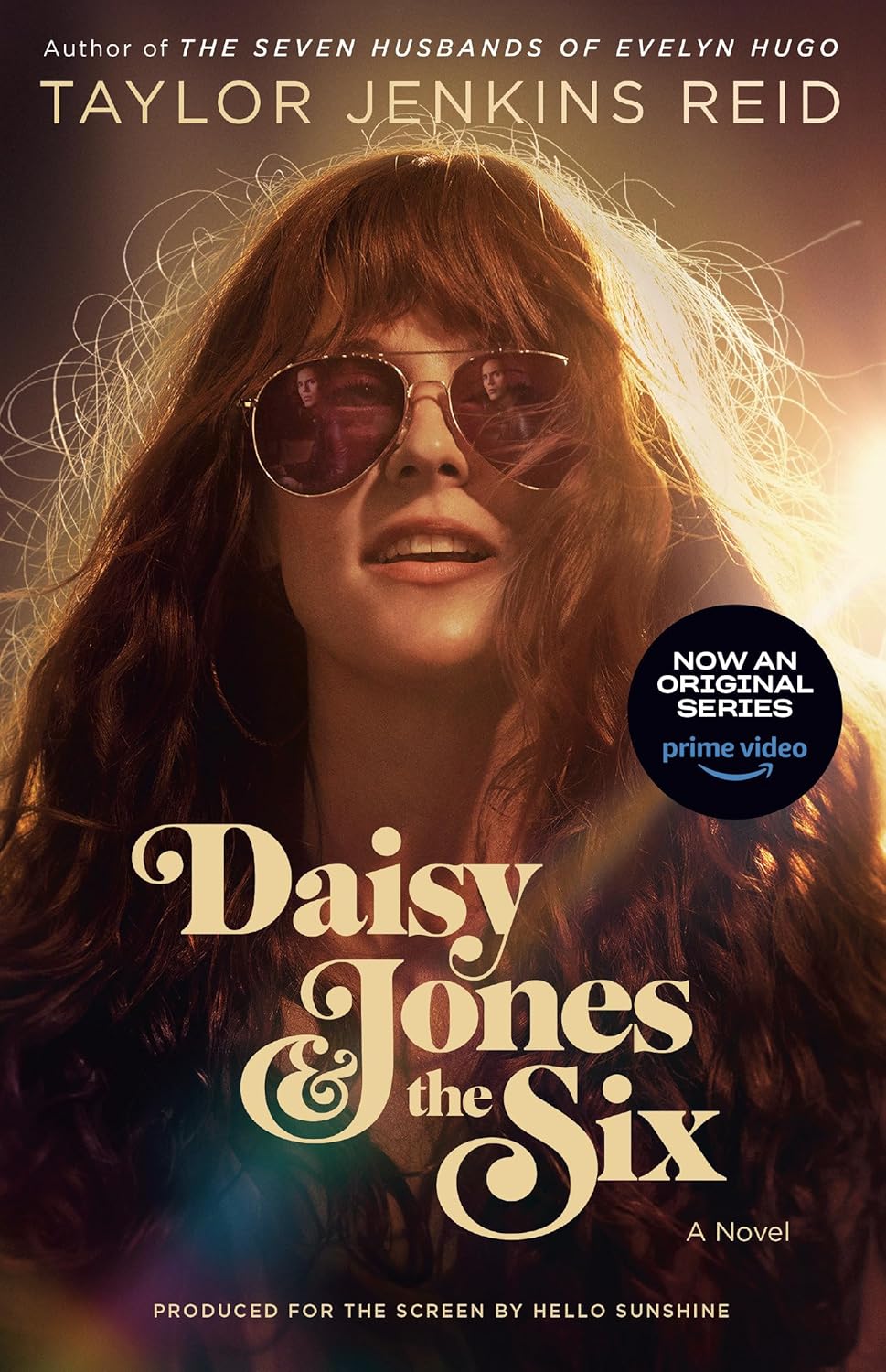
Daisy Jones is a wild, gifted singer-songwriter finding her voice in 1970s Los Angeles. The Six are a Pittsburgh band who have made it to the second tier of rock and are hungry for more. Their collision produces one of the greatest albums never recorded — Aurora — and then, at the peak of their fame, at a concert in Chicago in 1979, Daisy Jones & The Six walk offstage and never perform together again. Taylor Jenkins Reid's 2019 novel is structured entirely as an oral history — interviews conducted decades later with every surviving band member, manager, and intimate, assembled as if by a documentarian. Will Graham's 2023 Amazon Prime series stars Riley Keough and Sam Claflin and is a loving, well-crafted adaptation that can't quite replicate the novel's central formal achievement.
Key Differences
The oral history format
Reid's entire novel is presented as interview transcripts — no narration, no scene-setting prose, just competing voices remembering the same events differently. The genius of this is what it implies: every account is partial, every memory is self-serving in small ways, and the reader assembles the truth from the gaps between what different people say. Billy remembers a moment one way; Daisy remembers it differently; someone else doesn't remember it at all. The series necessarily converts this into conventional dramatised scenes, which are more immediately accessible and fundamentally less interesting. The book's form is its meaning.
Riley Keough as Daisy
Keough is extraordinary — she has the rock star charisma the role demands and a specific quality of self-destruction that feels authentic rather than performed. She also actually sings, which matters enormously and which the production commits to fully. As a screen Daisy, she is about as good as the role could be cast. What she cannot do is exist in the white space between interview answers, where the novel's Daisy is most fully alive.
The music
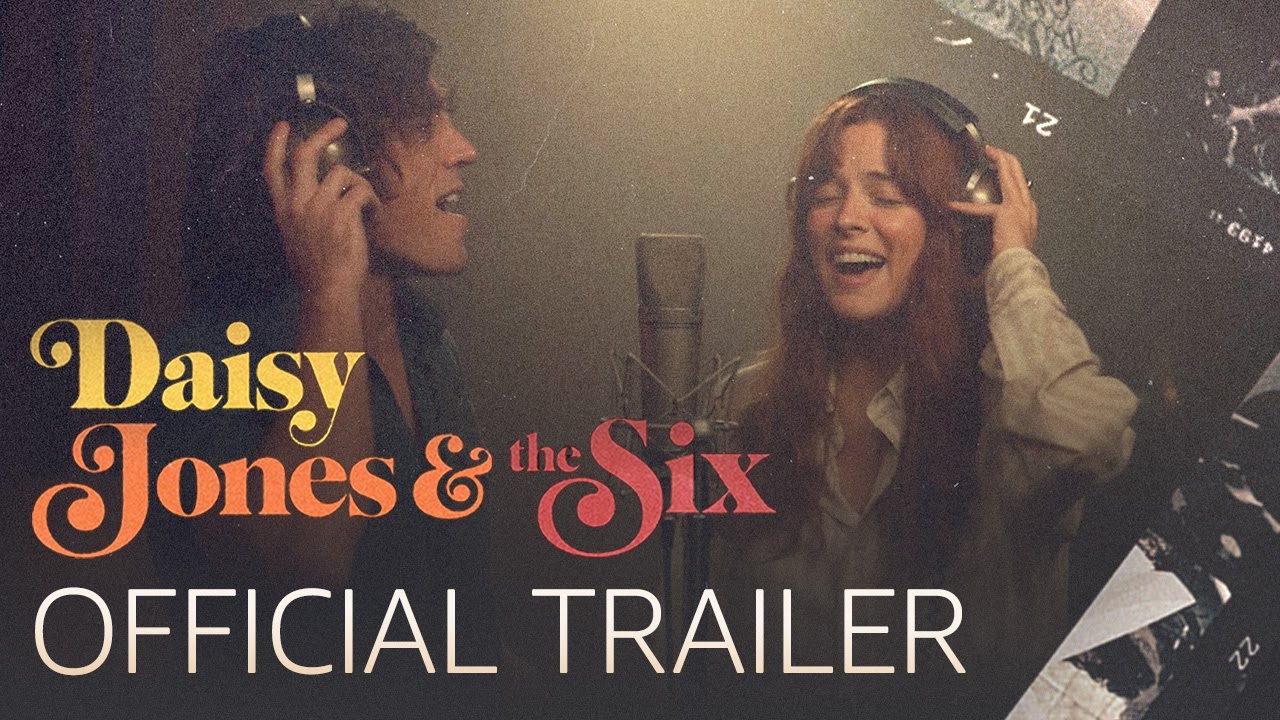
The series made the bold decision to commission and record Aurora as an actual album — the songs exist and are performed on screen by the cast. This is the adaptation's most significant creative choice and arguably its best. The novel describes songs; the series plays them. Hearing "Look at Us Now (Honeycomb)" as an actual piece of music adds a dimension the book cannot have, and it's the one area where the series genuinely surpasses its source.
Billy Dunne
Sam Claflin plays Billy with a convincing mixture of talent, ego, and the specific kind of self-righteousness that makes him both compelling and exhausting. The novel's Billy is more opaque — his interview answers are more carefully managed, his self-awareness more intermittent — in ways that make him a more complex figure on the page. The series gives him a more sympathetic arc; the book makes you work harder to understand him.
The supporting band members
One of the novel's pleasures is the full ensemble of peripheral voices — the other Six members, the manager, the record producer — each with their own perspective and their own version of events. The series necessarily focuses its camera time on Daisy and Billy, which compresses the ensemble considerably. Readers of the novel will miss Eddie's barely concealed resentment, Graham's quiet observation, Warren's genial obliviousness.
Should You Read First?
Yes — emphatically. The oral history format is the experience, and once you've seen the series the book's formal device loses some of its surprise. Read first to encounter the novel as it was designed to be encountered: as a puzzle assembled from unreliable voices. Then watch the series for Riley Keough and the music, which are both worth your time.
Reid's oral history format is her finest formal achievement — a novel that makes you feel like an archaeologist piecing together a lost era from contradictory testimony. The series is handsome, well-performed, and genuinely committed to its music, but it converts the book's ingenious structure into conventional drama. The actual Aurora album is the adaptation's trump card. The novel's form is the book's. Read first.