The Story in Brief
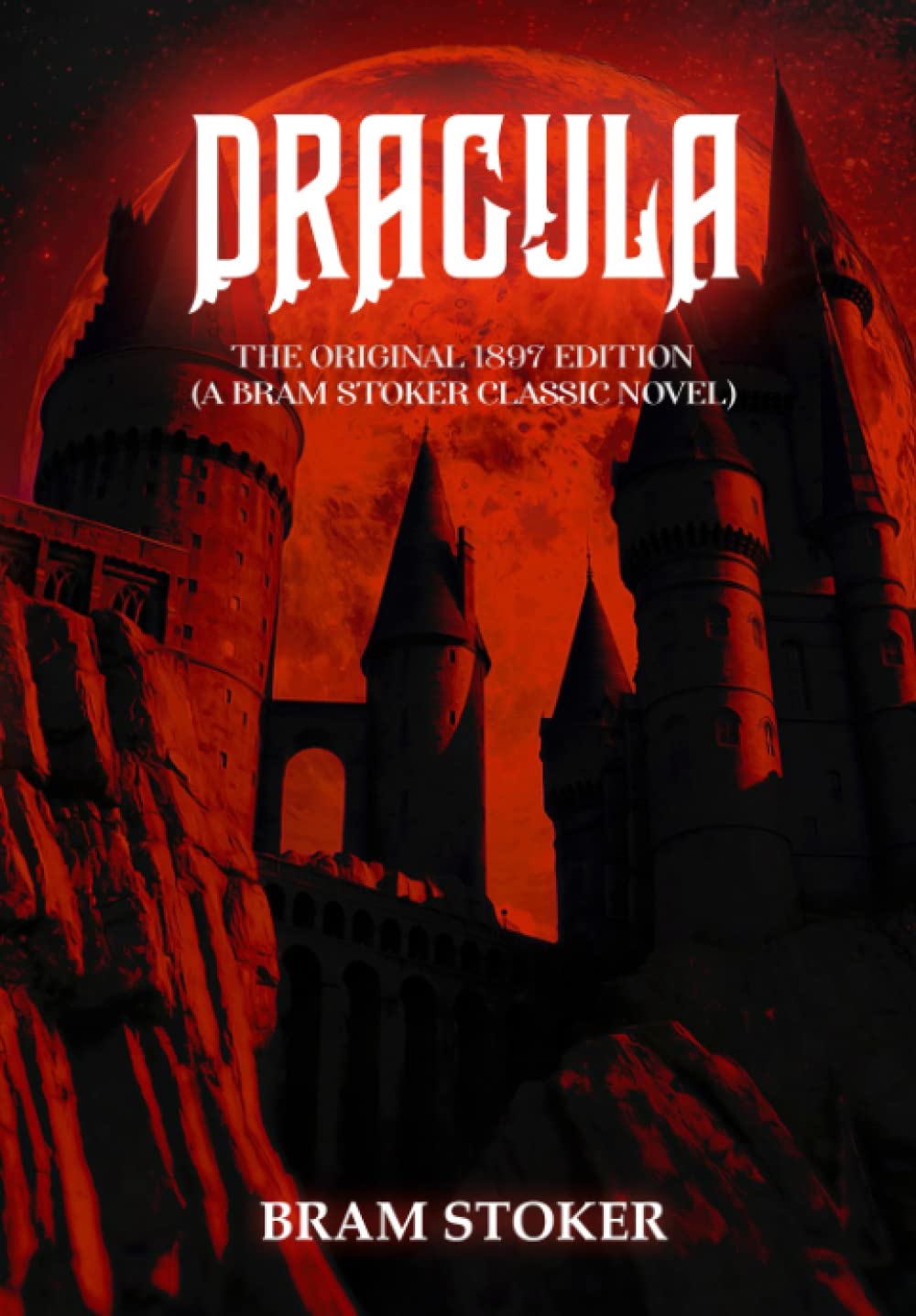
Jonathan Harker, a young English solicitor, travels to Transylvania to assist a Transylvanian nobleman with a property purchase in London. The nobleman is Count Dracula. What follows — assembled from Jonathan's diary, his fiancée Mina's letters and journal, the notebooks of Dr Seward, and various telegrams and newspaper clippings — is the story of Dracula's arrival in England and the campaign to stop him. Bram Stoker's 1897 novel invented the modern vampire and remains one of the strangest and most formally inventive works in Gothic literature. Francis Ford Coppola's 1992 film, titled Bram Stoker's Dracula, is lavish, operatic, and significantly more romantic than the source. Gary Oldman plays the Count as a tragic lover. Stoker's Count is something considerably more alien.
Key Differences
The epistolary format
Stoker tells the entire novel through assembled documents — diaries, letters, a ship's log, newspaper reports, Dr Seward's phonograph recordings. No single character has the full picture; each account is partial and sometimes unreliable, and the reader assembles the horror from fragments. This formal choice creates an unusual reading experience: Dracula himself almost never appears directly, and the Count's nature is reconstructed from the terrified reports of those who encountered him. No film can replicate this accumulative indirection. Coppola presents Dracula directly and frequently, which makes him spectacular and somewhat diminishes his menace.
Gary Oldman's Dracula
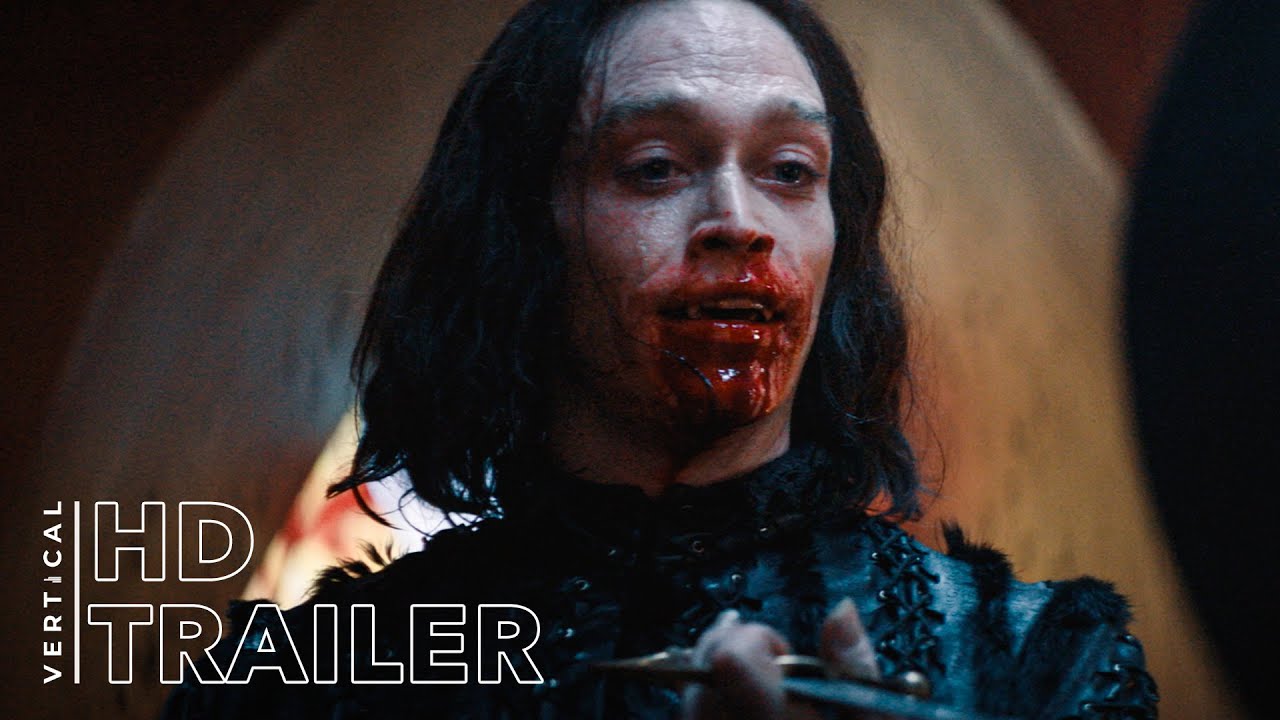
Oldman gives one of his most technically elaborate performances — the ancient Count in his castle, the rejuvenated nobleman in London, the wolf-shadow on the wall. The performance is extraordinary and the film is built around it. Stoker's Dracula appears infrequently and is rendered through others' terrified perception — his power comes from absence and implication. Oldman's interpretation makes Dracula romantic and tragic; Stoker's is more purely predatory and therefore more frightening.
The love story
Coppola adds a romance between Dracula and Mina — the idea that Mina is the reincarnation of Dracula's lost medieval love — which is not in Stoker's novel and which fundamentally changes the story's moral architecture. In the novel, Dracula is not in love with Mina; he is consuming her. The romantic framing makes his pursuit more operatically beautiful and considerably less horrifying. This is the film's most significant departure and the most debated.
Keanu Reeves as Jonathan Harker
Reeves's casting as Jonathan has been universally acknowledged as the film's weak point — his American accent drifts, his performance lacks the quality of steady English ordinariness that makes Jonathan an effective observer of the extraordinary. Anthony Hopkins's Van Helsing compensates with theatrical exuberance that approaches self-parody in the most enjoyable way. The supporting cast around Reeves is strong enough to carry the film despite him.
Coppola's visual invention
The film was shot entirely in-camera, without digital effects, using practical optical techniques — shadow puppets, forced perspective, in-camera superimpositions. The visual inventiveness is remarkable and gives the film a handmade quality that matches the Victorian Gothic setting. The opening Transylvania sequence, the shadow that moves independently of its owner, the transformation sequences — these are achievements of practical filmmaking that reward attention.
Should You Read First?
Yes — read Stoker's novel first, specifically to experience the epistolary format and to encounter Dracula through the terrified partial accounts of those who met him. The novel is stranger and more unsettling than any film version. Watch Coppola's film as a gorgeous, operatic interpretation that replaces the novel's indirection with spectacle — it is a different kind of work and worth seeing on its own terms.
Stoker wrote a novel of remarkable formal sophistication that creates horror through accumulation, indirection, and the terror of the partially glimpsed. Coppola made a gorgeous, operatic film that trades the novel's restraint for spectacle and the novel's predator for a tragic lover. Both are essential Dracula experiences. The novel is stranger and more frightening. Read it first. See the film for Oldman, who is magnificent even when the film is wrong about what Dracula is.