The Story in Brief
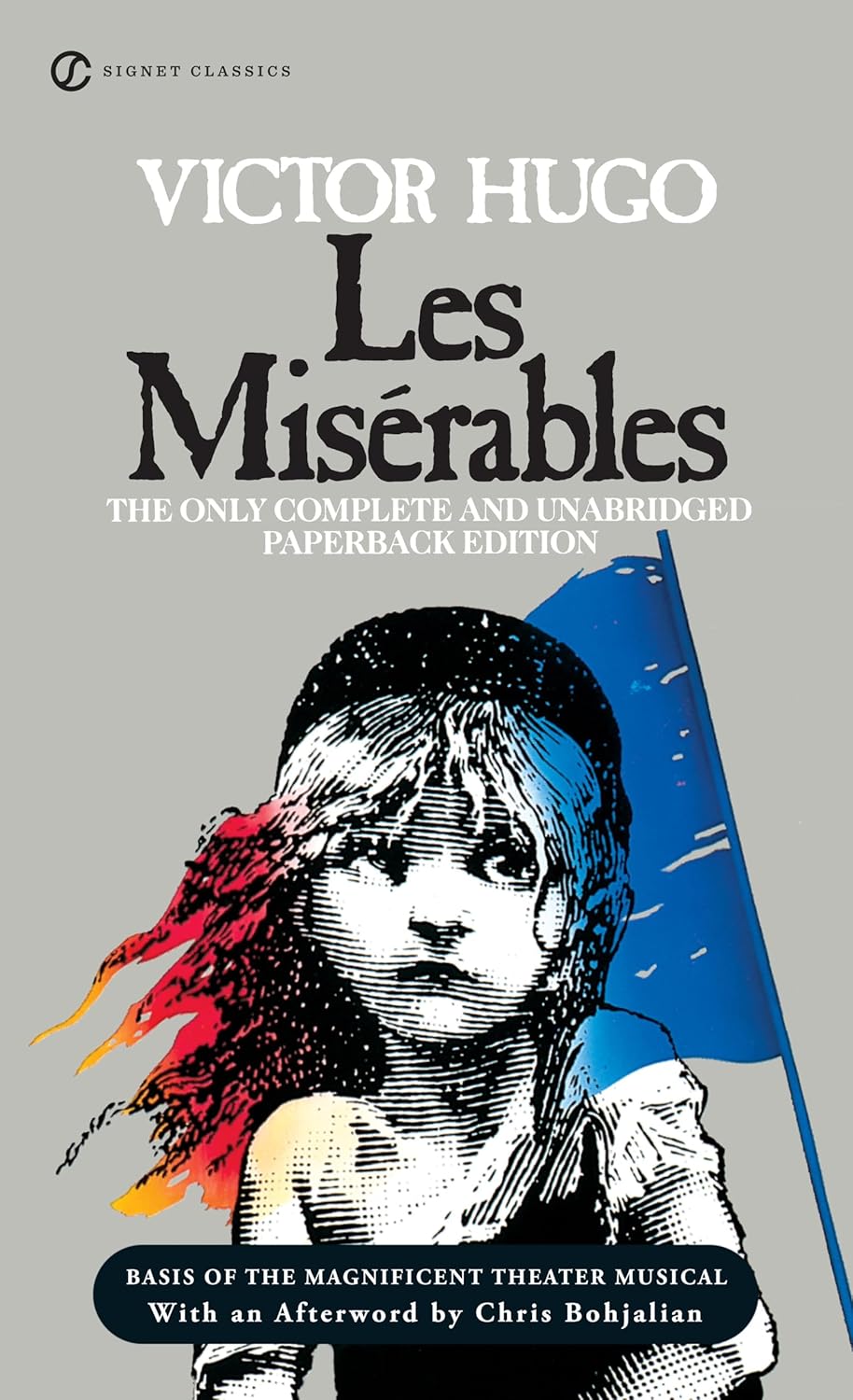
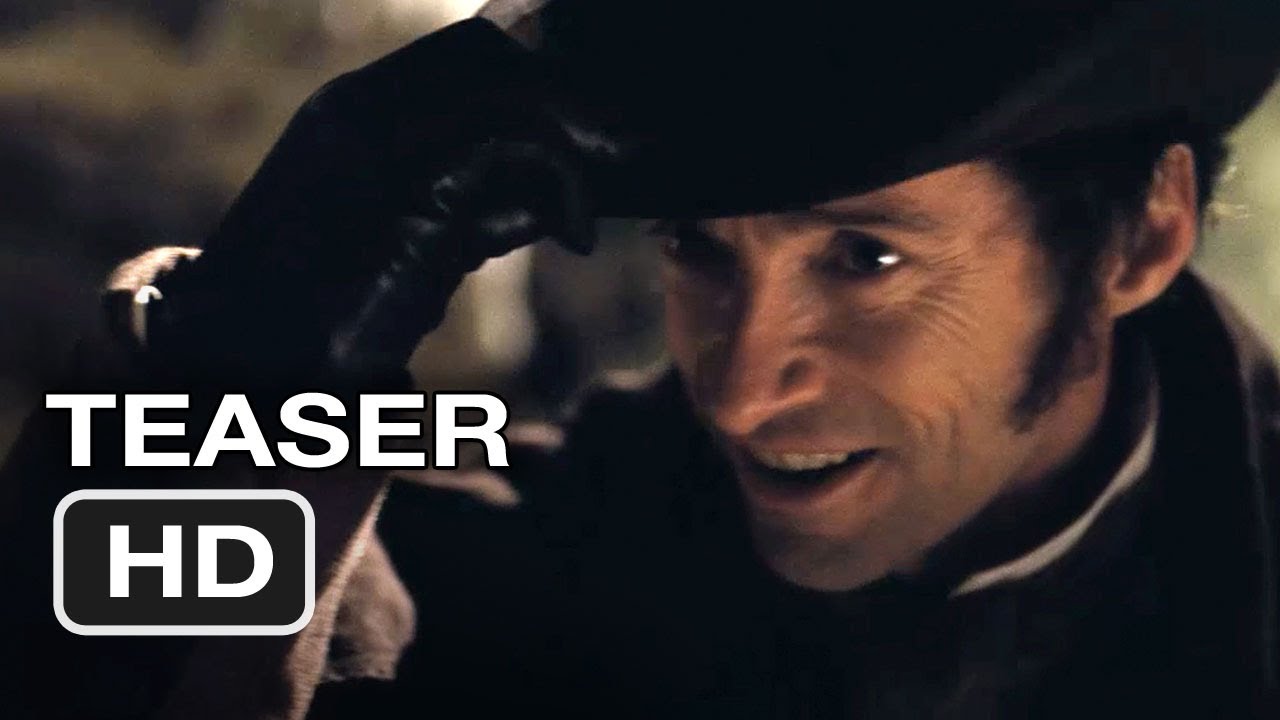
Les Misrables is Victor Hugo's sweeping 1862 novel about the redemption of ex-convict Jean Valjean, a man haunted by his past misdeeds. Set against the backdrop of 19th-century France, the story follows Valjean's transformation from a hardened criminal to a factory owner and mayor who dedicates his life to helping the poor. His story intertwines with that of the relentless police inspector Javert, who pursues Valjean for decades. The 2012 film adaptation, directed by Tom Hooper, brings this classic tale of grace, morality, and social upheaval to the big screen.
Key Differences
Narrative Scope
The book's epic, panoramic approach allows Hugo to delve deep into the lives and motivations of a large cast of characters, from Valjean and Javert to the young student revolutionaries and the denizens of Paris' underbelly. In contrast, the film streamlines the narrative, focusing more tightly on Valjean and Javert's cat-and-mouse dynamic while glossing over many of the book's rich subplots and secondary characters. This results in a more intimate, character-driven drama, but one that sacrifices the novel's grand social and historical sweep.
Characterization
Hugo's complex, multifaceted protagonists come alive on the page in a way the film struggles to capture. Valjean's inner turmoil, his constant grappling with guilt and moral dilemmas, is portrayed with nuance and depth in the novel. Likewise, Javert's rigid worldview and tragic downfall are explored in richer detail. The film's performances, while impressive, feel flatter and more one-dimensional by comparison, unable to fully convey the characters' psychological complexity.
Pacing and Structure
The book's leisurely, episodic structure allows Hugo to linger on pivotal moments, fully develop secondary storylines, and seamlessly transition between past and present. The film, bound by the constraints of its medium, maintains a brisk, urgent pace that sacrifices some of the novel's contemplative quality. Important scenes and character arcs feel truncated or rushed, leaving less room for the emotional resonance that permeates the source material.
Thematic Depth
At its core, Les Misrables is a profound exploration of the human condition, grappling with themes of redemption, social injustice, the role of religion, and the power of love and sacrifice. While the film touches on these weighty topics, the book delves into them with far greater complexity and nuance. Hugo's philosophical musings and social commentary, woven expertly throughout the narrative, are pared down in the adaptation, resulting in a less impactful rendering of the novel's core themes.
Visual Spectacle
Where the film adaptation excels is in its stunning visual grandeur, with Hooper's sweeping, theatrical camerawork and lavish production design bringing the world of Les Misrables to life on the big screen. The book, of course, relies on Hugo's vivid descriptive prose to paint its tapestry of 19th-century France, but the film's cinematic immediacy and technical virtuosity give it an emotional punch that at times surpasses the written word.
Should You Read First?
Given the depth and complexity of the original novel, reading Victor Hugo's Les Misrables first is highly recommended. The book's richly drawn characters, intricate plot, and profound thematic explorations provide a richer, more fulfilling experience that the film, for all its visual splendor, cannot fully capture. While the movie adaptation is a laudable effort, the novel stands as the definitive version of this classic tale, offering a level of narrative sophistication and emotional resonance that the screen version struggles to match.
The book version of Les Misrables stands tall, offering a richer, more nuanced portrayal of its classic characters and themes.