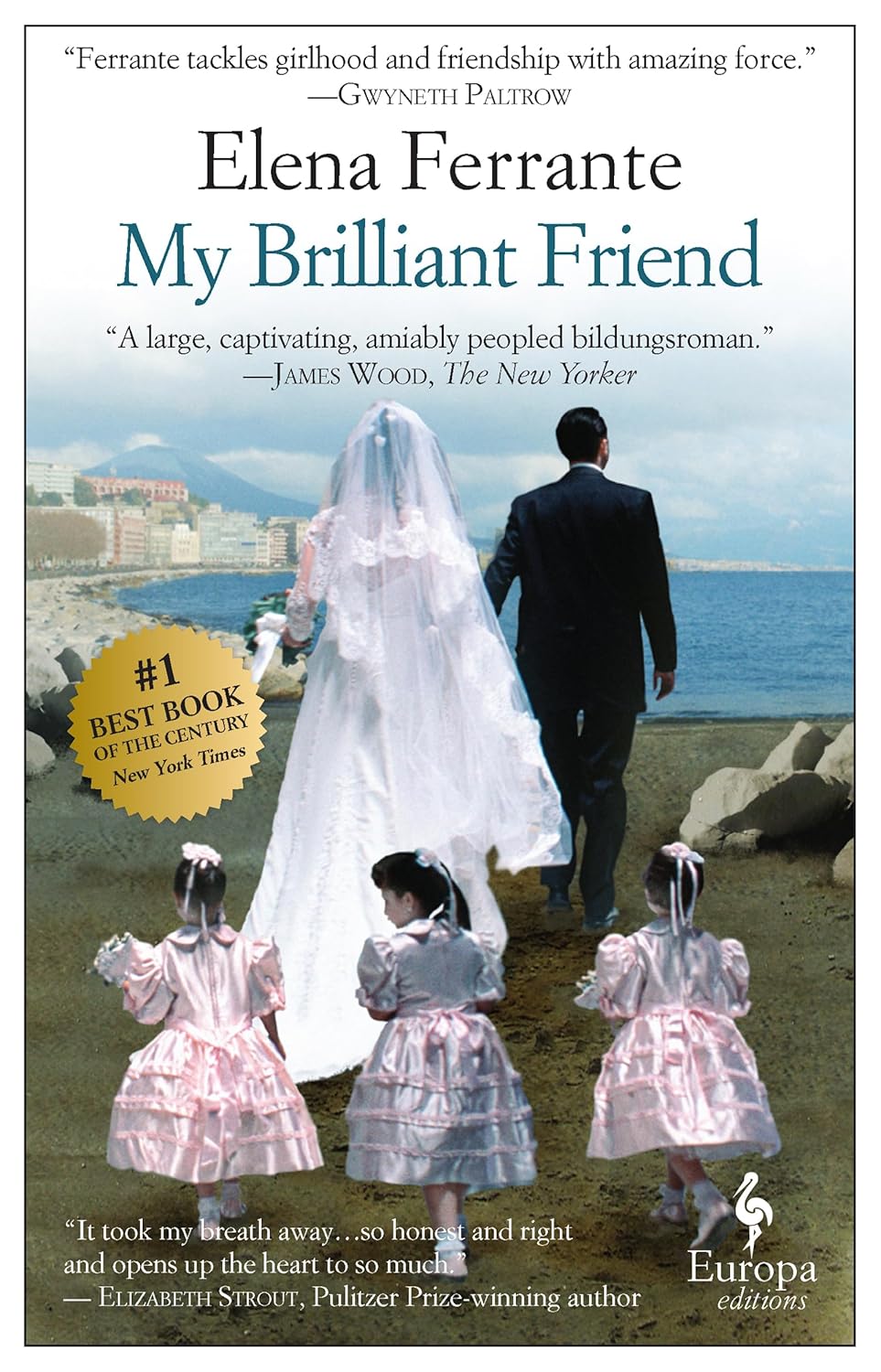
The Story in Brief
Elena Greco, called Lenù, narrates the story of her six-decade friendship with Raffaella Cerullo, known as Lila, beginning in their violent 1950s Naples neighborhood. The girls meet in elementary school where Lila's brilliance intimidates even their teacher, Maestra Oliviero, who recognizes both girls' potential but can only secure continued education for Elena—Lila's shoemaker father refuses to pay for middle school. As teenagers, their paths diverge: Elena pursues academics while Lila marries the grocer Stefano Carracci at sixteen, hoping to escape poverty but finding herself trapped in an abusive marriage.
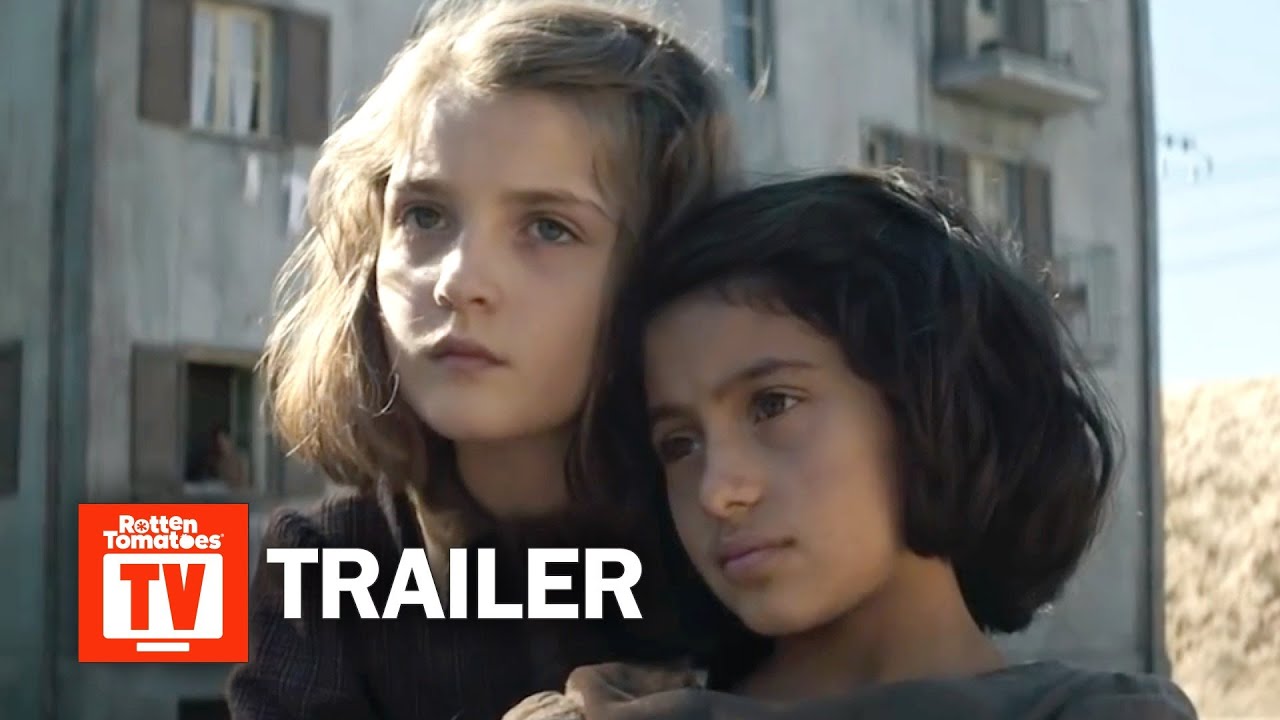
HBO's 2018 series, directed by Saverio Costanzo and filmed entirely in Italian with Neapolitan dialect, casts four actresses across two time periods: Elisa Del Genio and Margherita Mazzucco as young and teenage Elena, Ludovica Nasti and Gaia Girace as young and teenage Lila. The production recreated the rione (neighborhood) with obsessive period accuracy, shooting in the working-class Rione Luzzatti district. Critics praised the series for its unflinching portrayal of poverty and violence, though some noted the difficulty of translating Ferrante's introspective prose to screen.
The novel became a global phenomenon after its 2012 English translation, with Ferrante's anonymity fueling fascination. The book launched a quartet that follows Elena and Lila into old age, establishing Ferrante as one of contemporary literature's most significant voices on female friendship, class, and the cost of ambition.
Cast & Characters
| Character | In the Book | In the Series |
|---|---|---|
| Elena "Lenù" Greco Elisa Del Genio / Margherita Mazzucco |
The narrator, whose first-person voice reveals her insecurity, ambition, and obsessive comparison to Lila; her interior life is the novel's engine. | Mazzucco captures Elena's watchful intensity and determination, but without narration, her jealousy and self-doubt remain largely invisible. |
| Raffaella "Lila" Cerullo Ludovica Nasti / Gaia Girace |
Brilliant, volatile, and unknowable even to Elena; the book emphasizes how Elena constructs Lila through admiration and envy rather than true understanding. | Girace's fierce, magnetic performance makes Lila's charisma visible, but the series can't convey Elena's unreliable narration of her friend's inner life. |
| Stefano Carracci Giovanni Amura |
The grocer's son who courts Lila with promises of escape; Elena's narration reveals his violence gradually, mirroring Lila's own realization. | Amura plays Stefano's transformation from suitor to abuser with chilling restraint, making his violence more immediately visible than in the book. |
| Nino Sarratore Francesco Serpico |
The intellectual boy Elena idolizes; the book reveals her romantic obsession as self-deception, a way to claim superiority over Lila. | Serpico's Nino appears briefly but lacks the mythic quality Elena's narration grants him, making her infatuation seem less psychologically complex. |
| Maestra Oliviero Dora Romano |
The teacher who champions Elena's education; the book shows how her support is both gift and burden, creating obligation and guilt. | Romano conveys Oliviero's fierce advocacy, but the series can't fully explore Elena's complicated feelings about being chosen over Lila. |
Key Differences
Elena's Interior Voice Disappears
The book's power lies in Elena's first-person narration, which exposes her jealousy, insecurity, and the way she mythologizes Lila. Every observation is filtered through Elena's competitive anxiety—when she describes Lila's brilliance, we're reading Elena's fear of being surpassed. The series loses this entirely.
Mazzucco plays Elena as watchful and determined, but without access to her thoughts, we miss the self-loathing that drives her. When Elena studies obsessively, the book reveals she's motivated less by love of learning than by terror of Lila's natural genius. The series shows her studying; the book shows her suffering. That's the difference between plot and psychology.
Lila Becomes More Sympathetic on Screen
In the novel, Lila exists only through Elena's narration, which means we never know if she's truly brilliant or if Elena has constructed a rival to justify her own ambition. Ferrante deliberately makes Lila unknowable—Elena admits she's writing about someone she never fully understood.
The series, by necessity, gives Lila objective existence. Girace's performance makes Lila's intelligence and suffering visible without Elena's mediating jealousy. When Stefano hits Lila, the series presents it as straightforward abuse. The book filters it through Elena's complicated reaction—horror mixed with shameful satisfaction that Lila's marriage has failed. The series makes Lila a character; the book makes her a mirror for Elena's psyche.
The Neighborhood's Violence Becomes Visual Spectacle
Ferrante describes the rione's brutality through Elena's desensitized child's-eye view—men beating wives, loan sharks throwing people down stairs, children hurling rocks. The violence is environmental, normalized. Elena reports it without emphasis because it's her reality.
Costanzo films this violence with unflinching realism: Don Achille's murder, the New Year's Eve fireworks battle, Stefano dragging Lila by her hair. The visual impact is visceral in ways the book's matter-of-fact narration isn't. But the series loses something crucial—Elena's emotional numbness to violence, which the book conveys through narrative tone. When Elena describes horror casually, we understand how the neighborhood has shaped her. The series shows us violence; the book shows us what violence does to consciousness.
The Wedding Scene Shifts Focus
Lila's wedding to Stefano is the novel's climax, but its meaning lies in Elena's reaction. She watches Stefano arrive wearing the shoes Lila designed with Rino, shoes he'd promised to keep from the Solaras. Elena sees Lila's face freeze in betrayal and understands the marriage is already over. But Elena's narration also reveals her guilty relief—Lila's failure means Elena might still win their unspoken competition.
The series stages the wedding beautifully, and Girace's expression when she sees the shoes is devastating. But we lose Elena's internal response, which is the scene's true subject. The book is about Elena watching Lila's dreams collapse; the series is about Lila's dreams collapsing. That shift from observer to observed changes everything about what the story means.
Class Analysis Becomes Period Detail
Ferrante's novel is a sustained examination of how poverty and class mobility shape consciousness. Elena's education doesn't free her—it alienates her from her family while never fully admitting her to the middle class. The book tracks how Elena internalizes shame about her origins, how she polices her dialect, how she watches Lila's untutored brilliance with envy and condescension simultaneously.
The series recreates 1950s working-class Naples with meticulous accuracy—the cramped apartments, the outdoor markets, the lack of plumbing. But production design isn't analysis. The series shows poverty; the book examines what poverty does to ambition, friendship, and self-conception. When Elena goes to middle school in a borrowed dress, the series shows her discomfort. The book shows her learning to be ashamed of her mother, a shame that will poison her for decades. That's not something costume and set design can convey.
Should You Read First?
Read the book first, because the series adapts plot while the novel is about consciousness. Watching first means experiencing the story as a friendship drama set against poverty and violence—compelling, but not revelatory. Reading first means understanding that the story is Elena's decades-long attempt to comprehend a friendship that defined and distorted her entire life. Every scene in the series will resonate differently when you know it's filtered through Elena's jealousy, guilt, and obsessive need to make sense of Lila.
The series is beautifully made and worth watching, but it's an adaptation of events, not interiority. Ferrante's achievement is making Elena's voice so intimate that you feel complicit in her worst thoughts—her satisfaction when Lila suffers, her resentment when Lila succeeds. The series can't do that. Read the book to understand why this story became a phenomenon; watch the series to see those events given visual life. But the book is the experience that will stay with you, because it's not about what happened between Elena and Lila—it's about what Elena has spent sixty years trying to understand about what happened.
The book wins because Ferrante's first-person narration is the story—not a delivery mechanism for plot, but the subject itself. The series offers a faithful, visually stunning adaptation of events, but it cannot replicate the experience of living inside Elena's jealous, brilliant, self-deceiving mind. Read the book to understand why female friendship can feel like competition, obsession, and love all at once; watch the series to see 1950s Naples brought to life with rare authenticity.