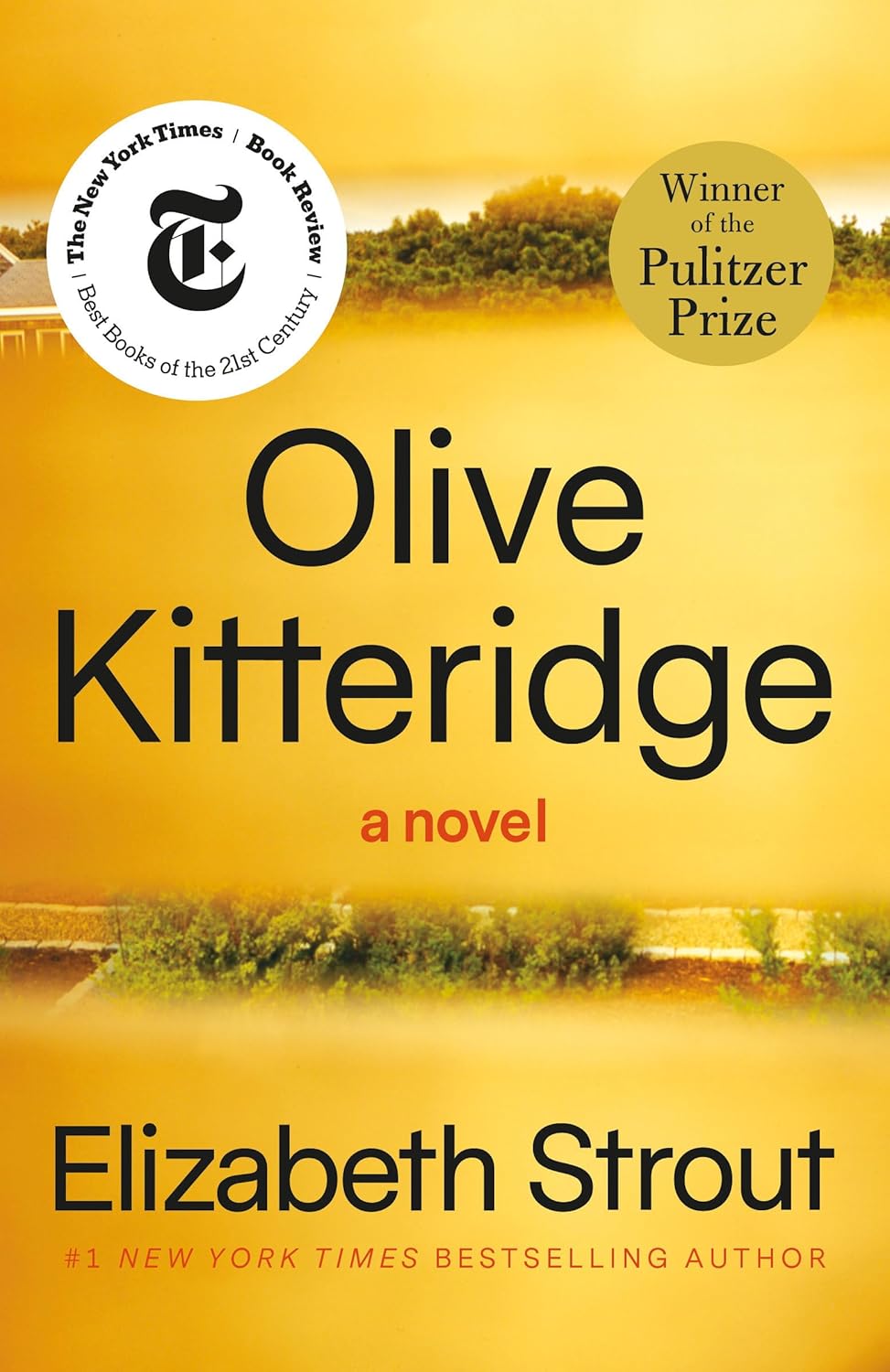
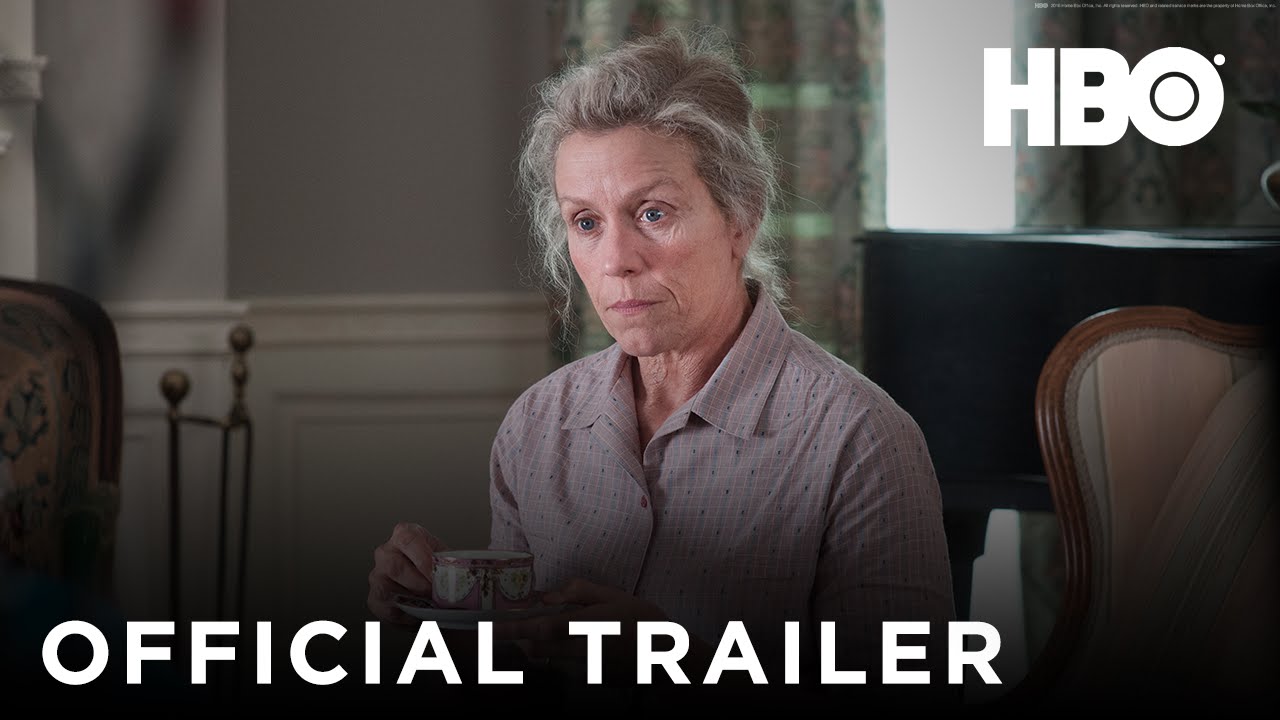
The Story in Brief
Elizabeth Strout's Olive Kitteridge follows the solitary, curmudgeonly Olive, a retired math teacher in a small coastal Maine town. Olive's blunt, uncompromising personality clashes with those around her, leading to strained relationships with her husband Henry and son Christopher. Told through a series of interconnected short stories, the novel explores themes of loneliness, marital discord, aging, and the human condition. The 2014 HBO miniseries adaptation brought Strout's complex characters to life, but ultimately falls short of capturing the book's depth and nuance.
Key Differences
Narrative Structure
Strout's novel utilizes a unique structure, with Olive appearing as a central figure in a collection of related short stories. This allows the reader to witness Olive's evolution through multiple perspectives and time periods, providing a more holistic and textured portrait. The TV adaptation, while still episodic in nature, loses some of this fragmented, impressionistic quality, streamlining the narrative into a more traditional linear format.
Character Depth
In the book, Olive's inner life is extensively explored, with Strout delving into her insecurities, regrets, and complex emotions. Readers gain a deep understanding of Olive's motivations and the events that have shaped her prickly personality. The miniseries, while featuring a superb performance by Frances McDormand, struggles to fully capture the nuances of Olive's character, at times reducing her to a more one-dimensional grump.
Thematic Resonance
Strout's novel masterfully weaves together themes of loneliness, mortality, and the human condition. Olive's journey is a contemplation on the complexities of relationships, the challenges of aging, and the search for meaning in life. The adaptation, while touching on these themes, lacks the same depth and emotional impact, often feeling more like a surface-level character study.
Supporting Characters
The book's supporting cast, including Olive's husband Henry and son Christopher, are richly developed, with their own unique arcs and perspectives. In the miniseries, these characters feel more peripheral, their stories often relegated to the background in favor of Olive's narrative. The result is a less balanced and nuanced portrayal of the complex interpersonal dynamics at the heart of the story.
Tonal Shifts
Strout's novel expertly navigates between moments of wry humor, poignancy, and heartbreak. The adaptation, while maintaining some of this tonal range, often feels more uneven, struggling to seamlessly transition between the book's darkly comedic and deeply melancholic elements.
Should You Read First?
For fans of literary fiction and character-driven narratives, the book is the clear choice. Strout's novel provides a richer, more textured exploration of Olive's life and the lives of those around her. The miniseries, while a solid adaptation, lacks the depth and complexity of the source material. If you're interested in the story, it's highly recommended to read the book first, as it will offer a more rewarding and immersive experience.
Strout's novel emerges as the superior work, providing a more nuanced and compelling portrait of its titular character.