The Story in Brief
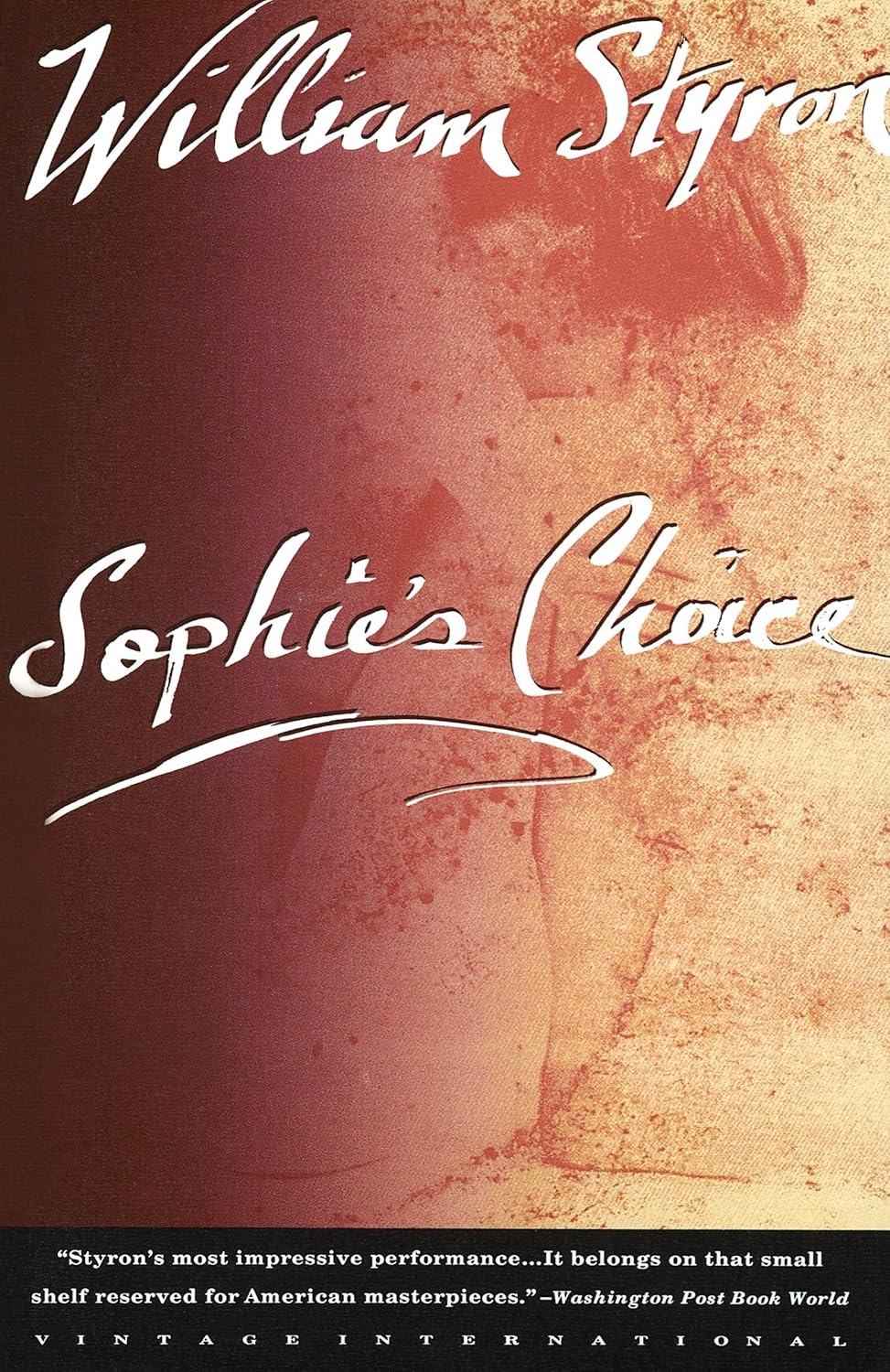
William Styron's Sophie's Choice is a haunting tale of love, loss, and the lingering trauma of the Holocaust. Set in post-war Brooklyn, the story follows Stingo, a young aspiring writer, as he befriends his neighbors Sophie, a Polish immigrant haunted by her past, and Nathan, her volatile and brilliant lover. Stingo becomes entangled in their tumultuous relationship while uncovering the harrowing details of Sophie's experiences in Auschwitz, including the "choice" that has tormented her for decades. The novel is a powerful exploration of the human condition, the echoes of the Holocaust, and the price of survival.
Key Differences
Narrative Perspective
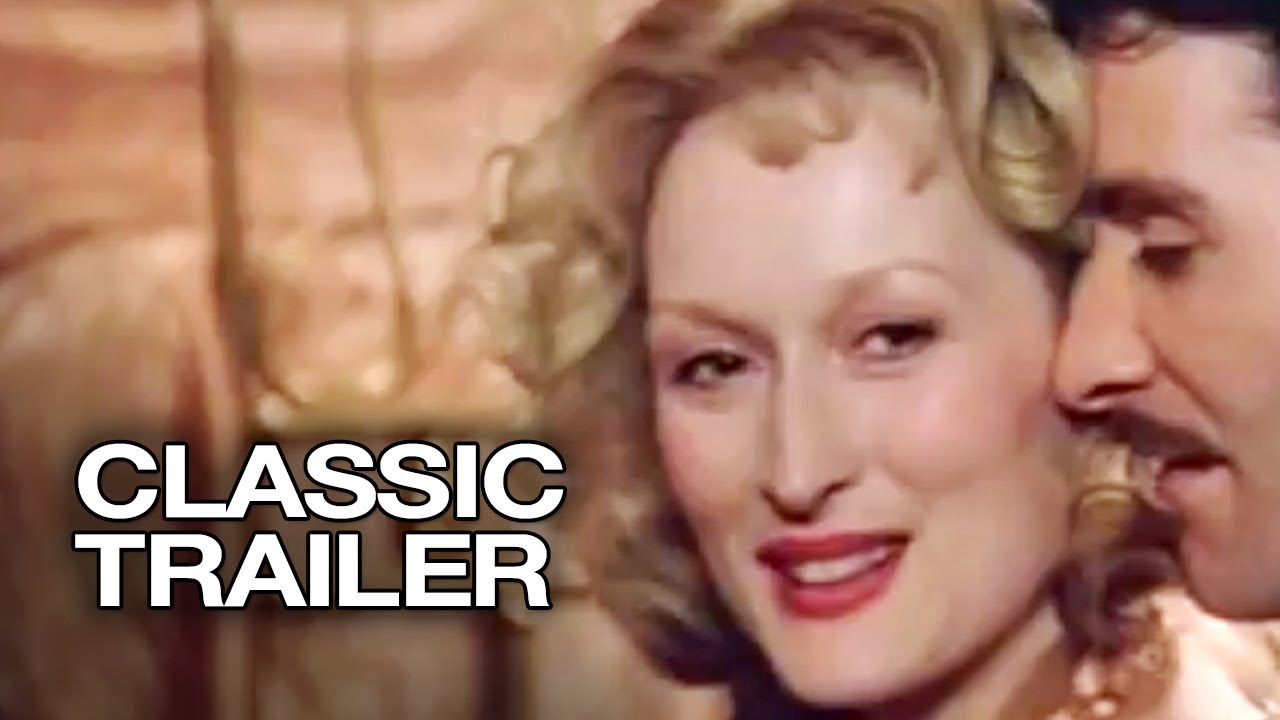
The novel is told through the eyes of Stingo, the young Southern writer, which allows for a more expansive exploration of the supporting characters and their individual narratives. The film, conversely, focuses more tightly on Sophie and Nathan's relationship, with Stingo taking more of a backseat. This shift in perspective changes the overall tone, with the book feeling more contemplative and the movie more emotionally intense.
Character Development
Styron's novel delves deeper into the backstories and psyches of the main characters, particularly Sophie. Her flashbacks to Auschwitz and the devastating "choice" she was forced to make are more fully explored, lending greater nuance and complexity to her character. The film, while still powerful, tends to paint the characters in broader strokes, with Meryl Streep's tour-de-force performance as Sophie overshadowing some of the subtler character development.
Tone and Pacing
The book has a more languid, literary pace, allowing the reader to fully immerse themselves in the characters' inner lives. The movie, while still dense and emotionally weighty, has a tighter, more cinematic rhythm. Pakula's adaptation compresses certain storylines and emphasizes the most dramatic and harrowing moments, resulting in a more immediate and visceral viewing experience.
Ending
The novel's conclusion is more open-ended, with Stingo's final confrontation with Nathan and the aftermath of Sophie's choice left more ambiguous. The film, however, provides a more definitive and heartbreaking resolution, with a powerful final scene that lingers in the viewer's mind.
Thematic Emphasis
While both the book and the movie grapple with the lasting trauma of the Holocaust, the novel places a greater emphasis on the themes of memory, identity, and the human capacity for both cruelty and compassion. The film, in turn, focuses more on the volatile and tragic nature of the central love triangle, with the Holocaust serving as a haunting backdrop.
Should You Read First?
There is no clear-cut answer as to whether you should read the book or watch the film first. Both are masterful works in their own right, and each offers a unique and compelling interpretation of Styron's powerful story. The novel provides a more immersive and psychologically nuanced experience, while the film delivers a more visceral and visually striking adaptation. Ultimately, it comes down to personal preference and how you want to engage with this poignant and deeply moving tale.
Too Close to Call. William Styron's novel and Alan J. Pakula's film adaptation of Sophie's Choice are both must-experience works, each offering a distinct and equally compelling exploration of this complex, haunting story.