
The Story in Brief
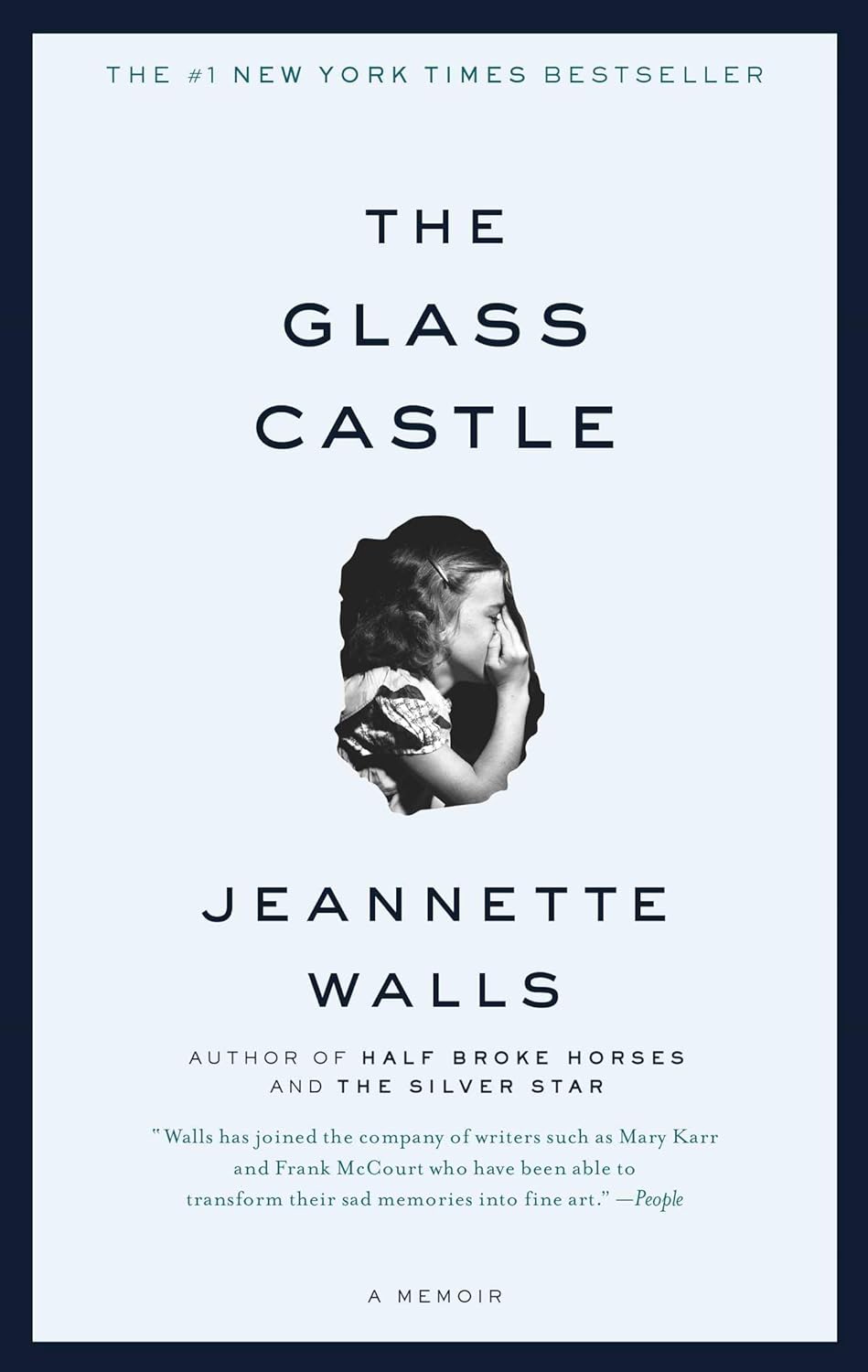
Jeannette Walls' 2005 memoir chronicles her chaotic childhood with Rex and Rose Mary Walls, parents whose bohemian ideals masked profound neglect. Rex, a brilliant alcoholic, promises his four children a solar-powered dream home—the Glass Castle—while moving them from desert towns to Appalachian poverty. Rose Mary, an artist who refuses to work despite owning property, prioritizes her painting over feeding her kids. Jeannette and her siblings—Lori, Brian, and Maureen—scavenge for food, endure freezing winters in a house without plumbing, and protect each other from their father's drunken rages and their mother's willful oblivion.
The 2017 film adaptation, directed by Destin Daniel Cretton and starring Brie Larson as adult Jeannette and Woody Harrelson as Rex, focuses on Jeannette's journey from poverty to success as a New York gossip columnist. The movie intercuts her 1980s childhood with her adult life, building toward a confrontation at a family dinner where she must reconcile her shame about her parents with her love for them. Lionsgate released the film to mixed reviews—critics praised Harrelson's performance but noted the sanitized portrayal of the family's dysfunction.
The memoir spent 261 weeks on the New York Times bestseller list and became required reading in schools, praised for its unflinching honesty about poverty and parental failure. The film earned $22 million at the box office but struggled to capture what made the book culturally significant: Walls' refusal to either demonize or romanticize her parents.
Cast & Character Comparison
| Character | In the Book | In the Film |
|---|---|---|
| Jeannette Walls Brie Larson / Ella Anderson |
The narrator who documents her childhood with journalistic precision, never excusing her parents but showing how their charisma coexisted with their cruelty. | Larson plays adult Jeannette as conflicted but ultimately forgiving, while young Ella Anderson captures her resourcefulness without the book's darker edge of complicity. |
| Rex Walls Woody Harrelson |
A charismatic dreamer whose alcoholism and rage terrify his children; he teaches Jeannette to swim by throwing her into a sulfur spring and pulling her out repeatedly until she learns. | Harrelson emphasizes Rex's charm and intelligence, softening his violence—the film omits scenes where he pimps out Jeannette to settle bar debts and steals Christmas money from his children. |
| Rose Mary Walls Naomi Watts |
An artist who owns land in Texas but refuses to sell it or work, preferring to let her children starve while she paints; she tells Jeannette that suffering builds character. | Watts plays her as more sympathetic and whimsical, a free spirit rather than a willfully negligent mother—the film downplays her selfishness and emotional abuse. |
| Lori Walls Sarah Snook |
Jeannette's older sister who escapes to New York first, working multiple jobs to save money for her siblings to follow; she's the pragmatic planner who breaks the family cycle. | Snook appears primarily in adult scenes as a successful artist, but the film reduces her role in orchestrating the children's escape from Welch, West Virginia. |
| Brian Walls Josh Caras |
Jeannette's younger brother and closest ally, who shares her resilience and eventually becomes a New York City police officer. | The film gives Brian less screen time and development, using him mainly as a supporting presence in childhood flashbacks. |
Key Differences
The Nonlinear Structure Is Flattened Into Conventional Chronology
Walls' memoir jumps between past and present without warning, mirroring how trauma intrudes on daily life. She'll describe a Park Avenue party, then flash to eating margarine from the tub in Welch. This structure forces readers to hold two Jeannettes in mind simultaneously—the successful journalist and the hungry child—showing how the past never fully releases its grip.
Cretton's film uses a more predictable back-and-forth between adult Jeannette preparing for an engagement party and her childhood memories. The transitions are signaled clearly, often triggered by objects or conversations, which makes the story easier to follow but strips away the memoir's sense of psychological fragmentation. The book's abrupt cuts feel like intrusive memories; the film's feel like standard flashback storytelling.
Rex's Darkness Is Softened to Preserve His Likability
The film needs Woody Harrelson's Rex to remain sympathetic, so it omits his worst acts. The book describes Rex taking Jeannette to a bar at age thirteen and allowing a man to take her upstairs "to play pool," only intervening when she screams—he later admits he needed money to gamble. The film cuts this entirely, along with scenes of Rex stealing the children's piggy banks and smashing furniture during blackout drunks.
Harrelson plays Rex as a lovable rogue whose alcoholism is a tragic flaw rather than a weapon he uses against his family. The movie includes the swimming lesson scene but frames it as tough love rather than near-drowning. It shows him teaching Jeannette about stars and physics, emphasizing his brilliance, but avoids showing how he weaponized that intelligence to manipulate his children into accepting neglect as adventure.
Rose Mary's Neglect Becomes Artistic Eccentricity
The book's Rose Mary is infuriating—she hides chocolate bars while her children dig through garbage for food, refuses to leave bed to teach her classes, and tells Jeannette that being sexually assaulted by a neighborhood boy is "not that big a deal." Walls documents her mother's selfishness with prosecutorial precision, showing a woman who chose self-actualization over her children's survival.
Naomi Watts' Rose Mary is quirky and misunderstood, a dreamer trapped by conventional expectations. The film includes the scene where she eats chocolate in bed while her children are hungry, but frames it as a moment of weakness rather than a pattern of behavior. It omits her refusal to sell her Texas land to buy food and her insistence that homelessness is an "adventure." The movie wants us to see her as flawed but ultimately redeemable; the book offers no such comfort.
The Welch, West Virginia Years Are Compressed and Sanitized
The family's three years in Welch—living in a rotting house without indoor plumbing, heat, or electricity—occupy the memoir's brutal center. Walls describes using an outdoor pit toilet in winter, bathing in a neighbor's washtub, and watching her parents' marriage collapse into violence. She details the social ostracism the children face as "garbage people" and Maureen's gradual psychological breakdown from the isolation and poverty.
The film condenses Welch into a montage of hardship, hitting the major beats—the freezing house, the bullying at school, the lack of food—but moving through them quickly to reach the escape to New York. It omits the full extent of the squalor, including the family's practice of throwing garbage into a growing pile in the backyard and the children's lice infestations. The book makes you feel trapped in Welch; the film treats it as a difficult chapter that's soon overcome.
The Ending Offers Hollywood Reconciliation Instead of Ambiguous Peace
Walls ends her memoir at Thanksgiving dinner after Rex's death, with the family gathered in Lori's apartment. She doesn't resolve her feelings about her parents or offer a neat moral. The final image is of everyone toasting Rex, a moment that contains both love and unspoken resentment—she's made peace with her past without forgiving it or pretending it was acceptable.
The film builds to a confrontation at Jeannette's engagement party where she defends her homeless parents to her fiancé's wealthy family, then reconciles with Rex before his death. The movie ends with adult Jeannette visiting the Glass Castle site and imagining it built, a visual metaphor for accepting her father's dreams. This provides emotional closure the book deliberately withholds—Walls never suggests her childhood was worth it or that her parents' love justified their failures.
Should You Read First?
Read the book first, because the film's sanitized version will make the memoir's honesty feel like exaggeration. If you watch the movie and see Harrelson's charming Rex, then read about the real Rex pimping out his daughter, you'll wonder if Walls is being unfair. But she's not—she's being accurate. The book's power comes from its refusal to soften the truth for the reader's comfort, and the film's compromises undermine that.
The movie works as a companion piece if you've already read the memoir and want to see Harrelson and Watts inhabit these characters. But as an introduction to the story, it misrepresents what makes The Glass Castle significant: Walls' willingness to document her parents' failures without excusing them or pretending poverty was character-building rather than damaging. The film wants you to leave feeling uplifted; the book wants you to understand what survival actually costs.
The book wins by refusing to make poverty picturesque or parental neglect forgivable. Walls' memoir documents what the film only gestures toward—that love and harm can coexist in the same parent, and that escaping your childhood doesn't mean it stops shaping you. The movie gives you Woody Harrelson's charisma; the book gives you the truth about what that charisma cost.