The Story in Brief
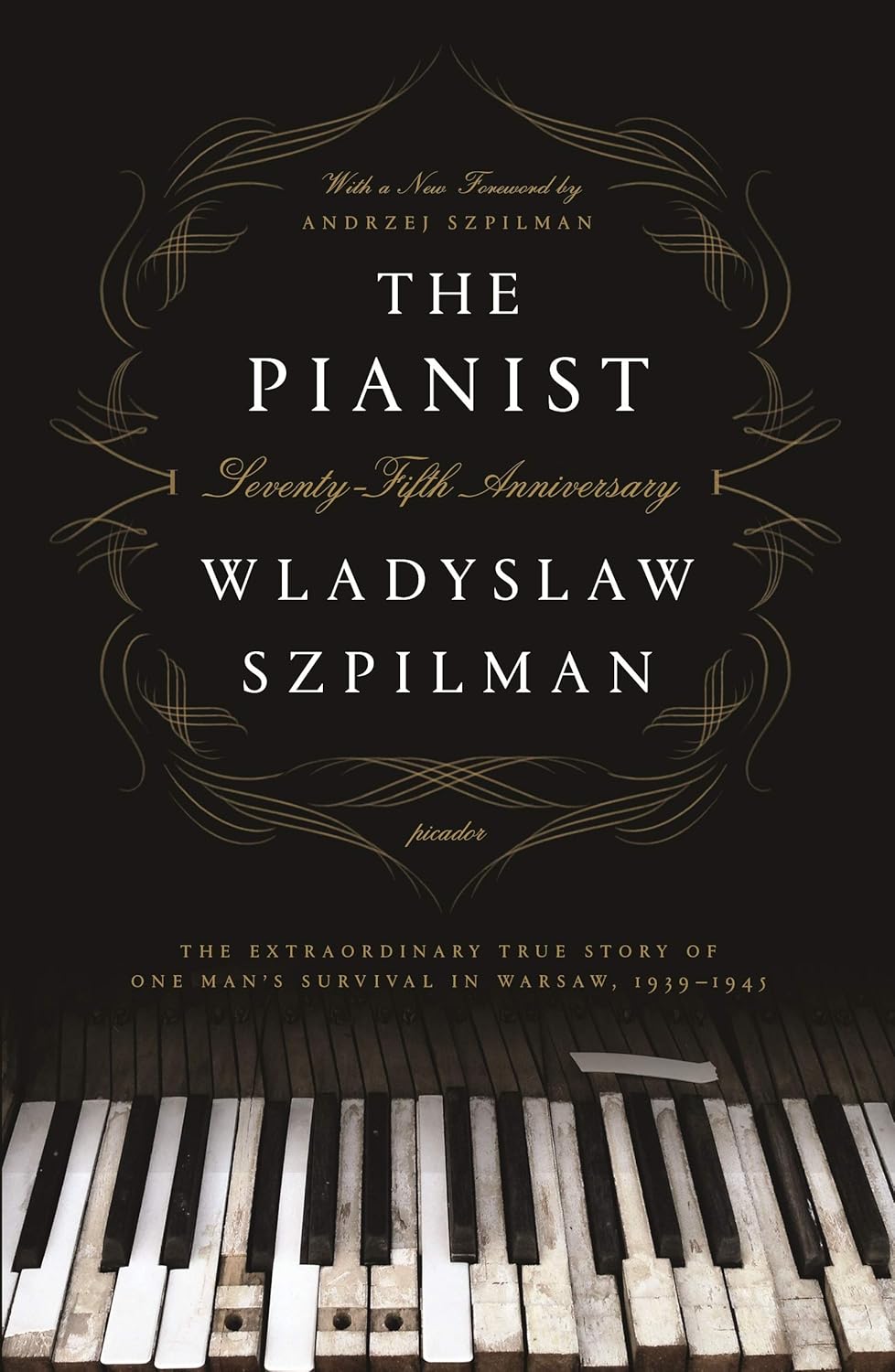
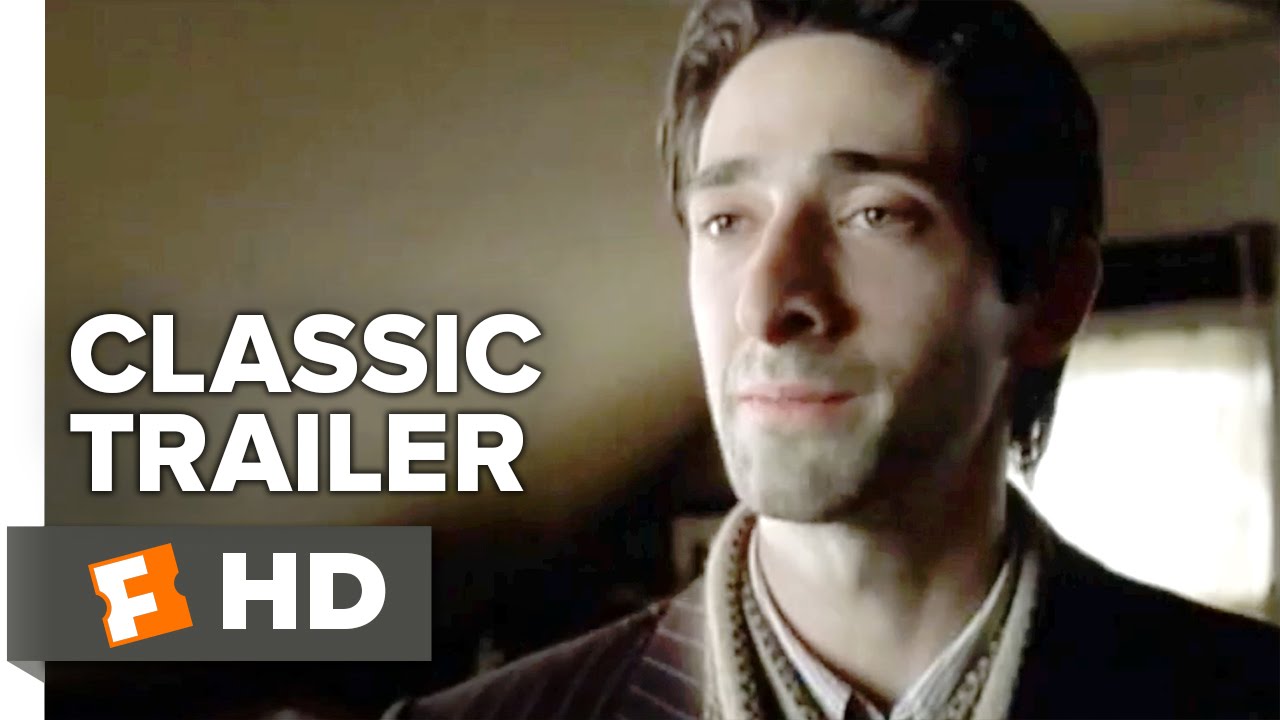
The Pianist is a powerful memoir about Polish-Jewish pianist Władysław Szpilman's harrowing experience of surviving the Holocaust in the Warsaw ghetto. As the Nazis occupy Warsaw, Szpilman is forced into the ghetto, separated from his family, and witnesses the devastation of his community. The film adaptation, directed by Roman Polanski, closely follows Szpilman's firsthand account, showcasing his resilience and the humanity that persisted amidst the horrors of the war.
Key Differences
Narrative Perspective
The book is written in the first-person perspective, allowing readers to intimately experience Szpilman's personal journey and inner thoughts. The film, while closely following the memoir, adopts a more detached, cinéma vérité style, putting the audience in the role of an observer rather than a participant. This shift in perspective gives the movie a more objective, documentary-like feel compared to the book's more subjective, emotional approach.
Tonal Shifts
While both the book and film are undoubtedly dark and harrowing, the book features more moments of levity and humanity. Szpilman's recollections include instances of camaraderie, humor, and small acts of kindness that provide respite from the overwhelming tragedy. In contrast, Polanski's film maintains a more consistently somber and tense tone, with fewer light-hearted moments, resulting in a more relentless and immersive cinematic experience.
Character Development
The book delves deeper into Szpilman's personal relationships and the fates of his family members, providing a more intimate portrait of the protagonist. The film, however, focuses more narrowly on Szpilman's individual struggle for survival, with less emphasis on the supporting characters. This streamlined approach allows the movie to hone in on Szpilman's harrowing journey, but at the expense of the richer character development present in the memoir.
Sensory Experiences
As a memoir, the book is able to convey Szpilman's sensory experiences in vivid detail, from the sights and sounds of the Warsaw ghetto to the tactile experience of playing the piano. The film, while visually striking, cannot fully capture the nuanced, first-hand descriptions found in the book. Polanski's adaptation instead relies on immersive cinematography and Adrien Brody's powerful performance to evoke the horrors and small moments of beauty that Szpilman experienced.
Ending Perspectives
The book and film share a similar ending, with Szpilman's eventual liberation and survival. However, the book's conclusion offers a more reflective, philosophical tone, as Szpilman ponders the meaning of his experience and the resilience of the human spirit. In contrast, the film's ending is more abrupt, focusing on the immediate physical and emotional toll of Szpilman's ordeal, leaving the audience with a more visceral, haunting impression.
Should You Read First?
Both the book and film versions of The Pianist offer powerful and distinct portrayals of the Holocaust, each with their own merits. The book provides a more intimate, first-person account that delves deeper into Szpilman's personal journey and relationships. The film, however, delivers a more visually immersive and cinematic experience, capturing the harrowing realities of the Warsaw ghetto with stunning cinematography and a gripping central performance. Ultimately, the decision of whether to read the book or watch the film first comes down to personal preference - those seeking a more subjective, emotional journey may prefer the book, while those drawn to the visceral power of cinema may be more captivated by the film. Whichever route you choose, both versions of The Pianist are essential and powerful works that shed light on one man's remarkable survival during one of history's darkest chapters.
Too Close to Call - The book and film versions of The Pianist are both powerful portrayals of the Holocaust, each offering a distinct perspective that is well worth experiencing.