The Story in Brief
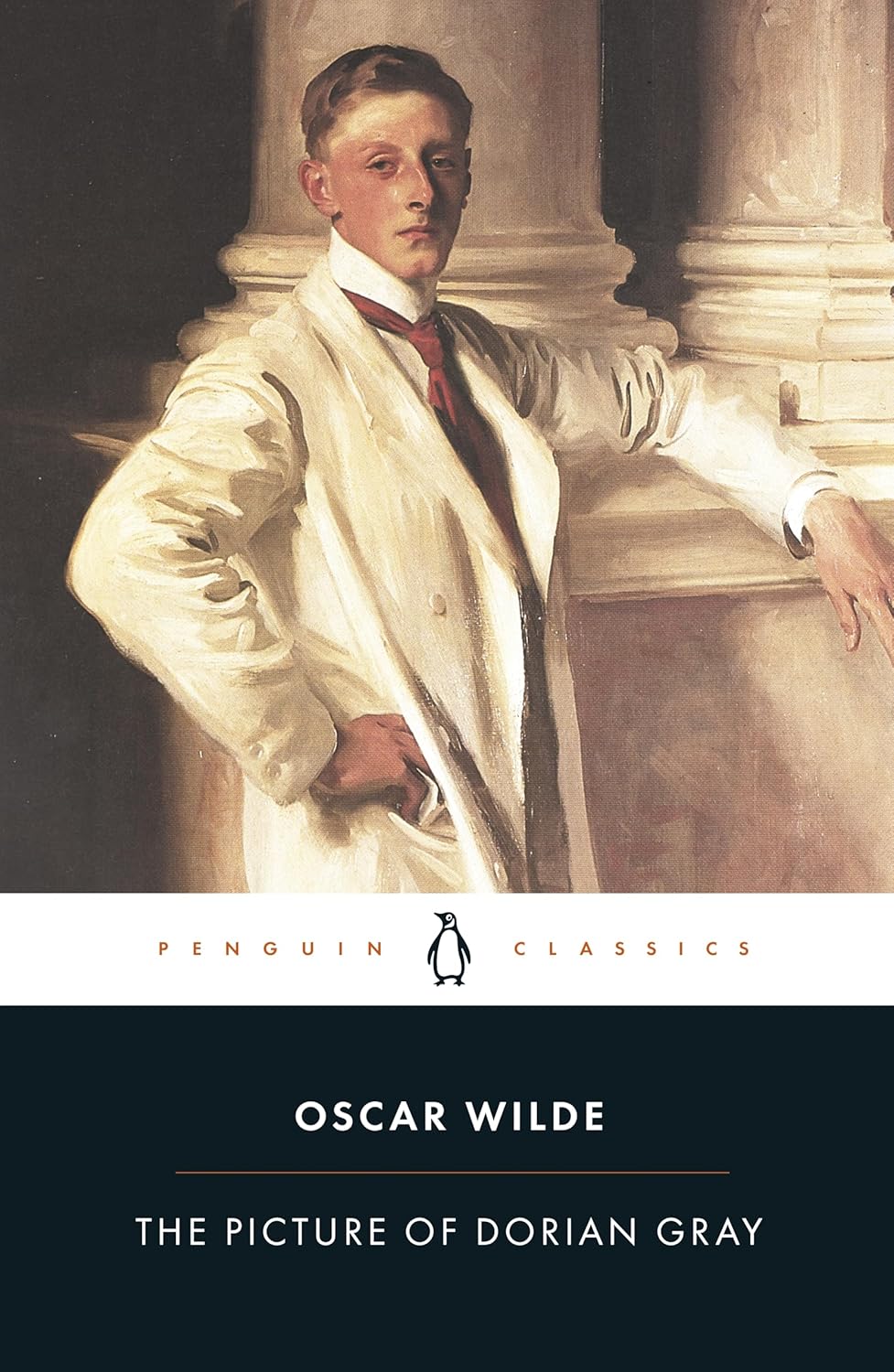
Oscar Wilde's classic Gothic tale follows the story of Dorian Gray, a beautiful young man whose portrait ages and decays while he remains eternally youthful. Seduced by a hedonistic lifestyle and the promise of eternal beauty, Dorian sells his soul, leading to a spiral of moral decay. The 2009 film adaptation explores these same themes of vanity, morality, and the price of eternal youth, but fails to fully capture the depth and complexity of Wilde's original work.
Key Differences
Character Development
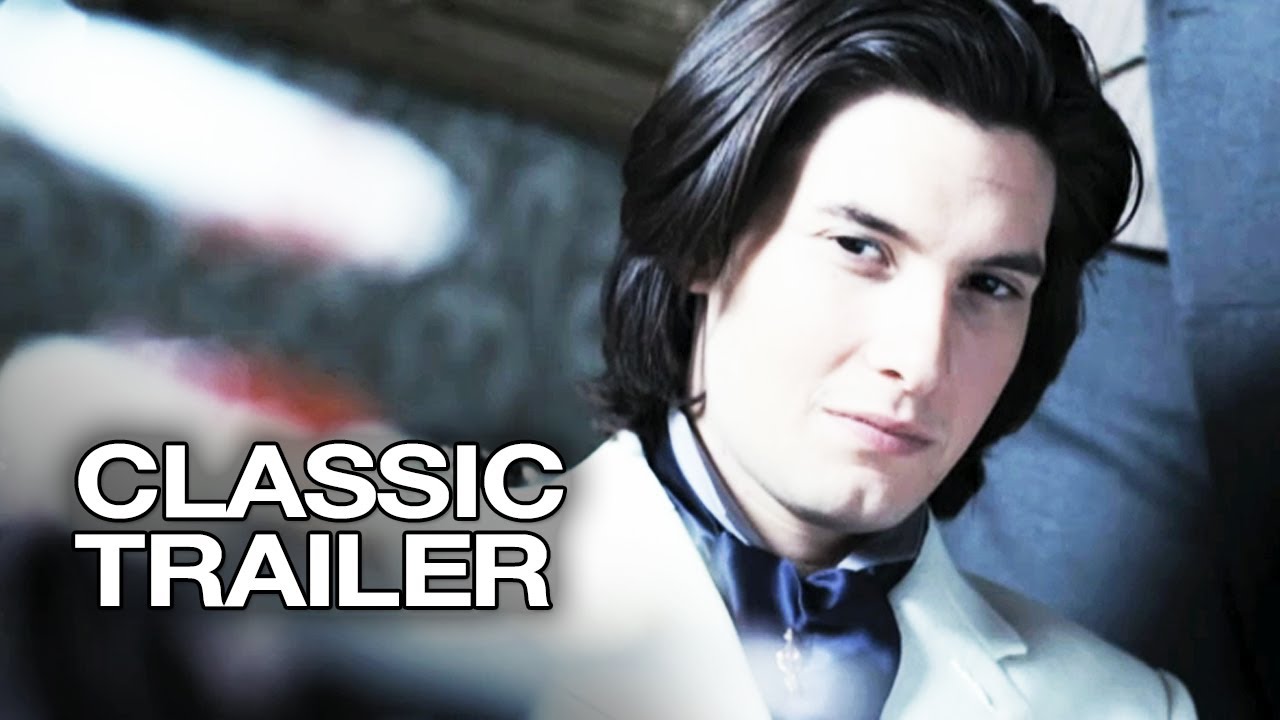
The book delves deeply into Dorian's psychological and spiritual transformation, chronicling his slide into debauchery and moral corruption in rich detail. The film, while showcasing strong performances from Ben Barnes and Colin Firth, struggles to convey the full scope of Dorian's descent. Crucial scenes and character motivations are condensed or omitted, leaving the audience with a more surface-level understanding of Dorian's journey.
Tone and Atmosphere
Wilde's novel is infused with a lush, decadent atmosphere that the film fails to fully replicate. The book's rich, lyrical language and Gothic undertones create a sense of unease and moral ambiguity that the more straightforward film adaptation struggles to achieve. While visually striking, the movie lacks the haunting, almost supernatural quality that permeates the original text.
Thematic Depth
At its core, The Picture of Dorian Gray is a profound exploration of the human condition, grappling with themes of vanity, morality, and the corrupting influence of hedonism. Wilde's novel delves deep into these ideas, presenting a nuanced and multifaceted commentary. The film, while touching on these themes, fails to capture the full philosophical weight and complexity of the source material.
Narrative Pacing
The book's leisurely, deliberate pacing allows the reader to become immersed in Dorian's world and fully experience his transformation. The film, in its attempt to condense the story, often feels rushed, with key plot points and character arcs rushed through or glossed over. This diminishes the overall impact and emotional resonance of the narrative.
Ending
The novel's climactic ending, in which Dorian's attempt to destroy the painting leads to his own demise, is a powerful and haunting conclusion that perfectly encapsulates the themes of the story. The film's ending, while visually striking, lacks the same thematic weight and emotional punch, feeling more like a simple resolution to the plot rather than a profound commentary on the human condition.
Should You Read First?
Unequivocally, the book should be read first. Wilde's novel is a rich, multilayered work that delves deeply into the human psyche, exploring themes of vanity, morality, and the price of eternal youth. The film adaptation, while visually compelling, simply cannot capture the full depth and complexity of the original text. By reading the book first, you will gain a richer understanding of the characters, themes, and overall significance of the story. The film, while a decent adaptation, pales in comparison to the literary masterpiece that is The Picture of Dorian Gray.
The book firmly wins this adaptation, capturing the depth and complexity of Wilde's themes more effectively than the film.