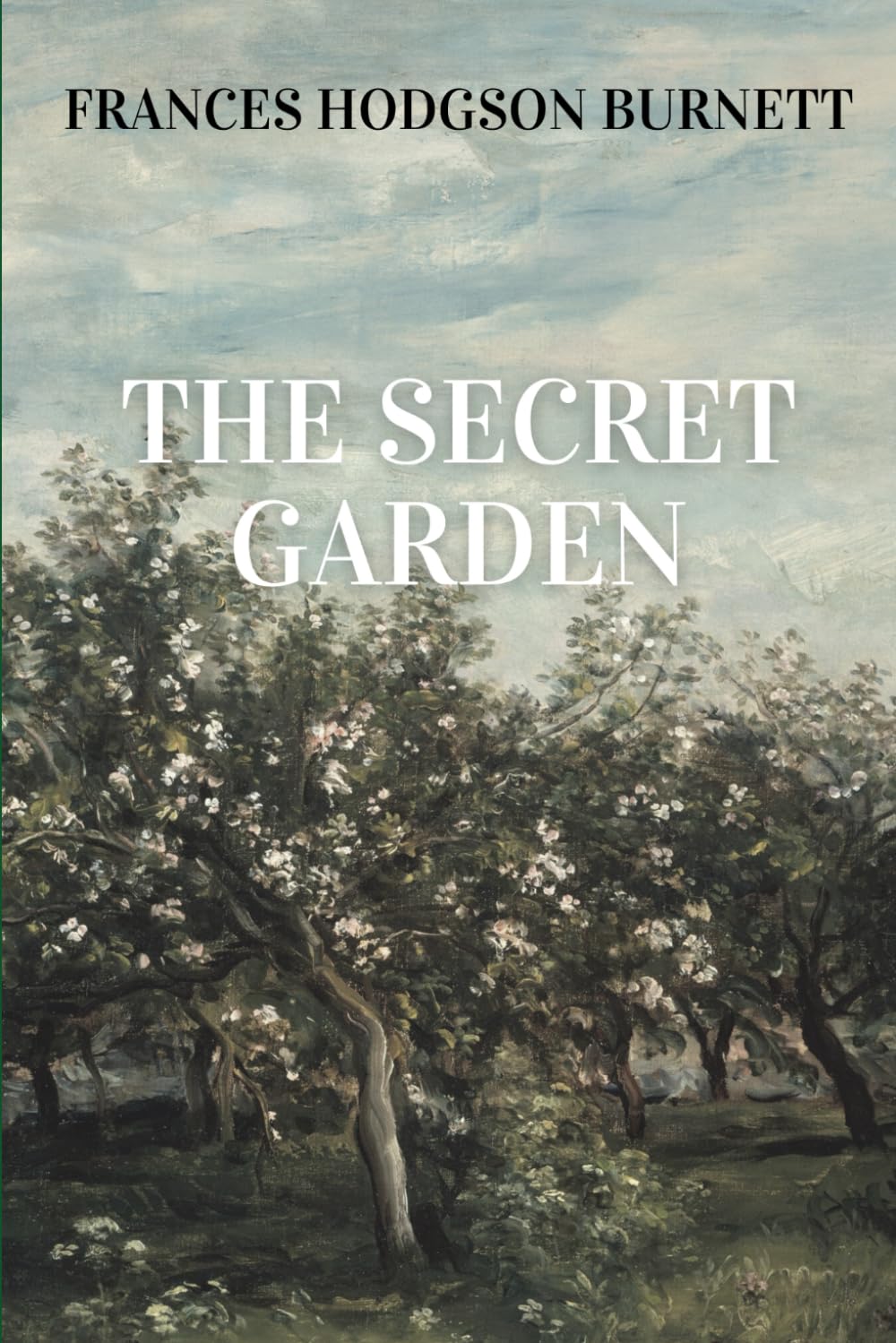

The Story in Brief
Mary Lennox is a spoiled, unloved child orphaned by a cholera epidemic in India and sent to live with her reclusive uncle Archibald Craven at Misselthwaite Manor on the Yorkshire moors. She is disagreeable, lonely, and entirely unaccustomed to being ignored. In the grounds of the estate she discovers a locked garden that has been sealed for ten years — and in restoring it she restores herself, her sickly cousin Colin, and eventually her uncle. Frances Hodgson Burnett's 1911 novel is one of the great children's books in the English language and a serious work about grief, recovery, and the therapeutic power of living things. Marc Munden's 2020 adaptation, with a screenplay by Jack Thorne, is visually inventive and emotionally somewhat rushed.
Key Differences
Mary's transformation
The novel's Mary begins as genuinely unpleasant — selfish, imperious, accustomed to being served and incapable of considering others. Her change is slow, effortful, and convincing precisely because Burnett does not hurry it. The film's Mary is more immediately sympathetic — her difficult behaviour is framed as the consequence of trauma rather than character — which makes her easier to like and her transformation less earned. The novel's version is more honest about how difficult children are and how slowly they change.
The garden as metaphor
Burnett's garden works on multiple levels simultaneously — it is a real place that needs tending, a metaphor for Mary's interior life, and an argument about the relationship between the natural world and human wellbeing that was ahead of its time in 1911. The 2020 film renders the garden with beautiful CGI that tips into fantasy, making it a magical space rather than a natural one. This visual choice is spectacular and somewhat undercuts the novel's more grounded argument that ordinary nature, tended with patience, is sufficient.
Colin Craven
Colin — Mary's bedridden cousin who has been told he is an invalid and has come to believe it — is one of literature's more interesting studies in psychosomatic illness. The novel gives him considerable space: his tantrums, his self-pity, his theatrical suffering, and his eventual physical flourishing when he stops believing in his own fragility. The film compresses his arc significantly, and his transformation feels more abrupt than the gradual, stubborn process Burnett describes.
Dickon and the Yorkshire world
Burnett's Dickon — the local boy who communicates with animals and embodies a kind of wholesome outdoor vitality — is rendered in rich Yorkshire dialect and given substantial presence in the novel. The film's Dickon is warm but somewhat marginalised. The broader world of the moors and the local community that surrounds Misselthwaite — which gives the novel much of its texture — is thinner in the adaptation.
The ending
The film makes significant changes to the ending, bringing Archibald Craven more centrally into the resolution and staging a more dramatic climax than Burnett wrote. The novel ends quietly — Colin's recovery is the achievement, and it belongs to the children. Munden's film gives the adults more of the emotional conclusion, which is warmer cinematically and slightly misses what Burnett was arguing about children's capacity for self-renewal.
Should You Read First?
Yes — the novel's pacing is the point. Burnett understood that healing is slow and unglamorous, and she wrote a book whose rhythm reflects that. Read first for the full experience of Mary's difficult, gradual transformation. See the film for its visual imagination and for Colin Firth's melancholy Archibald Craven, which is one of the better performances in the adaptation's history.
Burnett wrote a novel about the slow, difficult work of healing — in a child, in a garden, in a household full of grief. Munden's film is visually beautiful and emotionally accelerated. The novel is the more honest account of how recovery actually works. Read it at any age. See the film for the visuals. The garden on the page is the real one.