The Story in Brief
Victor Frankenstein, a young Genevan scientist obsessed with conquering death, assembles a living being from corpses and animates it through galvanism. The moment his creation opens its eyes, Victor flees in horror, abandoning the creature to fend for itself. The creature — eloquent, sensitive, desperate for connection — educates himself by observing the De Lacey family and reading Paradise Lost, Plutarch, and Goethe. When the De Laceys reject him and Victor refuses to create a female companion, the creature murders Victor's younger brother William, his friend Henry Clerval, and his bride Elizabeth on their wedding night.
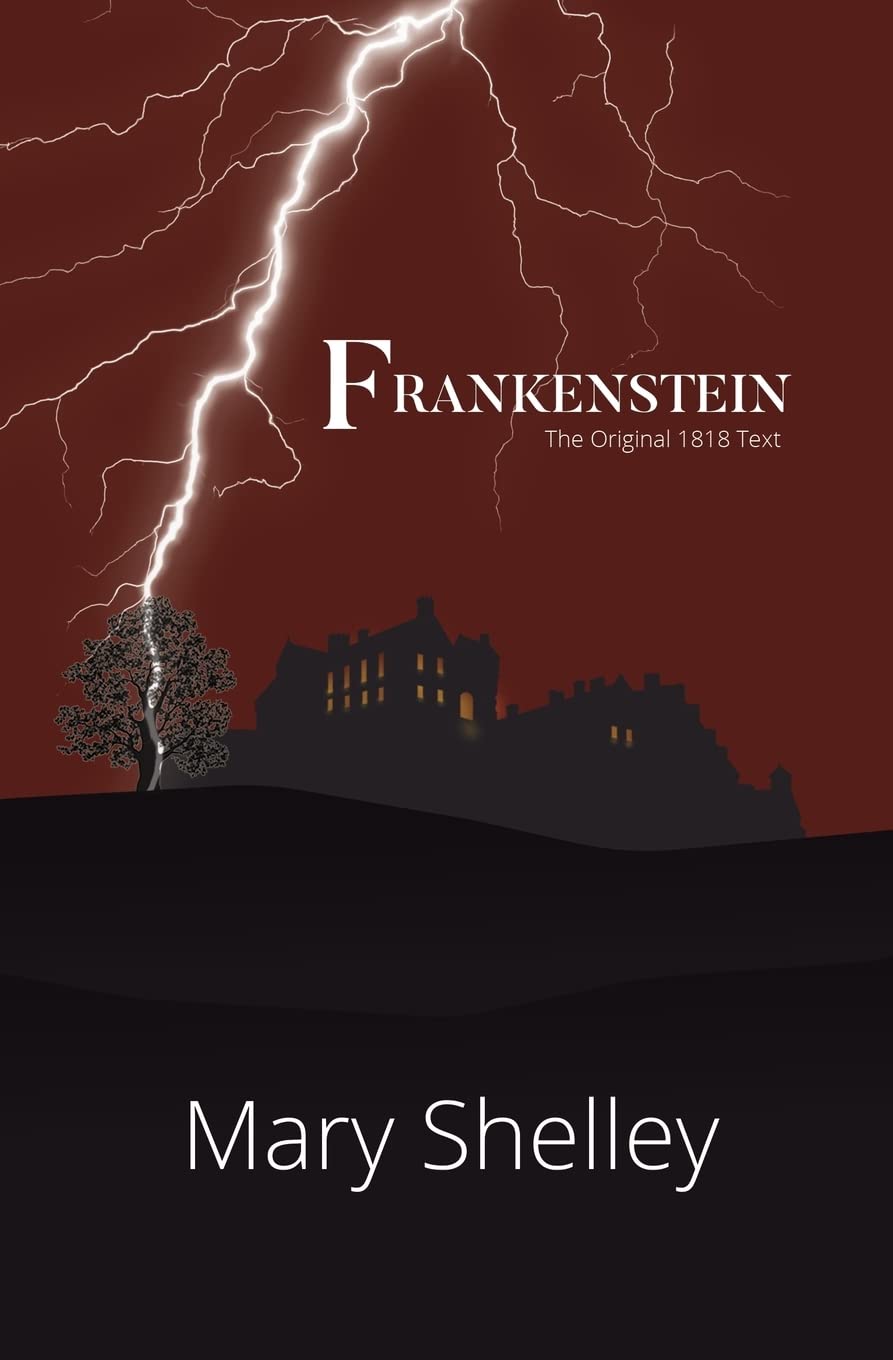
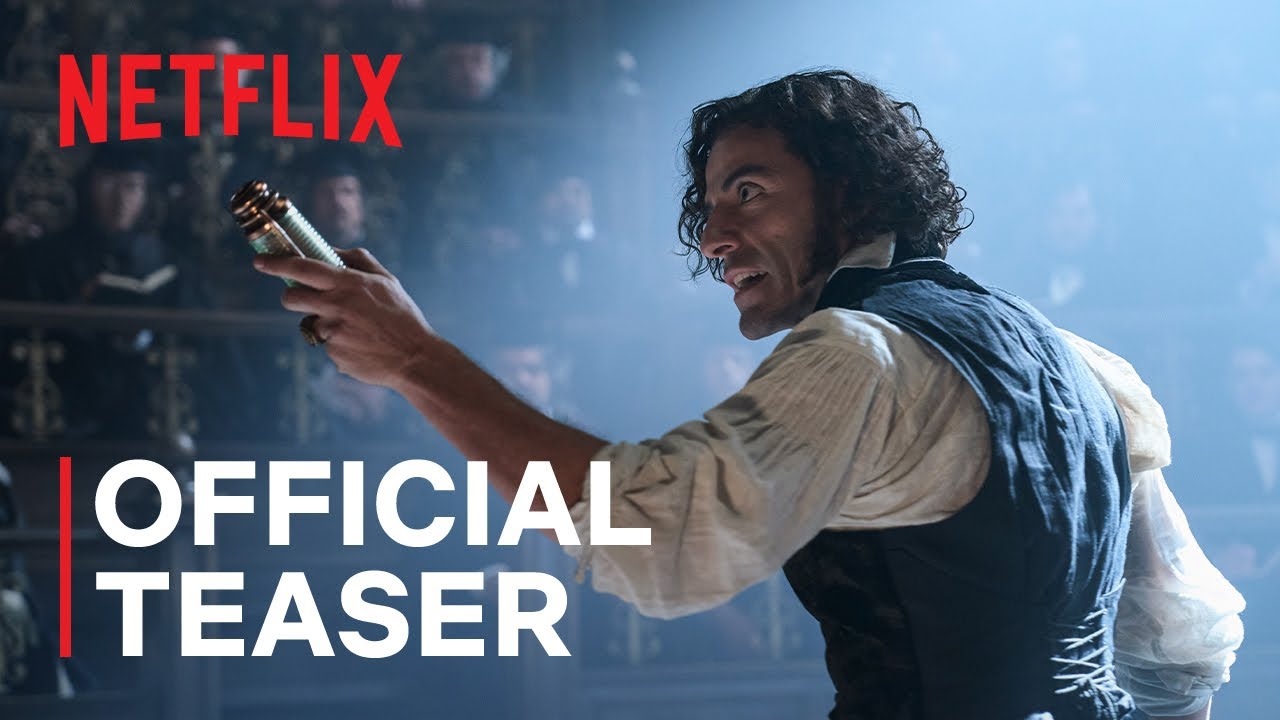
Mary Shelley wrote the novel at nineteen during the summer of 1816 at Lake Geneva, in a ghost story contest with Percy Shelley, Lord Byron, and John Polidori. Published anonymously in 1818, it became the founding text of science fiction and one of the most philosophically rich novels in English literature. Guillermo del Toro's 2025 Netflix adaptation, starring Oscar Isaac as Victor and Jacob Elordi as the creature, is the most faithful cinematic attempt in over a century of Frankenstein films.
The novel has never been out of print and has generated more adaptations than almost any work of fiction. Del Toro's version arrives after James Whale's 1931 film with Boris Karloff established the pop culture image of the monster — mute, bolt-necked, and fundamentally different from Shelley's articulate creation.
Cast & Characters
| Character | In the Book | In the Film |
|---|---|---|
| Victor Frankenstein Oscar Isaac |
A narcissistic scientist who abandons his creation and spends the novel in self-pitying guilt while refusing to take responsibility for the murders his creature commits. | Isaac plays Victor with less sympathy than most adaptations, preserving Shelley's critique of his moral cowardice and obsessive self-regard. |
| The Creature Jacob Elordi |
Eight feet tall, eloquent, self-educated through reading Milton and Goethe, capable of devastating philosophical arguments about his own existence and Victor's culpability. | Elordi's creature speaks in full paragraphs and quotes Paradise Lost — the first major film to restore the creature's voice and intelligence as Shelley wrote them. |
| Elizabeth Lavenza Mia Goth |
Victor's adopted sister and fiancée, largely passive in the plot, murdered by the creature on her wedding night as revenge against Victor. | Del Toro expands Elizabeth's role, giving her more agency and awareness of Victor's obsession, though she still meets the same fate. |
| Robert Walton Christoph Waltz |
Arctic explorer who rescues Victor and transcribes his story in letters to his sister — the novel's frame narrator. | Waltz appears in the opening and closing sequences, preserving more of Shelley's nested structure than most adaptations attempt. |
| Henry Clerval Andrew Garfield |
Victor's loyal childhood friend, murdered by the creature in Ireland to punish Victor for destroying the female creature. | Garfield's Clerval is given more screen time and serves as a moral contrast to Victor's obsession and selfishness. |
Key Differences
The Creature's Eloquence
Del Toro restores what two centuries of adaptations have erased: the creature's voice. Shelley's creature is one of literature's most articulate characters. His account of his own development — learning language by listening to the De Laceys, reading Paradise Lost and identifying with Satan, constructing philosophical arguments about why he was made to suffer — is central to the novel's moral architecture.
Most adaptations have made the creature mute or minimally verbal. Boris Karloff's 1931 performance established the grunting, inarticulate monster in popular imagination. Kenneth Branagh's 1994 version gave Robert De Niro a few lines but nothing approaching Shelley's rhetoric.
Jacob Elordi's creature speaks in full paragraphs, quotes Milton, and delivers the novel's most devastating line to Victor: "I ought to be thy Adam, but I am rather the fallen angel." This is the adaptation's most significant and correct choice.
The Frame Narrative Structure
Shelley's novel is structured as letters from Robert Walton to his sister Margaret, containing Victor's first-person account, which itself contains the creature's first-person narrative. This nested structure creates moral complexity: we receive the creature's perspective through Victor's transcription, filtered through Walton's letters, and must judge whose account to trust.
Most films flatten this to a single perspective, usually Victor's. Del Toro retains Walton's frame with Christoph Waltz in the Arctic sequences, and preserves the creature's extended first-person account of his education and rejection by the De Laceys.
The film simplifies — it must — but it retains more of the original architecture than any previous adaptation. The effect is that we still receive multiple perspectives on who is responsible for the tragedy.
Victor's Culpability and Self-Pity
Shelley is unambiguous: Victor is the monster of his own novel. He creates life without considering the consequences, abandons his creation the moment it breathes, refuses to take responsibility for the murders, and spends the novel in self-pitying guilt while doing nothing to prevent further deaths. When the creature begs for a female companion, Victor agrees, then destroys her in front of him — the act that triggers the murder of Elizabeth.
Most adaptations soften Victor into a tragic hero, a man of science undone by forces beyond his control. Oscar Isaac's performance preserves Shelley's critique. His Victor is narcissistic, cowardly, and incapable of seeing past his own suffering to acknowledge what he has done.
The film makes explicit what the novel implies: Victor's real crime is not creating the creature but abandoning it. Del Toro frames this as a story about parental responsibility, which is exactly what Shelley wrote.
The Female Characters and Feminist Critique
Shelley's female characters — Elizabeth Lavenza, Justine Moritz, Safie — are largely passive in the plot, but their treatment is part of the novel's feminist critique. Women in Frankenstein are creatures of a world made by men and suffer for it. Justine is executed for William's murder. Elizabeth is murdered on her wedding night. The female creature is destroyed before she can live.
Del Toro expands the female roles. Mia Goth's Elizabeth is more aware of Victor's obsession and more vocal in her objections. The film adds scenes of Elizabeth confronting Victor about his secrecy and his treatment of her as an object to be claimed rather than a person to be known.
This brings the adaptation into conversation with contemporary concerns about agency and representation, but it departs from Shelley's more oblique approach. Shelley's point was that women are silenced — del Toro gives them voices, which changes the critique.
Del Toro's Visual Language and Gothic Atmosphere
Del Toro is the ideal director for this material. His visual sensibility — the beauty of the grotesque, the sympathy for monsters, the attention to texture and decay — suits Shelley's themes perfectly. The creature design is extraordinary: eight feet tall, stitched and scarred, but with Elordi's expressive face visible beneath the prosthetics.
The film's Gothic atmosphere — the storms, the Alpine landscapes, the laboratory sequences — realizes what Shelley describes but cannot show. The creation sequence, with its galvanic apparatus and Victor's manic energy, is the most visceral depiction of the moment of animation ever filmed.
This is an area where the film does something the novel cannot. Shelley's prose is precise but restrained. Del Toro's images are overwhelming. The film earns its existence by showing us the horror and beauty of the creature in ways that prose, however good, cannot achieve.
Should You Read First?
Yes, and this is particularly important for Frankenstein because two centuries of cultural mythology have accumulated around the novel. Most people think they know the story. They know the Boris Karloff version: the flat-headed, bolt-necked, grunting monster. They know the phrase "It's alive!" which does not appear in Shelley's novel. They know the idea of the mad scientist, which is a distortion of what Shelley wrote.
Read the novel and meet the real Frankenstein's monster: articulate, philosophical, capable of reading Paradise Lost and constructing arguments about his own existence. Meet Victor as Shelley wrote him: not a tragic hero but a narcissistic coward who creates life and then refuses to take responsibility for it. The novel is short, readable, and more radical than any adaptation has managed to be. Del Toro's film is the closest any director has come, but it is still a translation. Read the original first.
Del Toro has made the most faithful Frankenstein adaptation in cinema history and it's still a lesser work than a novel written by a teenager in 1818. The film restores the creature's eloquence, preserves Victor's culpability, and realizes Shelley's Gothic atmosphere with extraordinary visual power. But Shelley's creature is irreplaceable on the page — his voice, his arguments, his devastating moral clarity cannot be fully translated to screen. See the film, because del Toro earns his adaptation. But read the novel first and meet the creature Shelley actually created: not a monster, but a person made monstrous by the world that rejected him.