The Story in Brief
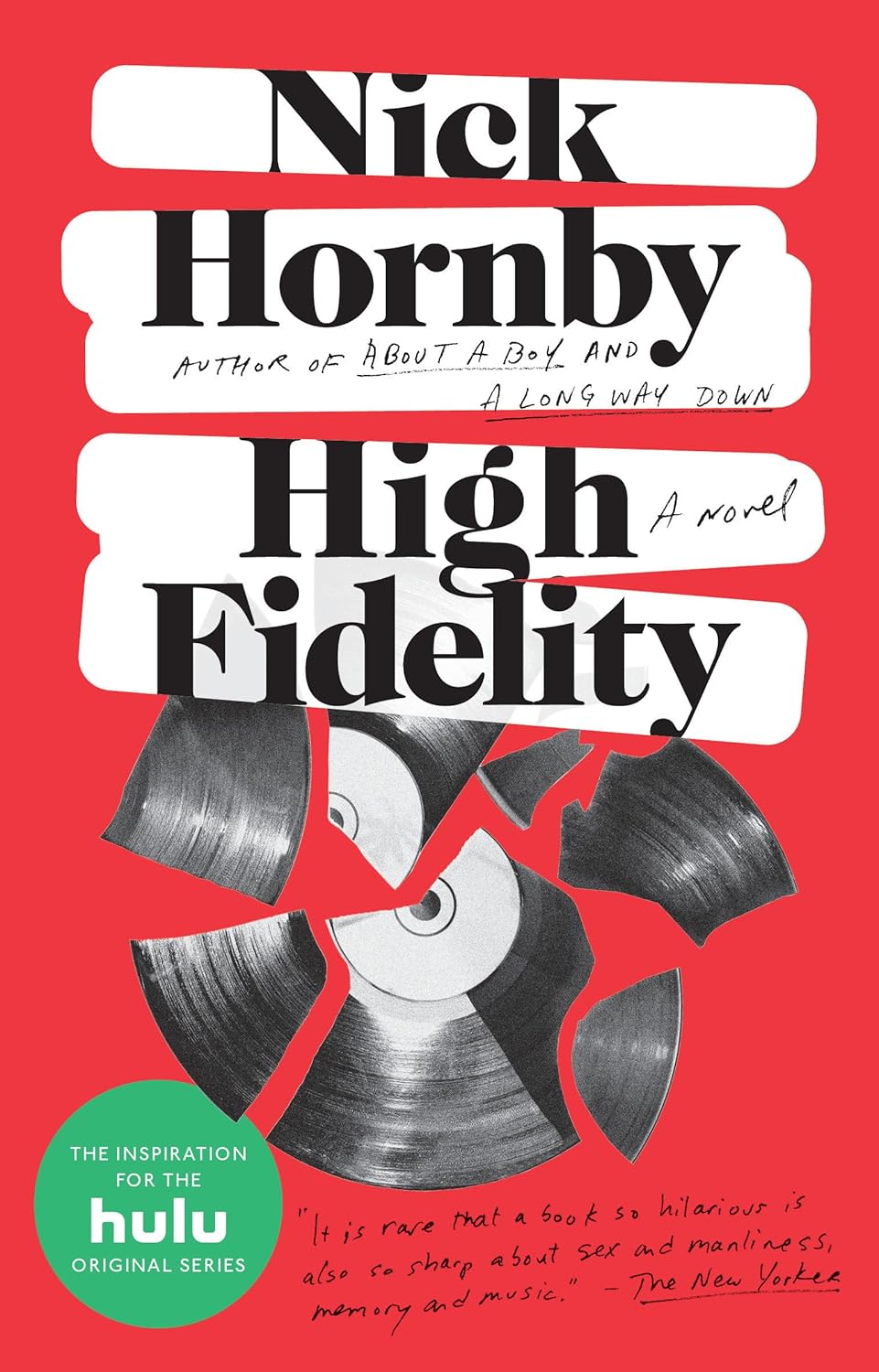
Rob Fleming runs a failing record shop in North London and has just been dumped by his girlfriend Laura. He responds by compiling a top five list of his worst break-ups, tracking down his exes to find out where he went wrong, and spending a great deal of time thinking about music instead of his own emotional life. Nick Hornby's 1995 novel is a first-person comedy about a particular kind of man — intelligent, self-aware enough to diagnose his own problems but not quite enough to solve them — and one of the defining works of 1990s literary fiction. Stephen Frears's 2000 film moves the story from London to Chicago, replaces Rob Fleming with Rob Gordon, and casts John Cusack in one of his best performances. It is one of the most successful transatlantic adaptations in cinema history.
Key Differences
London vs Chicago
Hornby's novel is specifically set in North London — the geography, the class textures, the particular relationship between British men of that generation and American music all contribute to its atmosphere. Frears and Cusack moved the story to Chicago, which has its own music culture and its own specific flavour of self-aware urban cool. Remarkably, almost nothing is lost. The transposition works because Hornby's subject — a certain kind of emotionally avoidant man who uses culture as a shield — is not specifically British. He is universal enough to survive the crossing.
Rob's direct address
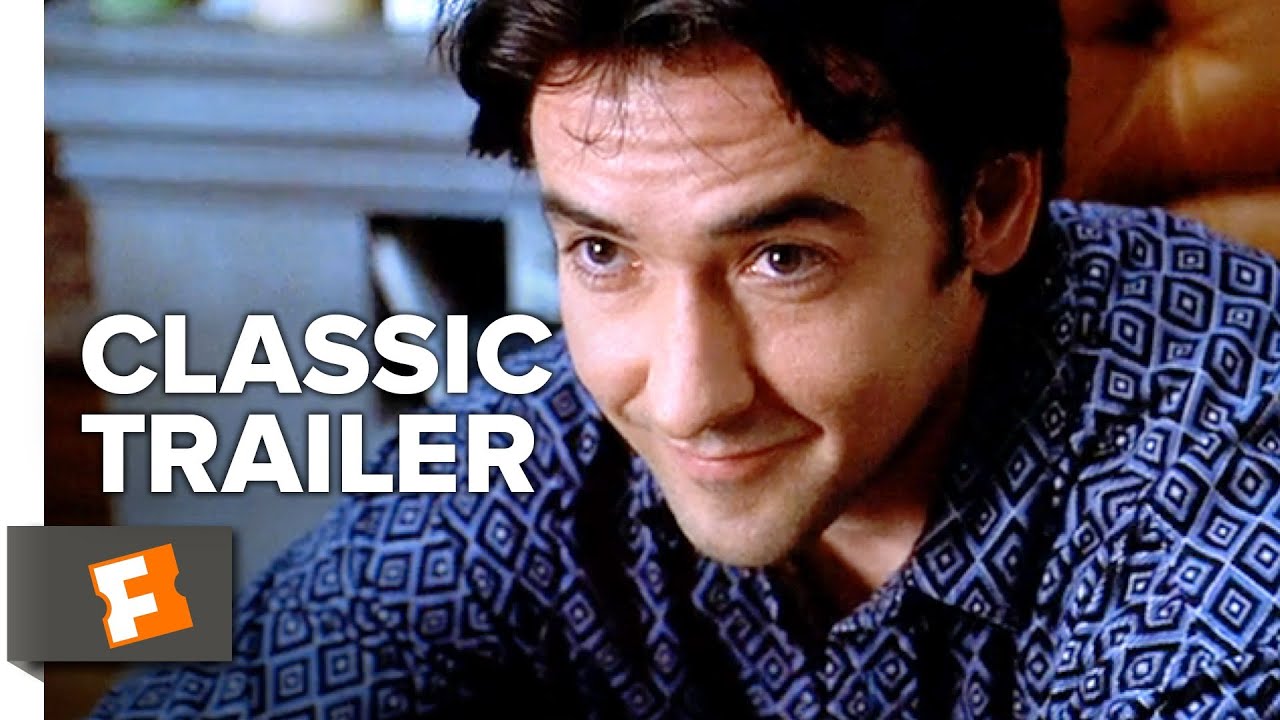
The novel is written in Rob's first person — a confessional, self-deprecating voice that is aware of its own evasions. The film gives Cusack extended direct address to the camera — Rob talks to the audience as he talks to himself in the novel, explaining his situation, making his lists, rationalising his behaviour. This is exactly the right adaptation of the prose voice into cinematic terms. Cusack's delivery of these monologues is the film's greatest achievement.
Jack Black as Barry
Barry — Rob's overbearing, music-obsessed shop assistant — is a supporting character in the novel, vivid but not central. Jack Black's performance made Barry one of the most memorable supporting characters in the film's era, and earned the role a prominence that somewhat shifts the story's balance. Black's Barry is funnier and more immediately likeable than Hornby's, which is a slight distortion of the novel's emotional architecture but an undeniable pleasure.
The music
Hornby's novel is saturated with specific musical references — the records Rob stocks, the lists he compiles, the songs that mark his emotional history. The film uses licensed music throughout and includes a genuinely brilliant sequence in which Rob and his friends debate the merits of various songs while processing his grief. The soundtrack is impeccable. Both versions understand that the music is not decoration but argument — evidence of how Rob thinks and what he uses thinking for.
Laura
Iben Hjejle plays Laura with a quality of weary intelligence — a woman who knows exactly what Rob is doing and has loved him anyway, for longer than she should. Hornby's Laura is rendered through Rob's partial and self-serving account of her, which makes her both more mysterious and more sympathetic than his version admits. The film's Laura is more fully present, which is warmer and slightly reduces the gap between Rob's version of events and the truth.
Should You Read First?
Either order works — this is one of the most comfortable either-order recommendations on the site, alongside About a Boy. The film is so faithful in spirit that watching first loses almost nothing. Read first for the full texture of Hornby's prose and Rob's specific London voice. Watch first for Cusack's monologues and Jack Black's Barry. Both versions are essential.
Hornby wrote a novel about a man who uses music and lists to avoid feeling anything genuinely difficult. Frears and Cusack made a film that is as good — moving the story from London to Chicago without losing anything essential and finding the perfect visual equivalent for Rob's confessional first-person voice. One of the most successful transatlantic literary adaptations in cinema. A genuine tie. Read the novel. See the film. Make your own top five list of which you prefer.