The Story in Brief
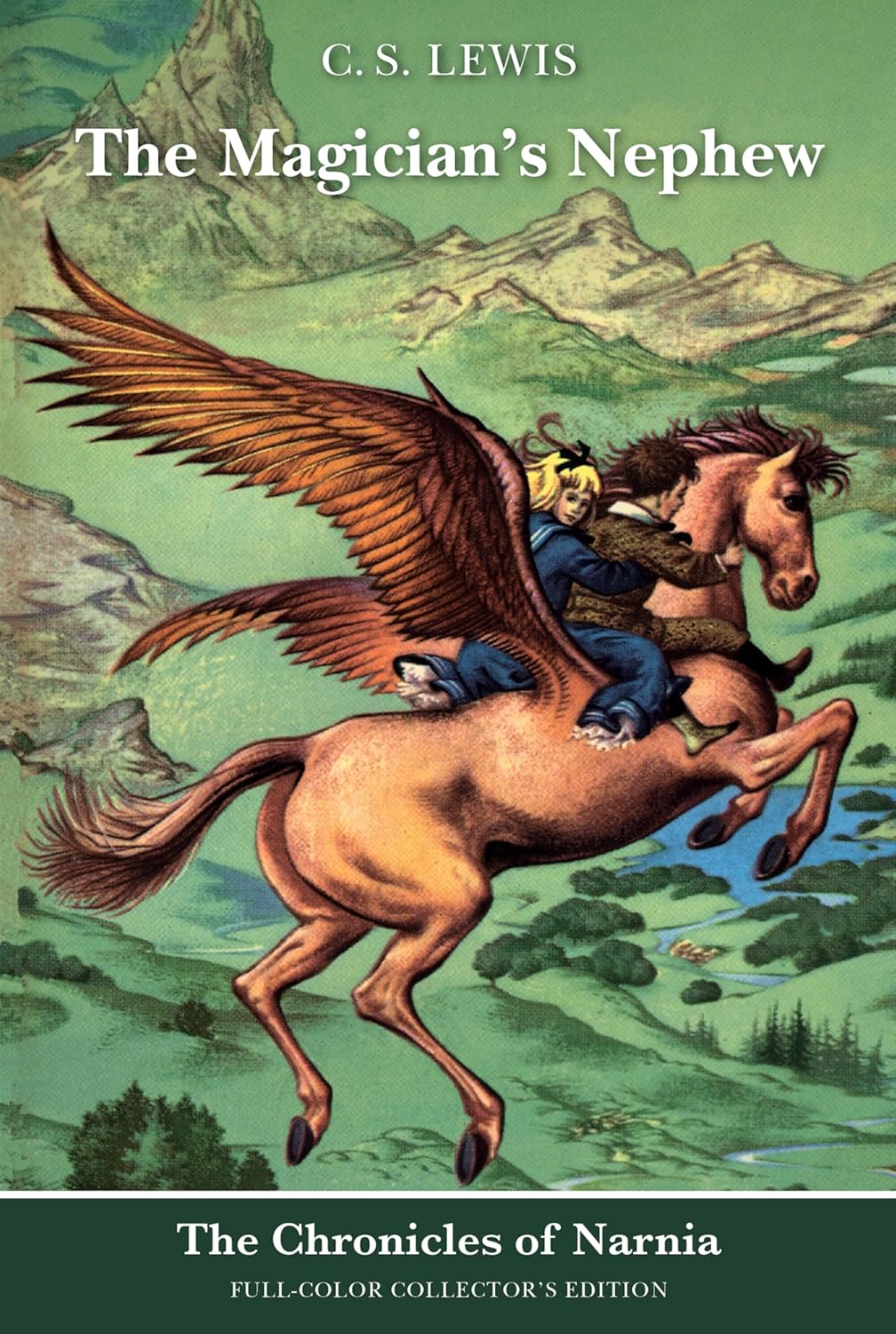
Digory Kirke and Polly Plummer are London neighbors in 1900 who explore the connecting attics between their row houses and stumble into the study of Digory's Uncle Andrew, a vain amateur magician who tricks Polly into touching a yellow ring that transports her to another world. Digory follows with a green ring to bring her back, and they discover the Wood Between the Worlds — a quiet forest of pools where each pool leads to a different universe. They accidentally awaken Jadis, the last queen of the dying world of Charn, who follows them back to London and causes chaos before they all end up in an empty darkness where Aslan the lion sings Narnia into existence.
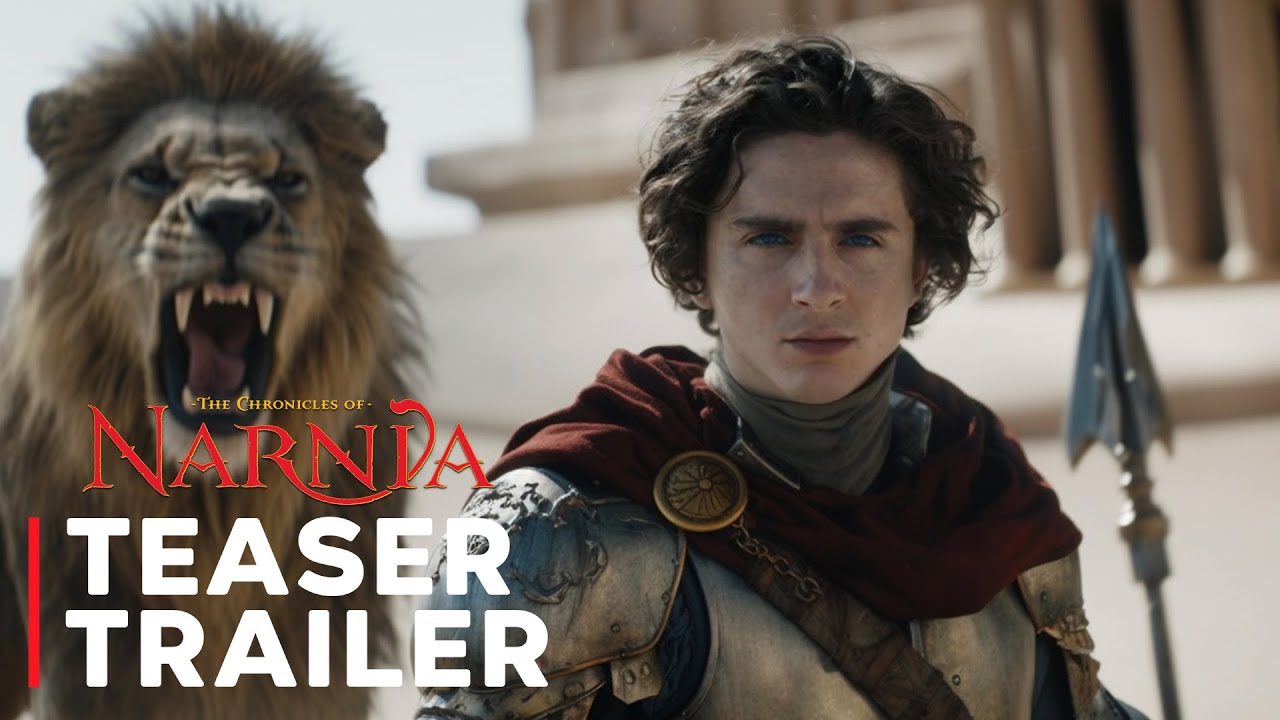
Lewis wrote this as the sixth Narnia book in 1955, five years after The Lion, the Witch and the Wardrobe made the series famous, going back to answer questions about how Narnia began and where the lamppost in the woods came from. The novel is both creation myth and character study — Digory's dying mother drives his desperate hope that Narnia might offer a cure, while his moral choices during the creation determine what kind of world Narnia will become. Greta Gerwig's Netflix adaptation, announced in 2023 and scheduled for 2026 release, is the first film in a planned reboot of the entire Chronicles of Narnia series.
The book has never been adapted for theatrical release before, though the BBC produced a television version in 1988. Lewis's creation sequence — Aslan singing stars, then landscape, then animals into being — is considered one of the most challenging and beautiful passages in children's fantasy literature, and how Gerwig translates it to screen will likely define the success of the entire Netflix series.
Cast & Characters
| Character | In the Book | In the Film |
|---|---|---|
| Digory Kirke Casting TBA |
A serious, grief-stricken boy whose dying mother makes him vulnerable to temptation when Jadis offers him a cure. | Expected to be the emotional center of Gerwig's adaptation, with his grief foregrounded more explicitly than Lewis's restrained approach. |
| Polly Plummer Casting TBA |
Practical, brave, and often more sensible than Digory — she's the one who keeps her head when things go wrong. | Early reports suggest Gerwig is expanding Polly's role to make her a more equal partner in the adventure rather than Lewis's supporting character. |
| Jadis / The White Witch Casting TBA |
The last queen of Charn, terrifying and imperious, who speaks the Deplorable Word that killed every living thing in her world to win a civil war. | Reportedly given a significantly expanded role in Gerwig's version, with more backstory about Charn and her motivations. |
| Uncle Andrew Casting TBA |
A comic villain — vain, cowardly, and convinced that moral rules don't apply to "great men" like himself. | The satirical precision of Lewis's portrait may be softened for a family audience, though Gerwig's track record suggests she'll preserve the character's pathetic vanity. |
| Aslan Voice casting TBA |
The great lion who sings Narnia into existence, terrifying and beautiful in equal measure, who judges Digory's choices with both sternness and mercy. | The creation song sequence will define the film's success — Gerwig must translate what works in imagination to what works on screen. |
Key Differences
Lewis's narrator is the book's secret weapon and cannot be filmed
Lewis writes directly to the reader with a confiding, occasionally stern voice that treats children as intelligent people deserving honest storytelling. He pauses to explain why Uncle Andrew is the way he is, warns you when characters are about to make mistakes, and addresses you as "you" throughout. This creates an intimacy between narrator and reader that is the novel's emotional foundation.
Gerwig cannot replicate this. She can use voiceover, but a film narrator explaining character psychology feels didactic in a way Lewis's prose never does. She'll need to find other techniques — perhaps Digory's internal monologue, or visual storytelling that conveys what Lewis tells us directly — to establish the same trust with her audience. The loss of Lewis's voice is the single biggest challenge any adaptation faces.
Aslan's creation song works because you imagine it yourself
The creation sequence is the novel's centerpiece: Aslan walks through darkness singing, and stars appear first, then sun, then landscape rising from nothing, then animals emerging from the ground already moving and speaking. Lewis describes it with restraint, giving you just enough detail to construct the scene in your imagination. The music is never specified — you hear what you imagine a world-creating song would sound like.
Gerwig must make specific choices. What does Aslan's voice sound like? What melody? What do the stars look like as they appear? How do animals emerge from the ground? Every choice will be spectacular and will replace what readers imagined. This isn't a flaw — it's the fundamental difference between reading and watching. But it means the film's creation sequence will be a different experience, not a translation of the book's.
Jadis gets an expanded role that shifts the story's center of gravity
In Lewis's novel, Jadis is terrifying but ultimately a supporting character. She appears in chapter four, causes chaos in London, and is present at the creation, but the story belongs to Digory and his moral choices. The emotional climax is Digory resisting temptation in the garden, not defeating Jadis in combat.
Gerwig is reportedly expanding Jadis's backstory, showing more of Charn before its destruction and giving her more screen time throughout. This makes commercial sense — audiences expect a strong villain — but it risks turning The Magician's Nephew into an origin story for the White Witch rather than a coming-of-age story for Digory. The question is whether Gerwig can expand Jadis's role without diminishing Digory's.
Digory's grief is restrained on the page but will likely be foregrounded on screen
Lewis handles Digory's dying mother with characteristic directness. We're told she's ill, we see Digory crying, and we understand his desperate hope that Narnia might offer a cure. But Lewis never dwells on it — the grief is real but not sentimentalized. When Aslan gives Digory an apple that heals her, the moment is brief and matter-of-fact.
Early reports suggest Gerwig is making Digory's grief more central to the film's emotional arc, which is understandable for a visual medium that needs clear emotional stakes. The risk is that foregrounding the grief too much turns the story into a tearjerker rather than an adventure. Lewis trusted his readers to feel the weight of Digory's situation without spelling it out; Gerwig will need to trust her audience the same way.
Uncle Andrew's satirical precision may not survive translation
Lewis's Uncle Andrew is a precise comic portrait of a certain kind of self-important man who considers himself above ordinary moral rules because he's doing "important work." He's vain, cowardly, and pathetic, and Lewis skewers him with surgical precision. The satire is sharp enough that adult readers laugh at different things than children do.
How much of that satirical edge survives in a big-budget family film remains to be seen. Gerwig has shown she can handle complex adult themes in family-friendly contexts — her Barbie film proved that — but Uncle Andrew's particular brand of self-deluding vanity is easy to soften into generic comic relief. If Gerwig preserves Lewis's satirical bite, Uncle Andrew will be one of the film's highlights. If she doesn't, he'll just be a buffoon.
Should You Read First?
Yes, and there's no excuse not to — The Magician's Nephew is 180 pages and you can read it in an afternoon. More importantly, Aslan's creation song deserves to happen in your imagination before Gerwig's version replaces it. Once you've seen her stars appear and heard her music, that's what you'll picture forever. Read the book first, let Lewis's restrained prose guide you through the creation, and construct the scene in your own head.
Then go watch what Gerwig does with it. Her visual imagination is strong enough that her version will be worth seeing even if you've read the book, but you'll appreciate her choices more if you know what Lewis wrote. The film will be spectacular; the book is intimate. Experience the intimacy first, then the spectacle.
Lewis's novel is short, precise, and trusts its readers with real moral complexity. Gerwig is the right director for this material — her ability to make the familiar strange is exactly what Narnia needs — but the book's narrator-driven intimacy cannot be filmed. Read it first, let the creation happen in your head, then watch Gerwig make it her own. The book wins because it was there first and because some magic only works in imagination.
Frequently Asked Questions
The Chronicles of Narnia Reading Order
The Magician's Nephew is part of The Chronicles of Narnia, a seven-book series. There are two ways to read them:
Publication Order (recommended by most Lewis scholars):
- The Lion, the Witch and the Wardrobe (1950)
- Prince Caspian (1951)
- The Voyage of the Dawn Treader (1952)
- The Silver Chair (1953)
- The Horse and His Boy (1954)
- The Magician's Nephew (1955)
- The Last Battle (1956)
Chronological Order (as numbered in modern editions):
- The Magician's Nephew
- The Lion, the Witch and the Wardrobe
- The Horse and His Boy
- Prince Caspian
- The Voyage of the Dawn Treader
- The Silver Chair
- The Last Battle
Publication order is generally preferred because it preserves the experience Lewis intended — meeting Narnia already formed, then learning its origin story later. Chronological order works if you're reading to young children who might be confused by flashbacks, but you lose the pleasure of having questions answered in the order Lewis designed.