The Story in Brief
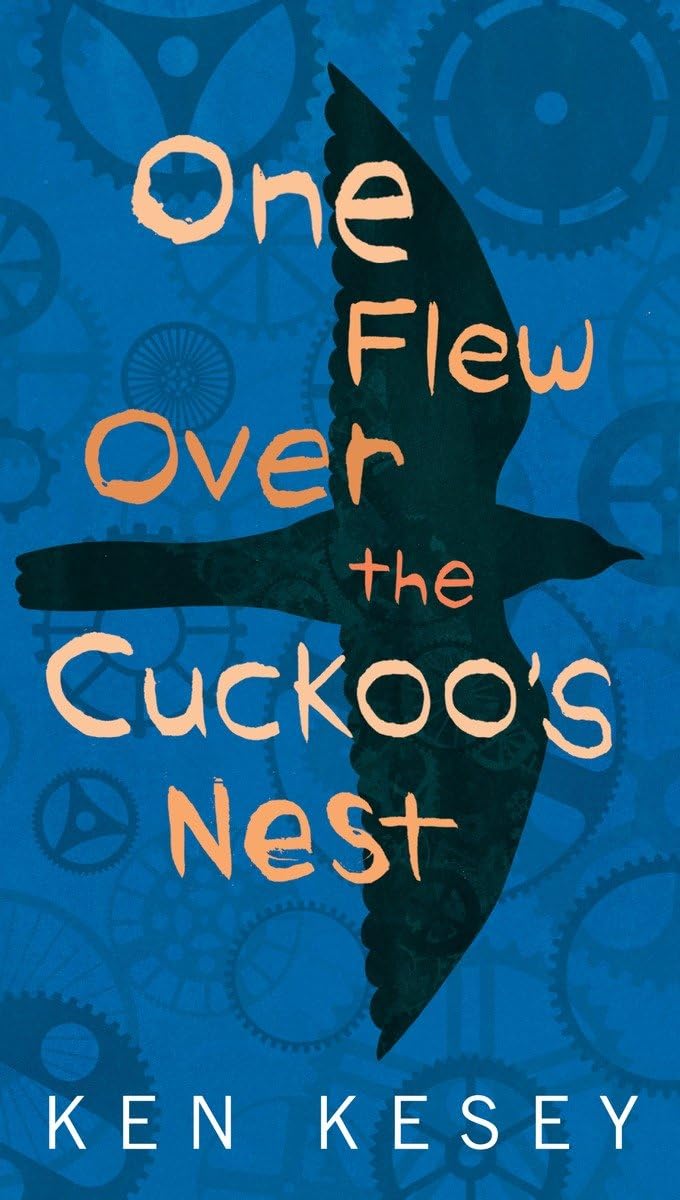
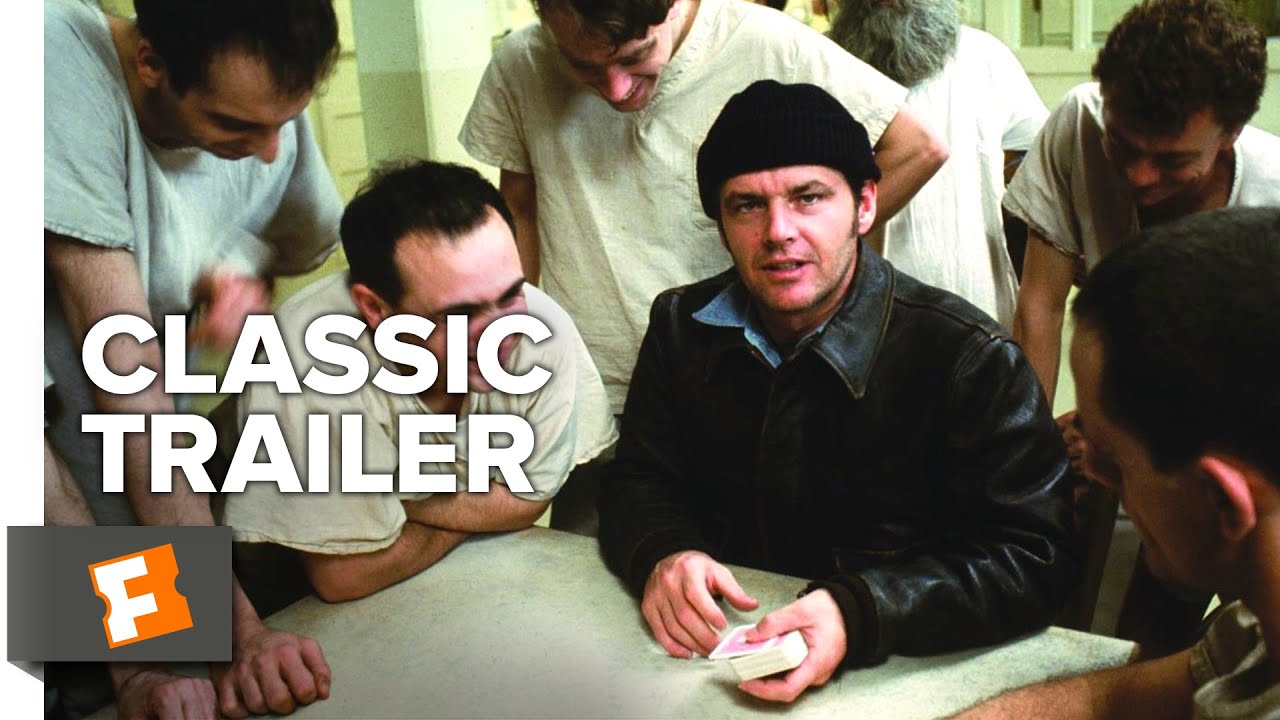
Randle Patrick McMurphy fakes insanity to serve his prison sentence in a psychiatric ward rather than on a work farm, and immediately begins disrupting the rigid order maintained by Nurse Ratched. Ken Kesey's novel is narrated by Chief Bromden, a half-Native American patient who pretends to be deaf and mute and sees the ward as a metaphor for the oppressive machinery of American society. Miloš Forman's film won five Academy Awards including Best Picture — and, controversially, shifted the narration away from Chief Bromden entirely. Both are masterworks. The debate about which is better has been running for fifty years.
Key Differences
Chief Bromden's narration
This is the adaptation's most significant and most controversial change. Kesey's novel is narrated entirely by Bromden — his hallucinations, his fog, his slow return to himself through McMurphy's influence are the novel's moral and structural centre. The film shifts to a conventional third-person perspective, which makes it a story about McMurphy rather than about what McMurphy does to Bromden. Kesey hated the adaptation partly for this reason. He has a point.
Nurse Ratched
Louise Fletcher won the Oscar and created one of cinema's great villains — cold, controlled, institutional. Kesey's Nurse Ratched is more overtly sexual in her menace, her power over the ward more explicitly tied to emasculation and conformity. The film's version is subtler and more plausibly bureaucratic. Both are terrifying; they're terrifying in different ways.
McMurphy
Jack Nicholson is so definitive in the role that it's difficult to read the novel without hearing his voice. But Kesey's McMurphy is filtered through Bromden's perception — he's partly a projection, a mythic figure as much as a man. The film's McMurphy is more literal and therefore more human, which is both the film's strength and its loss.
The ward as metaphor
Kesey wrote the novel as a counter-culture critique of conformity and institutional power — the Combine, as Bromden calls it, is America itself. The film preserves the critique but strips the metaphysical dimension. Forman's ward is a specific place with specific people; Kesey's ward is a machine for producing compliance.
The ending
Both versions end the same way — McMurphy lobotomised, Bromden suffocating him and escaping through the window. The film earns its ending through performance. The novel earns it through a hundred pages of Bromden's slowly clearing fog. Both are devastating. The novel's is more hard-won.
Should You Read First?
Yes — read first specifically to get Bromden's narration before the film takes it away from you. Once you've seen Nicholson you'll struggle to hear any other McMurphy; reading first gives you Kesey's version before Nicholson's overwrites it. Both are essential. The sequence matters.
One of the genuinely great book-to-film debates. Forman made a masterpiece by removing the thing that makes Kesey's novel a masterpiece — Chief Bromden's narrating consciousness. Both versions are required reading and viewing. Start with the novel. Bromden deserves to be heard first.