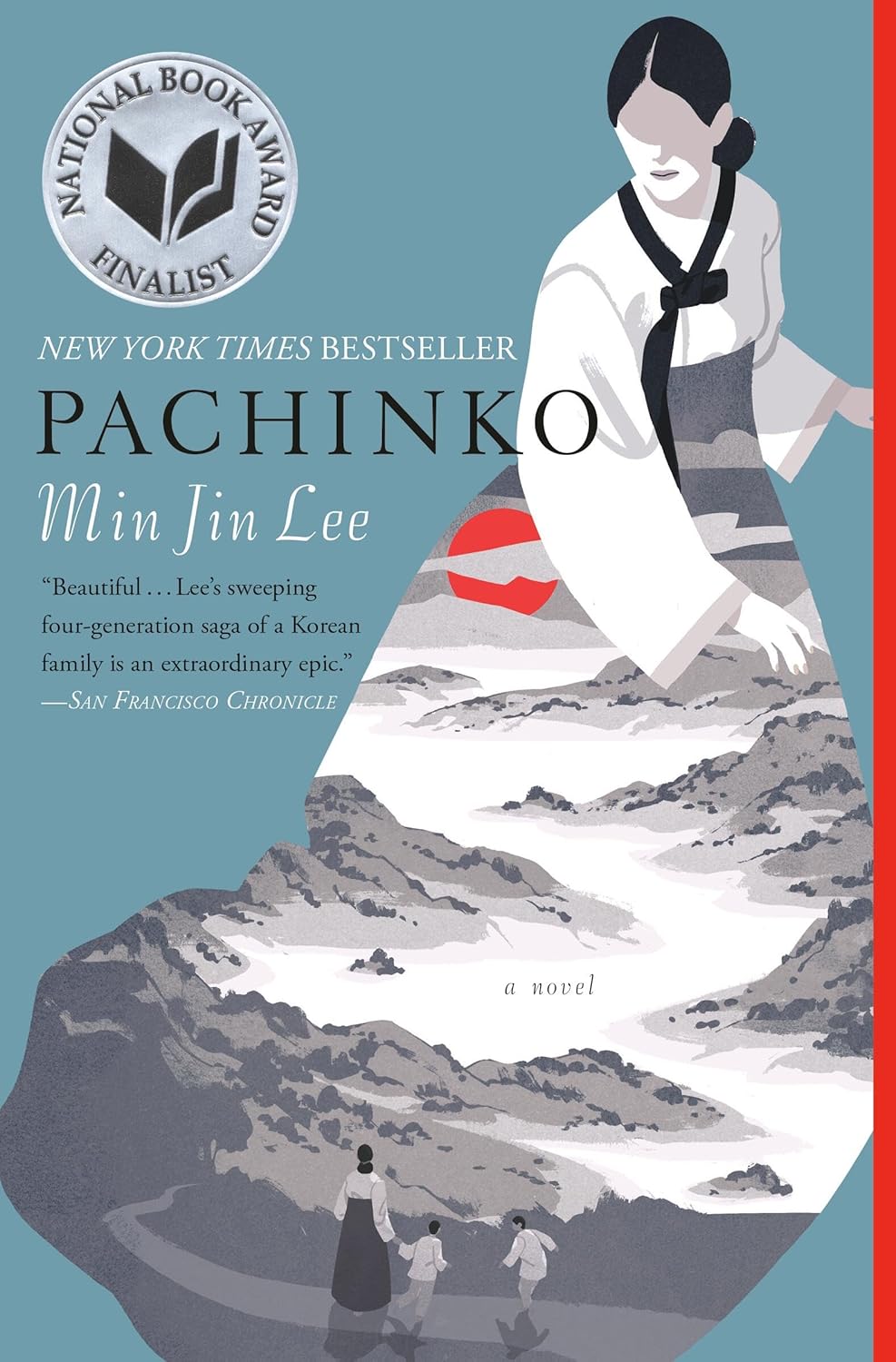
The Story in Brief
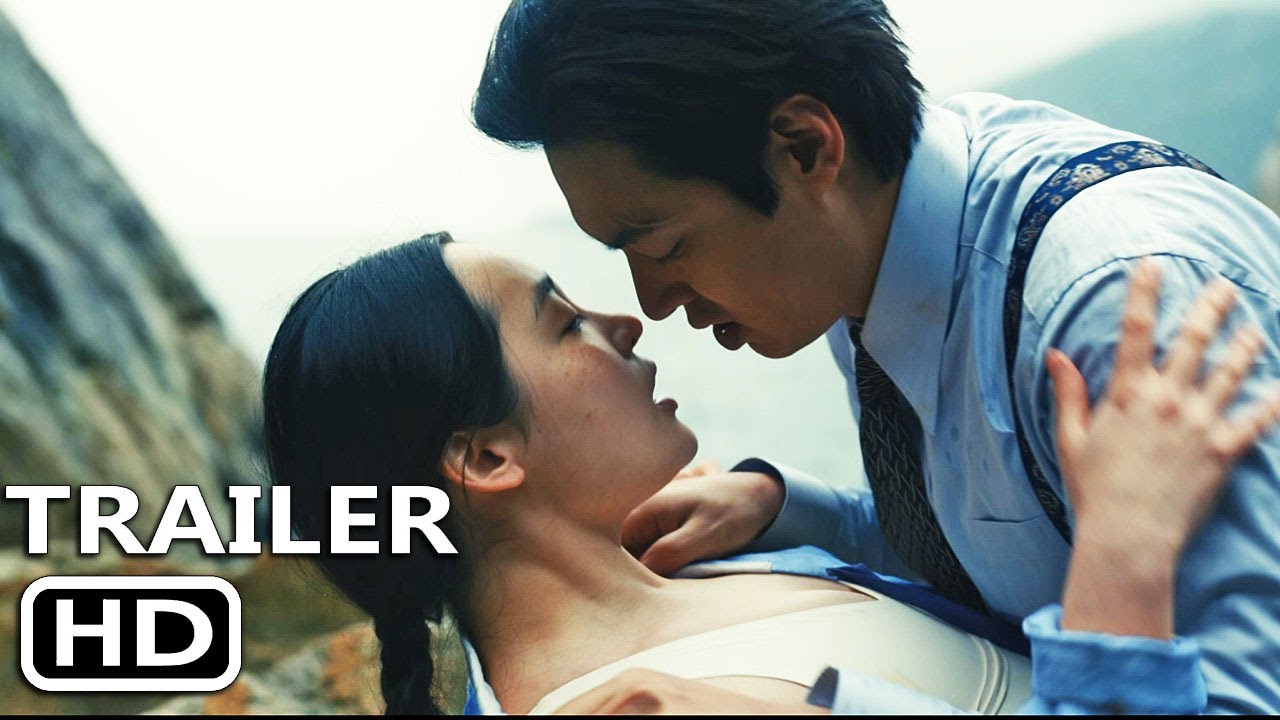
Beginning in early twentieth-century Korea and spanning four generations across Korea and Japan, Pachinko follows a Korean family whose founding act — a young woman's pregnancy by a married man — determines the destinies of her descendants across decades of discrimination, war, and assimilation. Min Jin Lee spent thirty years researching and writing it. The Apple TV+ series, directed by Kogonada and Justin Chon, is visually extraordinary and emotionally gripping. It is also, inevitably, a fraction of the novel.
Key Differences
Scope and generational depth
The novel covers four generations in full — Sunja, her sons Noa and Mozasu, and her grandson Solomon — each given the space to become a complete character with their own arc. The series, beginning with Season One, focuses primarily on Sunja's early life and Solomon's present-day story, compressing the middle generations significantly. What the novel does across five hundred pages in giving each generation equal weight is simply not possible in eight episodes.
Noa's character arc
In the novel, Sunja's eldest son Noa is one of the most heartbreaking characters in recent fiction — a man who tries to escape his Korean identity through assimilation into Japanese society and is ultimately destroyed by it. His arc is among the novel's most sustained and devastating achievements. The series has not yet given Noa the full treatment the novel provides, and his story is the one whose loss is most felt.
The historical texture
Lee's research is extraordinary — the specific details of Korean life in Japan, the pachinko industry, the social hierarchies of the zainichi Korean community — and this texture permeates every page of the novel. The series captures the visual dimension of this world beautifully but the prose gives you the interior experience of discrimination in a way that images cannot fully match.
The series' visual achievement
Kogonada shoots the series with extraordinary beauty — the colour palette, the period recreation, the way past and present are visually distinguished — and Youn Yuh-jung as the older Sunja is one of the great performances in recent television. The series does things the novel cannot: it shows you this world rather than describing it.
The parallel timelines
The series structures itself around parallel editing between Sunja's past and Solomon's present, which is a departure from the novel's largely chronological approach. This works as a television device — it creates immediate dramatic irony — but it also means the series feels less like a family saga and more like a two-character story with supporting history.
Should You Read First?
Yes — and this is a case where reading first will significantly deepen your experience of the series. The novel's generational scope is what makes Pachinko extraordinary, and understanding the full weight of what each generation carries makes the series' scenes more resonant. Read it first. The series is beautiful. The novel is one of the best of the decade.
The Apple TV+ series is one of the finest literary adaptations in recent streaming history — and it's still a fraction of what Min Jin Lee built. Read the novel first, then watch the series as a companion piece. The book's scope is irreplaceable. The series' visuals are unmatchable. Both belong in your life.