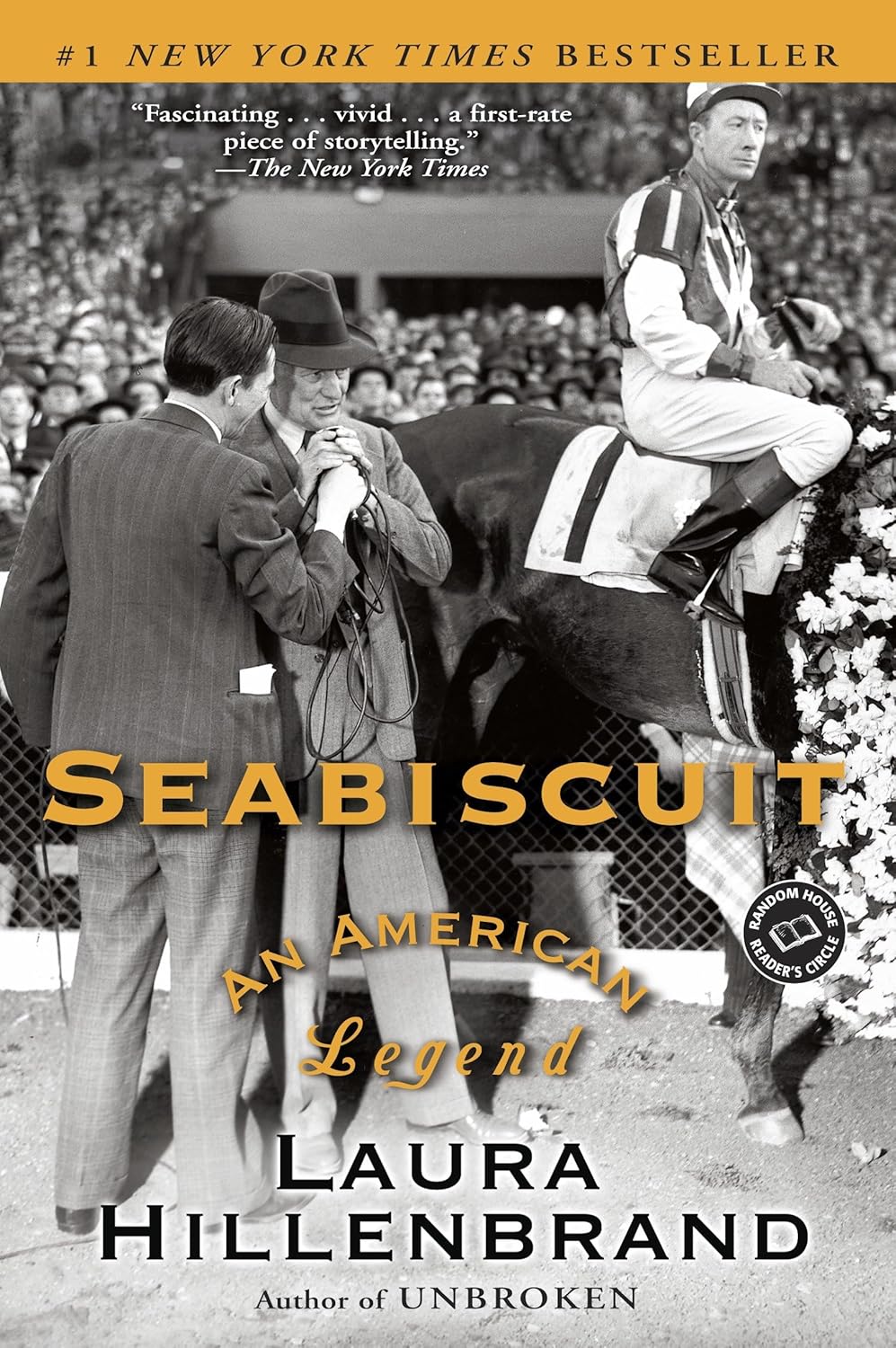
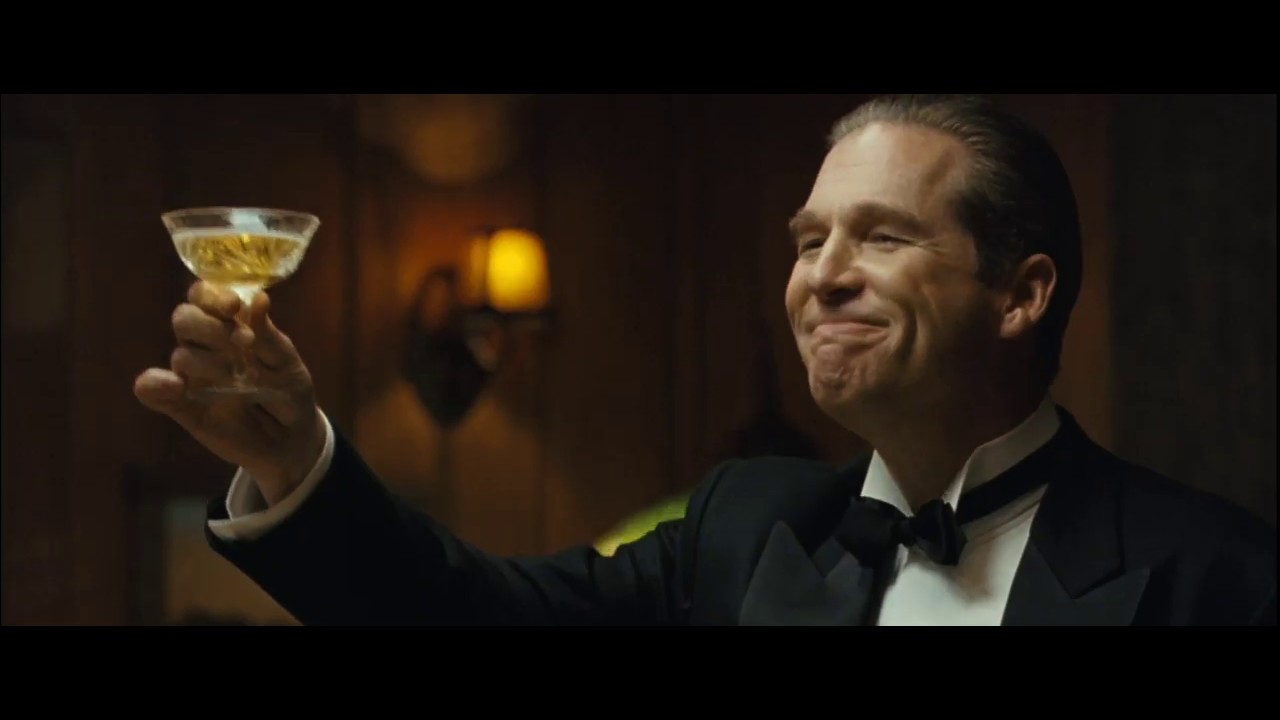
The Story in Brief
Seabiscuit is the true story of an undersized and overlooked racehorse who, against all odds, became one of the most remarkable thoroughbreds in American history. Set against the backdrop of the Great Depression, the book and film follow Seabiscuit's journey from a broken-down nag to a champion, captivating the nation and inspiring hope in a time of widespread hardship. Through the dedicated efforts of his unorthodox trainer, a down-on-his-luck jockey, and a millionaire owner, Seabiscuit defied expectations and rose to legendary status, becoming a symbol of the American spirit.
Key Differences
Depth of Character Development
The book excels at providing rich, nuanced portraits of the central figures in Seabiscuit's story - owner Charles Howard, trainer Tom Smith, and jockey Red Pollard. Hillenbrand delves deeply into their backstories, motivations, and personal struggles, giving readers a profound understanding of what drove them and how their lives intertwined. In contrast, the film tends to skim the surface, devoting less time to fully fleshing out these complex characters. While the movie captures the gist of their relationships, the book immerses you in their world with far greater emotional impact.
Narrative Pacing and Structure
Hillenbrand's meticulous, almost novelistic approach to storytelling allows the book to unfold at a more gradual, deliberate pace, building tension and drama through rich historical details and vivid descriptions. The film, however, moves at a brisker clip, condensing and streamlining the narrative to fit a typical Hollywood runtime. While the movie maintains an engaging momentum, it sacrifices some of the book's nuance and depth of exploration.
Racetrack Sequences
One of the book's greatest strengths is its ability to immerse readers in the visceral experience of Seabiscuit's races. Hillenbrand's masterful use of language transports you to the heart of the action, allowing you to feel the thundering hooves, the roar of the crowd, and the sheer exhilaration of those climactic moments. The film, while competent in its recreation of the races, can't quite match the raw intensity and cinematic flair of the book's racetrack sequences.
Scope and Contextual Details
By virtue of its longer form, the book is able to provide a broader, more comprehensive look at the historical and cultural context surrounding Seabiscuit's rise to fame. Hillenbrand skillfully weaves in details about the economic and social upheaval of the Great Depression, the changing landscape of horse racing, and the public's hunger for an underdog hero. The movie, in its attempt to condense the story, sacrifices some of this vital contextual depth, resulting in a more narrowly focused narrative.
Emotional Impact
Through its richly textured prose and meticulous attention to detail, the book ultimately delivers a more profound and emotionally resonant experience. Readers are drawn into Seabiscuit's world with an intimacy that is difficult to replicate on screen, leading to a deeper sense of investment in the characters and their triumphs. While the movie has its share of rousing, heartwarming moments, the book's ability to fully immerse you in this inspiring true story is unmatched.
Should You Read First?
Given the book's clear superiority in terms of depth, nuance, and emotional impact, it is highly recommended to read Seabiscuit before watching the film adaptation. Hillenbrand's masterful storytelling and her ability to transport readers to a bygone era make the book a must-read for anyone interested in this remarkable tale. The movie, while an entertaining cinematic interpretation, simply can't match the richness and complexity of the original literary work. By reading the book first, you'll gain a richer understanding and appreciation of the characters, events, and historical context that shaped Seabiscuit's legendary journey.
The book version of Seabiscuit is the clear winner, providing a richer, more detailed account of this inspiring true story.