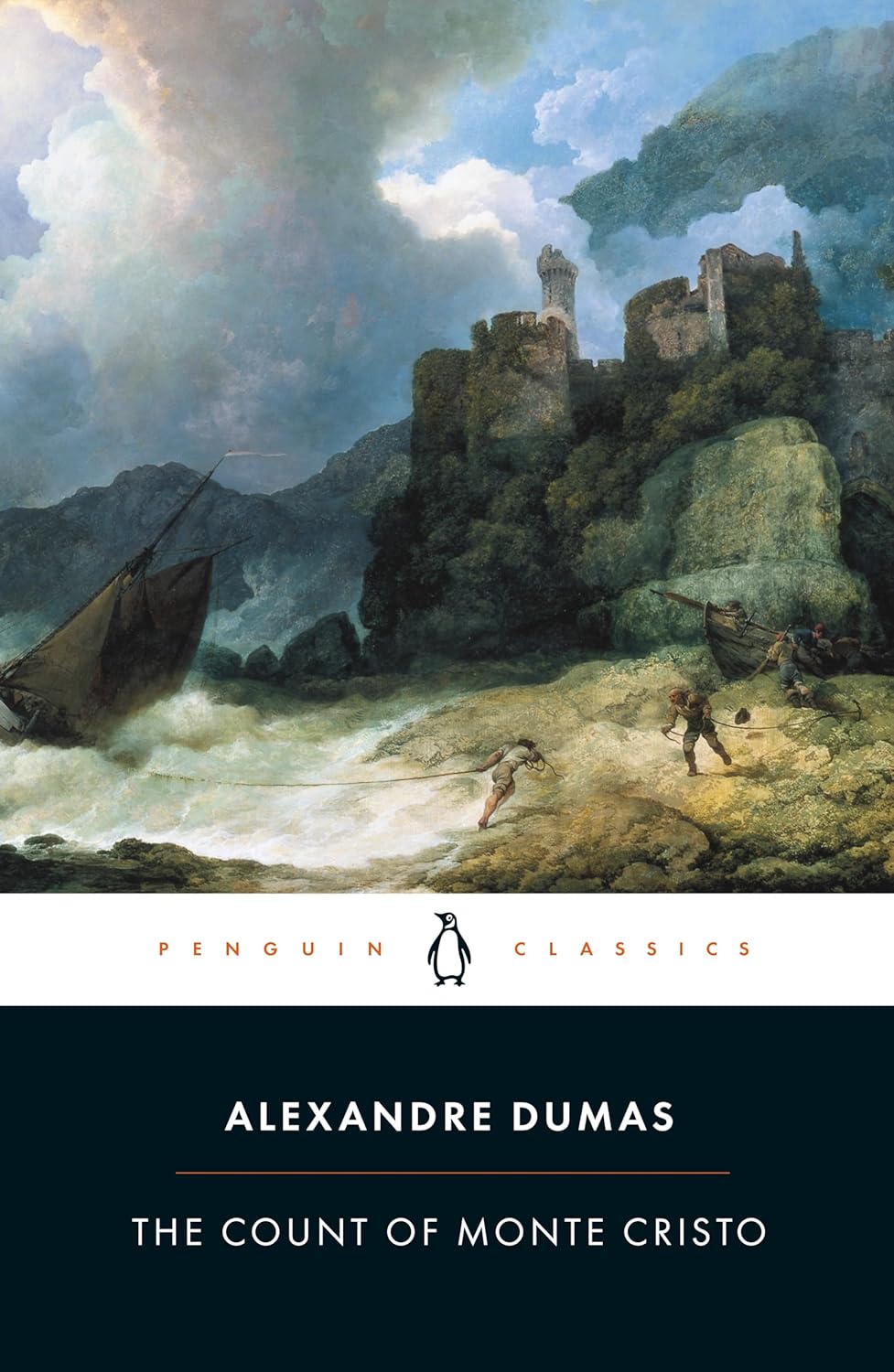
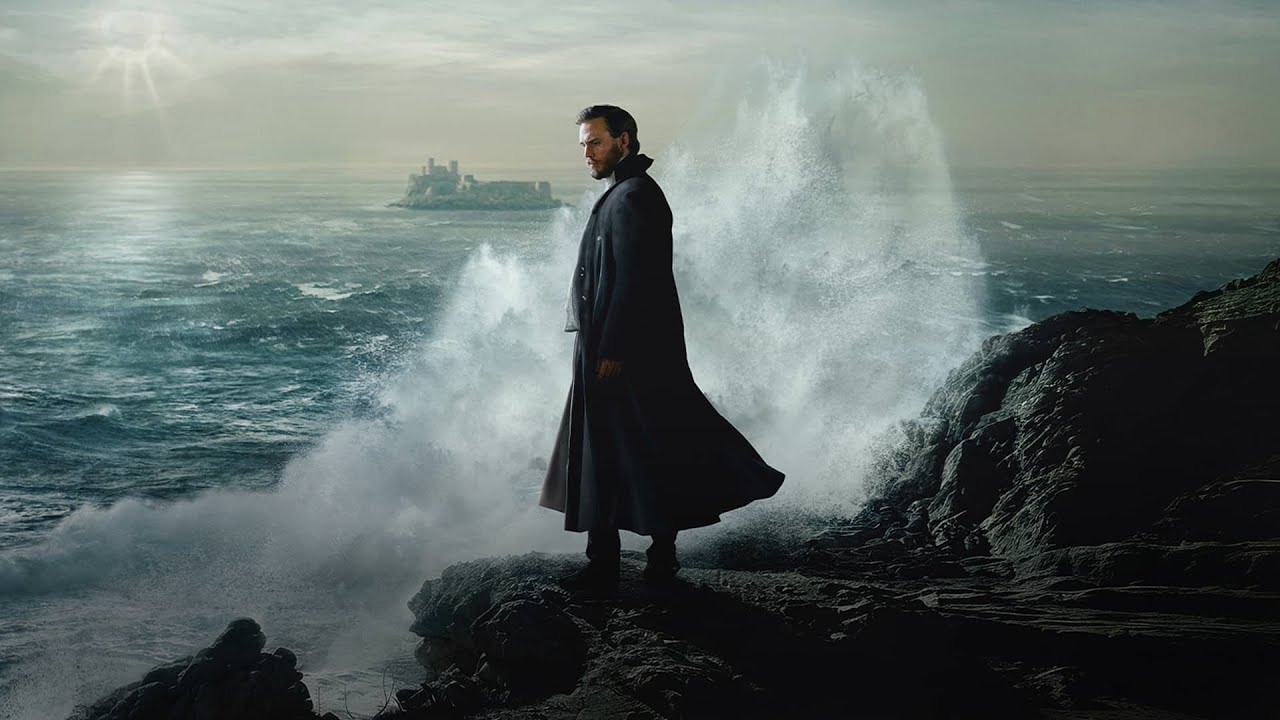
The Story in Brief
The Count of Monte Cristo is Alexandre Dumas' classic tale of unjust imprisonment, daring escape, and exquisite revenge. Edmond Dantès, a young sailor, is falsely accused of treason and incarcerated in the Château d'If. After years of confinement, he escapes, discovers a fabulous treasure, and reinvents himself as the powerful and mysterious Count of Monte Cristo. Armed with his newfound wealth and thirst for vengeance, he sets out to punish those who wronged him, unraveling a web of deceit and corruption in 19th century France. The story's enduring themes of justice, morality, and the corrupting nature of power have captivated readers for generations.
Key Differences
Character Development
The book delves deeply into Edmond Dantès' psychological transformation, exploring his complex emotions as he transitions from an innocent young man to a calculating, vengeful Count. The film adaptation, while visually stunning, cannot match the novel's nuanced portrayal of Dantès' moral descent and internal struggle. Crucial character arcs, such as the Count's relationship with Abbé Faria and his gradual disillusionment with the notion of justice, are abridged or omitted in the movie, robbing the story of its profound emotional resonance.
Scope and Pacing
Dumas' original text spans decades and encompasses a vast, intricate plot with numerous subplots and diverse settings. The film, constrained by its medium, struggles to capture the epic sweep and leisurely pacing of the novel. Important storylines, such as the Count's ventures in Rome and the intertwining of multiple families, are either rushed or excised altogether, compromising the richness and complexity of the narrative.
Thematic Depth
The book delves deeply into themes of justice, vengeance, and the corrupting influence of power, presenting a nuanced exploration of moral ambiguity. The film, while visually striking, often simplifies these themes, trading depth for spectacle. The novel's subtle examination of the fine line between justice and retribution, and the ultimate futility of seeking revenge, is diluted in the cinematic adaptation.
Narrative Complexity
Dumas' original work is a masterfully woven tapestry of interconnected storylines, featuring a large ensemble cast and a labyrinthine plot that unfolds with meticulous precision. The film, despite its impressive production values, struggles to capture the intricacy and narrative density of the source material, often resorting to streamlining or collapsing multiple characters and plotlines into a more linear, fast-paced structure.
Emotional Impact
The novel's powerful exploration of themes like betrayal, loss, and the search for meaning resonates deeply with readers, evoking a range of emotions from outrage to catharsis. The film, while visually captivating, fails to fully convey the depth of human experience present in the book, often prioritizing spectacle over the more intimate, psychological aspects of the story.
Should You Read First?
Unequivocally, yes. The book is the superior work, offering a richer, more nuanced exploration of the themes and characters that made The Count of Monte Cristo a timeless classic. While the film may serve as an engaging visual adaptation, it cannot match the depth, complexity, and emotional impact of Dumas' original masterpiece. Readers who immerse themselves in the novel first will be better equipped to appreciate the strengths and limitations of the cinematic version, and to draw their own conclusions about the enduring power of the story.
The book remains the superior version, delivering a richer, more nuanced exploration of justice and redemption.